
The Role of the Silk Road in Facilitating IndianPersian Connections

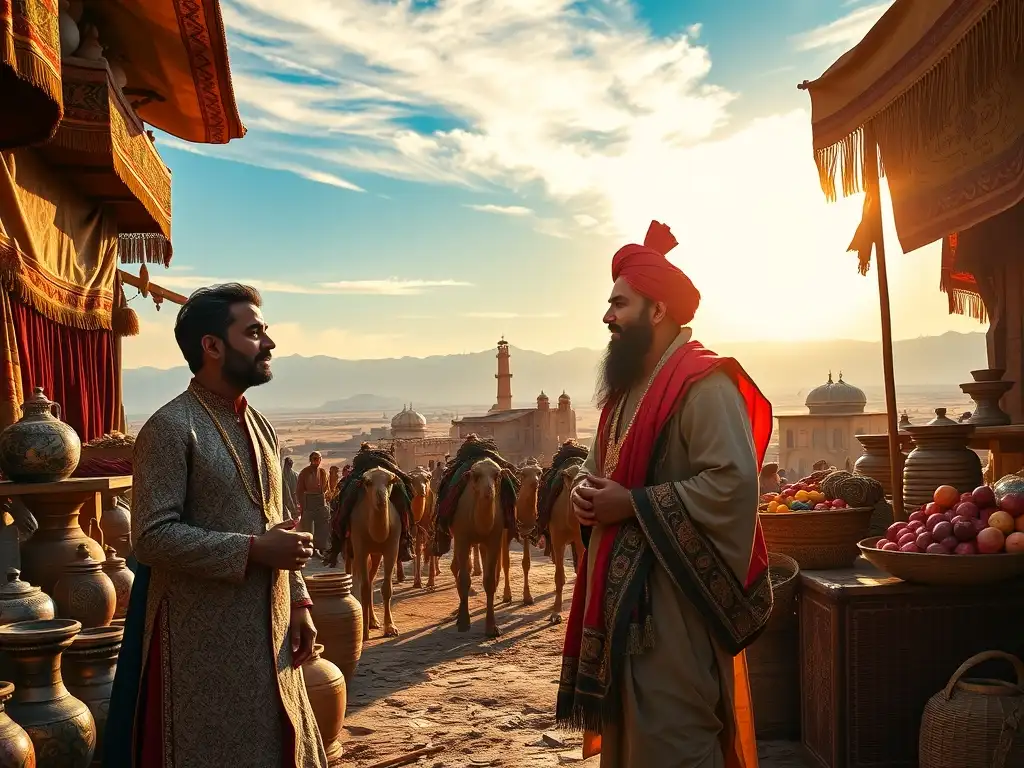
Welcome to Ancient India History, where we delve into the rich tapestry of ancient Indian civilizations and their remarkable contributions to the world. In this journey, we invite you to explore the intriguing connections that flourished along the Silk Road, specifically the Indian-Persian ties that shaped cultural exchanges and trade. Discover how these interactions not only enriched both regions but also laid the foundation for enduring legacies. Ready to uncover the secrets of this fascinating era? Let’s embark on this enlightening exploration together!
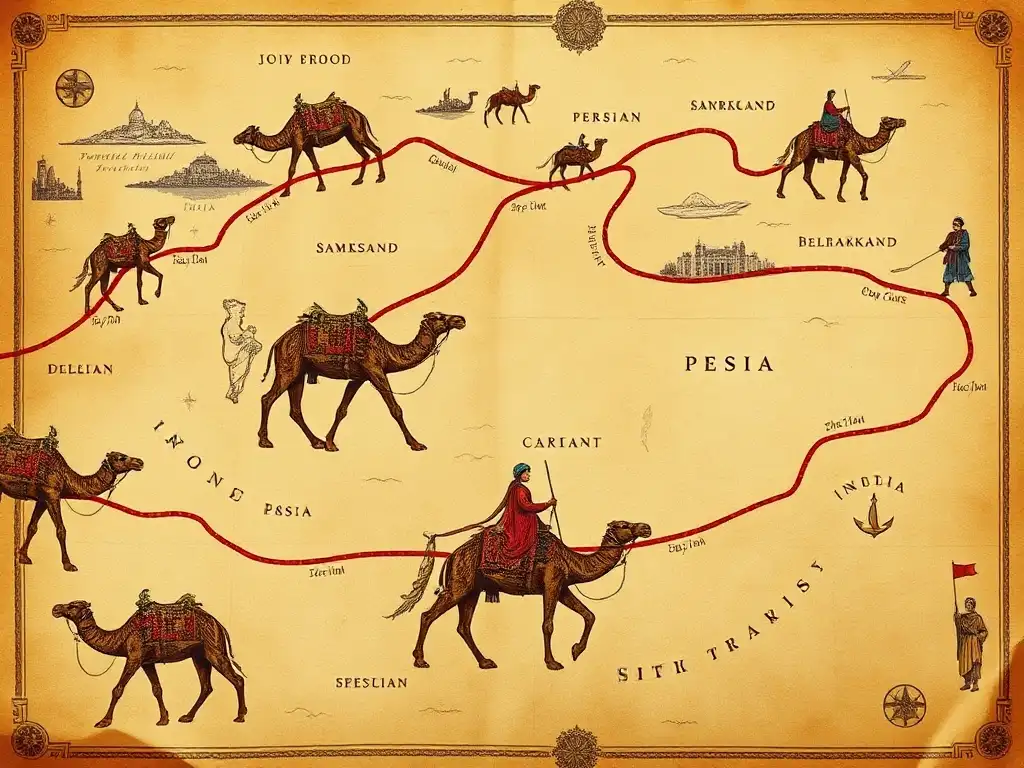
The Silk Road, an intricate network of trade routes that connected the East and West, played a pivotal role in shaping the cultural, economic, and political landscapes of ancient civilizations. Among the many relationships fostered through this ancient pathway, the connections between Indian and Persian societies stand out as particularly significant.
This article delves into the multifaceted interactions between these two great civilizations, exploring how the Silk Road facilitated the exchange of goods, ideas, and cultural practices that enriched both societies. Understanding the dynamics of these Indian-Persian connections not only sheds light on the historical context of the Silk Road but also highlights its enduring impact on regional development and intercultural dialogue.
Introduction to the Silk Road and Its Significance
The Silk Road was not merely a single route but a series of interconnected pathways that facilitated trade and cultural exchanges across continents. Spanning thousands of miles, it linked bustling marketplaces and vibrant cultures from China through Central Asia to the Mediterranean. The significance of the Silk Road lies in its role as a conduit for not just trading silk but also spices, textiles, precious metals, and a wealth of knowledge, including philosophies, religions, and technological innovations.
Understanding the Silk Road's Historical Context
The origins of the Silk Road date back to the Han Dynasty (206 BCE – 220 CE), when the demand for silk produced in China prompted traders to seek new markets. Over centuries, the route evolved, witnessing the rise and fall of empires, migrations, and the fusion of diverse cultures. The Indian subcontinent, with its rich resources and thriving trade networks, became an essential player in this vast trading system. The interactions between Indian and Persian civilizations were particularly pronounced, as merchants, scholars, and diplomats traversed these routes, fostering a complex tapestry of relationships.
The Importance of Indian-Persian Connections
The connections between India and Persia were not solely economic; they were deeply cultural and intellectual. Persian influence is evident in various aspects of Indian art, architecture, and literature, while Indian philosophies and religious ideas, including Buddhism and Hinduism, found their way into Persian society. This mutual exchange enriched both civilizations, leading to advancements in various fields, including mathematics, astronomy, and medicine.
The Geography of the Silk Road
The geography of the Silk Road was marked by diverse landscapes, including deserts, mountains, and bustling trade towns. This unique terrain not only posed challenges for travelers but also shaped the routes that traders took.
Key Routes Connecting India and Persia
Several key routes connected India and Persia, facilitating the flow of goods and cultural exchanges. The most significant routes included:
- The Northern Route: Traversing Central Asia, it linked the major trade hubs of Samarkand and Bukhara, eventually reaching Persia.
- The Southern Route: Passing through the mountainous regions of the Hindu Kush, this route connected Indian cities like Taxila and Peshawar with Persian territories.
- The Maritime Route: A lesser-known but equally important pathway, it connected Indian ports to Persian coastal cities, enabling the exchange of goods via the Arabian Sea.
Major Trade Centers Along the Silk Road
Numerous trade centers emerged along the Silk Road, serving as vital hubs for commerce and cultural exchange. Some of the most notable cities included:
| City | Location | Significance |
|---|---|---|
| Taxila | Modern-day Pakistan | A center of learning and commerce. |
| Susa | Modern-day Iran | An important Persian capital and trade hub. |
| Nishapur | Modern-day Iran | A major center for silk and textiles. |
| Bukhara | Modern-day Uzbekistan | Renowned for its markets and scholars. |
| Samarkand | Modern-day Uzbekistan | A cultural melting pot of the Silk Road. |
These trade centers were not only vital for commerce but also served as venues for the exchange of ideas, art, and culture, further solidifying the Indian-Persian connections that thrived along the Silk Road.
Cultural Exchange Along the Silk Road
The Silk Road served as a vital artery for cultural exchange between India and Persia, facilitating not just trade but also the movement of ideas, beliefs, and artistic expressions. This network of trade routes allowed for a rich tapestry of interactions that shaped the cultural landscapes of both regions. Through the Silk Road, Indian scholars, artists, and merchants traveled to Persia, introducing diverse philosophies and religious beliefs, particularly Buddhism and Hinduism, which found fertile ground among Persian thinkers. Conversely, Persian culture, including Zoroastrian beliefs and art forms, permeated Indian society, leading to a unique fusion of traditions.
The exchange was not limited to formal institutions; it permeated everyday life. Festivals, culinary practices, and local customs were often influenced by cross-cultural interactions. For instance, the Indian practice of yoga and meditation began to find resonance in Persian mysticism, showcasing a blend of spiritual practices that enriched both cultures. This cultural dialogue laid the groundwork for a shared heritage that transcended geographical boundaries.
The Flow of Ideas and Innovations
Ideas flowed freely along the Silk Road, creating a dynamic environment where innovations could thrive. Scholars played a pivotal role in this exchange, with many traveling to study or teach in foreign lands. Notably, the spread of mathematical concepts from India to Persia led to advancements in astronomy and navigation. Indian numerals and the concept of zero, which were introduced through this route, significantly influenced Persian mathematics and scientific thought.
Additionally, the Silk Road facilitated the transmission of medical knowledge, with texts and practices moving between the two cultures. Indian Ayurvedic medicine, renowned for its holistic approach, began to integrate with Persian medical practices, resulting in a more comprehensive understanding of health and wellness. This cross-pollination of ideas not only enriched the intellectual landscape of both civilizations but also laid the foundation for future innovations.
Artistic Influences Between Indian and Persian Cultures
The artistic influences exchanged along the Silk Road were profound, leading to the emergence of hybrid art forms that blended elements from both Indian and Persian traditions. Persian miniature painting, for example, began to incorporate Indian themes and narratives, showcasing vibrant colors and intricate details that were characteristic of Indian art. This fusion resulted in unique storytelling techniques that captivated audiences in both regions.
Moreover, architecture was another area of significant influence. The introduction of Indian architectural styles, such as the use of stupas, significantly impacted Persian building techniques. Conversely, Persian motifs and designs began to appear in Indian temples and palaces, illustrating a shared aesthetic that celebrated both cultures' artistic legacies. This interplay of artistic ideas not only enriched both traditions but also fostered a sense of shared identity among the peoples of India and Persia.
Economic Impacts of the Silk Road on Indian-Persian Relations
The economic impacts of the Silk Road on Indian-Persian relations were substantial, creating a framework that facilitated trade and commerce between the two regions. The Silk Road enabled merchants to transport goods across vast distances, leading to the establishment of prosperous trading cities that served as hubs for economic activity. This trade network not only enhanced the wealth of both civilizations but also promoted mutual dependence, which strengthened their political and social ties.
The exchange of goods and resources fostered a spirit of collaboration, as both regions sought to benefit from each other's strengths. Indian spices, textiles, and gems became highly sought after in Persian markets, while Persian silk, ceramics, and metalwork captivated Indian consumers. This reciprocal relationship not only fueled economic growth but also encouraged a greater understanding of each other's cultures and practices.
Trade Goods Exchanged Between India and Persia
Several key trade goods were exchanged between India and Persia along the Silk Road, each carrying significant cultural and economic value.
- Indian Exports:
- Spices: India was known for its rich variety of spices, such as pepper, cardamom, and cinnamon, which were in high demand in Persian markets.
- Textiles: Indian silk and cotton fabrics, renowned for their quality and intricate designs, were highly prized in Persia.
- Gems and Jewelry: Precious stones and intricate jewelry crafted in India captivated Persian nobility and merchants alike.
- Persian Exports:
- Silk: Persian silk, with its luxurious texture, was a coveted commodity in Indian markets.
- Ceramics: Persian pottery, often adorned with intricate designs and glazes, influenced Indian craftsmanship.
- Metal Goods: The expertise of Persian metalworkers produced high-quality weapons, tools, and decorative items that found their way into Indian households and markets.
This exchange of goods not only enriched the economies of both regions but also fostered a deeper appreciation for each other's craftsmanship and cultural heritage.
The Role of Merchants in Enhancing Connections
Merchants played a crucial role in enhancing connections between India and Persia, acting as cultural ambassadors and facilitators of trade. These individuals were often well-traveled and knowledgeable about the customs and practices of both regions, enabling them to navigate complex social landscapes. Their interactions extended beyond mere commerce; they shared stories, philosophies, and cultural practices that contributed to the broader tapestry of Indian-Persian relations.
The establishment of trading networks and guilds further solidified these connections. Merchants formed alliances and partnerships that transcended ethnic and cultural boundaries, fostering a sense of community among traders from different backgrounds. This camaraderie not only enhanced economic ties but also encouraged the sharing of knowledge, leading to a more interconnected world.
Merchants were not just traders; they were vital conduits of cultural exchange who played a pivotal role in shaping the relationships between Indian and Persian civilizations. Their contributions laid the groundwork for enduring connections that transcended time and geography.
Political Dynamics Influenced by the Silk Road
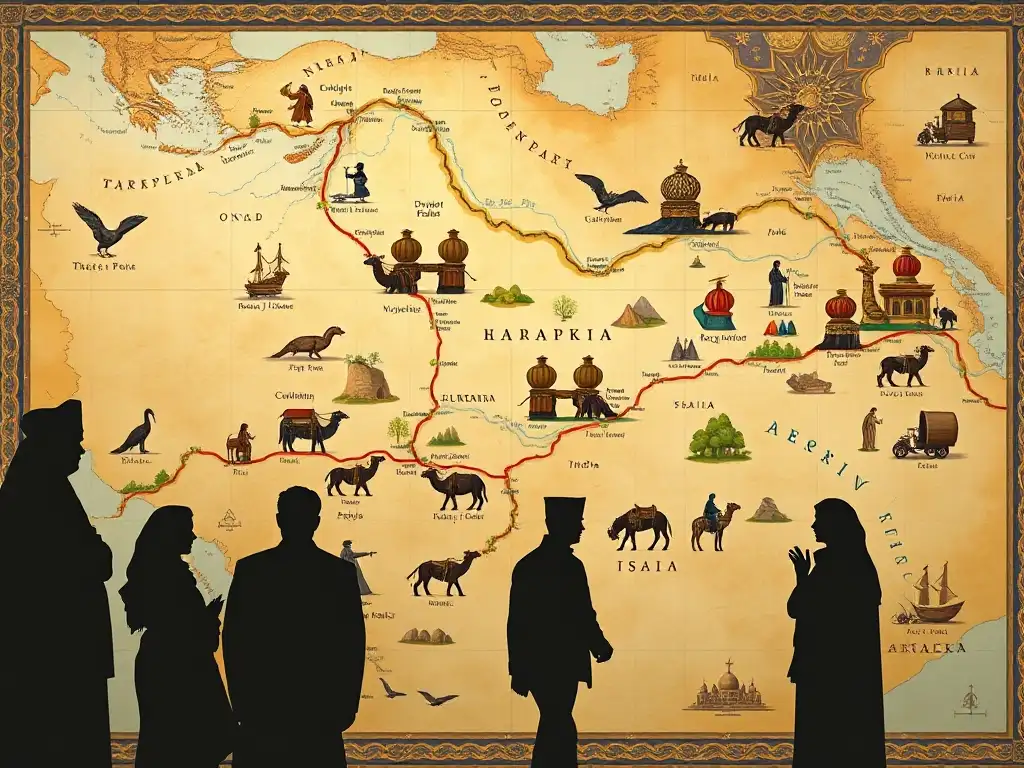
The Silk Road significantly impacted the political landscape of ancient India and Persia, facilitating not just trade but also the exchange of ideas and power dynamics. As merchants traversed the route, they carried not only goods but also information regarding political developments, treaties, and alliances. This interaction led to a more interconnected geopolitical environment, where Indian and Persian empires began to influence each other's policies and governance structures.
The Silk Road served as a conduit for the establishment of diplomatic missions, leading to the formation of strategic alliances. The rise of the Achaemenid Empire in Persia, for example, had profound implications for Indian states, as they sought to align themselves with this powerful neighbor. Conversely, Indian states, particularly during the Mauryan Empire, utilized their connections with Persia to bolster their political strategies and military campaigns. The shared interests in trade and security fostered a unique bond that transcended mere economic exchanges.
Moreover, the presence of Persian satrapies in regions like Gandhara meant that local rulers had to navigate their relationship with both the Persian Empire and their Indian counterparts. This political interdependence often resulted in hybrid governance structures, where local traditions were influenced by Persian administrative practices, creating a unique blend of Indian and Persian political culture.
The Interaction of Indian and Persian Empires
The interaction between Indian and Persian empires was marked by both cooperation and conflict, shaped largely by the Silk Road. The trade routes allowed for the mobility of not just goods, but also military forces, which could be deployed for both defensive and offensive purposes. The Mauryan Empire, under Ashoka, sought to expand its influence beyond the Indian subcontinent, and its interactions with the Persian Empire were crucial in shaping its military strategies.
Additionally, the Persian Empire's expansion into the Indian territories brought about a direct interaction between the two cultures. The establishment of trade routes through regions like Bactria facilitated not only commerce but also cultural exchanges. The Persian influence on Indian administration, art, and architecture is evident in structures that combine both styles, exemplifying their complex interactions.
The political dynamics were further complicated by the rise of the Kushan Empire, which acted as a bridge between the Indian subcontinent and Persia. The Kushans played a pivotal role in fostering diplomatic relations with the Iranian territories, ultimately leading to a more integrated political environment that allowed for mutual benefits in trade and military alliances.
Diplomatic Relations Fostered Through Trade
Trade along the Silk Road was a catalyst for the development of diplomatic relations between India and Persia. The exchange of luxury goods, such as silk, spices, and precious stones, necessitated the establishment of formal agreements and diplomatic ties. These trade relationships often translated into political alliances, with both empires recognizing the importance of maintaining peace to secure their economic interests.
Merchants acted as informal diplomats, carrying messages and establishing connections that sometimes led to treaties. For instance, the trade of horses from Persia was vital for Indian kingdoms, which relied on these animals for their military campaigns. In return, India exported textiles and spices that were highly sought after in Persian marketplaces. Such interdependence fostered a spirit of cooperation, as both regions recognized the mutual benefits of their economic and political ties.
Moreover, the establishment of trading posts along the Silk Road created opportunities for cultural diplomacy. Festivals, fairs, and markets became venues for political discussions, where leaders and merchants could negotiate terms, share ideas, and strengthen their diplomatic relations. This dynamic exchange contributed to a more stable political environment, allowing both Indian and Persian empires to flourish.
Religion and Philosophy on the Silk Road
The Silk Road was not just a route for trade; it was also a vital channel for the exchange of religious and philosophical ideas between India and Persia. This interaction fostered a rich tapestry of beliefs and practices, leading to a profound impact on the spiritual landscape of both regions.
As merchants and travelers traversed the Silk Road, they carried with them their religious beliefs, leading to the spread of Buddhism, Zoroastrianism, and other philosophical doctrines. The blending of these ideologies resulted in a unique cultural milieu where ideas could be debated, adapted, and transformed. The influence of Persian Zoroastrianism on Indian thought, particularly in the realms of ethics and dualism, is a noteworthy example of this intermingling.
The Spread of Religious Ideas Between India and Persia
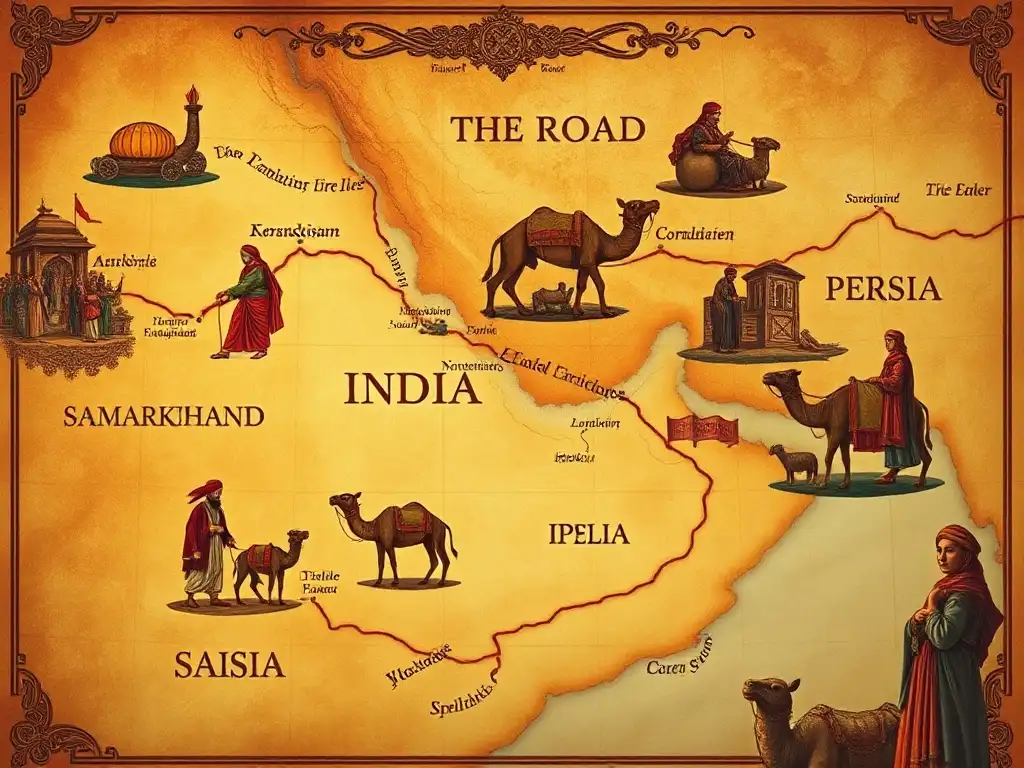
The exchange of religious ideas between India and Persia was facilitated by the presence of monks and scholars who traveled along the Silk Road. For instance, Buddhist missionaries ventured into Persian territories, bringing with them teachings that would later influence Zoroastrian thought. Similarly, Zoroastrian concepts of heaven and hell found resonance in Indian philosophical schools, enriching the spiritual discourse in both cultures.
The trade routes also acted as a platform for syncretism, where elements of different religions merged to form new beliefs. This phenomenon was particularly visible in regions where Indian and Persian cultures coexisted, such as in Gandhara, where Buddhist art began to incorporate Persian motifs. This blending of religious ideas not only fostered mutual understanding but also laid the groundwork for the development of more inclusive religious practices.
Influential Philosophers and Thinkers
The interaction between Indian and Persian civilizations along the Silk Road gave rise to influential philosophers and thinkers who played a significant role in shaping the intellectual traditions of both cultures. Figures such as Aryabhata and Nagarjuna in India contributed to mathematics and metaphysics, while Persian philosophers like Zoroaster laid foundational ideas that would influence later philosophical discourse.
The cross-pollination of ideas was particularly evident in the realms of ethics and governance. Indian texts on statecraft, such as the Arthashastra, found parallels in Persian administrative philosophies, suggesting a shared interest in effective governance. This intellectual exchange enriched both traditions, leading to a deeper understanding of governance, ethics, and societal order.
The Silk Road served as a vital artery for the exchange of political, religious, and philosophical ideas between India and Persia, creating a legacy of interconnectedness that shaped the history of both civilizations profoundly.
The Legacy of Indian-Persian Connections Facilitated by the Silk Road
The interactions between India and Persia along the Silk Road have left an indelible mark on both cultures, shaping their histories and contributing to the rich tapestry of their respective civilizations. The Silk Road not only served as a conduit for trade but also as a pathway for the exchange of ideas, art, and religious beliefs. These connections facilitated the mingling of Indian and Persian traditions, which enriched both societies and fostered a legacy that extends beyond mere commerce.
The blending of artistic styles is one of the most visible legacies of these interactions. Persian miniature paintings, influenced by Indian themes, often depict scenes from Indian epics like the Mahabharata. Similarly, Indian motifs can be seen in Persian architecture, particularly in the intricate tile work and calligraphy that adorned various structures. The Silk Road acted as a melting pot of cultural expressions, leading to a syncretism that is still appreciated in contemporary art forms.
Furthermore, the exchange of philosophical and religious ideas was profound. Zoroastrianism, which was prevalent in Persia, encountered Hinduism and Buddhism through these trade routes, leading to a cross-fertilization of spiritual concepts. This exchange not only enhanced the depth of religious practices in both regions but also laid the foundation for future dialogues between Eastern philosophies and the Western world.
Long-term Effects on Culture and Society
The long-term effects of Indian-Persian connections facilitated by the Silk Road are evident in various cultural, social, and economic facets. The trade routes contributed to the establishment of vibrant urban centers in both regions, where merchants, scholars, and artists congregated. Cities like Taxila and Samarkand became hubs of knowledge and commerce, fostering an environment where cultural practices thrived.
On a societal level, the intermingling of Indian and Persian communities led to the formation of a diverse social fabric. This exchange was not limited to the upper classes; it permeated through various strata of society, influencing language, culinary practices, and daily life. Persian words and phrases entered Indian languages, enriching them and creating a hybrid linguistic landscape that is still observable today in languages such as Urdu and Hindi.
The economic implications were equally significant. The trade of silk, spices, and precious stones not only boosted the economies of both regions but also established long-lasting trade networks that persisted for centuries. This economic interdependence helped solidify alliances and fostered peace, thereby allowing both Indian and Persian empires to flourish during their respective golden ages.
Modern Implications of Historical Ties
The historical ties established along the Silk Road continue to resonate in contemporary times. The cultural exchanges that began millennia ago have laid the groundwork for modern diplomatic and trade relations between India and Iran. Today, both nations acknowledge the importance of their shared history, which aids in fostering cooperation in various sectors including trade, culture, and education.
The influence of Persian culture on Indian traditions is still palpable in modern Indian society, particularly in art, music, and cuisine. For instance, the use of Persian poetry and motifs in Indian literature highlights the lasting impact of these ancient connections. Additionally, festivals such as Nowruz, which originated in Persia, are celebrated in parts of India, showcasing the enduring legacy of these interactions.
In the realm of trade, the historical routes have evolved into modern trade agreements and partnerships. Both countries are exploring avenues to enhance bilateral trade, drawing inspiration from their rich history of commerce and cooperation. These interactions not only serve economic purposes but also reinforce a sense of shared identity and cultural heritage.
Conclusion
Summary of the Silk Road's Role in Indian-Persian Connections
The Silk Road played a crucial role in facilitating Indian-Persian connections, fostering a legacy that is rich in cultural, social, and economic significance. The interdependence established through trade and cultural exchange has shaped both civilizations, allowing them to thrive and evolve over centuries. The impact of these connections is reflected in various aspects of life today, from language and art to modern diplomatic relations.
The Continuing Relevance of Historical Interactions
The historical interactions between India and Persia along the Silk Road are not merely relics of the past; they continue to hold relevance in contemporary society. Understanding these ties enriches our appreciation of cultural diversity and encourages ongoing dialogues between nations. As globalization fosters new connections, the lessons learned from the Silk Road can guide modern interactions, promoting cooperation and mutual respect in an increasingly interconnected world.
- Introduction to the Silk Road and Its Significance
- The Geography of the Silk Road
- Cultural Exchange Along the Silk Road
- Economic Impacts of the Silk Road on Indian-Persian Relations
- Political Dynamics Influenced by the Silk Road
- The Interaction of Indian and Persian Empires
- Diplomatic Relations Fostered Through Trade
- Religion and Philosophy on the Silk Road
- The Spread of Religious Ideas Between India and Persia
- Influential Philosophers and Thinkers
- The Legacy of Indian-Persian Connections Facilitated by the Silk Road
- Conclusion
Frequently Asked Questions
What was the Silk Road's significance in ancient trade?
The Silk Road was a crucial network that facilitated trade between India and Persia, allowing for the exchange of goods, culture, and ideas, significantly influencing both civilizations.
How did the Silk Road impact Indian culture?
The Silk Road introduced various Persian influences into Indian culture, including art, architecture, and cuisine, enriching the cultural tapestry of ancient India.
What types of goods were exchanged along the Silk Road?
Merchants traded a variety of goods, including silks, spices, gemstones, and Persian textiles, which were highly sought after in Indian markets and vice versa.
Were there any significant historical figures associated with these connections?
Yes, historical figures such as traders, diplomats, and explorers played pivotal roles in establishing and enhancing the Indian-Persian connections along the Silk Road.
How did the Silk Road contribute to the Gupta Empire?
The Silk Road facilitated not only trade but also the spread of knowledge and innovation, contributing to the prosperity and cultural achievements of the Gupta Empire in ancient India.
Final Reflection: The Enduring Legacy of Silk Road Indian-Persian Connections
The intricate web of trade and cultural exchange along the Silk Road continues to resonate in our modern world, highlighting the profound impact of Silk Road Indian-Persian connections on global interactions today. As we navigate an increasingly interconnected society, the historical significance of these exchanges serves as a reminder of the power of collaboration and understanding across diverse cultures. The Silk Road was not just a trade route; it was a conduit for ideas, art, and shared human experiences that shaped civilizations.
Cultural and social landscapes have been irrevocably altered by the rich tapestry woven through these connections. The Silk Road facilitated not only the exchange of goods but also the mingling of philosophies, languages, and traditions, creating a legacy that influences contemporary society. As we reflect on this historical narrative, we can appreciate the words of the renowned historian, Fernand Braudel: The Mediterranean is a world of exchanges, a world of connections.
This sentiment echoes the essence of the Silk Road, reminding us that our modern world is built upon the foundations laid by those who dared to connect across boundaries.
As we ponder the lessons from the Silk Road, let us embrace the spirit of connection and collaboration in our own lives. Consider how you can foster relationships that transcend cultural divides, whether through travel, dialogue, or shared experiences. In a world that often feels fragmented, we have the power to create our own Silk Roads, paving the way for understanding and unity. Reflect on the rich history of Indian-Persian connections and let it inspire you to build bridges in your community, fostering a future where diversity is celebrated and connections are cherished.
Unveil the Secrets of the Silk Road!
Thank you for diving into the intricate tapestry of connections woven along the Silk Road. Your curiosity about the vibrant exchanges between India and Persia has unveiled the profound impact of trade and culture in shaping history. Now, it's time to take that knowledge further!
- Explore local museums or online resources to discover fascinating artifacts and stories from the Silk Road that inspire you.
- Engage with others by sharing this article on social media – let's keep the conversation going!
- Join a history group or forum to connect with fellow enthusiasts who share your passion for ancient trade routes.
What insights from the Silk Road will you delve into next to enhance your understanding of these ancient connections?