
The Legacy of Persian Literature in Ancient Indian Texts

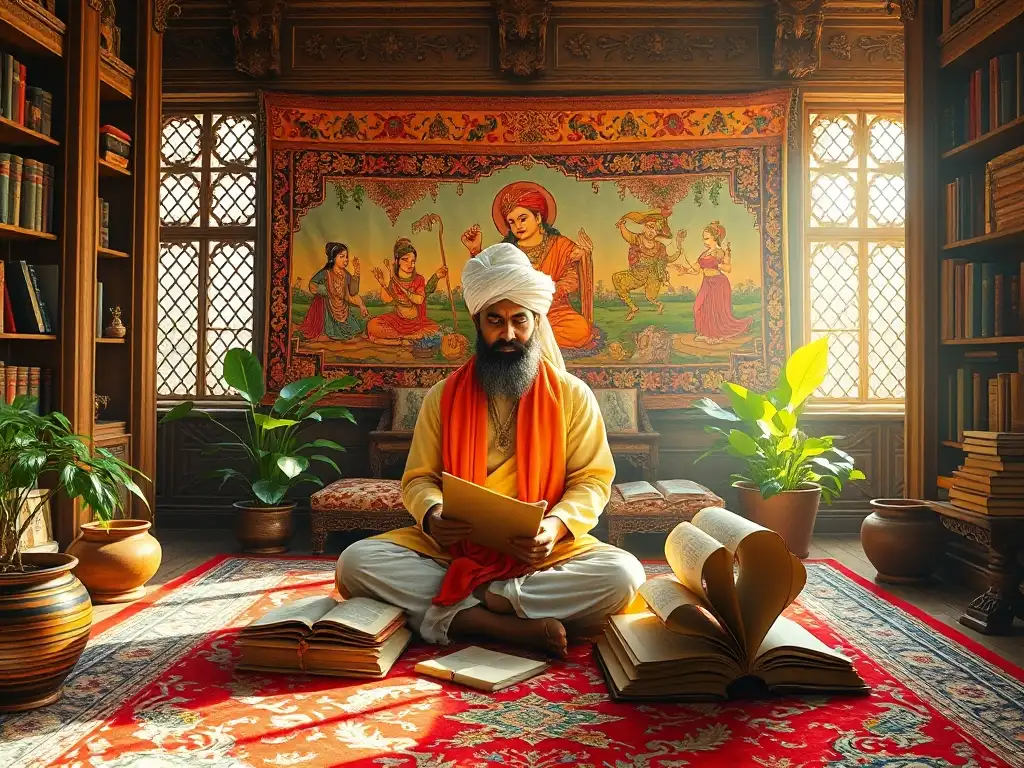
Welcome to Ancient India History, where we embark on a fascinating journey through the rich tapestry of India's past! In this exploration, we delve into the intriguing legacy of Persian influence on Indian literature, revealing how ancient interactions shaped the literary landscape of the subcontinent. From the profound texts of the Indus Valley to the flourishing Gupta Empire, every chapter of history tells a story of cultural exchange and creativity. Are you ready to uncover how these influences transformed the literary heritage of India? Join us as we unravel the connections that continue to resonate today!
Introduction to Persian Influence on Indian Literature
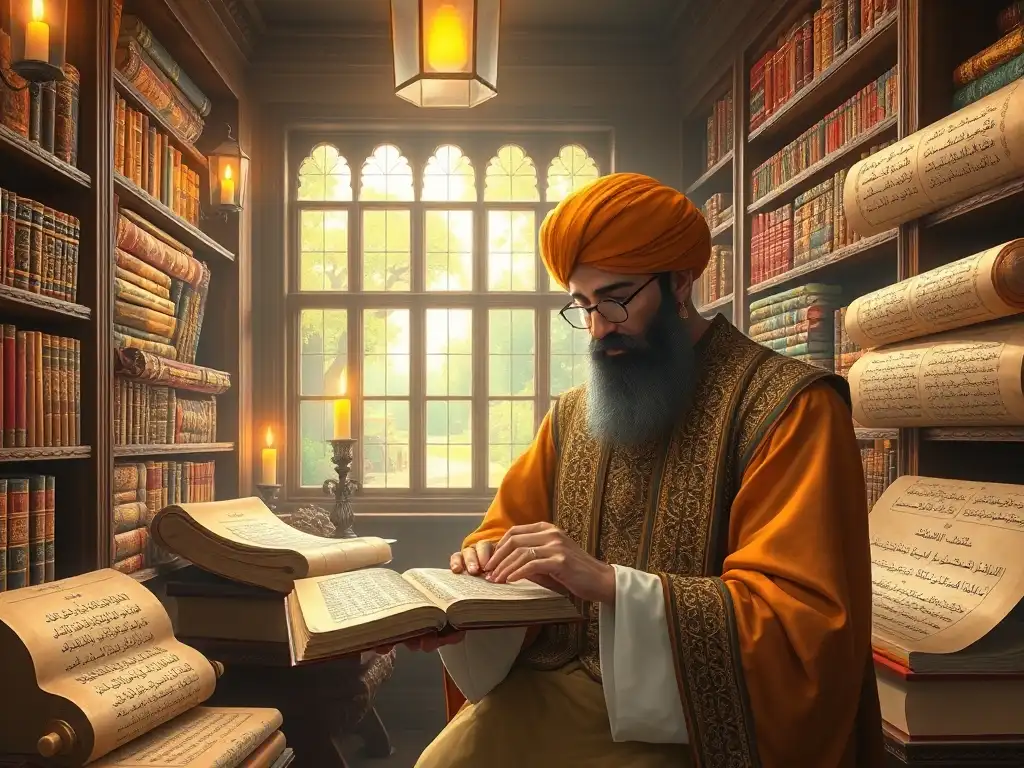
The intertwining of Persian and Indian literature is a testament to the rich cultural exchanges that have shaped the subcontinent's literary landscape. The Persian influence on Indian literature can be traced back to various historical interactions, with the most notable periods being during the conquests of the Persian Empire and later during the Mughal dynasty.
This legacy not only enriched the Indian literary corpus but also fostered a unique blend of styles, themes, and narratives that reflected the diverse traditions of both cultures. Through poetry, prose, and philosophical works, Persian literature found a fertile ground in India, leading to the emergence of new literary forms and expressions.
Overview of Persian Influence on Indian Culture
The impact of Persian literature extended beyond mere texts; it permeated various aspects of Indian culture, including art, music, and architecture. Persian aesthetics and themes influenced Indian poets and writers, leading to the creation of masterpieces that resonated with both Persian and Indian audiences. For instance, the use of Persian vocabulary and stylistic elements became prevalent in the works of prominent Indian poets, such as Amir Khusrau and Mirza Ghalib, who skillfully blended Persian literary forms with indigenous styles. This cross-pollination enriched the cultural fabric of India, making it a vibrant tapestry of diverse influences.
- Key Aspects of Persian Influence:
- Poetry: Adoption of ghazals and rubaiyats.
- Prose: Narratives and philosophical treatises.
- Art and Architecture: Persian motifs in Indian designs.
Importance of Literature in Ancient Civilizations
Literature serves as a crucial means of preserving history, culture, and ideology within civilizations. In ancient India, literature was more than just a form of entertainment; it was a reflection of societal values, beliefs, and the intellectual pursuits of the time. The incorporation of Persian literature into Indian texts not only broadened the literary horizon but also facilitated a deeper understanding of philosophical and cultural paradigms. This merging of literary traditions exemplified how literature could act as a bridge between civilizations, fostering mutual respect and understanding.
Historical Context of Persian Influence
The Rise of Persian Literature
The emergence of Persian literature dates back to the Achaemenid Empire, which established Persian as a prominent language for administration and culture. Over the centuries, Persian evolved into a rich literary language, producing renowned poets and thinkers such as Ferdowsi and Rumi. As Persian literature flourished, its influence began to extend beyond its borders, particularly into the Indian subcontinent, where it found a receptive audience among the elite and educated classes.
Key Historical Interactions between Persia and India
Throughout history, various interactions between Persia and India have facilitated the exchange of literary ideas. Key moments include:
- The Mauryan Empire: Diplomatic ties established with the Achaemenid rulers.
- The Mughal Era: The establishment of a Persianate culture under emperors like Akbar and Shah Jahan, who patronized Persian poets and writers.
- Cultural Exchanges: The movement of scholars, traders, and artists across the Persian-Indian border, leading to a continuous exchange of ideas and literary forms.
The Role of Trade and Diplomacy in Cultural Exchange
Trade routes played a significant role in the dissemination of Persian literature in India. The Silk Road and maritime trade facilitated not only the exchange of goods but also cultural and intellectual ideas. Persian merchants, diplomats, and scholars traveled to Indian courts, bringing with them literary texts and traditions that had a lasting impact on Indian literature. This interplay of trade and diplomacy cultivated an environment where artistic and intellectual endeavors thrived, further embedding Persian influences within the Indian literary tradition.
The legacy of Persian literature in ancient Indian texts is a profound reflection of the rich tapestry of cultural exchange that has characterized the history of both civilizations. The enduring influence of Persian literature not only shaped Indian literary forms but also fostered a deeper understanding of shared cultural heritage.
Literary Forms and Genres Influenced by Persian Literature

The influence of Persian literature on Indian literary forms and genres is evident in various artistic expressions that emerged throughout history. This interaction primarily flourished during the medieval period when Persian became a prominent language in the Indian subcontinent, especially in the courts of various rulers. Literary forms such as poetry, prose narratives, and dramatic performances underwent significant transformations, integrating styles and themes from Persian literature.
The rich tradition of Persian poetry, characterized by its lyrical beauty and intricate themes, found a receptive audience in India. This led to the adaptation of Persian poetic forms into the Indian context, resulting in distinctive styles that reflect a blend of both cultures. Similarly, prose narratives and fables adopted Persian storytelling techniques, enriching the narrative structures and thematic depth of Indian literature. The influence extended to the realm of drama and theatrical performances, where Persian aesthetics began to shape Indian theatrical traditions, fostering a unique fusion that continues to be celebrated today.
Poetry: Ghazals and Rubaiyat in Indian Context
One of the most notable contributions of Persian literature to Indian poetry is the introduction of the ghazal and rubaiyat forms. The ghazal, a lyrical expression of love, loss, and existential musings, became immensely popular among Indian poets, particularly during the Mughal era. Indian poets such as Mirza Ghalib and Faiz Ahmed Faiz adapted the ghazal format, infusing it with local themes, languages, and cultural nuances.
Similarly, the rubaiyat, a quatrain form, found its way into Indian literary circles, with poets like Omar Khayyam inspiring Indian writers. This form allowed for profound philosophical reflections on life, fate, and nature, resonating deeply with the Indian audience. The adoption of these Persian forms led to the development of a rich corpus of poetry that celebrated both the Persian aesthetic and the Indian ethos, creating a unique blend that enriched the literary landscape of the time.
Prose: Historical Narratives and Fables
Persian literature significantly influenced Indian prose, particularly in the realm of historical narratives and fables. The narrative style of Persian literature, known for its elegance and elaborate storytelling, inspired Indian writers to adopt similar techniques. Notable examples include the historical chronicles written during the Mughal period, where Persian literary traditions shaped the way history was recorded and presented.
The “Akbarnama”, written by Abu’l-Fazl ibn Mubarak, is a prime example of this influence, showcasing not only historical events but also incorporating Persian literary techniques such as vivid descriptions and character development. Additionally, fables and moral tales, often derived from Persian sources, contributed to the rich tapestry of Indian folklore. This fusion of Persian narrative techniques with Indian storytelling traditions enriched the prose literature of the time, creating a legacy that continues to inspire contemporary writers.
Drama and Performance: Persian Roots in Indian Theatre
The impact of Persian literature on Indian drama and performance is evident in various theatrical traditions that emerged during the medieval period. Persian influence can be seen in the themes, narrative structures, and performance styles adopted by Indian playwrights. The “naqushi” (dramatic play) tradition, which blends Persian storytelling with Indian theatrical elements, became increasingly popular in the courts of Mughal rulers.
Persian dramas often emphasized elaborate costumes, poetic dialogues, and emotional depth, which Indian theatre incorporated into its own performances. This melding of cultural elements gave rise to unique forms of theatre, such as “Khayal”, which showcases the rich interplay between Persian and Indian artistic expressions. The Persian influence is still apparent in contemporary Indian theatre, where the poetic and dramatic traditions continue to thrive, celebrating the historical ties between these two great cultures.
Key Figures and Works Reflecting Persian Influence
The legacy of Persian literature in ancient Indian texts is further highlighted by key figures and significant works that exemplify this cultural exchange. The interaction between Persian and Indian literary traditions produced notable poets and writers whose contributions shaped the literary landscape of their time.
Important Persian Poets and Their Impact on Indian Literature
Persian poets such as Hafez, Rumi, and Omar Khayyam played a crucial role in influencing Indian literary traditions. Their works, characterized by profound themes and intricate poetic forms, were translated and adapted by Indian poets who sought to explore similar themes within the Indian context.
For instance, Hafez’s ghazals resonated with Indian poets, leading to the emergence of a distinct tradition that blended Persian lyrical beauty with Indian sensibilities. Additionally, Persian poets who migrated to India, like Mir Taqi Mir, not only enriched the local literary scene but also facilitated the cross-pollination of ideas and styles between the two cultures, leaving an indelible mark on Indian literature.
Significant Indian Literary Works Influenced by Persian Texts
Numerous Indian literary works reflect the enduring influence of Persian texts. One of the most notable examples is the “Shah Jahan Nama”, which chronicles the life and reign of Mughal Emperor Shah Jahan. This historical narrative, inspired by Persian literary styles, showcases the grandeur of Mughal culture while employing Persian poetic techniques.
Moreover, the “Ghazals of Ghalib” exemplify the synthesis of Persian and Indian poetic traditions, where Ghalib’s profound explorations of love and existence resonate deeply within the Indian literary canon. Works like “Tuti Nama” (The Tale of the Parrot) also demonstrate the adaptation of Persian fables into Indian literature, showcasing the rich narrative tradition that emerged from this cultural exchange. These literary masterpieces not only highlight the Persian influence on Indian literature but also celebrate the unique fusion of two great literary heritages.
Themes and Motifs in Persian-Inspired Indian Literature
Persian literature has significantly influenced Indian literary traditions, imbuing them with rich themes and motifs that resonate across cultures. This influence became particularly pronounced during the medieval period when Persian became the language of administration, culture, and poetry in many Indian courts. The interplay of Persian and Indian literary traditions led to the emergence of unique themes that blended the philosophical and aesthetic sensibilities of both cultures.
In poetry, the use of allegory and symbolism became prevalent, often reflecting the complex emotional landscapes of love, loss, and existential contemplation. Persian-inspired Indian literature frequently employs intricate metaphors and vivid imagery, enhancing the emotional depth and artistic expression of the works. Notable poets like Mirza Ghalib and Amir Khusrau exemplified this synthesis, crafting verses that encapsulate both the nuances of Persian poetic forms and the cultural context of India.
The theme of love, particularly mystical love, serves as a cornerstone in both Persian and Indian literature. In Persian poetry, love is often portrayed as a profound spiritual pursuit, where the beloved symbolizes divine beauty and truth. This motif found its way into Indian literature, where it was enriched by local interpretations and practices.
Sufi mysticism, which emphasizes a personal connection with the divine through love, has profoundly influenced Indian poets. For instance, the works of Amir Khusrau, often regarded as the father of Urdu literature, beautifully amalgamate Persian poetic forms with Indian spiritual themes. His verses celebrate not only romantic love but also the mystical union with the divine, reflecting a shared heritage that transcends cultural boundaries.
Nature and Philosophy: Cross-Cultural Reflections
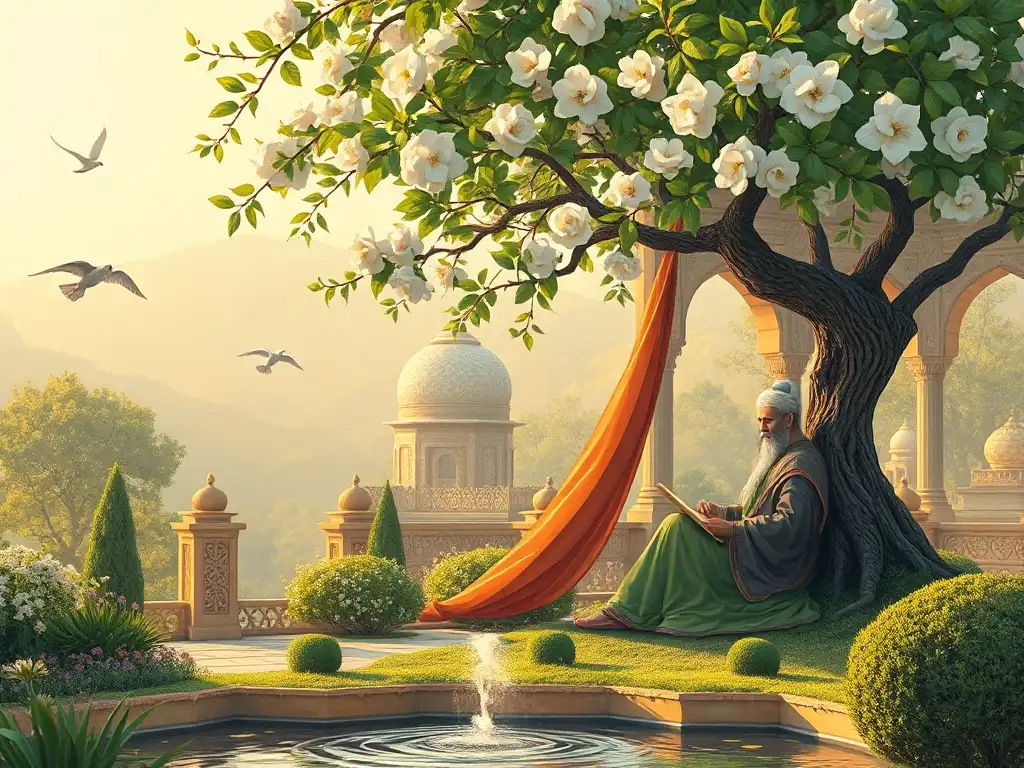
Nature is another theme that resonates deeply in Persian-inspired Indian literature, often serving as a backdrop for philosophical musings. Persian poets frequently depicted the natural world as a reflection of human emotions and spiritual states. This motif was embraced by Indian writers who infused their works with local flora, fauna, and landscapes, creating a vibrant tapestry that speaks to the beauty of the subcontinent.
In this cross-cultural exchange, the philosophical underpinnings of nature as a source of wisdom and inspiration became prominent. Authors like Kabir and Tulsi Das drew upon the Persian reverence for nature, weaving it into their narratives to explore broader existential questions. As a result, nature not only served as a setting but also as a character in its own right, guiding the philosophical inquiries of the poets.
Historical Narratives: The Intermingling of Cultures
The historical narratives in Persian-inspired Indian literature illustrate the dynamic interplay of cultures and the shared experiences of conquest, migration, and trade. Persian literature often chronicles the achievements and legacies of rulers, scholars, and artists, which found a receptive audience in India as well.
Many Indian authors adopted Persian narrative styles, incorporating historical themes that reflected their own cultural contexts. The Ain-i-Akbari, for example, offers insights into the Mughal Empire's administration and culture, blending Persian literary conventions with Indian narratives. This intermingling of cultures not only enriched the literary landscape but also fostered a deeper understanding of the shared history between the Persian and Indian civilizations.
The Legacy of Persian Literature in Modern Indian Context
The legacy of Persian literature continues to resonate in contemporary Indian writing, informing both thematic exploration and stylistic choices. As India navigates its multicultural identity, the influence of Persian literature remains a significant aspect of its literary heritage.
Contemporary Reflections of Persian Influence
In modern Indian literature, the echoes of Persian poetic forms and themes can be seen in the works of contemporary poets and writers. The use of ghazals, for instance, remains popular, illustrating the enduring appeal of Persian poetic structures. Writers such as Gulzar and Javed Akhtar draw upon this rich tradition, infusing their works with the emotional depth and lyrical beauty characteristic of Persian poetry.
Moreover, the themes of love, nature, and mysticism continue to be prevalent, reflecting the complexities of contemporary Indian society while honoring the historical connections to Persian literature. This ongoing dialogue between the two traditions highlights the adaptability and resilience of cultural expressions in a globalized world.
The Role of Persian Literature in Shaping Indian Identity
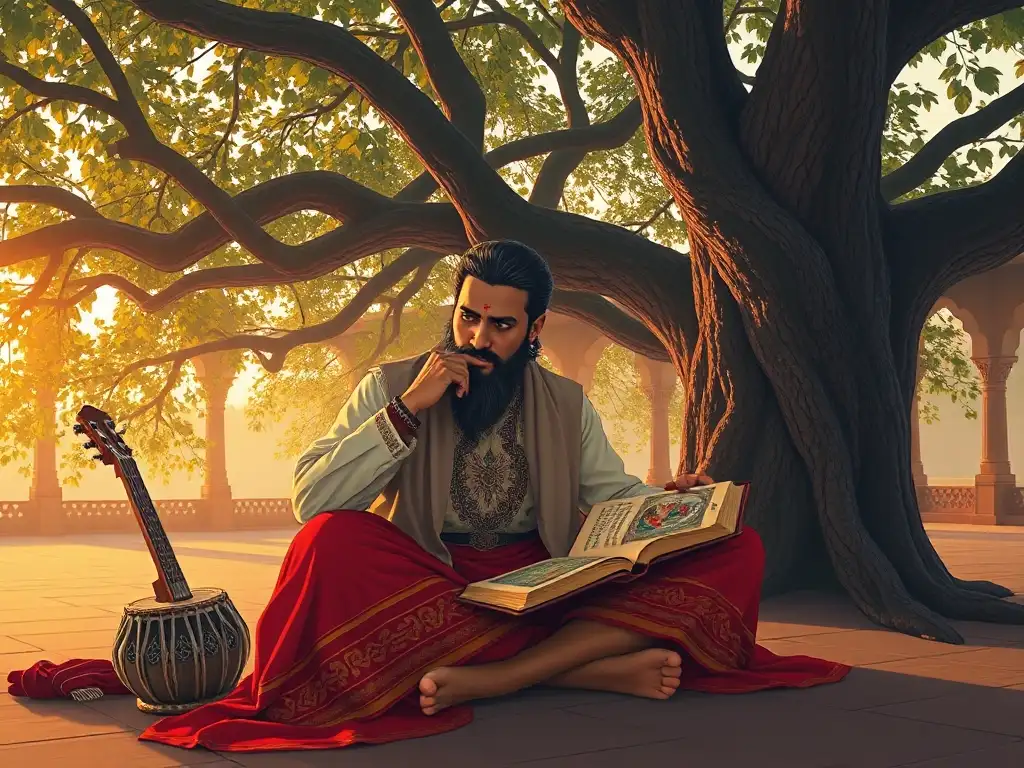
The impact of Persian literature on Indian identity cannot be overstated. During the Mughal era, Persian became synonymous with culture and sophistication, influencing art, architecture, and literature. This cultural intermingling contributed to a unique Indian identity that embraced diversity while fostering a sense of unity.
Additionally, Persian literature played a pivotal role in the development of regional languages, particularly Urdu. The language itself emerged from the confluence of Persian, Arabic, and local dialects, serving as a testament to the cultural synthesis that defined the period. Today, Urdu poetry continues to celebrate its Persian roots while evolving to address contemporary themes, thus reinforcing the connection between past and present.
Preservation and Revitalization of Persian Literary Heritage in India
Efforts to preserve and revitalize the Persian literary heritage in India are vital for maintaining the cultural dialogues established over centuries. Various organizations and institutions actively promote Persian studies, offering courses and workshops aimed at fostering appreciation for Persian literature among new generations.
Moreover, modern translations of Persian classics into Indian languages have made these works accessible to a broader audience, allowing for a renewed engagement with the texts. Literary festivals and cultural events celebrating Persian literature further contribute to this revitalization, encouraging dialogue and collaboration among writers, scholars, and enthusiasts.
The legacy of Persian literature in ancient Indian texts showcases a rich tapestry of cultural exchange that continues to shape the literary landscape of modern India. This ongoing influence underscores the importance of understanding and appreciating the interconnectedness of human experiences across diverse civilizations.
Conclusion: The Enduring Impact of Persian Influence on Indian Literature
The legacy of Persian literature in ancient Indian texts is a testament to the profound interactions between cultures that have shaped the literary landscape of the subcontinent. Persian influence on Indian literature can be observed through various dimensions, including language, themes, and stylistic elements that have been assimilated into Indian writings. The syncretism of Persian literary forms with Indian narratives has not only enriched regional literature but has also fostered a deeper understanding of cultural exchanges that occurred over centuries.
The influence of Persian poetry, particularly through forms such as ghazals and rubaiyats, has left an indelible mark on Indian poets. This cross-pollination led to the birth of an entirely new genre that reflects the complexities of love, spirituality, and nature, resonating with both Persian sensibilities and Indian contexts. Moreover, the patronage of Persian literature by Indian rulers during the medieval period facilitated the translation and adaptation of numerous texts, further embedding Persian literary traditions within the Indian literary canon.
As we reflect on the enduring impact of Persian influence on Indian literature, it is essential to recognize that this cultural intermingling has led to a unique literary heritage that continues to inspire contemporary writers. Persian literature not only provided stylistic and thematic frameworks for Indian authors but also nurtured a spirit of exploration and creativity that transcended geographical and cultural barriers.
Summary of Key Points
- Cultural Syncretism: Persian literature introduced new forms and themes that blended with Indian narratives, resulting in a rich tapestry of literary expression.
- Influence on Poetic Forms: Persian poetic structures, such as ghazals and rubaiyats, were adopted and adapted by Indian poets, leading to innovative expressions of love and spirituality.
- Patronage and Translation: The support of Persian literature by Indian rulers facilitated the translation of significant works, enriching the Indian literary tradition with diverse perspectives.
- Legacy and Inspiration: The influence of Persian literature continues to inspire modern Indian writers, showcasing the lasting impact of these ancient interactions.
Final Thoughts on Cultural Interactions and Literary Legacies
The intermingling of Persian and Indian literary traditions serves as a reminder of the power of cultural interactions in shaping artistic expression. The Persian influence on Indian literature not only highlights the historical connections between these two great civilizations but also underscores the importance of dialogue and exchange in the development of literary legacies.
In a world that often emphasizes divisions, the shared literary heritage between Persia and India stands as a beacon of cultural unity. It illustrates how literature can transcend borders, fostering understanding and appreciation among diverse cultures. As we continue to explore the intricate tapestry of ancient Indian history, the contributions of Persian literature remain a vital part of this narrative, enriching our understanding of the past and inspiring future generations of writers and scholars alike.
- Introduction to Persian Influence on Indian Literature
- Overview of Persian Influence on Indian Culture
- Importance of Literature in Ancient Civilizations
- Historical Context of Persian Influence
- Literary Forms and Genres Influenced by Persian Literature
- Key Figures and Works Reflecting Persian Influence
- Themes and Motifs in Persian-Inspired Indian Literature
- Love and Mysticism: A Shared Heritage
- Nature and Philosophy: Cross-Cultural Reflections
- Historical Narratives: The Intermingling of Cultures
- The Legacy of Persian Literature in Modern Indian Context
- Contemporary Reflections of Persian Influence
- The Role of Persian Literature in Shaping Indian Identity
- Preservation and Revitalization of Persian Literary Heritage in India
- Conclusion: The Enduring Impact of Persian Influence on Indian Literature
- What is the Persian influence on Indian literature?
- How did Persian literature contribute to Indian texts?
- Which Indian poets were notably influenced by Persian literature?
- What is the significance of Persian themes in ancient Indian texts?
- How did the Mughal Empire affect Persian literature in India?
Frequently Asked Questions
What is the Persian influence on Indian literature?
The Persian influence on Indian literature refers to the impact of Persian language, themes, and styles on Indian literary works, particularly during the Medieval period when Persian was widely used in courts and culture.
How did Persian literature contribute to Indian texts?
Persian literature introduced new narrative styles, poetic forms, and philosophical concepts that enriched Indian texts, leading to a fusion of cultural and literary traditions.
Which Indian poets were notably influenced by Persian literature?
Poets such as Amir Khusro and Mirza Ghalib are significant figures who integrated Persian themes and forms into their works, showcasing a blend of Indian and Persian literary heritages.
What is the significance of Persian themes in ancient Indian texts?
Persian themes often emphasized mysticism, romance, and philosophy, helping to shape the narrative and aesthetic qualities of Indian literature, thus contributing to a diverse literary tradition.
How did the Mughal Empire affect Persian literature in India?
The Mughal Empire played a crucial role by patronizing Persian scholars and poets, resulting in a flourishing of literary activities that greatly influenced the development of Indian literature during that era.
Final Reflection: The Enduring Influence of Persian Literature on Indian Culture
The intricate tapestry of Persian influence on Indian literature is not merely a historical curiosity; it is a vibrant thread that continues to shape the cultural landscape of India today. As we delve into the rich legacy of Persian literature in ancient Indian texts, we uncover a profound connection that transcends time, reminding us of the shared heritage that binds diverse cultures together. The resonance of this influence is palpable, echoing through the works of poets, scholars, and writers who have drawn inspiration from Persian aesthetics and themes, enriching the literary fabric of India.
The impact of Persian literature on Indian culture is a testament to the power of cross-cultural exchange and collaboration. It has fostered a unique literary tradition that celebrates diversity and creativity, inspiring generations of writers and thinkers. As we reflect on this legacy, we are reminded of the words of the renowned poet Allama Iqbal: The ultimate aim of the ego is not to see something, but to be something.
This sentiment encapsulates the essence of how Persian literature has not only influenced the form and style of Indian texts but has also encouraged a deeper exploration of identity and self-expression within the literary realm.
As we stand at the crossroads of history and modernity, I invite you to reflect on the lessons embedded in this rich legacy. Consider how the interplay of cultures can inspire your own creative journey. Whether you are a writer, a reader, or simply a lover of literature, let the stories of Persian influence on Indian literature ignite your imagination and encourage you to explore the interconnectedness of our shared human experience. Embrace the beauty of diversity in your own life, and allow it to shape your understanding of the world around you.
Unveil the Richness of Cultural Exchange!
Thank you for diving into the fascinating world of Persian literature's impact on ancient Indian texts. Your curiosity helps preserve these incredible stories and cultural connections! Now, let's take a moment to honor this rich legacy by exploring further and sharing your insights.
Here are some actions you can take to deepen your engagement:
- Explore a notable Persian work that has influenced Indian authors and share your insights in our comments section.
- Join a local or online literary group focused on Indo-Persian literature to connect with fellow enthusiasts.
- Create a blog or social media post highlighting your favorite literary pieces, encouraging others to discover the beauty of this cultural fusion.
What insights or connections have you discovered between Persian literature and ancient Indian texts that resonate with you? We invite you to share your thoughts below!