
Understanding the Social Structure of Ancient Northern India: Castes and Communities

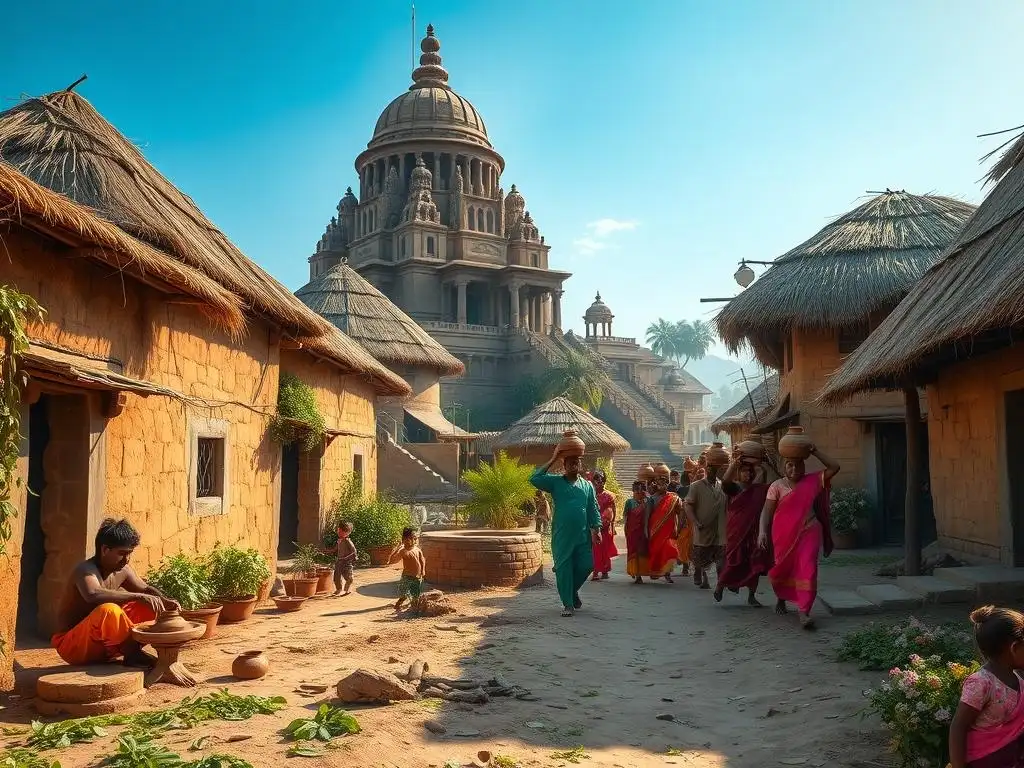
Welcome to Ancient India History, where we embark on a fascinating journey through the rich tapestry of ancient Indian civilizations. Dive deep into the social structure of ancient India, a cornerstone of its diverse culture and a key to understanding the intricate relationships that shaped societies from the Indus Valley to the Gupta Empire.
In our featured article, "Understanding the Social Structure of Ancient Northern India: Castes and Communities," we unravel the complexities of castes and communities that defined the lives of millions. Prepare to uncover the layers of history that still resonate today and ignite your curiosity to explore more about this captivating era!
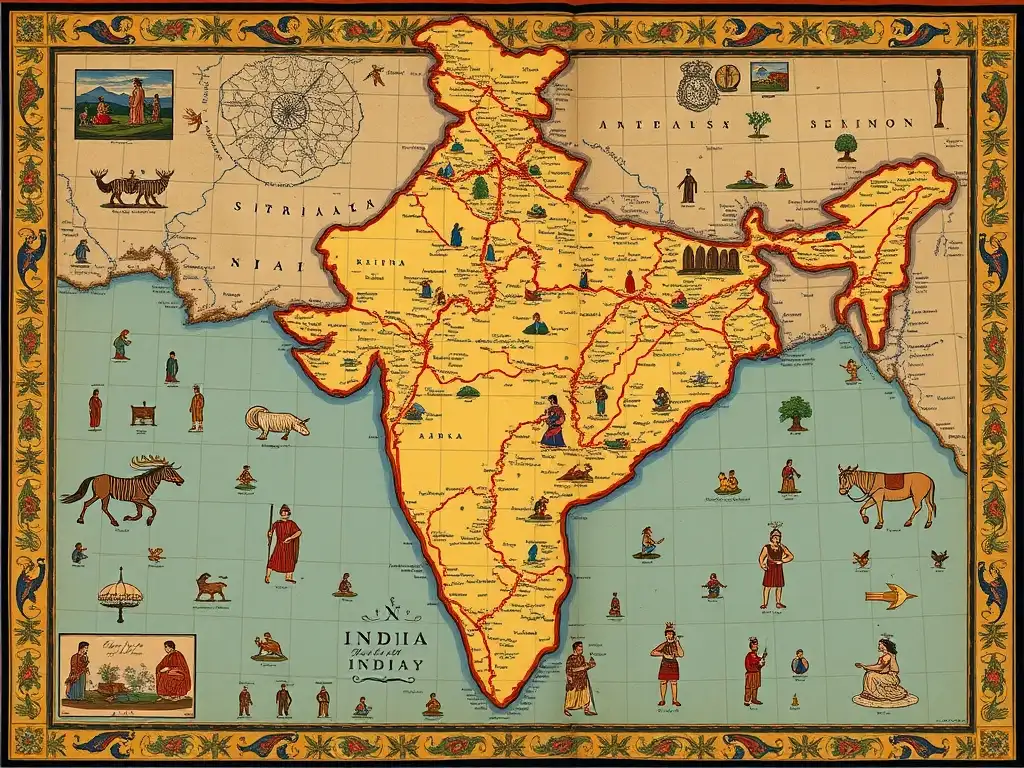
The social structure of ancient India, particularly in the northern regions, presents a fascinating and complex tapestry woven from various castes, communities, and societal norms. This structure not only reflects the diverse cultural heritage of the region but also highlights the intricate relationships between various groups that shaped the lives of millions over centuries. Understanding this social framework is crucial for appreciating how ancient Indian civilizations functioned and evolved, as well as their contributions to the broader historical narrative of India.
In ancient societies, the term "social structure" refers to the organized pattern of relationships and social arrangements that define how individuals and groups interact with one another. This framework is often characterized by:
- Hierarchy: The classification of individuals into various levels of social status.
- Roles and Responsibilities: Specific duties associated with each social position.
- Norms and Values: Shared beliefs that dictate acceptable behavior within a community.
In ancient India, the social structure was predominantly influenced by the caste system, which categorized individuals based on their occupation, ritual status, and lineage.
Examining the social hierarchies of ancient northern India is essential for several reasons:
- Cultural Insights: It offers a glimpse into the values, traditions, and daily lives of ancient people.
- Political Dynamics: Understanding the power dynamics between different castes and communities can illuminate the political landscape of the time.
- Economic Interactions: The interdependence of various social groups often influenced trade, agriculture, and craftsmanship.
- Legacy: The remnants of these social structures continue to shape modern Indian society, making it vital to analyze their origins and transformations.
Overview of Northern India in Ancient Times
Historical Context of Ancient Northern India
Northern India has been a cradle of civilization since the dawn of human history. Major historical milestones include:
- Indus Valley Civilization (c. 3300–1300 BCE): One of the world's earliest urban cultures, known for its advanced city planning and trade networks.
- Vedic Period (c. 1500–500 BCE): Marked by the composition of sacred texts and the establishment of social orders.
- Maurya and Gupta Empires (c. 321–550 CE): These periods saw the consolidation of political power and the flourishing of arts, sciences, and philosophy.
Each of these eras contributed significantly to the development of social structures, influencing the caste system and community interactions.
Major Civilizations Influencing the Social Structure
Various civilizations left an indelible mark on the social fabric of northern India:
- Maurya Empire: Under Ashoka, the empire promoted the spread of Buddhism, which impacted social values and norms.
- Gupta Empire: Often referred to as the Golden Age of India, it saw advancements in science and culture, further entrenching the social hierarchies.
- Regional Kingdoms: Numerous smaller kingdoms also played a role in shaping local customs and social dynamics.
Together, these civilizations created a rich and diverse social landscape that continues to be studied for its lasting impact on contemporary society.
The Caste System in Ancient India
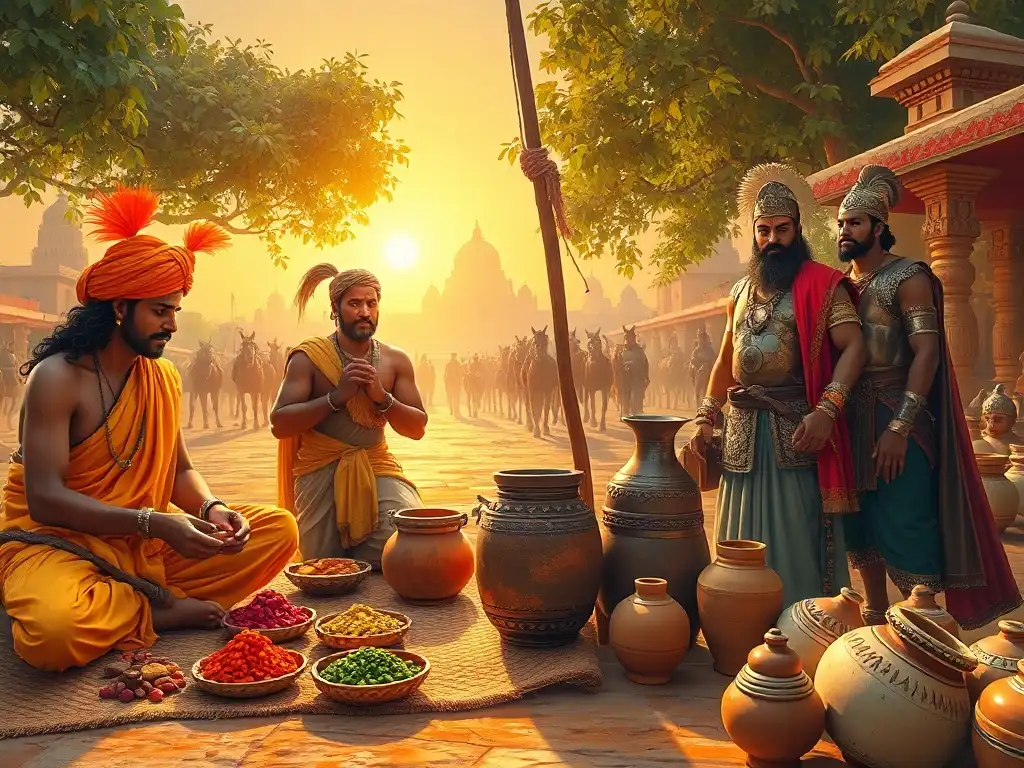
The caste system in ancient India was a complex social hierarchy that shaped the lives of individuals and communities. It played a significant role in defining social interactions, occupations, and even marriage. The system was primarily based on hereditary lines, whereby a person's caste was determined by their family lineage. Over time, this system became institutionalized, influencing various aspects of life in ancient Indian societies.
Origins and Development of the Caste System
The origins of the caste system can be traced back to the Vedic period (around 1500-500 BCE), where society was initially divided into four primary categories known as varnas. These divisions were based on functional roles within society, which later evolved into a more rigid system. The Rigveda, one of the oldest texts, mentions the division of society into these four groups, suggesting an early form of stratification.
As time progressed, the simple four-fold system became increasingly complex with the emergence of numerous sub-castes or jatis, primarily influenced by factors such as region, occupation, and social status. The system's development was also marked by the influence of various socio-political changes, including the rise of kingdoms and the spread of religions, which further solidified the social hierarchy.
Key Varna Categories: Brahmins, Kshatriyas, Vaishyas, and Shudras
The caste system is broadly categorized into four varnas, each with distinct roles and responsibilities:
- Brahmins: Traditionally the priestly class, Brahmins were responsible for religious rituals, teaching, and preserving sacred texts. They held significant power and prestige in society, often acting as advisors to kings and rulers.
- Kshatriyas: This warrior and ruling class was responsible for protection and governance. Kshatriyas were tasked with maintaining law and order, leading armies, and engaging in warfare. They were often landowners and played a crucial role in the political landscape.
- Vaishyas: Comprising merchants and landowners, Vaishyas were responsible for agriculture, trade, and commerce. They facilitated economic growth through various business activities and were essential to the prosperity of ancient Indian society.
- Shudras: The lowest caste, Shudras were primarily laborers and service providers. They performed tasks considered menial and were often marginalized within the social hierarchy. Their role was vital for the functioning of various sectors, despite their lower status.
Regional Variations in Caste Practices
While the caste system was widespread across ancient India, its practices and significance varied greatly by region. In Northern India, the structure was often more rigid compared to Southern regions, where local customs and cultural practices influenced the caste system's flexibility.
For instance, in the Northern plains, the caste hierarchy often aligned closely with agricultural practices, while in the South, trade and commerce dictated social standings. Furthermore, interactions with other cultures, including those from the northwestern regions and later Islamic influences, introduced new dynamics, leading to the emergence of new castes and altering existing ones.
Ancient Northern India was home to a rich tapestry of communities and social groups, each contributing uniquely to the region's cultural and social fabric. These groups often intersected with the caste system, creating a diverse and complex social landscape.
Role of Jatis: Sub-Castes and Their Functions
Jatis, or sub-castes, played a crucial role in the social organization of ancient India. Each jati had specific occupations, rituals, and social norms that distinguished it from others. Some jatis emerged based on regional specialties or skills, such as artisans, weavers, and blacksmiths.
The existence of jatis allowed for a more granular approach to social organization, where individuals identified not only with their broader caste but also with their specific community. This structure facilitated social cohesion within groups, providing identity and support networks, while also reinforcing the hierarchical nature of the caste system.
Importance of Guilds and Trade Communities
Guilds, known as shrenis, were crucial in shaping the economic landscape of ancient Northern India. These organizations consisted of merchants and artisans who banded together to protect their interests and regulate trade practices. They played a vital role in ensuring quality standards and fair practices within their trades, thus enhancing economic stability.
Trade communities often transcended caste boundaries, fostering economic interdependence and collaboration. Additionally, guilds were instrumental in negotiating with local authorities and maintaining social order, as they held significant economic power within their regions.
Religious Communities and Their Impact on Social Structure
Religious communities in ancient Northern India significantly influenced the social structure and dynamics of the caste system. The rise of Buddhism and Jainism, for example, challenged the rigid hierarchies of the caste system and promoted ideals of equality and non-violence.
These religious movements led to the formation of new communities that often rejected traditional caste classifications, allowing for greater social mobility. Additionally, the patronage of various religious sects by rulers and wealthy merchants further blurred caste lines, as people from different backgrounds came together in shared spiritual practices and beliefs.
The social structure of ancient Northern India was a multifaceted system shaped by the interplay of castes, communities, and evolving social dynamics. Understanding this complexity is essential for grasping the historical context of ancient Indian civilizations.
The social structure of ancient Northern India was characterized by a complex interplay of caste and community, which significantly influenced social mobility and hierarchical dynamics. Within this framework, individuals were generally categorized into various castes, each with its own specific roles, responsibilities, and status. The caste system was not rigid; however, it was marked by a degree of fluidity that allowed for some individuals to rise or fall within the social hierarchy based on various factors such as occupation, wealth, education, and patronage.
Social mobility in ancient India was largely dependent on the economic and political contexts of the time. In periods of political upheaval or economic growth, for instance, individuals could alter their caste status through significant achievements or by obtaining wealth. While certain castes, such as the Brahmins and Kshatriyas, held more power and privilege, other castes had opportunities to elevate their status through military service, scholarly accomplishments, or acquiring land.
Factors Influencing Social Mobility in Ancient India
Several factors played a crucial role in influencing social mobility within the context of ancient Indian society.
- Economic Opportunities: Individuals who engaged in trade or skilled craftsmanship could amass wealth, which often led to increased social standing. Wealthy merchants could sometimes gain recognition akin to that of higher castes.
- Political Changes: The rise and fall of empires affected the social hierarchy. For example, during the Maurya and Gupta periods, administrative positions were sometimes open to individuals from lower castes, facilitating upward mobility.
- Religious Influence: The spread of Buddhism and Jainism introduced alternative social philosophies that challenged the rigid caste system, allowing for greater acceptance of individuals from diverse backgrounds.
- Education and Knowledge: Access to education, particularly in religious or philosophical texts, often allowed individuals from lower castes to gain respect and recognition, thus enabling their rise in social standing.
Case Studies of Prominent Figures from Different Castes
The history of ancient India provides notable examples of individuals who transcended their caste limitations.
- Chandragupta Maurya: Born into a modest family, he rose to establish the Maurya Empire through military prowess and strategic alliances, ultimately becoming one of the most respected rulers in Indian history.
- Kautilya (Chanakya): Traditionally regarded as a Brahmin, he played a pivotal role in shaping the political landscape of ancient India. His intellect and political acumen allowed him to ascend from the shadows of obscurity to become a chief advisor to Chandragupta.
- Buddha (Siddhartha Gautama): A prince by birth, he renounced his royal status to seek enlightenment. His teachings emphasized the impermanence of caste and social status, advocating for a more egalitarian society.
These case studies illustrate that while the caste system imposed certain limitations, individuals could navigate the complexities of the social structure through exceptional achievements and transformative ideas.
Inter-Caste Relationships and Marriages
Inter-caste relationships and marriages were significant in shaping the social fabric of ancient Northern India. While the caste system often discouraged such unions, there were instances where they occurred, leading to new social dynamics.
- Strategic Alliances: Marriages between different castes were sometimes used to forge political alliances and strengthen economic ties. Rulers would often marry into different clans to solidify power and ensure loyalty.
- Cultural Exchange: Inter-caste marriages facilitated the exchange of cultural practices and customs, leading to a gradual dilution of rigid caste boundaries in some regions.
- Resistance Movements: Certain communities actively resisted caste restrictions, promoting inter-caste relationships as a means of social reform and unity against caste-based discrimination.
Overall, inter-caste relationships, despite facing societal challenges, played a role in enhancing social mobility and fostering a more integrated community.
The social structure of ancient Northern India also encompassed distinct gender roles, which were intricately linked to caste dynamics. Women’s status and rights varied significantly across different communities, often reflecting the broader caste hierarchy.
Status and Rights of Women in Ancient Indian Society
Women in ancient Indian society had varying degrees of rights and status, influenced by both caste and regional practices.
- Brahmin Women: Generally received education and had access to religious texts, but were expected to adhere to strict societal norms. Their primary roles revolved around managing the household and supporting their husbands.
- Kshatriya Women: Often held more autonomy due to their families' warrior status. They could participate in political decisions and were sometimes involved in battles, showcasing a more empowered role compared to women of other castes.
- Shudra Women: Typically had the least rights, often relegated to labor-intensive work. Their social mobility was severely restricted, and they were subject to the authority of male family members.
Despite these distinctions, women across all castes contributed significantly to their families and communities, often managing economic activities and cultural practices.
Impact of Caste on Women's Roles and Responsibilities
Caste played a pivotal role in defining women's roles and responsibilities in society.
- Caste-Based Restrictions: Women from lower castes faced greater restrictions, often subjected to harsh labor conditions and denied opportunities for education or self-advocacy. Their societal roles were largely confined to domestic spheres.
- Cultural Expectations: The ideal of womanhood, often associated with virtues such as chastity and devotion, was heavily influenced by caste. Higher caste women were idealized as upholders of cultural traditions, while lower caste women were frequently marginalized.
- Resistance and Agency: Throughout history, women from various castes have demonstrated agency by resisting oppressive norms, advocating for their rights, and engaging in social reform movements. Figures such as Savitribai Phule emerged as pioneers in advocating for women’s education and social equality.
The social structure of ancient Northern India, shaped by caste dynamics, deeply influenced gender roles, impacting women's rights, responsibilities, and societal status. The interplay between caste and gender continues to inform discussions about social hierarchy and mobility in contemporary India.
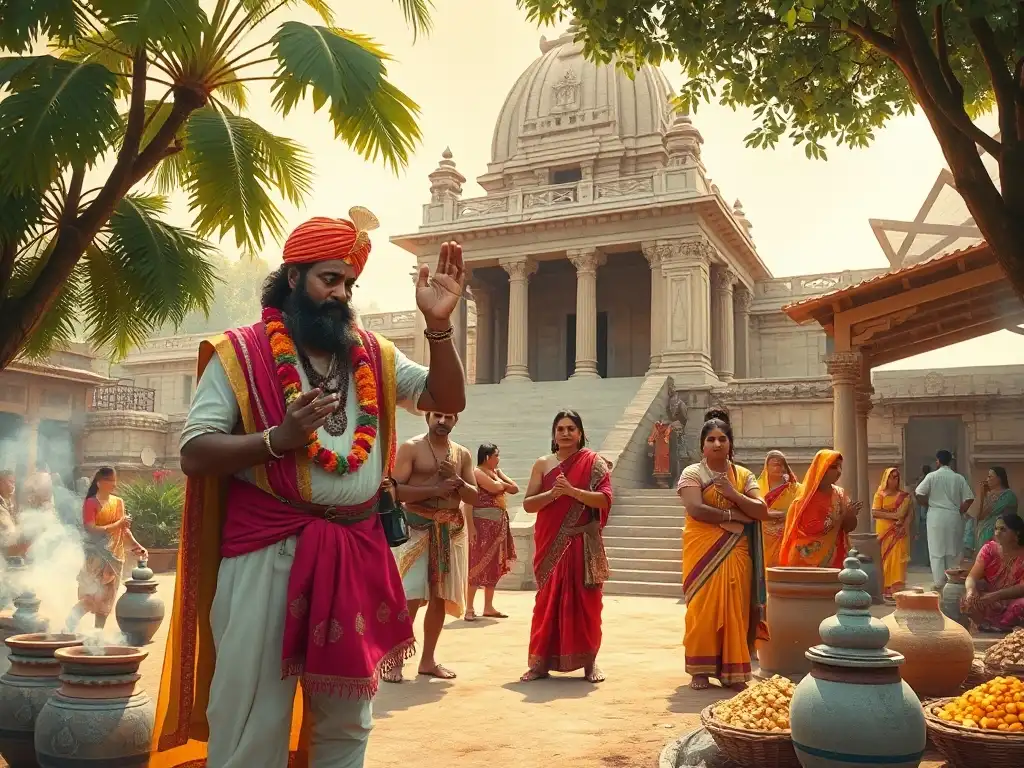
Religion played a pivotal role in shaping the social structure of ancient Northern India, with its various beliefs and practices influencing the organization of society. The intricate interplay between religious doctrines and societal norms led to the establishment of a system that categorized individuals into distinct groups, largely determined by birth, occupation, and spiritual roles. This religious framework not only provided a sense of identity but also reinforced social hierarchies, which remain relevant in understanding the complexities of ancient Indian civilization.
Hinduism and Its Role in Shaping Caste Norms
Hinduism, the predominant religion in ancient Northern India, significantly influenced the social structure through its caste system, known as varna. This system divided society into four primary categories:
- Brahmins (priests and scholars)
- Kshatriyas (warriors and rulers)
- Vaishyas (merchants and landowners)
- Shudras (laborers and service providers)
Each caste had its own prescribed duties (dharma) and social responsibilities, which were justified through religious texts like the Vedas and the Manusmriti. The rigid adherence to these caste norms dictated not only occupational roles but also social interactions, marriage, and community affiliations. Over time, this framework became more complex with the emergence of numerous sub-castes (jatis), further entrenching social divisions.
The caste system fostered a sense of belonging among individuals within the same caste while simultaneously creating barriers between different groups, thus solidifying the hierarchical structure that characterized ancient Indian society.
Buddhism and Its Challenge to Traditional Social Hierarchies
Buddhism emerged as a significant religious movement in the 6th century BCE, advocating for a more egalitarian approach to social organization. Founded by Siddhartha Gautama (the Buddha), this religion challenged the rigidity of the caste system promoted by Hinduism.
Buddhism emphasized the concepts of suffering, impermanence, and non-attachment, which resonated with a diverse audience, including those marginalized by the caste system. The Buddha taught that one's worth was not determined by birth but by individual actions and moral conduct (karma). This perspective encouraged inclusivity and attracted followers from various backgrounds, including lower castes.
As Buddhism spread across Northern India, it established monastic communities that operated independently of the caste system, fostering a sense of community based on shared spiritual goals rather than social status. However, as Buddhism declined by the end of the first millennium CE, many of its ideas were absorbed back into Hindu practices, leading to a reassertion of caste-based norms.
Other Religious Influences on Community Structures
In addition to Hinduism and Buddhism, other religious traditions also contributed to the social fabric of ancient Northern India. Jainism, which emerged around the same time as Buddhism, shared similar ideologies of non-violence (ahimsa) and spiritual equality. Jains rejected the caste hierarchy and promoted a community-oriented lifestyle that emphasized ethical living and ascetic practices.
Islam, which entered India in the 7th century CE, brought new social dynamics to the region. The teachings of Islam challenged existing social structures, promoting the idea of equality among believers regardless of caste or race. The establishment of Sufi orders further facilitated social cohesion by emphasizing love, devotion, and community service, which attracted followers from various castes.
As a result, the social landscape of ancient Northern India was marked by a mosaic of beliefs and practices that shaped community structures, often leading to the formation of hybrid identities and syncretic cultures.
The social structure of ancient India, particularly in the northern regions, has left an indelible mark on the fabric of Indian society. The caste system, though challenged by various religious movements, continued to persist in different forms over the centuries, influencing social interactions and community organization.
Lasting Impact on Modern Indian Society
Today, the legacy of the ancient social structure can be seen in contemporary India's socio-political landscape. The caste system remains a contentious issue, affecting various aspects of life, including politics, education, and social justice movements. While the Indian Constitution abolished caste-based discrimination, the historical roots of caste still influence societal dynamics, prompting ongoing discussions about equity and representation.
Reflection on the Complexity and Diversity of Ancient Communities
The social structure of ancient Northern India was not monolithic; it was a complex interplay of various religious, cultural, and economic factors that shaped diverse communities. Understanding this complexity allows for a richer appreciation of the historical narratives that have influenced modern Indian society. By reflecting on the past, one can acknowledge the resilience and adaptability of communities in the face of changing social paradigms, highlighting the importance of inclusivity and coexistence in a diverse society.
References and Further Reading
The social structure of ancient India, particularly in Northern regions, is a complex tapestry woven from historical texts, archaeological findings, and scholarly interpretations. To gain a deeper understanding of this intricate system, a variety of texts and resources are available. Below is a selection of key texts and recommended resources that can enhance one's exploration of the social structure, castes, and communities of ancient India.
Key Texts on the Social Structure of Ancient India
-
"The History of India" by Romila Thapar
This comprehensive work examines the evolution of Indian society through various historical contexts, including the caste system. Thapar's insightful analysis provides a foundational understanding of the social dynamics in ancient India.
-
"Caste: The Emergence of the South Asian Social System" by Susan Bayly
Bayly's book delves into the historical roots of the caste system, exploring its implications on social and political life in ancient India. This text is crucial for understanding the complexities of caste and community.
-
"The Caste System: A Historical Perspective" by M. N. Srinivas
M. N. Srinivas, a prominent sociologist, presents an in-depth analysis of the caste system, its origins, and its transformation over time. This book offers critical insights into how caste shaped social interactions in ancient India.
-
"Indian Society and Culture: Continuity and Change" by R. S. Sharma
Sharma's work provides a broad overview of Indian society, focusing on the continuity and change of social structures over centuries. It highlights the role of caste in maintaining social hierarchies.
-
"The Rigveda: An Anthology" translated by Wendy Doniger
This anthology offers translations of key hymns from the Rigveda, one of the oldest texts in Indian literature. It provides insights into the early social structures and religious beliefs that influenced later caste systems.
Recommended Resources for Deeper Exploration
-
"Ancient Indian History and Culture" by R. C. Majumdar
A seminal text that discusses various aspects of ancient Indian civilization, including social structures, economic conditions, and cultural developments.
-
Online Databases and Journals
- JSTOR and Project MUSE offer access to academic papers that delve into specific aspects of ancient Indian society, including caste and community dynamics.
-
Documentaries and Lectures
Platforms like YouTube and educational websites often feature documentaries and lecture series on ancient Indian history, focusing on topics related to social structures and cultural practices.
-
University Course Materials
Many universities provide open courseware on South Asian studies, which often include lectures and reading materials related to the social structure of ancient India. Exploring these resources can provide valuable insights and academic perspectives.
By engaging with these texts and resources, readers will develop a nuanced understanding of the social structure of ancient India, particularly in the context of Northern Indian civilizations and their rich cultural history.
- Introduction to the Social Structure of Ancient India
- Definition of Social Structure in Ancient Societies
- Importance of Understanding Social Hierarchies in Historical Context
- Overview of Northern India in Ancient Times
- The Caste System in Ancient India
- Communities and Social Groups in Ancient Northern India
- Social Mobility and Hierarchical Dynamics
- Gender Roles within the Social Structure
- The Influence of Religion on the Social Structure
- Conclusion: Legacy of the Social Structure of Ancient India
- References and Further Reading
Frequently Asked Questions
The social structure of ancient India was primarily organized into a hierarchical system known as the caste system, which classified people into different social groups or varnas based on their occupation and lineage.
How many castes were there in ancient India?
Ancient India had four main castes or varnas: Brahmins (priests and scholars), Kshatriyas (warriors and rulers), Vaishyas (merchants and landowners), and Shudras (laborers and service providers).
Communities in ancient India were essential for maintaining social order and cultural identity. Each caste had its own customs, traditions, and responsibilities, which contributed to the diversity of ancient Indian society.
The Gupta Empire saw a strengthening of the caste system, with Brahmins gaining more power and influence. This era also witnessed the emergence of sub-castes, leading to more complex social divisions.
Were there any exceptions to the caste system in ancient India?
Yes, there were exceptions such as the Untouchables, who were outside the four main castes. Additionally, certain tribal communities and migrant groups sometimes operated outside the traditional caste framework, showcasing the diversity within the social structure.
The social structure of ancient India remains a pivotal aspect of understanding not only the past but also the present dynamics of Indian society. As we delve into the intricacies of castes and communities, we uncover a framework that has shaped social interactions, cultural practices, and even economic systems throughout history. This exploration reveals that the echoes of ancient social hierarchies still resonate today, influencing contemporary discussions on equality, identity, and social justice.
The impact of the social structure of ancient India is profound and far-reaching, as it continues to inform our understanding of community and belonging in modern contexts. The caste system, while officially abolished, still influences social interactions and perceptions in various ways. As we reflect on this complex legacy, we are reminded of the words of Dr. B.R. Ambedkar: I measure the progress of a community by the degree of progress which women have achieved.
This quote encapsulates the ongoing struggle for equality and the need to dismantle remnants of social stratification that hinder collective progress.
As we conclude this exploration, I invite you to reflect on your own understanding of social structures and their implications in your life. Consider how the lessons from ancient India can inspire us to foster inclusivity and challenge outdated norms. Let us engage in meaningful conversations about identity and community, striving to build a society that honors diversity while promoting equity. The past offers us valuable insights—let us carry them forward into a future where every individual is valued and empowered.
Unlock the Rich Tapestry of Ancient Northern India!
Thank you for diving into the fascinating world of ancient Northern India's social structures! By exploring the intricate castes and communities, you've gained insights into a key aspect of Indian history. Now, it’s time to take your learning further and delve deeper into this enriching heritage.
Here are some ways you can expand your understanding and connect with the community:
- Explore Further: Consider reading more about specific castes or influential thinkers from that era. Broadening your knowledge will deepen your appreciation of the nuances of ancient Indian society.
- Join the Discussion: Share your thoughts on social structures in the comments below! Engaging with fellow history enthusiasts can offer new perspectives and insights.
- Spread the Knowledge: Share this article on your social media platforms and invite friends to join the conversation about the complexities of India's past.
As you reflect on this vibrant history, let us know: How do you think the social structure of ancient Northern India has shaped modern Indian society?