
Ancient Trade Routes of Northern India: Connecting Cultures and Economies

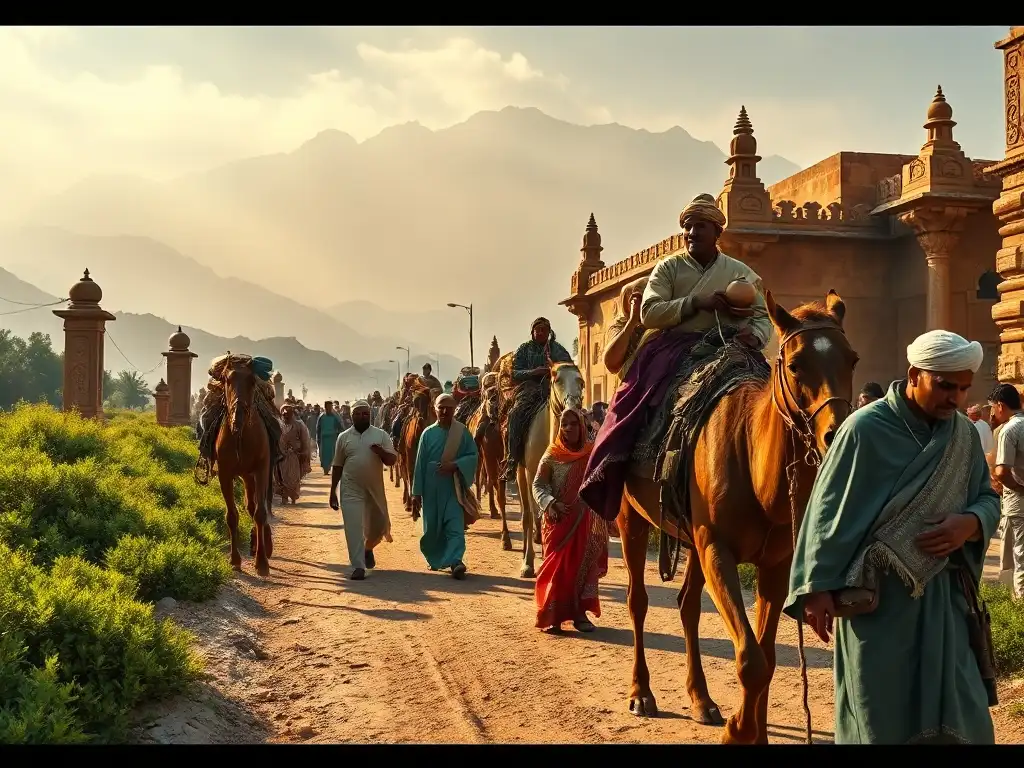
Welcome to Ancient India History, where we delve into the rich tapestry of civilizations that shaped one of the world's oldest cultures. In our exploration, we invite you to uncover the intricate ancient trade routes of India, which served as vital arteries connecting diverse cultures and economies across the subcontinent. How did these routes influence the flow of ideas, goods, and traditions?
Join us on this fascinating journey through time, and discover the pivotal role these connections played in fostering a vibrant exchange that resonates even today. Read on to unveil the secrets of Northern India's trade networks and their lasting impact on history!
Introduction to Ancient Trade Routes in India
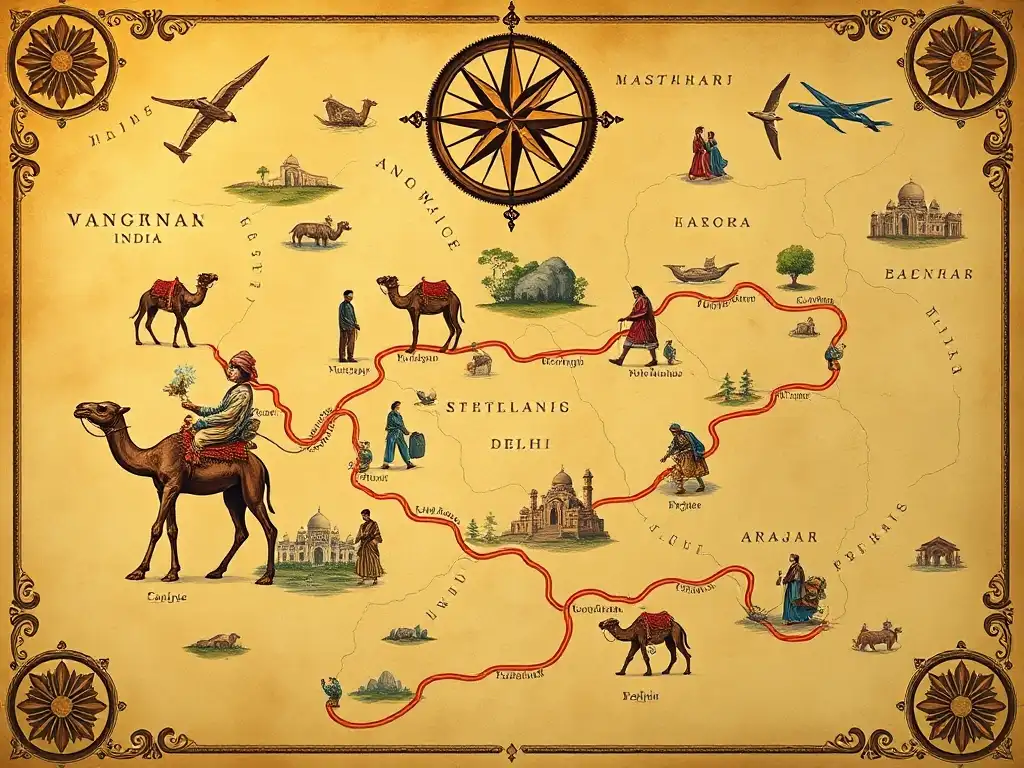
Ancient trade routes in India played a pivotal role in shaping the cultural and economic landscape of the region, particularly in Northern India. These routes were not just conduits for the exchange of goods but also facilitators of cultural interactions, ideas, and innovations that transcended geographical boundaries. The rich tapestry of cultures, languages, and religions that emerged from these interactions has left an indelible mark on the history of India.
From the bustling marketplaces of the Indus Valley Civilization to the vibrant cities of the Gupta Empire, trade routes were essential in connecting diverse communities and fostering economic prosperity. In this article, we will delve into the ancient trade routes of Northern India, exploring their significance, historical context, and the civilizations that thrived along these pathways.
Importance of Trade Routes in Ancient Indian History
The significance of trade routes in ancient Indian history cannot be overstated. They were instrumental in:
- Economic Growth: Trade facilitated the exchange of goods such as spices, textiles, metal works, and agricultural products, which stimulated local economies and created wealth.
- Cultural Exchange: As merchants traveled along these routes, they carried with them not only goods but also cultural practices, religious beliefs, and technological advancements.
- Political Alliances: Control over key trade routes often led to the establishment of powerful kingdoms and empires, as rulers sought to dominate trade for economic and strategic advantages.
- Urban Development: Many ancient cities emerged and flourished along these routes, becoming hubs of commerce and culture.
Overview of Northern India’s Trade Landscape
Northern India, with its diverse geography and strategic location, became a vital crossroads for various trade routes. The region's trade landscape was characterized by:
- Major Trade Routes: Key routes such as the Silk Road and the Grand Trunk Road connected Northern India to Central Asia, the Middle East, and beyond.
- Diverse Goods: The trade network facilitated the exchange of a wide range of products, including textiles from Varanasi, spices from Kerala, precious stones from Rajasthan, and silk from China.
- Cultural Melting Pot: The influx of traders and travelers contributed to a rich cultural mosaic, where different languages, religions, and traditions coexisted and influenced one another.
Historical Context of Trade in Northern India
The Role of Geography in Shaping Trade Routes
Geography played a crucial role in determining the paths taken by ancient traders in Northern India. The diverse landscapes, including the fertile plains of the Ganges, the rugged mountains of the Himalayas, and the arid deserts of Rajasthan, influenced:
- Route Selection: Traders often chose paths that provided access to natural resources, water sources, and safe passage through hostile territories.
- Regional Specialization: Different regions developed specialized goods based on their geographical advantages, leading to a more interconnected trade system.
Key Civilizations Influencing Trade in Northern India
Several ancient civilizations significantly influenced the trade dynamics of Northern India:
- Indus Valley Civilization: Known for its advanced urban planning and trade networks, it established early trade links with Mesopotamia and Persia.
- Maurya Empire: Under Ashoka, the Mauryan Empire expanded trade routes and promoted Buddhist missionary activities, enhancing cultural exchanges.
- Gupta Empire: This period marked a golden age in trade, with flourishing commerce and the establishment of trade guilds that facilitated transactions across vast distances.
Major Cities Along Ancient Trade Routes
Numerous cities emerged as key trading hubs along the ancient trade routes of Northern India:
| City | Key Contributions | Historical Significance |
|---|---|---|
| Taxila | Center for learning and trade | Major hub for the Silk Road |
| Varanasi | Renowned for textiles and culture | One of the oldest continuously inhabited cities |
| Ujjain | Important for trade and astronomy | Key city in the trade network connecting east and west |
| Pataliputra | Capital of the Mauryan Empire | Political and economic center |
These cities served not only as marketplaces but also as cultural and intellectual centers that fostered innovation and collaboration among diverse communities.
In the following sections, we will explore these topics in greater detail, highlighting the intricate web of trade that defined Northern India's ancient history.
Major Ancient Trade Routes of Northern India
Northern India was historically a vibrant hub for trade, with several major trade routes facilitating the exchange of goods, ideas, and cultures. These routes not only connected various regions within India but also linked the subcontinent to distant lands, creating a complex web of economic and cultural interactions. The key ancient trade routes included the Silk Road, the Grand Trunk Road, and the Spice Route, each playing a significant role in shaping the region's historical landscape.
The Silk Road: A Gateway to the East
The Silk Road was a network of trade routes that connected the East and West, stretching from China to the Mediterranean. In Northern India, it played a pivotal role in the exchange of silk, spices, and other valuable commodities. Key cities such as Taxila and Peshawar emerged as major trading posts along this route, facilitating the flow of goods and ideas.
The Silk Road also contributed to the spread of technologies, including papermaking and the compass, which influenced various aspects of Indian life. Furthermore, it enabled the exchange of cultural practices, leading to the introduction of Buddhism from India to Central Asia and beyond. This cultural diffusion enriched the local traditions and fostered a spirit of cosmopolitanism in the region.
The Grand Trunk Road: Connecting Cultures
One of the oldest and longest major roads in Asia, the Grand Trunk Road has been a vital artery for trade and communication for centuries. Originally built by the Mauryan Empire, it later underwent expansions under various rulers, including Sher Shah Suri. The road connected key cities such as Lahore, Delhi, and Kolkata, linking Northern India to the eastern and western parts of the subcontinent.
The Grand Trunk Road facilitated not only trade in goods like textiles, grains, and spices but also cultural exchanges. Merchants, travelers, and pilgrims traversed this route, contributing to the intermingling of different cultures and communities. This interaction led to the development of a shared cultural identity, characterized by a blend of traditions, languages, and philosophies.
The Spice Route: Trade of Exotic Goods
The Spice Route was another significant trade corridor that connected Northern India to the rest of the world, particularly to Southeast Asia and beyond. India was renowned for its spices, including black pepper, cardamom, and cloves, which were highly sought after in international markets. Coastal cities such as Calicut and Cochin served as crucial ports where these spices were exchanged.
Through the Spice Route, Northern India not only facilitated the trade of these exotic goods but also saw the influx of various cultures and influences. The arrival of traders from different regions, such as Arabs and Europeans, enriched the local culture and contributed to the diverse culinary traditions that India is famous for today.
Cultural Exchange Through Trade
The ancient trade routes of Northern India were not merely conduits for goods; they were also pathways for cultural exchange. As merchants and travelers moved along these routes, they brought with them ideas, religious beliefs, and artistic influences, leading to a rich tapestry of cultural interactions.
How Trade Routes Facilitated Cultural Interaction
Trade routes served as channels for the movement of people and ideas. As traders settled in various regions, they established communities that blended different cultural practices. Festivals, traditions, and languages were exchanged and adapted, resulting in a dynamic cultural landscape.
For example, the interaction between Indian traders and Central Asian merchants along the Silk Road led to the dissemination of Buddhist texts and practices, significantly influencing neighboring cultures. Similarly, the Grand Trunk Road fostered connections between diverse ethnic groups, promoting a sense of unity amidst diversity.
Influence of Trade on Art and Architecture
The impact of trade on art and architecture in Northern India is profound. The influx of wealth from trade enabled patrons to commission grand monuments, temples, and sculptures. Influences from various cultures enriched Indian artistic traditions, leading to the emergence of unique styles.
For instance, the architectural styles of Buddhist stupas were influenced by Hellenistic designs due to interactions along the Silk Road. The intricate carvings and motifs found in many temples reflect a blend of indigenous and foreign artistic traditions, showcasing the richness of cultural exchange facilitated by trade.
Linguistic and Religious Exchanges Along Trade Routes
The movement of traders and travelers along ancient trade routes also led to significant linguistic and religious interactions. Languages evolved as traders adopted local dialects, leading to the emergence of new linguistic blends. This dynamic interaction fostered a melting pot of languages that contributed to the rich linguistic heritage of India.
Religiously, trade routes facilitated the spread of various belief systems. Hinduism, Buddhism, and later Islam found their way to different regions through these channels. The resulting syncretism enriched the spiritual landscape of Northern India, as communities adopted and adapted diverse religious practices, contributing to a pluralistic society that thrived on mutual respect and understanding.
Economic Impact of Trade in Northern India
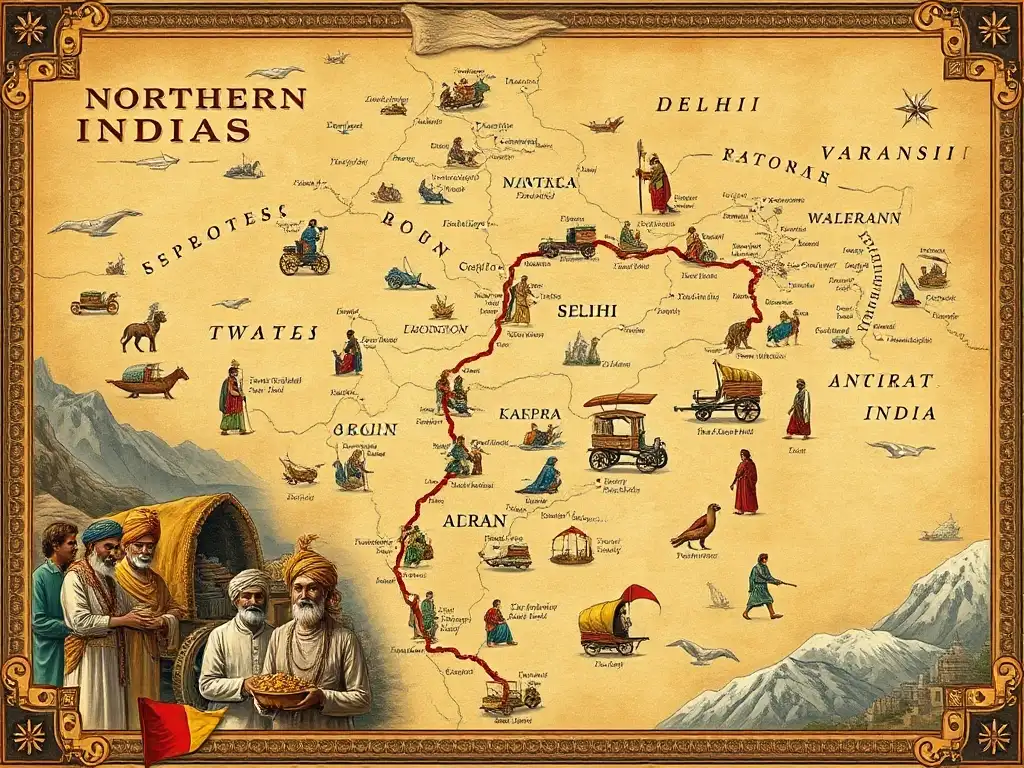
The ancient trade routes of Northern India played a crucial role in shaping the economy and facilitating cultural exchanges across the region. These routes not only connected diverse cultures but also paved the way for economic prosperity. The movement of goods, ideas, and people along these paths resulted in significant economic interdependence between various regions, fostering a network of trade that contributed to the development of urban centers and markets.
Trade was essential for the agricultural societies of Northern India, as it allowed surplus produce to be exchanged for essential goods that were not locally available. This exchange promoted specialization, with certain areas becoming known for particular products, such as textiles from Varanasi or spices from the Deccan region. As a result, trade routes helped to create a vibrant marketplace where both local artisans and foreign merchants could thrive.
The wealth generated from trade also had far-reaching implications for the social and cultural landscape of Northern India. It encouraged the patronage of arts and architecture, thereby leading to advancements in crafts, literature, and philosophy. The economic benefits of trade thus rippled through society, influencing various aspects of daily life and contributing to the overall development of ancient Indian civilization.
Trade Goods and Their Economic Value
The trade routes of Northern India were characterized by a diverse array of goods that were highly sought after both locally and internationally. Key commodities included:
- Spices: Spices, such as black pepper, cardamom, and turmeric, were among the most valuable trade items, often referred to as "black gold." They were not only used for culinary purposes but also had medicinal properties that increased their demand.
- Textiles: The region was renowned for its exquisite textiles, particularly silk and cotton. The production centers like Varanasi and Ahmedabad became famous for their intricate designs and high-quality fabrics, attracting merchants from across the world.
- Metals and Gems: Precious metals like gold and silver, along with gemstones such as diamonds and rubies, were vital trade goods. Northern India, particularly the region around Agra, was known for its rich deposits and craftsmanship in jewelry making.
- Agricultural Products: Surplus agricultural produce, including grains like rice and wheat, was transported along trade routes, ensuring food security and stimulating economic growth.
The economic value of these goods was not only measured in terms of their market price but also in their role in fostering connections between various societies, enhancing trade networks, and promoting cultural exchange.
The Role of Merchants and Trade Guilds
Merchants played a pivotal role in the functioning of ancient trade routes in Northern India. They acted as intermediaries who facilitated trade between local producers and distant markets. Often organized into trade guilds, these merchants held significant power and influence in the economic landscape. Trade guilds provided a framework for regulating trade practices, ensuring fair transactions, and protecting the interests of their members.
The guilds established rules for trade, set quality standards for goods, and maintained records of transactions. They also organized collective ventures to undertake long-distance trade, sharing both the risks and profits among their members. This collaboration not only enhanced the efficiency of trade but also fostered a sense of community among merchants.
Additionally, merchants often acted as cultural ambassadors, introducing new ideas, technologies, and practices to the regions they traversed. Their interactions with various cultures along the trade routes contributed to the rich tapestry of Northern Indian society, blending diverse influences that shaped its historical and cultural identity.
Decline and Transformation of Ancient Trade Routes
Despite their importance, the ancient trade routes of Northern India eventually faced decline and transformation due to various factors. As political landscapes changed and new powers emerged, the dynamics of trade were significantly altered.
Factors Leading to the Decline of Trade Routes
Several factors contributed to the decline of ancient trade routes in Northern India:
- Invasions and Conflicts: Frequent invasions and conflicts disrupted trade activities. The rise of powerful empires and regional kingdoms often led to instability, making trade routes unsafe for merchants.
- Shifts in Economic Power: As trade patterns evolved, some regions became less significant economically, leading to a decline in trade activities. For instance, the focus shifted to maritime routes during the medieval period, diminishing the importance of overland trade.
- Environmental Changes: Natural calamities, such as floods or droughts, affected agricultural production and, consequently, trade. Regions that depended heavily on agriculture for trade saw a direct impact on their economic stability.
The combination of these factors led to a gradual decline in the prominence of ancient trade routes, forcing merchants to adapt to new circumstances.
The Impact of Political Changes on Trade Dynamics
Political changes had a profound impact on the trade dynamics of Northern India. The emergence of new empires and the decline of established ones often altered trade routes and patterns. For instance, the rise of the Mughal Empire in the 16th century initially boosted trade due to increased security and infrastructure development, including roads and caravanserais.
However, as political power shifted, trade routes were redefined. The fragmentation of authority during the decline of the Mughal Empire in the 18th century resulted in regional instability, leading to a decline in long-distance trade. Additionally, the colonial expansion of European powers in the 19th century redirected trade flows, emphasizing maritime routes and diminishing the relevance of traditional overland paths.
Resurgence of Trade in Later Historical Periods
Despite the decline of ancient trade routes, there were periods of resurgence that revitalized trade in Northern India. The late 19th century saw the introduction of railways, which transformed transportation and facilitated faster movement of goods across vast distances. This modernization revivified trade routes, enabling merchants to reach new markets and expand their trade networks.
The subsequent economic policies implemented during British colonial rule also influenced trade dynamics, leading to the development of new industries and a focus on cash crops. Although these changes were often exploitative, they did create opportunities for trade revival.
In the post-independence era, Northern India experienced further economic transformation, with an emphasis on regional trade agreements and globalization. The historical significance of ancient trade routes continues to be recognized today, as they laid the foundation for the interconnected economies of contemporary India.
Conclusion: Legacy of Ancient Trade Routes in Northern India
The ancient trade routes of Northern India played a pivotal role in shaping the region's historical trajectory, facilitating not only the exchange of goods but also the interchange of ideas, cultures, and technologies. These routes, particularly the Silk Road and the Grand Trunk Road, acted as arteries for commerce and communication, linking India with regions as far as Central Asia, the Middle East, and beyond.
The legacy of these trade networks is evident in the cultural and economic landscapes of modern India, where remnants of ancient practices and influences continue to thrive. The vibrant tapestry of languages, religions, and customs in Northern India owes much to the interactions initiated through these early trade routes.
Lasting Cultural Influences from Trade Connections
The cultural influences resulting from ancient trade connections are profound and enduring. Merchants and travelers brought not only goods but also their unique customs, beliefs, and practices. This exchange led to the dissemination of various religions, such as Buddhism and Jainism, which spread along these routes, significantly altering the spiritual landscape of the region. Architectural styles, artistic expressions, and culinary traditions also evolved through this cultural melting pot. For instance, the introduction of spices and new cooking techniques from traders influenced local cuisine, while artistic motifs from foreign lands enriched Indian art and architecture.
Moreover, the social structures of Northern India were reshaped by these interactions. The rise of urban centers along trade routes fostered a more cosmopolitan society, where diverse communities coexisted and collaborated. This cultural syncretism can still be seen in modern festivals, rituals, and languages, highlighting how ancient trade routes have left an indelible mark on the collective identity of Northern India.
The Relevance of Ancient Trade Routes in Modern India
The relevance of ancient trade routes extends into contemporary India, where they continue to inspire economic and cultural initiatives. Modern infrastructure projects often trace the paths of these historic routes, integrating them into the national transport network. For instance, the revival of the Grand Trunk Road as a major highway demonstrates the enduring importance of these corridors for commerce and connectivity.
Furthermore, the concept of trade as a bridge between cultures remains vital today. The global economy increasingly embraces the principles established by ancient trade routes, emphasizing collaboration and the exchange of ideas. As India expands its trade relations with neighboring countries and global partners, the historical significance of these routes serves as a reminder of the country’s long-standing role as a cultural and economic hub in Asia.
References and Further Reading on Ancient Trade Routes in India
Suggested Books and Articles
- "The Silk Roads: A New History of the World" by Peter Frankopan: - This book provides an expansive view of the trade routes that connected East and West, including significant sections on Indian trade.
- "Ancient Indian Trade and Commerce" by R. S. Sharma - This work delves into the intricacies of trade practices in ancient India, offering insights into economic systems and cultural exchanges.
- "Trade and Traders in the Roman Empire" by M. A. Speidel - Although focused on the Roman Empire, this book discusses the interconnectedness of trade routes, including those extending into India.
Online Resources for Exploring Ancient Indian Trade History
- The Archaeological Survey of India - Offers extensive resources on archaeological findings related to ancient trade routes.
- Digital South Asia Library - A repository of historical maps, documents, and literature focusing on South Asian history, including trade.
- The British Museum Online Collection - Features artifacts and exhibits related to ancient Indian trade, providing insights into the goods and cultures exchanged along these routes.
By exploring these resources, readers can gain a deeper understanding of the complexities and significance of ancient trade routes in India, enriching their knowledge of this vital aspect of history.
- Introduction to Ancient Trade Routes in India
- Historical Context of Trade in Northern India
- Major Ancient Trade Routes of Northern India
- Cultural Exchange Through Trade
- Economic Impact of Trade in Northern India
- Decline and Transformation of Ancient Trade Routes
- Conclusion: Legacy of Ancient Trade Routes in Northern India
- References and Further Reading on Ancient Trade Routes in India
Frequently Asked Questions
What were the major ancient trade routes in Northern India?
The major ancient trade routes in Northern India included the Silk Road and the Grand Trunk Road, which facilitated trade between India and other civilizations.
How did ancient trade routes impact Indian culture?
These trade routes enabled the exchange of ideas, religions, and art forms, significantly enriching the cultural landscape of ancient India.
What goods were commonly traded along these routes?
Merchants traded various goods, including spices, silks, cotton, and precious stones, which were highly sought after in both local and international markets.
How did the Gupta Empire influence trade in ancient India?
The Gupta Empire promoted trade by ensuring political stability, improving infrastructure, and establishing a currency system, which increased trade activity across the region.
What role did geography play in ancient trade routes in India?
The geography of Northern India, with its rivers, mountains, and plains, significantly influenced the development of trade routes by providing natural pathways for merchants.
Final Reflection: The Enduring Legacy of Ancient Trade Routes in India
The ancient trade routes of India are not merely relics of the past; they are vibrant threads that continue to weave together cultures and economies today. As we explore the historical significance of these pathways, we uncover their profound impact on the interconnectedness of societies, shaping not only commerce but also the exchange of ideas, traditions, and innovations that resonate in our modern world. The legacy of these routes serves as a reminder of our shared human experience and the importance of collaboration across borders.
The influence of ancient trade routes extends far beyond their geographical confines, echoing through the cultural and social landscapes of contemporary India. The interactions facilitated by these routes fostered a rich tapestry of diversity, where languages, religions, and customs blended harmoniously. As noted by historian R.S. Sharma, Trade is not merely an economic activity; it is a bridge that connects civilizations.
This observation highlights the ongoing relevance of these ancient pathways, as they continue to inspire dialogue and understanding among diverse communities, reinforcing the idea that our histories are intertwined.
As we reflect on the lessons of the ancient trade routes, let us embrace the spirit of connection and cooperation that they embody. I invite you to consider how you can apply these principles in your own life, fostering relationships that transcend cultural boundaries and contribute to a more inclusive world. By recognizing the value of our shared heritage and the importance of collaboration, we can honor the legacy of these routes and ensure that their impact continues to thrive for generations to come.
Unveil the Legacy of Ancient Trade Routes!
Thank you for taking the time to explore the rich tapestry of ancient trade routes in Northern India. Your journey through this topic has revealed not just the pathways of trade, but the vibrant cultures and economies they fostered. Now, it’s time to take this knowledge further!
Here’s how you can dive deeper and contribute to the conversation:
- Explore local trade landmarks: Plan a visit to historical sites in your area that showcase the impacts of these ancient routes. Discover connections to your own community!
- Join the discussion: Share your thoughts on how ancient trade has influenced modern commerce. Start a conversation with friends or engage in online forums!
- Contribute to our community: Share your experiences with cultural exchanges in your life. Your stories help bring our shared history to life!
What impact do you think ancient trade routes have on today's global economy? Let’s discuss!