
The Resilience of Northern Indian Societies: Adapting to Change Through the Ages

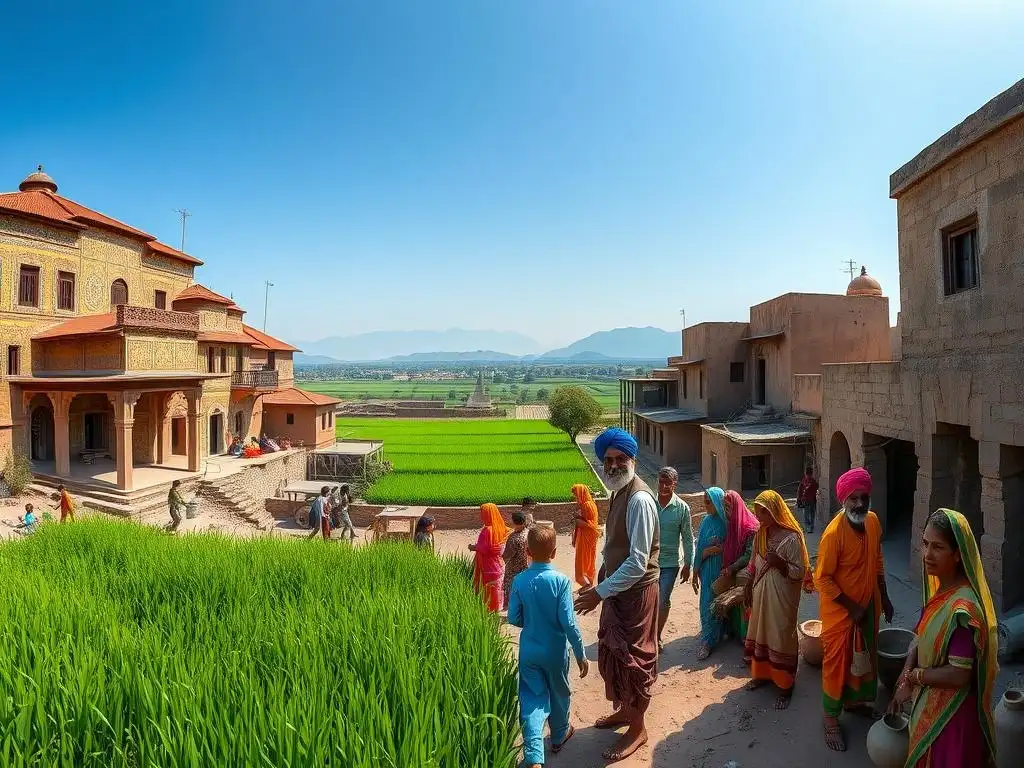
Welcome to Ancient India History, where we invite you to embark on an enriching journey through time, exploring the rich tapestry of cultures and remarkable contributions of ancient Indian civilizations. Our featured article, "The Resilience of Northern Indian Societies: Adapting to Change Through the Ages," unravels the dynamic evolution of Northern Indian societies, revealing how they have navigated the tides of change throughout history. What secrets lie within their past? Join us as we delve into the fascinating stories that shaped these resilient communities and their enduring legacy. Your exploration starts here!
Introduction to the History of Northern Indian Societies
The history of Northern Indian societies is a captivating narrative that unfolds over millennia, showcasing a remarkable tapestry of resilience and adaptability. Spanning from the early settlements of the Indus Valley Civilization to the flourishing realms of the Gupta Empire, these societies have navigated through an array of challenges and transformations. As they faced invasions, environmental changes, and socio-political upheavals, Northern Indian societies demonstrated an extraordinary ability to adapt and thrive, thereby contributing significantly to the cultural and intellectual heritage of India.
This article aims to explore the intricate layers of Northern Indian history, focusing on the resilience of its societies in the face of change and adversity. By understanding the historical context and the dynamic responses of these communities, we can appreciate the depth and richness of their contributions to the broader narrative of Indian civilization.
Overview of Northern Indian Societies
Northern India has been home to some of the earliest and most influential civilizations in human history. From the sophisticated urban planning of the Indus Valley to the philosophical advancements during the Vedic period, the societies in this region have laid the foundation for many aspects of Indian culture, including religion, language, and governance.
Key characteristics of Northern Indian societies include:
- Diverse Cultural Influences: The region has seen a confluence of various cultures, including Aryan, Dravidian, and later Islamic influences, leading to a rich cultural mosaic.
- Economic Adaptability: Agriculture, trade, and craftsmanship were pivotal to the economy, with societies constantly evolving their practices to meet changing demands.
- Intellectual Contributions: Northern Indian societies have been at the forefront of scholarly pursuits, producing significant texts in philosophy, mathematics, and the arts.
Importance of Resilience in Historical Context
Understanding the resilience of Northern Indian societies is crucial for several reasons:
- Coping Mechanisms: The ability of these societies to adapt to external pressures—be it invasions, climatic changes, or socio-economic shifts—provides valuable insights into human resilience.
- Cultural Continuity: Despite facing numerous challenges, the core cultural identities of these societies have persisted, influencing contemporary Indian culture.
- Lessons for Modern Society: The adaptability showcased by ancient societies can serve as a model for contemporary communities facing globalization and environmental challenges.
Historical Background of Northern India
Early Civilizations in Northern India
The historical trajectory of Northern India can be traced back to the Indus Valley Civilization, which flourished around 2600-1900 BCE. Characterized by advanced urban centers such as Harappa and Mohenjo-Daro, this civilization showcased remarkable achievements in architecture, drainage systems, and trade.
Following the decline of the Indus Valley, the region saw the emergence of the Vedic civilization, which laid the foundations for Hindu philosophy and societal structure. The Vedic texts not only reflect the socio-political norms of the time but also highlight the spiritual and cultural evolution of the society.
Influence of Regional Dynamics on Northern Indian Societies
The history of Northern Indian societies is marked by the interplay of various regional dynamics. Several key factors have influenced their development:
- Invasions and Migrations: The arrival of Indo-Aryans, as well as later invasions by Persians, Greeks, and Turks, introduced new cultural elements and technologies.
- Political Fragmentation and Unity: The rise and fall of empires such as the Maurya and Gupta empires led to periods of both fragmentation and unification, fostering a diverse yet interconnected societal landscape.
- Trade Routes: The establishment of trade routes, including the Silk Road, facilitated cultural exchanges and economic prosperity, further enriching the societies of Northern India.
Through these lenses, the resilience of Northern Indian societies can be understood not only as a response to external challenges but also as a testament to their enduring legacy and adaptability throughout history.
Key Periods of Change in Northern Indian History
Northern India has witnessed a series of transformative periods throughout its history, characterized by significant changes in governance, culture, and society. Understanding these key periods is essential to grasp the resilience and adaptability of the societies in this region. The historical timeline can be broadly divided into the rise of empires, invasions, and migrations, each contributing uniquely to the evolution of Northern Indian societies.
The Rise of Empires
The rise of powerful empires in Northern India marked a turning point in its history, shaping the political landscape and influencing cultural developments. The Maurya Empire, established in the 4th century BCE under Chandragupta Maurya, is one of the most significant examples. This empire unified a vast territory and promoted trade, agriculture, and the spread of Buddhism.
Following the Mauryas, the Gupta Empire (circa 240-550 CE) is often regarded as a golden age of Indian history, especially in the fields of science, mathematics, and art. The Guptas fostered an environment that encouraged intellectual pursuits, leading to advancements such as the concept of zero and significant contributions to literature. The stability and prosperity during these periods allowed Northern Indian societies to thrive and adapt to changing circumstances.
Invasions and Migrations
The history of Northern India is also marked by a series of invasions and migrations that brought about substantial changes in its demographic and cultural fabric. The invasions of the Indo-Greeks, Scythians, and Kushans in the early centuries CE introduced new cultural elements and syncretic practices, enriching the existing traditions.
The Islamic invasions beginning in the 11th century CE led to the establishment of various Sultanates and eventually the Mughal Empire. These invasions resulted in a fusion of cultures, languages, and religions, influencing art, architecture, and everyday life. The resilience of Northern Indian societies during these tumultuous times can be seen in their ability to integrate foreign influences while preserving core aspects of their identity.
Adaptation Strategies of Northern Indian Societies
Northern Indian societies have demonstrated remarkable resilience through various adaptation strategies in response to the challenges posed by political changes, economic shifts, and cultural influences. These strategies encompass economic adaptations and social and cultural transformations, showcasing the ingenuity of these communities.
Economic Adaptations
Economic adaptations have been vital for the survival and growth of Northern Indian societies through the ages. The region’s agricultural practices evolved significantly, with the introduction of new crops and irrigation techniques, particularly during the Gupta period. The fertile Gangetic plains supported extensive agriculture, leading to increased productivity and trade.
With the establishment of trade routes, including the Silk Road, Northern Indian societies became key players in regional and international trade. Merchants engaged in the exchange of goods such as silk, spices, and precious stones, fostering economic interconnections. This adaptability not only enhanced local economies but also facilitated cultural exchanges that enriched societal development.
Social and Cultural Adaptations
The social and cultural landscape of Northern India has been shaped by its ability to adapt to changing circumstances. The arrival of diverse groups due to invasions and migrations led to a blending of traditions, languages, and religious practices. The development of syncretic cultures, particularly during the Mughal era, exemplifies this adaptability.
Additionally, the caste system evolved over time, responding to economic needs and social changes. The rise of new social classes, including merchants and landowners, altered traditional power dynamics, leading to a more fluid social structure. Cultural practices, such as music, dance, and art, also absorbed influences from various traditions, resulting in a rich tapestry of Northern Indian culture that continues to thrive today.
Case Studies of Resilience in Northern Indian Societies
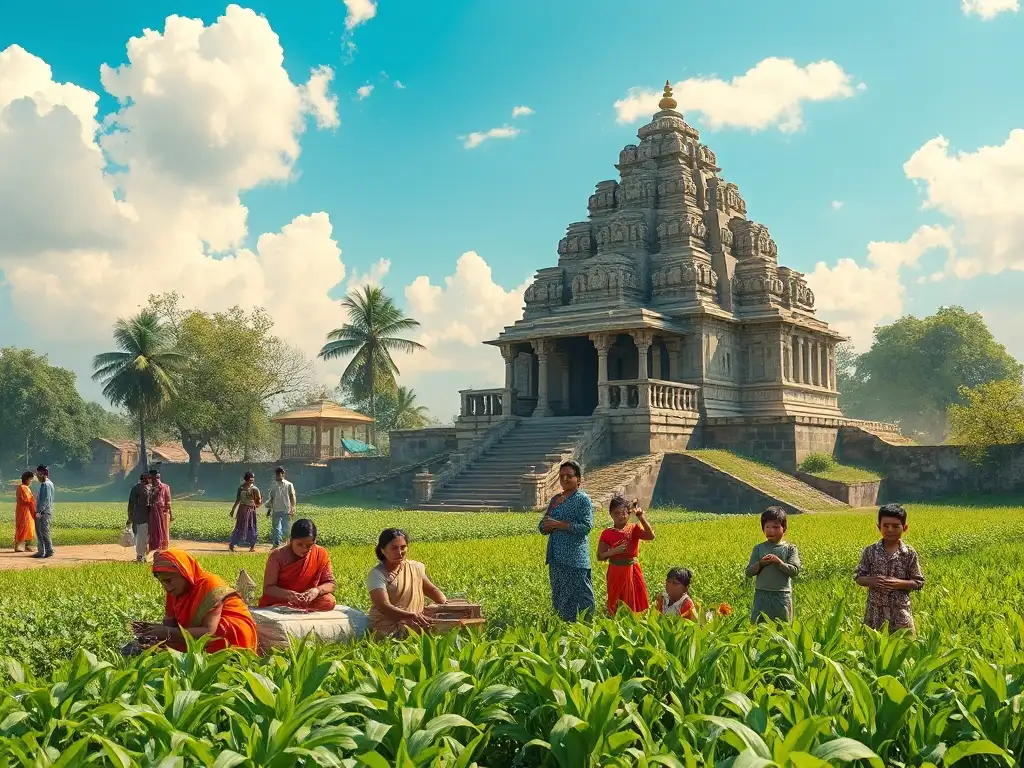
Northern Indian societies have demonstrated remarkable resilience throughout history, adapting to various challenges posed by environmental changes, invasions, and cultural shifts. One notable case study is the Indus Valley Civilization, which thrived around 2500 BCE in present-day Pakistan and northwest India. Despite facing declining water resources and changing climate conditions, its inhabitants developed sophisticated urban planning, drainage systems, and traded extensively with neighboring cultures, showcasing their ability to adapt to environmental stressors.
Another significant example is the Mughal Empire, which emerged in the 16th century. The Mughals faced challenges such as regional rebellions and the arrival of European powers. Their resilience was evident in their cultural synthesis, merging Persian, Indian, and Islamic influences to create a rich tapestry of art, architecture, and administration. The construction of monumental sites like the Taj Mahal not only reflects their artistic achievements but also their ability to unify diverse populations under a single imperial identity.
Moreover, the Gupta Empire (c. 320-550 CE) exemplifies resilience through intellectual and cultural revival. This era is often referred to as the "Golden Age" of India, marked by advancements in science, mathematics, and literature. The adaptation of societal structures to foster creativity and scholarship allowed for the flourishing of universities such as Nalanda, which attracted students from various regions, emphasizing the importance of education in societal resilience.
The Role of Religion in Adaptation
Religion has been a cornerstone in the resilience of Northern Indian societies, providing a framework for social cohesion and continuity amidst change. The Vedic traditions, which laid the foundation for later Hindu practices, facilitated a strong sense of identity among communities. The rituals and philosophies derived from these traditions helped societies navigate crises, offering explanations and solace during times of distress.
The arrival of Buddhism in the 6th century BCE introduced new ideas and practices that allowed societies to adapt to the changing political landscape. The spread of Buddhism, particularly during the reign of Emperor Ashoka, encouraged tolerance and the establishment of monastic communities that served as centers of learning and moral guidance. This religious adaptability fostered social stability and cultural exchange, allowing for the coexistence of diverse beliefs.
Additionally, the Bhakti movement in medieval Northern India emphasized personal devotion and accessibility to spirituality, breaking down caste barriers and fostering a sense of community. This movement not only provided spiritual resilience but also encouraged social change, leading to a more inclusive society that could better withstand external pressures and internal divisions.
Artistic and Intellectual Resilience
The artistic and intellectual contributions of Northern Indian societies have been pivotal in their resilience. The Brahmanical art of the early centuries CE showcased intricate sculptures and architectural marvels that reflected the society's beliefs and values. Temples, adorned with detailed carvings and inscriptions, served as cultural hubs, reinforcing community ties and promoting artistic expression even during turbulent times.
During the Mughal era, the synthesis of Persian and Indian artistic styles led to innovations in painting and architecture. Miniature paintings and elaborate gardens epitomized this blending of cultures, demonstrating how artistic endeavors could flourish despite sociopolitical upheavals. Such artistic resilience not only provided aesthetic value but also served as a means of documenting history and preserving cultural narratives.
Intellectual resilience is exemplified by the contributions to mathematics and astronomy during the Gupta period. Scholars like Aryabhata and Brahmagupta made significant advancements that laid the groundwork for future scientific developments. Their works, which emphasized empirical observation and logical reasoning, reflected a society's capacity to adapt intellectually to changing paradigms and challenges.
Conclusion: The Legacy of Resilience in Northern Indian Societies
Reflection on Adaptation Through the Ages
The history of Northern Indian societies is a testament to their remarkable resilience and capacity for adaptation. From ancient civilizations like the Indus Valley to the flourishing cultures of the Mughal and Gupta empires, these societies navigated through numerous changes while preserving their identity and continuity. Their ability to incorporate diverse influences, whether through religion, art, or intellectual pursuits, highlights a dynamic interplay between tradition and innovation that has defined their legacy.
Reflecting on this adaptability reveals a pattern of resilience that is not only historical but also relevant in contemporary contexts. The lessons learned from these societies can inspire modern communities facing their challenges, emphasizing the importance of flexibility, cultural integration, and the preservation of knowledge.
Implications for Understanding Ancient Indian Civilizations
Understanding the resilience of Northern Indian societies has profound implications for our comprehension of ancient Indian civilizations as a whole. It reveals that these societies were not merely passive recipients of external influences but active participants in shaping their destinies. Their resilience underscores the significance of cultural exchange and adaptation in the face of adversity.
Moreover, this perspective encourages a reevaluation of historical narratives that may have oversimplified the complexities of these civilizations. Recognizing the multifaceted nature of their resilience allows for a richer appreciation of their contributions to world history and civilization. The legacy of these societies continues to resonate, serving as a reminder of the enduring spirit of adaptation and innovation that defines human history.
Further Reading on the History of Northern Indian Societies
To deepen your understanding of the history of Northern Indian societies and their resilience through changing times, a variety of sources and literature can provide valuable insights. These works span a range of perspectives, including archaeological studies, historical analyses, and cultural explorations, offering a comprehensive view of the region’s past.
Recommended Sources and Texts
-
"The Indus Civilization: A Contemporary Perspective" by Gregory L. Possehl
This book delves into the complexities of the Indus Valley Civilization, exploring its urban planning, trade networks, and societal structures. It serves as a foundational text for understanding the early roots of Northern Indian societies.
-
"Ancient India: Culture and Civilization" by R. S. Sharma
R. S. Sharma provides a detailed overview of ancient Indian history, focusing on the cultural and socio-political developments from the early Vedic period through the Mauryan Empire, making it essential for grasping the historical context of Northern India.
-
"The Gupta Empire" by Romila Thapar
Thapar’s work highlights the significant contributions of the Gupta Empire to art, science, and philosophy. It examines how this period exemplified resilience and adaptability in the face of external challenges and internal dynamics.
-
"Delhi: A History" by R. S. Gupta
This comprehensive history of Delhi traces the city’s evolution from ancient times to the modern era, showcasing its role as a cultural and political hub in Northern India.
-
"The Mughal Empire" by John F. Richards
Richards explores the intricacies of the Mughal Empire, focusing on its governance, cultural achievements, and interactions with various Northern Indian societies, illustrating the impact of Mughal rule on regional dynamics.
These texts not only provide historical accounts but also engage with the sociopolitical structures that shaped the resilience of Northern Indian societies.
Notable Historical Figures and Events
Northern India has been home to numerous influential figures and pivotal events that have shaped its history. Some of the most notable include:
-
Ashoka the Great (c. 268–232 BCE)
As the third Mauryan emperor, Ashoka is renowned for his promotion of Buddhism and his efforts to propagate moral governance through his Edicts. His reign marked a significant period of peace and cultural development in Northern India.
-
Samudragupta (c. 335–375 CE)
Often referred to as the "Napoleon of India," Samudragupta expanded the Gupta Empire through military conquests and diplomatic alliances, establishing a golden age of art and culture.
-
Harsha (c. 606–647 CE)
The ruler of Northern India, Harsha is noted for his patronage of Buddhism and the arts. His administration emphasized social welfare and religious tolerance, helping to unify the region after the decline of the Gupta Empire.
-
The First Battle of Panipat (1526)
This battle marked the beginning of the Mughal Empire in India. Babur’s victory over Ibrahim Lodi not only changed the political landscape but also initiated a period of significant cultural exchange and synthesis in Northern India.
These figures and events exemplify the resilience and adaptability of Northern Indian societies as they navigated through various challenges, leaving a lasting impact on the region's history.
- Introduction to the History of Northern Indian Societies
- Historical Background of Northern India
- Key Periods of Change in Northern Indian History
- Adaptation Strategies of Northern Indian Societies
- Case Studies of Resilience in Northern Indian Societies
- Conclusion: The Legacy of Resilience in Northern Indian Societies
- Further Reading on the History of Northern Indian Societies
- What are the key characteristics of Northern Indian societies?
- How did the Indus Valley Civilization contribute to the history of Northern India?
- What role did the Gupta Empire play in Northern Indian history?
- How have Northern Indian societies adapted to external influences throughout history?
- What are some notable contributions of ancient Northern Indian civilizations?
Frequently Asked Questions
What are the key characteristics of Northern Indian societies?
Northern Indian societies are known for their rich cultural heritage, diverse traditions, and historical resilience. They have continuously adapted to changing political and social landscapes over the centuries.
How did the Indus Valley Civilization contribute to the history of Northern India?
The Indus Valley Civilization is one of the earliest urban cultures in Northern India, known for its advanced city planning, trade systems, and craftsmanship, which laid the foundation for future societies in the region.
What role did the Gupta Empire play in Northern Indian history?
The Gupta Empire is often regarded as a golden age in Northern Indian history, marked by significant advancements in art, science, and literature, as well as a flourishing of political stability.
How have Northern Indian societies adapted to external influences throughout history?
Northern Indian societies have shown remarkable adaptability by integrating various cultural influences from invasions, trade, and migration, which enriched their social fabric and cultural practices.
What are some notable contributions of ancient Northern Indian civilizations?
Ancient Northern Indian civilizations contributed greatly to mathematics, astronomy, and philosophy. They also produced significant literary works and art forms that continue to influence modern culture.
Final Reflection: Embracing Change in the History of Northern Indian Societies
The resilience of Northern Indian societies throughout history is a testament to their ability to adapt and thrive in the face of change. From ancient kingdoms to modern challenges, these communities have demonstrated an extraordinary capacity to navigate the complexities of social, political, and environmental shifts. Today, as we witness rapid globalization and cultural exchanges, the lessons learned from the past become increasingly relevant, reminding us that adaptability is not just a survival mechanism but a pathway to growth and innovation.
Cultural evolution is a continuous journey, and the history of Northern Indian societies serves as a rich tapestry woven with threads of resilience and transformation. The stories of these societies remind us that change is not merely a challenge but an opportunity for renewal and redefinition. As Mahatma Gandhi once said, “Be the change that you wish to see in the world.” This quote encapsulates the essence of how these societies have thrived: by embracing change and shaping their destinies through collective effort and vision.
As we reflect on the enduring legacy of Northern Indian societies, let us be inspired to cultivate our own resilience in the face of life's inevitable changes. Consider how you can apply the lessons of adaptability and innovation in your own life, whether in personal relationships, professional endeavors, or community engagement. The past is not just a record of what has been; it is a guide for what can be achieved when we embrace change with courage and creativity.
Embrace Change: Take Action on Resilience!
Thank you for exploring the fascinating history of Northern Indian societies and their remarkable resilience. You've unlocked valuable insights into how cultures adapt and thrive through centuries of change, which can inspire us in our own lives.
Now, let's put those insights into action! Here are a few impactful steps you can take:
- Reflect on Resilience: Consider a specific challenge you are facing and write down strategies to adapt and overcome it, drawing inspiration from the societies you’ve learned about.
- Engage with History: Visit a local museum or historical site to deepen your connection with your cultural heritage. Share your experiences with friends or on social media to inspire others!
- Start a Conversation: Join or create a community group focused on discussing history and resilience. This can be a wonderful way to connect with others who share your passion.
How can you apply the lessons of resilience from Northern Indian societies to your own journey today? Let’s spark a discussion in the comments!