
The Vibrant Tapestry of Ancient India: Unraveling the Origins of Traditional Textiles

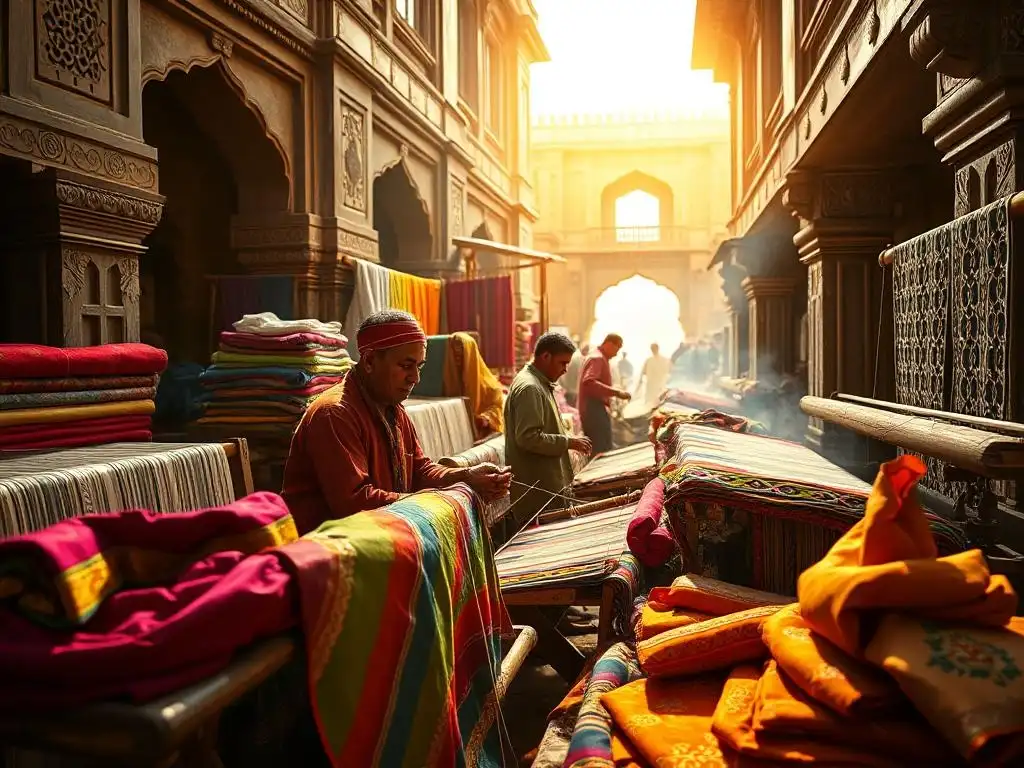
Welcome to Ancient India History, where we embark on a captivating journey through the rich tapestry of ancient Indian civilizations. In our latest article, "The Vibrant Tapestry of Ancient India: Unraveling the Origins of Traditional Textiles," we delve into the fascinating world of ancient Indian textile history.
Discover how the intricate designs and techniques of the past not only reflect the artistry of the time but also tell stories of cultural exchange and innovation. Join us as we unravel the threads of history woven into the fabric of India, and let your curiosity guide you deeper into the vibrant stories that await!
Introduction to Ancient Indian Textile History
The history of textiles in ancient India is not merely a chronicle of fabric and dye; it is a vibrant narrative woven into the very fabric of Indian civilization. From the intricate weaves of the Indus Valley civilization to the sophisticated techniques developed during the Gupta Empire, ancient Indian textiles reflect the rich cultural tapestry and the socio-economic dynamics of the time.
Textiles were not only essential for clothing but also served as markers of social status, artistic expression, and trade. The traditional textile practices of ancient India showcase a remarkable blend of functionality and artistry, illustrating the ingenuity and craftsmanship of various regions.
Significance of Textiles:
- Cultural Identity: Textiles played an integral role in establishing the identity of different communities.
- Economic Impact: The textile industry was a major contributor to trade both domestically and internationally, influencing economic growth.
- Artistic Expression: The patterns, colors, and techniques of textiles often carried symbolic meanings and showcased the artistic talents of artisans.
As we delve deeper into the ancient Indian textile history, we will explore the evolution of traditional textiles, the materials used, and the techniques that have been passed down through generations. Join us in unraveling this fascinating aspect of India's heritage, which continues to inspire contemporary fashion and textile design.
- What is the significance of textiles in ancient Indian culture?
- How did the Indus Valley Civilization contribute to textile history?
- What are some notable textile techniques from ancient India?
- How did the Gupta Empire influence textile production?
- What is the impact of ancient Indian textiles on modern fashion?
The Historical Context of Textiles in Ancient India
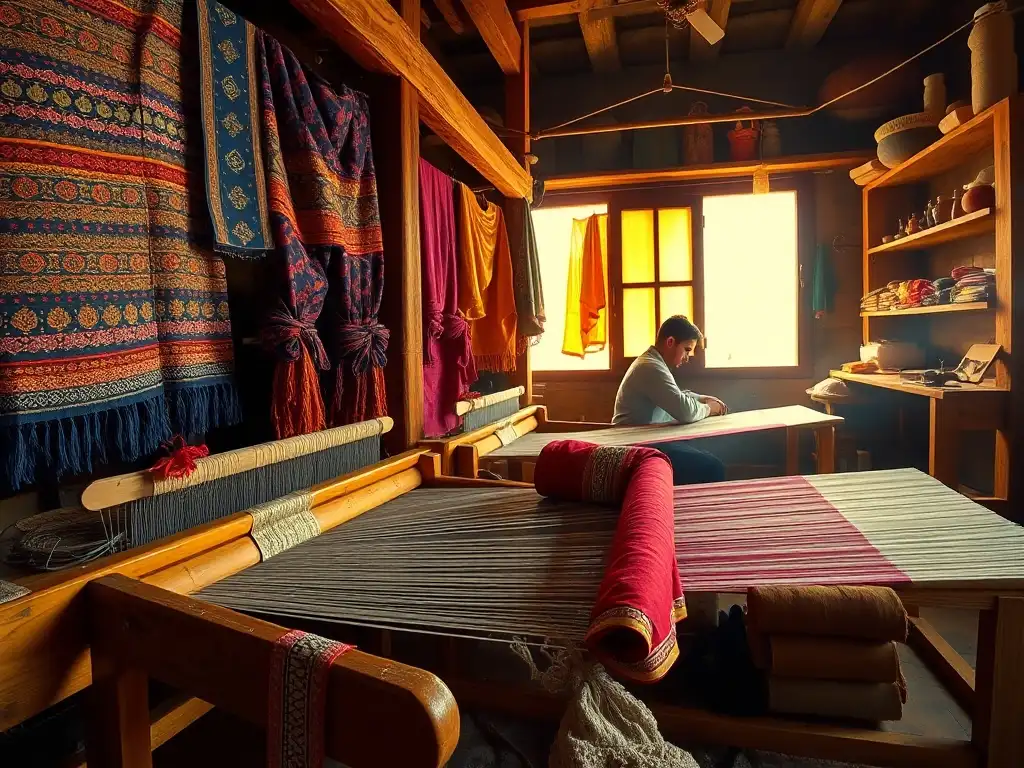
The history of textiles in ancient India is marked by a rich interplay of culture, innovation, and trade. From the earliest civilizations to the flourishing empires, textiles were not merely functional but also played a significant role in social status, cultural identity, and economic trade. The craftsmanship of textiles was deeply intertwined with the daily lives of people, reflecting their artistic expressions and technological advancements. Various materials, techniques, and patterns evolved over centuries, each contributing to the vibrant tapestry of what we now recognize as ancient Indian textile history.
The Indus Valley Civilization and Its Textile Innovations
The Indus Valley Civilization (circa 3300–1300 BCE) is one of the earliest urban cultures in the world and is renowned for its advanced practices in textile production. Archaeological evidence suggests that the inhabitants of this region were adept at weaving textiles, primarily using cotton, which is believed to have been domesticated here.
- Cotton Cultivation: The use of cotton in textiles is significant, as it laid the groundwork for Indian textile production. Cotton fibers found in archaeological sites indicate that the people of the Indus Valley engaged in agriculture that included cotton cultivation.
- Weaving Techniques: The discovery of spindle whorls and loom weights suggests that advanced weaving techniques were employed. These artifacts showcase the sophistication of their textile production, indicating that they produced fine cloth suitable for various garments.
- Dyestuffs and Patterns: Evidence of dyestuffs such as indigo has been found, indicating that the people of the Indus Valley not only wove textiles but also dyed them, giving rise to intricate designs and patterns. The use of natural dyes reflects an early understanding of aesthetics and color, which would influence later textile traditions in India.
- Trade and Influence: The textiles produced in the Indus Valley were traded with neighboring regions, spreading their innovations and styles. This trade not only facilitated the exchange of goods but also ideas, leading to the evolution of textile techniques across different cultures.
The legacy of the Indus Valley Civilization set a precedent for the importance of textiles in Indian society, influencing subsequent generations and civilizations.
The Influence of Ancient Empires on Textile Development
As India transitioned through various empires, including the Maurya (322–185 BCE) and Gupta (c. 240–550 CE) Empires, the textile industry experienced significant evolution and diversification. Each empire brought its own influences, leading to the flourishing of traditional textile arts.
- Mauryan Empire Contributions: Under the Mauryan Empire, textiles became a symbol of wealth and power. The state encouraged silk production, and the use of luxurious fabrics became widespread among the elite. The expansion of trade routes during this period facilitated the exchange of silk and other textiles with regions such as China and Persia, further enriching the textile palette of ancient India.
- Gupta Era Innovations: The Gupta period is often referred to as a golden age in Indian history, marked by advancements in art and culture. Textiles during this time saw the introduction of intricate embroidery and decorative techniques. The use of gold and silver threads in fabrics became more common, showcasing the artistic skills of weavers and embroiderers.
- Regional Specializations: Different regions began to specialize in various textile crafts, leading to the emergence of distinct styles. For instance, the Kanchipuram sarees from South India and the brocade textiles from Varanasi became renowned for their quality and design, reflecting the diversity of ancient Indian textile history.
- Cultural Exchange: The thriving trade networks allowed for cultural exchanges where foreign influences were assimilated into Indian textile practices. This resulted in the incorporation of new designs and techniques, enriching the existing traditions and contributing to the overall sophistication of textiles.
The evolution of textiles in ancient India is a testament to the ingenuity and creativity of its people. The innovations from the Indus Valley, coupled with the influences from various empires, laid the foundation for a vibrant textile heritage that continues to be celebrated today.
Traditional Indian Textiles: Types and Techniques
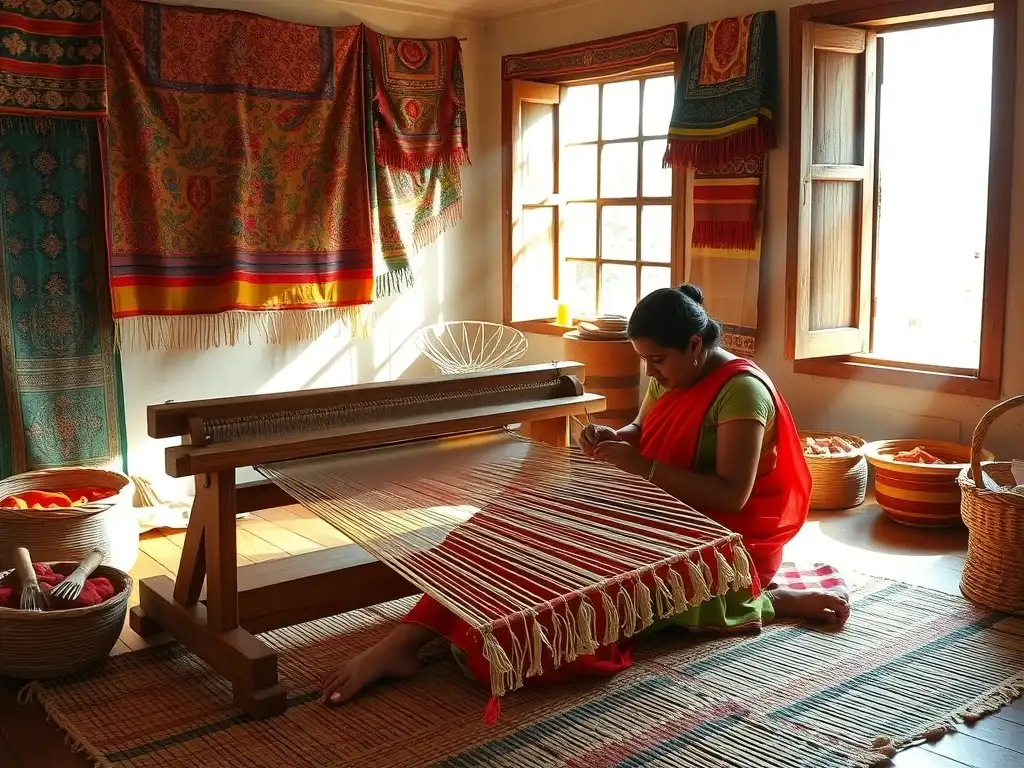
The history of traditional Indian textiles is a complex and vibrant tapestry woven through centuries of cultural exchange, technological innovation, and artistic expression. The ancient Indian textile industry was not only a source of livelihood but also a canvas for the diverse cultures that flourished across the subcontinent. This section delves into the various types of traditional textiles produced in ancient India, highlighting their unique techniques and characteristics.
Cotton Textiles: The Fabric of Ancient India
Cotton textiles hold a special place in the ancient Indian textile history. The cultivation of cotton in the Indus Valley Civilization (circa 2500–1500 BCE) marks one of the earliest known uses of this versatile fiber. Archaeological findings, such as cotton fragments in Mohenjo-Daro, showcase the advanced textile techniques employed by these ancient civilizations.
- Spinning and Weaving Techniques: Ancient Indians developed intricate methods for spinning cotton into fine threads, often using tools like the charkha (spinning wheel). The weaving process involved handlooms, which produced a variety of fabrics, including muslins that were renowned for their softness and sheerness.
- Dyeing and Printing: Natural dyes derived from plants, minerals, and insects were extensively used to color cotton textiles. Techniques like block printing and tie-dyeing (bandhani) became popular, allowing for vibrant patterns that reflected regional aesthetics.
- Cultural Significance: Cotton textiles were not merely functional; they played a crucial role in the social and cultural fabric of ancient India. They were used in religious rituals, ceremonies, and as symbols of status. The trade of cotton textiles with other civilizations, such as the Romans and Persians, further established India's reputation as a textile hub.
Silk Textiles: The Luxurious Legacy of Ancient India
Silk production in ancient India dates back to at least the 3rd century BCE, with the establishment of sericulture in regions like Bengal and southern India. The allure of silk textiles has left an indelible mark on ancient Indian textile history, characterized by their luxurious feel and intricate designs.
- Sericulture and Weaving: The process of raising silkworms and extracting silk threads required meticulous care and skill. The weaving of silk on handlooms led to the creation of exquisite fabrics such as banarasi and Kanjivaram, known for their elaborate motifs and vibrant colors.
- Dyeing Techniques: Ancient Indian artisans used a variety of natural dyes to achieve rich colors, often employing techniques like resist dyeing (where parts of the fabric are protected from dye) to create complex designs. This craftsmanship resulted in unique silk pieces that were highly prized both locally and internationally.
- Symbol of Status and Wealth: Silk textiles were often associated with royalty and the elite. They adorned palaces and were gifted during significant events, symbolizing prestige and wealth. The trade routes established during the Silk Road era further enhanced the prominence of Indian silk textiles across the globe.
Wool and Other Natural Fibers in Textile Production
While cotton and silk are often highlighted, ancient Indian textile history also encompasses a variety of other natural fibers, including wool, jute, and hemp. Each of these materials contributed to the rich diversity of textiles in ancient India.
- Wool Textiles: Primarily produced in the northern regions, especially in Kashmir, wool was spun into various types of garments. The craftsmanship of hand-knotted carpets and shawls, notably the pashmina, exemplifies the exquisite skill of ancient weavers. These textiles were not only practical for warmth but also served as artistic expressions with intricate designs.
- Jute and Hemp: These fibers were utilized for making ropes, sacks, and coarse fabrics. Jute, in particular, became an essential material for trade and agricultural purposes. The cultivation and processing of these fibers showcased the sustainable practices of ancient civilizations.
- Innovative Techniques: The blending of different fibers, along with innovative weaving techniques, enriched the textile landscape of ancient India. Techniques such as embroidery and embellishments were also applied to enhance the aesthetic appeal of various textiles.
The traditional textiles of ancient India reflect a rich interplay of culture, art, and technology. From the soft touch of cotton to the luxurious sheen of silk, and the unique contributions of other natural fibers, each textile type tells a story of its own, woven into the very fabric of Indian history. Understanding these textiles is key to appreciating the legacy of ancient Indian craftsmanship that continues to influence contemporary textile practices.
Regional Variations in Ancient Indian Textiles
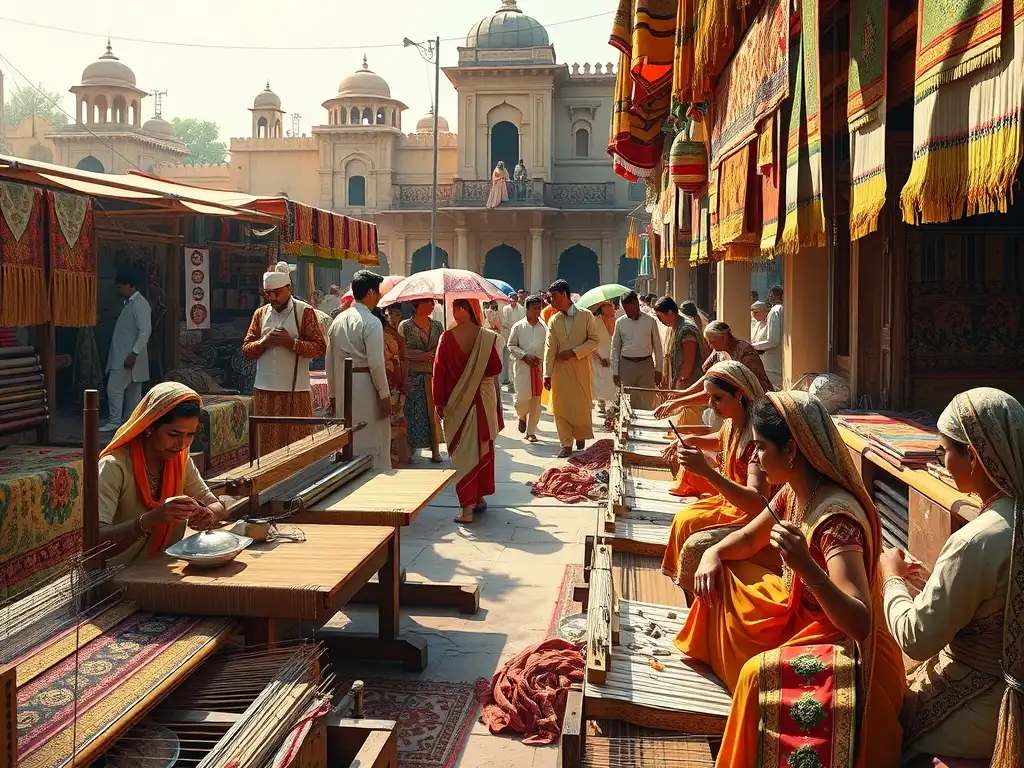
Ancient Indian textile history is characterized by a rich diversity that reflects the various cultural, geographical, and climatic influences across the subcontinent. The textiles produced in different regions were not only functional but also embodied the artistic expression and societal values of their times. This section will explore the distinctive textile traditions that emerged in North, South, East, and West India, highlighting their unique characteristics and contributions to the fabric of Indian heritage.
North India: A Hub of Diverse Textile Traditions
North India has long been recognized as a vibrant center for textile production, encompassing a variety of techniques and materials. Key regions such as Punjab, Rajasthan, and Uttar Pradesh have contributed significantly to the ancient Indian textile history through their unique craftsmanship.
- Punjab: Renowned for its vibrant phulkari embroidery, Punjab's textiles are characterized by intricate floral designs created using colorful silk threads. The use of bright colors and geometric patterns reflects the region's agricultural abundance and cultural festivities.
- Rajasthan: The state is famous for its block printing techniques and tie-dye (bandhani). Textiles like leheriya and bandhej showcase vibrant colors and intricate designs, often inspired by local flora and fauna. These textiles are not only popular in traditional attire but also in home furnishings.
- Uttar Pradesh: This region is known for its exquisite brocade weaving, particularly in Varanasi. The Banarasi silk sarees, woven with gold and silver threads, are highly coveted. The intricate motifs often depict mythological themes and floral patterns, making them a staple for weddings and festivals.
The diversity in materials, including silk, cotton, and wool, along with various techniques like weaving, embroidery, and dyeing, establishes North India as a crucial player in the ancient Indian textile narrative.
South India: The Land of Vibrant Cotton and Silk
Moving to South India, the textile traditions are equally rich and varied, with a strong emphasis on both cotton and silk production. The region is particularly known for its vibrant colors and intricate craftsmanship.
- Kanchipuram: Famous for its Kanchipuram silk sarees, this region produces some of the finest silks in India. The sarees are known for their rich colors, heavy gold borders, and intricate motifs. Each piece narrates stories through its designs, often inspired by temple architecture and mythology.
- Tamil Nadu: The state is celebrated for its handloom cotton textiles, particularly the Madurai Sungudi. The unique dyeing techniques and use of natural dyes result in soft fabrics adorned with traditional patterns that resonate with the state’s cultural heritage.
- Andhra Pradesh: Here, the Gadwal and pattu sarees are notable for their blend of cotton and silk, featuring vibrant colors and elaborate borders. The craftsmanship showcases the region’s traditional weaving techniques, emphasizing the importance of handloom in the local economy.
The textiles of South India reflect the region's cultural diversity and its historical significance in trade, particularly along the maritime routes connecting to Southeast Asia.
East and West India: Unique Textile Heritage
Both East and West India boast unique textile traditions that contribute to the overall tapestry of ancient Indian textile history.
- East India: The textile heritage of this region is prominently marked by Bengal and Odisha. Bengal is well-known for its muslin, once prized for its fine quality and softness. Additionally, the Baluchari sarees of Bengal, with their intricate pictorial designs, are famous for depicting mythological scenes. In Odisha, the Bomkai and Sambalpuri sarees are recognized for their vibrant colors and traditional motifs inspired by local art and culture.
- West India: Gujarat and Maharashtra are hubs of textile innovation, with Gujarat leading in bandhani and patola weaving. The patola sarees, known for their double ikat technique, are characterized by their vibrant colors and intricate patterns. In Maharashtra, Paithani sarees are distinguished by their rich silk and gold borders, often adorned with peacock motifs and floral designs, making them a symbol of tradition.
The textiles from East and West India not only highlight regional craftsmanship but also reflect the socio-economic conditions and cultural practices of their respective communities.
The regional variations in ancient Indian textiles offer a fascinating glimpse into the rich tapestry of cultural heritage that has evolved over millennia. Each region has its own distinct identity, materials, and techniques, contributing to the vibrant and diverse narrative of ancient Indian textile history. The interplay of tradition, artistry, and local resources continues to influence contemporary textile practices, ensuring that these ancient traditions remain alive in modern society.
Cultural Significance of Textiles in Ancient Indian Society
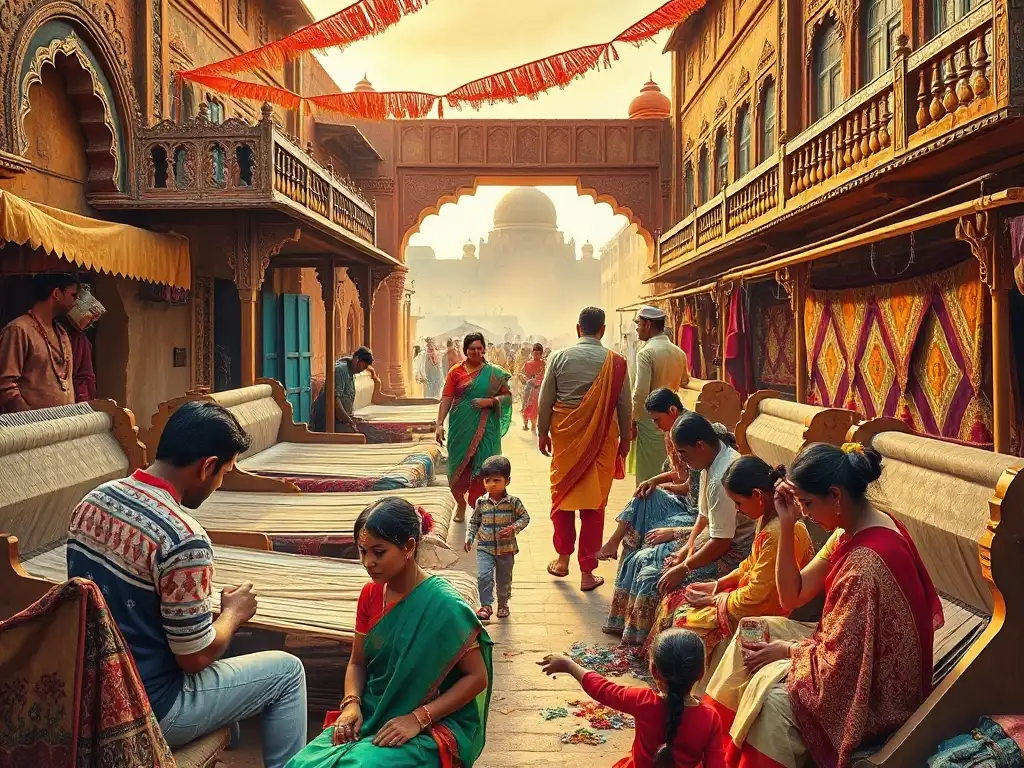
Textiles in ancient India served not merely as clothing but as a vibrant expression of culture and identity. The intricate designs, vibrant colors, and the materials used in these textiles often reflected the region's historical and social significance. Ancient Indian textile history reveals a rich interplay between textiles and various aspects of society, including religion, economy, and social hierarchy.
Textiles in Religion and Rituals
In ancient Indian society, textiles played a pivotal role in religious practices and rituals. Fabrics were often imbued with significant cultural meanings and were used in various ceremonies and worship practices.
- Sacred Fabrics: Certain textiles, such as silk and cotton, were considered sacred. They were often used to make garments for deities during worship, highlighting their divine significance. The use of specific colors and patterns in these fabrics was believed to invoke blessings and prosperity.
- Ritual Costumes: Priests and devotees donned specific textiles during rituals. For instance, the sari and dhoti were commonly used in various religious ceremonies, symbolizing purity and respect. The choice of textile and its color often conveyed deeper meanings, with white representing purity and red symbolizing marital auspiciousness.
- Festivals and Ceremonies: Textiles were integral to festivals like Diwali and Durga Puja, where people adorned themselves in new clothes. The exchange of textiles during such occasions fostered community bonding and reflected the cultural ethos of sharing and celebration.
- Symbolism in Textiles: Patterns and motifs used in textiles often carried symbolic meanings. For example, the use of lotus motifs in textiles symbolizes purity and enlightenment, which are significant in Hindu and Buddhist traditions. Such motifs not only beautified the textiles but also conveyed spiritual narratives.
Textiles as a Means of Economic Exchange
The economic implications of textiles in ancient Indian civilization are profound. They were not just commodities but also a means of trade that linked various regions and cultures.
- Trade Routes: Ancient India was known for its extensive trade networks. Textiles were among the key export items traded along the Silk Route and maritime routes, facilitating cultural exchanges between India and other civilizations. Indian silk, in particular, was highly sought after and played a crucial role in establishing trade relationships with regions like China and the Middle East.
- Guilds and Craftsmanship: The textile industry fostered the development of various guilds and craft communities. Artisans specialized in different techniques, such as weaving, dyeing, and embroidery, contributing to the local economy. Cities like Varanasi and Ahmedabad became renowned for their textile production, with local guilds preserving traditional methods and artistry.
- Economy and Social Structure: The production and trade of textiles contributed significantly to the economy and social structure. Wealth generated from textile trade allowed for the emergence of a merchant class, which played a significant role in the socio-political landscape of ancient India.
- Cultural Exchange: The trade of textiles not only involved material exchange but also cultural diffusion. Techniques, patterns, and designs were shared among traders and artisans from different regions, enriching the textile heritage of ancient India. This cross-cultural interaction led to innovations in textile production and design.
The cultural significance of textiles in ancient Indian society extends beyond mere aesthetics. They were woven into the very fabric of religious practices and economic exchanges, reflecting the complexities and richness of ancient Indian civilization. Understanding this cultural tapestry is essential for appreciating the depth of ancient Indian textile history.
Preservation and Revival of Ancient Indian Textile Techniques
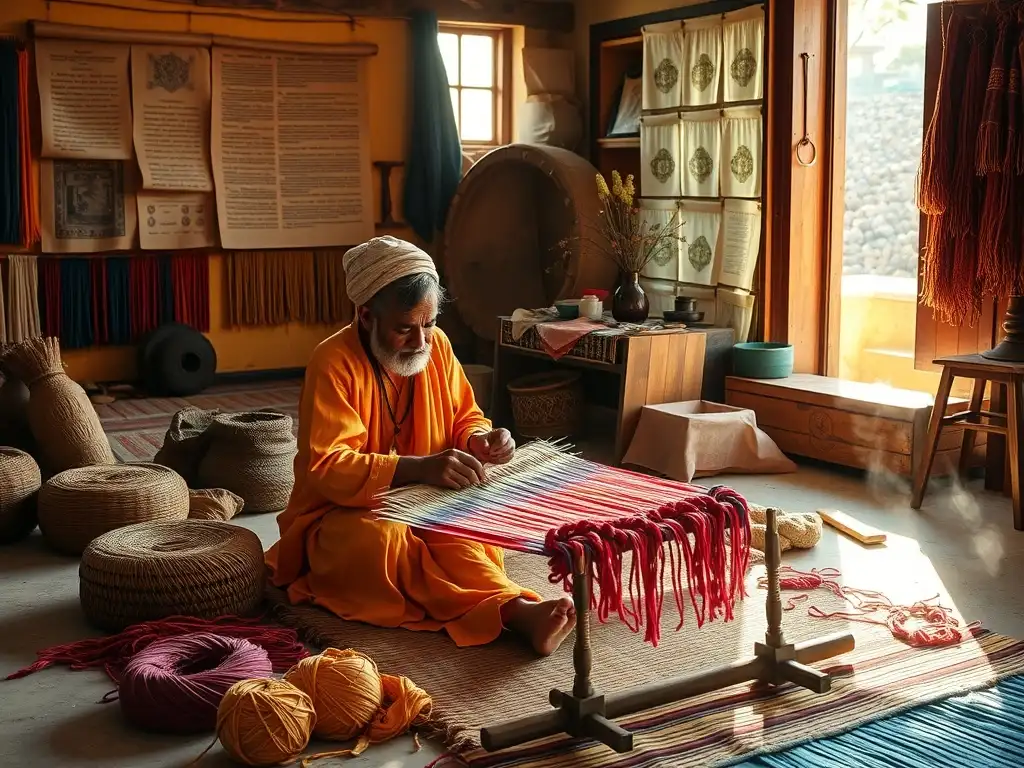
The preservation and revival of ancient Indian textile techniques is a vital endeavor that ensures the continuity of cultural heritage and craftsmanship. As modernity encroaches upon traditional methods, various stakeholders—ranging from artisans and NGOs to government initiatives—are actively working to safeguard these age-old practices. This section delves into the contemporary efforts being made to preserve these techniques and explores the future of ancient Indian textile history.
Contemporary Efforts to Preserve Ancient Textile Traditions
In recent years, there has been a growing recognition of the importance of preserving ancient Indian textile traditions. Here are some notable efforts:
- Artisan Empowerment Programs: Many organizations are implementing programs aimed at empowering local artisans. These programs often include:
- Training workshops to enhance skills.
- Providing access to markets for their products.
- Financial assistance or microloans to support their crafts.
- Government Initiatives: The Indian government has launched various schemes to promote and preserve traditional crafts, such as:
- The Craft Sector Policy: This policy aims to support traditional crafts and artisans through financial aid and marketing initiatives.
- Handloom Weaving Promotion: Initiatives like "National Handloom Day" celebrate and promote handloom weaving, generating awareness among the public.
- Cultural Organizations and NGOs: Numerous NGOs are dedicated to reviving ancient textile techniques. For example:
- The Dastkar Association: This organization works closely with artisans to revitalize traditional crafts and create sustainable livelihoods.
- Karnataka Chitrakala Parishath: They conduct workshops focusing on traditional weaving techniques, nurturing the next generation of craftsmen.
- Academic Research and Documentation: Universities and research institutions are increasingly recognizing the significance of ancient textile techniques. They are involved in:
- Conducting research on traditional practices.
- Documenting techniques and patterns for future reference.
- Collaborating with artisans to preserve knowledge through detailed studies.
The combination of these efforts not only helps preserve ancient techniques but also fosters a deeper appreciation for the artistry and cultural significance of traditional textiles.
The Future of Ancient Indian Textile History
The future of ancient Indian textile history is promising, driven by both innovation and tradition. Several trends are shaping this future:
- Sustainable Practices: As the world shifts towards sustainability, ancient textile techniques are being revisited for their eco-friendly practices. Traditional methods often utilize natural dyes and locally sourced materials, making them inherently sustainable.
- Integration of Technology: The infusion of technology in textile design and production is creating exciting possibilities. For instance:
- Digital Printing: This technology allows for the detailed replication of traditional patterns, making them accessible to a broader audience.
- E-commerce Platforms: Artisans are now able to reach global markets through online platforms, enhancing their visibility and sales.
- Fusion Designs: Contemporary designers are increasingly blending traditional textiles with modern aesthetics. This fusion not only appeals to younger consumers but also revitalizes interest in ancient techniques.
- Educational Programs: There is a growing emphasis on incorporating traditional textile education in schools and universities. This ensures that future generations are aware of the rich heritage and skilled in traditional techniques.
- Global Collaborations: International partnerships can lead to cross-cultural exchanges that showcase ancient Indian textile traditions on a global platform. Such collaborations can help position these textiles within the context of global fashion trends.
By embracing both tradition and innovation, the future of ancient Indian textile history looks promising. The continued efforts to preserve and revive these techniques can ensure that they remain a vibrant part of India's cultural tapestry for generations to come.
The preservation and revival of ancient Indian textile techniques is not merely about maintaining the past; it is about weaving the rich heritage into the fabric of contemporary society and ensuring its relevance in the future.
Conclusion: The Enduring Legacy of Ancient Indian Textiles
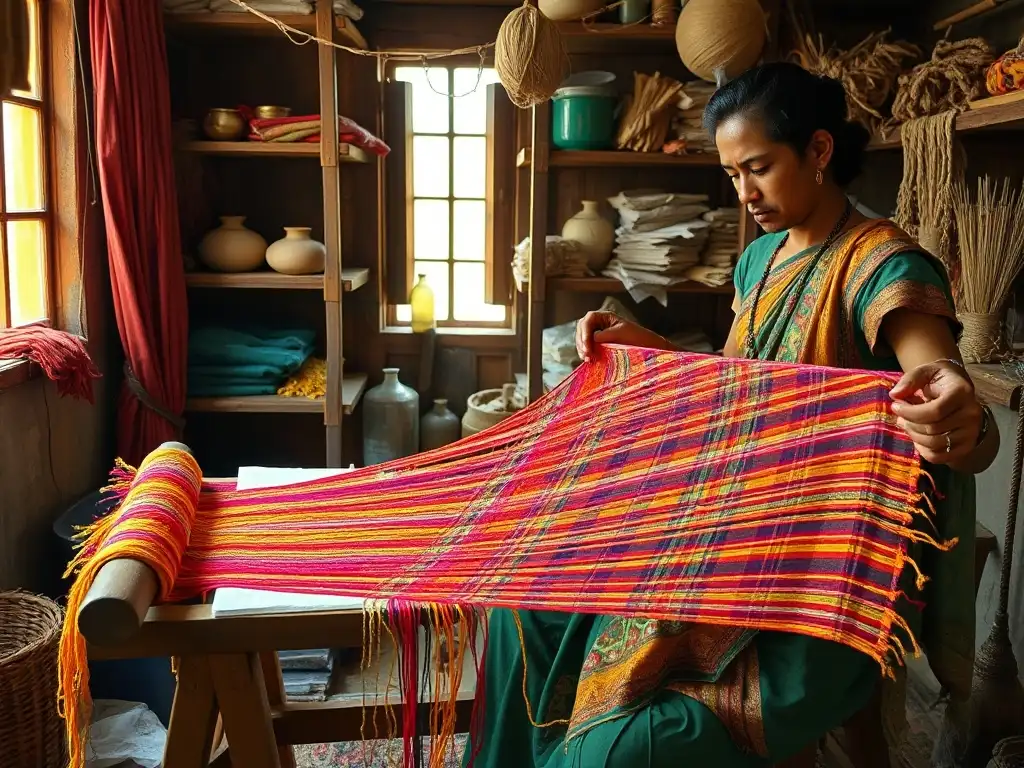
The legacy of ancient Indian textiles is a testament to the creativity, skill, and cultural richness of the civilizations that thrived on the Indian subcontinent. From the intricate weaves of the Indus Valley to the vibrant patterns of the Gupta Empire, textiles in ancient India were not merely functional; they were expressions of art, identity, and social status.
Key Contributions to Textile Craftsmanship
- Innovative Techniques: Ancient Indian artisans pioneered various weaving and dyeing techniques, some of which are still in practice today. Techniques like bandhani, block printing, and ikat showcase the ingenuity of ancient craftspeople.
- Cultural Significance: Textiles often held religious and cultural significance, serving as offerings in temples or as attire for ceremonial occasions. The motifs used in these fabrics frequently depicted stories from mythology, conveying deeper meanings and beliefs.
- Trade and Influence: The ancient textile industry played a crucial role in trade routes, facilitating cultural exchanges with distant lands. Indian textiles were sought after globally, influencing fashion and textile practices in other cultures.
The enduring impact of ancient Indian textile history is evident in the continued appreciation for traditional crafts in contemporary times. With ongoing efforts to revive and promote these ancient practices, the rich heritage of Indian textiles remains alive and vibrant.
Recommended Resources for Further Exploration
For those interested in delving deeper into the fascinating world of ancient Indian textiles, the following resources are recommended:
- Books
- The Fabric of India by Rosemary Crill: A comprehensive exploration of the history and significance of Indian textiles.
- Textiles of India: From the 16th to the 19th Century by John Gillow: This book provides insight into the evolution of textile techniques and styles.
- Documentaries
- "Woven Threads: The Story of Indian Textiles": This documentary explores the intricate processes and cultural stories behind traditional Indian fabrics.
- Online Courses
- "Introduction to Indian Textile Crafts": Many platforms offer online courses focusing on the techniques and history of Indian textiles, perfect for both beginners and enthusiasts.
- Museums and Exhibitions
- National Museum of India: Located in New Delhi, it houses an extensive collection of ancient textiles, showcasing their historical significance and craftsmanship.
- Textile Museum: Various museums across India feature exhibitions dedicated to the history of textiles, offering a hands-on experience of ancient techniques.
By engaging with these resources, one can gain a more profound understanding of ancient Indian textile history, its evolution, and its lasting influence on contemporary textile arts.
Frequently Asked Questions
What is the significance of textiles in ancient Indian culture?
Textiles played a crucial role in ancient Indian culture, serving as a medium for artistic expression, trade, and social status, reflecting the diversity of the region's civilizations.
How did the Indus Valley Civilization contribute to textile history?
The Indus Valley Civilization is known for its advanced techniques in weaving and dyeing, producing high-quality cotton textiles that were traded extensively, influencing future textile practices in India.
What are some notable textile techniques from ancient India?
Ancient India is renowned for various textile techniques such as block printing, tie-dyeing (bandhani), and embroidery, each showcasing the skill and creativity of its artisans.
How did the Gupta Empire influence textile production?
During the Gupta Empire, there was a significant advancement in textile production, with an emphasis on luxurious fabrics and intricate designs, which became a hallmark of Indian craftsmanship.
What is the impact of ancient Indian textiles on modern fashion?
Ancient Indian textiles continue to inspire modern fashion, as their rich patterns and techniques have been revived and integrated into contemporary designs, preserving this cultural heritage.
Final Reflection: Weaving the Threads of Ancient Indian Textile History
The exploration of ancient Indian textile history reveals a profound connection between culture, art, and identity that remains remarkably relevant today. As we navigate a world increasingly driven by fast fashion and mass production, the intricate craftsmanship and rich stories embedded in traditional textiles serve as a poignant reminder of our heritage. The vibrancy of these textiles not only reflects the artistry of the past but also challenges us to appreciate the value of sustainability and authenticity in our modern lives.
Cultural narratives woven into each fabric continue to shape our understanding of identity and community. The legacy of ancient Indian textiles is not merely a relic of history; it is a living testament to the ingenuity and resilience of artisans who have passed down their skills through generations. As Mahatma Gandhi once said, “The best way to find yourself is to lose yourself in the service of others.” This sentiment resonates deeply within the textile industry, where the act of creating and preserving traditional methods fosters a sense of belonging and purpose among artisans and consumers alike.
As we reflect on the lessons of ancient Indian textile history, let us embrace the opportunity to honor and support these time-honored practices in our daily lives. I invite you to explore the stories behind the fabrics you wear, to seek out artisans who embody this rich heritage, and to advocate for sustainable practices that respect both the environment and the cultural significance of textiles. By doing so, we not only enrich our own lives but also contribute to a vibrant tapestry that honors the past while weaving a brighter future.
Dive Deeper into the World of Traditional Textiles!
Thank you for exploring the rich heritage of ancient India's textiles with us! You've uncovered fascinating insights into the culture and artistry that shaped this vibrant tapestry. Now, it's time to take your journey further.
Here are a few exciting actions you can take right now:
- Visit a local museum that showcases traditional textiles to experience their beauty firsthand.
- Join an online forum or community focused on textile enthusiasts to share your thoughts and learn from others' experiences.
- Try your hand at DIY textile projects at home, such as dyeing or weaving, to connect with the craft on a personal level.
What aspect of traditional textiles intrigued you the most, and how do you plan to explore it further?