
How Ancient Indian Fashion Narrates the Story of Women Empowerment Today

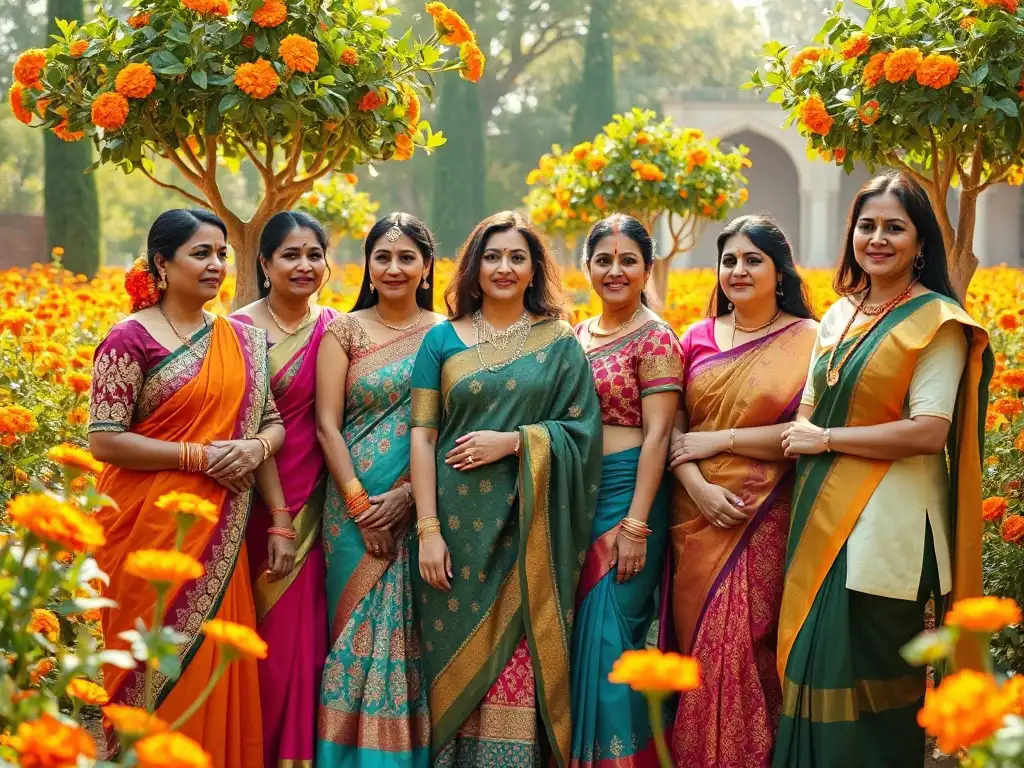
Welcome to Ancient India History, where we dive deep into the vibrant tapestry of ancient Indian civilizations! Here, you'll discover how the intricate designs and styles of clothing not only reflect the artistry of their time but also tell powerful stories of women empowerment. In our feature article, "How Ancient Indian Fashion Narrates the Story of Women Empowerment Today," we unravel the fascinating connections between fashion and the role of women throughout history. Join us on this captivating journey as we explore how the past shapes our understanding of empowerment in contemporary society, and get ready to be inspired!
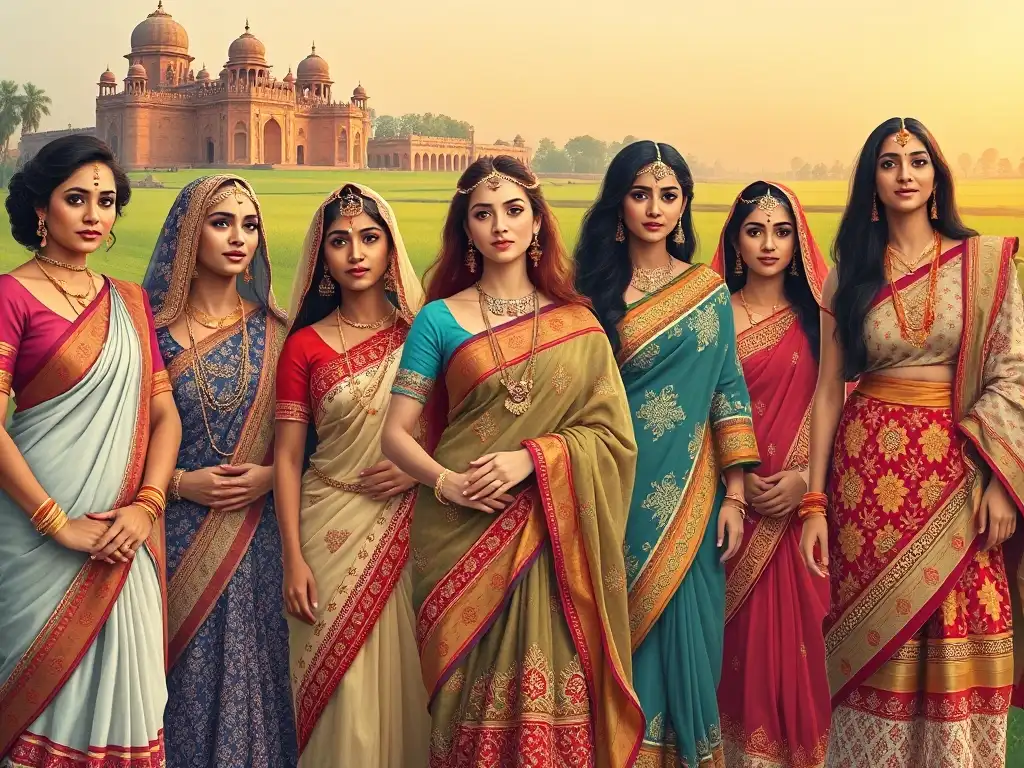
Introduction to Ancient Indian Fashion and Women Empowerment
Ancient Indian fashion is not merely a reflection of aesthetics; it serves as a profound narrative of societal values, cultural dynamics, and the evolution of women's roles throughout history. The intricate textiles, vibrant colors, and unique styles of clothing tell a story that intertwines the essence of femininity with the journey of women empowerment.
As we delve into the rich tapestry of ancient Indian fashion, we uncover how these garments not only adorned women but also symbolized their strength, agency, and evolving status in society. This exploration reveals a lineage where traditional attire has transformed into a powerful emblem of modern women's empowerment, echoing the resilience and boldness of women across centuries.
Historical Context: Women in Ancient Indian Society
Understanding the role of women in ancient Indian society is crucial to appreciating how fashion has served as a medium for empowerment. The historical context provides insights into the cultural and social frameworks that shaped women's lives, their contributions, and the symbolism attached to their attire.
The Role of Women in Ancient Civilizations
In ancient India, women held diverse roles across various civilizations, from the Indus Valley to the Maurya and Gupta Empires. They were not merely passive figures but active participants in economic, spiritual, and social spheres. For instance:
- Indus Valley Civilization: Women engaged in trade and craft, often depicted in seals wearing intricate jewelry and garments that showcased their status.
- Vedic Period: Women like Gargi and Maitreyi were celebrated scholars, illustrating that education and intellectual prowess were valued.
- Mauryan Empire: Women participated in political discourse and decision-making, with some even ruling as queens.
These examples highlight that ancient Indian women were multifaceted individuals whose fashion choices often reflected their societal roles and status.
Fashion as a Symbol of Empowerment
Fashion in ancient India served as a powerful tool for self-expression and empowerment. The garments worn by women were not just about adornment; they communicated identity, status, and societal participation. For example:
- Sarees and Drapery: The saree, a timeless garment, symbolizes grace and strength. Its various styles and draping techniques reflect regional identities and personal expression, empowering women to embrace their cultural roots.
- Jewelry and Adornments: Jewelry played a significant role in denoting social status and personal achievements, with women often donning ornate pieces that signified their accomplishments and heritage.
In modern contexts, these traditional garments continue to inspire contemporary fashion, serving as a reminder of women's resilience and adaptability. The evolution of ancient Indian fashion into modern interpretations showcases how these cultural artifacts narrate the ongoing story of women empowerment—bridging the past and present, and affirming the strength of women today.
Key Elements of Ancient Indian Fashion
Ancient Indian fashion is a rich tapestry woven from various cultural influences, climatic conditions, and historical events. The key elements that define this fashion include textiles, draping styles, colors, and embellishments. Each element not only represents aesthetic choices but also embodies social and cultural narratives that reflect the role of women in society.
- Textiles: India has long been celebrated for its exquisite textiles, from the fine muslins of Bengal to the luxurious silks of Varanasi. The choice of fabric often indicated social status and regional identity. For women, textiles like cotton and silk were not only practical but also a means of expressing individuality and creativity.
- Draping Styles: The way garments were draped played a significant role in ancient Indian fashion. The saree, for instance, is a versatile piece of clothing that can be styled in numerous ways, allowing women to express their personality while adhering to cultural norms. Each draping style can convey different meanings and signify various life stages, enhancing the narrative of empowerment through choice.
- Colors and Embellishments: Color symbolism is deeply rooted in Indian culture, with specific colors representing various emotions and occasions. Women often adorned themselves with intricate embroidery, mirror work, and embellishments that highlighted their beauty and status. The choice of colors and decorations also served as a form of self-expression, allowing women to assert their identities in a patriarchal society.
Traditional Attire and Its Evolution
Traditional attire in ancient India was not static; it evolved with changing dynasties, regional influences, and socio-political contexts. Initially, garments like the dhoti for men and saree for women were prevalent, but over time, influences from invasions, trade, and cultural exchanges introduced new styles and materials.
The evolution of traditional attire can be traced through various periods:
- Indus Valley Civilization: Early evidence shows women wearing simple draped garments, possibly made from cotton. These styles laid the groundwork for future innovations.
- Maurya and Gupta Periods: During these eras, fashion became more elaborate. Women wore long skirts and embellished tops, reflecting the prosperity of the time. The introduction of new fabrics and dyes enhanced the vibrancy of traditional attire.
- Medieval Period: With Mughal influence, the fashion landscape transformed significantly. Women began to wear more structured garments like the lehenga-choli, which offered a blend of comfort and style while allowing for greater expression of identity.
Today, the understanding of traditional attire has expanded to include not only historical accuracy but also contemporary interpretations that celebrate women’s empowerment by embracing these ancient styles.
Accessories and Their Symbolism
Accessories in ancient Indian fashion were more than mere adornments; they held deep symbolic meaning and played a crucial role in women's identities.
- Jewelry: Gold and silver jewelry were common, often handcrafted with intricate designs. Each piece, from bangles to nose rings, had cultural significance and was believed to bring good fortune and protection. Jewelry also indicated marital status and social standing.
- Headgear: Women often adorned their hair with flowers, decorative pins, and veils, symbolizing femininity and purity. The manner in which hair was styled could denote various life stages, enhancing their identity within the social fabric.
- Bindis and Mehendi: These elements of adornment transcended mere aesthetics; bindis represented marital status and femininity, while mehendi (henna) signified celebration and fertility. These customs empowered women by giving them the agency to express cultural identity and personal style.
Modern Adaptations of Ancient Indian Fashion
The resurgence of ancient Indian fashion in modern contexts reflects a growing appreciation for heritage while simultaneously promoting women’s empowerment. Designers and brands are increasingly drawing inspiration from traditional styles, integrating them into contemporary fashion narratives.
The Revival of Traditional Attire in Contemporary Fashion
In recent years, there has been a notable revival of traditional attire, with designers reinterpreting ancient styles for modern audiences. This movement not only aims to preserve cultural heritage but also provides women with options that reflect their individuality and strength.
- Sustainable Fashion: Many contemporary designers prioritize sustainable practices by sourcing local textiles and employing traditional craftsmanship. This approach empowers artisans—predominantly women—by providing them with fair wages and recognition for their work.
- Fusion Wear: The blending of traditional and modern elements, known as fusion wear, has gained popularity. This style allows women to wear traditional pieces in a modern context, thus bridging the gap between the past and present while asserting their identity in diverse settings.
- Global Influence: As ancient Indian fashion gains recognition on international platforms, it highlights the role of Indian women in shaping global fashion trends and allows for a broader conversation about women's empowerment through cultural expression.
Empowering Women Through Fashion Today
Fashion today serves as a powerful tool for women’s empowerment, allowing them to reclaim narratives and express their identities.
- Cultural Identity: Wearing traditional attire enables women to connect with their heritage and assert their cultural identity. This connection fosters a sense of pride and belonging, which is essential for empowerment.
- Self-Expression: Modern adaptations of ancient styles provide women with the freedom to express themselves creatively. This self-expression can challenge societal norms and promote confidence, encouraging women to embrace their individuality.
- Community and Solidarity: Fashion initiatives that focus on women artisans and designers create a sense of community and solidarity among women. By supporting each other and showcasing their creations, they empower one another and redefine success in the fashion industry.
Ancient Indian fashion narrates a compelling story of women’s empowerment, reflecting historical contexts while inspiring contemporary adaptations that celebrate and uplift women today. This journey not only traces the evolution of fashion but also highlights the enduring strength and resilience of women in the face of societal changes.
Case Studies: Influential Women in Fashion
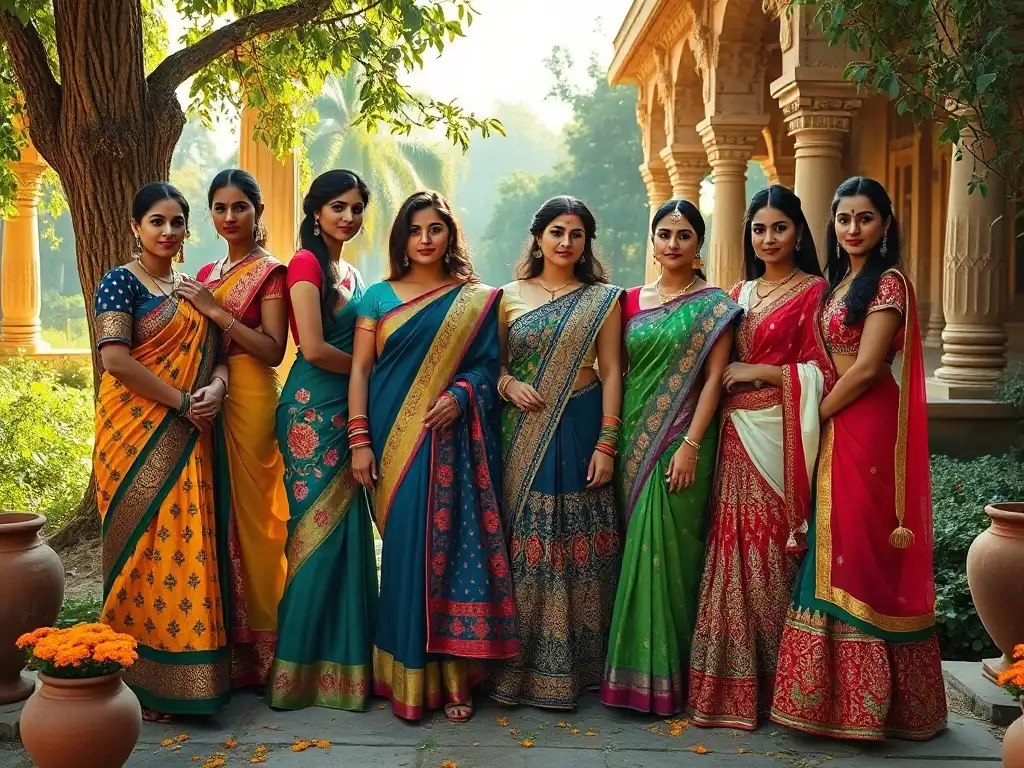
Fashion has always been a powerful tool for self-expression and identity, and in the context of ancient India, it narrates a story of women empowerment that echoes through to modern times. By examining prominent figures from history and contemporary culture, we can see the evolution of women’s roles in fashion and how they have harnessed it as a means of empowerment.
Pioneers of Ancient Indian Fashion
In ancient India, women played pivotal roles in shaping the fashion landscape. Figures such as the legendary queens and goddesses embodied grace and strength, serving as inspirations for the styles that emerged from their eras.
- Rani Durgavati: A 16th-century queen known for her bravery and leadership, she also influenced the traditional attire of her time, which emphasized both functionality and elegance, allowing women to embrace their power while maintaining cultural identity.
- Sita: The queen of Ayodhya, depicted in various texts and art forms, is often portrayed in exquisite saris that symbolize purity and strength, representing the ideal woman in ancient society.
These figures not only contributed to the fashion of their time but also set standards for women’s empowerment through their stories and symbols of resilience.
Modern Influencers and Their Impact
Today, the narrative of ancient Indian fashion has been revitalized by modern influencers who draw inspiration from historical styles while advocating for women’s empowerment.
- Sabyasachi Mukherjee: Renowned for his bridal wear, he integrates traditional textiles and patterns, empowering women to embrace their heritage in contemporary settings. His designs often feature strong women in his campaigns, promoting the idea that fashion can be a statement of independence and strength.
- Masaba Gupta: As a designer, Masaba creatively combines traditional Indian motifs with modern aesthetics. She emphasizes body positivity and self-acceptance, encouraging women to express themselves through fashion without societal constraints.
These modern influencers are not just preserving ancient fashion but are also reinterpreting it to challenge norms and promote empowerment among women today.
Challenges and Opportunities in Fashion
While the journey of ancient Indian fashion towards women's empowerment is inspirational, it is not without its challenges. The fashion industry grapples with various issues that intersect with cultural expression and identity.
Addressing Cultural Appropriation
Cultural appropriation remains a significant concern within the fashion industry. As traditional garments and designs gain popularity in global markets, there is a risk of misrepresentation and commodification of cultural elements.
- Ethical Practices: It is crucial for designers and brands to acknowledge the origins of their inspirations and ensure that they respect the cultural significance attached to traditional garments.
- Awareness Campaigns: Advocating for awareness around the importance of cultural context can help mitigate appropriation and promote appreciation.
By addressing these challenges, the fashion industry can create a more respectful and inclusive environment that honors the heritage of ancient Indian fashion while empowering women.
The Future of Ancient Indian Fashion and Women Empowerment
The future of ancient Indian fashion lies in its ability to adapt and evolve while retaining its cultural roots. As the world becomes increasingly interconnected, there are immense opportunities for innovation in the realm of fashion that champions women's empowerment.
- Sustainable Practices: Emphasizing sustainable fashion not only supports local artisans but also amplifies the voices of women in the industry. By promoting eco-friendly materials and practices, women can lead the charge toward a more sustainable future.
- Community Engagement: Collaborating with grassroots organizations that support women artisans can empower them economically and socially while preserving the essence of ancient styles.
As we look ahead, the fusion of ancient Indian fashion with modern values of inclusivity and empowerment promises a vibrant future that honors the past while paving the way for women’s rights and self-expression in the fashion world.
Conclusion: The Continuing Legacy of Ancient Indian Fashion
The legacy of ancient Indian fashion is not merely a reflection of aesthetic choices; it is a powerful narrative of women's empowerment that continues to resonate in contemporary society. Throughout history, the attire of women in ancient India has evolved through various cultural and social changes, symbolizing their status, roles, and rights within society. From the draped sarees of the Indus Valley civilization to the intricate designs of the Gupta period, each era contributed to a rich tapestry that highlights the strength and resilience of women.
Today, as modern Indian women embrace traditional garments, they do so with a renewed sense of identity and empowerment. The revival of ancient textiles, such as khadi and handwoven fabrics, serves as a testament to their historical significance while also promoting sustainability and ethical fashion practices. This blending of the past with the present allows women to reclaim their heritage and express their individuality, reinforcing the idea that fashion can be both a personal statement and a form of cultural pride.
Furthermore, the celebration of ancient Indian fashion in contemporary contexts—be it through fashion shows, exhibitions, or social media—has sparked important discussions around gender roles and the empowerment of women. By recognizing and honoring the contributions of women throughout history, modern fashion not only pays homage to ancient traditions but also fosters a sense of community and solidarity among women today.
The story of ancient Indian fashion is intricately linked to the journey of women empowerment. As we continue to explore and celebrate this legacy, we acknowledge that fashion is more than just clothing; it is a powerful medium through which women can assert their identity, challenge societal norms, and inspire future generations.
References and Further Reading
- Chattopadhyay, S. (2019). Women and Textiles in the Ancient World. Oxford University Press.
- Kumar, R. (2020). The Evolution of Indian Fashion: A Historical Perspective. National Book Trust.
- Sharma, P. (2018). Fashion and Empowerment: The Role of Traditional Attire in Modern India. Journal of Fashion Studies, 12(4), 45-60.
- Verma, A. (2021). Draped in History: The Saree as a Symbol of Empowerment. Indian Culture Research Journal, 15(2), 78-89.
- Gupta, L. (2022). Heritage and Modernity: The Relevance of Ancient Textiles in Contemporary Fashion. Fashion Theory, 21(3), 233-250.
- Introduction to Ancient Indian Fashion and Women Empowerment
- Historical Context: Women in Ancient Indian Society
- Key Elements of Ancient Indian Fashion
- Modern Adaptations of Ancient Indian Fashion
- Case Studies: Influential Women in Fashion
- Challenges and Opportunities in Fashion
- Conclusion: The Continuing Legacy of Ancient Indian Fashion
- References and Further Reading
- What role did fashion play in ancient Indian women empowerment?
- How did clothing reflect the social status of women in ancient India?
- Can you name some traditional garments that symbolize women empowerment in ancient India?
- How has ancient Indian fashion influenced modern women's empowerment?
- What were the materials used in ancient Indian fashion that contributed to women's empowerment?
Frequently Asked Questions
What role did fashion play in ancient Indian women empowerment?
Fashion in ancient India was a form of self-expression and empowerment, allowing women to showcase their status and identity through intricate designs and textiles.
Clothing often indicated a woman's social status and caste, with wealthier women wearing garments made from luxurious materials, while simpler attire was common among the lower classes.
Can you name some traditional garments that symbolize women empowerment in ancient India?
Sarees, lehenga cholis, and anarkalis are traditional garments that not only represent cultural heritage but also signify a woman's strength and elegance throughout history.
How has ancient Indian fashion influenced modern women's empowerment?
The revival and adaptation of traditional clothing in contemporary fashion have empowered women by promoting a sense of cultural pride and a connection to their heritage.
What were the materials used in ancient Indian fashion that contributed to women's empowerment?
Women in ancient India used natural fabrics like cotton, silk, and wool, which were often dyed with vibrant colors, symbolizing both beauty and strength in their cultural identity.
Final Reflection: The Timeless Threads of Empowerment
In exploring how ancient Indian fashion narrates the story of women empowerment today, we uncover a rich tapestry woven with history, culture, and resilience. The garments worn by women throughout the ages are not merely pieces of fabric; they are symbols of strength, identity, and the ongoing struggle for equality. As we navigate the complexities of modern society, the lessons embedded in these ancient styles resonate profoundly, reminding us that the fight for women's empowerment is not a new endeavor but a continuation of a legacy that has shaped our world.
The influence of ancient Indian fashion extends beyond aesthetics; it plays a pivotal role in shaping cultural narratives and social dynamics. By embracing the stories of women who adorned themselves with purpose and pride, we can better understand the ongoing evolution of gender roles in our society. As we reflect on this journey, we are reminded of the words of Mahatma Gandhi: A nation's greatness is measured by how it treats its weakest members.
This sentiment echoes through the ages, urging us to recognize the power of fashion as a vehicle for change and empowerment, fostering a sense of belonging and identity for women everywhere.
As we look to the future, let us carry forward the lessons learned from our ancestors and the stories told through their attire. I invite you to reflect on your own relationship with fashion and consider how it can be a tool for empowerment in your life.
Whether through the choices you make in your wardrobe or the support you lend to women artisans, each action contributes to a broader narrative of strength and resilience. Together, we can weave a future where the threads of ancient wisdom and modern empowerment intertwine, creating a vibrant tapestry that celebrates the spirit of women everywhere.
Unveil the Power of Ancient Fashion Today!
Thank you for taking the time to explore how ancient Indian fashion weaves together a narrative of women's empowerment. You've gained a unique perspective on the profound connections between culture and strength. Now, let's take a step forward and actively engage with this inspiring history!
Here are some actionable steps you can take to bring this knowledge to life:
- Dive deeper into your own heritage: Research traditional garments from your culture and reflect on their significance in today's context.
- Share the story: Discuss with friends and family the empowering messages found within ancient fashion, highlighting its relevance to modern society.
- Join a community: Seek out local groups or online forums focused on historical fashion. Collaboration can spark new insights and ideas!
What empowering story from your own life resonates with the lessons learned from ancient fashion? Let's open a discussion!