
The Revival of Traditional Indian Textiles: Bridging Ancient Craft with Modern Fashion

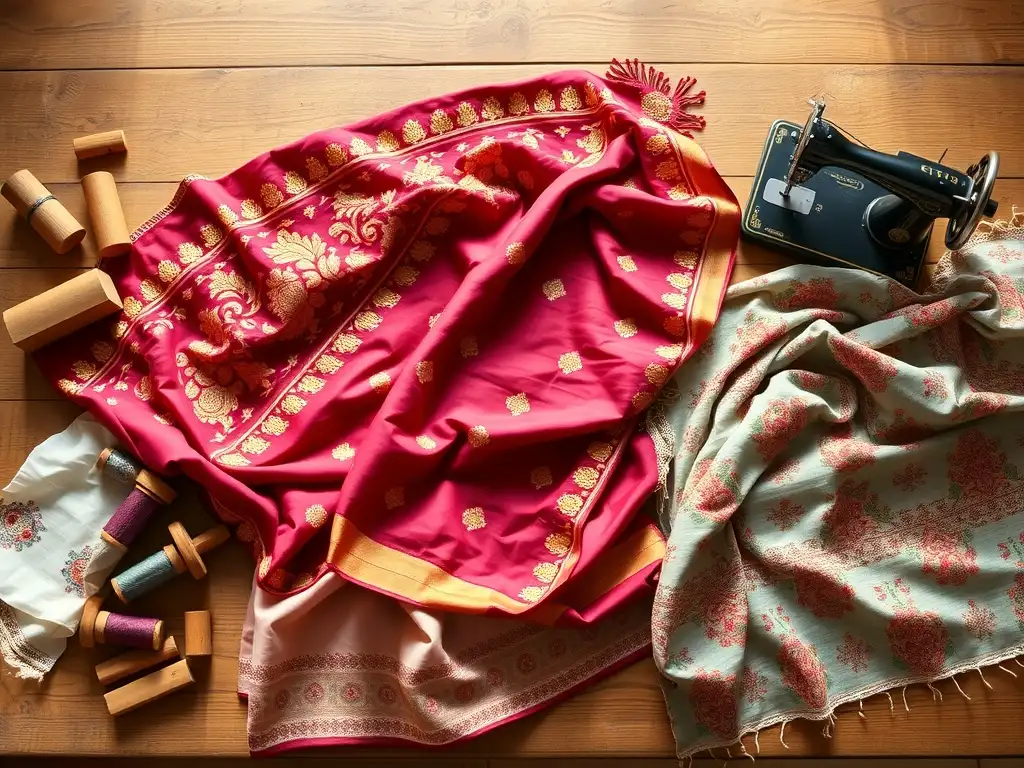
Welcome to Ancient India History, where we embark on a fascinating journey through the rich tapestry of ancient Indian civilizations! In this exploration, we delve deep into the traditional Indian textiles history, uncovering how these exquisite fabrics not only reflect the artistry of their time but also bridge the gap between ancient craftsmanship and contemporary fashion.
Join us as we unveil the stories behind these textiles, their cultural significance, and their revival in today's fashion landscape. Prepare to be captivated by the intricate patterns and vibrant colors that have woven their way through history, inviting you to discover more about this timeless art form.
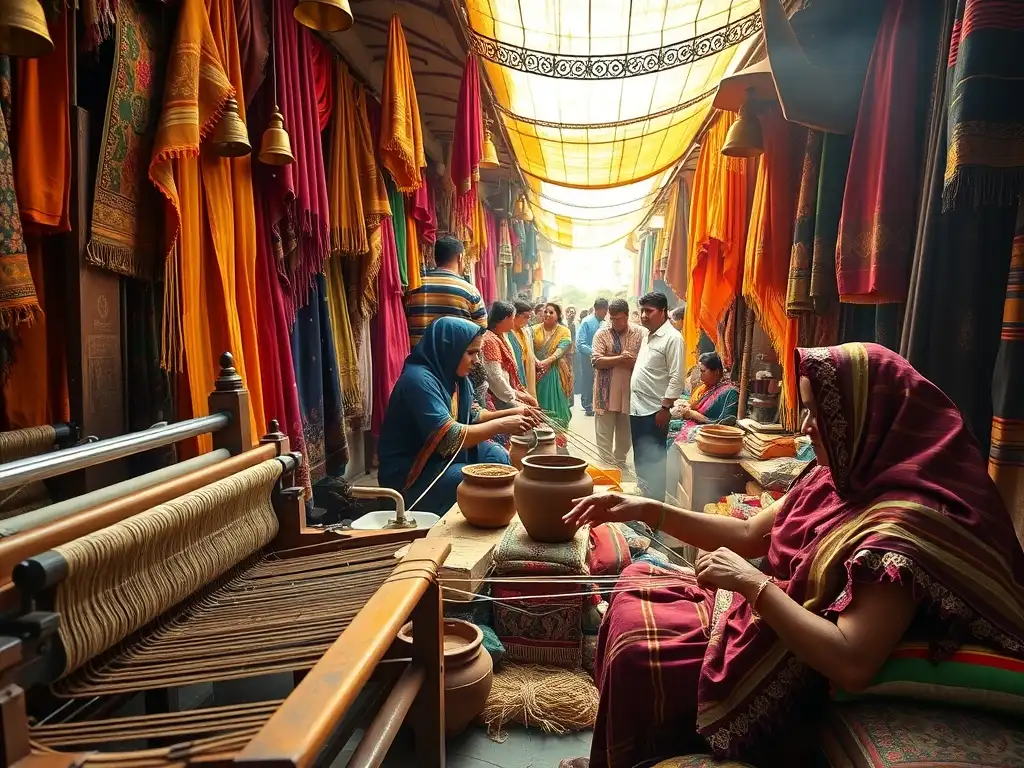
Introduction to Traditional Indian Textiles History
The history of traditional Indian textiles is a fascinating tapestry woven through centuries, reflecting the vibrant culture, artistry, and craftsmanship of the Indian subcontinent. From the intricate patterns of handwoven fabrics to the vibrant dyes derived from natural sources, traditional Indian textiles embody a rich legacy that spans millennia. As we explore this revival of ancient crafts in contemporary fashion, we uncover how these time-honored techniques not only preserve cultural identity but also inspire modern aesthetics.
The resurgence of interest in traditional Indian textiles is not merely a trend; it signifies a deeper appreciation for sustainable practices, artisanal skills, and the stories embedded in each thread. In this article, we will delve into the historical journey of these textiles, examining their origins, evolution, and the significant impact they have had on both local and global fashion landscapes.
The Historical Journey of Traditional Indian Textiles
The journey of traditional Indian textiles can be traced back to antiquity, with evidence of textile production found in archaeological sites such as the Indus Valley Civilization. This section will illuminate the various eras that shaped the textile landscape of India, showcasing the diverse materials, techniques, and traditions that have contributed to its rich history.
Ancient Techniques: A Glimpse into India's Textile Heritage
Traditional Indian textiles are characterized by a variety of ancient techniques that have been passed down through generations. These methods include:
- Weaving: The art of weaving has roots in ancient India, with techniques such as plain weave, twill, and jacquard being used to create intricate designs.
- Dyeing: Natural dyes, derived from plants, minerals, and insects, play a crucial role in the vibrant colors seen in Indian textiles. Techniques like tie-dye (bandhani) and resist dyeing (batik) showcase the skill and creativity of artisans.
- Embroidery: Various regions in India have distinct embroidery styles, such as Zardozi from the Mughal era and Kantha from Bengal, each telling a story through its unique patterns and motifs.
These ancient techniques not only highlight the ingenuity of Indian artisans but also demonstrate a deep connection to the environment and cultural practices.
Major Periods in Traditional Indian Textiles History
The history of traditional Indian textiles can be divided into several key periods:
- Indus Valley Civilization (c. 3300–1300 BCE): The earliest known textile artifacts, including cotton, were found in this period, showcasing advanced weaving techniques.
- Vedic Period (c. 1500–500 BCE): Textiles were integral to trade and cultural practices, with references to fabrics in ancient texts.
- Maurya and Gupta Empires (c. 322–550 CE): This era saw a flourishing of textile arts, with silk and intricate embroideries becoming prominent.
- Medieval Period (c. 600–1526 CE): The influence of Persian and Mughal cultures enriched Indian textiles, leading to innovations in dyeing and weaving.
- Colonial Era (c. 1858–1947 CE): The impact of British colonial rule led to the decline of traditional crafts but also sparked a revival movement in the late 19th century.
Each of these periods has played a vital role in shaping the landscape of traditional Indian textiles, making it a dynamic aspect of India's cultural heritage. As we continue to explore the revival of these textiles in modern fashion, it becomes clear that understanding their history is essential for appreciating their contemporary relevance.
The Craftsmanship Behind Traditional Indian Textiles
The craftsmanship behind traditional Indian textiles is a rich tapestry woven from centuries of cultural heritage, skill, and artistry. Each textile not only reflects the aesthetic sensibilities of its time but also encapsulates the stories and traditions of the communities that produced them. The intricate methods used in weaving, dyeing, and embellishing textiles are passed down through generations, showcasing a deep respect for the craft and its historical significance.
Artisans often work with local materials, utilizing techniques that have been refined over millennia. The time-consuming processes involved in creating these textiles result in unique pieces that are often seen as works of art rather than mere fabric. Traditional Indian textiles such as silk, cotton, and wool are not only functional but also serve as a medium for storytelling, often depicting mythological motifs, nature, and regional identities.
The revival of these ancient crafts is gaining momentum as modern consumers increasingly seek authenticity and sustainability in fashion. This renewed interest not only honors the artisans but also helps preserve the skills that define the cultural identity of India.
Key Techniques in Weaving Traditional Indian Fabrics
Traditional Indian textiles are characterized by a variety of weaving techniques that differ from region to region, each with its unique charm and intricacies. Here are some of the most notable methods:
- Handloom Weaving: This ancient technique employs hand-operated looms to create fabrics. The craftsmanship involved allows for intricate patterns and designs, often resulting in unique pieces that vary from one artisan to another.
- Ikats: A distinctive dyeing technique where the yarns are dyed before weaving. This method creates stunning patterns that appear on the final fabric, making each piece a masterpiece.
- Block Printing: Originating in regions like Rajasthan, this technique uses carved wooden blocks to print intricate designs on fabric. The process is labor-intensive but yields vibrant and detailed patterns that are sought after in contemporary fashion.
- Brocade Weaving: This luxurious fabric is often woven with gold or silver threads and is traditionally used for ceremonial attire. The designs in brocade are usually elaborate, depicting motifs like flowers and paisleys.
These techniques don’t just produce beautiful fabrics; they also connect the weaver with their cultural roots, making every piece a reflection of their identity and history.
The Role of Natural Dyes in Traditional Indian Textiles
Natural dyes have been integral to the creation of traditional Indian textiles, adding vibrant hues and depth while being environmentally friendly. Derived from plants, minerals, and insects, these dyes not only offer a sustainable alternative to synthetic dyes but also impart a unique character to the fabrics.
- Plant-based Dyes: Commonly used sources include indigo for blue, turmeric for yellow, and madder for red. Each plant offers a different shade, and the dyeing process often involves techniques like mordanting to fix the color.
- Animal-based Dyes: Historically, certain insects like lac and cochineal were used to produce vivid reds, which were highly prized in ancient textiles.
- Mineral Dyes: These are derived from natural minerals and can produce an array of earthy tones. Such dyes have been used in regions where plant sources were scarce.
Natural dyes not only enhance the aesthetic appeal of the textiles but also align with the growing global trend towards eco-conscious fashion. The revival of these traditional dyeing methods is essential in preserving the cultural heritage and promoting sustainable practices in the textile industry.
Modern Adaptations of Traditional Indian Textiles
The adaptation of traditional Indian textiles into modern fashion is an exciting fusion of history and contemporary design. As designers seek to incorporate cultural elements into their collections, traditional fabrics and techniques are being reimagined for today’s consumers.
Contemporary Fashion Trends Incorporating Traditional Textiles
Several contemporary fashion trends highlight the incorporation of traditional Indian textiles, showcasing their versatility and appeal:
- Sustainable Fashion: With a growing emphasis on sustainability, many designers are opting for handwoven and natural-dyed fabrics, aligning with eco-friendly practices while promoting traditional craftsmanship.
- Fusion Wear: The blending of traditional Indian textiles with global fashion trends is gaining popularity. Garments like saree dresses and kurta-inspired tunics are becoming staples in modern wardrobes, appealing to both Indian and international markets.
- Embellishments and Craft Techniques: Techniques such as embroidery and patchwork are being combined with contemporary styles, adding a touch of heritage to modern apparel. This trend not only enhances the visual appeal but also tells a story of the craftsmanship behind each piece.
These trends not only revive interest in traditional textiles but also open up new markets, allowing artisans to reach a wider audience.
Bridging the Gap: How Traditional Textiles Are Used in Modern Apparel
The incorporation of traditional textiles into modern apparel serves as a bridge between the past and present. Designers are increasingly recognizing the value of traditional methods and materials, leading to innovative creations that honor their origins while catering to contemporary tastes.
- Versatile Applications: Traditional textiles are being used in various forms of modern apparel, from everyday wear to high-fashion collections. Their adaptability makes them suitable for a range of styles, ensuring they remain relevant.
- Collaborations with Artisans: Many contemporary designers are collaborating with traditional artisans, blending their skills with modern aesthetics. This partnership not only preserves traditional techniques but also empowers local communities.
- Cultural Celebrations: The use of traditional textiles in modern fashion also serves to celebrate and promote cultural heritage. Fashion shows and events often highlight these textiles, raising awareness and appreciation for their historical significance.
By bridging the gap between ancient craft and modern fashion, traditional Indian textiles continue to thrive and evolve, reflecting the dynamic relationship between culture and contemporary style.
The Economic and Cultural Impact of Reviving Traditional Textiles
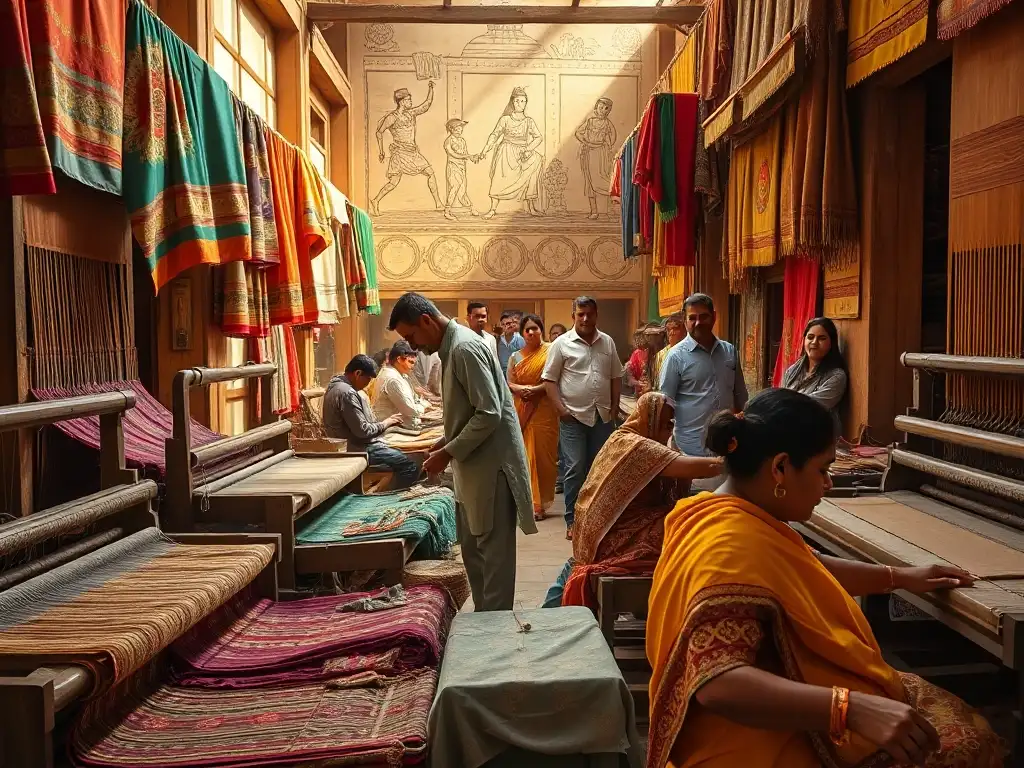
The revival of traditional Indian textiles plays a significant role in both the economic and cultural spheres of contemporary society. As modern fashion increasingly seeks authenticity and sustainability, traditional textiles have found a renewed interest among consumers, designers, and brands. This resurgence not only provides a platform for ancient crafts but also contributes to the economic upliftment of local communities.
The economic impact can be observed through job creation and income generation for artisans, many of whom belong to marginalized communities. By promoting traditional weaving, dyeing, and embroidery techniques, the revival fosters a sustainable model that encourages the preservation of age-old skills. Furthermore, as international markets show interest in ethically produced textiles, local artisans have opportunities to reach global audiences.
Culturally, the revival of traditional textiles is a means of preserving India's rich heritage. Each textile represents a story, a tradition, and a connection to the land. By weaving these narratives into modern fashion, designers help to keep cultural identities alive, allowing consumers to engage with the history behind the garments they wear. This intersection of tradition and modernity cultivates a deeper appreciation for the artistry that defines Indian textiles.
Supporting Local Artisans and Communities
Supporting local artisans is at the heart of the revival of traditional Indian textiles. By engaging with these skilled craftsmen, the fashion industry not only revives ancient techniques but also provides artisans with fair wages and sustainable livelihoods. Initiatives aimed at empowering artisans often focus on education and skill enhancement, ensuring that traditional crafts are passed down through generations.
Moreover, many brands are now adopting direct trade models that eliminate intermediaries. This approach ensures that a larger portion of the sales revenue reaches the artisans, fostering economic independence. Collaborations between designers and local communities lead to the creation of unique pieces that reflect both heritage and contemporary aesthetics.
Community-based projects have also emerged, where artisans come together to form cooperatives. These cooperatives provide them with a platform for collective bargaining, access to resources, and improved market visibility. The impact of such initiatives extends beyond finances, as they promote social cohesion and preserve cultural practices.
Encouraging Sustainable Practices through Traditional Textiles
The revival of traditional textiles aligns closely with sustainable fashion practices. Many traditional methods are inherently eco-friendly, utilizing natural dyes, organic fibers, and low-impact production techniques. By embracing these methods, the fashion industry can reduce its carbon footprint and promote environmental stewardship.
Traditional textiles often rely on local materials and resources, which minimizes transportation emissions and supports local agriculture. For instance, the use of cotton, silk, and wool sourced from local farms not only ensures quality but also strengthens the local economy. Additionally, the revival encourages the use of handloom weaving, which is less energy-intensive compared to mechanized processes.
The emphasis on sustainability also resonates with consumers who are increasingly conscious of their purchasing decisions. By choosing traditional textiles, consumers contribute to a cycle of sustainability that honors ancestral practices while promoting ecological balance. This shift toward mindful consumption helps in creating a fashion ecosystem that respects both people and the planet.
Conclusion: The Future of Traditional Indian Textiles in Fashion
The future of traditional Indian textiles in fashion holds great promise as the industry continues to evolve. With a growing appreciation for heritage and craftsmanship, traditional textiles are poised to take on a significant role in shaping contemporary fashion narratives. The fusion of ancient techniques with modern designs not only appeals to a new generation of consumers but also preserves invaluable cultural legacies.
Preserving Heritage While Embracing Modernity
Balancing the preservation of heritage with modernity is essential for the longevity of traditional Indian textiles. Designers are now more than ever aware of the importance of incorporating traditional elements into their collections while ensuring that they resonate with contemporary aesthetics. This blend allows for the creation of garments that are both timeless and relevant.
Furthermore, educational initiatives aimed at raising awareness about the significance of traditional textiles are crucial. Workshops, exhibitions, and fashion shows that highlight these crafts can inspire consumers and foster a deeper understanding of their cultural contexts. By sharing stories behind the textiles, the industry can create an emotional connection that enhances the value of these products.
As the demand for ethically produced and culturally rich fashion continues to rise, the future looks promising for traditional Indian textiles. With ongoing support for artisans and a commitment to sustainable practices, the revival of these textiles will not only bridge the gap between ancient craft and modern fashion but also contribute to a more inclusive and respectful fashion landscape.
References and Further Reading
To gain a deeper understanding of the history and evolution of traditional Indian textiles, consider exploring the following resources:
- Books
- The Art of Indian Textiles by John Gillow: This book provides an extensive overview of textile arts in India, covering various regions and techniques.
- Indian Textiles: 5000 Years of Art and Design by Jennifer Wearden: A comprehensive look at the evolution of textile design in India, emphasizing its historical significance.
- Articles and Journals
- "Textile Traditions of India" published in The Journal of Indian Art History: This article discusses the various textile traditions across different cultures in India and their historical contexts.
- "Sustainable Practices in Traditional Indian Textiles" available in The Textile Journal: Focuses on contemporary practices that aim to preserve traditional techniques while promoting sustainability.
- Online Resources
- The National Institute of Fashion Technology (NIFT) website: Offers a wealth of information regarding traditional textiles and their role in modern fashion.
- The Crafts Council of India: This platform showcases the rich heritage of Indian crafts, including textiles, and promotes artisans and their work.
These resources not only highlight the intricate history of traditional Indian textiles but also provide insights into their relevance in contemporary fashion.
Call to Action
Are you inspired by the rich history of traditional Indian textiles? Dive deeper into this fascinating world by:
- Exploring Local Markets: Visit local artisan markets to experience the beauty and craftsmanship of traditional textiles firsthand. Engage with artisans to learn about their techniques and stories.
- Supporting Artisans: Purchase handmade textiles to support local artisans and help preserve ancient craft techniques. Your contribution can make a significant impact on their livelihoods.
- Educating Others: Share your knowledge about traditional Indian textiles with friends and family. Host workshops or discussions to raise awareness about the importance of preserving this rich heritage.
- Incorporating Textiles into Your Wardrobe: Embrace traditional textiles in your daily fashion choices. Look for sustainable fashion brands that incorporate ancient techniques into modern designs.
Join us in celebrating the revival of traditional Indian textiles, and help bridge the gap between ancient craft and modern fashion! 🌟
- Introduction to Traditional Indian Textiles History
- The Historical Journey of Traditional Indian Textiles
- The Craftsmanship Behind Traditional Indian Textiles
- Modern Adaptations of Traditional Indian Textiles
- The Economic and Cultural Impact of Reviving Traditional Textiles
- Conclusion: The Future of Traditional Indian Textiles in Fashion
- References and Further Reading
- Call to Action
Frequently Asked Questions
What are traditional Indian textiles?
Traditional Indian textiles refer to the rich variety of fabrics and weaving techniques developed over centuries, showcasing regional styles and cultural significance.
How did ancient Indian civilizations contribute to textile production?
Ancient Indian civilizations, particularly during the Indus Valley Civilization, advanced techniques like dying, weaving, and embroidery, laying the foundation for modern textile practices.
What role do traditional textiles play in modern fashion?
Traditional textiles are increasingly being integrated into contemporary fashion, providing a bridge between ancient craftsmanship and modern design aesthetics.
What are some popular types of traditional Indian textiles?
Some popular types include Banarasi silk, Kanchipuram sarees, and Khadi, each representing unique regional techniques and cultural heritage.
Why is the revival of traditional Indian textiles important?
The revival is crucial for preserving cultural identity, promoting sustainable practices, and supporting local artisans in an increasingly globalized market.
Final Reflection: Reviving Heritage Through Traditional Indian Textiles
The revival of traditional Indian textiles is not merely a trend; it is a powerful movement that connects us to our rich history and cultural identity. In an era where fast fashion dominates, the resurgence of these ancient crafts serves as a reminder of the artistry and skill that have been passed down through generations. This revival is not just about clothing; it is about preserving stories, techniques, and the very essence of our heritage that deserves to be celebrated and cherished.
The influence of traditional Indian textiles extends far beyond the realm of fashion; it shapes our cultural landscape and fosters a sense of community. As artisans reclaim their craft, they not only revive age-old techniques but also inspire a new generation to appreciate the value of handmade goods. This movement encourages sustainable practices and supports local economies, creating a ripple effect that benefits society as a whole. Fashion is the armor to survive the reality of everyday life,
said Bill Cunningham, and in this case, traditional textiles provide not just armor but a connection to our roots and a pathway to a more sustainable future.
As you reflect on the journey of traditional Indian textiles, consider how you can incorporate these lessons into your own life. Embrace the beauty of craftsmanship, support local artisans, and choose sustainability over disposability. By doing so, you not only honor the history of these textiles but also contribute to a future where culture and creativity thrive hand in hand. Let this revival inspire you to weave your own story into the fabric of our shared heritage.
Embrace the Beauty of Tradition Today!
Thank you for diving into the fascinating world of traditional Indian textiles with us! We hope you’ve gained insight into how these rich crafts beautifully intertwine with modern fashion. Now, it’s time to take action and support the revival of these incredible art forms.
Here’s how you can get involved:
- Explore local markets or online platforms to discover and purchase handcrafted textiles, giving artisans the support they truly deserve.
- Share your newfound knowledge! Encourage friends and family to appreciate and buy Indian textiles— post about it on social media using #SupportTraditionalCrafts.
- Consider attending workshops to learn about these crafts firsthand. This not only deepens your appreciation but also helps keep these traditions alive in contemporary forms.
What unique textile has caught your eye, and how will you incorporate it into your style? Share your thoughts in the comments below!