Guide to Buying Authentic Indian Silk
Fashion and Textiles
63 articles in this topic
Start here
- Modern Adaptations of Ancient Indian FashionReviving the Past: The Resurgence of Traditional Indian Embroidery in Modern Apparel
- Modern Adaptations of Ancient Indian FashionHow Ancient Indian Fashion Narrates the Story of Women Empowerment Today
- Traditional Indian Textiles and Their OriginsTechniques of the Past: Ancient Methods of Spinning and Weaving
Read more about this topic
Discover the vibrant world of ancient Indian fashion and textiles 🧵✨—from luxurious silk and intricate weaving traditions to the enduring influence of historic garments and patterns. Explore how textile craftsmanship evolved across India’s great civilizations, uncover the cultural meaning behind traditional fabrics, and see how timeless designs inspire modern fashion. Perfect for history enthusiasts, textile lovers, and anyone seeking authentic insights into India’s rich sartorial heritage.
More in Fashion and Textiles
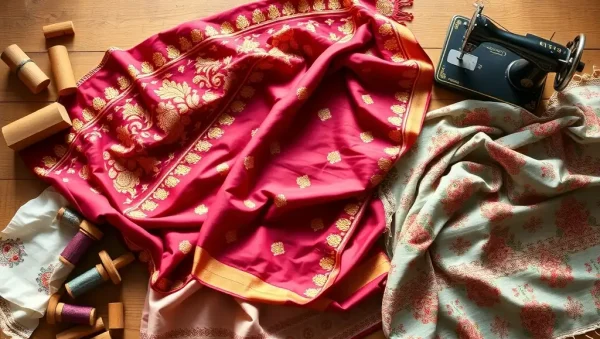
Traditional Indian Textiles and Their Origins
The Revival of Traditional Indian Textiles: Bridging Ancient Craft with Modern Fashion
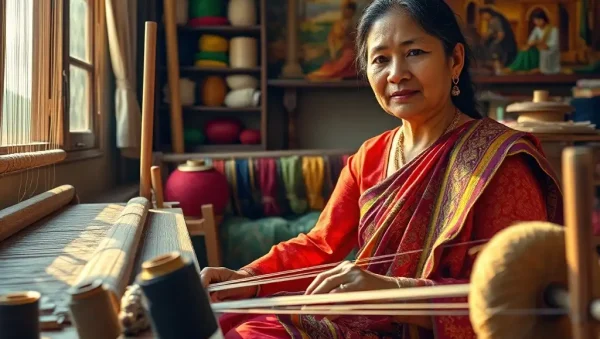
Traditional Indian Textiles and Their Origins
From Loom to Legacy: The Evolution of Traditional Indian Weaving Techniques
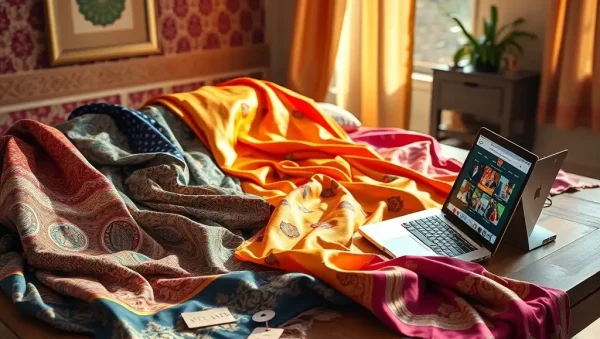
Guide to Buying Authentic Indian Silk
The Ultimate Guide to Buying Indian Silk: Tips for the Savvy Shopper
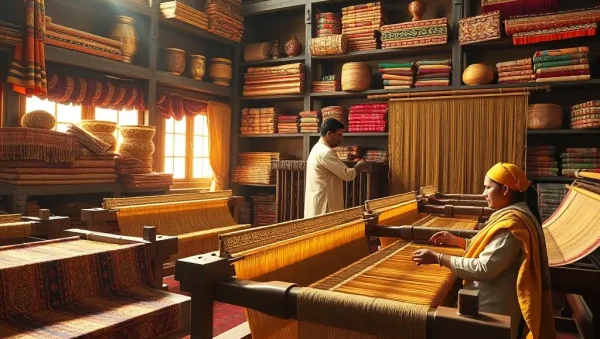
Traditional Indian Textiles and Their Origins
The Gupta Empire's Contribution to Textile Artistry and Fashion
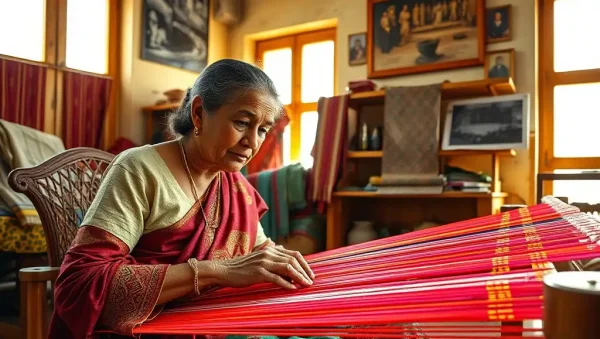
Traditional Indian Textiles and Their Origins
The Legacy of Patola: Unraveling the Secrets of this Ancient Weaving Technique

Modern Adaptations of Ancient Indian Fashion
From Sari to Streetwear: Modern Takes on Classic Indian Garments
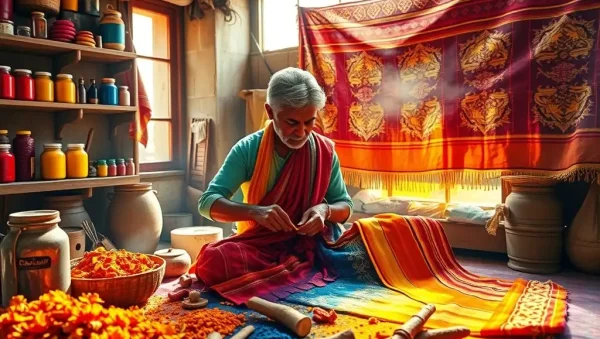
Modern Adaptations of Ancient Indian Fashion
A Colorful Journey: How Natural Dyes from Ancient India Are Shaping Today's Textiles
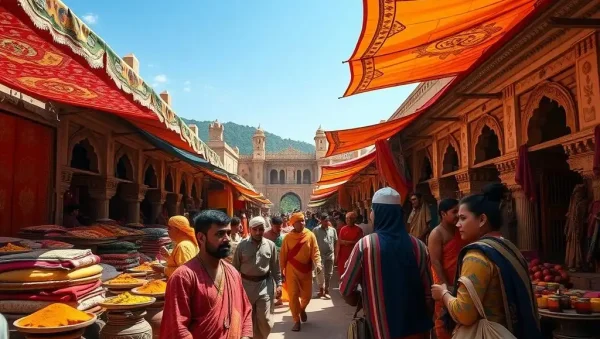
Traditional Indian Textiles and Their Origins
Silk and Spice: The Trade Routes That Shaped India's Textile Industry
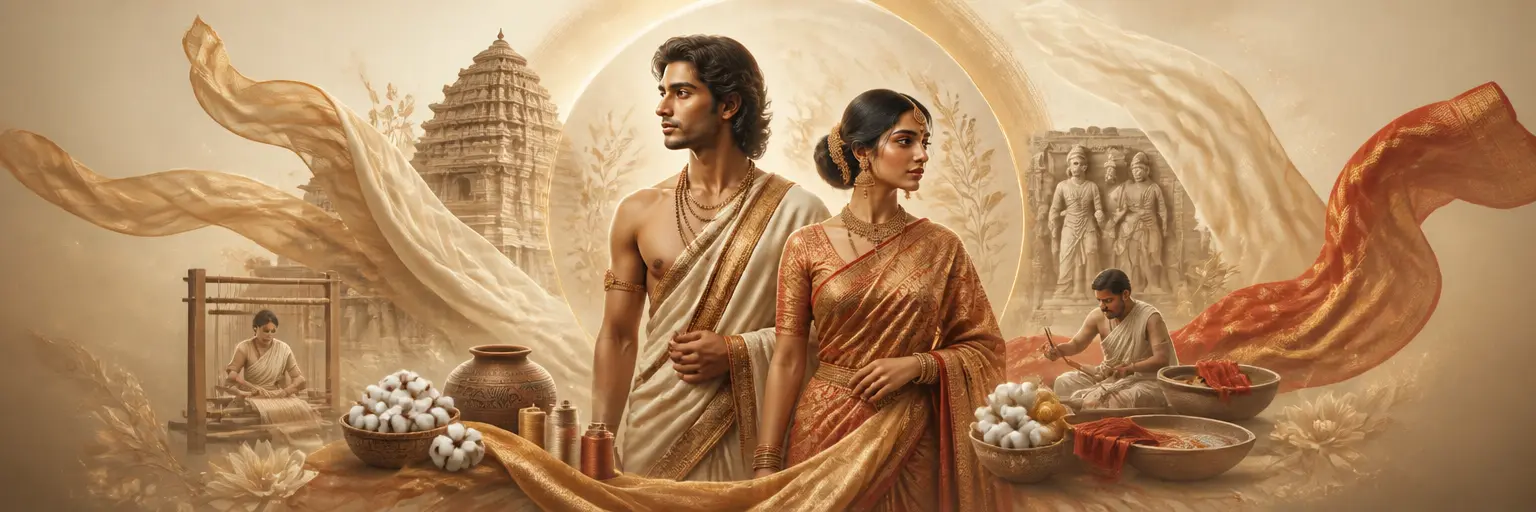
Discover the enduring legacy of ancient Indian fashion and textiles, a world shaped by craftsmanship, regional identity, trade, religion, and royal patronage. From the finely woven fabrics of the Indus Valley Civilization to the luxurious silks associated with later Indian courts, textiles reveal how ancient communities expressed status, spirituality, artistry, and cultural exchange.
This Fashion and Textiles category explores the history of Indian silk, cotton, wool, embroidery, dyeing, weaving, and traditional dress. Learn how natural fibers were transformed into garments, how textile centers developed across the subcontinent, and how ancient techniques continue to influence designers today. Whether you are researching ancient Indian clothing, comparing regional fabrics, or looking for ethical ways to purchase authentic silk, these resources provide practical guidance supported by historical context.
Explore the relationship between Indian textile heritage and modern fashion through accessible guides, material comparisons, and cultural histories. Discover the origins of iconic fabrics, identify quality craftsmanship, understand traditional motifs, and appreciate the continuing relevance of India’s textile traditions in global fashion.
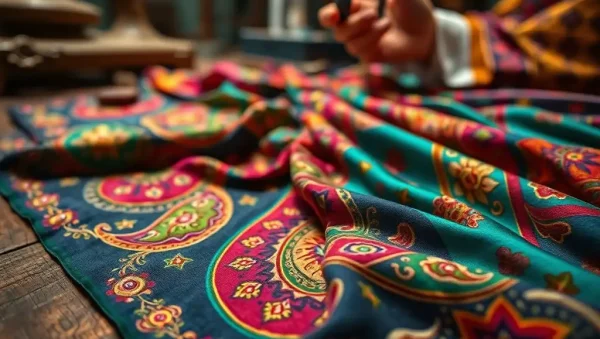
🧵 Guide to Buying Authentic Indian Silk
This guide explains how to recognize authentic Indian silk by examining fiber quality, weaving methods, texture, sheen, weight, selvage, and finishing details. Readers can learn the differences between varieties such as Banarasi silk, Kanchipuram silk, Tussar silk, Mysore silk, and other regionally associated fabrics. Historical background helps connect modern silk production with India’s long traditions of sericulture, luxury clothing, temple textiles, and international trade.
Expect practical advice for choosing genuine silk sarees, scarves, shawls, and garments while avoiding misleading labels or synthetic imitations. The section also highlights ethical sourcing, artisan craftsmanship, traditional looms, natural dyes, and fair pricing, helping shoppers make informed decisions while supporting India’s living textile communities.
👗 Modern Adaptations of Ancient Indian Fashion
Ancient Indian clothing continues to inspire contemporary designers through its silhouettes, draping techniques, decorative motifs, and sophisticated use of color. This section explores how garments such as the saree, dhoti, angavastra, choli, and layered robes have been reinterpreted for modern wardrobes, runway collections, sustainable fashion, and everyday wear.
Readers can expect examples of how designers combine traditional Indian textiles with modern cuts, tailoring, and functional styling. The discussion also considers cultural preservation, responsible innovation, and the importance of acknowledging regional origins when adapting historic patterns, embroidery, weaving traditions, and ceremonial dress.
🏺 Traditional Indian Textiles and Their Origins
Explore the origins of India’s remarkable textile traditions, from early cotton production in the Indus Valley to the development of silk weaving, block printing, resist dyeing, brocade, embroidery, and handloom techniques. This section explains how geography, climate, local resources, royal courts, religious institutions, and trade routes shaped regional textile cultures across ancient and medieval India.
Readers will discover the histories behind important fabrics and techniques, including cotton, silk, wool, muslin, ikat, kalamkari, block printing, zari, and hand embroidery. Each topic emphasizes regional identity, artisan knowledge, historical continuity, and the cultural meaning of textile motifs, making it easier to understand why Indian fabrics remain important to heritage studies and modern design.
❓ Frequently Asked Questions About Ancient Indian Fashion and Textiles
What fabrics were commonly used in ancient India?
Ancient Indians used cotton extensively, particularly in regions connected with the Indus Valley Civilization. Silk, wool, linen-like plant fibers, and bark fibers were also used depending on geography, availability, social status, and trade connections. Cotton and silk became especially important in the development of Indian clothing and luxury textiles.
Why are Indian textiles historically important?
Indian textiles provide evidence of technological skill, economic activity, cultural exchange, and social organization. Weaving, dyeing, embroidery, and garment production supported local communities while Indian fabrics were traded across Asia, the Middle East, Africa, and later Europe.
How can I identify authentic Indian silk?
Look for clear information about the silk variety, weaving region, production method, and artisan or cooperative source. Genuine silk usually has a distinctive natural luster, soft yet varied texture, and detailed construction. Buyers should also request certification where available and be cautious of vague labels, unusually low prices, or fabric described only as “silk-like.”
How does ancient Indian fashion influence modern clothing?
Modern fashion draws inspiration from traditional draping, handloom fabrics, historic motifs, embroidery, jewelry, and regional color palettes. Designers often reinterpret these elements through contemporary tailoring, fusion clothing, sustainable production, and simplified garments suitable for modern lifestyles.
Which traditional Indian textiles are still produced today?
Many historic textile traditions remain active, including Banarasi silk, Kanchipuram silk, Chanderi, Chikankari, Kalamkari, Ikat, Bandhani, handwoven cotton, Tussar silk, and various forms of brocade. Their continued production depends on skilled artisans, regional cooperatives, responsible consumers, and efforts to preserve traditional knowledge.
Related topics