
The Maurya Empire’s Strategies for Urban Planning and Governance

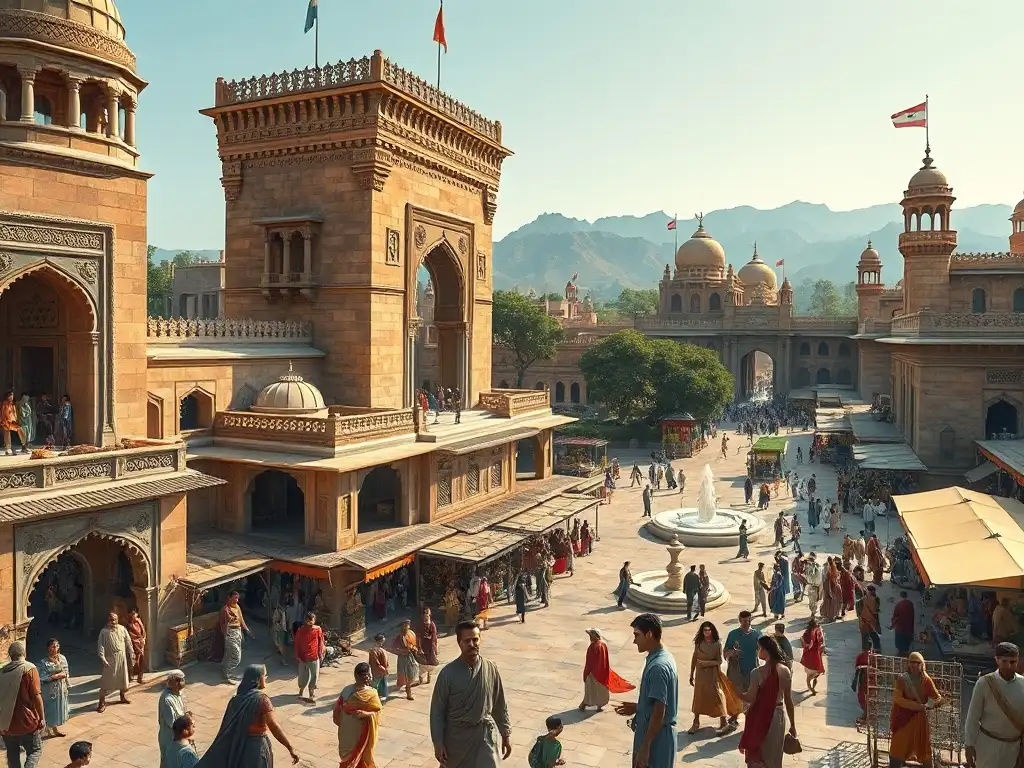
Welcome to Ancient India History, where we delve into the fascinating tapestry of human achievement woven by the vibrant civilizations of ancient India. Here, you'll uncover the intricate details of urban planning strategies employed by the Maurya Empire, a pivotal period that set the stage for innovative governance and societal organization. What secrets lie within the meticulously crafted cities of this remarkable empire?
Join us as we embark on a journey through time, exploring the legacies left behind and the lessons they offer for today. Prepare to be captivated and inspired as you dive deeper into the rich heritage of ancient Indian civilizations!
- Introduction to the Maurya Empire’s Urban Planning Strategies
- Key Features of Maurya Empire Urban Planning
- Governance Strategies of the Maurya Empire
- Economic Strategies Supporting Urban Development
- Cultural Aspects Influencing Urban Planning
- Challenges Faced by the Maurya Empire in Urban Governance
- Conclusion: The Legacy of Maurya Empire Urban Planning Strategies
-
Frequently Asked Questions
- What were the urban planning strategies of the Maurya Empire?
- How did the Maurya Empire influence governance in ancient India?
- What were some key cities of the Maurya Empire?
- How did the Maurya Empire's urban planning compare to other civilizations?
- What role did trade play in the urban planning of the Maurya Empire?
- Final Reflection: The Enduring Legacy of Maurya Empire Urban Planning Strategies
- Unleash Your Curiosity: Engage with Ancient Wisdom!
Introduction to the Maurya Empire’s Urban Planning Strategies
The Maurya Empire, one of the most significant ancient Indian civilizations, is renowned for its impressive urban planning and governance strategies that laid the foundation for future Indian cities. Established in 322 BCE by Chandragupta Maurya, the empire flourished under the rule of Ashoka the Great and encompassed vast territories across the Indian subcontinent. Its sophisticated administrative systems, innovative urban layouts, and strategic governance practices not only facilitated effective control over a diverse populace but also promoted economic prosperity and cultural exchange.
This article delves into the Maurya Empire's urban planning strategies, exploring the intricacies of its administrative frameworks and the lasting impacts of its urban design on subsequent civilizations. Through examining the principles and methodologies employed in urban planning during this period, we can better understand how the Maurya Empire set a precedent for governance and infrastructure in ancient India.
Overview of the Maurya Empire's significance in ancient India
The Maurya Empire represents a pivotal chapter in ancient Indian history, characterized by its unparalleled territorial expansion and administrative sophistication. At its zenith, the empire spanned from the Indus River in the west to the Bengal region in the east, encompassing a diverse range of cultures, languages, and belief systems. The Mauryan rulers implemented a centralized administration that effectively managed this vast territory, allowing for the integration of various communities and the promotion of trade and commerce.
Key features of the Maurya Empire's significance include:
- Economic Prosperity: The empire established extensive trade networks, which facilitated the exchange of goods, culture, and ideas both within and beyond its borders.
- Cultural Flourishing: This period saw significant advancements in art, literature, and philosophy, with notable figures such as Ashoka promoting Buddhism and its principles across the region.
- Political Innovations: The Mauryas introduced a complex bureaucracy that balanced local governance with central oversight, ensuring stability and order across their domains.
Importance of urban planning and governance in the Maurya Empire
Urban planning in the Maurya Empire was not merely a matter of aesthetics; it was a strategic approach to governance that reflected the empire's values and priorities. The careful design of cities, such as Pataliputra, the capital, showcased advanced architectural techniques and city layouts that promoted functionality and security.
Key aspects of urban planning and governance during the Maurya Empire include:
- Strategic City Layout: Cities were often designed with a grid pattern, featuring wide streets and designated areas for residential, commercial, and administrative purposes. This organization facilitated trade and movement while enhancing security.
- Public Infrastructure: The Maurya Empire invested in public works, including roads, irrigation systems, and sewage management, which improved the quality of life for its citizens and supported agricultural productivity.
- Administrative Efficiency: A well-defined administrative hierarchy allowed for effective governance, with local officials responsible for maintaining order and implementing imperial policies, thereby ensuring a cohesive governance structure.
The Maurya Empire's urban planning strategies not only catered to the needs of its time but also influenced subsequent Indian civilizations, making it a vital subject of study for understanding ancient urban governance.
Key Features of Maurya Empire Urban Planning
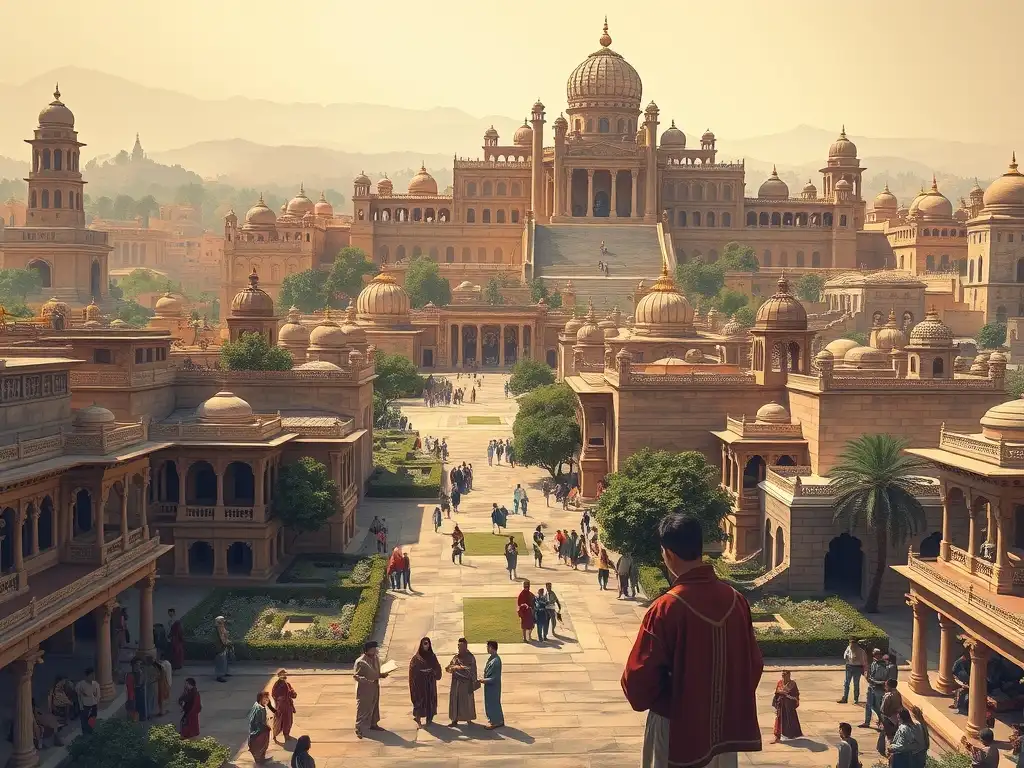
The Maurya Empire, one of the most significant ancient Indian civilizations, is renowned for its sophisticated urban planning strategies that played a crucial role in its administration and governance. The urban centers established during this period reflect a deep understanding of layout, infrastructure, and civic amenities that catered to the needs of their inhabitants. Below, we explore the key features of these urban planning strategies.
City Layout and Design in Maurya Urban Centers
The design of cities in the Maurya Empire was not merely functional but incorporated a holistic approach to urbanism, emphasizing order, accessibility, and security.
Grid patterns and geometric planning
The cities of the Maurya Empire often employed grid patterns, a hallmark of advanced urban design. This geometric planning facilitated organized movement and efficient land usage. Key aspects include:
- Uniformity: Streets were laid out in perpendicular lines, creating a structured environment that enabled easy navigation.
- Zoning: Different sectors were designated for residential, commercial, and administrative purposes, allowing for specialized urban areas.
- Example: The city of Pataliputra, the capital of the Maurya Empire, is a prime example where archaeological findings suggest a well-planned grid layout, enhancing the city's functionality and aesthetic appeal.
Importance of fortifications and defenses
Security was paramount in Mauryan urban planning, reflecting the empire's concerns about external threats and internal stability.
- Walls and Gates: Cities were often encircled by strong fortifications, including thick walls and fortified gates, to deter invasions and control entry points.
- Strategic Placement: Fortifications were strategically placed on elevated ground or near water bodies, enhancing the defensive capabilities.
- Case Study: Pataliputra’s fortifications are noted for their massive earthen walls, which not only protected the city but also symbolized the power of the Maurya Empire.
Infrastructure Development in Mauryan Cities
Infrastructure was a cornerstone of the Maurya Empire's urban planning strategies, significantly contributing to the efficiency of governance and quality of life for its citizens.
Roads and transportation systems
The development of roads and transportation systems was critical for trade, communication, and military logistics.
- Road Networks: The Maurya Empire established an extensive network of roads, connecting major cities and trade routes. These roads were crucial for facilitating commerce and movement across the vast empire.
- Royal Highways: The famous Grand Trunk Road can be traced back to this era, serving as a vital artery for trade and cultural exchange.
- Maintenance and Safety: Regular maintenance of these roads ensured safety and accessibility, with milestones marking distances and rest stops for travelers.
Water management and drainage systems
Efficient water management and drainage systems were essential for sustaining urban life in Mauryan cities.
- Irrigation and Canals: The Mauryas implemented sophisticated irrigation systems that included canals, allowing for agricultural productivity and water supply.
- Drainage Systems: Urban centers featured well-designed drainage systems to manage rainwater and prevent flooding, showcasing advanced engineering skills.
- Public Water Wells: Access to clean water was prioritized, with public wells and reservoirs strategically located throughout cities to serve the population.
The urban planning strategies of the Maurya Empire were integral to its governance and societal structure. The careful consideration of city layout, infrastructure, and resource management not only facilitated administrative efficiency but also improved the overall quality of life for its citizens. The legacy of these strategies continues to influence modern urban planning concepts.
Architectural Innovations in Urban Planning
The Maurya Empire, known for its vast territory and influence, exhibited remarkable architectural innovations that significantly contributed to urban planning. Under the reign of Chandragupta Maurya and his grandson Ashoka, cities like Pataliputra became exemplars of urban sophistication. The Mauryan cities were meticulously designed, emphasizing functionality, aesthetic appeal, and the integration of nature.
One of the key elements of Maurya urban planning was the use of grid patterns for city layouts, which facilitated efficient movement and organization. Streets were often straight, wide, and well-defined, enabling effective trade and commerce. Additionally, the incorporation of drainage systems and water management techniques showcased the Mauryan commitment to public health and sanitation—an advanced understanding of urban infrastructure for the time.
The use of durable materials, such as brick and stone, in construction ensured longevity and resilience against the elements. This focus on robust architecture not only served practical needs but also reflected the empire's wealth and power, leaving a lasting legacy that influenced future urban developments in India and beyond.
Stupas and public buildings
Stupas were significant architectural features in Mauryan urban planning, serving both religious and cultural purposes. These dome-shaped structures were built to house relics and were often situated in prominent locations within cities, symbolizing the spiritual ethos of the time. The most famous of these is the Great Stupa at Sanchi, which was commissioned by Emperor Ashoka.
Public buildings in Mauryan cities were equally impressive, including assembly halls, monasteries, and palaces that showcased the architectural prowess of the period. These structures were not only functional but also artistically decorated with intricate carvings and sculptures that depicted various aspects of life and spirituality.
The placement of stupas and public buildings was strategic, aiming to create central focal points that promoted community interaction and civic life. This planning ensured that the populace could congregate for religious ceremonies, trade, and administrative functions, reinforcing social cohesion and the legitimacy of Mauryan governance.
Residential areas and their organization
Residential areas in the Maurya Empire were organized with a keen eye for community living and accessibility. Urban planners created distinct neighborhoods that catered to different social classes, ensuring that spaces were allocated according to the needs and statuses of their inhabitants.
The layout of residential areas often included narrow lanes and compact housing units, promoting a sense of community while ensuring that resources such as water wells and public baths were readily accessible to all. The designs of homes reflected local customs and materials, with many structures built from mud and thatch, while wealthier citizens enjoyed larger homes made of brick.
Moreover, the organization of residential areas facilitated economic activities, as many homes were situated close to markets and trade routes. This strategic planning not only enhanced the daily lives of residents but also contributed to the overall economic vitality of Mauryan cities, enabling them to thrive as bustling centers of commerce and culture.
Governance Strategies of the Maurya Empire

Centralized Governance and Administration
The Maurya Empire, which flourished from 322 to 185 BCE, is renowned for its advanced urban planning and sophisticated governance mechanisms. Central to its success was a highly centralized system that ensured effective administration across vast territories. This approach facilitated the implementation of uniform policies and the maintenance of order.
Role of the Emperor and his advisors
At the heart of the Mauryan governance structure was the emperor, who wielded absolute power. The most notable emperor, Ashoka the Great, exemplified the ideal ruler who balanced authority with benevolence. He was supported by a council of advisors, known as the Mantriparishad. This council comprised experienced and knowledgeable individuals who offered counsel on matters of state, military strategy, and economic policies.
The emperor's directives were crucial in shaping urban planning strategies. For example, Ashoka's emphasis on Dhamma, or moral law, influenced the design of cities to include public spaces such as parks, stupas, and roads that promoted community well-being and accessibility. His edicts, inscribed on pillars and rocks throughout the empire, served as guiding principles for governance and urban development.
Bureaucratic structures in Mauryan governance
The Maurya Empire's bureaucratic system was meticulously organized, allowing for efficient administration. It was divided into various departments, each responsible for specific functions:
- Revenue Department: Managed taxation and collection of resources.
- Military Department: Oversaw defense and security, including the construction of fortifications in urban areas.
- Public Works Department: Responsible for infrastructure, including roads, irrigation, and urban planning.
This division of labor ensured that policies were effectively implemented at all levels. The use of local governors, known as Kumara, helped maintain control over provinces while allowing for localized decision-making in urban centers. This hierarchical structure was instrumental in the empire's ability to manage its vast territories and diverse populations.
Local Governance in Mauryan Cities
While centralized governance played a crucial role, local governance in Mauryan cities was equally significant in implementing urban planning strategies. The Maurya Empire encouraged local participation in administration, fostering a sense of community ownership and responsibility.
Responsibilities of local officials
Local officials, often elected or appointed from the community, played a pivotal role in managing urban affairs. Their responsibilities included:
- Maintaining public order: Ensuring the safety and security of residents.
- Overseeing public health: Implementing sanitation measures and managing water supply systems.
- Facilitating trade and commerce: Regulating markets and ensuring fair practices among merchants.
These officials acted as a bridge between the central authority and local populations, ensuring that the needs and concerns of citizens were addressed effectively. This local governance model contributed to the success of urban planning strategies, as officials were more attuned to the specific needs of their communities.
Community participation in governance
Community participation was a hallmark of Mauryan governance. Citizens were encouraged to engage in decision-making processes, especially regarding urban development. Mechanisms such as local assemblies or councils allowed residents to voice their opinions on issues affecting their neighborhoods.
This participatory approach not only strengthened the relationship between the government and citizens but also enhanced the efficiency of urban planning efforts. Communities were more likely to support and maintain public projects that reflected their interests and needs. By fostering this collaborative environment, the Maurya Empire created urban spaces that were not only functional but also reflective of the diverse cultures and traditions of its inhabitants.
Economic Strategies Supporting Urban Development

Trade and Commerce in Mauryan Cities
The Maurya Empire, which thrived from 322 to 185 BCE, implemented sophisticated urban planning strategies that significantly bolstered trade and commerce. The cities, such as Pataliputra, became vibrant economic centers characterized by organized marketplaces and strategic locations conducive to trade.
Marketplaces and economic hubs
Central to the economic prosperity of Mauryan cities were their marketplaces, which served as bustling economic hubs. These marketplaces were often located near major thoroughfares, ensuring easy access for traders and consumers alike. The Mauryan administration established a variety of markets, each catering to different goods, ranging from textiles to spices and metals.
- Design and Layout: Marketplaces were typically laid out in grids, making navigation easier for merchants and buyers.
- Regulations: The government set regulations to standardize weights and measures, enhancing trust in commercial transactions.
- Taxation: Merchants were subject to taxes, which funded public works and contributed to urban development.
The efficiency of these marketplaces not only stimulated local economies but also attracted traders from distant lands, contributing to a cosmopolitan culture.
Role of trade routes in urban growth
The Maurya Empire's extensive network of trade routes played a critical role in urban growth. These routes connected the empire with other regions, facilitating the exchange of goods, ideas, and cultures.
- Land and Maritime Routes: The empire developed both overland routes, like the Grand Trunk Road, and maritime pathways across the Indian Ocean. This dual strategy allowed for diversified trade opportunities.
- Cultural Exchange: Increased trade led to cultural exchanges, enriching the local populace and fostering a sense of unity among diverse communities.
- Infrastructure Development: The Mauryan administration invested in infrastructure, including roads and ports, which further enhanced trade efficiency and urban connectivity.
This strategic focus on trade and commerce was instrumental in the urban planning strategies of the Maurya Empire, ensuring that cities remained economically viable and culturally vibrant.
Agricultural Strategies and Urban Sustainability
Agriculture was the backbone of the Maurya Empire’s economy, providing sustenance for urban populations and supporting the empire's vast administrative framework. The implementation of agricultural strategies directly influenced urban sustainability.
Agricultural policies supporting urban populations
The Mauryan administration recognized the importance of agriculture in supporting urban centers and enacted several policies aimed at enhancing agricultural productivity.
- Irrigation Systems: Innovative irrigation techniques were developed, including canals and reservoirs, which increased arable land and crop yields.
- Land Management: The state implemented land reforms that optimized land use and ensured that agricultural production met the needs of growing urban populations.
- Support for Farmers: The government provided resources and training to farmers, promoting sustainable practices and crop diversification, which ultimately led to food security in urban areas.
These agricultural policies not only supported the urban populace but also ensured that cities could thrive without becoming overly dependent on external supplies.
Relationship between agriculture and urban planning
The relationship between agriculture and urban planning in the Maurya Empire was symbiotic. Urban areas were strategically planned to integrate agricultural needs with urban life effectively.
- Proximity to Agricultural Land: Cities were often situated near fertile farming regions, allowing for easy access to fresh produce and reducing the need for long supply chains.
- Market Integration: Agricultural products were directly linked to urban marketplaces, where farmers could sell their goods, fostering a direct relationship between producers and consumers.
- Sustainability Focus: Urban planning considered agricultural cycles, ensuring that cities were not only economically viable but also environmentally sustainable.
This careful balance between agriculture and urban planning was a hallmark of the Maurya Empire's strategies, contributing to its stability and longevity.
Cultural Aspects Influencing Urban Planning
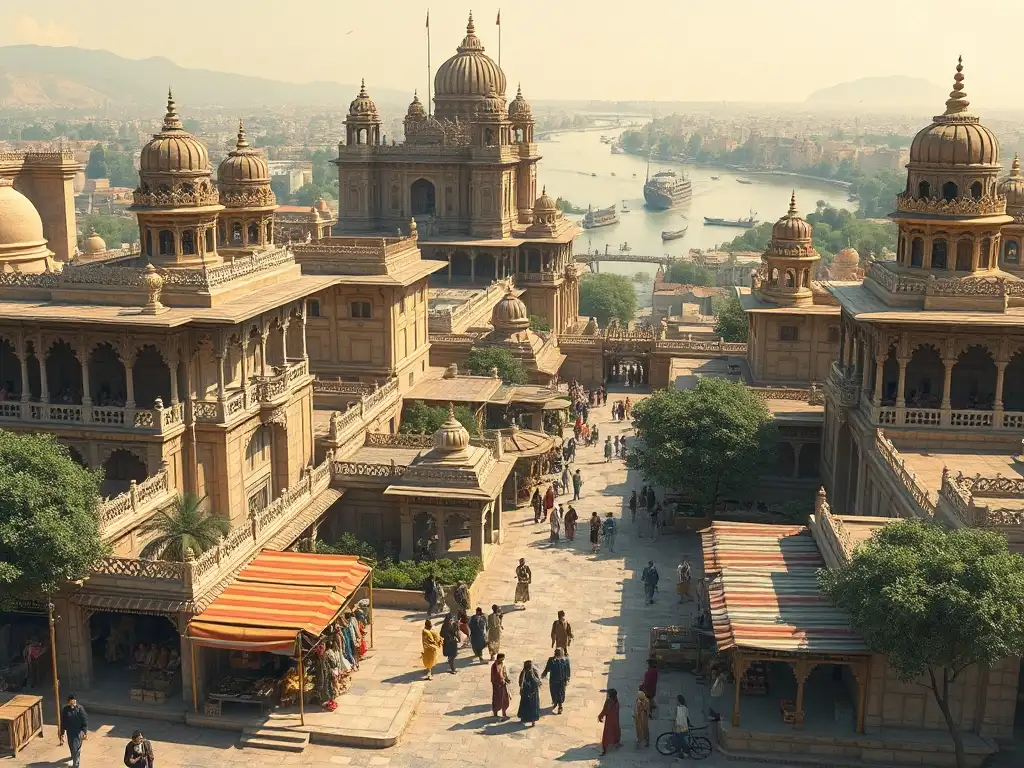
Influence of Religion on Urban Design
The Maurya Empire's urban planning strategies were significantly influenced by the religious beliefs and practices of the time. Religion served not only as a spiritual guide but also shaped the physical layout of cities, creating a harmonious blend of the sacred and the secular.
Temples and religious structures in cities
In Mauryan cities, temples were central to urban design, often situated at the heart of urban centers. These structures were not merely places of worship but also served as community hubs. The grand architecture of temples, with their intricate carvings and towering spires, reflected the empire's wealth and cultural sophistication. For example, the Great Stupa at Sanchi, built during the Maurya period, exemplifies the integration of religious architecture within urban planning, providing both a spiritual focal point and a tourist attraction.
Moreover, urban planners strategically placed temples near marketplaces and residential areas to ensure accessibility and encourage community gatherings. This proximity fostered a sense of community, as people would frequent the temples for festivals, rituals, and social interactions.
Festivals and public spaces
Festivals played a crucial role in shaping urban spaces during the Maurya Empire. Cities were often designed with large open areas or public squares that served as venues for religious festivals, fairs, and cultural events. These spaces were vital for community engagement, allowing for the celebration of various festivals, such as Buddha Purnima and Ashoka's Dhamma Day.
The layout of these public spaces was carefully considered to accommodate large gatherings, with provisions for seating, altars, and decorative elements that enhanced the festive atmosphere. The integration of greenery and water features in these areas also contributed to a serene environment, inviting citizens to participate in communal celebrations.
Art and Culture in Mauryan Urban Centers
Art and culture were integral to the identity of Mauryan urban centers, influencing urban planning and the overall aesthetic of cities. The artistic expression found in these cities was not only a reflection of cultural values but also served practical purposes in urban life.
Role of art in public spaces
Art flourished in Mauryan urban centers, with sculptures, carvings, and murals adorning public spaces. These artistic elements not only beautified the urban landscape but also conveyed moral and philosophical messages, often inspired by Buddhist teachings and Jainism. The Lion Capital of Ashoka, for instance, symbolized the power and authority of the Maurya Empire while promoting the principles of truth and morality.
Moreover, art was used to enhance public spaces, such as parks and gathering areas, where citizens could enjoy the beauty of their surroundings. Statues and reliefs depicting historical events or mythological stories served as educational tools, fostering a sense of cultural pride and continuity among the populace.
Cultural festivals and their impact on urban life
Cultural festivals were central to urban life in the Maurya Empire, influencing the city's rhythm and social interactions. Events such as harvest festivals, religious observances, and seasonal celebrations transformed public spaces into vibrant hubs of activity, drawing people from various walks of life.
These festivals were meticulously planned, often necessitating temporary structures and enhancements to the urban landscape. Streets were decorated, and vendors set up stalls, creating a bustling marketplace atmosphere. The economic boost from these events was significant, providing opportunities for trade and commerce while strengthening community ties.
The Maurya Empire's urban planning strategies were intricately linked to cultural and religious factors. Temples, public festivals, and artistic expressions shaped the cities, creating environments that reflected the values and beliefs of the time while fostering a sense of community and cultural identity.
Challenges Faced by the Maurya Empire in Urban Governance
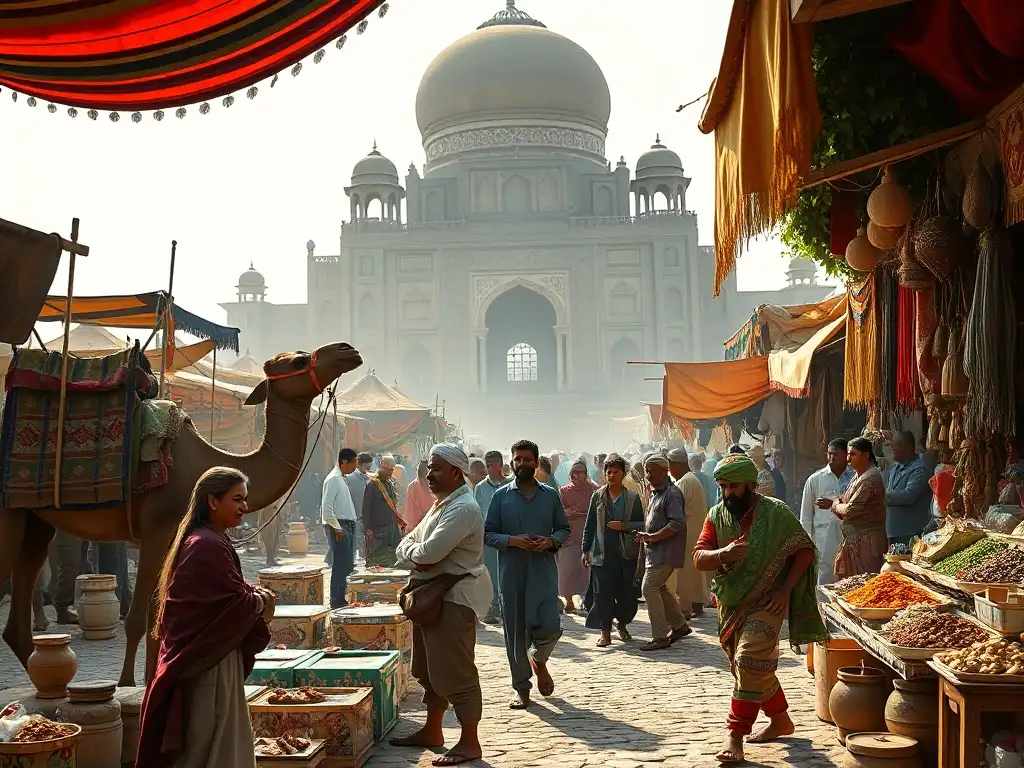
Socio-economic Challenges
The Maurya Empire, which flourished from 322 to 185 BCE, faced several socio-economic challenges in its urban areas. As one of the largest empires in ancient India, it encompassed diverse populations with varying needs and expectations, which complicated urban governance.
Inequality and urban poverty
Urban poverty was a significant concern within the Maurya Empire. The rapid growth of cities, such as Pataliputra, led to disparities in wealth and access to resources. While the urban elite enjoyed prosperity through trade and administration, a substantial portion of the population struggled to meet their basic needs. This inequality often resulted in social tensions and unrest.
The Mauryan administration attempted to address these issues through various welfare measures. For instance, they implemented policies to regulate prices and ensure the availability of essential goods, but the effectiveness of these measures varied. Furthermore, the lack of proper housing and sanitation facilities exacerbated the living conditions of the urban poor, leading to further challenges in governance.
Managing resources for diverse populations
The Maurya Empire comprised numerous ethnic and cultural groups, each with distinct needs and practices. Urban governance required the efficient management of resources, including water supply, food distribution, and public health services. The empire's vast geography made it challenging to implement uniform policies across different regions.
To tackle these challenges, the Mauryan administration established local councils (known as "panchayats") in urban areas, empowering local leaders to manage resources effectively. This decentralized approach allowed for tailored solutions that catered to the unique needs of diverse communities. However, disparities in local governance capabilities often led to inconsistencies in resource distribution, posing significant challenges to the overall stability of urban centers.
Political Challenges and Administrative Efficiency
The Maurya Empire faced considerable political challenges that impacted its urban governance. The size and diversity of the empire made it difficult to maintain a cohesive administrative structure, which was essential for effective governance in urban areas.
Revolts and governance issues
Throughout its existence, the Maurya Empire encountered various revolts and uprisings, particularly in urban regions. Discontent among the populace, driven by factors such as heavy taxation and social inequality, often resulted in resistance against central authority. Notably, the empire faced challenges in dealing with insurrections from local chieftains and dissatisfied urban dwellers.
To counter these threats, the Mauryan rulers employed a combination of military strength and diplomatic strategies. They established a network of spies to gather intelligence and used propaganda to promote loyalty among urban populations. Additionally, the administration sought to integrate local elites into governance structures, thereby mitigating dissent and fostering collaboration.
Strategies for maintaining control over urban areas
The Maurya Empire utilized various strategies to maintain control over its urban centers. One of the key strategies was the establishment of a robust administrative framework that included appointed officials responsible for overseeing urban governance. These officials were tasked with collecting taxes, maintaining law and order, and implementing public works projects.
Moreover, the Mauryan rulers invested in infrastructure development, such as roads and irrigation systems, which not only facilitated trade but also strengthened the central authority's presence in urban areas. The strategic placement of military garrisons in key cities further ensured the empire's control, enabling rapid response to potential uprisings.
The Maurya Empire's urban governance faced numerous challenges, including socio-economic disparities and political unrest. However, through a combination of local governance, strategic infrastructure investments, and administrative efficiency, the empire managed to navigate these complexities, leaving a lasting legacy in the history of ancient India.
Conclusion: The Legacy of Maurya Empire Urban Planning Strategies

The urban planning strategies of the Maurya Empire have left an indelible mark on the historical landscape of India. With their meticulous approach to city design and governance, the Mauryas set a precedent that influenced not just their contemporaries but also successive civilizations. The principles employed during this era resonate in various aspects of urban development and administration in later periods.
Lasting impacts on later Indian urban planning
The urban planning strategies implemented during the Maurya Empire laid the groundwork for future city designs across India. Key elements such as:
- Grid Layouts: The Mauryan cities often featured systematic grid patterns, facilitating efficient movement and organization within urban spaces.
- Infrastructure Development: Innovations in drainage, sanitation, and water supply systems established standards for public health that would be emulated in later societies.
- Public Spaces: The emphasis on public areas, including markets and parks, encouraged social interaction and commerce, principles that continue to be vital in urban planning today.
These foundational strategies can be observed in cities that followed, such as those during the Gupta period and the later medieval kingdoms. Scholars have noted that the strategic placement of administrative buildings and residential areas in Mauryan cities influenced the layout of urban centers in subsequent eras, including the Rajput and Mughal periods.
Reflection on the importance of Mauryan governance in historical context
The governance model of the Maurya Empire, particularly its urban planning strategies, exemplifies a sophisticated understanding of administrative efficiency and civic responsibility. Emperor Ashoka, in particular, emphasized welfare-oriented governance, which was evident in the urban infrastructure that catered to the needs of the populace.
- Administrative Decentralization: The Mauryan Empire was divided into provinces, each with its own administration, allowing for localized governance that effectively addressed community needs.
- Integration of Culture and Politics: The careful planning of cities not only served practical purposes but also reflected the cultural and religious ethos of the time, facilitating the spread of Buddhism and other philosophies.
The integration of urban planning with governance during the Maurya Empire highlights a model of leadership that prioritized the well-being of its citizens while ensuring efficient administration. This holistic approach to governance and urban development serves as a critical reference point for understanding the evolution of Indian civilizations and their contributions to urban planning and governance in a broader historical context.
Frequently Asked Questions
What were the urban planning strategies of the Maurya Empire?
The Maurya Empire utilized advanced urban planning strategies that included grid layouts, drainage systems, and well-planned public spaces to enhance the quality of life in cities.
How did the Maurya Empire influence governance in ancient India?
The Maurya Empire established a highly structured governance system that emphasized bureaucracy, law, and order, which served as a model for future Indian empires.
What were some key cities of the Maurya Empire?
Prominent cities like Pataliputra, the capital, showcased sophisticated urban design and infrastructure, reflecting the empire's commitment to urban development.
How did the Maurya Empire's urban planning compare to other civilizations?
Unlike many contemporary civilizations, the Maurya Empire implemented innovative urban planning techniques, setting it apart in terms of public health and city organization.
What role did trade play in the urban planning of the Maurya Empire?
Trade was integral to Maurya cities, leading to the development of strategic marketplaces and transportation networks, which facilitated economic growth and urbanization.
Final Reflection: The Enduring Legacy of Maurya Empire Urban Planning Strategies
The urban planning strategies of the Maurya Empire remain profoundly relevant today, as they exemplify how thoughtful governance can shape thriving communities. In an era where urbanization is accelerating and cities are grappling with the challenges of sustainability and livability, the Maurya Empire's approach offers timeless lessons. Their innovative methods of city design and administration not only catered to the needs of their citizens but also laid the groundwork for future civilizations. The striking realization is that effective urban planning is not merely a modern concern; it has roots in ancient wisdom that can guide us today.
Clearly, the influence of the Maurya Empire's strategies extends beyond historical significance; it resonates in contemporary discussions about urban development and governance. The principles of inclusivity, resource management, and civic engagement that characterized their cities continue to inspire urban planners and policymakers around the globe. As we navigate the complexities of modern urban life, we can draw from the past to inform our future. The greatest cities are those that are built with the people in mind, where governance and urban planning harmoniously coexist.
As we reflect on the lessons from the Maurya Empire, I invite you to consider how these strategies can be applied in your own community. What steps can you take to advocate for sustainable urban planning that prioritizes the well-being of all citizens?
By embracing the principles of thoughtful governance and community engagement, we can contribute to creating urban spaces that are not only functional but also vibrant and inclusive. Let us carry forward the legacy of the Maurya Empire and strive to build cities that honor the needs of their inhabitants while fostering a sense of belonging and shared purpose.
Unleash Your Curiosity: Engage with Ancient Wisdom!
Thank you for diving into the fascinating world of the Maurya Empire's urban planning and governance strategies! We hope you found invaluable insights that inspire you to explore more about ancient civilizations and their remarkable achievements. Now it's time to take action and deepen your understanding!
Here’s how you can continue your exploration:
- Dive deeper: Research a specific urban planning tactic used by the Maurya Empire and share your findings with a friend or on social media to spark conversation.
- Connect with history enthusiasts: Join an online forum or community where you can discuss ancient Indian history and share ideas with others who share your passion.
- Explore local history: Visit a nearby museum or historical site that showcases ancient civilizations and connect what you learn back to the Maurya Empire.
What aspect of the Maurya Empire’s strategies intrigues you the most, and how do you see its influence reflected in our modern urban planning?