
The Maurya Empire’s Social Hierarchy: Key Figures in Class Structure

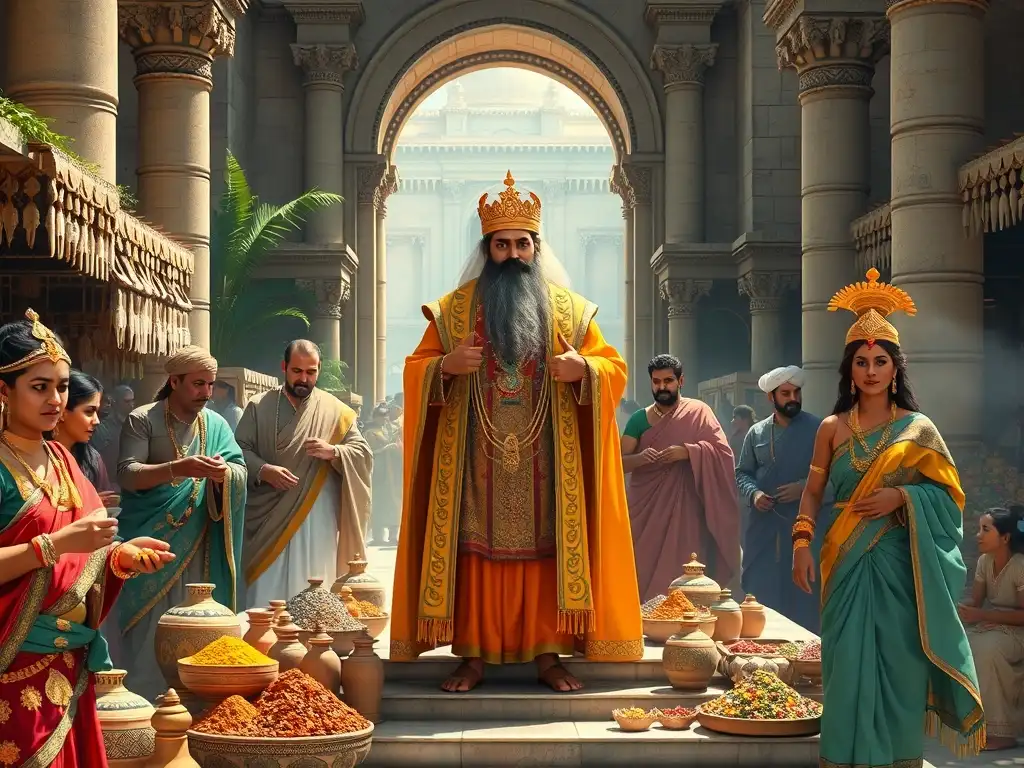
Welcome to Ancient India History, where we embark on a fascinating journey through the rich tapestry of India’s past! In this exploration, we delve deep into the Maurya Empire's social hierarchy, uncovering the intricate layers of class structure that defined one of the most significant periods in ancient civilization. Who were the key figures that shaped this hierarchy, and how did their roles influence society? Join us as we unravel the complexities of ancient Indian life and culture, encouraging you to discover the remarkable contributions of the Maurya Empire and beyond. Your adventure into history begins now!
The Maurya Empire, one of the most significant and expansive empires in ancient Indian history, flourished from approximately 322 to 185 BCE. Under the leadership of notable emperors such as Chandragupta Maurya and Ashoka the Great, the empire not only achieved remarkable territorial growth but also established a complex social hierarchy that played a crucial role in its governance and cultural identity.
Understanding the Maurya Empire social hierarchy is essential for appreciating how power, wealth, and social roles were distributed among its inhabitants. This hierarchy was not merely a reflection of social status but was intricately linked to the economic, political, and religious aspects of Mauryan life, influencing everything from governance to daily interactions among various classes.
The social structure of ancient India, particularly during the Maurya Empire, was foundational in shaping the interactions and dynamics of its society. The social hierarchy was not only a means of organizing society but also served several vital functions:
- Governance: The hierarchy established clear roles and responsibilities within the administration, facilitating effective governance and the implementation of policies across the vast empire.
- Economic Organization: It delineated economic roles, determining who could engage in trade, agriculture, and various professions, thus ensuring a balanced economy that supported the empire's growth.
- Cultural Identity: The social structure contributed to the cultural fabric of the empire, with various classes adhering to specific customs, traditions, and religious practices that enriched the Mauryan civilization.
- Social Stability: By clearly defining social roles, the hierarchy contributed to social order and stability, minimizing conflicts and fostering a sense of belonging among different classes.
In essence, the Maurya Empire's social hierarchy was a pivotal element that influenced nearly every aspect of life, from the governance of the realm to the daily lives of its citizens. Understanding this structure gives us deeper insights into the complexities of ancient Indian civilization and its enduring legacy.
- What was the social hierarchy in the Maurya Empire?
- Who were the key figures in the Maurya Empire's social structure?
- How did the Maurya Empire's social hierarchy affect daily life?
- What role did Buddhism play in the Maurya Empire?
- How did the Maurya Empire contribute to the understanding of social structures?
Overview of the Maurya Empire
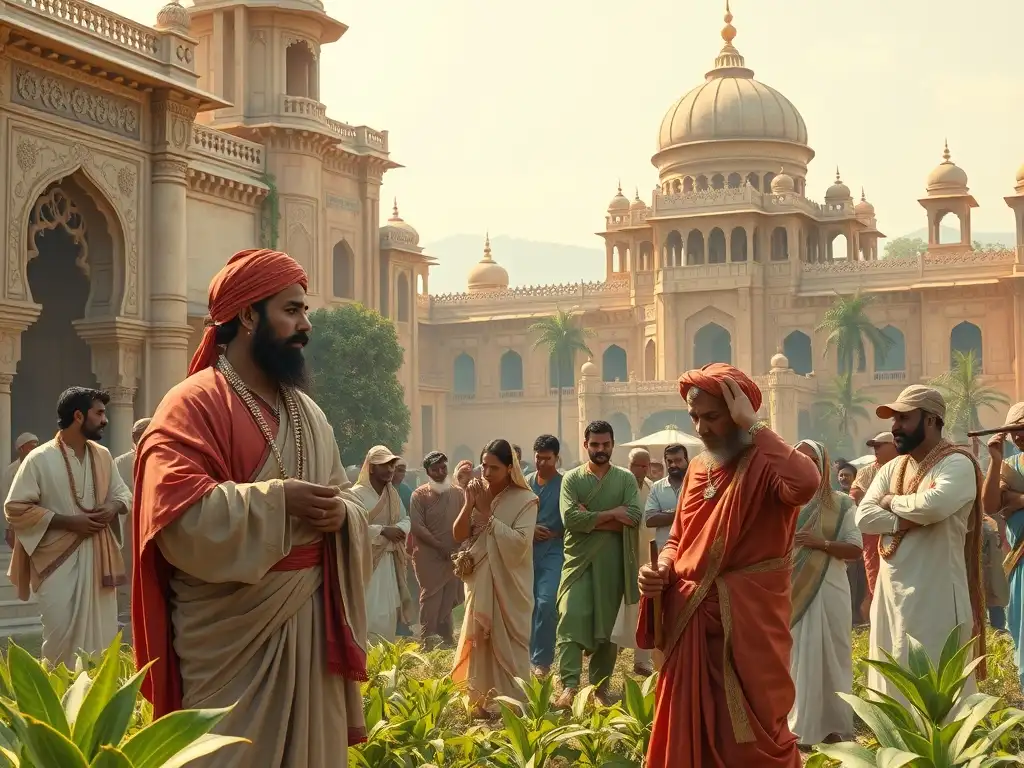
The Maurya Empire, one of the largest and most influential empires in ancient India, flourished from approximately 322 BCE to 185 BCE. Established by Chandragupta Maurya, the empire marked a significant turning point in Indian history, characterized by political unification, economic advancement, and cultural exchange. Under the guidance of notable rulers, particularly Ashoka the Great, the Maurya Empire expanded its territory and influence, reaching the pinnacle of its power.
Historical Context of the Maurya Empire
The rise of the Maurya Empire occurred during a period of fragmentation in the Indian subcontinent, following the decline of the Nanda Dynasty. The empire emerged as a response to the need for centralized governance and stability. Chandragupta Maurya, inspired by the teachings of Chanakya (also known as Kautilya), successfully overthrew the Nandas and established a centralized administration.
The Maurya Empire's historical context is also crucial to understanding its social hierarchy. The time was marked by the interaction of various cultures and ideas, including the influence of Persian and Greek civilizations after Alexander the Great's incursion into India. This interaction contributed to the exchange of knowledge, trade, and cultural practices that shaped the empire's societal structure.
Key developments during this period included:
- Centralized Administration: The establishment of a bureaucratic system that allowed for effective governance over vast territories.
- Economic Prosperity: Trade routes expanded, leading to increased commerce and wealth, which in turn supported the empire’s infrastructure and military.
- Cultural Flourishing: The period saw advancements in art, architecture, and literature, many of which were patronized by the Mauryan rulers.
Key Figures in the Formation of the Maurya Empire
Several key figures played pivotal roles in the formation and consolidation of the Maurya Empire, each contributing uniquely to its social hierarchy and governance.
- Chandragupta Maurya: The founder of the Maurya Empire, Chandragupta, transformed a small kingdom into a vast empire through military conquests and shrewd alliances. His reign established the framework for the empire's social and political structures.
- Chanakya (Kautilya): A brilliant strategist and philosopher, Chanakya was instrumental in guiding Chandragupta. His work, the Arthashastra, outlines governance, economic policies, and military strategy, serving as a crucial reference for the administration of the Maurya Empire.
- Ashoka the Great: Perhaps the most renowned Mauryan ruler, Ashoka expanded the empire to its greatest territorial extent and later embraced Buddhism, promoting non-violence and moral governance. His edicts, inscribed on pillars and rocks, emphasized social welfare and ethical conduct, shaping the moral fabric of Mauryan society.
- Bindusara: Ashoka’s father, Bindusara, played a significant role in consolidating the empire's power. His reign focused on maintaining stability and expanding the empire's territories, which laid the groundwork for Ashoka’s later achievements.
- Nandas: Although overthrown, the Nanda Dynasty’s administrative practices and wealth significantly influenced the Maurya Empire’s formation. Chandragupta’s rise to power was a direct response to the challenges posed by the Nandas, underlining the importance of prior dynasties in shaping the social hierarchy.
These figures not only shaped the political landscape of the Maurya Empire but also influenced its social hierarchy, establishing a system that would have lasting impacts on the Indian subcontinent’s cultural and social dynamics. Understanding their contributions provides insight into the complexities of the Maurya Empire's social structure and its historical significance.
The Class Structure of the Maurya Empire
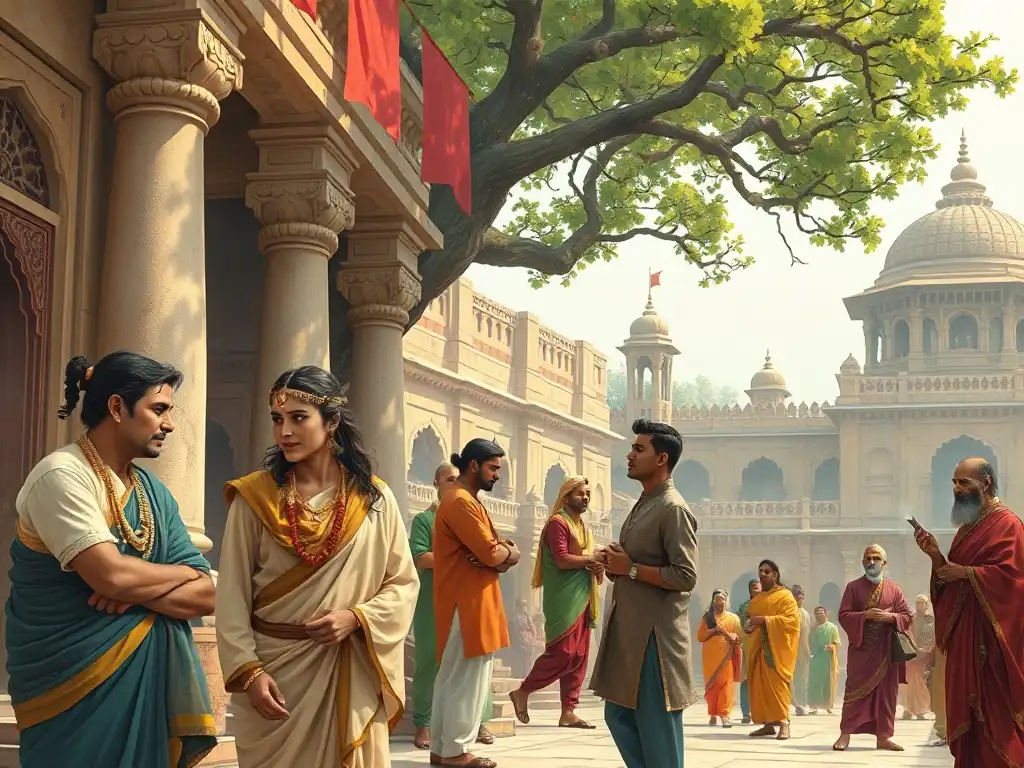
The social hierarchy in ancient India, particularly during the Maurya Empire, was a complex system that organized individuals into various classes based on their occupation, birth, and societal roles. This stratification was deeply rooted in the Varna system, which categorized society into four primary classes, each with distinct responsibilities and privileges. The social hierarchy was not merely a reflection of economic status but intertwined with religious beliefs, cultural practices, and the governance of the empire.
The concept of social hierarchy in the Maurya Empire emphasized the importance of maintaining order and stability within society. Each class had specific duties that contributed to the welfare of the state, reinforcing the idea that social roles were divinely ordained. This rigid structure played a significant role in the administration and functioning of the Maurya Empire, influencing everything from politics to daily life.
The Four Main Classes (Varna) in Maurya Society
The Maurya Empire's social hierarchy was primarily divided into four main classes, known as Varna. Each class held a pivotal role in the empire's structure, contributing to its stability and prosperity. Here’s a closer look at each of these classes:
Brahmins: The Priestly Class
Brahmins occupied the highest position in the Maurya Empire's social hierarchy. They were responsible for conducting religious rituals, preserving sacred texts, and providing spiritual guidance to the populace. Their influence extended beyond religion, as they often served as advisors to kings and played crucial roles in the administration.
Key Characteristics of Brahmins:
- Education and Knowledge: Brahmins were well-versed in Vedic texts and philosophy, often regarded as the intellectual elite.
- Religious Authority: They performed essential rituals and sacrifices, ensuring the appeasement of deities and the maintenance of cosmic order.
- Social Influence: Their close association with the ruling class granted them considerable power over governance and policy decisions.
Kshatriyas: The Warrior Class
The Kshatriyas were the warrior class, tasked with protecting the realm and upholding justice. They were responsible for military leadership and governance, often taking on roles as kings or nobles. The Kshatriyas ensured the security and expansion of the empire through their martial prowess.
Key Characteristics of Kshatriyas:
- Military Training: Kshatriyas were trained from a young age in warfare, strategy, and leadership.
- Royalty and Governance: Many Kshatriyas held positions of power, ruling over regions and serving as generals in battles.
- Code of Honor: They adhered to a strict code of conduct that emphasized bravery, loyalty, and honor in both warfare and governance.
Vaishyas: The Merchant and Agricultural Class
The Vaishyas formed the backbone of the Maurya Empire's economy, engaging in agriculture, trade, and commerce. This class was essential for the economic prosperity of the empire, as they provided the necessary resources and goods for sustenance and trade.
Key Characteristics of Vaishyas:
- Economic Role: Vaishyas were involved in farming, animal husbandry, and trade, facilitating the flow of goods within and beyond the empire.
- Wealth Accumulation: Through commerce and agriculture, many Vaishyas accumulated significant wealth and played a crucial role in the marketplace.
- Cultural Exchange: Their trade activities enabled cultural interactions with neighboring regions, fostering economic and cultural growth.
Shudras: The Labor Class
At the bottom of the social hierarchy were the Shudras, who comprised the labor class. Their primary role was to serve the needs of the three higher classes, engaging in various forms of manual labor and providing essential services.
Key Characteristics of Shudras:
- Occupational Diversity: Shudras worked as artisans, laborers, and service providers, contributing to the daily functions of society.
- Limited Rights: They had fewer privileges compared to the other classes and were often subject to the authority of the higher classes.
- Cultural Contributions: Despite their lower status, Shudras played a vital role in the cultural and economic fabric of the Maurya Empire through their craftsmanship and labor.
The Maurya Empire's social hierarchy was a defining feature of its civilization, shaping the roles and interactions of its people. Understanding this structure provides valuable insights into the governance, culture, and daily life of one of ancient India's most significant empires.
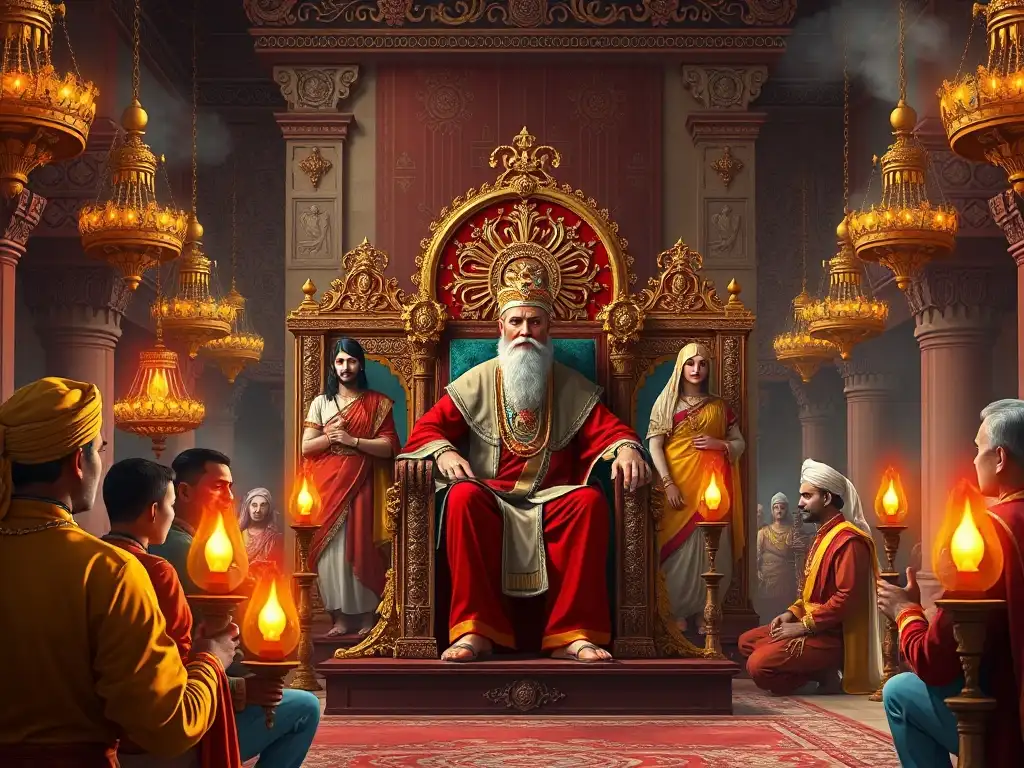
Chandragupta Maurya: The Founder of the Empire
Chandragupta Maurya, the founder of the Maurya Empire, played a pivotal role in shaping the social hierarchy of ancient India. His rise to power marked the end of the Nanda dynasty and the beginning of a new era characterized by centralized governance and a structured society.
Contributions to Social Structure
- Centralization of Power: Chandragupta established a highly centralized administration, which was crucial for enforcing social order. This centralization allowed for a more defined class structure, where roles and responsibilities were clearly delineated among various groups.
- Legal Framework: He implemented a legal code that governed various aspects of life, including trade, agriculture, and social obligations. This legal framework not only facilitated commerce but also reinforced social norms, establishing the expectations for each class.
- Military Organization: The creation of a strong military under Chandragupta provided security and stability, allowing the social hierarchy to flourish. The military class, or Kshatriyas, gained prominence, and their role in governance and protection of society became well-defined.
- Promotion of Agrarian Society: Chandragupta emphasized agriculture, which was the backbone of the Maurya economy. This focus on agrarianism solidified the position of the peasant class (Vaishyas) within the social hierarchy, as they were crucial for sustaining the empire’s economy.
- Integration of Diverse Cultures: The Maurya Empire encompassed a vast geographic area with diverse cultures. Chandragupta's policies encouraged the integration of various groups into the social hierarchy, promoting a sense of unity and stability across the empire.
Ashoka the Great: The Philosopher-King
Ashoka, the grandson of Chandragupta Maurya, is often regarded as one of the greatest rulers in Indian history. His reign is notable not just for military conquests but for profound changes in the social and ethical landscape of the Maurya Empire.
Reforms in Social and Ethical Norms
- Promotion of Dharma: Ashoka's adoption of Buddhism significantly influenced his approach to governance and social ethics. He promoted the concept of Dharma (moral law), which emphasized non-violence, compassion, and social responsibility, reshaping the moral framework of the empire.
- Edicts and Inscriptions: Ashoka's edicts, inscribed on pillars and rocks throughout the empire, communicated his vision for a just society. These edicts encouraged harmonious living, respect for all forms of life, and the importance of ethical behavior, thereby reinforcing social norms.
- Social Welfare Initiatives: Under his reign, various welfare programs were initiated, aimed at improving the lives of the common people. This included the establishment of hospitals, the planting of trees for shade and comfort, and the promotion of education, which uplifted the status of the lower classes.
- Religious Tolerance: Ashoka's policies promoted religious tolerance and acceptance of diverse beliefs. This inclusivity allowed various communities to coexist peacefully, thereby stabilizing the social hierarchy and reducing conflicts that could disrupt societal order.
- Women’s Status: Although time and societal norms were different, Ashoka’s policies also hinted at improving the status of women in society. By advocating for social justice, he indirectly contributed to the recognition of women's roles and rights within the family and society.
Both Chandragupta Maurya and Ashoka the Great were instrumental in shaping the Maurya Empire’s social hierarchy. Their contributions laid the groundwork for a structured society that balanced power, ethics, and social responsibilities, influencing subsequent generations and the evolution of Indian civilization.
Kautilya (Chanakya): The Political Strategist
Kautilya, famously known as Chanakya, was a pivotal figure in the establishment and administration of the Maurya Empire. His contributions as a political strategist, philosopher, and economist are well-documented in ancient texts, particularly in the "Arthashastra," which serves as a significant treatise on statecraft and economic policy. Chanakya's insights into governance laid the groundwork for the social hierarchy that defined the Maurya Empire, influencing both the political structures and the societal norms of the time.
Born into a Brahmin family, Kautilya was not merely a scholar but a master manipulator of political power. His rivalry with the Nanda dynasty led him to support Chandragupta Maurya, the founder of the Maurya Empire. Together, they worked to overthrow the Nandas, and Kautilya became the chief adviser to Chandragupta, guiding him through the complexities of ruling a vast empire. His strategic acumen enabled the Maurya Empire to flourish, emphasizing the necessity of a structured hierarchy to maintain order and stability.
Influence on Governance and Class Relations
Kautilya's vision for the Maurya Empire's governance was deeply intertwined with the social hierarchy of the time. He believed in the importance of a well-defined class system, which would ensure that each group performed its designated role efficiently. In the "Arthashastra," he categorized society into four primary varnas: Brahmins (priests and scholars), Kshatriyas (warriors and rulers), Vaishyas (traders and farmers), and Shudras (laborers and servants). This classification became instrumental in establishing a social order that benefitted the empire’s stability and productivity.
Kautilya emphasized meritocracy, asserting that individuals should rise in social status based on their capabilities rather than solely on their birth. This principle allowed for a degree of mobility within the rigid caste system, as individuals from lower castes could attain positions of influence if they demonstrated skill and loyalty. For instance, many administrators and military leaders in the Maurya Empire emerged from humble backgrounds, thanks to Kautilya’s policies that encouraged talent over lineage.
Moreover, Kautilya’s pragmatic approach to governance included the use of spies and intelligence networks, which played a crucial role in maintaining the social hierarchy. By gathering information about different classes and their grievances, he was able to implement policies that addressed issues before they escalated into larger conflicts. His focus on stability and order ensured that the social classes remained in balance, fostering a sense of unity among the diverse populations of the Maurya Empire.
Kautilya’s influence on governance and class relations during the Maurya Empire was profound. His strategic insights not only shaped the political landscape but also reinforced the social hierarchy, creating a dynamic yet structured society that would endure for centuries.
Status of Women in Maurya Society
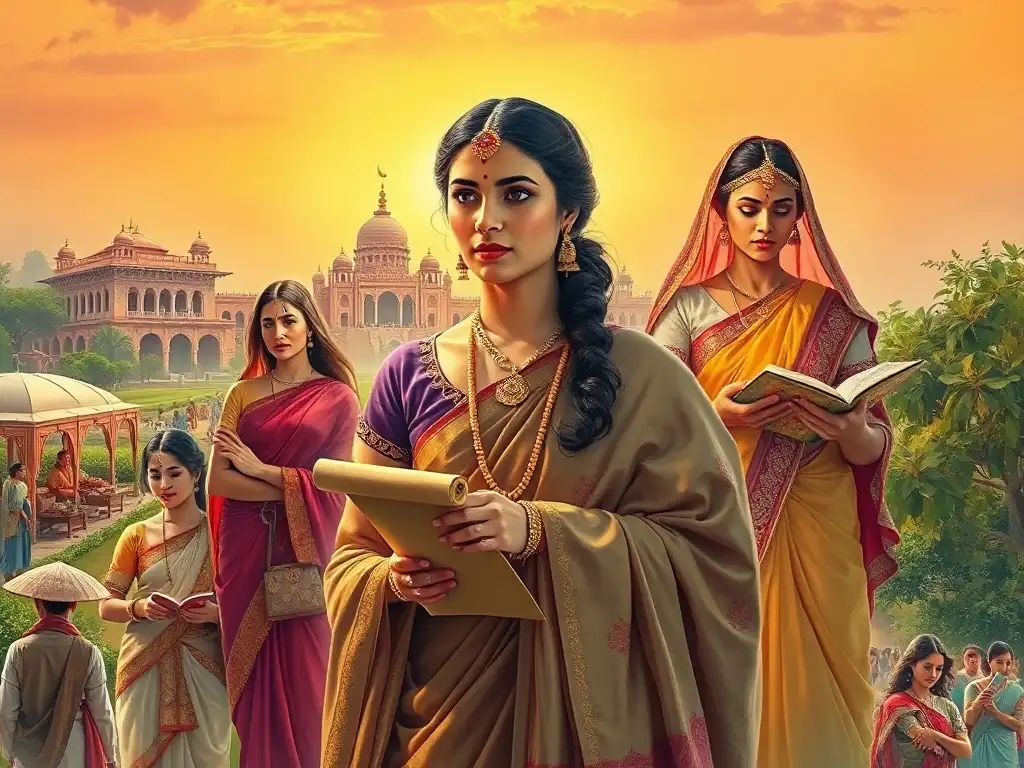
In the Maurya Empire, women occupied a complex position within the social hierarchy, influenced by a blend of traditional norms and evolving cultural practices. The status of women varied significantly based on their social class, caste, and regional customs. Despite being largely patriarchal, the Maurya society afforded women certain rights and roles that were pivotal in shaping their lives.
- Social Class and Caste Influence:
- Upper-Class Women: Women from the Kshatriya (warrior) and Brahmin (priestly) classes often enjoyed privileges, including education and participation in cultural events. They played key roles in political alliances through marriages.
- Lower-Class Women: In contrast, women from the Shudra (laborer) class faced more restrictions, often confined to domestic roles and labor-intensive tasks.
- Legal Rights:
- Women had legal rights concerning property inheritance, although these were often limited. Some texts indicate that they could own and manage property but were generally expected to depend on male guardians.
- Marriage was a significant institution, often arranged, with women’s consent becoming increasingly acknowledged in later periods.
- Cultural Depictions:
- Literary and artistic sources from the Maurya period, such as the Arthashastra by Kautilya, suggest that women participated in various aspects of social life, including administration and commerce, especially in urban settings.
- The presence of women in religious rituals also indicates their integral role in society, reflecting a level of respect and reverence.
Notable Women Figures and Their Impact
The Maurya Empire also witnessed the emergence of remarkable women who contributed significantly to its cultural and political landscape. Their stories often serve as a testament to the critical roles women played during this era.
- Queen Chandragupta:
- The wife of Chandragupta Maurya, she is often celebrated for her intelligence and influence in the political sphere. Historical accounts suggest that she was instrumental in advising her husband during the establishment of the empire.
- Her legacy is viewed as a symbol of female empowerment and leadership within a male-dominated society.
- Empress Durdhara:
- As the wife of Bindusara, Durdhara is noted for her role in the royal court. Her son, Ashoka, would later become one of the most revered rulers of the Maurya Empire.
- Durdhara’s position exemplifies the often unseen influence that royal women had on lineage and governance.
- Sanghamitra:
- The daughter of Ashoka, Sanghamitra is recognized for her missionary work in spreading Buddhism, particularly in Sri Lanka. Her efforts contributed significantly to the religious and cultural exchange between India and other regions.
- Through her actions, she became a pivotal figure in the history of Buddhism, showcasing how women could impact religion and society positively.
- Cultural Figures:
- Women in the Maurya Empire also participated in arts and literature. Though specific names may not be as prominent, the contributions of women as artisans and performers enriched the cultural tapestry of the empire.
While the Maurya Empire’s social hierarchy was predominantly patriarchal, women played vital roles that influenced various facets of life, from politics to culture. Their contributions, although often understated, were essential in shaping the historical narrative of ancient India.
Hinduism and Its Influence on Class Structure
Hinduism played a pivotal role in shaping the social hierarchy of the Maurya Empire. The caste system, which is often associated with Hinduism, was deeply embedded in the social fabric of ancient Indian civilization. This system comprised four primary varnas (classes):
- Brahmins (priests and scholars)
- Kshatriyas (warriors and rulers)
- Vaishyas (merchants and landowners)
- Shudras (laborers and service providers)
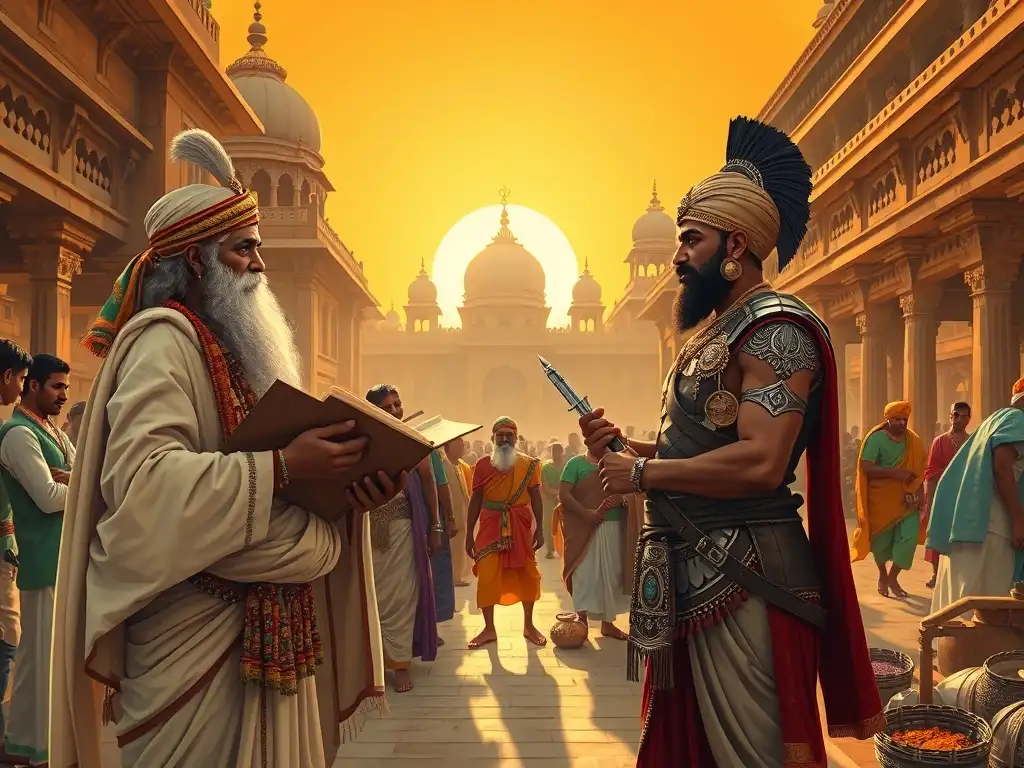
The Brahmins held the highest position in this hierarchy, responsible for religious rituals and the preservation of sacred texts. Their authority was not only spiritual but also intellectual, as they were the custodians of knowledge and education. This dominance of the Brahmin class reinforced a societal structure where knowledge was revered, and those who possessed it wielded significant influence.
The Kshatriyas, as the warrior class, were responsible for protecting and governing the land. Their role was critical during the Maurya Empire, especially under the reign of Chandragupta Maurya and his grandson Ashoka, who emphasized military prowess and territorial expansion. The cooperation between Brahmins and Kshatriyas ensured that religious and political powers were intertwined, often justifying the rulers' authority through divine right.
The concept of dharma (duty) within Hinduism further solidified this social hierarchy. Each varna had its own set of responsibilities and ethical obligations. The adherence to dharma was believed to maintain social order and harmony, making it a vital component of the Maurya Empire's governance.
Buddhism emerged during the time of the Maurya Empire as a significant force advocating for social reform. Founded by Siddhartha Gautama (Buddha), Buddhism challenged the rigidities of the caste system that Hinduism had established. It emphasized the idea of sangha (community) and promoted the notion that one's actions, rather than birth, determined one's worth and spiritual progress.
Under Emperor Ashoka, who converted to Buddhism, these principles gained traction. Ashoka's reign marked a significant shift in the Maurya Empire's social dynamics. He actively promoted the ideas of compassion, non-violence, and equality, which resonated with a broader audience beyond the elite castes. Ashoka's edicts encouraged the treatment of all individuals with respect, regardless of their caste, and advocated for the welfare of the common people.
This shift led to a more inclusive approach to governance. Buddhism's emphasis on moral behavior and community service inspired various reforms that sought to alleviate the burdens placed on the lower castes. Ashoka's efforts in establishing hospitals, roads, and educational institutions were pivotal in improving the lives of those traditionally marginalized within the societal structure.
The contrast between the entrenched caste system of Hinduism and the egalitarian principles of Buddhism created a dynamic interplay within the Maurya Empire's social hierarchy. While Hinduism provided the foundation for social organization, Buddhism offered a path toward social mobility and reform, leading to a complex and evolving class structure during this significant period in ancient Indian history.
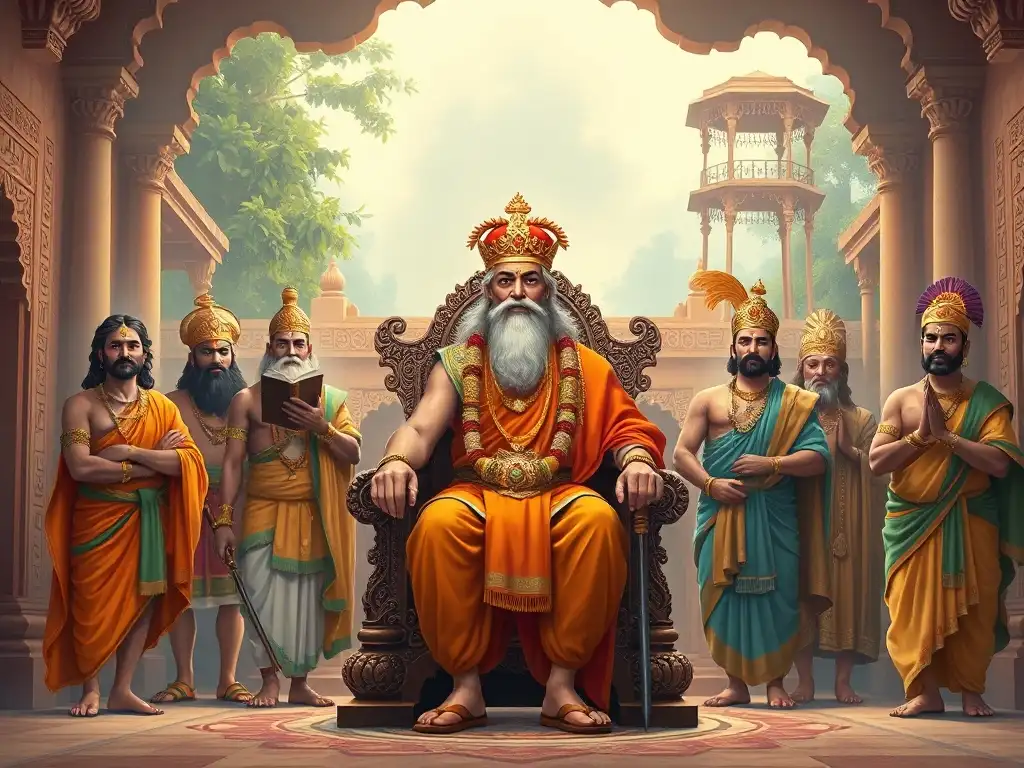
The Maurya Empire social hierarchy left an indelible mark on the social structures of subsequent Indian civilizations. The rigid class system established during this period not only influenced the societal organization of later empires but also reinforced the significance of roles and responsibilities tied to one's social standing. This hierarchy, deeply rooted in both political and economic spheres, shaped the dynamics of power and governance in ancient India.
Lasting Effects on Subsequent Indian Civilizations
The social stratification of the Maurya Empire created a template for future Indian societies. Its impact can be observed in various ways:
- Caste System Formation:
- The foundations laid by the Maurya social hierarchy contributed to the development of the caste system. The delineation of roles among different classes became more pronounced, leading to the establishment of a more rigid caste framework in later periods.
- Influence on Governance:
- The governance model adopted by the Maurya Empire, particularly under the rule of Ashoka, emphasized the role of a centralized authority supported by a bureaucratic framework. This model persisted, influencing the administrative systems of subsequent kingdoms such as the Gupta Empire.
- Economic Division:
- Economic roles established during the Maurya period, such as those of traders, artisans, and farmers, became entrenched in society, dictating economic interactions and labor divisions in later eras.
- Cultural Continuity:
- The art, architecture, and literature of the Maurya Empire set a cultural precedent that continued to resonate through subsequent Indian empires, reflecting the values and ideologies of the social classes that emerged during this time.
- Religious Implications:
- The rise of Buddhism, promoted by Ashoka, highlighted the role of religion in shaping social hierarchies. The subsequent spread of different religious ideologies further influenced social interactions and class structures.
Reflections on Class and Society in Ancient India
The Maurya Empire's social hierarchy reveals much about the class dynamics of ancient Indian society. The stratification was not merely a reflection of economic status but also encompassed elements of education, occupation, and even spirituality. This multifaceted approach to class can be analyzed through various lenses:
- Brahmins and Kshatriyas:
- At the top of the hierarchy, Brahmins (priests and scholars) and Kshatriyas (warriors and rulers) held significant power and influence. Their roles in society were not just confined to religious and military duties but extended to political advisory and governance.
- Vaishyas and Shudras:
- The merchant and artisan class (Vaishyas) played a crucial economic role, while the Shudras, often comprising laborers and service providers, were essential for the functioning of society but held lower status. This division highlights the interdependence among classes, despite the societal hierarchy.
- Social Mobility:
- While the Maurya Empire established a clear hierarchy, there were instances of social mobility, particularly through the accumulation of wealth or merit in service. This aspect of social structure allowed for some flexibility, though it remained limited.
- Gender Roles:
- Gender also played a critical role in the Maurya social hierarchy. Women often found themselves at the margins of this system, with their roles primarily defined by family and marriage. However, there were notable exceptions, such as the influence of royal women in political matters.
The Maurya Empire social hierarchy was a complex and pivotal aspect of ancient Indian civilization. Its legacy extends far beyond its time, influencing the cultural, economic, and political landscapes of the subcontinent. Understanding this hierarchy provides valuable insights into the evolution of Indian society and its enduring class dynamics.
Recommended Books and Articles
To gain a deeper understanding of the Maurya Empire social hierarchy, several scholarly resources provide comprehensive insights into its structure, key figures, and social dynamics. Here are some recommended readings:
- "The Maurya Empire: A Complete History" by R. S. Sharma
- This book offers an extensive overview of the Maurya Empire, focusing on its political, economic, and social frameworks. The author delves into hierarchical structures and how they influenced day-to-day life in ancient India.
- "Maurya and Post-Maurya: A Historical Perspective" by R. K. Mishra
- Mishra's work examines the transition from the Maurya period to subsequent empires, highlighting the continuity and change in social hierarchy. It provides critical context for understanding the complexities of class structures during this era.
- "Society in Ancient India: A Study of the Maurya Period" by A. P. Sinha
- A focused exploration of social stratification within the Maurya Empire, this book discusses the roles of various classes, including the Brahmins, Kshatriyas, Vaishyas, and Shudras, and their contributions to society.
- "The Mauryan Empire: A Study in Historical Sociology" by S. L. Bhairav
- Bhairav's analysis offers a sociological perspective on the Maurya Empire, emphasizing the interconnections between social hierarchy and governance, economy, and religion.
- Journal Articles:
- "Caste and Social Hierarchies in Ancient India" - This article provides a critical analysis of the origins and evolution of caste systems during the Maurya period.
- "Political and Social Structures in the Maurya Empire" - A scholarly article that discusses the administrative organization and its impact on social classes.
Online Resources for Exploring Ancient Indian Civilizations
The digital age has made it easier than ever to access valuable resources on the Maurya Empire social hierarchy and ancient Indian civilizations. Here are some noteworthy online platforms:
- Ancient India History Portal
- A comprehensive website dedicated to ancient Indian history, featuring articles, research papers, and timelines that focus on the Maurya Empire and its social structures.
- Google Scholar
- This academic database offers access to a wide range of scholarly articles and theses related to the Maurya Empire. Simply enter keywords such as "Maurya Empire social hierarchy" to find relevant research.
- Project Gutenberg
- An online library of free eBooks, including historical texts and analyses on ancient Indian civilizations. Look for works by early historians that discuss the social aspects of the Maurya Empire.
- Digital South Asia Library (DSAL)
- A rich repository of resources related to South Asian history, including maps, historical texts, and scholarly articles that can provide insights into the social hierarchy of the Maurya Empire.
- YouTube Educational Channels
- Channels such as "CrashCourse World History" and "The History Guy" feature episodes dedicated to ancient India, covering the Maurya Empire's political and social dynamics in an engaging format.
These resources will enhance your understanding of the Maurya Empire's social hierarchy and its broader implications within ancient Indian civilization.
Frequently Asked Questions
The social hierarchy in the Maurya Empire was structured into various classes, including Brahmins, Kshatriyas, Vaishyas, and Shudras, reflecting a complex system of roles and responsibilities.
Key figures included Brahmins (priests and scholars), Kshatriyas (warriors and rulers), Vaishyas (traders and agriculturists), and Shudras (laborers and service providers), each playing vital roles in society.
The social hierarchy influenced many aspects of daily life, including occupation, marriage, and social interactions, often restricting movement between classes and defining societal norms.
What role did Buddhism play in the Maurya Empire?
Under Emperor Ashoka, Buddhism promoted social reforms that emphasized compassion and the welfare of all classes, challenging certain aspects of the traditional social hierarchy.
The Maurya Empire provided insights into ancient social structures through its administrative practices and legal codes, which documented the rights and duties of different classes, influencing future Indian societies.
The exploration of the Maurya Empire's social hierarchy reveals not only the complexities of its class structure but also its profound relevance in today's discussions about social stratification and equity. As we navigate a world still grappling with issues of inequality and class division, understanding the historical context of such hierarchies becomes crucial. The Maurya Empire serves as a powerful reminder of how social systems shape societies and the lives of individuals within them.
The influence of the Maurya Empire's social hierarchy continues to resonate in our cultural and social landscapes. By examining the roles of key figures within this structure, we gain insights into the dynamics of power, privilege, and responsibility that persist in various forms today. The lessons drawn from this ancient civilization encourage us to reflect on our own societal frameworks.
As Mahatma Gandhi once said, "> The true measure of any society can be found in how it treats its most vulnerable members." This perspective invites us to consider how we can foster inclusivity and equity in our contemporary world.
As we conclude this exploration, I invite you to reflect on the implications of the Maurya Empire's social hierarchy in your own life. Consider how the lessons from history can inspire you to challenge existing inequalities and advocate for a more just society. Let the stories of those who navigated the complexities of their social standing motivate you to engage actively in shaping a future where everyone has the opportunity to thrive, regardless of their background. Together, we can learn from the past and work towards a more equitable world.
Unveil the Layers of History and Take Action!
Thank you for diving into the fascinating world of the Maurya Empire's social hierarchy! You've enriched your understanding of the intricate class structures that shaped ancient India. Now, let’s turn this knowledge into meaningful action.
- Explore deeper! Choose a prominent figure from the Maurya Empire who captured your interest and investigate their influence on the society and politics of their time.
- Share your insights! Engage in discussions with friends or on social media about what you learned to spark conversations about ancient India's rich history.
- Engage with the community! Join our forum or comment below to share your thoughts on the impacts of social hierarchy in the past and its relevance in today's society.
What aspect of the Maurya Empire's social structure surprised you the most, and why? Let's continue the conversation!