
Innovations in Ancient Indian Agriculture: From Plows to Harvesting Tools

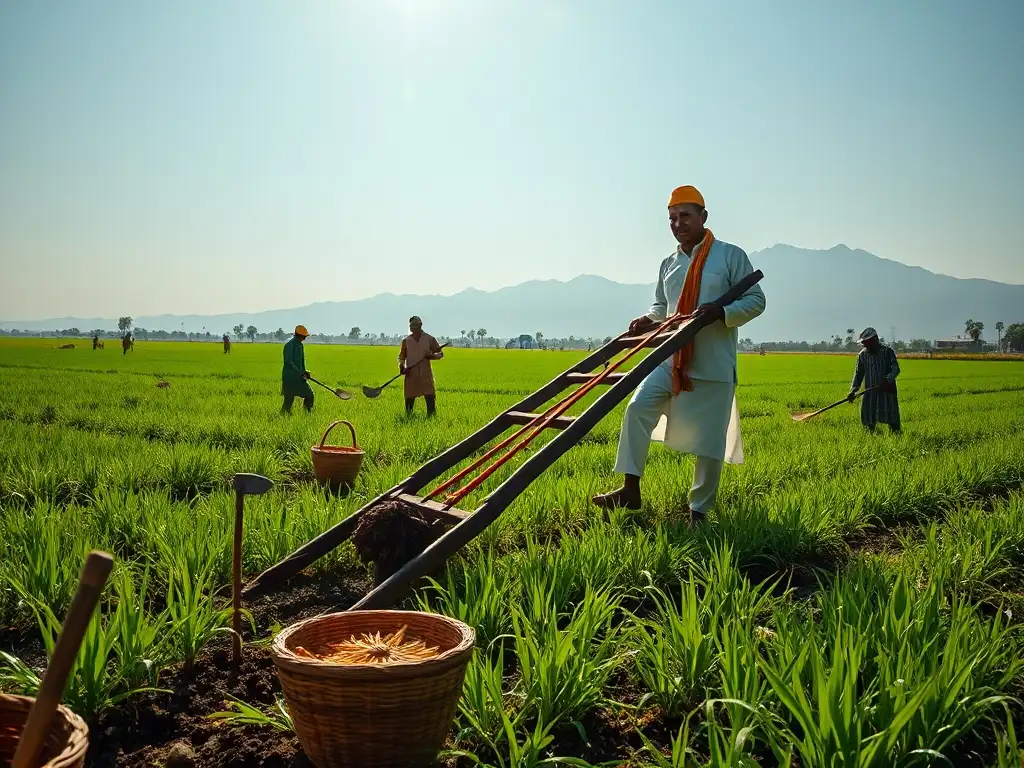
Welcome to Ancient India History, where we embark on an enlightening journey through the vibrant tapestry of India's past. In this exploration, we delve into the remarkable innovations in ancient Indian agriculture, a cornerstone of civilization that nurtured societies from the fertile plains of the Indus Valley to the flourishing Gupta Empire. Discover how ingenious tools and techniques transformed the agricultural landscape, laying the groundwork for economic prosperity and cultural growth. Are you ready to unearth the secrets behind these agricultural marvels? Let’s dig deeper into the roots of innovation that shaped ancient India!

Introduction to Ancient Indian Agriculture Innovations
The innovations in ancient Indian agriculture played a pivotal role in shaping not only the local economy but also the cultural and social structures of early Indian civilizations. From the sophisticated urban planning of the Indus Valley Civilization to the agrarian advancements of the Gupta Empire, the evolution of farming tools and techniques reflects a deep understanding of both the environment and agricultural science. This article delves into the rich tapestry of ancient Indian agriculture innovations, exploring the critical developments that helped sustain these civilizations and contributed significantly to their growth and prosperity.
Overview of Agricultural Practices in Ancient India
Agriculture in ancient India was characterized by a mix of traditional practices and innovative techniques that evolved over centuries. The fertile plains of the Indus River and the Ganges facilitated the growth of various crops, while the agrarian lifestyle became the backbone of societal organization. Key practices included:
- Crop Rotation: Farmers rotated different crops each season to enhance soil fertility.
- Irrigation Systems: Advanced irrigation techniques, such as canals and wells, were developed to manage water supply efficiently.
- Use of Fertilizers: Organic fertilizers, derived from animal waste and plant residues, were employed to enrich the soil.
These practices not only improved yield but also laid the foundation for the agricultural economy that supported diverse cultures across the Indian subcontinent.
Importance of Innovations in Ancient Indian Agriculture
The significance of agricultural innovations in ancient India cannot be overstated. These advancements led to:
- Increased Productivity: New tools and methods allowed for higher crop yields and better land management.
- Economic Development: A surplus in agricultural production contributed to trade, urbanization, and the rise of complex societies.
- Cultural Exchange: The growth of agriculture facilitated the interaction between different cultures, leading to the exchange of knowledge and practices.
Ultimately, these innovations were crucial in establishing a sustainable agricultural framework that could support a growing population and foster economic stability.
Early Agricultural Techniques in Ancient India
The Rise of Agriculture in the Indus Valley Civilization
The Indus Valley Civilization (c. 3300–1300 BCE) is often regarded as the cradle of early agriculture in India. Evidence suggests that the inhabitants practiced a form of settled agriculture, cultivating staples such as wheat, barley, and pulses. Key features included:
- Use of the Plow: The introduction of the plow revolutionized farming, making it easier to till soil and prepare land for planting.
- Granaries: Large granaries have been discovered in sites like Harappa and Mohenjo-Daro, indicating advanced storage techniques for surplus grains.
This era marked a transformative shift from nomadic lifestyles to agrarian societies, setting the stage for subsequent innovations.
Traditional Farming Methods and Their Impact
In addition to technological advancements, traditional farming methods played a significant role in shaping ancient Indian agriculture. Techniques such as intercropping, where multiple crops were grown in proximity, helped to maximize space and resources. Moreover, the practice of using natural pest control methods, such as the introduction of beneficial insects, showcased an early understanding of ecological balance.
The impact of these traditional methods extended beyond agriculture; they influenced social structures, community organization, and even spiritual beliefs, creating a holistic approach to living in harmony with nature.
The innovations in ancient Indian agriculture form a crucial part of the history of the subcontinent, reflecting the ingenuity and adaptability of its civilizations. As we explore these advancements further, we will uncover the specific tools and techniques that defined agricultural practices from the Indus Valley to the Gupta Empire.
Key Innovations in Ancient Indian Agriculture
Ancient Indian agriculture was marked by a series of significant innovations that laid the foundation for sustainable farming practices. These advancements not only enhanced agricultural productivity but also facilitated the rise of complex societies. Some of the key innovations include:
- Plowing Techniques: The introduction of the plow revolutionized land cultivation, making it easier to turn over soil, mix in nutrients, and prepare fields for sowing.
- Irrigation Systems: Ancient Indians developed sophisticated irrigation systems, including canals and wells, which allowed for the cultivation of crops in regions with limited rainfall.
- Crop Diversity: Farmers began experimenting with a variety of crops, leading to a more diversified agricultural system that could withstand pests and diseases.
- Harvesting Methods: Innovations in harvesting techniques, including the development of sickles and other tools, improved efficiency and reduced labor.
These innovations not only contributed to increased food production but also supported trade and economic growth within ancient Indian civilizations.
Development of Plows and Their Significance
The development of plows in ancient India was a transformative event for agriculture. Early plows were simple wooden tools drawn by oxen, designed to break up the soil and prepare it for planting. Over time, these plows evolved into more sophisticated implements, often made of iron, which allowed for deeper tilling and better soil aeration.
The significance of plows lies in their ability to:
- Enhance Soil Fertility: By turning over the soil, plows helped incorporate organic matter and nutrients, promoting healthier crop growth.
- Increase Cultivation Area: Plowing allowed farmers to cultivate previously unusable land, thereby expanding agricultural output.
- Support Larger Communities: The efficiency of plowed fields enabled the support of larger populations, fostering urbanization and social complexity.
The innovation of the plow marked a critical step in the evolution of agricultural practices, setting the stage for more advanced farming techniques in later periods.
Irrigation Systems and Water Management
Effective water management was crucial in ancient Indian agriculture, particularly in regions with inconsistent rainfall. The development of irrigation systems allowed farmers to irrigate their fields, ensuring a steady water supply for crops.
Key features of ancient Indian irrigation include:
- Construction of Canals and Dams: Ancient civilizations, such as those in the Indus Valley, built extensive canal systems to divert river water to their fields, enabling them to cultivate during dry seasons.
- Use of Stepwells: Stepwells were ingeniously designed to access groundwater, providing a reliable source of irrigation and drinking water.
- Rainwater Harvesting Techniques: Farmers implemented systems to collect and store rainwater, maximizing the use of available resources.
These innovations in water management not only improved agricultural yields but also contributed to social organization and community cooperation in constructing and maintaining these systems.
Crop Rotation and Agricultural Diversity
Ancient Indian farmers practiced crop rotation and diversified their crops to enhance soil fertility and reduce pest infestations. This method involved alternating different crops in the same field over different seasons, which offered several benefits:
- Soil Nutrient Management: Different crops have varying nutrient requirements and root structures, which help maintain soil health and prevent depletion of specific nutrients.
- Pest and Disease Control: Rotating crops disrupted the life cycles of pests and diseases, reducing the need for chemical interventions and promoting healthier ecosystems.
- Increased Food Security: By planting a variety of crops, farmers ensured a more reliable food supply, lessening the risk of famine due to crop failures.
The practice of crop rotation and diversification exemplified the ancient Indian understanding of ecological balance and sustainability in agriculture.
Harvesting Tools in Ancient Indian Agriculture
Harvesting tools were essential for ensuring that crops were efficiently collected and processed in ancient India. Innovations in this area significantly improved the productivity of agricultural practices, allowing for greater yields and reduced labor.
Evolution of Harvesting Tools and Techniques
The evolution of harvesting tools in ancient India was driven by the need for efficiency and effectiveness in crop collection. Early harvesting tools were primarily simple hand-held implements, but they gradually evolved into more specialized instruments.
Some notable tools and techniques included:
- Sickles: The introduction of curved sickles allowed for quicker cutting of crops like wheat and barley, making harvesting less labor-intensive.
- Threshing Tools: These were developed to separate grains from chaff, enhancing the efficiency of post-harvest processing.
- Community Harvesting Techniques: In many regions, communal harvesting practices emerged, where groups of farmers would work together to harvest large fields, maximizing efficiency and fostering social bonds.
The evolution of these tools reflects the ingenuity of ancient Indian societies and their ability to adapt to agricultural challenges.
The Role of Community in Harvesting Practices
Community played a vital role in harvesting practices throughout ancient India. Harvesting was often a collective effort, with neighbors and family members coming together to assist one another. This communal approach had several important implications:
- Shared Labor: By working together, communities could complete harvesting tasks more quickly, ensuring that crops were gathered before spoilage occurred.
- Cultural Practices: Harvesting festivals and rituals often accompanied the harvest, strengthening community ties and celebrating agricultural bounty.
- Knowledge Transfer: Experienced farmers shared their techniques and expertise with less experienced individuals during communal harvesting, fostering a culture of learning and innovation.
The communal aspect of harvesting not only enhanced agricultural productivity but also contributed to social cohesion and cultural identity in ancient Indian societies.
Technological Advancements and Their Effects on Sustainability

Ancient Indian agriculture was marked by significant technological advancements that played a crucial role in promoting sustainability. The development of farming tools and techniques allowed for more efficient land use, reduced labor intensity, and improved crop yields. Innovations such as the wooden plow, developed around 2500 BCE, revolutionized tilling practices. This implement enabled farmers to cultivate larger areas of land with less effort, leading to increased food production.
Furthermore, the introduction of irrigation systems, including canals and wells, allowed for the effective management of water resources in arid and semi-arid regions. These systems not only ensured consistent water supply for crops but also reduced dependence on seasonal rainfall, thereby mitigating the risks associated with droughts. Overall, these technological advancements contributed to a more sustainable agricultural model by enhancing productivity while preserving the ecological balance.
Innovations That Promoted Sustainable Farming Practices
Several key innovations in ancient Indian agriculture were instrumental in promoting sustainable farming practices. One such innovation was the practice of crop rotation, which involved alternating different crops on the same land to improve soil fertility and reduce pest infestations. This method not only enhanced the soil's nutrient content but also minimized the reliance on chemical fertilizers, fostering a healthier ecosystem.
Additionally, the use of organic fertilizers, such as cow dung and compost, was prevalent. These natural fertilizers enriched the soil without the detrimental effects of synthetic alternatives, supporting long-term soil health. Techniques like intercropping—growing different crops in proximity—further enhanced biodiversity, reduced soil erosion, and improved resilience against climatic variations.
Moreover, the ancient Indian approach to agroforestry, integrating trees and shrubs into agricultural landscapes, provided multiple benefits, including shade for crops, habitat for beneficial insects, and additional sources of income through timber and fruit production. These sustainable practices reflect a deep understanding of ecological dynamics, showcasing how ancient Indian farmers adeptly balanced productivity with environmental stewardship.
Conclusion: The Legacy of Ancient Indian Agriculture Innovations
The innovations in ancient Indian agriculture have left a remarkable legacy that resonates through time. The sophisticated techniques and tools developed during this period laid the foundation for agricultural practices that would influence generations. The emphasis on sustainability and efficiency in farming not only supported the growing populations of ancient India but also contributed to the economy and social structure of early civilizations.
Lasting Influence on Modern Agricultural Practices
Today, many principles derived from ancient Indian agricultural innovations continue to shape modern farming practices. Techniques such as organic farming, crop rotation, and permaculture are gaining traction as sustainable methods to address contemporary agricultural challenges. The emphasis on ecological balance and resource management seen in ancient practices is echoed in modern sustainable agriculture movements, highlighting the timeless nature of these innovations.
Furthermore, the wisdom of utilizing local resources and respecting the environment remains relevant in addressing the global challenges of food security and climate change. By revisiting and integrating these ancient practices, modern agriculture can enhance sustainability, promote biodiversity, and ensure food production is viable for future generations.
Reflection on the Cultural Significance of Agricultural Innovations in Ancient India
The agricultural innovations of ancient India were not merely technical advancements; they were deeply intertwined with the culture and societal values of the time. Agriculture was central to the livelihoods of ancient Indian communities, shaping their social structures, religious practices, and daily lives. The agrarian lifestyle fostered a close relationship with the land, leading to a rich tradition of agricultural festivals, rituals, and practices that celebrated the cycles of nature.
Moreover, agricultural surplus enabled the rise of urban centers, trade, and economic prosperity, reflecting the transformative impact of these innovations on society. This cultural significance underscores the importance of agricultural advancements as foundational elements of ancient Indian civilization, illustrating how they contributed to the development of a complex and vibrant society that valued harmony with nature and sustainable living.
References
Ancient Indian agriculture innovations have significantly influenced agricultural practices not just in India, but across the globe. To deepen your understanding of these innovations, exploring various sources can provide valuable insights into historical practices, tools, and techniques that shaped the agricultural landscape of ancient India.
Recommended Reading on Ancient Indian Agricultural Practices
-
"The Agricultural History of India: From the Earliest Times to the Present Day" by K. R. Gupta
This comprehensive book offers a detailed account of the evolution of agricultural practices in India, highlighting key innovations and their impacts on society.
-
"Ancient Indian Agriculture: A Socio-Economic Perspective" by D. N. Jha
Jha's work delves into the socio-economic aspects of agriculture in ancient India, discussing how innovations in farming techniques influenced trade and community development.
-
"Agriculture in Ancient India" by R. S. Sharma
This book provides an overview of various agricultural practices in ancient India, including the development of tools and the role of agriculture in ancient Indian civilization.
-
"The Indus Valley Civilization: An Analytical Study" by S. R. Rao
This study focuses on the agricultural practices of the Indus Valley civilization, offering insights into their sophisticated irrigation systems and crop cultivation methods.
-
"Historical Geography of Ancient India" by S. B. Chaudhuri
This text examines the geographical factors that influenced ancient Indian agriculture, including climate, topography, and water resources.
Sources for Further Research on Innovations in Agriculture
-
The Indian Council of Historical Research (ICHR)
The ICHR provides various publications and research papers focused on the history of agriculture in India, including studies on ancient innovations.
-
The Archaeological Survey of India (ASI)
ASI's reports and excavation findings offer a wealth of information on ancient agricultural tools and techniques discovered at archaeological sites.
-
Journal of Ancient Indian History
This academic journal publishes articles related to various aspects of ancient Indian history, including agriculture, providing peer-reviewed research on innovations and practices.
-
University Libraries and Online Databases
Access academic databases such as JSTOR, Google Scholar, and university library resources for scholarly articles and theses focused on ancient Indian agricultural practices and innovations.
-
Documentaries and Educational Videos
Look for documentaries that cover ancient Indian history, particularly those focusing on agriculture. These visual resources can provide context and engage with the topic in an accessible format.
- Introduction to Ancient Indian Agriculture Innovations
- Early Agricultural Techniques in Ancient India
- Key Innovations in Ancient Indian Agriculture
- Harvesting Tools in Ancient Indian Agriculture
- Technological Advancements and Their Effects on Sustainability
- Conclusion: The Legacy of Ancient Indian Agriculture Innovations
- References
- What were some key agricultural innovations in ancient India?
- How did the Indus Valley Civilization contribute to agriculture?
- What role did the Gupta Empire play in agricultural advancements?
- How did ancient Indian agricultural practices influence modern farming?
- What were the effects of agricultural innovations on ancient Indian society?
Frequently Asked Questions
What were some key agricultural innovations in ancient India?
Ancient India saw significant innovations such as the plow, irrigation systems, and various harvesting tools that enhanced productivity and efficiency.
How did the Indus Valley Civilization contribute to agriculture?
The Indus Valley Civilization is known for its advanced urban planning and irrigation techniques, which allowed for the effective cultivation of crops in a challenging environment.
What role did the Gupta Empire play in agricultural advancements?
During the Gupta Empire, there was a notable increase in agricultural output due to improved farming techniques, crop rotation, and the introduction of new tools.
How did ancient Indian agricultural practices influence modern farming?
Many ancient agricultural techniques, such as the use of organic fertilizers and crop diversity, laid the foundation for some of today's sustainable farming practices.
What were the effects of agricultural innovations on ancient Indian society?
The innovations in agriculture led to surplus production, which supported urbanization, trade, and a growing population, ultimately shaping the social and economic structure of ancient Indian civilizations.
Final Reflection: The Enduring Legacy of Ancient Indian Agriculture Innovations
The innovations in ancient Indian agriculture are not just relics of the past; they are foundational pillars that continue to shape modern agricultural practices. As we navigate the challenges of food security and sustainable farming today, the ingenuity displayed by our ancestors in developing tools and techniques remains profoundly relevant. The wisdom embedded in these innovations serves as a reminder that the quest for efficiency and sustainability in agriculture is not a new endeavor but a continuation of a rich legacy.
Culture and society have been deeply influenced by the agricultural practices established in ancient India, fostering a connection between the land and its people. The tools and methods developed during this era not only enhanced productivity but also cultivated a sense of community and stewardship towards the environment. Agriculture is the foundation of civilization and any stable economy.
This quote resonates deeply as we reflect on how ancient innovations laid the groundwork for societal progress, highlighting the importance of agriculture in our collective history and future.
As we look ahead, I invite you to reflect on the lessons learned from ancient Indian agriculture innovations and consider how they can inspire your own practices and perspectives. In a world increasingly focused on sustainability and innovation, let us honor the past by integrating these time-tested principles into our modern lives. Whether you are a farmer, a consumer, or simply someone who values the connection between food and culture, take a moment to appreciate the ingenuity of those who came before us and think about how you can contribute to a more sustainable future.
Uncover the Agricultural Innovations of Ancient India!
Thank you for diving into the fascinating world of ancient Indian agriculture! You've gained valuable insights into the remarkable tools and techniques that shaped farming practices long ago. Now, it's time to turn that knowledge into action!
Here’s how you can deepen your exploration and connect with this rich history:
- Visit a local agricultural museum or historical site that showcases ancient farming tools, allowing you to experience these innovations firsthand.
- Share your favorite insights or discoveries about ancient agricultural practices on social media using the hashtag #AncientIndianAgriculture to spark engaging discussions.
- Consider writing a short article or blog post discussing how these ancient techniques could influence modern sustainable agriculture practices.
Which ancient agricultural tool do you believe could have the greatest impact on today's farming methods?