
Ancient Indian Agricultural Festivals: Celebrating Bountiful Harvests

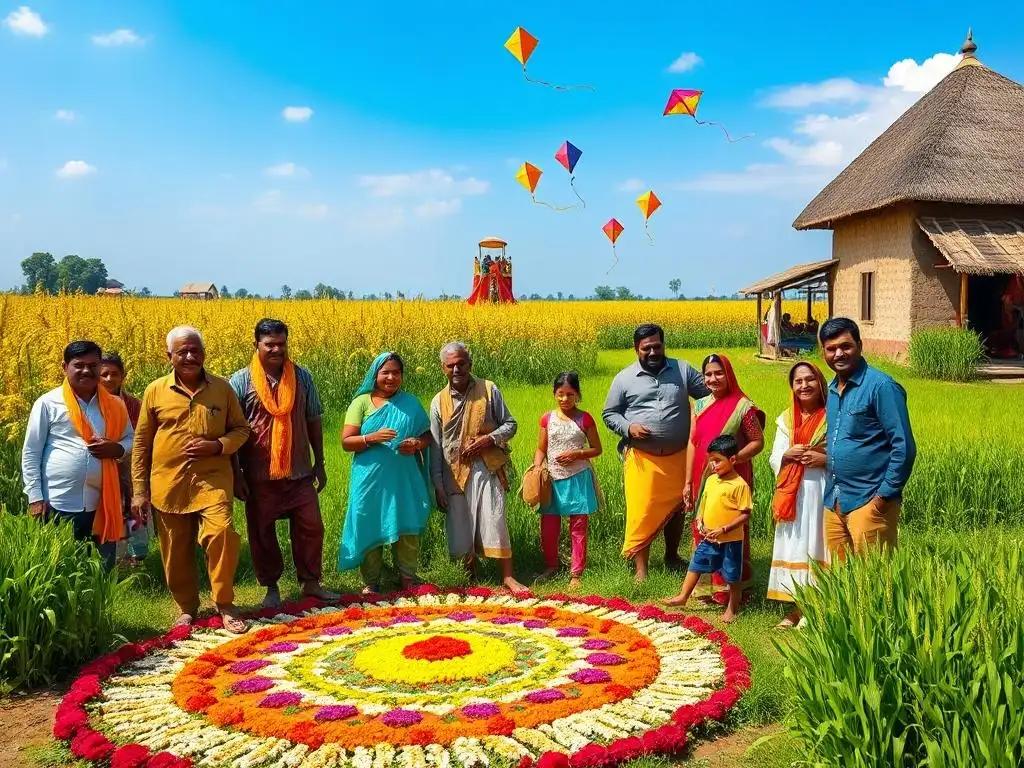
Welcome to Ancient India History, where we embark on a fascinating journey through the vibrant tapestry of ancient Indian civilizations. In this exploration, we delve into the ancient Indian agricultural festivals, remarkable celebrations that not only honored bountiful harvests but also reflected the profound relationship between the people and their land. As we uncover the significance of these festivals, you'll discover how they shaped the economy and culture of ancient India. Join us as we unearth the rich traditions that continue to influence the world today—your adventure into history starts here!
- Introduction to Ancient Indian Agricultural Festivals
- Major Ancient Indian Agricultural Festivals
- Cultural Significance of Agricultural Festivals
- Regional Variations of Agricultural Festivals in Ancient India
- The Role of Agriculture in Shaping Ancient Indian Society
- Conclusion: The Legacy of Ancient Indian Agricultural Festivals
- References and Further Reading on Ancient Indian Agricultural Festivals
- Frequently Asked Questions
- Final Reflection: Celebrating the Roots of Abundance
- Celebrate the Spirit of Harvest: Engage and Explore!
Introduction to Ancient Indian Agricultural Festivals
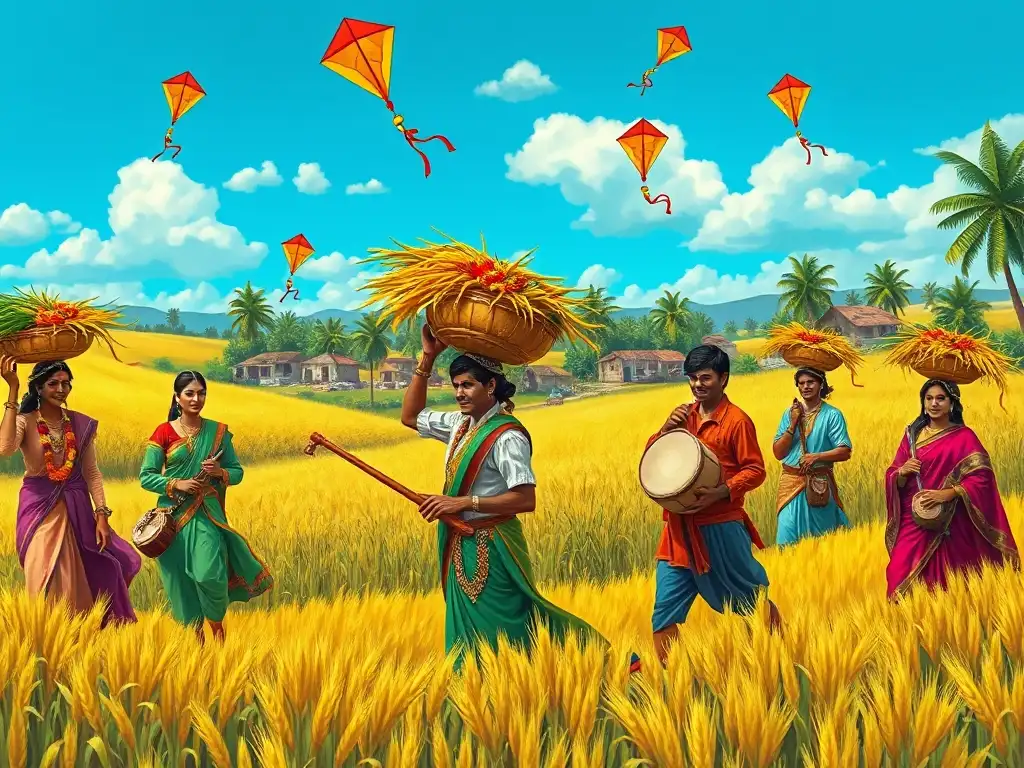
Agricultural festivals in ancient India were not merely celebrations of harvest; they were vibrant manifestations of the agrarian society's connection to nature, community, and spirituality. These festivals marked significant seasonal changes and were deeply intertwined with the agricultural calendar, reflecting the cycles of sowing, growing, and harvesting. From the fertile plains of the Indus Valley to the lush fields of the Gupta Empire, these festivals played a crucial role in sustaining cultural identity and social cohesion.
They provided opportunities for communities to come together, express gratitude to the deities for bountiful harvests, and seek blessings for future prosperity. Understanding these ancient Indian agricultural festivals offers valuable insights into the agricultural practices, beliefs, and values that shaped the civilization.
Importance of Agricultural Festivals in Ancient India
Agricultural festivals in ancient India held a multi-faceted significance, serving various roles within the community:
- Cultural Identity: These festivals fostered a sense of belonging and pride among the agricultural communities. They were a platform for expressing cultural traditions through music, dance, and rituals.
- Economic Significance: Celebrations often coincided with harvest times, marking the culmination of hard work and determination. The festivals not only honored the yield but also stimulated local economies through trade and communal feasting.
- Ritualistic Practices: Many of these festivals included rituals to appease agricultural deities, reflecting the spiritual connection between the people and their land. This was vital for ensuring favorable weather and abundant crops.
- Community Cohesion: Festivals served as communal gatherings, strengthening social bonds. They provided opportunities for collaboration among farmers, sharing resources, and knowledge about agricultural techniques.
Overview of Ancient Indian Agricultural Practices
Ancient Indian agricultural practices were characterized by a deep understanding of the land and its ecosystems. Various techniques and innovations were developed to enhance productivity, including:
- Crop Rotation: Farmers practiced rotating different crops to maintain soil fertility and prevent disease.
- Irrigation Systems: Use of canals and wells for irrigation allowed for the cultivation of crops in arid regions, demonstrating advanced engineering skills.
- Diverse Crop Cultivation: A variety of crops were cultivated, including rice, wheat, barley, and pulses, which ensured food security and dietary diversity.
- Use of Fertilizers: Organic materials, such as compost and animal manure, were utilized to enrich the soil, showcasing sustainable farming practices.
- Traditional Tools: Ancient farmers employed simple but effective tools like plows, sickles, and hoes, which were essential for efficient farming.
By exploring these agricultural practices alongside the festivals, we gain a deeper appreciation of how ancient Indian civilizations thrived and adapted to their environments, laying the groundwork for future agricultural developments.
Major Ancient Indian Agricultural Festivals
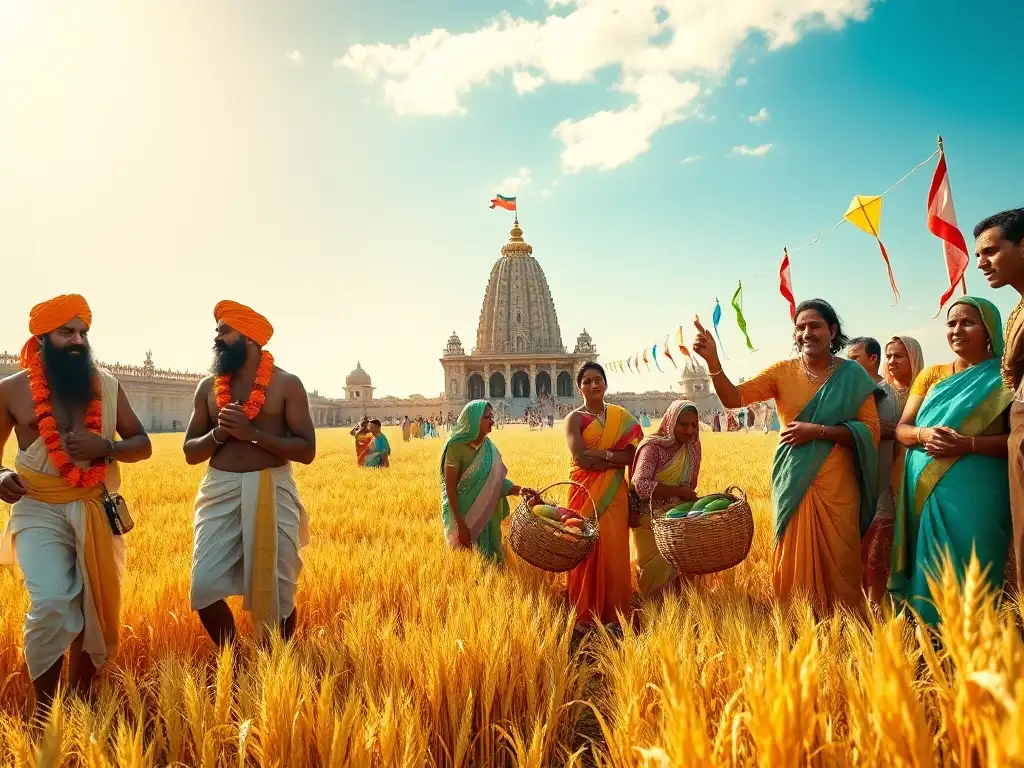
Agricultural festivals in ancient India reflect the deep connection between the people and their land. These celebrations not only mark the changing seasons but also honor the deities believed to bless the harvest. This section explores some of the most significant agricultural festivals that have roots in ancient Indian traditions, highlighting their cultural and historical importance.
Harvest Festivals in Ancient India
Harvest festivals are pivotal in the agricultural calendar, serving as a celebration of bounty and gratitude. These festivals often involve a series of rituals, music, dance, and feasting, showcasing the community's joy and unity.
Pongal: The Festival of Abundant Harvests
Pongal, celebrated primarily in Tamil Nadu, signifies the end of the harvest season. This four-day festival usually falls in mid-January and is dedicated to the Sun God, Surya.
- Significance: The name "Pongal" translates to "boiling over," referring to the rice dish prepared during the festival, made from freshly harvested rice and milk.
- Rituals: On the first day, Bhogi Pongal is observed, where old belongings are discarded and new ones are welcomed. The second day is the main Pongal day, where families cook the Pongal dish outdoors in new pots.
- Cultural Practices: The festival is marked by colorful kolams (rice flour drawings) at doorsteps and the decoration of cows and bulls, which play a crucial role in agricultural practices.
Makar Sankranti: Celebrating the Sun and Agriculture
Makar Sankranti is celebrated across India, particularly in the northern regions. It marks the transition of the sun into the zodiac sign of Capricorn and signifies the beginning of longer days.
- Cultural Importance: This festival usually occurs in mid-January and is associated with the harvest of sugarcane.
- Traditions: People celebrate by flying kites, taking holy dips in rivers, and preparing sweets made from jaggery and sesame seeds.
- Community Aspect: Makar Sankranti emphasizes community bonding as families come together to celebrate the harvest and share food.
Baisakhi: The Spring Harvest Festival of Punjab
Baisakhi is celebrated in April, marking the harvest of rabi crops in Punjab, particularly wheat.
- Historical Context: The festival holds historical significance as it coincides with the formation of the Khalsa in 1699 by Guru Gobind Singh, the tenth Sikh Guru.
- Celebrations: Baisakhi is characterized by festive fairs, traditional dance forms like Bhangra and Gidda, and religious processions.
- Symbolism: This festival symbolizes prosperity and the hope for a good harvest in the upcoming year.
Festivals Linked to Crop Cycles
In addition to harvest celebrations, ancient Indian agricultural festivals are also closely linked to the various crop cycles, marking the planting and growth phases in the agricultural calendar.
Nabanna: The Festival of New Rice
Nabanna is celebrated predominantly in West Bengal and marks the arrival of the new rice harvest, usually in late November or early December.
- Cultural Practices: The festival involves cooking and offering the new rice to deities, followed by community feasting.
- Rituals: Traditional songs and dances are performed, celebrating the hard work of farmers throughout the year.
- Significance: Nabanna symbolizes the fertility of the land and expresses gratitude towards nature and the gods.
Gudi Padwa: Welcoming the New Year and New Harvest
Gudi Padwa, celebrated in Maharashtra, marks the beginning of the new year according to the Hindu lunisolar calendar and also coincides with the harvesting of the kharif crops.
- Festivities: The festival is marked by erecting a Gudi (a decorated pole) outside homes, symbolizing prosperity and good fortune.
- Culinary Delights: Special dishes like Puran Poli are prepared, and families come together to celebrate with joy and enthusiasm.
- Rituals: The day involves prayers to Lord Ganesha and agricultural deities, reflecting the importance of agriculture in daily life.
Onam: The Festival of Harvest in Kerala
Onam is celebrated in Kerala, marking the annual harvest festival and the homecoming of the mythical King Mahabali.
- Celebration Duration: The festival lasts for ten days, usually in August or September, and is characterized by elaborate feasts, cultural performances, and floral decorations.
- Cultural Significance: The highlight of Onam is the Onam Sadhya, a grand feast served on banana leaves, showcasing the diverse agricultural produce of the region.
- Community Involvement: Onam fosters a sense of community as families and friends come together to celebrate the abundance of the harvest.
These ancient Indian agricultural festivals serve as a testament to the rich cultural tapestry of the subcontinent, illustrating the timeless relationship between people and the land they cultivate. Each festival encapsulates unique traditions, rituals, and a deep appreciation for the earth's bounty, ensuring that these practices continue to thrive in modern times.
Cultural Significance of Agricultural Festivals
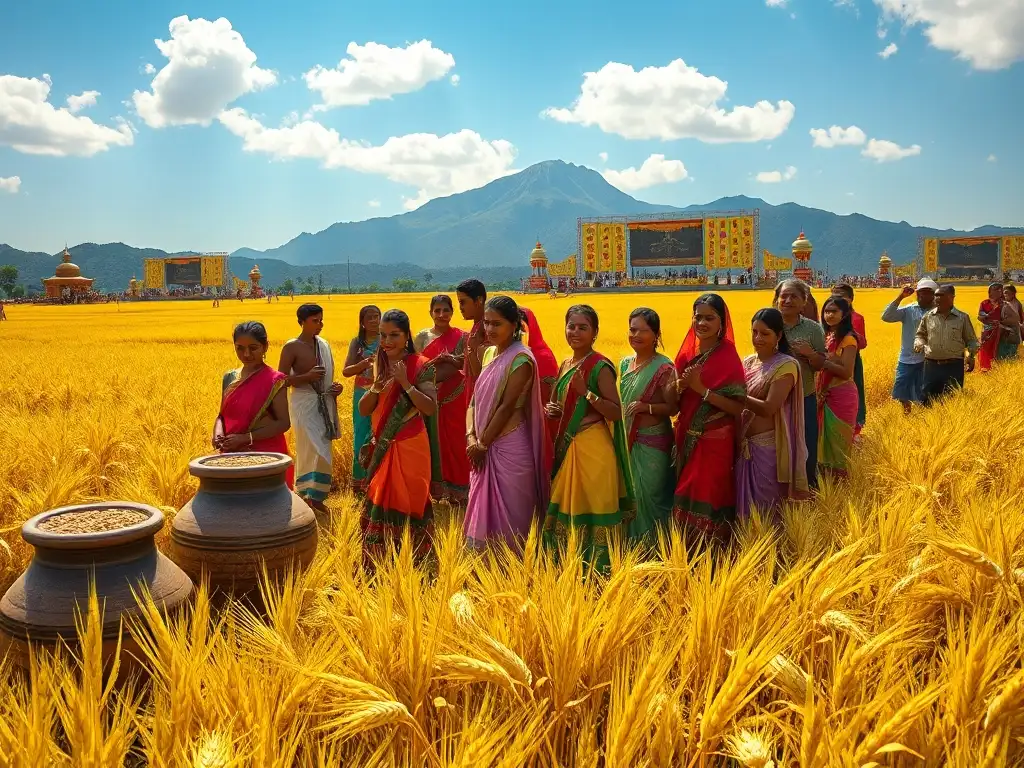
Agricultural festivals in ancient India played a crucial role in the cultural fabric of society, serving as a celebration of the harvest and the agrarian way of life. These festivals were not merely events marking the end of a crop cycle, but significant cultural phenomena that intertwined spirituality, community, and the advancements in agricultural practices.
Spiritual and Religious Aspects of Agricultural Celebrations
The spiritual dimension of ancient Indian agricultural festivals is deeply rooted in the reverence for nature and the elements that sustain life. Farmers often worshipped deities associated with fertility, rain, and harvest, seeking blessings for a bountiful yield. Notable among these deities are Goddess Annapurna, who symbolizes nourishment, and Lord Indra, the rain god.
Common practices during these celebrations included:
- Ritual Offerings: Farmers would make offerings of the first fruits to the deities, symbolizing gratitude and acknowledging the divine forces that contributed to their harvests.
- Prayers and Chants: Specific mantras and prayers were recited to invoke blessings, ensuring the continuity of fertility for future crops.
- Festivals like Pongal and Makar Sankranti: These festivals are emblematic of the spiritual connection between agriculture and worship, celebrating the sun's return and the earth's bounty.
Through these rituals, communities reinforced their relationship with nature, acknowledging the cycles that govern agricultural productivity.
Agricultural festivals served as vibrant occasions for community bonding, fostering social cohesion among villagers. These events were significant not just for their agricultural implications but also for their role in strengthening communal ties.
Key aspects of community bonding during these festivals included:
- Collective Celebrations: Villagers would come together to celebrate the harvest, sharing food, music, and dance. This collective participation fostered a sense of unity and cooperation.
- Cultural Performances: Traditional dances and music were integral to the festivities, showcasing local culture and heritage. For instance, the Bhangra dance in Punjab during Lohri symbolizes joy and abundance.
- Marketplace Exchanges: Festivals provided opportunities for local trade, where farmers could exchange goods and sell their produce, allowing for economic interdependence within the community.
These gatherings not only reinforced social ties but also created a sense of belonging and identity among the participants.
Festivals as a Reflection of Agricultural Practices and Innovations
Ancient Indian agricultural festivals were also a reflection of the innovative practices and techniques that developed over time. Each festival highlighted specific aspects of agricultural life, showcasing the adaptability and resourcefulness of ancient Indian farmers.
Notable reflections of agricultural practices during these festivals include:
- Seasonal Timing: Festivals were often aligned with the agricultural calendar, celebrating sowing, harvesting, and the changing seasons. For instance, Baisakhi marks the start of the harvest season in April, symbolizing the end of the Rabi crop cycle.
- Technological Innovations: Many festivals highlighted advancements in farming techniques, such as the use of irrigation, crop rotation, and the introduction of new crops. The Kharif festival celebrates the monsoon harvest, emphasizing the importance of rain-fed agriculture.
- Culinary Traditions: The foods prepared during these festivals often reflected the crops harvested, showcasing the diversity of agricultural products and the culinary innovations that arose from them.
Overall, ancient Indian agricultural festivals served as vital expressions of cultural identity, community cohesion, and agricultural progress, illustrating the intricate relationship between society and its agrarian roots.
Regional Variations of Agricultural Festivals in Ancient India
North India: Unique Customs and Celebrations
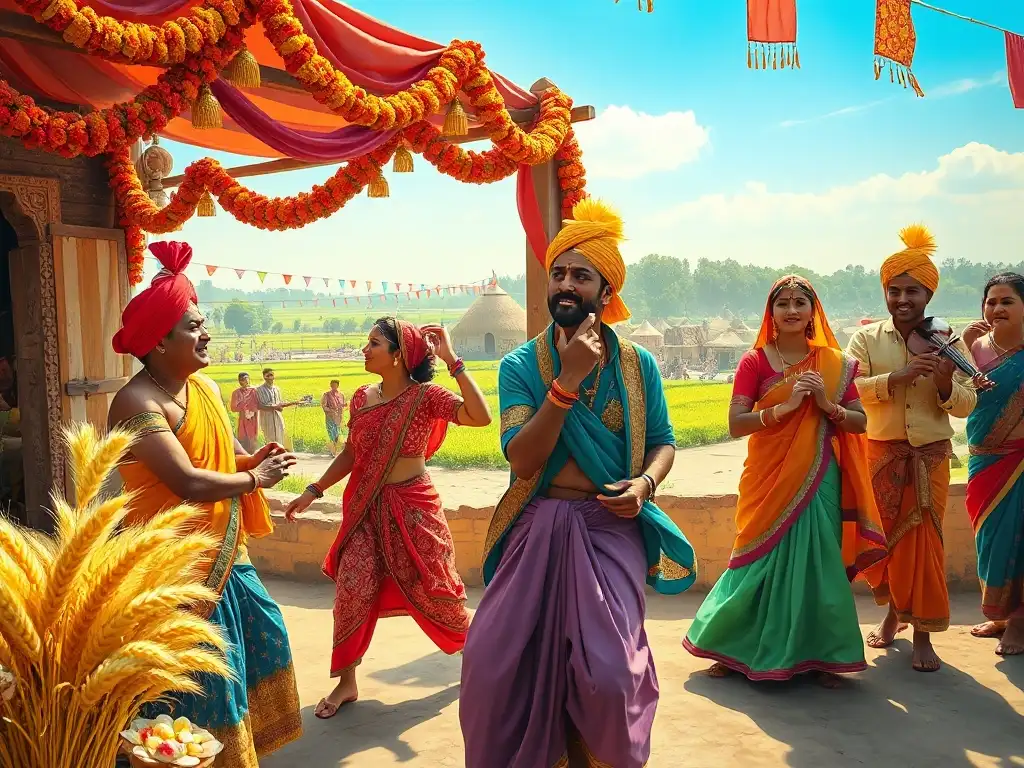
In North India, agricultural festivals are deeply intertwined with the cultural fabric of the region, reflecting the diverse customs and traditions of its people. One of the most prominent festivals is Pongal, celebrated predominantly in the Punjab region. This festival marks the end of the harvest season and is characterized by the preparation of sweet rice dishes, where farmers express gratitude to the Sun God and other deities for a bountiful harvest. The festival typically lasts for three to four days and includes various rituals such as:
- Bhog: Offering food to deities.
- Gidda and Bhangra: Traditional dances that celebrate the harvest.
- Kite Flying: A popular activity during the festival symbolizing joy and community spirit.
Another significant celebration is Makar Sankranti, observed in January, which marks the transition of the Sun into the zodiac sign of Capricorn. This festival is celebrated with kite flying, bonfires, and the preparation of special dishes made from sesame seeds and jaggery, symbolizing prosperity and good health.
South India: Distinctive Harvest Traditions
In South India, agricultural festivals are characterized by their vibrant rituals and community involvement. Pongal is perhaps the most notable festival, celebrated predominantly in Tamil Nadu. It is a multi-day festival where the first day, known as Bhogi, involves discarding old belongings and welcoming new ones, symbolizing renewal. The second day, Thai Pongal, involves cooking rice in a clay pot, which is then offered to the Sun God along with sugarcane, bananas, and other fruits. The festival also features:
- Kolam: Intricate designs made with rice flour, drawn at the entrance of homes.
- Traditional Music and Dance: Folk performances that enhance the festive spirit.
Onam, celebrated in Kerala, is another important agricultural festival that marks the rice harvest. It includes a grand feast known as Onam Sadhya, which features a variety of vegetarian dishes served on banana leaves. The festival also showcases traditional boat races and the famous Pulikali, where performers paint themselves like tigers and dance to traditional music.
East and West India: Diverse Festive Practices
The eastern and western regions of India also boast unique agricultural festivals that highlight their rich cultural diversity. In West Bengal, Nabanna is celebrated in November, marking the harvesting of new rice. This festival includes the preparation of various rice-based dishes and is celebrated with music, dance, and community feasts. Key features of Nabanna include:
- Poush Mela: A fair that showcases local art and crafts.
- Sankranti Celebrations: Local customs vary but often include rituals performed to honor the earth and its bounty.
In the western states, particularly Gujarat and Maharashtra, Makar Sankranti is celebrated with fervor. The festival is marked by the preparation of Tilgul, a sweet made from sesame seeds and jaggery, symbolizing goodwill and friendship. Additionally, the Uttarayan festival in Gujarat celebrates kite flying, with the sky filled with colorful kites as families and friends engage in friendly competitions.
These regional variations of ancient Indian agricultural festivals not only underscore the importance of agriculture in sustaining communities but also reflect the rich tapestry of cultural practices that have been passed down through generations. Each festival serves as a reminder of the interconnectedness between nature, agriculture, and cultural identity in ancient India.
The Role of Agriculture in Shaping Ancient Indian Society
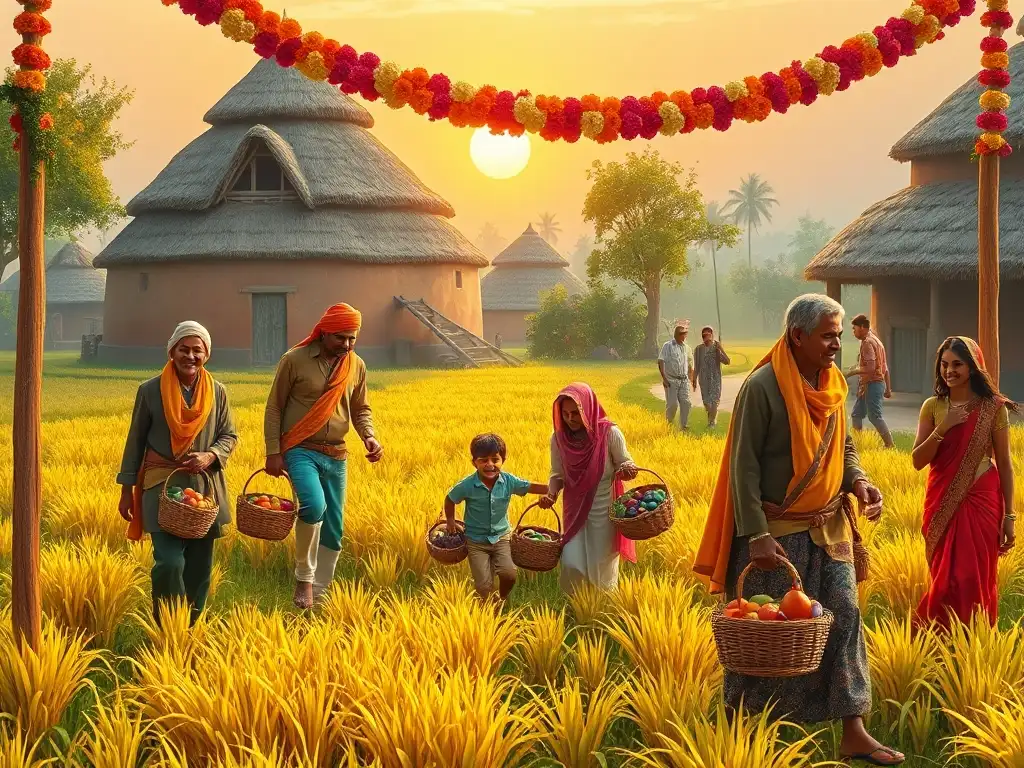
Agriculture played a pivotal role in the development of ancient Indian society, serving as the backbone of its economy and cultural practices. The fertile lands along rivers such as the Indus and the Ganges facilitated the growth of diverse crops, which not only sustained communities but also encouraged the establishment of urban centers.
The Economic Impact of Agricultural Festivals
Agricultural festivals in ancient India were not merely celebratory events; they were significant economic drivers that influenced various aspects of society. These festivals typically coincided with harvest times, marking the successful completion of agricultural cycles.
- Boosting Local Economies: Festivals attracted traders and merchants, creating a vibrant marketplace where surplus crops could be exchanged. This not only benefited farmers but also stimulated local economies by increasing demand for goods and services.
- Role in Taxation and Trade: Many festivals were accompanied by the collection of taxes in the form of agricultural produce, thus reinforcing the economic structure of ancient states. Trade routes would often see increased activity during these times, as merchants traveled to participate in the festivities.
- Employment Opportunities: Agricultural festivals also generated employment, as people were needed to prepare for the celebrations. Artisans, musicians, and performers found opportunities to showcase their talents, fostering a sense of community and economic interdependence.
The synergy between agriculture and these festivals fostered a robust economy, which was vital for the sustainability and growth of ancient Indian civilizations.
Influence on Art, Literature, and Culture in Ancient India
The celebration of agricultural festivals had a profound impact on the cultural landscape of ancient India, inspiring various forms of artistic expression and literary works that have survived through the ages.
- Artistic Expression: Festivals often inspired intricate art forms, including paintings, sculptures, and dance. Temples and public spaces were adorned with depictions of harvest scenes, showcasing the significance of agriculture in daily life. For instance, motifs representing the harvest were commonly found in the frescoes of ancient Indian temples.
- Literature and Folklore: Many ancient texts, including the Vedas and Puranas, contain references to agricultural practices and festivals. These texts often celebrated the deities associated with fertility and harvest, weaving agricultural themes into the spiritual fabric of society. Folklore and local legends were also passed down orally, encapsulating the essence of these celebrations and their importance to community identity.
- Cultural Identity: Agricultural festivals served as a means of reinforcing cultural identity and social cohesion. Communities would come together to celebrate their shared agricultural heritage, fostering unity and cooperation among diverse groups.
Ancient Indian agricultural festivals were instrumental not only in shaping the economy but also in enriching the cultural and artistic landscape of the time. Through these celebrations, the interconnections between agriculture, economy, and culture were vividly illustrated, leaving a lasting legacy that continues to influence Indian society today.
Conclusion: The Legacy of Ancient Indian Agricultural Festivals
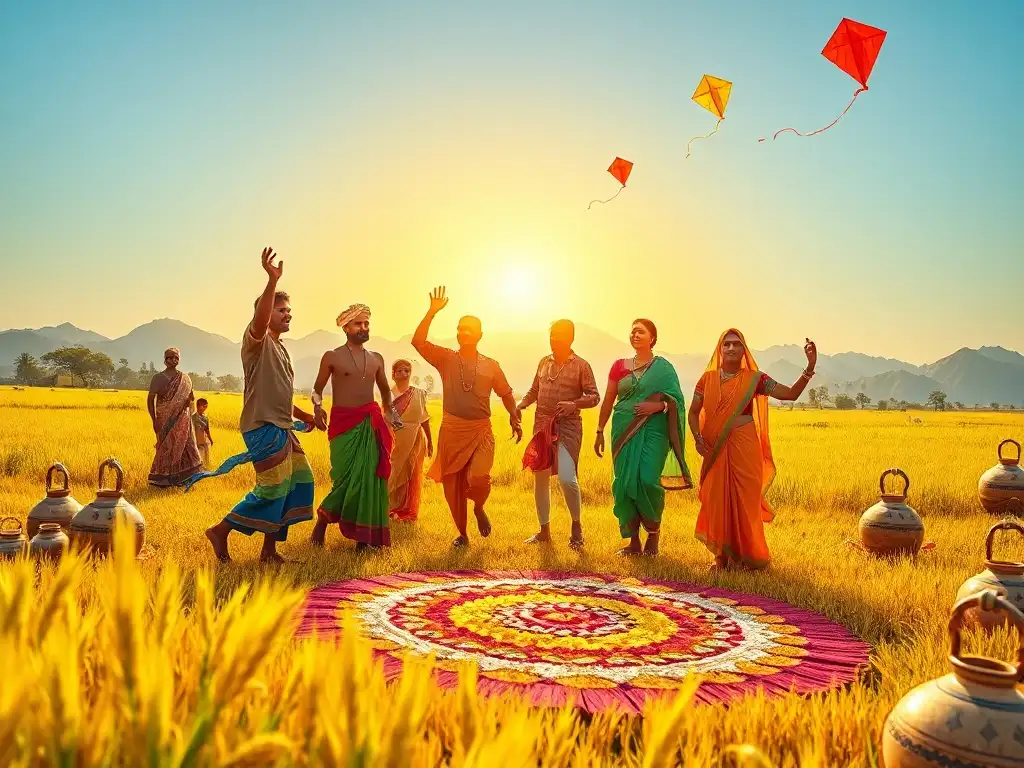
The legacy of ancient Indian agricultural festivals is a testament to the deep-rooted connection between culture, agriculture, and community in the Indian subcontinent. These festivals, originating from the agrarian lifestyle of ancient civilizations, reflect the reverence for nature and the cyclical patterns of agricultural life. They served not only as a means to celebrate bountiful harvests but also as a way to reinforce social bonds and cultural identity.
The festivals of ancient India, such as Makar Sankranti, Pongal, and Baisakhi, were characterized by elaborate rituals, feasts, and communal gatherings. Each festival was intricately linked to the agricultural calendar, marking significant points in the farming cycle, such as sowing, harvesting, and the transition of seasons. The cultural narratives surrounding these festivals often included stories of deities and legends that emphasized the importance of agriculture in sustaining life.
Continuing Traditions in Modern Indian Festivals
Despite the changes brought about by modernization and urbanization, many ancient Indian agricultural festivals continue to thrive in contemporary society. These festivals are celebrated with grandeur and enthusiasm, often incorporating traditional practices that have been passed down through generations.
- Pongal:
- Celebration: This four-day festival in Tamil Nadu is celebrated to honor the sun god and express gratitude for the harvest. It involves cooking a special dish called 'Pongal' made from newly harvested rice.
- Modern Relevance: Today, Pongal is celebrated not only in rural areas but also in urban settings, where families gather to cook and share meals, reinforcing familial bonds.
- Makar Sankranti:
- Celebration: Observed across India, this festival marks the winter solstice and the beginning of longer days. People fly kites, indulge in sweets made from jaggery, and perform rituals to invoke blessings for the new harvest.
- Modern Relevance: The kite-flying tradition has transformed into a large-scale event in cities like Ahmedabad, showcasing a blend of the past and present.
- Baisakhi:
- Celebration: This festival, celebrated primarily in Punjab, marks the harvest of rabi crops. It is a time for community gatherings, singing, and dancing, particularly the Bhangra and Gidda.
- Modern Relevance: Baisakhi has also become a time for Sikhs to celebrate the formation of the Khalsa, integrating religious significance with agricultural celebration.
These festivals serve as a reminder of the agricultural roots of Indian society and celebrate the spirit of community, gratitude, and hope.
The Importance of Preserving Agricultural Heritage
Preserving the traditions associated with ancient Indian agricultural festivals is crucial for several reasons:
- Cultural Identity: These festivals are a vital part of local and national cultural identity, linking people to their ancestors and fostering a sense of belonging.
- Sustainability: The agricultural practices and rituals associated with these festivals often promote sustainable farming methods, emphasizing respect for the environment and biodiversity.
- Educational Value: These festivals provide opportunities for younger generations to learn about their heritage, traditional farming techniques, and the significance of agriculture in their culture.
- Economic Impact: The celebration of agricultural festivals can boost local economies through tourism, craft fairs, and local markets, providing income opportunities for farmers and artisans.
By recognizing and promoting the significance of ancient Indian agricultural festivals, society can ensure that these traditions remain vibrant and continue to enrich the cultural landscape of India for future generations.
References and Further Reading on Ancient Indian Agricultural Festivals
Suggested Books and Articles
-
"The Agricultural History of India" by R.S. Sharma
This comprehensive book outlines the evolution of agricultural practices in ancient India, including a detailed examination of various agricultural festivals that marked the changing seasons and harvests.
-
"Festivals of India: A Cultural and Historical Perspective" by R. Gupta
This work provides insights into the significance of agricultural festivals in ancient Indian culture, exploring their socio-economic impacts and the traditions associated with them.
-
"Crops and Cultivations in Ancient India" by S. N. Mishra
Offering a deep dive into ancient agricultural practices, this book also highlights the festivals that celebrated these bountiful harvests, providing context to their importance in daily life.
-
"Agricultural Festivals of India: A Regional Study" by A. K. Prasad
This article explores regional variations in agricultural festivals across ancient India, detailing specific practices and rituals that were unique to different cultures and climates.
-
"The Role of Festivals in Ancient Indian Society" by M. K. Verma
This scholarly article examines the broader implications of agricultural festivals in ancient Indian society, including their role in community bonding and social structure.
Documentaries and Other Media on Agricultural Practices in Ancient India
-
"The Harvest of Traditions"
This documentary explores various agricultural practices in ancient India, focusing on the significance of festivals like Makar Sankranti and Pongal in the agrarian calendar.
-
"Roots of Agriculture in Ancient India"
A historical documentary that delves into the origins of farming techniques, crop domestication, and the cultural practices surrounding them, including the celebrations tied to harvest seasons.
-
"India’s Agricultural Legacy"
This visual series showcases the evolution of agricultural practices in India, incorporating insights into the rich tapestry of festivals that have historically celebrated the harvest.
-
"Folk Songs and Harvest Festivals"
This documentary features traditional folk songs associated with agricultural festivals, providing a captivating audio-visual experience that highlights the cultural expressions tied to harvest celebrations.
-
"The Seasons of India: Festivals and Food"
A culinary documentary that not only explores the diverse agricultural practices of ancient India but also offers a glimpse into the foods prepared during major agricultural festivals.
These resources provide a well-rounded perspective on ancient Indian agricultural festivals, their cultural significance, and their lasting impact on Indian society.
Frequently Asked Questions
What are ancient Indian agricultural festivals?
Ancient Indian agricultural festivals are cultural celebrations that mark the harvest season, reflecting the significance of agriculture in the lives of communities.
Why were agricultural festivals important in ancient India?
These festivals were crucial as they symbolized gratitude for bountiful harvests and played a role in social cohesion, bringing communities together to celebrate and share their abundance.
How did ancient Indian agricultural festivals vary by region?
Different regions celebrated distinct festivals based on their local crops and climatic conditions, showcasing the diversity of agricultural practices across ancient India.
Can you give examples of specific ancient agricultural festivals?
Examples include Pongal in Tamil Nadu, Makar Sankranti in various states, and Baisakhi in Punjab, each with unique rituals and traditions tied to the harvest.
What role did these festivals play in ancient Indian society?
These festivals fostered community bonding, facilitated trade, and reinforced the spiritual connection between people and the earth, highlighting the integral role of agriculture in societal development.
Final Reflection: Celebrating the Roots of Abundance
Ancient Indian agricultural festivals are not just relics of the past; they serve as vibrant reminders of our deep connection to the land and the cycles of nature. In a world increasingly dominated by technology and urbanization, these festivals highlight the importance of honoring our agricultural heritage and the communal spirit that comes with celebrating the fruits of our labor. The essence of these festivals resonates today, as they encourage us to reflect on sustainable practices and the significance of gratitude in our lives.
Cultural traditions rooted in agriculture continue to shape our social landscape, fostering a sense of community and belonging. The vibrant celebrations of harvest not only mark the end of a season but also reinforce the bonds between individuals and their environment. As we navigate modern challenges, these festivals remind us of the wisdom embedded in ancient practices. To forget the agricultural roots is to forget the very essence of life itself.
This quote encapsulates the ongoing influence of these traditions, urging us to recognize their relevance in our contemporary society.
As we conclude our exploration of ancient Indian agricultural festivals, I invite you to reflect on your own relationship with the land and the cycles of nature. Consider how you can incorporate the spirit of these celebrations into your life, whether through sustainable practices, community gatherings, or simply expressing gratitude for the abundance around you. Let us honor the past while nurturing a future that respects our agricultural heritage and the interconnectedness of all living things.
Celebrate the Spirit of Harvest: Engage and Explore!
Thank you for diving into the rich tapestry of ancient agricultural festivals! Your interest not only illuminates the significance of these traditions but also connects you to a legacy of abundance and gratitude. Now that you're inspired by these celebrations of community and harvest, it's time to embody that spirit in your own life.
Here’s how you can take part in this vibrant cultural celebration:
- Organize a Local Harvest Festival: Gather your community to celebrate the changing seasons. Share traditional recipes, music, and stories that honor your roots.
- Explore Traditional Recipes: Discover ancient grains and ingredients featured in these festivals and try cooking them at home for a true taste of heritage.
- Share Your Experience: Document your journey through social media or write a blog post to inspire others to connect with their agricultural heritage.
As you reflect on these actions, consider this: What unique traditions could you incorporate into your own celebrations to honor your connection to the earth and your community? We’d love to hear your thoughts in the comments!