
Celebrating Diversity: Regional Variations in Indian Gemstone Jewelry

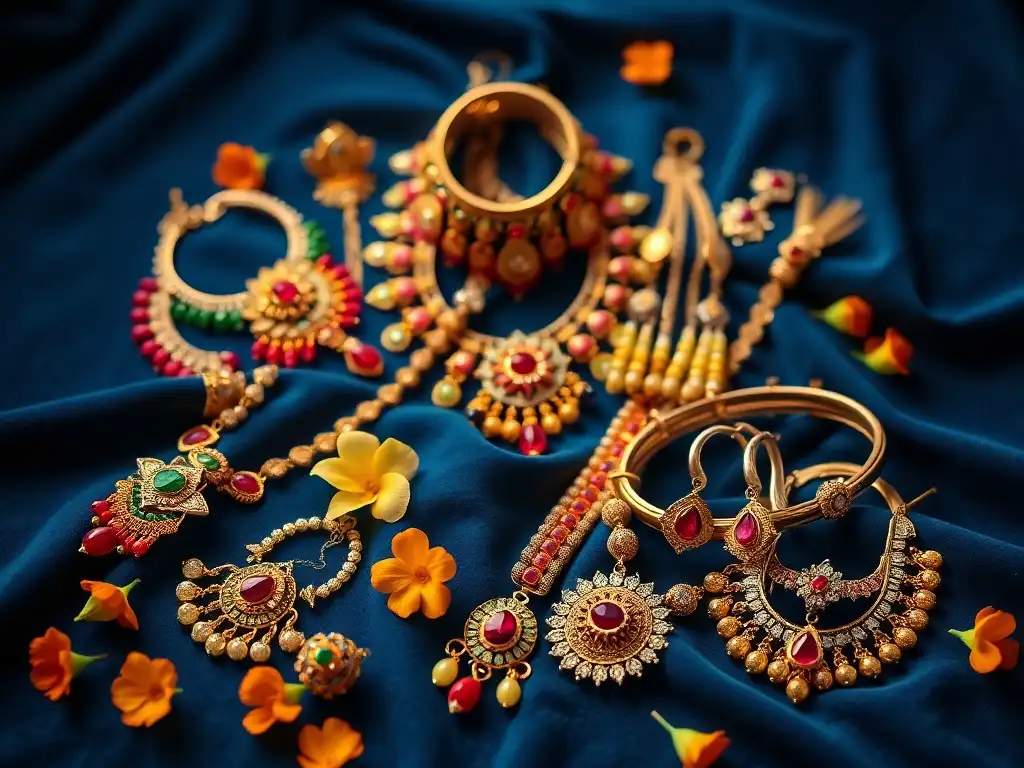
Welcome to Ancient India History, where we delve into the fascinating tapestry of India’s past, rich with culture and innovation. In this journey, we invite you to uncover the intriguing world of Indian gemstone jewelry traditions, where each piece tells a story of heritage and artistry.
Our main article, Celebrating Diversity: Regional Variations in Indian Gemstone Jewelry, will guide you through the vibrant customs and unique styles that have evolved across different regions, sparking your curiosity about the craftsmanship that has adorned generations. Join us as we explore these timeless treasures and discover the profound connections between history, culture, and the dazzling world of gemstones!
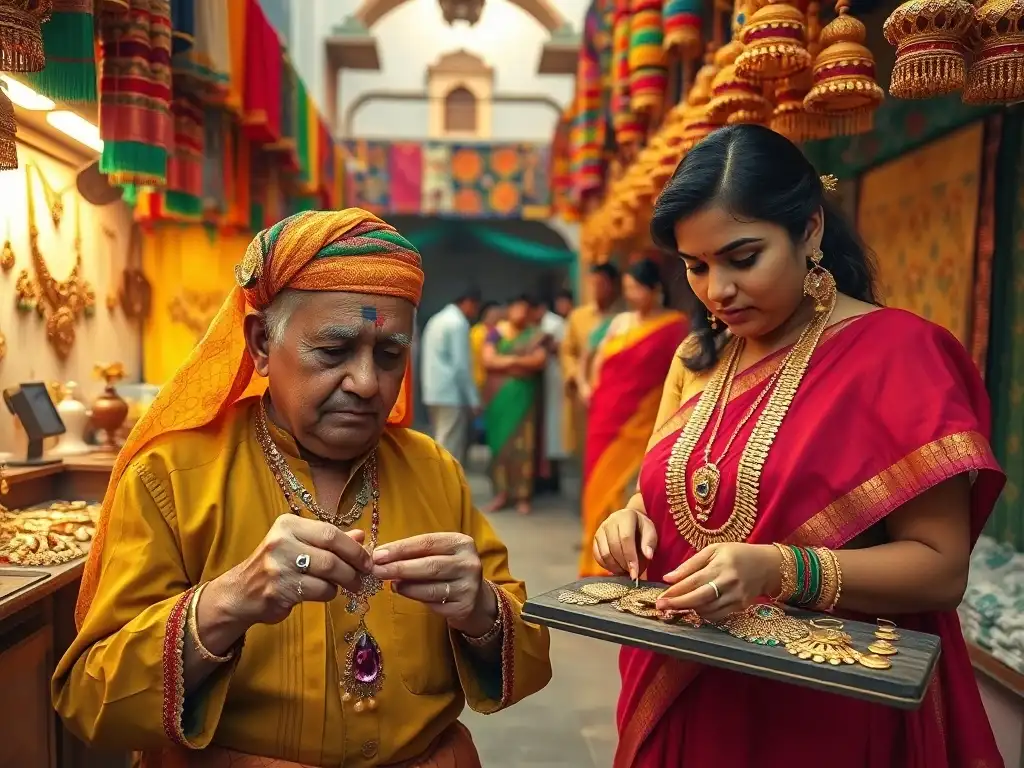
Introduction to Indian Gemstone Jewelry Traditions
Indian gemstone jewelry traditions are a vibrant tapestry woven from the threads of cultural diversity, historical significance, and artisanal craftsmanship. Spanning millennia, these traditions reflect the rich heritage of various regions across India, each with its unique styles, techniques, and symbolic meanings. From the intricate designs of Rajasthan to the delicate craftsmanship of South India, the significance of gemstones in Indian culture goes far beyond mere adornment; they are often imbued with spiritual and astrological importance.
At the heart of these traditions lies a deep-rooted belief in the power and energies of gemstones. Historically, they have been associated with prosperity, protection, and healing. This article will explore the regional variations in Indian gemstone jewelry, highlighting how local customs, materials, and artistry converge to create unique pieces that tell the stories of their origins. By understanding these traditions, we can appreciate not only the beauty of the jewelry but also the cultural narratives that shape them.
Historical Context of Gemstone Jewelry in India
The history of gemstone jewelry in India is as ancient as the civilization itself, tracing back to the Indus Valley period (approximately 3300–1300 BCE). Archaeological findings reveal that early Indians had knowledge of various gemstones and employed them in jewelry, amulets, and ceremonial objects. The use of gemstones was often tied to social status and wealth, with kings and nobility adorning themselves with elaborate pieces that showcased their power and influence.
As India evolved through various dynasties, including the Mauryan, Gupta, and Mughal empires, the techniques and styles of gemstone jewelry continued to develop. Mughal jewelry, for example, is renowned for its intricate designs and the use of large, uncut gemstones, reflecting the opulence of the era. During this time, gemstones were not only a form of personal adornment but also served as symbols of divine connection and protection.
Throughout the centuries, trade routes connecting India to the Middle East and beyond facilitated the exchange of gemstones and styles, further enriching the diversity of Indian jewelry traditions. Today, this historical context serves as a foundation for understanding the regional variations that exist within Indian gemstone jewelry, each rooted in the unique cultural and artistic practices of its people.
Regional Variations of Indian Gemstone Jewelry Traditions
Indian gemstone jewelry traditions are as diverse as the country itself, reflecting the unique cultural, historical, and geographical influences of each region. From the intricate designs of the North to the vibrant colors of the West, the elegance of the South, and the artistic fusions of the East, each area has developed its own distinctive styles and techniques. This rich tapestry of traditions not only showcases the craftsmanship of Indian artisans but also tells the stories of the communities and cultures that have cherished these artistic expressions throughout history.
North India: The Rich Heritage of Gemstone Jewelry
North India is renowned for its opulent gemstone jewelry, characterized by intricate designs and the extensive use of precious stones like diamonds, emeralds, and rubies. The Mughal influence is particularly notable, as many designs reflect the grandeur of Mughal architecture and art.
- Kundan: This traditional form of gemstone setting involves the use of gold foil to create elaborate designs, allowing for a seamless integration of gemstones. Kundan jewelry is often worn during weddings and special occasions.
- Jaipuri Jewelry: Hailing from Jaipur, this style features vibrant enamel work alongside gemstones, creating visually stunning pieces. The craftsmanship is deeply rooted in the rich cultural heritage of the region.
In addition, Bikaneri and Banjara jewelry styles incorporate unique motifs and patterns, often inspired by local folklore and traditions, showcasing the diversity within North Indian gemstone pieces.
West India: The Vibrant Colors of Gemstone Craftsmanship
West India, particularly Gujarat and Maharashtra, is known for its vibrant and eclectic gemstone jewelry. The use of colorful semi-precious stones like lapis lazuli, turquoise, and coral is prevalent, contributing to the region’s distinctive aesthetic.
- Gujarathi Jewelry: This style is marked by the use of heavy gold settings adorned with an array of gemstones. The intricate craftsmanship often includes detailed filigree work and elaborate patterns that tell stories of the region's cultural heritage.
- Bombay Jewelry: Characterized by its modern take on traditional designs, Bombay jewelry often blends Western influences with Indian motifs, resulting in unique pieces that appeal to contemporary tastes.
The vibrant hues and bold designs of West Indian gemstone jewelry reflect the region's rich cultural heritage and the artisans' dedication to their craft.
South India: The Elegance of Traditional Gold and Gemstone Jewelry
South Indian jewelry is synonymous with elegance and tradition, often incorporating gold as the predominant metal, complemented by carefully selected gemstones.
- Temple Jewelry: Traditionally worn by dancers and during religious ceremonies, temple jewelry features intricate designs inspired by deities and temple architecture. These pieces are often embellished with precious and semi-precious stones, creating a divine aesthetic.
- Nakkashi Work: This meticulous engraving technique involves detailed gold work, often depicting mythological scenes or nature motifs, enhancing the beauty of the gemstones used.
The craftsmanship in South Indian jewelry is not just about aesthetics; it embodies deep cultural significance and spiritual beliefs, making it a vital part of the region's heritage.
East India: The Artistic Fusion of Gemstones and Culture
In East India, particularly in West Bengal and Odisha, gemstone jewelry reflects a unique blend of traditional artistry and cultural narratives. The region is known for its artistic craftsmanship, where gemstones are used not only in adornment but also in artistic expressions.
- Bengali Jewelry: This style often features intricate and ornate designs with a focus on traditional motifs. The use of coral and conch shells, along with gemstones, creates distinctive pieces that are both elegant and culturally rich.
- Odisha's Silver and Gemstone Work: Known for its silver jewelry, Odisha also incorporates gemstones into its pieces, often featuring tribal motifs and designs that tell stories of the local culture.
The artistic fusion in East Indian jewelry showcases the region's cultural diversity and historical influences, making it a significant part of India's gemstone jewelry traditions.
Techniques and Craftsmanship in Indian Gemstone Jewelry
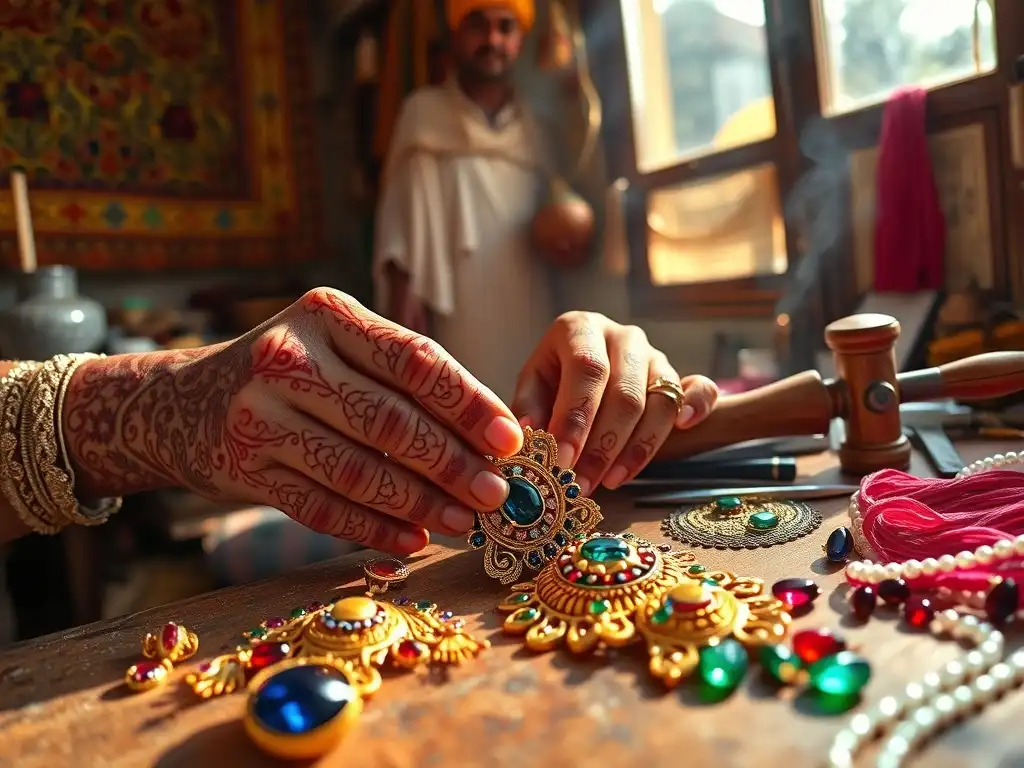
The techniques and craftsmanship involved in Indian gemstone jewelry-making are a testament to the skill and creativity of Indian artisans. These traditional methods have been passed down through generations, ensuring that the art of jewelry making remains vibrant and relevant.
Traditional Craftsmanship of Indian Jewelers
Traditional Indian jewelers employ a variety of techniques that have been honed over centuries. Each piece of jewelry is often handcrafted, showcasing the individuality and expertise of the artisan.
- Meenakari: A technique involving the art of enameling, where colored glass is fused to metal surfaces, creating beautiful designs. This technique is particularly popular in Rajasthan and is often used in combination with Kundan work.
- Jadau: This traditional form involves the setting of gemstones in a way that they appear to be embedded in the gold itself. Jadau jewelry is highly sought after for its intricate details and artistic designs.
These traditional techniques not only enhance the beauty of the gemstones but also preserve the cultural heritage of Indian craftsmanship.
Innovations in Gemstone Jewelry Making
While traditional techniques remain at the core of Indian gemstone jewelry making, contemporary artisans are also embracing innovations to appeal to modern tastes.
- Fusion Jewelry: This trend combines traditional designs with contemporary aesthetics, often using unconventional materials alongside gemstones. This approach allows for greater creativity and experimentation in jewelry design.
- Sustainable Practices: Many modern jewelers are focusing on sustainable sourcing of gemstones and ethical practices, reflecting a growing awareness of environmental and social responsibility within the industry.
These innovations demonstrate the adaptability of Indian gemstone jewelry traditions, ensuring their relevance in today’s fashion landscape while honoring their rich history.
The Role of Indian Gemstones in Global Markets
Indian gemstones have long held a prominent place in global markets, owing to their rich history, exquisite craftsmanship, and cultural significance. The trade of gemstones dates back thousands of years, establishing India as a critical hub in the international gem trade.
One of the key factors contributing to the global appeal of Indian gemstones is their diversity. India is home to a vast array of gemstones, including diamonds, emeralds, rubies, sapphires, and semi-precious stones like amethyst and topaz. Each region has its own specialty, with areas like Rajasthan excelling in the production of high-quality gemstones, while Gujarat is known for its diamond cutting and polishing.
In recent years, the globalization of trade has further enhanced the market for Indian gemstones. The rise of online platforms has made these precious stones accessible to a broader audience, allowing artisans and jewelers to showcase their work globally. This shift has not only increased demand but also encouraged the preservation of traditional craftsmanship, as artisans strive to meet international standards while maintaining their unique styles.
Moreover, the cultural significance of gemstones in India has played a crucial role in their marketability. In Indian society, gemstones are not merely decorative items; they are imbued with spiritual and astrological meanings. Many believe that wearing specific gemstones can bring good fortune, health, and prosperity, further driving their demand both domestically and internationally.
Global Trade Statistics
| Year | Export Value (in million USD) | Major Export Markets |
|---|---|---|
| 2020 | 2,200 | USA, UAE, Hong Kong |
| 2021 | 2,500 | USA, China, Japan |
| 2022 | 2,800 | USA, UAE, Europe |
The table above highlights the steady growth in the export value of Indian gemstones, reflecting their increasing significance in global markets. As the world continues to appreciate the beauty and cultural heritage of Indian gemstone jewelry traditions, these stones remain a vital part of both India's economy and its cultural identity.
Conclusion: The Enduring Legacy of Indian Gemstone Jewelry Traditions
The legacy of Indian gemstone jewelry traditions is both rich and enduring, encapsulating the essence of India's diverse cultural heritage. From the intricate designs of traditional Kundan and Meenakari work to the contemporary interpretations seen in modern jewelry, Indian gemstones have left an indelible mark on the world of adornment.
Throughout history, these traditions have evolved while remaining rooted in their origins. The craftsmanship involved in creating gemstone jewelry is often passed down through generations, ensuring that ancient techniques are preserved even as new styles emerge. This blend of tradition and innovation allows Indian gemstone jewelry to appeal to various tastes, making it a staple in both local and international markets.
The continued fascination with Indian gemstones can also be attributed to their symbolic meanings. Often associated with specific astrological beliefs, these gemstones hold personal significance for many individuals, enhancing their appeal as both fashion statements and talismans.
As we celebrate the diversity of Indian gemstone jewelry traditions, it becomes clear that they are not just artifacts of the past but living expressions of culture and artistry. The ongoing appreciation for these exquisite creations will likely ensure that Indian gemstone jewelry continues to thrive, captivating hearts and minds across the globe for generations to come.
- Introduction to Indian Gemstone Jewelry Traditions
- Historical Context of Gemstone Jewelry in India
- Regional Variations of Indian Gemstone Jewelry Traditions
- Techniques and Craftsmanship in Indian Gemstone Jewelry
- The Role of Indian Gemstones in Global Markets
- Conclusion: The Enduring Legacy of Indian Gemstone Jewelry Traditions
- What are the main characteristics of Indian gemstone jewelry traditions?
- How do regional variations influence gemstone jewelry styles in India?
- What gemstones are most commonly used in Indian jewelry?
- How has the history of gemstone jewelry evolved in India?
- What role do gemstones play in Indian cultural practices?
Frequently Asked Questions
What are the main characteristics of Indian gemstone jewelry traditions?
Indian gemstone jewelry traditions are known for their intricate designs, vibrant colors, and the use of various gemstones like diamonds, rubies, emeralds, and sapphires, reflecting the cultural diversity across regions.
How do regional variations influence gemstone jewelry styles in India?
Regional variations influence styles through local craftsmanship, cultural practices, and available materials, leading to unique designs such as the Kundan, Meenakari, and Filigree techniques specific to different areas.
What gemstones are most commonly used in Indian jewelry?
Commonly used gemstones in Indian jewelry include diamonds, emeralds, rubies, and pearls, each representing wealth and status, and are often imbued with cultural significance.
How has the history of gemstone jewelry evolved in India?
The history of gemstone jewelry in India dates back to ancient civilizations, evolving through trade, conquests, and cultural exchanges, which introduced new styles and techniques, enriching the artistry and craftsmanship.
What role do gemstones play in Indian cultural practices?
In Indian culture, gemstones are believed to have astrological significance and are often used in rituals and festivals, symbolizing prosperity, protection, and spiritual well-being.
Final Reflection: Embracing the Rich Tapestry of Indian Gemstone Jewelry Traditions
In a world that is increasingly interconnected yet often homogenized, the celebration of diversity in Indian gemstone jewelry traditions serves as a powerful reminder of our cultural heritage. This article has explored the intricate variations across regions, showcasing how each piece of jewelry tells a unique story that reflects the history, artistry, and values of its creators. As we navigate through modernity, it becomes essential to recognize and honor these traditions that not only enrich our lives but also connect us to our roots.
The influence of Indian gemstone jewelry extends far beyond its aesthetic appeal; it shapes our cultural identity and fosters a sense of belonging. Each region’s distinct style is a testament to the creativity and craftsmanship that has been passed down through generations. The vibrant colors and intricate designs resonate with the spirit of the communities they represent. Jewelry is a way of keeping memories alive, a connection to our past and a celebration of our present.
This ongoing influence encourages us to appreciate the stories behind each piece, reminding us that our cultural expressions are vital to our collective identity.
As we reflect on the significance of these traditions, I invite you to explore and celebrate the diversity in your own life. Consider how you can honor and share the stories of your heritage or the cultures around you. Whether it's through wearing a piece of jewelry that speaks to your roots or learning about the craftsmanship behind it, let us all take a moment to appreciate the beauty of diversity. Together, we can ensure that these rich traditions continue to thrive, inspiring future generations to embrace their own cultural narratives.
Unveil the Beauty of Cultural Gems!
Thank you for taking the time to explore the vibrant world of Indian gemstone jewelry with us. You've discovered the rich tapestry of traditions and regional variations that make these pieces truly unique. Now, it’s time to put that inspiration into action!
Here are a few ways you can celebrate this diversity:
- Visit a local gem or jewelry store that specializes in Indian designs, and explore their collection to find your own piece of heritage.
- Join an online community or forum focused on gemstone enthusiasts to share your insights and uncover the stories behind various styles.
- Organize a jewelry swap or showcase with friends where everyone can bring their unique pieces and learn about their origins.
Which regional gemstone or jewelry style resonates with you the most, and how do you plan to celebrate its beauty? We would love to hear your thoughts in the comments below!