
The Role of Gemstones in Indian Weddings: Traditions and Symbolism

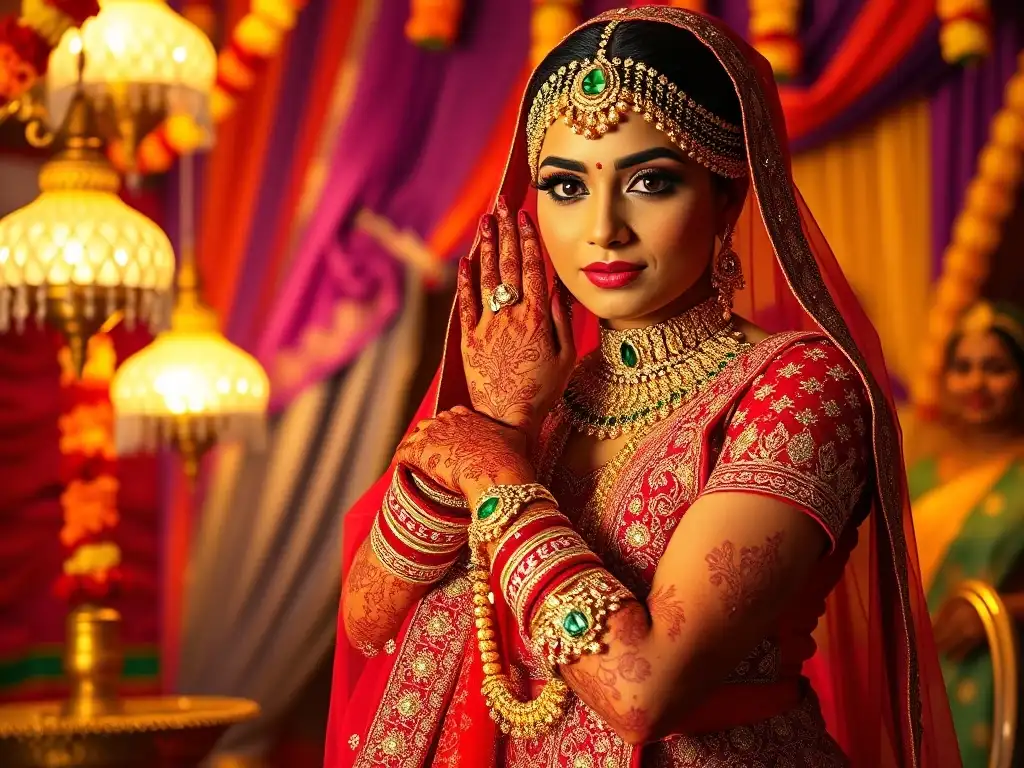
Welcome to Ancient India History, where we embark on a fascinating journey through the vibrant tapestry of India's past. In this exploration, we delve into the enchanting world of gemstones in Indian wedding traditions, uncovering the rich symbolism and cultural significance that these precious stones hold. From the radiant hues of rubies to the serene elegance of pearls, each gemstone tells a story steeped in tradition, love, and celebration.
As you navigate through our insightful article, prepare to uncover how these dazzling jewels not only adorn brides but also embody deep-rooted beliefs and customs that have stood the test of time. Join us as we unravel the intricate connections between gemstones and the sacred rituals of Indian weddings!
- The Role of Gemstones in Indian Wedding Traditions: An Overview
- Historical Significance of Gemstones in Ancient Indian Weddings
- Types of Gemstones Commonly Used in Indian Weddings
- The Role of Gemstones in Wedding Jewelry
- Gemstone Acquisition for Weddings: A Guide
- Conclusion: The Enduring Legacy of Gemstones in Indian Weddings
-
Frequently Asked Questions
- What role do gemstones play in Indian wedding traditions?
- Which gemstones are most commonly used in Indian weddings?
- How do gemstones enhance the wedding attire?
- Are there specific gemstones associated with particular regions in India?
- What is the significance of wearing gemstones during wedding rituals?
- Final Reflection: The Enduring Legacy of Gemstones in Indian Wedding Traditions
- Embrace the Magic of Gemstones!
The Role of Gemstones in Indian Wedding Traditions: An Overview
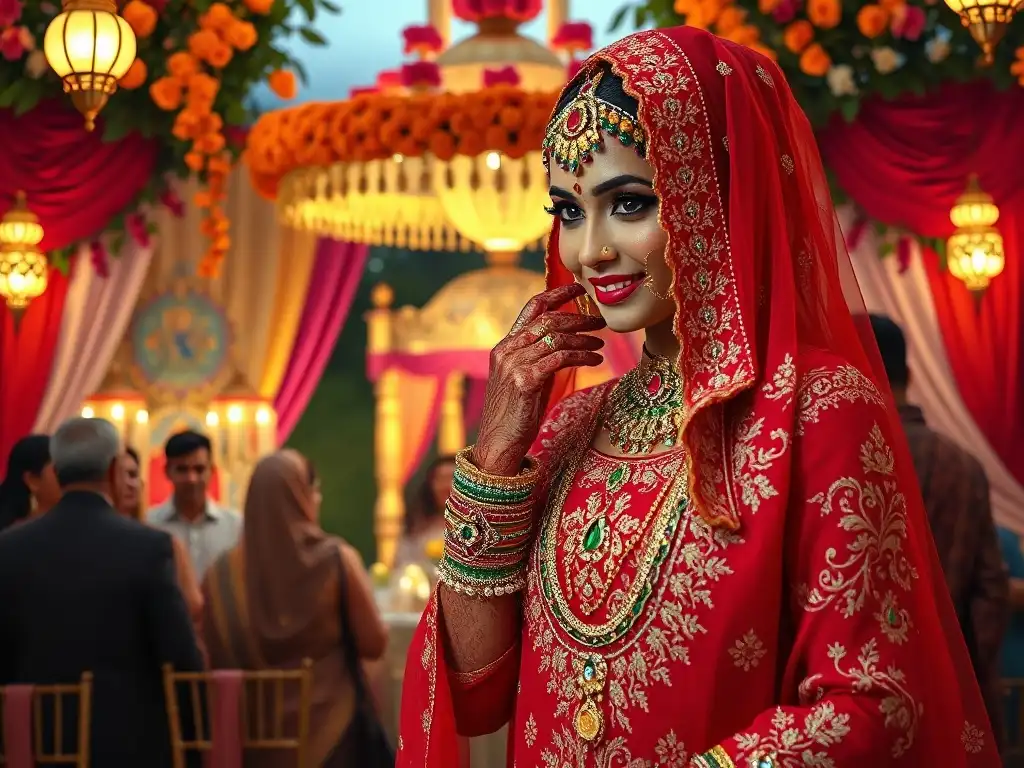
In the vibrant tapestry of Indian culture, weddings stand out as grand celebrations that encapsulate age-old traditions and customs, with gemstones playing a pivotal role. For centuries, these precious stones have been more than mere adornments; they symbolize prosperity, love, and auspiciousness in marital unions.
The allure of gemstones in Indian wedding traditions is deeply intertwined with the beliefs and practices that have evolved over time, reflecting the rich heritage of ancient Indian civilizations. This article delves into the significance of gemstones in Indian weddings, exploring their historical roots, cultural meanings, and the various ways they are incorporated into the celebrations.
Understanding Indian Wedding Traditions
Indian weddings are renowned for their elaborate rituals and ceremonies, which vary significantly across regions, communities, and religions. Despite these differences, certain elements remain consistent, with gemstones forming an integral part of the festivities.
-
Historical Background:
Gemstones have been revered in India since ancient times, with references found in Vedic texts and scriptures. They were believed to possess unique properties that could influence the well-being and fortune of individuals.
-
Cultural Significance:
Each gemstone is imbued with specific meanings and blessings:
- Ruby: Symbolizes love and passion.
- Emerald: Represents wisdom and fertility.
- Diamond: Signifies strength and invincibility.
- Pearl: Associated with purity and tranquility.
-
Ritualistic Usage:
In Indian weddings, gemstones are often incorporated into various rituals:
- Mangalsutra: A sacred necklace adorned with black beads and sometimes gold or gemstones, it is a symbol of marital fidelity.
- Kaan Paan: Traditional earrings often embellished with precious stones, worn by brides to enhance their beauty and charm.
-
Regional Variations:
The choice of gemstones can vary by region, influenced by local customs and availability. For instance, in South India, temple jewelry featuring intricate designs and gemstones is favored, while North Indian weddings might showcase kundan or polki jewelry.
-
Modern Interpretations:
While traditional practices remain strong, contemporary weddings are increasingly embracing innovative designs and combinations of gemstones, reflecting personal styles and preferences.
The enduring significance of gemstones in Indian wedding traditions is a testament to their deep-rooted cultural heritage, symbolizing not just adornment but also the hopes and aspirations tied to marital bonds. As we explore this topic further, we will uncover the fascinating interplay between gemstones, traditions, and the rich history of Indian weddings.
Historical Significance of Gemstones in Ancient Indian Weddings
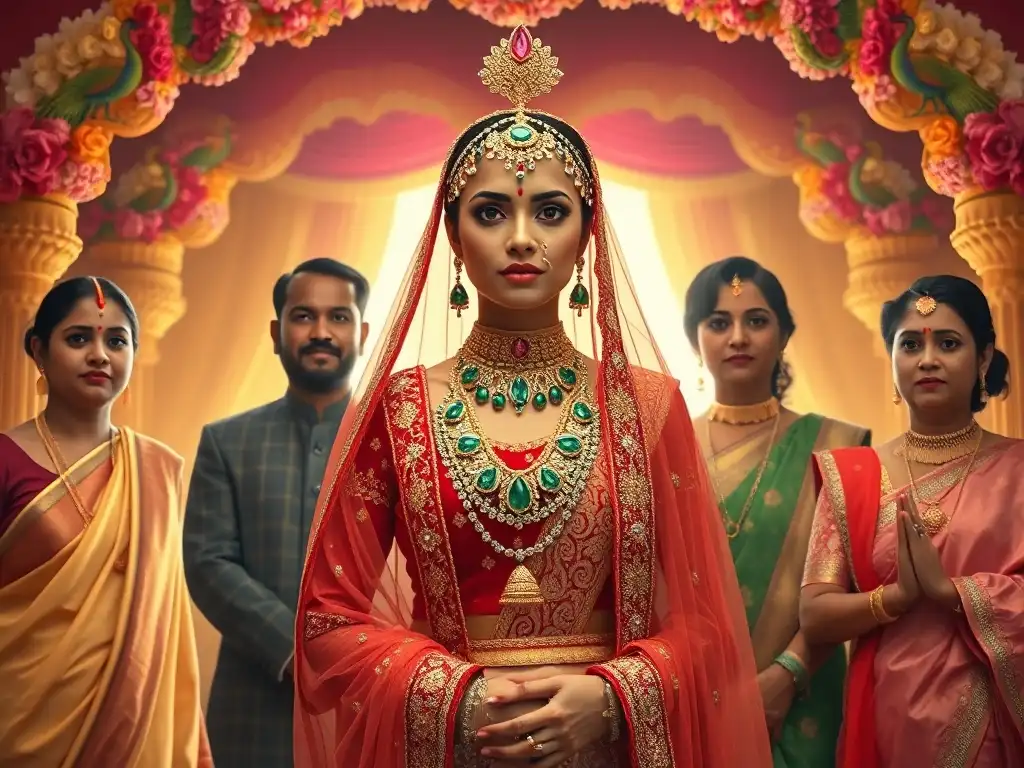
The Evolution of Gemstone Use in Weddings
The tradition of using gemstones in Indian weddings dates back thousands of years, with roots deeply embedded in the cultural practices of ancient Indian civilizations. The earliest evidence of gemstone use can be traced to the Indus Valley Civilization (circa 2500-1900 BCE), where gemstones like lapis lazuli, carnelian, and agate were crafted into ornaments and amulets. These artifacts were not merely decorative; they were believed to hold protective properties, often worn by brides to ensure prosperity and health in their new life.
As time progressed, the significance of gemstones evolved alongside the intricate rituals of marriage. By the time of the Maurya Empire (circa 322-185 BCE), gemstones became symbols of wealth and status. Royal families adorned themselves with exquisite pieces, often using emeralds, rubies, and sapphires in their jewelry. These gemstones were not only a testament to one's social standing but were also thought to confer blessings upon the couple.
The Medieval Period saw further refinement in the craftsmanship of gemstone jewelry, with artisans creating elaborate designs that incorporated intricate motifs. These pieces often featured diamonds and pearls, which were seen as symbols of purity and strength. The use of gemstones in wedding ceremonies became an integral part of the dowry system, with families presenting elaborate jewelry sets as part of the marital arrangement.
| Period | Gemstones Used | Cultural Significance |
|---|---|---|
| Indus Valley | Lapis Lazuli, Carnelian, Agate | Protective amulets, status symbols |
| Maurya Empire | Emeralds, Rubies, Sapphires | Wealth display, blessings for prosperity |
| Medieval Period | Diamonds, Pearls | Purity, strength, integral to dowry systems |
Gemstones and Their Symbolism in Indian Culture
In Indian culture, gemstones are imbued with profound meanings, each carrying its unique symbolism that resonates with various aspects of life, including marriage. The choice of gemstones in wedding jewelry is not merely aesthetic; it reflects the values and aspirations of the couple.
- Ruby (Manik): Known as the "king of gemstones," the ruby symbolizes love, passion, and vitality. It is traditionally associated with marital bliss and is often gifted to brides to enhance their emotional strength and joy in the union.
- Emerald (Panna): This gemstone is synonymous with harmony and balance. In wedding traditions, emeralds are believed to promote peace and understanding between partners, making them a popular choice for engagement rings and bridal jewelry.
- Diamond (Heera): Diamonds are often referred to as the ultimate symbol of love and commitment. Their indestructibility represents the eternal bond between the couple. In Indian weddings, diamonds are frequently used in elaborate necklaces and earrings.
- Pearl (Moti): Symbolizing purity and wisdom, pearls are often worn by brides as a sign of their innocence and sincerity. They are believed to bring peace and calm to the relationship, fostering a nurturing environment in the new household.
- Sapphire (Neelam): Associated with wisdom and nobility, sapphires are thought to protect the couple from negative energies and enhance their spiritual connection. They are often included in wedding jewelry to bless the couple's future.
These gemstones feature prominently in various wedding rituals, such as the Kanyadaan, where the bride's father bestows his daughter upon the groom, often accompanied by the gifting of jewelry, which includes these symbolic stones.
Gemstones play a pivotal role in Indian wedding traditions, not only as adornments but as carriers of deep-rooted cultural symbolism. Their historical significance and the evolving practices surrounding their use reflect the rich tapestry of Indian heritage, making them an integral part of matrimonial customs.
Types of Gemstones Commonly Used in Indian Weddings
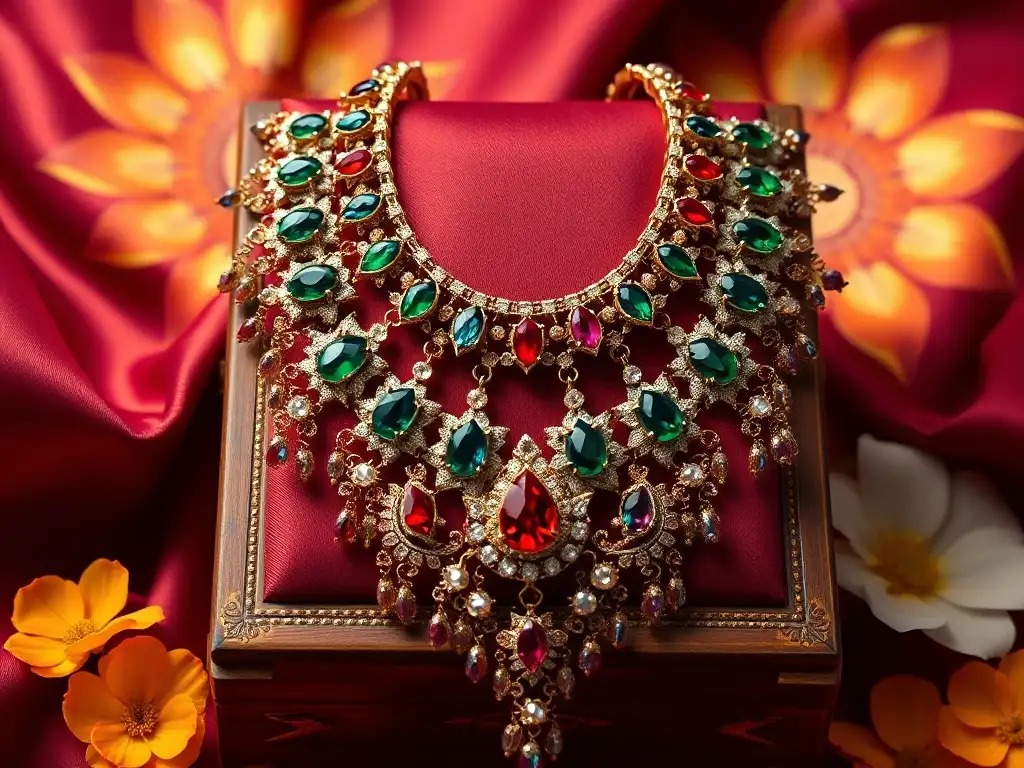
Popular Gemstones in Indian Wedding Traditions
In the context of Indian wedding traditions, gemstones hold a significant place, symbolizing various attributes that are believed to bring prosperity, happiness, and protection to the couple. Among the most popular gemstones used in wedding jewelry are:
- Diamond: Known for its unmatched brilliance, diamonds symbolize love and commitment. They are often featured in engagement rings and bridal jewelry.
- Emerald: This vibrant green gemstone represents fertility and rebirth. It is commonly used in necklaces and bangles, reflecting the couple's wishes for a fruitful life together.
- Ruby: With its deep red hue, rubies symbolize passion and love. They are often incorporated into bridal attire, representing the couple’s romantic bond.
- Sapphire: Available in various colors, sapphires symbolize wisdom and loyalty. They are frequently used in wedding bands and are believed to enhance the couple’s relationship.
- Pearl: Known for their purity and elegance, pearls symbolize innocence and integrity. They are often worn by brides to signify their purity on their wedding day.
These gemstones are not just decorative elements; they carry deep cultural significance and are integral to many wedding rituals, enhancing the overall experience of the celebration.
Unique Properties of Gemstones in Wedding Jewelry
Each gemstone used in Indian wedding traditions comes with unique properties and characteristics that contribute to their importance in the wedding ceremony. Here are some notable attributes:
- Astrological Significance: Many families choose gemstones based on astrological charts. Each gemstone is believed to have specific energies that can positively influence the couple's future. For instance:
- Ruby is said to bring good fortune and success.
- Emerald is associated with communication and emotional balance.
- Cultural Beliefs: In various Indian cultures, certain gemstones are believed to ward off negative energies. For example, wearing black onyx is thought to protect against negative influences during marriage.
- Healing Properties: Some gemstones are associated with healing properties. For instance:
- Amethyst is believed to calm the mind and promote a peaceful married life.
- Turquoise is known for its ability to enhance communication between partners.
- Aesthetic Appeal: Beyond their symbolic meanings, gemstones add significant aesthetic value to wedding jewelry. The vibrant colors and exquisite cuts enhance the beauty of the attire, making the bride and groom stand out on their special day.
- Investment Value: High-quality gemstones, such as diamonds and emeralds, are not only cherished for their beauty but also serve as a form of investment. They can appreciate in value over time, making them a wise choice for wedding jewelry.
Overall, gemstones in Indian wedding traditions are woven into the very fabric of the ceremony, serving as a testament to the couple's love, commitment, and the rich cultural heritage that defines Indian weddings.
The Role of Gemstones in Wedding Jewelry
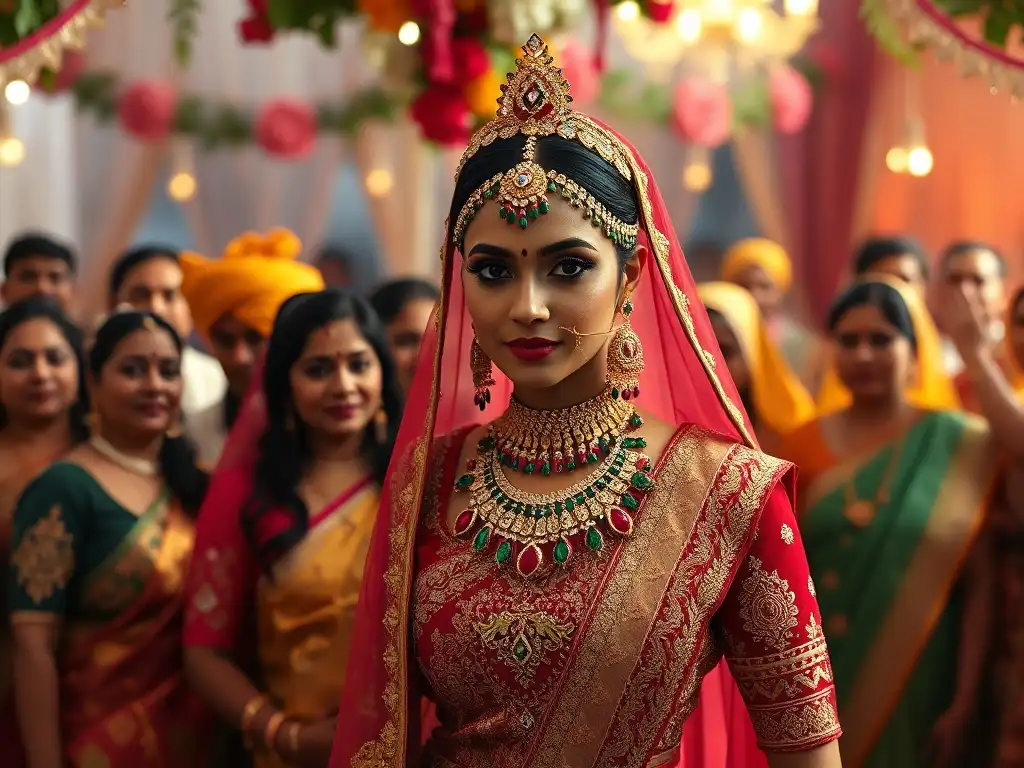
Traditional Wedding Jewelry Featuring Gemstones
Gemstones have played a pivotal role in Indian wedding traditions, serving not only as adornments but also as symbols of prosperity, protection, and love. From the ancient times of the Indus Valley Civilization to the opulent courts of the Mughal Empire, gemstones have significantly influenced the aesthetics and values of wedding jewelry.
Historical Significance
In ancient India, gemstones were believed to possess divine properties. They were associated with various deities and were thought to bestow blessings upon the wearer. For instance, ruby represented love and passion, while emerald symbolized fertility and rebirth. These beliefs can be traced back to texts like the Ratna Shastra, which detailed the magical and medicinal properties of various gemstones.
Types of Traditional Wedding Jewelry
Indian wedding jewelry is often characterized by its intricate designs and the use of precious stones. Here are some key components:
- Mangalsutra: A sacred thread that symbolizes the marital bond, often adorned with black beads and gold, sometimes featuring gemstones.
- Nath: A traditional nose ring, often embellished with pearls and rubies, representing beauty and marital status.
- Kundal: Large, ornate earrings that may include a variety of gemstones, each chosen for its significance.
- Maang Tikka: A forehead ornament that often features a central gemstone, representing the third eye and enhancing beauty.
The craftsmanship involved in creating these pieces is a testament to the skilled artisans of ancient India, who have passed down their techniques through generations.
Modern Trends: Gemstones in Contemporary Wedding Attire
As contemporary Indian weddings evolve, so do the trends surrounding gemstones in wedding attire. While traditional pieces remain popular, modern couples are increasingly incorporating innovative designs and styles that reflect their personalities and values.
Fusion of Styles
The modern bride often seeks to blend traditional elements with contemporary aesthetics. This has led to the rise of fusion jewelry, where traditional gemstones are paired with modern designs. For example:
- Layered Necklaces: Brides are now opting for layered styles that mix diamonds, sapphires, and gold, creating a bold statement while still honoring tradition.
- Minimalist Designs: The trend of minimalism has influenced wedding jewelry, where sleek lines and delicate gemstones are favored over heavy, ornate pieces.
Customization and Personalization
Today’s couples are keen on personalizing their wedding jewelry. Custom designs that incorporate birthstones or gems that hold personal significance are becoming increasingly popular. This not only adds a unique touch but also imbues the jewelry with deeper meaning.
Sustainable Choices
An emerging trend in wedding attire is the focus on sustainability. Couples are now opting for ethically sourced gemstones and conflict-free diamonds. This shift not only reflects a growing awareness of environmental issues but also honors the traditions of craftsmanship and authenticity that have defined Indian jewelry for centuries.
Gemstones in Indian wedding traditions have transcended time, evolving from ancient symbols of prosperity and protection to modern expressions of individuality and sustainability. As traditions continue to blend with contemporary trends, gemstones remain an essential aspect of wedding jewelry, reflecting the rich cultural heritage of India.
Gemstone Acquisition for Weddings: A Guide
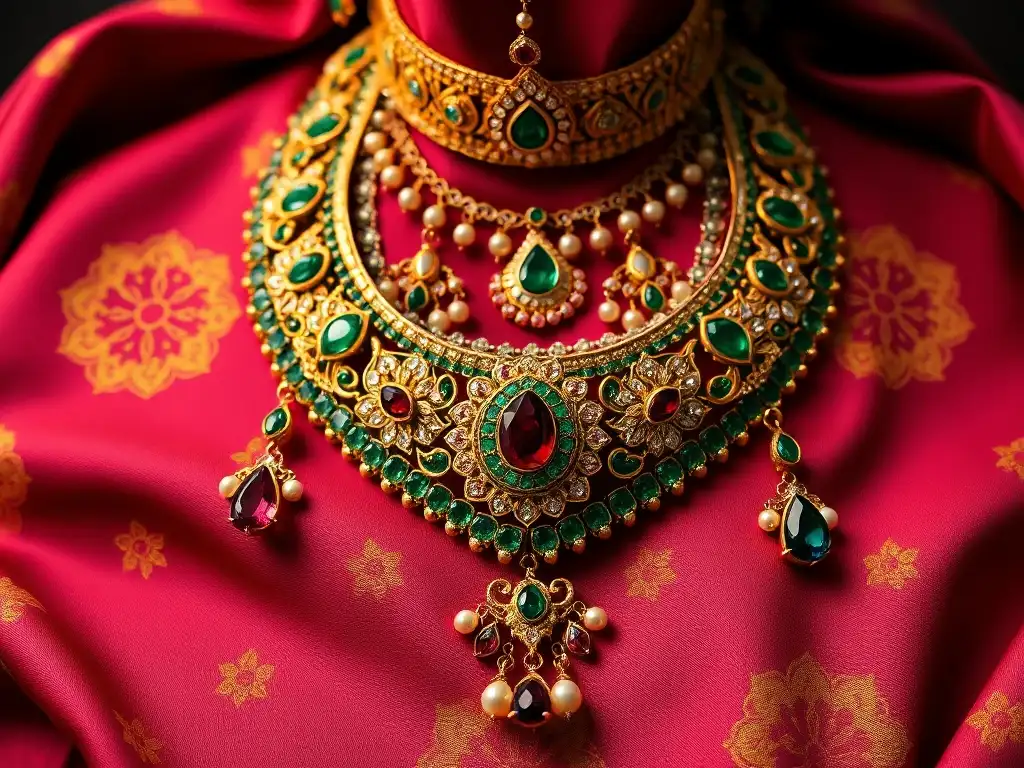
The acquisition of gemstones for weddings in India is a multifaceted process steeped in tradition, culture, and personal preference. Gemstones play a significant role in Indian wedding traditions, symbolizing prosperity, love, and auspiciousness. Understanding how to acquire the right gemstones can enhance the wedding experience, making it truly memorable.
How to Choose the Right Gemstones for Your Wedding
Choosing the right gemstones involves a blend of personal taste, cultural significance, and astrological beliefs. Here are some key factors to consider:
- Cultural Significance:
- Different gemstones hold varying meanings in Indian culture. For instance:
- Ruby: Symbolizes love and passion.
- Emerald: Associated with fertility and prosperity.
- Diamond: Represents purity and strength.
- Understanding these meanings can help couples choose gemstones that resonate with their values and beliefs.
- Different gemstones hold varying meanings in Indian culture. For instance:
- Astrological Considerations:
- In many Indian families, astrology plays a vital role in selecting gemstones. Certain stones are believed to have specific effects based on the wearer's zodiac sign. For example:
- Blue Sapphire for Capricorn and Aquarius for wealth and wisdom.
- Yellow Sapphire for Sagittarius and Pisces for prosperity and success.
- Consulting an astrologer can guide couples in selecting the most beneficial gemstones.
- In many Indian families, astrology plays a vital role in selecting gemstones. Certain stones are believed to have specific effects based on the wearer's zodiac sign. For example:
- Personal Preference:
- Personal taste is crucial in selecting gemstones. Couples should consider:
- Color: Preferences for color can vary widely. Choosing colors that complement the wedding attire can enhance the overall aesthetic.
- Cut and Clarity: The brilliance and sparkle of a gemstone often depend on its cut and clarity. Higher quality stones typically offer more visual appeal.
- Personal taste is crucial in selecting gemstones. Couples should consider:
- Budget:
- Setting a budget is essential as gemstones can vary significantly in price. Couples should determine what they are willing to spend and factor in the costs of jewelry settings, craftsmanship, and authenticity certificates.
- Ethics and Authenticity:
- It's crucial to ensure that gemstones are ethically sourced. Couples should look for vendors who provide certifications for authenticity and sustainable sourcing.
Recommended Gemstone Vendors and Jewelers
When it comes to purchasing gemstones for weddings, selecting reputable vendors and jewelers is paramount. Here are some recommended sources to consider:
- Local Jewelers:
- Many local jewelers offer personalized services and custom designs. Building a relationship with a jeweler can lead to unique, tailored pieces that reflect personal stories and family traditions.
- Online Retailers:
- Renowned online platforms have emerged that specialize in gemstones and wedding jewelry, such as:
- Tanishq: Known for its extensive range of traditional and contemporary designs.
- CaratLane: Offers a blend of modern and classic styles with a focus on quality.
- Renowned online platforms have emerged that specialize in gemstones and wedding jewelry, such as:
- Gemstone Exhibitions:
- Attending exhibitions and trade shows, such as the Indian International Jewelry Show (IIJS), provides opportunities to meet various vendors, explore a wide range of gemstones, and gain insights into the latest trends.
- Ethically-Sourced Gemstone Dealers:
- For couples who prioritize ethical considerations, dealers like Gemfields focus on sustainable mining and transparent sourcing practices.
Acquiring gemstones for Indian weddings is not just about choosing beautiful stones; it involves understanding cultural significance, astrological influences, personal preferences, and ethical sourcing. Whether through local jewelers or established online retailers, couples can find the perfect gemstones that enhance their wedding traditions and symbolize their love.
Conclusion: The Enduring Legacy of Gemstones in Indian Weddings
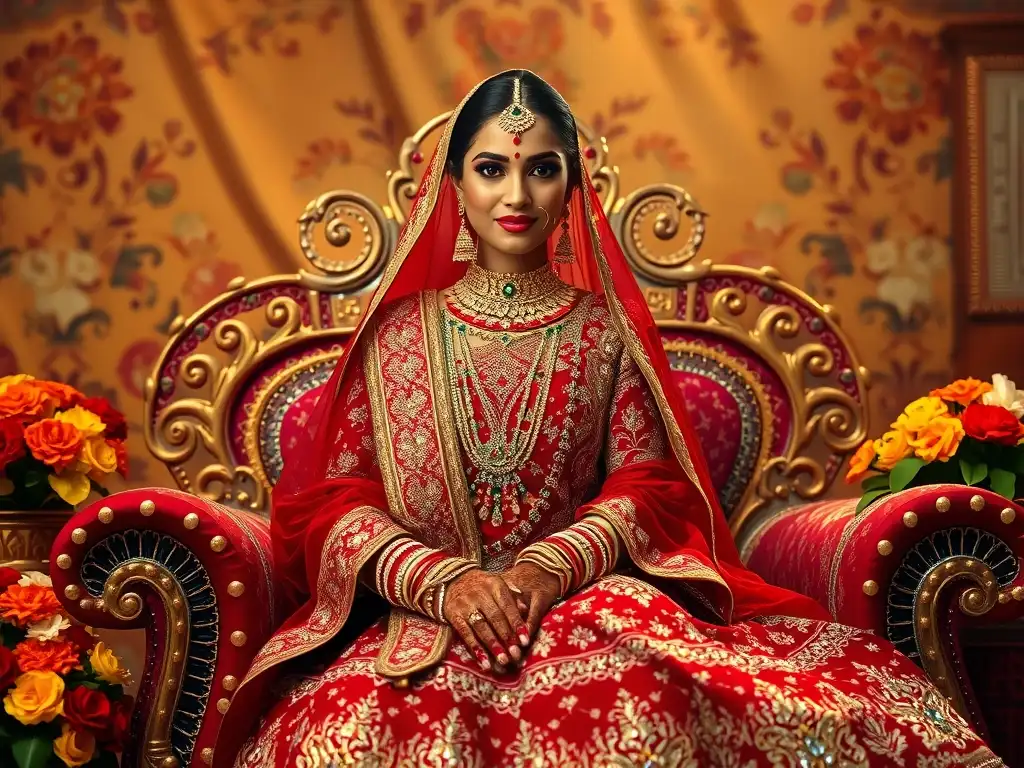
The role of gemstones in Indian wedding traditions is deeply intertwined with cultural significance, historical practices, and the rich tapestry of beliefs that have evolved over centuries. From the vibrant hues of rubies and emeralds to the clarity of diamonds, gemstones have not only adorned brides and grooms but have also symbolized various virtues and aspirations.
Throughout history, gemstones have been associated with prosperity, love, and protection. They are believed to carry energies that enhance the emotional and spiritual aspects of marriage. For instance, mangalsutra, often embellished with gold and gemstones, symbolizes the union of two souls and is considered a protective charm for the bride's husband.
The Indus Valley Civilization showcases early evidence of gemstone usage, where artisans crafted intricate jewelry with semi-precious stones. As we move through the ages, from the Maurya to the Gupta Empire, the tradition of gifting and wearing gemstones in weddings continued to evolve, reflecting the socio-economic status and personal tastes of families.
As modern Indian weddings blend age-old customs with contemporary trends, gemstones remain a staple. They are not just mere accessories; they encapsulate heritage and serve as a means of connecting past traditions with present practices. This enduring legacy ensures that gemstones will continue to play a pivotal role in Indian weddings for generations to come.
The Future of Gemstones in Indian Wedding Traditions
Looking ahead, the future of gemstones in Indian wedding traditions is poised for exciting developments, driven by changing societal norms, technological advancements, and a growing emphasis on sustainability.
- Sustainable Sourcing:
- As awareness about ethical consumption rises, couples are increasingly seeking gemstones that are sourced responsibly. This shift could lead to a greater emphasis on lab-grown diamonds and ethically mined stones, ensuring that the beauty of gemstones does not come at the cost of environmental degradation or human rights violations.
- Customization and Personalization:
- Future generations are likely to prioritize personalization in their wedding jewelry. This could involve bespoke designs that reflect individual stories or family heritage, further embedding the significance of gemstones in personal narratives. Customization not only enhances the emotional value of the jewelry but also allows couples to create unique pieces that resonate with their identities.
- Integration of Technology:
- The rise of augmented reality (AR) and virtual reality (VR) may transform how couples shop for gemstones. Imagine being able to visualize how a piece of jewelry will look in a wedding setting without even trying it on! This technological integration could simplify the decision-making process and enhance the overall shopping experience.
- Revival of Traditional Techniques:
- There is a growing trend towards reviving ancient jewelry-making techniques that highlight the craftsmanship of earlier civilizations. This resurgence could lead to a fusion of traditional artistry with modern designs, ensuring that the cultural heritage associated with gemstones is preserved while appealing to contemporary tastes.
- Cultural Fusion:
- As Indian weddings become more globalized, the incorporation of gemstones from various cultures may lead to hybrid traditions. This could foster an appreciation for diverse styles and the symbolism associated with gemstones from different backgrounds, enriching the narrative surrounding Indian wedding customs.
While gemstones have a storied past in Indian wedding traditions, their future is bright and full of potential. As they continue to symbolize love and commitment, their evolving role will undoubtedly reflect the changing dynamics of society, ensuring that they remain an integral part of weddings in India and beyond.
Frequently Asked Questions
What role do gemstones play in Indian wedding traditions?
Gemstones hold significant cultural and symbolic meaning in Indian weddings, representing luck, prosperity, and protection. They are often incorporated into jewelry worn by brides and grooms.
Which gemstones are most commonly used in Indian weddings?
Commonly used gemstones include diamonds, rubies, emeralds, and sapphires, each symbolizing different virtues like love, prosperity, and fidelity.
How do gemstones enhance the wedding attire?
Gemstones are often used in jewelry designs that adorn wedding attire, adding elegance and richness to the overall look, making the bride and groom stand out on their special day.
Are there specific gemstones associated with particular regions in India?
Yes, different regions in India have unique gemstones linked to local traditions. For example, Kanjivaram sarees often feature temple jewelry with specific gemstones like gold and pearls.
What is the significance of wearing gemstones during wedding rituals?
Wearing gemstones during rituals is believed to invoke blessings and bring good fortune to the couple, ensuring a prosperous and harmonious married life.
Final Reflection: The Enduring Legacy of Gemstones in Indian Wedding Traditions
Gemstones in Indian wedding traditions are not merely decorative elements; they embody deep cultural significance and emotional resonance that continue to thrive in contemporary society. As we navigate the complexities of modern life, the timeless allure of gemstones serves as a reminder of our roots and the values that shape our identities. The vibrant colors and intricate designs of these precious stones reflect the joy and sanctity of matrimonial unions, making them an integral part of wedding celebrations today.
The influence of gemstones extends far beyond their aesthetic appeal; they are woven into the very fabric of our cultural and social landscape. Their presence in weddings symbolizes prosperity, love, and protection, resonating with generations who have cherished these traditions. As noted by renowned gemologist Dr. Ranjit Singh, Gemstones are not just adornments; they are a bridge between the past and the future, carrying the hopes and dreams of families.
This ongoing connection to heritage fosters a sense of belonging and continuity, reminding us of the values that unite us across time and space.
As you reflect on the role of gemstones in your own life and relationships, consider how these symbols of love and commitment can inspire you to honor your traditions while embracing the future. Take a moment to appreciate the beauty and meaning behind the gemstones that adorn your celebrations—whether they are part of your wedding, a family heirloom, or a gift from a loved one. Let this appreciation guide you in creating your own unique narrative, one that honors the past while paving the way for new traditions and memories.
Embrace the Magic of Gemstones!
Thank you for diving into the enchanting world of gemstones in Indian weddings! We hope you’ve uncovered the rich traditions and symbolism that these precious stones embody. Now, it's time to take those insights and turn them into action!
Here’s how you can celebrate and integrate these beautiful traditions into your own life:
- Explore the meanings behind the gemstones you choose for your wedding or celebration! Select a stone that resonates with you or your partner’s personality to enhance your connection.
- Share your newfound knowledge with friends and family! Consider hosting a small gathering or sending a thoughtful message to help others understand the significance of gemstones.
- Join a local cultural community or an online forum dedicated to Indian weddings. Discover courtship rituals and share your own experiences related to gemstone traditions!
What gemstone are you most excited to incorporate into your celebrations, and what special meaning does it hold for you? Let's spark a discussion!