
The Aesthetic Principles of Indian Gemstone Artistry Through the Ages

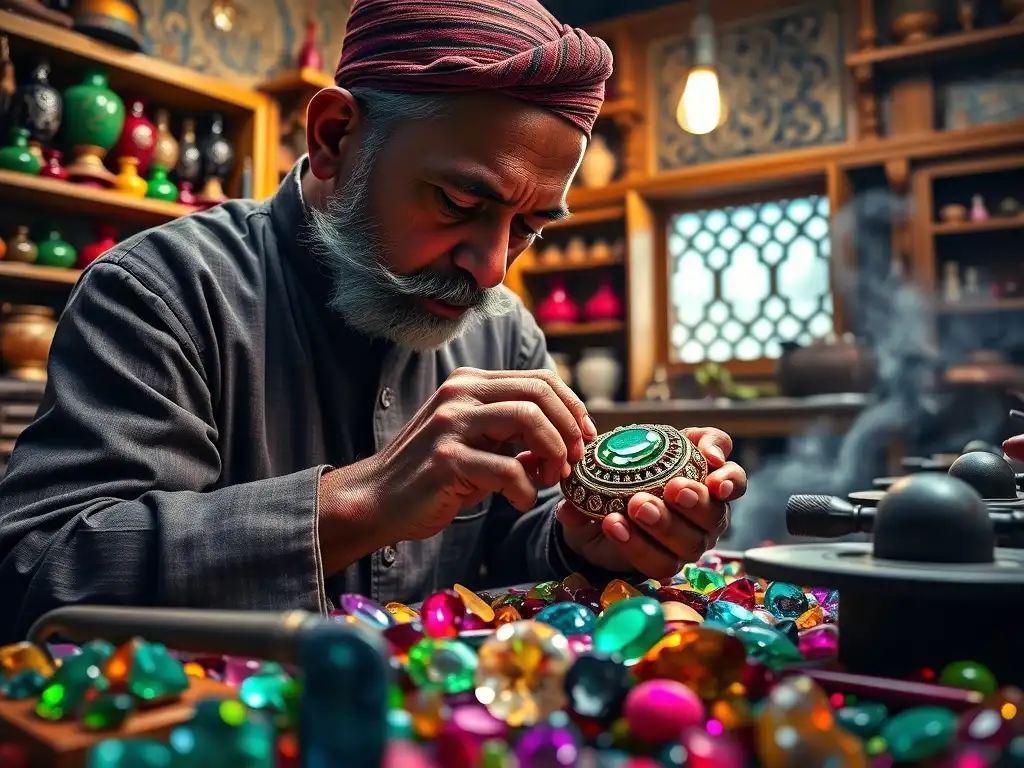
Welcome to Ancient India History, where we invite you to embark on a mesmerizing journey through time, exploring the rich tapestry of ancient Indian civilizations. In this article, we delve into the exquisite world of Indian gemstone artistry history, uncovering the aesthetic principles that have defined this craft through the ages. From the intricate designs of the Indus Valley to the opulent creations of the Gupta Empire, the artistry of gemstones reflects not only beauty but also the profound cultural influences of its time.
Are you ready to discover how these dazzling treasures have shaped India's artistic legacy? Dive in and let the stories unfold!
- Introduction to Indian Gemstone Artistry History
- The Historical Context of Indian Gemstone Artistry
- Key Aesthetic Principles in Indian Gemstone Artistry
- Regional Variations in Indian Gemstone Artistry
- Techniques of Indian Gemstone Artistry Through the Ages
- Iconic Gemstones and Their Historical Significance
- The Evolution of Indian Gemstone Artistry
- Conclusion: The Legacy of Indian Gemstone Artistry
- References and Further Reading
-
Frequently Asked Questions
- What is the significance of Indian gemstone artistry in ancient cultures?
- How did the Indus Valley civilization contribute to gemstone artistry?
- What are some key periods in the history of Indian gemstone artistry?
- Which gemstones were most commonly used in ancient Indian artistry?
- How did trade routes influence the evolution of gemstone artistry in India?
- Final Reflection: The Timeless Beauty of Indian Gemstone Artistry
- Unveil the Timeless Beauty of Indian Gemstone Artistry!
Introduction to Indian Gemstone Artistry History
The history of Indian gemstone artistry is a captivating journey that reflects the rich and diverse cultural heritage of India. From the intricate designs of ancient jewelry to the profound significance of gemstones in various traditions, the artistry associated with gemstones has evolved significantly over the centuries.
This article explores the aesthetic principles that have shaped Indian gemstone artistry, tracing its origins from the ancient Indus Valley civilization to the flourishing Gupta Empire. As we delve into this fascinating subject, we will uncover how different historical periods, regional influences, and societal beliefs have contributed to the unique styles and techniques of gemstone craftsmanship in India, revealing a legacy that continues to inspire contemporary artisans.
Overview of Indian Gemstone Artistry
Indian gemstone artistry has a long-standing tradition that dates back thousands of years. The earliest instances of gemstone use can be traced to the Indus Valley Civilization (c. 3300–1300 BCE), where artisans skillfully crafted beads and ornaments from semi-precious stones like carnelian, agate, and lapis lazuli. Over time, these practices evolved, leading to unique styles that were shaped by various dynasties and cultures.
- Historical Development:
- Maurya Period (c. 322–185 BCE): Marked by the use of gemstones in royal adornments, with a focus on diamonds and emeralds.
- Gupta Empire (c. 320–550 CE): A golden age for arts and crafts, which saw the refinement of gemstone cutting and setting techniques, enhancing their aesthetic appeal.
- Medieval Period: The Mughal Empire introduced intricate designs and vibrant color palettes, elevating gemstone artistry to new heights.
As gemstone artistry progressed, it became intertwined with the spirituality and rituals of various communities. The symbolism of gemstones, often linked to astrological beliefs, played a crucial role in their aesthetic application.
Importance of Gemstones in Indian Culture
Gemstones hold immense significance in Indian culture, serving not only as decorative items but also as symbols of power, wealth, and spiritual protection. Their importance can be categorized into several aspects:
- Cultural Symbolism:
- Different gemstones are believed to possess unique energies and influences, often associated with specific deities and spiritual practices.
- For instance, the Ruby is linked to the sun and symbolizes vitality and passion, while the Emerald represents wisdom and peace.
- Astrological Beliefs:
- In Vedic astrology, gemstones are used as remedies to mitigate the ill effects of planetary positions. Wearing a particular stone is thought to bring balance and harmony to one's life.
- This practice has contributed to the continued demand and reverence for gemstone artistry in Indian society.
- Craftsmanship and Economic Impact:
- The intricate craftsmanship involved in gemstone artistry has not only fostered a rich tradition but has also played a significant role in the economy, providing livelihoods for countless artisans across the country.
- Regions like Jaipur, known for their exceptional gemstone cutting and polishing techniques, have become hubs of this vibrant industry.
The history of Indian gemstone artistry is a testament to the skill and creativity of ancient artisans, reflecting the profound cultural and spiritual values of Indian civilization. As we explore further, we will uncover the various styles, techniques, and influences that have shaped this unique art form through the ages.
The Historical Context of Indian Gemstone Artistry
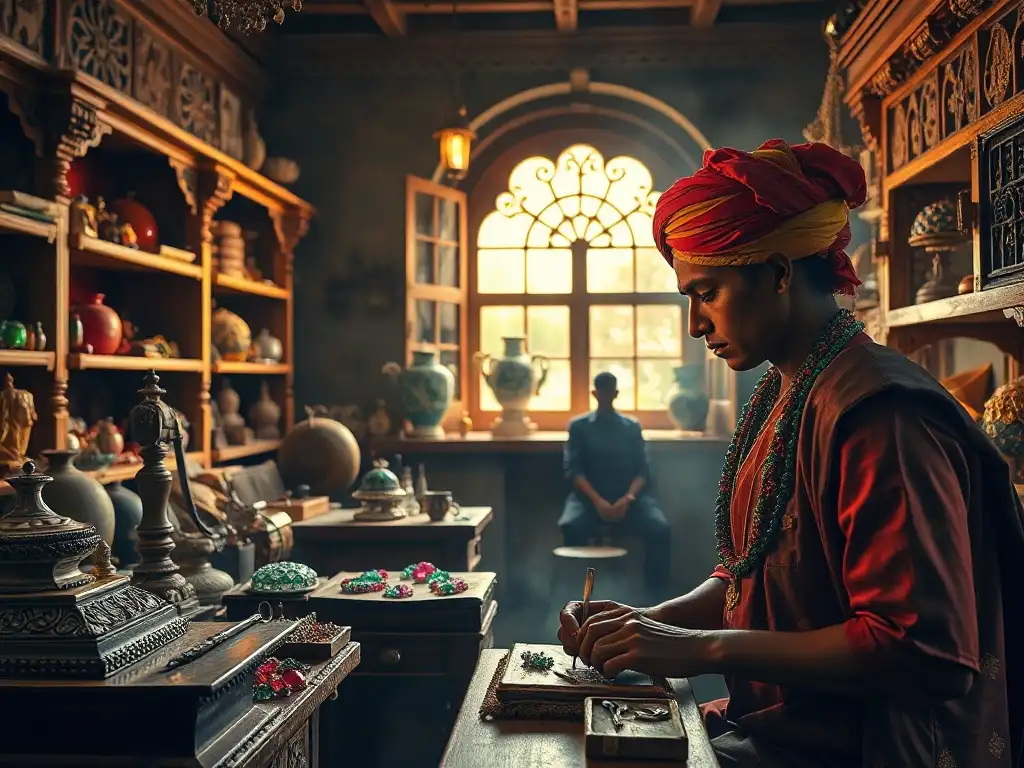
Ancient Civilizations and Their Influence on Gemstone Artistry
The history of Indian gemstone artistry is deeply intertwined with the cultural and economic developments of its ancient civilizations. From the meticulous craftsmanship of the Indus Valley to the opulent designs of the Gupta Empire, gemstones were not merely decorative but also symbolized power, spirituality, and wealth. Each civilization contributed unique techniques and styles that have shaped the evolution of gemstone artistry in India.
The Indus Valley Civilization: Early Techniques and Styles
The Indus Valley Civilization (circa 3300–1300 BCE) is one of the earliest known urban cultures in the world, renowned for its advanced craftsmanship, including the art of gemstone cutting and jewelry making. Artisans utilized a variety of semi-precious stones such as carnelian, agate, and lapis lazuli.
- Techniques: Gemstone artists in this period employed rudimentary tools to shape and polish stones. They used simple methods like grinding and drilling, which laid the foundation for future techniques in gemstone artistry.
- Styles: The jewelry of the Indus Valley featured intricate beadwork, often incorporating animal motifs and geometric patterns, reflecting the civilization's connection to nature and spirituality.
- Cultural Significance: Gemstones were believed to hold protective and healing properties, and their use in amulets and seals indicates a rich spiritual life. Some artifacts, such as the famous "unicorn seals," illustrate the symbolic role of gemstones in religious and social contexts.
The Mauryan Empire: Gems and Royalty
During the Mauryan Empire (circa 322–185 BCE), India witnessed a significant expansion in the use and appreciation of gemstones, largely influenced by the empire's wealth and trade networks.
- Royal Patronage: The Mauryan rulers, particularly Emperor Ashoka, patronized the arts, leading to the production of exquisite gemstone jewelry that adorned the elite. Gemstones became a symbol of status and power, often associated with the divine right to rule.
- Trade and Influence: The Mauryan Empire established trade routes that connected India with regions such as Persia and the Mediterranean. This interaction introduced new gemstones and techniques, enriching the local craftsmanship. For instance, the use of emeralds and diamonds became more prevalent during this time.
- Religious Symbolism: Gemstones were often used in religious artifacts and rituals. Their incorporation into stupas and sculptures indicated their importance in spiritual practices, symbolizing purity and enlightenment.
The Gupta Period: A Golden Age for Artistry and Craftsmanship
The Gupta Period (circa 320–550 CE) is often heralded as a golden age in Indian history, characterized by remarkable advancements in art, science, and culture. This era saw the flourishing of gemstone artistry, marked by innovation and sophistication.
- Innovative Techniques: Gupta artisans mastered advanced cutting and polishing techniques, producing gems with unparalleled brilliance. The introduction of cabochon cuts allowed for more creative expressions in jewelry design.
- Artistic Styles: Jewelry from the Gupta period is distinguished by its intricate designs and elaborate craftsmanship. Gold and silver settings embellished with colorful gemstones showcased the artisans' skill and creativity. Common motifs included floral and celestial themes, reflecting the era's artistic trends.
- Cultural Influence: The Gupta Empire's cultural renaissance fostered a deep appreciation for the arts, including gemstone jewelry. The emergence of literature and philosophy during this period often celebrated the beauty and significance of gemstones, further embedding them into the cultural fabric of Indian society.
The historical context of Indian gemstone artistry reveals a rich tapestry of cultural influences and advancements throughout various ancient civilizations. From the early techniques of the Indus Valley to the opulence of the Gupta period, each era has contributed to the enduring legacy of Indian gemstone artistry history.
Key Aesthetic Principles in Indian Gemstone Artistry
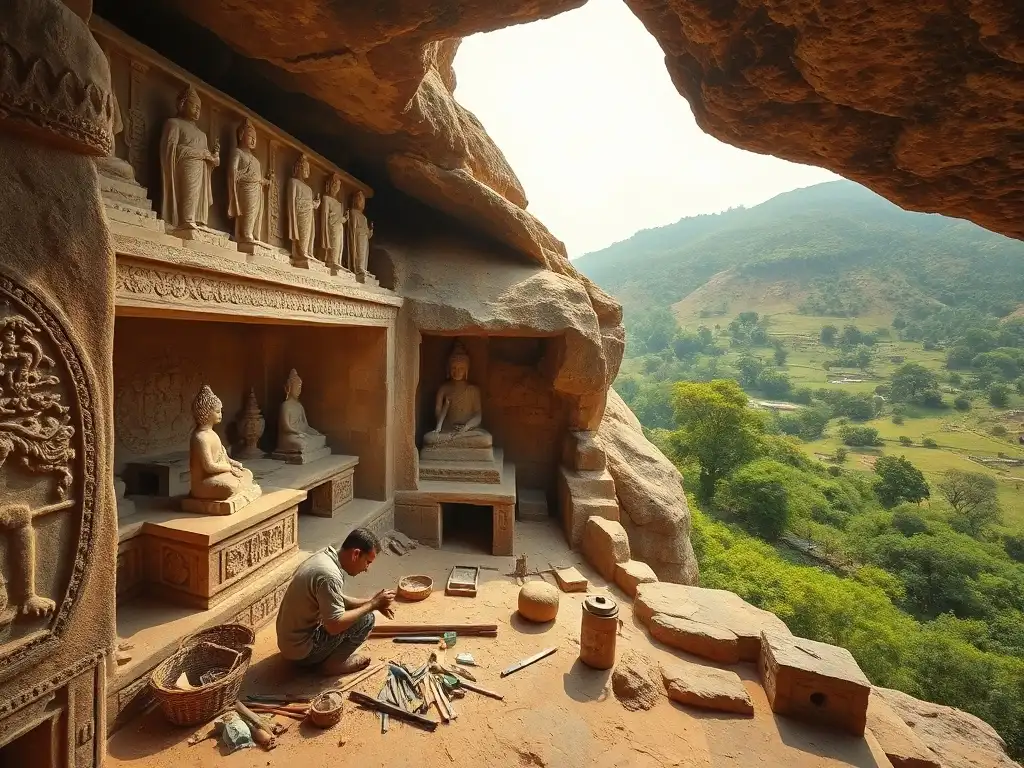
Indian gemstone artistry has evolved over centuries, reflecting a rich tapestry of cultural and aesthetic values. The craftsmanship involved in this art form is not merely about creating visually appealing pieces but also about embedding deeper meanings and philosophies into the designs. Understanding the key aesthetic principles that govern Indian gemstone artistry history allows us to appreciate the intricate beauty and cultural significance of these creations.
Symmetry and Balance in Gemstone Design
Symmetry and balance are paramount in Indian gemstone artistry, representing harmony and order in design. This principle is deeply rooted in traditional Indian aesthetics, where a balanced composition is believed to bring peace and satisfaction to the viewer.
- Geometric Patterns: Many pieces of Indian gemstone jewelry incorporate geometric shapes that adhere to symmetrical patterns. This not only enhances the visual appeal but also reflects the mathematical precision inherent in Indian art.
- Proportion: The proportion of gemstones to the surrounding metalwork is carefully calculated. For instance, larger stones often serve as focal points, surrounded by smaller stones that complement the overall design without overshadowing it.
- Cultural Significance: In Hindu philosophy, symmetry is often associated with cosmic order and the divine. Therefore, artisans strive to achieve this balance in their creations, believing it enhances the spiritual value of the piece.
Color Theory in Indian Gemstone Artistry
Color plays a crucial role in Indian gemstone artistry, with each hue carrying its own significance and connotations. The selection of colors is deliberate, often designed to evoke specific emotions or convey particular messages.
- Cultural Associations: Different colors are linked to various deities, seasons, and festivals in Indian culture. For example, red symbolizes passion and power, while blue is often associated with divinity and tranquility. Artisans choose gemstones based on these associations to create pieces that resonate with cultural beliefs.
- Contrast and Harmony: The juxtaposition of contrasting colors is a common technique used to create visual interest. For instance, the vibrant green of emeralds against the warm gold of filigree work creates a stunning harmony that captures attention.
- Psychological Impact: Colors can influence mood and perception. Jewelers carefully consider the psychological effects of colors, ensuring that their choices enhance the emotional experience of wearing the jewelry.
Symbolism of Gemstones in Indian Culture
Gemstones in Indian culture are not merely decorative; they are imbued with symbolism and meaning that transcend their physical beauty. Each gemstone has its own story and significance, making it an essential element of Indian gemstone artistry.
- Astrological Beliefs: In Vedic astrology, gemstones are believed to possess unique energies that can influence an individual's fate. For example, wearing a ruby is thought to enhance one's vitality and power, while a sapphire is associated with wisdom and protection.
- Spiritual Significance: Many gemstones are linked to spiritual practices and beliefs. For instance, diamonds are often associated with purity and clarity of mind, making them a symbol of spiritual enlightenment.
- Cultural Narratives: The use of specific stones can also tell stories about regional traditions and history. For instance, the prominence of turquoise in Rajasthani jewelry highlights the historical trade routes and cultural exchanges between India and other regions.
The aesthetic principles of symmetry, color theory, and symbolism play vital roles in shaping the rich heritage of Indian gemstone artistry. Understanding these principles enhances our appreciation of the artistry involved and the deeper connections between culture and craftsmanship in Indian history.
Regional Variations in Indian Gemstone Artistry
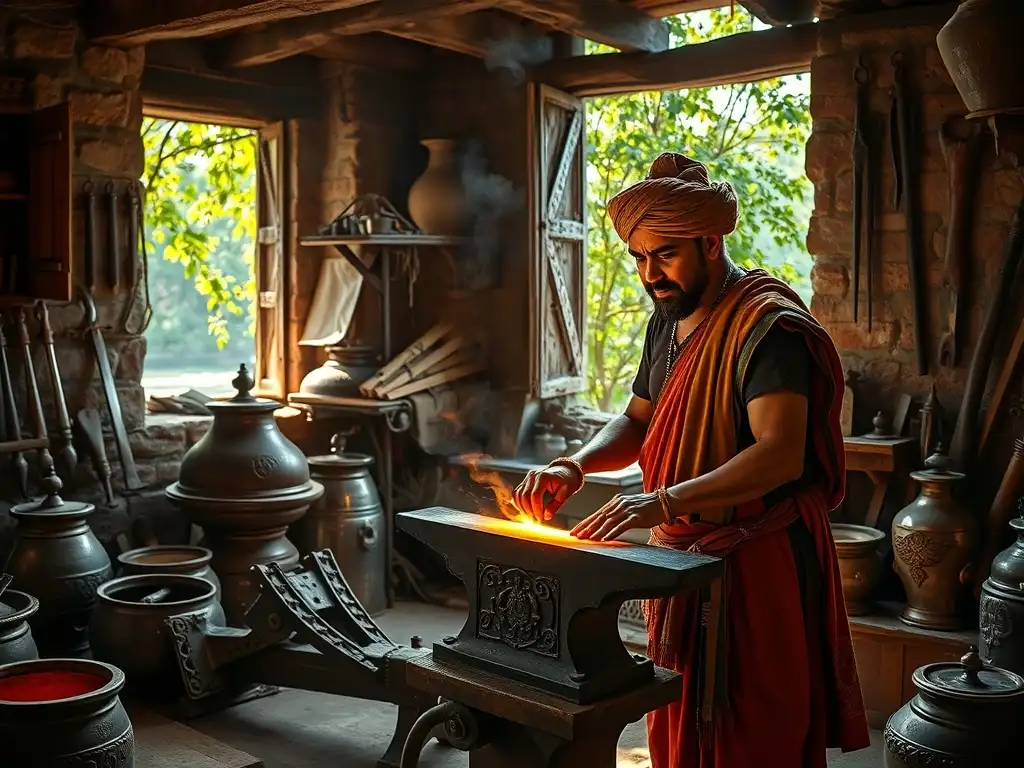
Indian gemstone artistry showcases a remarkable diversity that reflects the various cultural influences and regional characteristics across the subcontinent. Each region boasts unique styles, techniques, and materials, contributing to the rich tapestry of India's gemstone heritage. This section explores the distinct patterns and methods that define gemstone artistry in different areas of India.
The Distinct Styles of Rajasthan Gemstone Jewelry
Rajasthan, known for its vibrant culture and artistic traditions, is a significant hub for gemstone jewelry. The region is particularly famous for its intricate designs that often incorporate polki (uncut diamonds), meena (enamel), and other precious stones.
- Polki Jewelry: This style utilizes uncut diamonds set in gold and is celebrated for its raw beauty. The irregular shapes of polki stones add a distinctive charm, making each piece unique.
- Kundan Work: This traditional craft involves setting gemstones in gold foil, creating a regal look. Kundan jewelry often features elaborate patterns and is a staple in bridal adornments.
- Meenakari: This technique involves coloring the surface of metal with vivid enamel. It is often combined with Kundan and polki work, creating a colorful and intricate aesthetic.
The craftsmanship in Rajasthan is not merely decorative; it often tells stories through motifs inspired by local folklore, nature, and religious themes. This artistic expression is deeply rooted in the region's history, reflecting a blend of royal patronage and local craftsmanship.
South Indian Gemstone Craftsmanship: Heritage and Techniques
South India is renowned for its distinctive gemstone craftsmanship, characterized by unique techniques and a rich heritage that dates back centuries. The region's artisans have perfected various styles, particularly in cities like Chennai, Hyderabad, and Mysore.
- Temple Jewelry: Traditionally used in temple rituals, this jewelry often features motifs of deities and intricate carvings. It is typically made using gold and studded with precious stones, symbolizing devotion and artistry.
- Granulation and Filigree: South Indian artisans are skilled in granulation, where tiny metal balls are fused to create patterns, and filigree, which involves twisting thin wires of gold or silver into intricate designs. These techniques enhance the gemstone settings and provide a detailed finish.
- Color and Composition: South Indian gemstone artistry prominently features rubies, sapphires, and emeralds, often arranged in traditional patterns. The combination of vibrant colors with intricate craftsmanship results in stunning pieces that are both timeless and culturally significant.
The influence of temple architecture and local traditions can be seen in the motifs and themes of South Indian gemstone jewelry, making it a significant part of the region's cultural identity.
The Influence of Western Styles on Indian Gemstone Art
The globalization of fashion and design has led to a fascinating fusion of Western styles with traditional Indian gemstone artistry. This influence has transformed how gemstones are perceived and utilized in contemporary jewelry design.
- Contemporary Designs: Indian artisans are increasingly experimenting with modern aesthetics, incorporating Western design elements such as minimalist styles, geometric shapes, and innovative settings. This shift caters to a broader audience and reflects changing consumer preferences.
- Use of Alternative Materials: In addition to traditional gemstones, there is a growing trend to use semi-precious stones and unconventional materials, which appeal to modern sensibilities and eco-conscious consumers.
- Sustainability Practices: As awareness of sustainable practices rises, many artisans are adopting eco-friendly methods in gemstone mining and jewelry production. This approach resonates with the values of contemporary consumers who prioritize ethical sourcing.
The blending of Western influences with Indian gemstone artistry not only revitalizes traditional techniques but also creates a dynamic and evolving landscape that honors the past while embracing the future.
By examining these regional variations, it becomes clear that Indian gemstone artistry history is a rich narrative that reflects the cultural, artistic, and social influences that have shaped it throughout the ages.
Techniques of Indian Gemstone Artistry Through the Ages
Traditional Methods of Gem Cutting and Polishing
The rich history of Indian gemstone artistry is deeply intertwined with traditional methods that have been refined over centuries. Notably, the art of gem cutting and polishing in ancient India relied heavily on techniques that emphasized both aesthetic appeal and spiritual significance.
- Cabochon Cutting: This method involves shaping and polishing the gemstone into a smooth, rounded form. It was particularly favored for softer stones like lapis lazuli and jade, which were believed to possess protective properties. The cabochon cut enhances the stone's natural color and luster, making it a popular choice for decorative jewelry.
- Faceting: This technique, which emerged later, involves cutting the gemstone into multiple flat surfaces or facets to enhance its brilliance. The cutting of diamonds, particularly during the Mughal period, illustrates the sophistication of Indian gem cutting techniques. Skilled artisans employed simple tools to create intricate facets that maximized light reflection.
- Engraving and Intaglio: Another traditional practice, engraving involved carving detailed designs onto gemstones, often depicting mythological figures or motifs. Intaglio, on the other hand, is the opposite of engraving, where the design is carved into the surface, creating a recessed image. Both methods were used to enhance the cultural significance of gemstones in jewelry.
The craftsmanship involved in these traditional methods not only highlights the technical skill of artisans but also reflects the cultural and religious values associated with gemstones in Indian society.
Innovations in Contemporary Indian Gemstone Artistry
As we transition into modern times, the landscape of Indian gemstone artistry has witnessed significant innovations, integrating contemporary techniques with traditional practices.
- Laser Cutting Technology: The introduction of laser cutting has revolutionized gemstone processing. This precise method allows for intricate designs and patterns that were previously unattainable with manual techniques. Lasers can cut through hard materials with ease, enhancing the efficiency of gemstone production.
- 3D Printing: The advent of 3D printing technology has opened new avenues for designing jewelry. This allows artisans to create prototypes and intricate settings that can be customized to individual preferences, making unique pieces more accessible.
- Sustainable Practices: Contemporary artisans are increasingly focusing on sustainability, sourcing gemstones ethically and minimizing environmental impact. This trend reflects a growing consciousness about the origins of gemstones and the importance of responsible sourcing.
- Fusion of Styles: Modern Indian gemstone artistry often blends traditional motifs with contemporary design elements, appealing to a wider audience. For instance, the incorporation of traditional Rajasthani designs with modern aesthetics has created a unique niche in the market.
These innovations underscore the adaptability of Indian gemstone artistry, allowing it to thrive in a global market while maintaining its rich heritage.
Tools and Technology in Indian Gemstone Crafting
The tools and technology used in Indian gemstone artistry have evolved significantly, impacting the precision and creativity of gemstone crafting.
- Traditional Tools:
- Polishing Wheels: Historically, artisans used polishing wheels made from leather and other materials to achieve the desired finish on gemstones.
- Chisels and Gravers: Hand tools like chisels and gravers were essential for engraving and shaping stones, requiring immense skill and patience.
- Modern Tools:
- Diamond Saw Blades: These blades, used in modern cutting processes, allow artisans to slice through even the hardest gemstones with precision, significantly reducing waste and enhancing productivity.
- Computer-Aided Design (CAD): CAD software has become an invaluable tool for modern artisans, enabling them to create detailed designs and visualizations before actual production. This technology allows for greater creativity and experimentation in designs.
- Quality Control Instruments: Tools such as spectrometers and refractometers are now employed to assess the quality and authenticity of gemstones. These instruments ensure that artisans meet the highest standards in their craft.
The integration of traditional and modern tools in Indian gemstone artistry exemplifies the balance between heritage and innovation, ensuring the continued relevance and excellence of this ancient craft in the contemporary world.
Iconic Gemstones and Their Historical Significance
The Role of Diamonds in Indian History
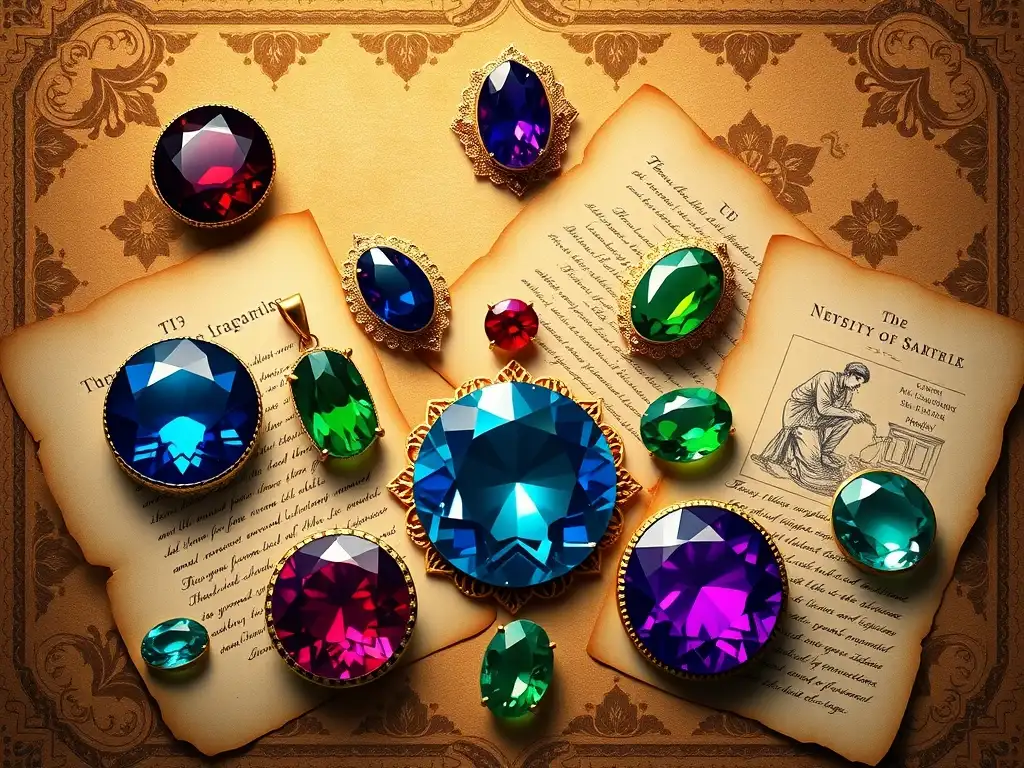
Diamonds, known as "Vajra" in Sanskrit, hold a prominent place in the history of India, dating back to ancient times. The earliest references to diamonds are found in texts such as the Arthashastra, composed by Kautilya around 300 BCE, which outlines their value and significance in trade and warfare. Diamonds were not only cherished for their beauty but were also believed to possess mystical properties, serving as talismans for protection and strength.
Historically, India was the primary source of diamonds until the 18th century, with major mines located in the regions of Golconda and the Krishna River. The famed Koh-i-Noor diamond, originally mined in India, is a prime example of the cultural and historical weight that diamonds carried. It has been associated with various Indian rulers, including the Mughal emperors, and later became a part of British crown jewels, illustrating the gemstone's journey through power and prestige.
Moreover, diamonds in India were intricately linked to social hierarchies. They were often worn by royalty and the affluent, symbolizing wealth and status. The craftsmanship involved in diamond cutting and setting also evolved, leading to unique styles such as the rose cut, which enhanced the diamond's natural brilliance while reflecting Indian artistry.
Rubies and Sapphires: Myths and Realities
Rubies and sapphires, both belonging to the corundum family, have a rich tapestry of myths and realities interwoven into their history in India. Rubies, known as "Manik" in Sanskrit, have long been associated with power, passion, and protection. Ancient texts describe rubies as possessing the ability to confer invincibility to their wearers, a belief that fueled their desirability among Indian royalty.
In contrast, sapphires, referred to as "Neelam," were often believed to bring wisdom and prosperity. The deep blue hue of sapphires was associated with the divine, leading to their use in religious artifacts and royal insignia. The historical significance of these gemstones is highlighted by the Mughal Empire, where both rubies and sapphires adorned the crowns and jewelry of emperors, signifying their authority and divine right to rule.
The craftsmanship of Indian artisans also played a vital role in the appreciation of these gemstones. Techniques such as jadau and meena work showcased rubies and sapphires in elaborate settings, emphasizing intricate designs that reflected the cultural richness of the era. The interplay of light and color in these gemstones further enhanced their allure, making them a staple in both personal adornment and ceremonial use.
The Cultural Significance of Emeralds in India
Emeralds, or "Panna," have been celebrated in Indian culture for centuries, revered not only for their striking green hue but also for their astrological significance. In Vedic astrology, emeralds are associated with the planet Mercury, symbolizing intelligence, communication, and prosperity. This connection has led to their widespread use among scholars and leaders, who believed that wearing emeralds could enhance their cognitive abilities and bring good fortune.
The cultural significance of emeralds is further illustrated by their presence in Indian mythology. They are often linked to the goddess Lakshmi, who embodies wealth and auspiciousness. As a result, emeralds have been incorporated into various religious artifacts and rituals, signifying their importance in spiritual practices.
In addition to their metaphysical attributes, emeralds were a favorite among Indian royalty. The Mughal emperors prized emeralds for their beauty, and many notable pieces of jewelry from this era feature emeralds set in intricate designs, often combined with diamonds, rubies, and pearls. The craftsmanship of Indian jewelers ensured that emeralds were not only stunning in appearance but also a testament to the rich artistic heritage of the time.
The historical and cultural significance of emeralds in India is profound, reflecting their multifaceted roles in society, spirituality, and artistry. Their enduring appeal continues to influence contemporary gemstone artistry, making emeralds a cherished part of India's rich gemstone legacy.
The Evolution of Indian Gemstone Artistry
From Ancient Techniques to Modern Adaptations
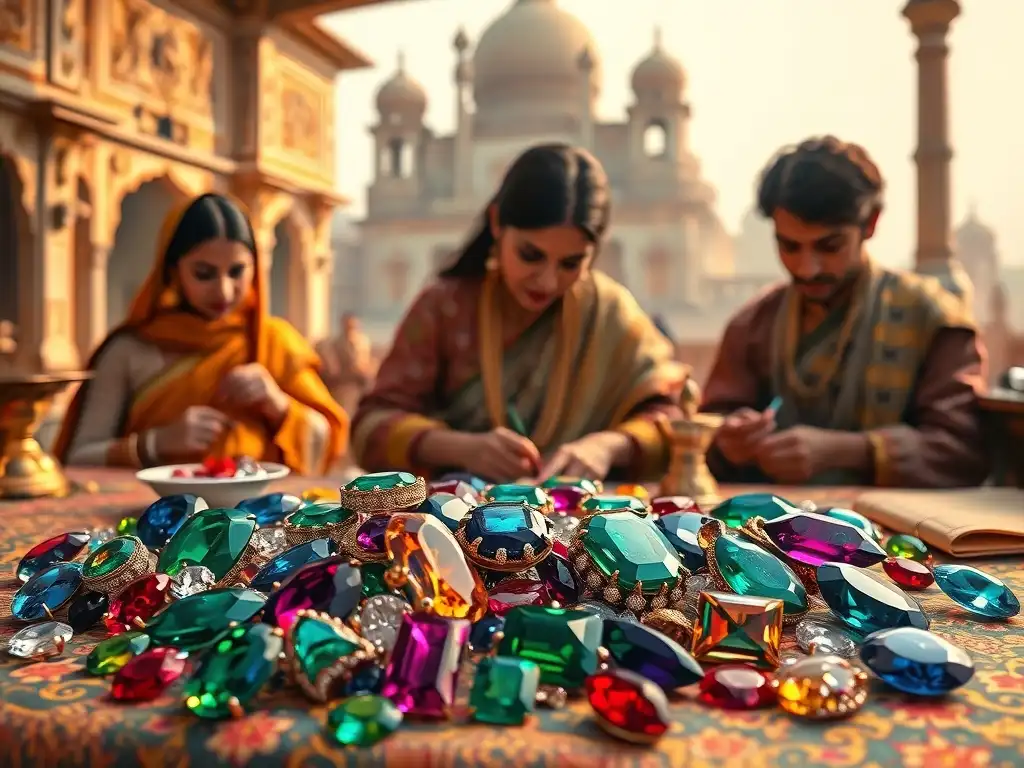
The journey of Indian gemstone artistry is steeped in rich traditions that date back thousands of years. Initially, artisans employed primitive techniques to shape and polish stones, using rudimentary tools made from harder materials. This craftsmanship can be traced back to the Indus Valley Civilization (circa 2500 BCE), where evidence of bead-making from semi-precious stones like carnelian and agate has been uncovered. The artisans of this era not only showcased their skills in lapidary but also integrated spiritual significance into their work, emphasizing the belief in gemstones as carriers of divine energy.
As time progressed, the art of gemstone crafting evolved significantly. During the Mauryan Empire (circa 322-185 BCE), the introduction of more sophisticated techniques allowed for intricate carvings and the creation of elaborate jewelry pieces. The use of gemstones in royal insignia and adornments became a symbol of power and status. Notably, the Kautilya Arthashastra, an ancient Indian treatise, mentions the importance of gemstones in trade and their valuation, indicating a burgeoning market for these precious items.
By the time of the Gupta Empire (circa 320-550 CE), Indian gemstone artistry reached new heights. Artisans began to employ advanced techniques such as faceting, which enhanced the brilliance of stones. This period also marked the introduction of new gemstone varieties and colors, influenced by trade with distant lands. The craftsmanship during this time was characterized by precision and an aesthetic sophistication that set the foundation for future generations.
Contemporary Indian Designers and Their Contributions
In recent decades, Indian gemstone artistry has seen a remarkable revival, driven by contemporary designers who blend traditional techniques with modern aesthetics. Notable figures like Sabyasachi Mukherjee and Manish Arora have redefined the use of gemstones in fashion, creating pieces that resonate with both heritage and contemporary style. Their collections often feature intricate designs that pay homage to India's rich cultural tapestry while appealing to a global audience.
One of the significant trends is the emphasis on sustainable sourcing and ethical practices. Many contemporary artisans are conscious of the environmental impact of mining and are exploring alternative methods for gemstone acquisition. This shift not only preserves the integrity of the craft but also aligns with the growing demand for responsible consumption.
Moreover, the fusion of technology with traditional artistry is noteworthy. Techniques such as CAD (Computer-Aided Design) are now being utilized to conceptualize and execute gemstone designs with unparalleled precision. This innovation enhances the creative possibilities for designers while retaining the essence of traditional craftsmanship, thereby ensuring the survival of age-old skills in a modern context.
The Global Impact of Indian Gemstone Artistry
The influence of Indian gemstone artistry extends far beyond its borders, impacting global jewelry markets and trends. India has long been recognized as a pivotal player in the gemstone trade, supplying a vast array of precious and semi-precious stones to international markets. The country’s expertise in cutting, polishing, and designing has established it as a hub for quality gemstones.
Indian jewelry styles, characterized by their intricate designs and vivid colors, have inspired global fashion houses and designers. The use of traditional motifs and techniques in modern jewelry pieces highlights the richness of Indian heritage, leading to a growing appreciation for Indian craftsmanship worldwide. Events such as India International Jewellery Show (IIJS) and participation in global exhibitions further showcase the skill and creativity of Indian artisans, promoting cultural exchange and collaboration.
In addition, the rise of online marketplaces has enabled Indian artisans to reach a broader audience, allowing for the global dissemination of their work. This accessibility has fostered an appreciation for Indian gemstone artistry, encouraging cross-cultural influences and innovation in design. As a result, the legacy of Indian gemstone artistry continues to thrive, adapting and evolving to meet the tastes and preferences of a diverse clientele around the world.
The Indian gemstone artistry history reflects a dynamic interplay of tradition and modernity, where ancient techniques are preserved and reimagined by contemporary artisans. This ongoing evolution not only honors the past but also paves the way for a vibrant future in the realm of gemstones and jewelry.
Conclusion: The Legacy of Indian Gemstone Artistry
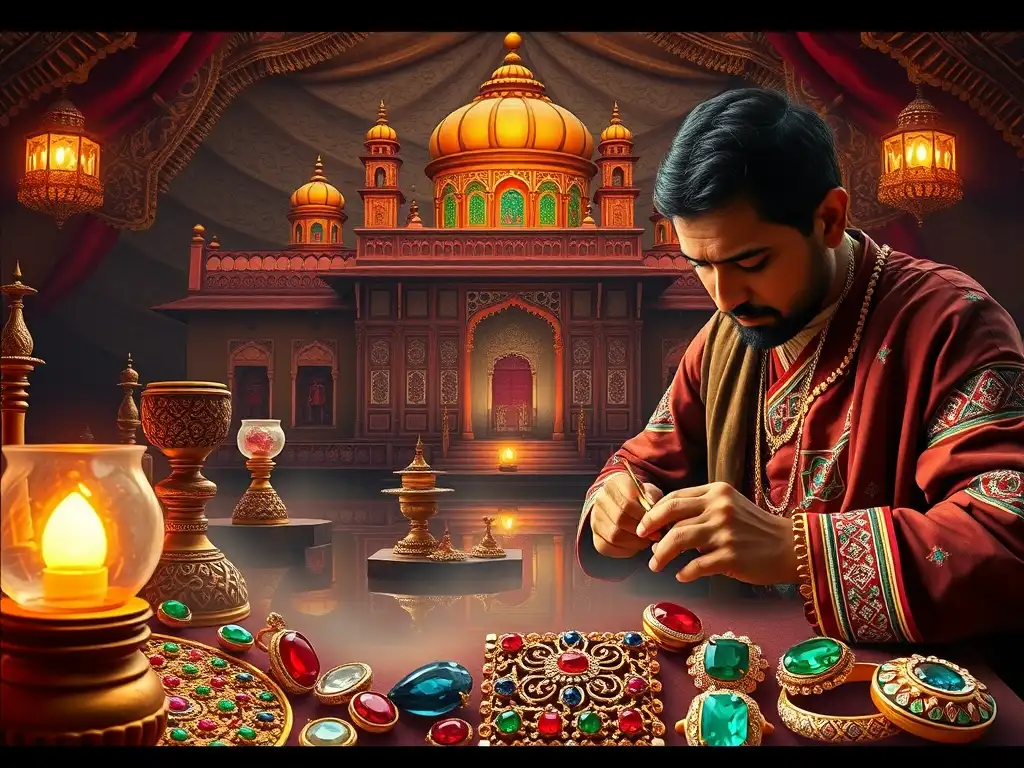
The legacy of Indian gemstone artistry is a rich tapestry woven from centuries of cultural, spiritual, and artistic influences. This craftsmanship has not only adorned the rulers and deities of ancient times but has also been a pivotal part of India’s economic and social fabric. From the intricate designs of the Mughal era to the vibrant styles of contemporary jewelry, the history of Indian gemstone artistry reflects the evolution of aesthetic principles that have stood the test of time.
Indian gemstones have been celebrated for their unparalleled quality and beauty, which in turn has fostered a strong heritage of skilled artisans dedicated to this craft. The significance of gemstones in Indian culture extends beyond mere ornamentation; they are imbued with spiritual and astrological meanings, thus playing a vital role in rituals and traditions. This profound connection between gemstones and spirituality has ensured that the art of gemstone craftsmanship remains alive and continues to thrive.
Preserving the Heritage of Indian Gemstone Craftsmanship
Preserving Indian gemstone craftsmanship involves both safeguarding traditional techniques and adapting to contemporary demands. Artisans, often belonging to families with generations of craftsmanship, possess unique skills passed down through the years. However, the rapid industrialization and globalization pose challenges to these age-old practices.
Key Preservation Strategies:
- Education and Training: Establishing programs that teach traditional techniques to the younger generations is critical. Workshops and apprenticeships can help maintain the link between past and present.
- Government Support: Initiatives such as grants, subsidies, and recognition of artisans as national treasures can provide much-needed support in preserving this craft.
- Sustainable Practices: Encouraging sustainable sourcing of gemstones and promoting eco-friendly practices ensures that the artistry does not come at the cost of environmental degradation.
- Cultural Documentation: Creating records of techniques, designs, and cultural significance can help in promoting awareness and appreciation of this art form.
By implementing these strategies, the essence of Indian gemstone artistry can be preserved for future generations, ensuring that this vibrant heritage continues to flourish.
Future Trends in Indian Gemstone Artistry
The future of Indian gemstone artistry is poised for transformation as it adapts to changing trends and global influences. As consumers become increasingly conscious of ethical sourcing and sustainability, artisans are finding innovative ways to meet these demands while retaining traditional craftsmanship.
Emerging Trends:
- Ethical Gemstone Sourcing: Consumers are now more aware of the origins of the gemstones they purchase. The rise of ethical sourcing practices ensures that gemstones are obtained without harming the environment or exploiting workers.
- Fusion Styles: Contemporary designs that blend traditional Indian motifs with modern aesthetics are gaining popularity. This fusion not only attracts a younger audience but also revitalizes interest in ancient designs.
- Technology Integration: The use of technology in design and production is on the rise. CAD (Computer-Aided Design) and 3D printing are enabling artisans to experiment with new styles and create intricate designs more efficiently.
- Personalization: There is a growing trend towards personalized jewelry, where consumers seek unique pieces that reflect their individual stories or sentiments. This focus on personalization allows artisans to innovate and create bespoke pieces that resonate with modern consumers.
The future of Indian gemstone artistry is bright, as it embraces innovation while honoring its rich heritage. By navigating these trends, the industry can ensure that Indian gemstone artistry continues to be a vibrant and integral part of both cultural identity and modern fashion.
References and Further Reading
Recommended Books on Indian Gemstone History
- "The Art of Indian Gemstones" by S. R. Sharma
- This comprehensive book delves into the intricate world of Indian gemstones, tracing their history from ancient times to modern practices. Sharma explores the cultural significance and craftsmanship involved in the creation of gemstone jewelry, offering insights into various regional styles and techniques.
- "Jewels of India: The Royal Collection" by Aditi Shankardass
- Aditi Shankardass presents a captivating exploration of the royal collections of gemstones in India, highlighting their aesthetic principles and historical contexts. This book not only showcases exquisite pieces but also discusses the artisans and methods behind their creation.
- "The History of Indian Jewelry: A Comprehensive Study" by R. K. Gupta
- Gupta’s work provides an extensive overview of Indian jewelry, with a dedicated section on gemstones. The book examines various periods, revealing how gemstone artistry evolved across different dynasties and regions in India.
- "Gemstones of India: A Guide to Their History and Usage" by Meera Joshi
- This guide focuses on the historical applications of gemstones in India, including their use in jewelry, rituals, and as symbols of power. Joshi’s narrative is enriched with cultural anecdotes and traditional practices associated with gemstones.
- "The Craft of Gemstone Carving in India" by Anjali Verma
- Verma discusses the unique techniques of gemstone carving that have developed over centuries in India. This book highlights the skills of artisans and the evolution of styles, providing a visual journey through the artistry of Indian gemstones.
Online Resources for Exploring Indian Gemstone Artistry
- The Indian Gemstone Museum (www.indiangemstonemuseum.org)
- This online museum offers a virtual tour of India’s rich gemstone heritage, featuring galleries on various gemstones, their origins, and historical significance. Educational resources are available for a deeper understanding of the artistry involved.
- Gemstone and Jewelry Association of India (www.gjai.org)
- The GJAI website provides a wealth of information on the gemstone industry in India, including trends, exhibitions, and historical insights. It serves as a hub for those interested in the craftsmanship and trade of Indian gemstones.
- Virtual Exhibitions by The National Museum of India (www.nationalmuseumindia.gov.in)
- Explore virtual exhibitions that showcase ancient Indian jewelry and gemstones. These exhibitions often include detailed descriptions and historical context for each piece, enriching the viewer's appreciation of Indian artistry.
- YouTube Channels: "Indian Art and Culture" and "Heritage India"
- These channels feature videos on the history of Indian gemstones, including documentaries, interviews with artisans, and discussions on traditional techniques. Visual storytelling enhances the understanding of gemstone artistry.
- Academic Journals: "Journal of Gemology" and "Indian Journal of History of Science"
- These journals publish research articles that delve into the historical aspects of gemstones in India. They often explore archaeological findings, cultural significance, and the evolution of gemstone craftsmanship through scholarly discourse.
By engaging with these resources, one can gain a profound understanding of the Indian gemstone artistry history, its aesthetic principles, and its cultural significance throughout the ages.
Frequently Asked Questions
What is the significance of Indian gemstone artistry in ancient cultures?
Indian gemstone artistry holds great significance as it reflects the rich cultural heritage and craftsmanship of ancient civilizations, showcasing their aesthetic values and spiritual beliefs.
How did the Indus Valley civilization contribute to gemstone artistry?
The Indus Valley civilization is known for its advanced techniques in gemstone cutting and polishing, laying the groundwork for future artisans and influencing the artistic traditions of subsequent Indian cultures.
What are some key periods in the history of Indian gemstone artistry?
Key periods include the Maurya and Gupta Empires, where gemstone artistry flourished, marked by intricate designs and symbolic meanings, reflecting the cultural and religious contexts of the time.
Which gemstones were most commonly used in ancient Indian artistry?
Ancient artisans predominantly used precious stones like diamonds, rubies, and emeralds, each selected for their aesthetic appeal and spiritual significance in various cultural practices.
How did trade routes influence the evolution of gemstone artistry in India?
Trade routes facilitated the exchange of techniques and styles, introducing foreign influences that enriched Indian gemstone artistry, leading to a diversification of designs and materials used by artisans.
Final Reflection: The Timeless Beauty of Indian Gemstone Artistry
The intricate beauty of Indian gemstone artistry is not merely a relic of the past; it is a vibrant expression of cultural identity that resonates deeply in today's world. As we navigate an era increasingly defined by globalization and technological advancement, the rich history of Indian gemstone artistry serves as a reminder of the enduring power of craftsmanship and tradition. This artistry, steeped in centuries of heritage, continues to inspire contemporary artists and collectors alike, highlighting the timeless relevance of these exquisite creations.
The influence of Indian gemstone artistry extends beyond aesthetics; it embodies a profound connection to cultural narratives and social values. From the royal courts of ancient dynasties to modern-day exhibitions, this artistry reflects the evolution of societal norms, beliefs, and aspirations. As we witness a resurgence of interest in traditional crafts, it becomes evident that these gemstones are not just materials but carriers of stories and emotions. Art is the most beautiful of all lies.
This quote encapsulates the essence of gemstone artistry, where each piece tells a story that transcends time and space.
As we reflect on the lessons imparted by the history of Indian gemstone artistry, let us embrace the call to honor and preserve these traditions in our own lives. Consider how you can incorporate the values of craftsmanship, creativity, and cultural appreciation into your daily existence. Whether through supporting local artisans, learning about the techniques behind these masterpieces, or simply appreciating the beauty around you, each action contributes to a larger narrative of respect and reverence for the artistry that has shaped our world.
Unveil the Timeless Beauty of Indian Gemstone Artistry!
Thank you for immersing yourself in the captivating world of Indian gemstone artistry. We hope you've gained fresh insights into the aesthetic principles that have transcended ages, deepening your appreciation for this ancient craft. Now, let's translate this newfound knowledge into inspirational action!
- Dive deeper: Explore local galleries, museums, or online platforms to discover authentic Indian gemstone art pieces and support talented artisans.
- Share your passion: Post about your favorite gemstone art on social media and invite your friends to engage in discussions about its rich history and significance!
- Join the community: Connect with forums or social media groups dedicated to gemstone enthusiasts to exchange ideas and showcase your unique discoveries.
Which piece of Indian gemstone artistry has truly captivated you, and how will you celebrate its beauty in your life?