
The Evolution of Indian Jewelry: A Historical Perspective for Authentic Buyers

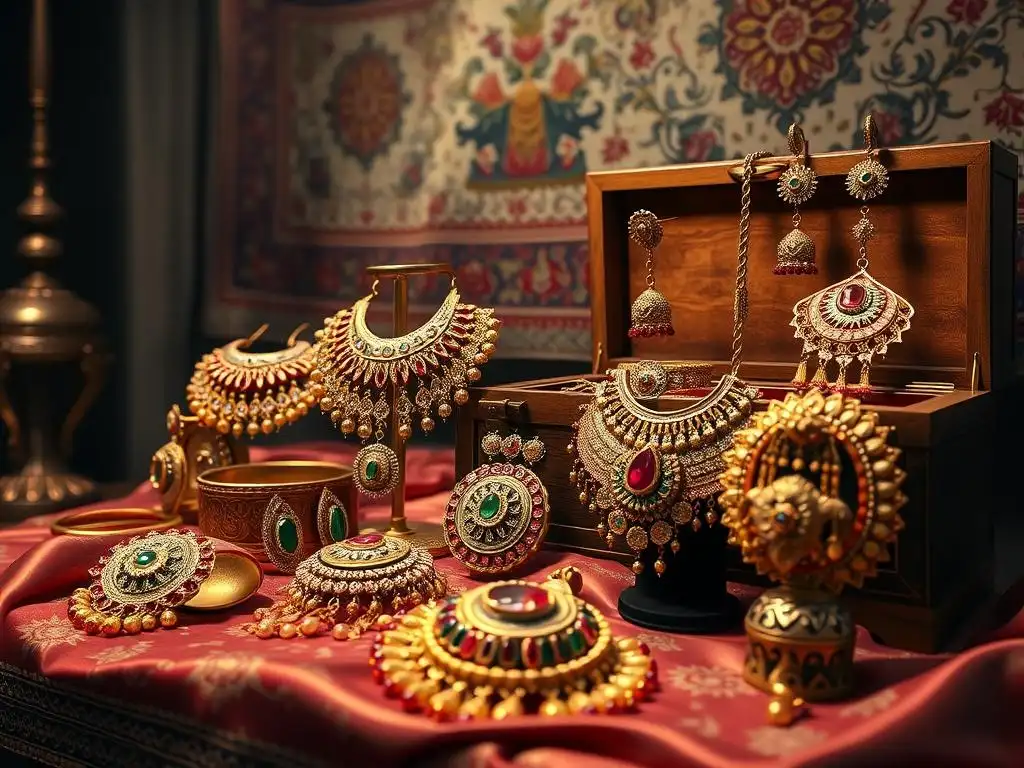
Welcome to Ancient India History, where we embark on a captivating journey through the rich tapestry of ancient Indian civilizations. Delve into the intriguing world of ancient Indian jewelry history, where art, culture, and craftsmanship intertwine to tell stories of elegance and identity. From the exquisite adornments of the Indus Valley to the opulent designs of the Gupta Empire, our latest article, “The Evolution of Indian Jewelry: A Historical Perspective for Authentic Buyers,” invites you to discover how these stunning pieces reflect the diverse heritage of a bygone era.
Are you ready to unlock the secrets that lie within these treasures? Dive in and explore the legacy that continues to inspire artisans and collectors alike!
- The Evolution of Ancient Indian Jewelry History: A Comprehensive Overview
- Key Historical Periods in Ancient Indian Jewelry Development
- Key Features of Authentic Ancient Indian Jewelry
- How to Identify Authentic Ancient Indian Jewelry
- Buying Guide: How to Purchase Authentic Indian Jewelry
-
Frequently Asked Questions
- What is the significance of Ancient Indian jewelry history?
- How did the Indus Valley Civilization influence jewelry design?
- What materials were commonly used in ancient Indian jewelry?
- How did the Gupta Empire impact the evolution of jewelry?
- What should authentic buyers look for in ancient Indian jewelry?
- Final Reflection: Embracing the Legacy of Ancient Indian Jewelry
- Embrace the Heritage: Start Your Journey with Indian Jewelry!
The Evolution of Ancient Indian Jewelry History: A Comprehensive Overview
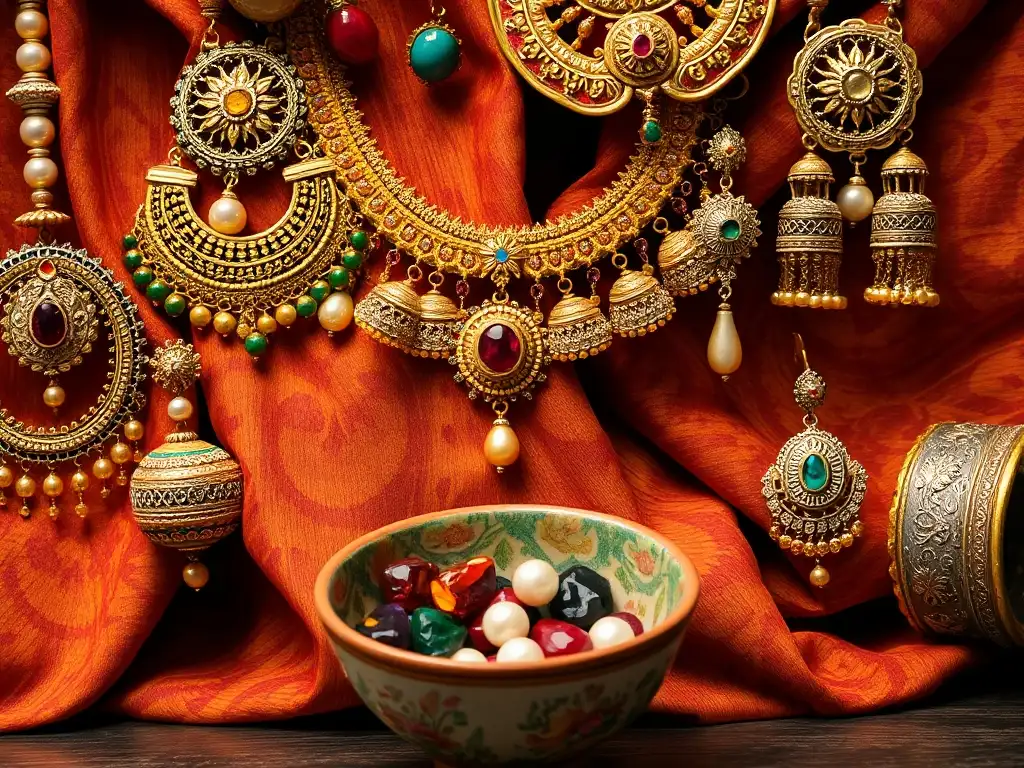
The rich tapestry of ancient Indian jewelry history chronicles not only the aesthetic evolution of adornments but also highlights their profound cultural significance. From the intricately crafted pieces of the Indus Valley Civilization to the opulent ornaments of the Gupta Empire, jewelry has played a pivotal role in the lives of ancient Indians.
It served as a symbol of status, wealth, and identity, reflecting the diverse cultural practices and craftsmanship that flourished across the subcontinent. As we embark on this exploration, we will uncover the layers of meaning embedded in the jewelry of ancient India, providing authentic buyers with insights into its historical context and significance.
Understanding the Significance of Jewelry in Ancient Indian Culture
Jewelry in ancient India was more than mere decoration; it was an integral component of daily life and ritual practices. The significance of jewelry can be understood through various lenses:
- Status and Wealth: Jewelry often signified one's social standing. Elaborate pieces adorned with precious gemstones were exclusive to royalty and the affluent, while simpler designs were common among the general populace.
- Cultural Identity: Different regions of India showcased distinct styles of jewelry, reflecting local traditions and customs. For example, the intricate gold jewelry of South India contrasts sharply with the silver jewelry of the North, showcasing the diversity of craftsmanship across the subcontinent.
- Ritual and Spiritual Significance: Many pieces were crafted for specific ceremonies, such as weddings or religious rites. For instance, the mangalsutra, a sacred necklace worn by brides, symbolizes marital commitment and is steeped in cultural significance.
- Symbolism and Beliefs: Jewelry often carried symbolic meanings, such as protection from evil or the blessing of prosperity. Certain designs, like the nath (nose ring), were believed to enhance beauty and attract auspiciousness.
As we delve deeper into the ancient Indian jewelry history, we will explore various styles, materials, and techniques that have defined this fascinating art form. Understanding these elements is crucial for authentic buyers looking to appreciate and invest in genuine pieces that embody the rich heritage of ancient India.
Key Historical Periods in Ancient Indian Jewelry Development
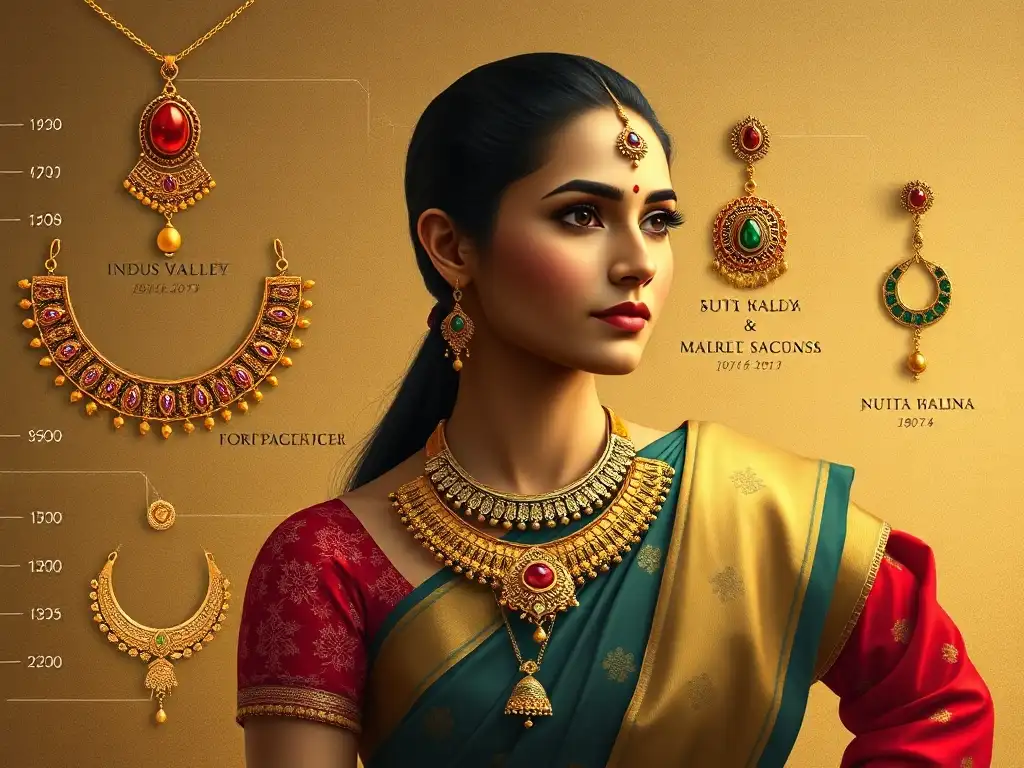
The Indus Valley Civilization: The Birth of Indian Jewelry
The Indus Valley Civilization (circa 3300–1300 BCE) marks the earliest known period of jewelry-making in India. Archaeological excavations in sites like Harappa and Mohenjo-Daro have uncovered a remarkable array of ornaments that reflect the sophistication of this ancient society.
Key Characteristics:
- Materials Used: The Indus Valley artisans primarily utilized materials such as gold, silver, copper, and semi-precious stones including lapis lazuli, carnelian, and agate.
- Types of Jewelry: Common forms of jewelry included necklaces, bangles, rings, and earrings. For instance, intricately designed beads made from terracotta and semi-precious stones were often strung together to create elaborate necklaces.
The jewelry from the Indus Valley not only served decorative purposes but also indicated social status and trade connections.
Techniques and Craftsmanship:
The craftsmanship exhibited by Indus Valley jewelers was advanced for its time, employing techniques such as:
- Bead-making: Skilled artisans created beads using techniques like drilling and polishing.
- Metalworking: The use of lost-wax casting techniques allowed for the production of intricate gold and silver ornaments.
This period laid the foundational aesthetic and technological practices that would be built upon in subsequent eras.
The Maurya and Post-Maurya Periods: A Flourishing Era for Jewelry
The Maurya Empire (circa 322–185 BCE) and its successor states saw a significant evolution in the art of jewelry-making. This era is characterized by increased wealth, trade, and cultural exchanges, which greatly influenced jewelry design.
Influences and Innovations:
- Cultural Exchange: The expansion of trade networks introduced new materials and techniques. The influx of Greek and Persian influences brought innovative designs and motifs.
- Increased Complexity: Jewelry became more elaborate, with intricate designs that included floral motifs and animal representations, reflecting the rich symbolism of the time.
Notable Jewelry Types:
- Royal Jewelry: The Mauryan elite adorned themselves with grand pieces, often made of gold and embellished with precious stones. These items were not only decorative but served as symbols of power and wealth.
- Functional Jewelry: Items such as armlets and anklets gained popularity, often used in ceremonial contexts.
The Maurya and Post-Maurya periods were pivotal in establishing a rich tradition of jewelry that combined artistry with cultural significance.
The Gupta Empire: The Golden Age of Indian Jewelry
The Gupta Empire (circa 240–550 CE) is often referred to as a golden age in Indian history, and this prosperity extended to its jewelry-making. The advancements in art, culture, and technology during this period led to remarkable developments in jewelry design.
Key Features:
- Refinement of Techniques: Jewelers employed more sophisticated techniques, including granulation and filigree, leading to finer and more delicate pieces.
- Symbolism and Themes: Jewelry design during the Gupta period often featured religious and cultural themes, integrating motifs from Hinduism and Buddhism.
Types of Jewelry:
- Temple Jewelry: This type of jewelry was specifically crafted for deities and was often adorned with intricate carvings and gemstones. It reflected the deep spiritual significance of adornment in daily life.
- Personal Adornments: Items such as finger rings, pendants, and elaborate hair ornaments became commonplace among the elite, showcasing wealth and artistry.
The Gupta Empire's contributions to jewelry not only reflect the technical prowess of its artisans but also signify a deeper cultural narrative that continues to influence Indian jewelry design today.
Key Features of Authentic Ancient Indian Jewelry
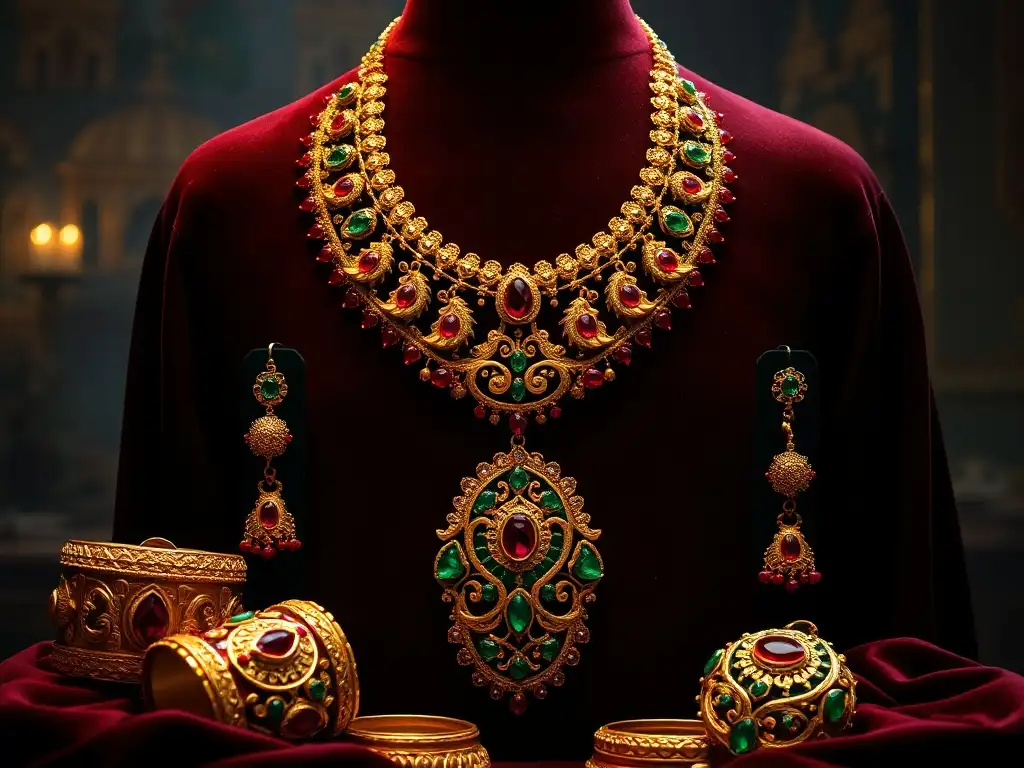
Ancient Indian jewelry is renowned for its intricate designs, rich symbolism, and craftsmanship that reflects the diverse cultural heritage of India. To identify authentic pieces, buyers should be aware of the key features that distinguish genuine ancient Indian jewelry from replicas or modern imitations.
Understanding the Craftsmanship of Ancient Indian Jewelers
The craftsmanship of ancient Indian jewelers can be traced back thousands of years, with techniques passed down through generations. Here are some aspects that characterize this craftsmanship:
- Hand-Engraving: Most authentic pieces exhibit hand-engraved details. Jewelers used tools like chisels and hammers to create intricate patterns and motifs, showcasing their skill and dedication.
- Traditional Techniques: Techniques such as Kundan, Meenakari, and Jadau highlight the uniqueness of ancient Indian jewelry.
- Kundan involves setting stones in gold using a technique that creates a seamless finish.
- Meenakari adds vibrant enamel work, enhancing the aesthetic appeal.
- Jadau combines gold with precious stones, often seen in royal jewelry.
- Cultural Symbolism: Many designs reflect cultural and religious significance. For instance, motifs of deities, floral patterns, and geometric shapes often tell stories or symbolize specific beliefs.
- Regional Styles: Different regions of India have distinct styles, influenced by local traditions and materials. For example:
- Rajasthani jewelry features bold designs and vibrant colors.
- South Indian jewelry often includes temple motifs and intricate craftsmanship.
The craftsmanship of ancient Indian jewelers is marked by meticulous attention to detail, traditional techniques, and cultural relevance, making it essential for buyers to appreciate these elements when evaluating authenticity.
Materials That Define Ancient Indian Jewelry
The materials used in ancient Indian jewelry not only define its beauty but also its historical significance. Understanding these materials helps buyers assess the authenticity and value of the pieces. Here are the primary materials that characterize ancient Indian jewelry:
- Gold:
- Gold has been the predominant metal used in ancient Indian jewelry. The purity of the gold, often measured in karats, is a crucial factor in determining value. Authentic pieces typically feature 22K to 24K gold.
- Silver:
- Silver was extensively used, especially in regions where gold was less accessible. Antique silver jewelry often displays intricate designs and can be an indicator of authenticity.
- Precious and Semi-Precious Stones:
- Authentic ancient jewelry frequently incorporates a range of gemstones, such as:
- Diamonds: Used in Kundan jewelry.
- Emeralds, Rubies, and Sapphires: Employed for their vibrant colors and historical significance.
- Semi-Precious Stones: Like turquoise and coral, which were commonly used in traditional designs.
- Authentic ancient jewelry frequently incorporates a range of gemstones, such as:
- Organic Materials:
- Materials like pearls, ivory, and coral were also prevalent in ancient jewelry. Their use often adds to the piece's uniqueness and beauty.
- Enamel and Lac:
- The application of enamel (Meenakari) and lacquered finishes reflects the artistic skills of ancient artisans and enhances the overall allure of the jewelry.
Buyers should pay close attention to these materials when assessing ancient Indian jewelry. Authentic pieces will showcase high-quality materials, a hallmark of the rich history and craftsmanship prevalent in ancient India.
By recognizing the key features and understanding the craftsmanship and materials that define ancient Indian jewelry, buyers can make informed decisions and appreciate the cultural legacy behind each piece.
How to Identify Authentic Ancient Indian Jewelry
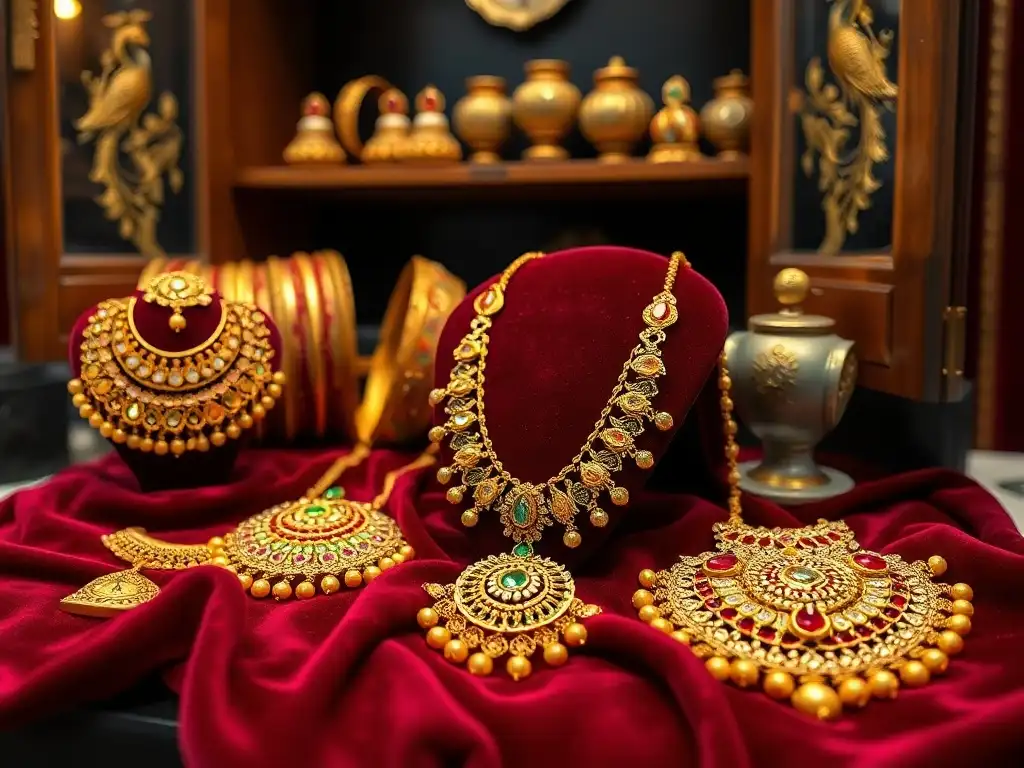
Identifying authentic ancient Indian jewelry requires a discerning eye and an understanding of the unique characteristics that define these exquisite pieces. As a buyer, it is crucial to differentiate between genuine artifacts and modern replicas that may not hold the same historical value or craftsmanship. Here, we will explore the key features and recommended tools to help you authenticate ancient Indian jewelry effectively.
Characteristics of Genuine Ancient Indian Jewelry
When examining ancient Indian jewelry, several distinct characteristics can help you determine its authenticity:
- Material Composition:
- Metals: Genuine ancient jewelry is often crafted from metals like gold, silver, and bronze. The use of these materials often reflects the era and region of origin.
- Stones: Look for natural gemstones such as rubies, emeralds, sapphires, and diamonds. Ancient artisans frequently used semi-precious stones, including turquoise and lapis lazuli, often set in intricate designs.
- Craftsmanship:
- Techniques: Ancient Indian jewelers employed techniques such as granulation, filigree, and stone setting, which are still evident in many authentic pieces.
- Design: Pay attention to motifs and designs. Many ancient pieces feature traditional patterns, including floral, animal, or mythological themes that are deeply rooted in Indian culture.
- Patina and Wear:
- Age Signs: Look for signs of wear that come with age, such as scratches, slight dents, or a natural patina, which can indicate that the piece has been worn and cherished over time.
- Oxidation: Especially in silver jewelry, a natural oxidized surface may suggest authenticity, as this effect occurs over years of exposure to air.
- Provenance:
- Documentation: Provenance plays a crucial role in authenticity. Pieces with a documented history or certification from reputable sources are more likely to be genuine.
- Origin Marks: Some ancient pieces may bear inscriptions or marks that indicate their region of origin or the artisan who created them.
Recommended Tools and Resources for Authenticating Jewelry
When it comes to authenticating ancient Indian jewelry, having the right tools and resources can make all the difference. Here are some recommendations:
- Magnifying Glass:
- Using a quality magnifying glass can help you inspect the details and craftsmanship of the jewelry more closely, revealing signs of age or craftsmanship techniques.
- Gem Tester:
- A gem tester is invaluable for distinguishing between natural and synthetic stones. This tool can help you identify the authenticity of gemstones commonly used in ancient jewelry.
- Patina Test Kit:
- For metal pieces, a patina test kit can help you determine the metal's age and authenticity by analyzing the surface oxidation and composition.
- Literature and Guides:
- Invest in books and resources dedicated to ancient Indian jewelry. Publications that focus on the history, styles, and techniques of Indian jewelry can provide invaluable insights.
- Online forums and communities dedicated to antique jewelry can also offer assistance from experienced collectors and experts.
- Professional Appraisal:
- When in doubt, consider seeking the expertise of a professional appraiser who specializes in ancient jewelry. They can provide a thorough examination and certification of authenticity.
By understanding the characteristics of genuine ancient Indian jewelry and utilizing the right tools and resources, buyers can confidently navigate the market and make informed purchasing decisions. This knowledge not only enhances the appreciation of these beautiful artifacts but also ensures the investment in authentic pieces that hold true historical significance.
Buying Guide: How to Purchase Authentic Indian Jewelry
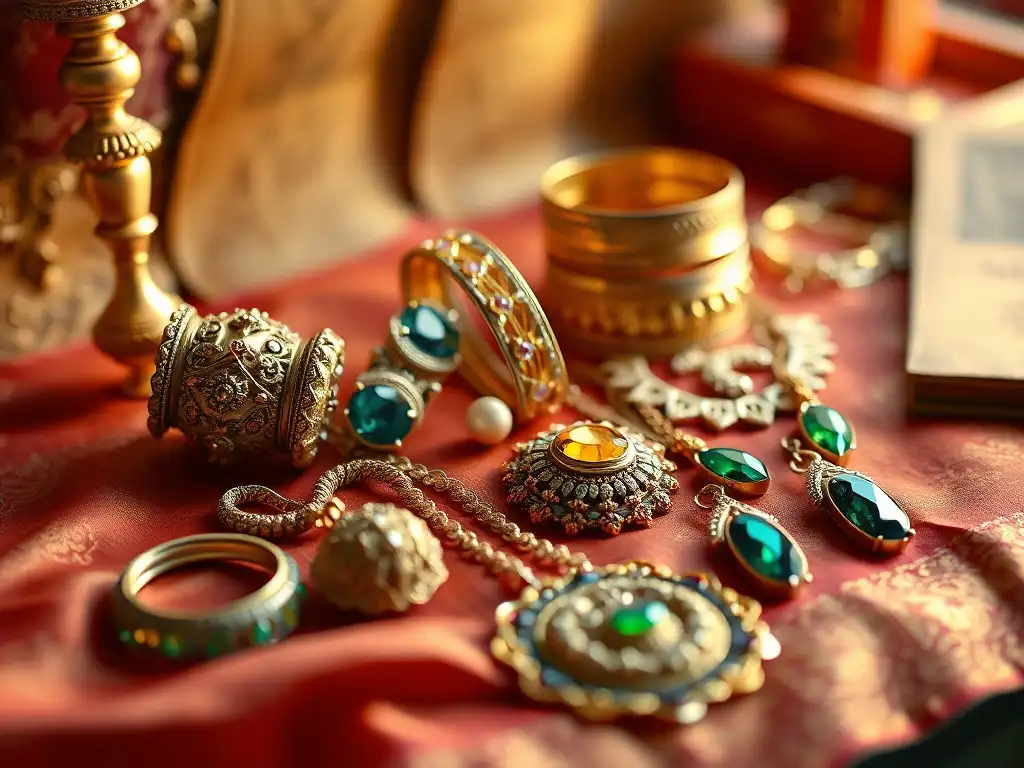
When it comes to purchasing authentic Indian jewelry, particularly pieces that reflect the rich history of ancient Indian jewelry, there are several critical aspects to consider. This guide aims to provide you with a comprehensive framework to make informed decisions, ensuring the authenticity and cultural significance of your jewelry selections.
Where to Find Authentic Ancient Indian Jewelry
Finding genuine ancient Indian jewelry requires diligent research and careful selection of sources. Here are some reliable avenues to explore:
- Reputable Antique Shops: Look for antique shops that specialize in Indian artifacts. Ensure that the shop has a good reputation and offers provenance for their pieces.
- Certified Auctions: Attend auctions that focus on antique jewelry. Reputable auction houses often provide detailed descriptions and provenance for items, ensuring authenticity.
- Cultural Festivals and Art Fairs: Many cultural events showcase traditional artisans. These events offer opportunities to purchase pieces directly from makers who adhere to traditional methods.
- Online Marketplaces: Platforms like Etsy and specialized antique websites can be excellent places to find authentic pieces. Always check seller reviews and inquire about certificates of authenticity.
- Museums and Exhibitions: Visiting museums that display ancient Indian jewelry can provide insights into authentic designs and styles. Occasionally, these institutions host sales of replicas or original pieces.
- Local Artisans: Supporting local artisans ensures that you acquire authentic pieces made using traditional techniques. Look for workshops in regions known for jewelry making, such as Jaipur or Varanasi.
Factors to Consider When Buying Ancient Indian Jewelry
When selecting ancient Indian jewelry, there are several important factors to keep in mind to ensure you are making a wise investment:
- Authenticity:
- Verify that the piece is genuinely antique or vintage. Ask for documentation or certificates that prove its age.
- Look for signs of wear and craftsmanship that align with historical techniques.
- Material Quality:
- Pay attention to the materials used. Traditional ancient Indian jewelry often features gold, silver, gemstones, and intricate enamel work.
- Check for the presence of hallmark stamps, which can indicate purity and authenticity.
- Cultural Significance:
- Understand the cultural context of the jewelry piece. Ancient Indian jewelry often carries specific meanings and is associated with particular regions and communities.
- Research the design motifs, as many reflect the beliefs and traditions of ancient Indian civilizations.
- Craftsmanship:
- Examine the craftsmanship closely. Ancient Indian jewelry is renowned for its intricate detailing and artistry.
- Look for handmade elements, as opposed to mass-produced items, which may lack character and authenticity.
- Condition:
- Assess the condition of the piece. While some wear is natural, significant damage can affect both its value and aesthetics.
- Ensure that any repairs have been conducted professionally to maintain the integrity of the piece.
- Price:
- Be cautious of prices that seem too good to be true. Genuine ancient Indian jewelry typically comes with a price reflective of its age, materials, and artistry.
- Compare prices across multiple sources to establish a fair market value.
By considering these factors and exploring reliable sources, you can confidently navigate the world of ancient Indian jewelry and make informed purchases that reflect the beauty and history of this fascinating art form.
Frequently Asked Questions
What is the significance of Ancient Indian jewelry history?
Ancient Indian jewelry history reflects the cultural heritage, artistic expression, and social status of various civilizations throughout India's past, showcasing the evolution of styles and materials used.
How did the Indus Valley Civilization influence jewelry design?
The Indus Valley Civilization set foundations for jewelry design with its use of beads, metalwork, and intricate craftsmanship, which laid the groundwork for subsequent styles in ancient India.
What materials were commonly used in ancient Indian jewelry?
Ancient Indian jewelry typically incorporated materials such as gold, silver, precious stones, and shells, emphasizing both luxury and spiritual significance in adornments.
How did the Gupta Empire impact the evolution of jewelry?
During the Gupta Empire, there was a notable flourishing of arts, including jewelry-making, characterized by intricate designs, gemstone settings, and a focus on symbolism, reflecting the era's prosperity.
What should authentic buyers look for in ancient Indian jewelry?
Authentic buyers should focus on the craftsmanship, materials used, and historical context of the pieces, ensuring they understand the cultural significance and authenticity of the jewelry they are purchasing.
Final Reflection: Embracing the Legacy of Ancient Indian Jewelry
The evolution of Indian jewelry is not merely a historical account; it is a vibrant tapestry woven with cultural significance and artistry that resonates deeply in today's world. As we explore the rich heritage of ancient Indian jewelry, we uncover a narrative that transcends time, reflecting the values, beliefs, and craftsmanship of generations past. This legacy continues to inspire contemporary artisans and collectors alike, reminding us that the beauty of jewelry lies not just in its aesthetic appeal, but in the stories it tells.
Cultural heritage is a living entity, constantly evolving while retaining its core essence. The influence of ancient Indian jewelry can be seen in modern designs, where traditional motifs and techniques are reimagined to fit contemporary tastes. This ongoing dialogue between the past and present serves as a reminder of our roots and the importance of preserving these artistic expressions.
As Mahatma Gandhi once said, "> A nation's culture resides in the hearts and in the soul of its people." The jewels of India are not just adornments; they are symbols of identity and pride that continue to shape our cultural landscape.
As you reflect on the rich history of ancient Indian jewelry, consider how these lessons can be applied in your own life. Embrace the stories behind the adornments you wear, and let them serve as a bridge connecting you to a vibrant past. Whether you are an authentic buyer or simply an admirer, take the time to appreciate the craftsmanship and heritage that each piece embodies. In doing so, you not only honor the artisans who came before us but also contribute to the ongoing narrative of cultural appreciation and preservation.
Embrace the Heritage: Start Your Journey with Indian Jewelry!
Thank you for taking the time to dive into the rich history of Indian jewelry. Your interest in this timeless art reflects a connection to a culture that spans centuries. Now, it’s time to take that inspiration and turn it into action!
Here’s how you can deepen your understanding and appreciation of Indian jewelry:
- Explore local artisan markets to discover unique pieces that tell their own stories.
- Participate in online workshops or discussion groups related to Indian jewelry to connect with fellow enthusiasts and share insights.
- Share this article with friends and family so you can all appreciate the beauty and significance of Indian heritage together.
What piece of Indian jewelry resonates with you the most, and why do you think it holds such special meaning? We would love to hear your thoughts below!