
The Art of Inscription: Craftsmanship and Its Historical Importance in Ancient India

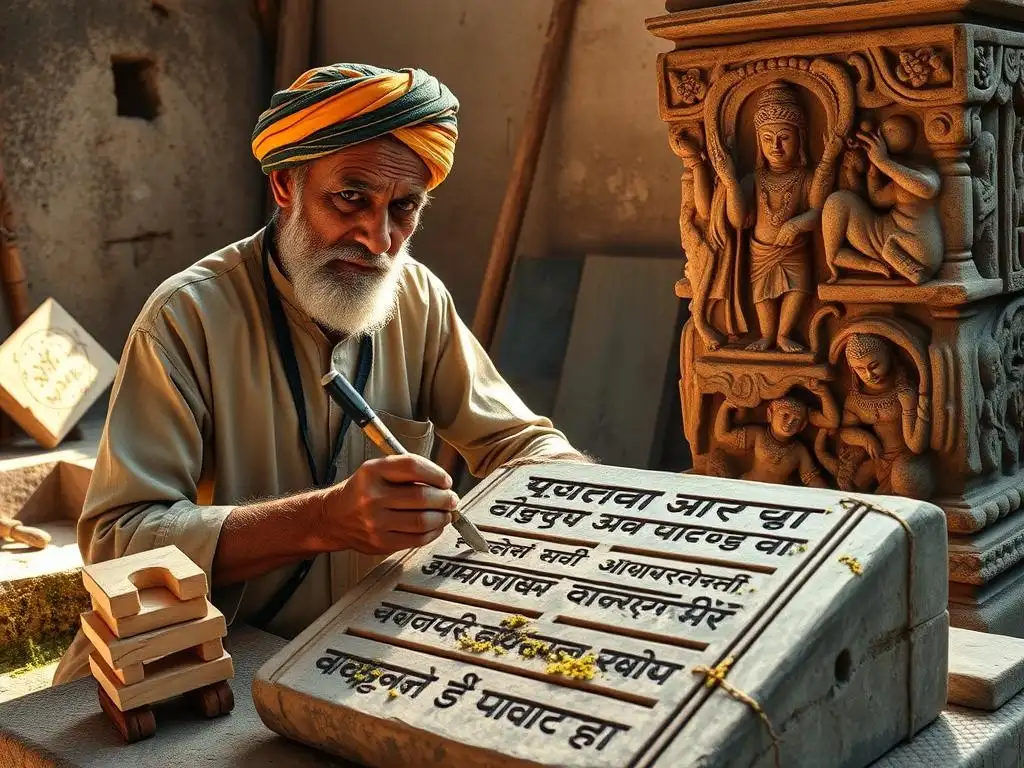
Welcome to Ancient India History, where we embark on a fascinating journey through the rich tapestry of ancient Indian civilizations. In this exploration, we delve into the captivating world of ancient Indian inscription craftsmanship, a remarkable art form that not only showcases the skill of artisans but also serves as a vital link to understanding the thoughts, beliefs, and innovations of our ancestors.
As you uncover the intricacies of this historical craft, prepare to be amazed by how these inscriptions reveal the profound cultural and historical significance of ancient India. Join us as we unlock the stories etched in stone and discover the legacy that continues to inspire generations.
Introduction to Ancient Indian Inscription Craftsmanship
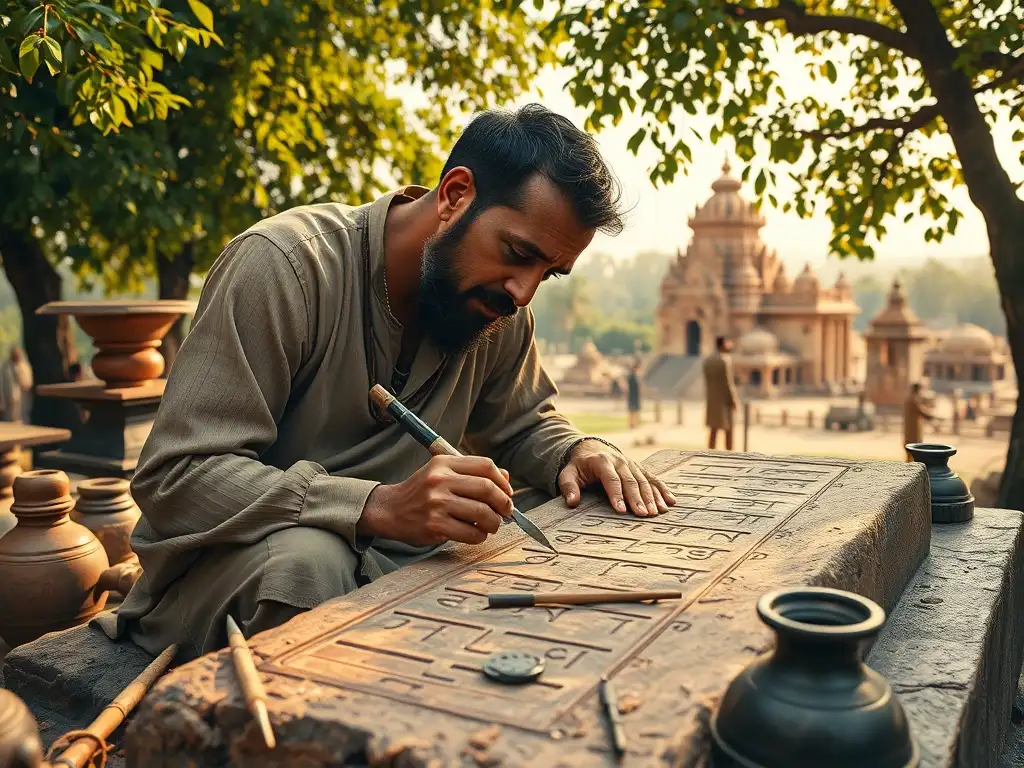
The art of inscription in ancient India stands as a testament to the remarkable craftsmanship and cultural sophistication of its civilizations. These inscriptions, often etched onto stone, metal, or pottery, not only served as a means of communication but also played a crucial role in documenting historical events, religious beliefs, and societal norms.
From the intricate carvings of the Indus Valley Civilization to the elaborate edicts of the Maurya Empire, the significance of ancient Indian inscription craftsmanship extends far beyond aesthetic appeal; it encapsulates the essence of a society's values, achievements, and heritage. Understanding this art form offers profound insights into the evolution of Indian culture and its enduring impact on contemporary society.
Overview of Inscriptions in Ancient India
Inscriptions in ancient India can be categorized into various types, each serving distinct purposes:
- Religious Inscriptions: Often found in temples, these inscriptions commemorate deities and convey spiritual teachings.
- Royal Edicts: Issued by rulers, these documents recorded laws, decrees, and significant events.
- Commemorative Inscriptions: These were created to honor individuals or milestones, such as victories in battle or the construction of monuments.
- Grave Inscriptions: These provide insights into burial practices and social hierarchies.
The materials used for inscriptions varied widely, including stone, copper, and clay, reflecting the technological advancements and artistic sensibilities of the time.
Importance of Inscription Craftsmanship in Historical Context
The craftsmanship of inscriptions holds immense historical significance as it reflects the technological, artistic, and cultural advancements of ancient Indian civilizations.
- Cultural Identity: Inscriptions often reveal the values and beliefs of a society, showcasing their language, scripts, and artistic styles.
- Historical Record: They serve as primary sources for historians, providing insights into political, social, and economic conditions of the time.
- Technological Innovation: The methods and tools used for inscriptions highlight the craftsmanship skills and technological innovations of ancient artisans.
Understanding the role of inscriptions in ancient India not only enriches our knowledge of the past but also underlines the importance of preserving these artifacts for future generations.
Historical Background of Inscription Practices
The Evolution of Inscription Techniques
The techniques of inscription in ancient India evolved significantly over the centuries, influenced by various factors such as technological advancements and cultural exchanges.
- Early Techniques: The earliest inscriptions were made using simple tools to carve symbols and letters into soft materials like clay or wood.
- Introduction of Metal Tools: With the advent of metallurgy, more durable inscriptions began to emerge, allowing for intricate designs and longer texts.
- Diverse Scripts: Different scripts such as Brahmi, Kharosthi, and later Devanagari developed, each contributing to the richness of inscription craftsmanship.
This evolution showcases not only the artistic skills of craftsmen but also the changing dynamics of communication in ancient India.
Key Civilizations Contributing to Inscription Craftsmanship
Several key civilizations played a pivotal role in the development of inscription craftsmanship throughout ancient India:
- Indus Valley Civilization (c. 3300–1300 BCE): Known for its early seals and symbols, this civilization laid the groundwork for subsequent inscription practices.
- Maurya Empire (c. 322–185 BCE): Under Emperor Ashoka, inscriptions became a formalized means of governance, disseminating messages across the empire through edicts carved on rocks and pillars.
- Gupta Empire (c. 240–550 CE): This period is marked by an explosion of artistic expression in inscriptions, blending religious themes with exquisite craftsmanship.
Each of these civilizations contributed uniquely to the artistry and significance of inscriptions, creating a rich tapestry of cultural heritage that continues to be studied and admired today.
Materials and Tools Used in Ancient Indian Inscriptions
The craftsmanship behind ancient Indian inscriptions is characterized by the use of various materials and tools, which played a crucial role in determining both the durability and aesthetic quality of the inscriptions. These materials not only reflect the technological capabilities of the time but also highlight the cultural priorities and values of ancient Indian societies.
Common Materials for Inscriptions
Ancient Indian artisans employed a diverse range of materials for their inscriptions, with each material serving specific purposes based on availability and intended use. The most common materials included:
- Stone: The predominant choice for inscriptions, stone provided durability and resistance to weathering. Notable examples can be found in rock edicts and temple inscriptions, often carved into granite or sandstone.
- Metal: Copper and bronze were utilized for inscriptions, especially in the context of coins and plaques. The use of metal allowed for intricate designs and detailed engravings, which were often employed to commemorate significant events or rulers.
- Clay and Terracotta: Inscriptions on clay tablets and terracotta seals were common during the Indus Valley Civilization. These materials were easier to manipulate and allowed for mass production, making them suitable for administrative purposes.
- Wood: While less durable, wooden inscriptions were used in certain contexts, particularly in temples and for ceremonial purposes. The ephemeral nature of wood meant that these inscriptions were often less preserved than those on stone or metal.
These materials were selected based on their properties, availability, and the intended message of the inscription, showcasing the adaptability and resourcefulness of ancient craftsmen.
Tools and Techniques of Inscription Craftsmanship
The tools and techniques employed in ancient Indian inscription craftsmanship were pivotal in shaping the final appearance of the inscriptions. Key tools included:
- Chisels and Hammers: Essential for stone inscriptions, chisels of varying sizes allowed artisans to carve intricate designs and letters into hard surfaces. Hammers of different weights facilitated the precision and control needed for detailed work.
- Burins: Used primarily in metalwork, burins enabled craftsmen to engrave fine details on copper and bronze surfaces, creating delicate motifs and lettering that conveyed important messages.
- Styluses: In the case of clay inscriptions, styluses made from bone or metal were employed to etch characters and designs into the soft clay before firing.
The techniques varied as well, with methods such as incising, relief carving, and casting being commonly used. The combination of these tools and techniques resulted in a rich variety of inscriptions, each reflecting the skill and artistry of its creator.
Thematic Significance of Inscriptions in Ancient India
Inscriptions served as a vital form of communication in ancient India, encapsulating a wide range of themes that reflect the socio-political, religious, and cultural dimensions of the time. Their significance extends beyond mere record-keeping, offering profound insights into the values and beliefs of ancient Indian societies.
Political Messages and Propaganda
Many inscriptions were crafted with political intent, serving as tools for propaganda by ruling elites. They often declared the achievements of rulers, victories in battles, and the establishment of dynasties. For instance, the Ashoka Edicts not only proclaimed the emperor's policies but also his commitment to Dharma, promoting moral governance. These inscriptions were strategically placed in public spaces to reinforce the ruler's authority and disseminate messages to the populace, thereby shaping public perception and loyalty.
Religious and Philosophical Insights
Inscriptions also played a crucial role in the dissemination of religious and philosophical thoughts. Temples frequently featured inscriptions that conveyed religious teachings, hymns, and prayers, thus serving both liturgical and educational purposes. The Brahmi script, for example, was used to inscribe religious texts that reflected Buddhist, Hindu, and Jain philosophies, offering insights into the spiritual landscape of the time. Such inscriptions helped in preserving religious doctrines and facilitated the spread of belief systems across regions.
Social and Cultural Reflections
Beyond politics and religion, inscriptions provide a window into the social and cultural life of ancient India. They document societal norms, economic transactions, and cultural practices, illustrating the daily lives of people. For example, inscriptions on trade seals often detailed the goods exchanged and served as legal documents for transactions. Additionally, personal inscriptions, such as those found in funerary contexts, reveal insights into familial structures, social hierarchies, and the value placed on memory and legacy in ancient Indian culture.
The thematic significance of inscriptions in ancient India is profound, serving as a multifaceted medium that reflects the complexities of its civilization.
Major Examples of Ancient Indian Inscriptions
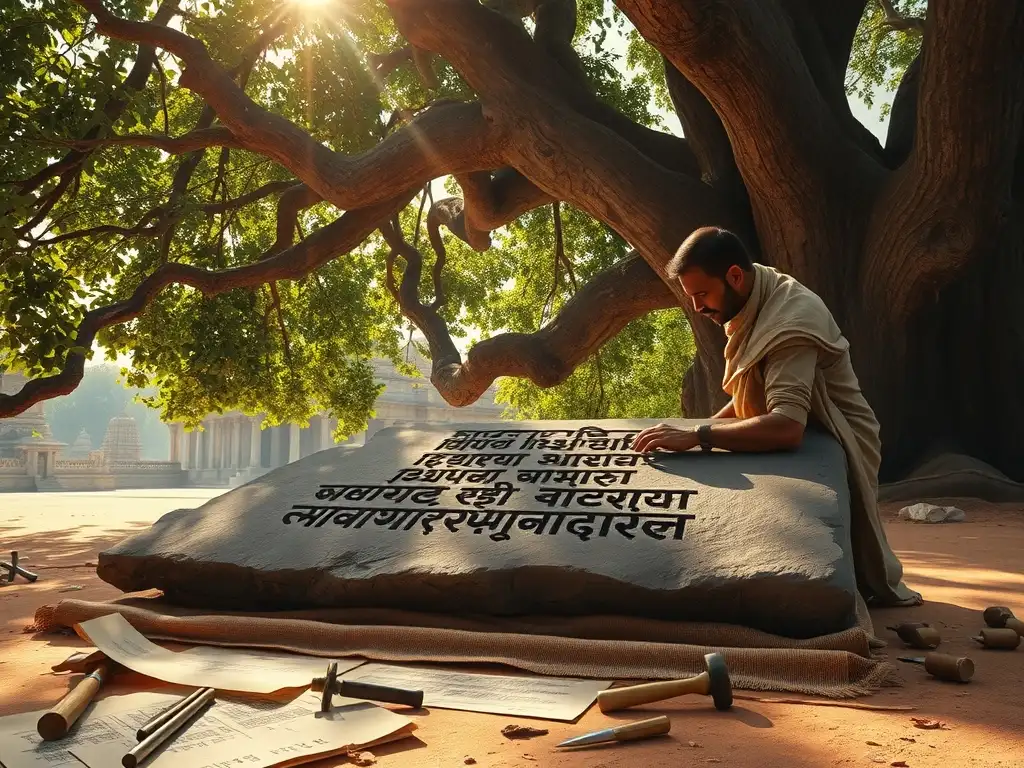
Ancient Indian inscriptions are a testament to the rich history and advanced craftsmanship of the subcontinent's civilizations. These inscriptions not only provide insights into the socio-political landscape but also showcase the artistic and technical skills of ancient artisans. Below, we explore some of the most significant examples of ancient Indian inscriptions that hold historical importance.
The Rock Edicts of Ashoka
The Rock Edicts of Ashoka, dating back to the 3rd century BCE, represent a monumental achievement in ancient Indian inscription craftsmanship. Commissioned by Emperor Ashoka, these edicts were inscribed on large rock surfaces across his vast empire, primarily in present-day India, Nepal, and Pakistan. The inscriptions are written in Brahmi and Kharosthi scripts and convey messages of moral governance, religious tolerance, and ethical conduct.
Ashoka’s edicts are particularly noteworthy for their use of simple yet profound language, which emphasizes the principles of Dharma (moral law) and non-violence. The craftsmanship of these inscriptions is evident in their meticulous carvings and strategic placement, often at important crossroads or near water sources, ensuring maximum visibility to the public. The Rock Edicts not only reflect Ashoka's commitment to spreading Buddhism but also serve as a critical source for understanding the socio-political dynamics of ancient India.
The Allahabad Pillar Inscription
The Allahabad Pillar Inscription, dating from the reign of Samudragupta in the 4th century CE, is another remarkable example of ancient Indian inscription craftsmanship. This inscription is carved on a sandstone pillar and is significant for its eloquent portrayal of Samudragupta’s military conquests and his benevolent rule.
The inscription is written in Sanskrit and showcases the use of ornate language, blending poetry with historical narrative. It highlights Samudragupta’s prowess as a warrior and his role in expanding the Gupta Empire. The artistic quality of the inscription, combined with its historical significance, offers invaluable insights into the cultural and political environment of the time. The craftsmanship displayed in the intricate carvings and the aesthetic arrangement of the text exemplifies the high standards of inscriptional art during the Gupta period.
The Junagadh Rock Edicts
The Junagadh Rock Edicts, inscribed during the 2nd century BCE, are significant for their historical content as well as their craftsmanship. Located in Gujarat, these inscriptions were commissioned by King Rudradaman I and are often associated with the earlier edicts of Ashoka. The Junagadh edicts provide detailed accounts of the king's achievements and his commitment to irrigation and public welfare.
Crafted in the Brahmi script, the Junagadh Rock Edicts exemplify the technical skills of ancient artisans, particularly in their execution of detailed carvings on hard rock surfaces. The inscriptions are notable for their clarity and artistic flair, reflecting the sophisticated understanding of inscription techniques of the time. They also serve as important documents for understanding the continuity of governance and cultural practices in ancient India.
The Legacy of Inscription Craftsmanship
The legacy of ancient Indian inscription craftsmanship is profound, influencing various aspects of art, culture, and historical documentation in subsequent eras. The skills and techniques developed during ancient times laid the groundwork for future generations of artisans and scribes, ensuring the continuity of this important tradition.
Influence on Later Indian Art and Inscriptions
The craftsmanship of ancient Indian inscriptions has had a lasting impact on later Indian art forms and inscription practices. The stylistic elements, such as the use of ornate scripts and intricate designs, can be seen in medieval and modern inscriptions across the Indian subcontinent.
Moreover, the thematic content of these inscriptions, often reflecting political achievements, religious sentiments, and societal values, continued to inspire later artists. The practice of inscription craftsmanship evolved, incorporating new materials and techniques while maintaining the essential principles established during ancient times. This enduring influence highlights the significance of ancient inscription craftsmanship as a foundational aspect of Indian artistic heritage.
Preservation and Restoration of Ancient Inscriptions
The preservation and restoration of ancient inscriptions are crucial for maintaining the rich historical narrative they represent. Various organizations and institutions have undertaken efforts to conserve these inscriptions, recognizing their importance as cultural heritage.
Modern techniques, such as digital imaging and chemical analysis, are employed to restore eroded inscriptions and prevent further deterioration. Additionally, awareness campaigns aim to educate the public about the significance of these ancient texts and the need for their protection. By ensuring the survival of these inscriptions, we can continue to appreciate and learn from the craftsmanship and historical context that they embody.
Conclusion: The Enduring Impact of Inscription Craftsmanship
The craftsmanship of ancient Indian inscriptions is a remarkable testament to the sophisticated artistic and cultural endeavors of past civilizations. These inscriptions not only serve as historical records but also provide invaluable insights into the socio-political, religious, and economic contexts of their time. The intricate techniques employed in the creation of these inscriptions highlight the high level of skill and artistry possessed by ancient artisans, ensuring that their legacies endure through the ages.
The meticulous attention to detail and the use of various materials, such as stone, metal, and clay, illustrate the diverse methods of inscription craftsmanship that were prevalent in ancient India. From the ornate carvings of the Ashoka edicts to the delicate scripts found in temples and monuments, each piece encapsulates a unique narrative that contributes to our understanding of ancient Indian history. The impact of these inscriptions extends beyond mere documentation; they embody the cultural ethos and the artistic aspirations of the civilizations that produced them.
Summary of Historical Importance
The historical importance of inscription craftsmanship in ancient India cannot be overstated. Inscriptions served multiple purposes, including the recording of royal decrees, religious texts, and significant events. They acted as tools for governance, allowing rulers to communicate their policies and achievements to their subjects, thereby reinforcing their authority and legitimacy. Additionally, inscriptions provided a means for religious leaders to disseminate spiritual teachings and promote the doctrines of various faiths, including Hinduism and Buddhism.
Moreover, these artifacts are crucial for historians and archaeologists, as they offer a direct link to the past. They enable researchers to date events, understand societal structures, and trace the evolution of languages and scripts over time. The study of these inscriptions has also revealed interactions between different cultures and regions, showcasing the rich tapestry of influences that shaped ancient Indian civilization. Overall, inscription craftsmanship is not merely an art form; it is a vital key to unlocking the complexities of India's historical narrative.
Relevance to Contemporary Understanding of Ancient Indian Civilization
In today's world, the relevance of ancient Indian inscription craftsmanship continues to resonate. As scholars and enthusiasts delve into the study of inscriptions, they uncover layers of meaning that inform contemporary discussions about identity, heritage, and cultural continuity. These inscriptions provide a foundation for understanding the values, beliefs, and practices of ancient societies, enriching our appreciation for the diversity of their contributions.
Furthermore, the principles of craftsmanship seen in ancient inscriptions can inspire modern artisans and craftsmen. The meticulous techniques and the philosophical underpinnings of art and design evident in these inscriptions serve as a benchmark for quality and creativity. In the era of digital technology, there is a growing interest in reviving traditional craftsmanship, and ancient inscriptions can guide contemporary practices, ensuring that these age-old skills are not lost.
Additionally, the study of inscriptions fosters a broader understanding of historical narratives, encouraging a more inclusive approach to history that acknowledges the voices of various communities. By exploring these inscriptions, we can appreciate the complexities of ancient Indian civilization and recognize its lasting influence on modern society. Thus, the craftsmanship of ancient inscriptions remains a vital area of study, bridging the past with the present and shaping our understanding of cultural heritage.
- Introduction to Ancient Indian Inscription Craftsmanship
- Historical Background of Inscription Practices
- Materials and Tools Used in Ancient Indian Inscriptions
- Thematic Significance of Inscriptions in Ancient India
- Major Examples of Ancient Indian Inscriptions
- The Legacy of Inscription Craftsmanship
- Conclusion: The Enduring Impact of Inscription Craftsmanship
- What is ancient Indian inscription craftsmanship?
- What materials were commonly used for inscriptions in ancient India?
- How did inscriptions contribute to our understanding of ancient Indian history?
- What are some notable examples of ancient Indian inscriptions?
- How did the craftsmanship of inscriptions evolve over time in India?
Frequently Asked Questions
What is ancient Indian inscription craftsmanship?
Ancient Indian inscription craftsmanship refers to the artistic and technical skills involved in creating inscriptions on various materials, reflecting the cultural, religious, and historical significance of ancient Indian societies.
What materials were commonly used for inscriptions in ancient India?
In ancient India, inscriptions were often carved into stone, metal, and clay, with each material serving to highlight the endurance and importance of the messages conveyed through the inscriptions.
How did inscriptions contribute to our understanding of ancient Indian history?
Inscriptions provide valuable insights into the political, social, and economic aspects of ancient Indian life, allowing historians to reconstruct events and understand cultural practices of the time.
What are some notable examples of ancient Indian inscriptions?
Some notable examples include the Ashoka Edicts, which promote Buddhism and moral governance, and the inscriptions found in the caves of Ellora and Ajanta, showcasing artistic excellence and religious devotion.
How did the craftsmanship of inscriptions evolve over time in India?
The craftsmanship of inscriptions evolved from simple carvings in the Indus Valley Civilization to more sophisticated forms during the Gupta Empire, reflecting advancements in artistic techniques and changes in cultural expressions.
Final Reflection: The Enduring Legacy of Ancient Indian Inscription Craftsmanship
The craftsmanship of ancient Indian inscriptions is not merely a relic of the past; it is a vibrant testament to the cultural identity and historical narrative of a civilization that has shaped the world. Today, as we navigate an increasingly digital landscape, the tactile and intricate artistry of inscriptions serves as a reminder of the profound connection between humanity and its history. The meticulous work of artisans in ancient India reflects a dedication to preserving knowledge and culture that resonates with our contemporary quest for identity and heritage.
The influence of ancient Indian inscription craftsmanship extends far beyond its historical context, permeating our modern understanding of art, language, and communication. The intricate designs and profound meanings embedded in these inscriptions continue to inspire artists, historians, and scholars alike. As we engage with these artifacts, we are reminded of the words of the renowned historian Romila Thapar: History is not just about the past; it is a living dialogue with the present.
This dialogue invites us to reflect on our own narratives and the ways in which we choose to document our stories.
As we close this exploration of ancient Indian inscription craftsmanship, I invite you to reflect on the significance of preserving your own stories and cultural heritage. Consider how you can contribute to the tapestry of history through your actions, words, and creativity. Whether through writing, art, or community engagement, each of us has the power to inscribe our experiences into the collective memory of humanity. Embrace this opportunity to honor the past while shaping the future, for the art of inscription is not just about what has been; it is also about what is yet to come.
Unveil the Crafts of Ancient India!
Thank you for diving into the rich tapestry of craftsmanship that shaped ancient India! You’ve explored the significance of inscriptions and their historical impact. Now, let's keep that momentum going by channeling your newfound knowledge into action.
Here’s how you can further engage with this fascinating topic:
- Visit a local museum or exhibit that showcases ancient inscriptions or craftsmanship to experience history firsthand.
- Join a workshop focused on traditional Indian art forms to appreciate the skills and techniques used by artisans.
- Share your insights by discussing this article with friends or on social media—help others discover the incredible stories behind these ancient works!
What aspect of ancient Indian craftsmanship fascinates you the most, and how do you think it influences contemporary art today?