
The Inscriptions of the Chola Dynasty: A Study in Cultural Heritage


Welcome to Ancient India History, your gateway to the profound and multifaceted tapestry of India’s ancient civilizations. Here, we delve into the magnificent Chola Dynasty, exploring its cultural heritage insights that have shaped the very fabric of Indian history. In our featured article, "The Inscriptions of the Chola Dynasty: A Study in Cultural Heritage," we invite you to uncover the stories etched in stone and the legacies that continue to inspire.
Prepare to embark on a journey through time, as we reveal the significance of these inscriptions and the vibrant culture they represent. Join us as we illuminate the past and enrich your understanding of this remarkable era!

The Chola Dynasty, one of the most illustrious empires in ancient India, has left an indelible mark on the cultural and historical landscape of the subcontinent. Their inscriptions serve as a profound testament to their governance, societal norms, and artistic endeavors.
This article delves into the rich tapestry of the Chola Dynasty's cultural heritage insights, exploring how their inscriptions not only chronicle their achievements but also provide invaluable perspectives into their way of life, religious practices, and administrative innovations. By examining these historical texts, we can gain a deeper understanding of the Chola legacy and appreciate its enduring influence on subsequent Indian cultures.
Introduction to the Chola Dynasty
Overview of the Chola Dynasty's Historical Context
The Chola Dynasty thrived primarily between the 9th and 13th centuries CE, dominating significant parts of South India and extending its influence to Southeast Asia. Founded by Vijayalaya Chola, the dynasty reached its zenith under rulers like Rajaraja Chola I and his son Rajendra Chola I. Their reign is characterized by military conquests, impressive temple architecture, and advancements in trade and agriculture. The Cholas were not just warriors; they were also patrons of art and learning, which reflected their sophisticated societal structure.
- Key Periods of the Chola Dynasty:
- Early Chola Period (circa 300 BCE - 600 CE)
- Medieval Chola Period (circa 850 CE - 1300 CE)
This historical backdrop sets the stage for understanding the significance of inscriptions that emerged during this time, which were crucial for documenting the dynasty's extensive governance and cultural contributions.
Importance of Inscriptions in Understanding Chola Culture
Inscriptions from the Chola period are vital resources for historians and archaeologists, providing insights into various aspects of Chola life. These inscriptions were typically inscribed on temple walls, bronze plates, and stone pillars, serving multiple purposes:
- Administrative Records: They documented land grants, tax regulations, and royal decrees.
- Cultural Narratives: Many inscriptions celebrated victories, religious dedications, and the patronage of arts and architecture.
- Social Structure: They reveal insights into the caste system, societal roles, and the importance of community in Chola society.
These inscriptions not only reflect the political and economic landscape of the Chola Dynasty but also highlight the values and beliefs that shaped their cultural heritage.
Chola Dynasty Cultural Heritage Insights
Key Features of Chola Cultural Heritage
The cultural heritage of the Chola Dynasty is a rich amalgamation of art, architecture, literature, and religious practices. Some of the key features include:
- Temple Architecture: The Brihadeeswarar Temple in Thanjavur, a UNESCO World Heritage Site, exemplifies the grandeur of Chola architecture with its towering vimana and intricate sculptures.
- Bronze Sculptures: The Cholas were renowned for their exquisite bronze sculptures, particularly of deities, showcasing their mastery in metallurgy and artistry.
- Literature and Language: Tamil literature flourished during the Chola period, with notable contributions from poets and scholars, reflecting the linguistic heritage of the region.
These elements collectively highlight the innovative spirit and artistic prowess of the Chola civilization, which continue to inspire contemporary culture.
The Role of Inscriptions in Preserving Chola Legacy
The inscriptions of the Chola Dynasty are more than mere historical records; they are a bridge connecting us to the past. They play a crucial role in preserving the legacy of the Cholas by:
- Documenting Historical Events: Inscriptions provide a narrative of significant events and achievements, ensuring the Chola history is recorded and remembered.
- Cultural Continuity: They serve as a medium to pass down traditions, rituals, and customs that have influenced modern South Indian culture.
- Inspiring Future Generations: By studying these inscriptions, contemporary scholars and enthusiasts can appreciate the depth of Chola contributions to Indian civilization, inspiring ongoing research and preservation efforts.
The inscriptions of the Chola Dynasty offer profound insights into their cultural heritage, revealing a civilization that was as sophisticated as it was powerful. Understanding these inscriptions is essential for appreciating the richness of ancient Indian history and the lasting impact of the Chola Dynasty on the cultural fabric of India.
Analysis of Chola Inscriptions
The Chola Dynasty, which flourished in South India from the 9th to the 13th centuries, left an extensive legacy of inscriptions that serve as vital records of their cultural heritage. These inscriptions are primarily found on temple walls, stone pillars, and copper plates, revealing a wealth of information about the political, social, and religious life during this period. Analyzing these inscriptions allows historians and researchers to understand the complexities of Chola administration, societal norms, and religious practices.
The inscriptions are characterized by their intricate craftsmanship and artistic merit, often showcasing the skills of ancient artisans. They serve not only as historical documents but also as works of art that reflect the aesthetic values of the time. The inscriptions are crucial for piecing together the timeline of events, rulers, and socio-political changes that occurred during the Chola Dynasty.
Types of Inscriptions Found in Chola Temples
Chola inscriptions can be categorized into several types, each serving different purposes and audiences. The most common types include:
- Religious Inscriptions: These are often found in temples and dedicated to deities, detailing the contributions of patrons and the significance of rituals.
- Royal Edicts: Issued by kings, these inscriptions communicate laws, policies, and decrees, reflecting the governance structure of the Chola Empire.
- Donative Inscriptions: These inscriptions record donations made to temples or charitable institutions, highlighting the role of philanthropy in society.
- Commemorative Inscriptions: These celebrate victories, achievements of rulers, or the construction of significant structures, marking important events in Chola history.
Each type of inscription provides unique insights into the values and priorities of the Chola civilization, revealing the interplay between politics, religion, and society.
Language and Scripts Used in Chola Inscriptions
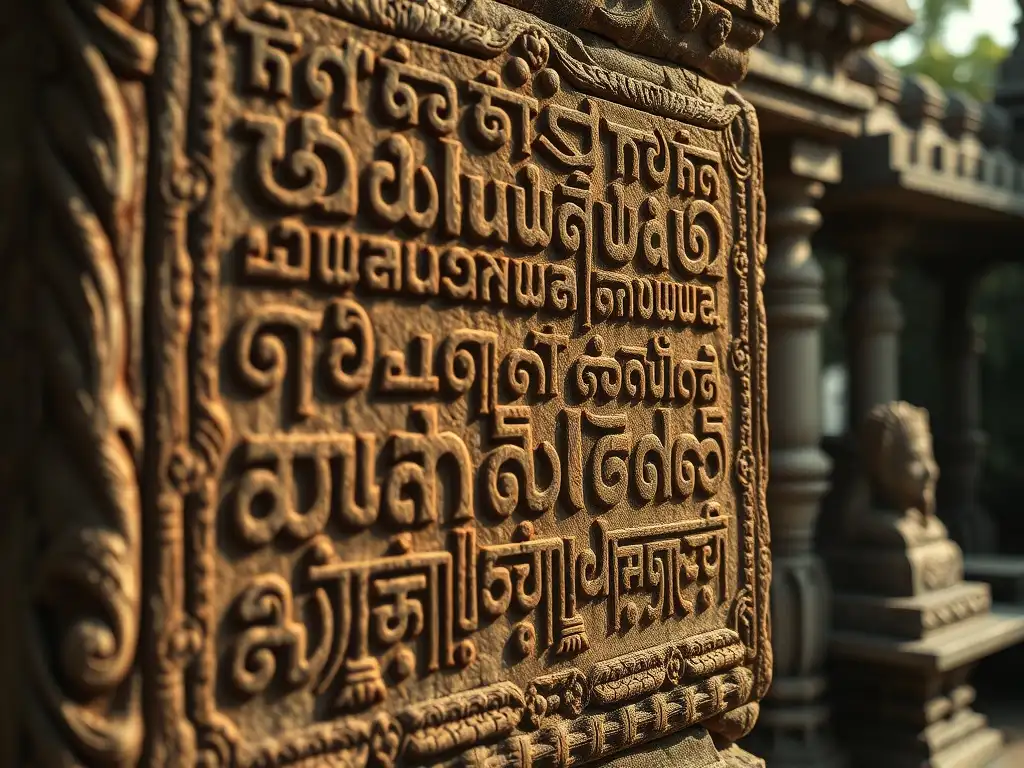
The Chola inscriptions predominantly utilize Tamil, the lingua franca of the region, and Sanskrit, particularly for royal edicts and religious texts. The inscriptions are typically written in the Tamil script, which evolved during the Chola period, reflecting a sophisticated literary culture.
The use of Sanskrit is often associated with religious inscriptions, as it was the language of the elite and the priestly class. The bilingual nature of these inscriptions signifies the intermingling of different cultural influences and the importance of both languages in Chola society.
The precision of the language used in these inscriptions indicates a highly developed administrative system and a rich literary tradition. Moreover, the stylistic variations in script and language across different inscriptions suggest a complex narrative of regional dialects and socio-political interactions.
Major Themes and Subjects in Chola Inscriptions
Chola inscriptions encompass a broad range of themes and subjects, each illuminating various aspects of the Chola civilization. Key themes include:
- Religious Devotion: Many inscriptions emphasize the importance of worship and temple patronage, reflecting the spiritual life of the Chola people.
- Political Authority: Inscriptions often outline the lineage of rulers, their achievements, and their divine right to rule, reinforcing the political hierarchy.
- Cultural Patronage: They document the support provided to arts and literature, showcasing the Chola commitment to cultural development.
- Social Structure: The inscriptions frequently mention the roles of different social classes, including artisans, merchants, and agricultural workers, providing a glimpse into the socio-economic setup.
These themes not only enrich our understanding of the Chola Dynasty but also highlight the interconnectedness of various facets of life during this period.
Historical Significance of Chola Inscriptions
Chola inscriptions are pivotal in reconstructing the historical narrative of South India, particularly regarding governance, society, and religion. They serve as primary sources for historians, providing critical evidence about the political landscape and cultural practices of the time. The inscriptions are invaluable for understanding the Chola Empire's influence on subsequent Indian history, as they encapsulate the essence of a civilization that significantly shaped the region.
Insights into Governance and Administration
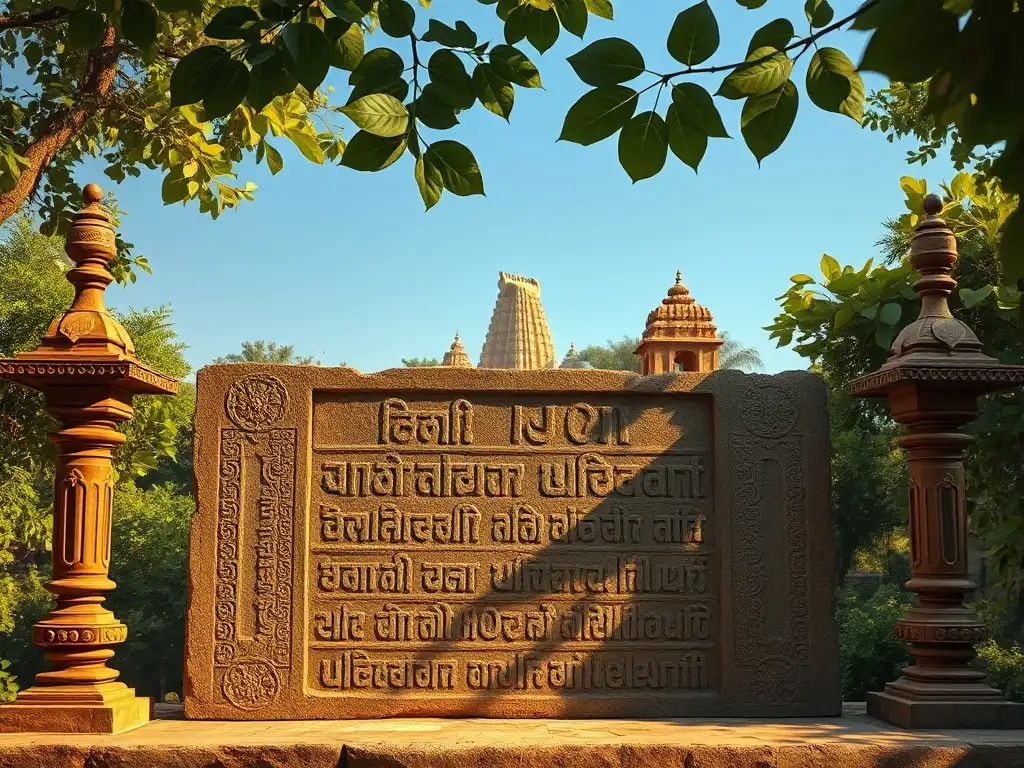
The inscriptions reveal a sophisticated system of governance characterized by effective administration and law enforcement. They document the responsibilities of local officials, land revenue systems, and legal protocols, showcasing an organized bureaucratic structure.
Moreover, the inscriptions often highlight the importance of public welfare initiatives, such as the construction of irrigation systems and temples, underscoring the rulers’ commitment to the well-being of their subjects. These records also reflect the administrative challenges faced by the Chola rulers and their strategies for maintaining control over vast territories.
Chola inscriptions provide rich insights into the social and economic life of the period. They frequently mention trade activities, agricultural practices, and guilds, illustrating the economic dynamism of the Chola Empire.
Inscriptions related to land grants and taxation reveal the agrarian roots of the economy, while references to maritime trade underscore the Chola's extensive trade networks. Social structures, including the roles of various castes and communities, are also documented, shedding light on the complexities of Chola society.
Religious and Spiritual Dimensions in Chola Inscriptions
The religious significance of Chola inscriptions cannot be overstated. Many inscriptions are dedicated to the worship of deities, often detailing the construction of temples and the performance of rituals. They reflect the syncretic nature of religion in the Chola period, where local deities coexisted with Hindu gods, fostering a diverse spiritual landscape.
In addition, the inscriptions frequently express the rulers' devotion to the divine, portraying them as protectors of dharma (righteousness) and patrons of temples. This intertwining of governance and spirituality highlights the integral role of religion in legitimizing authority and promoting social cohesion within the Chola Empire.
Case Studies of Notable Chola Inscriptions

The Chola Dynasty, renowned for its remarkable contributions to art, architecture, and administration, left behind a rich legacy of inscriptions that provide invaluable insights into its cultural heritage. These inscriptions serve not only as historical records but also as reflections of the societal norms, religious beliefs, and political ideologies of the time. In this section, we will explore three notable case studies of Chola inscriptions, each exemplifying different aspects of the dynasty's cultural and historical significance.
The Brihadeeswarar Temple Inscription
The Brihadeeswarar Temple, located in Thanjavur, is one of the most iconic architectural achievements of the Chola Dynasty, dedicated to Lord Shiva. Among the numerous inscriptions found within the temple complex, one of the most significant is the inscription detailing the temple's construction, commissioned by Rajaraja Chola I in the early 11th century. This inscription not only celebrates the architectural grandeur of the temple but also reflects the administrative prowess of the Chola rulers.
The inscription outlines the various artisans involved in the construction, emphasizing the importance of skilled craftsmanship in Chola society. It also mentions the donations made by the king for the temple's upkeep and the establishment of grants for temple priests, highlighting the intertwining of religion and state. Moreover, the inscription serves as a testament to the cultural ethos, showcasing how art and architecture were used to promote the king's divine authority and the socio-religious fabric of the empire.
The Gangaikonda Cholapuram Inscriptions
Gangaikonda Cholapuram, established by Rajendra Chola I, is home to several inscriptions that document the achievements of the Chola rulers, particularly Rajendra's military conquests and diplomatic endeavors. One prominent inscription commemorates Rajendra's victory over the Srivijaya Empire in Southeast Asia, showcasing the extent of Chola influence beyond the Indian subcontinent.
These inscriptions not only celebrate military success but also detail the administrative reforms implemented by Rajendra, including the restructuring of local governance and the promotion of trade and commerce. Furthermore, they highlight the cultural exchanges facilitated by the Chola expeditions, as evidenced by the introduction of new artistic styles and cultural practices that enriched the Chola heritage. The Gangaikonda Cholapuram inscriptions thus serve as a crucial link between military prowess and cultural development in the Chola Dynasty.
Inscriptions from the Thanjavur Palace
The Thanjavur Palace, a significant center of Chola administration and culture, houses various inscriptions that provide insights into the daily lives and practices of the Chola people. Among these, inscriptions related to land grants, taxation, and local governance stand out as essential documents reflecting the economic structure of the time.
One notable inscription outlines the rights and responsibilities of landowners, shedding light on the agrarian economy that sustained the Chola Empire. Another inscription details the patronage of arts and literature by the Chola rulers, revealing their commitment to cultural development. These inscriptions collectively depict a society that valued both economic stability and cultural flourishing, underscoring the Chola Dynasty's multifaceted contributions to Indian heritage.
Conclusion: The Lasting Impact of Chola Inscriptions
The inscriptions of the Chola Dynasty not only serve as historical artifacts but also as key resources for understanding the intricate tapestry of ancient Indian culture. Their study offers profound insights into the political, social, and religious dynamics of the time, thus enriching the narrative of Indian history.
Contributions to Indian Epigraphy and Cultural Studies
Chola inscriptions have significantly contributed to the field of Indian epigraphy, providing scholars with a wealth of information about the administrative practices, linguistic developments, and cultural exchanges of the era. The meticulous nature of these inscriptions, often crafted in Tamil and Sanskrit, illustrates the linguistic diversity and proficiency of the Chola scribes.
Moreover, the artistic elements of these inscriptions, including intricate carvings and decorative motifs, have influenced subsequent generations of artisans and scholars. The legacy of Chola inscriptions continues to inspire modern researchers and artists, reinforcing the importance of preserving and studying these historical documents as a means of understanding India’s rich cultural heritage.
Future Research Directions on Chola Dynasty Cultural Heritage
As interest in the Chola Dynasty and its cultural contributions grows, future research directions may focus on the digital preservation and analysis of Chola inscriptions. Utilizing technology to catalog and study these inscriptions can enhance accessibility for scholars and enthusiasts alike.
Additionally, interdisciplinary approaches that combine archaeology, history, and art history could provide a more holistic understanding of the Chola cultural heritage. As new discoveries are made and existing inscriptions are re-evaluated, the potential for uncovering further insights into the Chola Dynasty's impact on Indian civilization remains vast, promising exciting developments in the field of cultural studies.
References
The inscriptions of the Chola Dynasty stand as monumental records that provide deep insights into the cultural, administrative, and religious aspects of ancient Indian society. Scholars and enthusiasts alike have explored these inscriptions extensively, providing a wealth of knowledge that contributes to our understanding of this significant period in Indian history. Below are some key texts and resources that delve into the Chola inscriptions and their broader cultural heritage.
Key Texts and Resources on Chola Inscriptions
-
"Inscriptions of the Chola Dynasty" by S. R. Rao
This comprehensive work outlines various inscriptions from the Chola period, analyzing their content and significance. Rao's meticulous documentation serves as a primary resource for researchers interested in understanding the intricacies of Chola governance and society.
-
"The Chola Empire: A Study in History, Culture, and Art" by K. R. Srinivasan
This book examines how inscriptions played a crucial role in the administration and cultural life of the Chola Empire. It discusses the artistic representations found in inscriptions and their implications for understanding Chola identity.
-
"Chola Inscriptions: A Source of Historical Information" by R. Nagaswamy
Nagaswamy's work focuses on the historical context of Chola inscriptions, categorizing them based on themes such as religion, land grants, and royal proclamations. This text is invaluable for anyone studying the impacts of these inscriptions on subsequent Indian cultures.
-
"Epigraphy and the History of South India" by A. Appadorai
This resource provides methodologies for interpreting inscriptions and includes case studies specifically related to the Chola Dynasty. Appadorai's approach highlights the importance of epigraphy in reconstructing historical narratives.
Suggested Further Reading on Cultural Heritage of Ancient India
-
"Cultural Heritage of India" by Surya Prakash
This multi-volume work explores the diverse cultural heritage of India, including the contributions of various dynasties, with a dedicated section on the Chola Dynasty. Prakash emphasizes the fusion of art, architecture, and inscriptions in shaping Indian culture.
-
"The Heritage of the Tamils" by M. S. Purnima
Purnima's examination of Tamil heritage includes a focus on the Chola period, providing perspectives on the linguistic and cultural continuity from ancient to modern times. The book highlights the significance of inscriptions in preserving Tamil cultural identity.
-
"Treasures of Ancient India: A Guide to the Historic Sites and Artifacts" by N. R. Venkatesh
This guide showcases various historical sites associated with the Chola Dynasty and includes discussions on the inscriptions found at these locations. Venkatesh's work is particularly useful for those interested in a physical exploration of India's ancient heritage.
-
"The Role of Inscriptions in South Indian History" by V. R. Ramachandra
This book discusses the broader implications of inscriptions across South Indian history, including the Chola period. Ramachandra's analysis provides context for understanding the role of written records in shaping cultural and political landscapes.
These texts and resources will aid readers in gaining deeper insights into the Chola Dynasty's cultural heritage and the critical role that inscriptions played in preserving this rich historical narrative.
- Introduction to the Chola Dynasty
- Chola Dynasty Cultural Heritage Insights
- Analysis of Chola Inscriptions
- Types of Inscriptions Found in Chola Temples
- Language and Scripts Used in Chola Inscriptions
- Major Themes and Subjects in Chola Inscriptions
- Historical Significance of Chola Inscriptions
- Insights into Governance and Administration
- Reflections of Social and Economic Life in Chola Era
- Religious and Spiritual Dimensions in Chola Inscriptions
- Case Studies of Notable Chola Inscriptions
- Conclusion: The Lasting Impact of Chola Inscriptions
- References
- What is the significance of the Chola Dynasty in ancient Indian history?
- What type of inscriptions did the Chola Dynasty leave behind?
- How did the Chola Dynasty influence art and architecture?
- What are some key themes reflected in the Chola inscriptions?
- How can studying Chola Dynasty cultural heritage insights benefit modern society?
Frequently Asked Questions
What is the significance of the Chola Dynasty in ancient Indian history?
The Chola Dynasty is renowned for its cultural contributions, particularly in art, architecture, and literature, playing a pivotal role in shaping South Indian heritage.
What type of inscriptions did the Chola Dynasty leave behind?
The inscriptions of the Chola Dynasty include temple records, land grants, and historical accounts, which provide valuable insights into the political and cultural practices of the time.
How did the Chola Dynasty influence art and architecture?
The Chola Dynasty is celebrated for its temple architecture, particularly the Brihadeeswarar Temple, which showcases intricate sculptural designs and reflects the artistic excellence of the period.
What are some key themes reflected in the Chola inscriptions?
The Chola inscriptions often highlight themes of religion, administration, and patronage of the arts, demonstrating the dynasty's values and its commitment to cultural development.
How can studying Chola Dynasty cultural heritage insights benefit modern society?
Understanding Chola Dynasty cultural heritage insights can enhance our appreciation for historical continuity, influence modern cultural identity, and inspire contemporary artistic expressions.
Final Reflection: Embracing the Legacy of the Chola Dynasty
The Chola Dynasty's cultural heritage continues to resonate profoundly in today's world, reminding us of the intricate tapestry of history that shapes our identities. As we delve into the inscriptions and artistic expressions of this remarkable dynasty, we uncover not just a glimpse of the past but also a powerful narrative that informs our present and future. The Chola Dynasty's contributions to art, architecture, and governance serve as a testament to the enduring influence of cultural heritage in fostering a sense of belonging and continuity.
Cultural heritage, particularly that of the Chola Dynasty, is not merely a relic of history; it is a living entity that shapes our societal values and aspirations. The inscriptions we study today are more than just words etched in stone; they are echoes of a civilization that thrived on innovation and inclusivity. As we reflect on their significance, we are reminded of the words of Mahatma Gandhi: A nation's greatness is measured by how it treats its weakest members.
This perspective encourages us to honor the lessons of the Chola Dynasty by ensuring that our cultural heritage is accessible and celebrated by all, fostering a society that values diversity and shared history.
As we conclude this exploration of the Chola Dynasty's cultural heritage, I invite you to reflect on how these insights can enrich your own life and community. Consider how the values of creativity, resilience, and inclusivity embodied by the Chola Dynasty can inspire your actions today.
Engage with your own cultural heritage, seek to understand the narratives that shape your identity, and contribute to a collective legacy that honors the past while paving the way for a brighter future. Let us carry forward the lessons of the Chola Dynasty, ensuring that their remarkable story continues to inspire generations to come.
Unveil the Rich Legacy of the Chola Dynasty!
Thank you for taking the time to explore the fascinating world of the Chola Dynasty through our article! We hope you’ve gained valuable insights into their cultural heritage and the significance of their inscriptions. Now, it's your turn to dive deeper and connect with this vibrant history.
Here are some empowering actions you can take:
- Join a local historical society or museum dedicated to Indian heritage to further explore the Chola Dynasty's rich culture.
- Visit ancient sites or temples in your area; you might be surprised at how many local connections exist!
- Share your thoughts about the Chola inscriptions in the comments below or on social media, encouraging others to join the conversation.
How do you see the cultural influences of the Chola Dynasty resonating in today's society?