
The Interplay of Politics and Religion in Ancient Indian Inscriptions

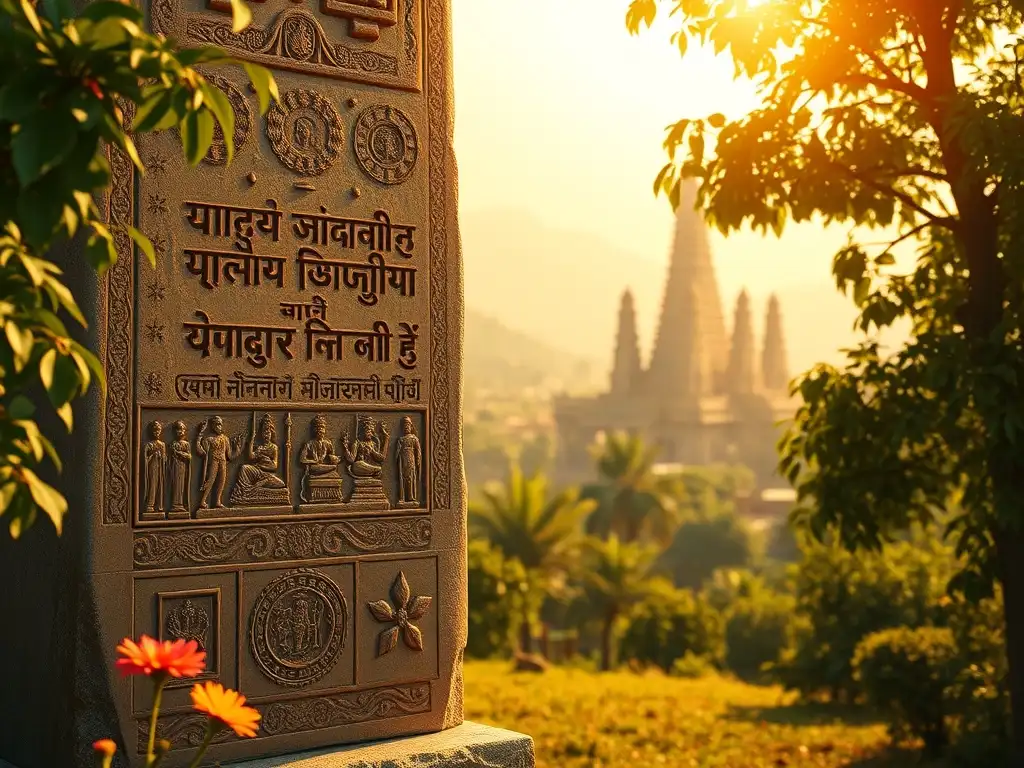
Welcome to Ancient India History, where we embark on a captivating journey through the rich tapestry of ancient Indian civilization. Dive deep into the intricacies of politics and religion as we unveil the fascinating findings of our latest article on ancient Indian inscriptions analysis. Discover how these remarkable artifacts not only reflect the beliefs and power dynamics of the time but also offer us a window into the lives of those who shaped the course of history. Are you ready to explore the profound connections embedded in these inscriptions? Join us as we unravel the secrets of the past!
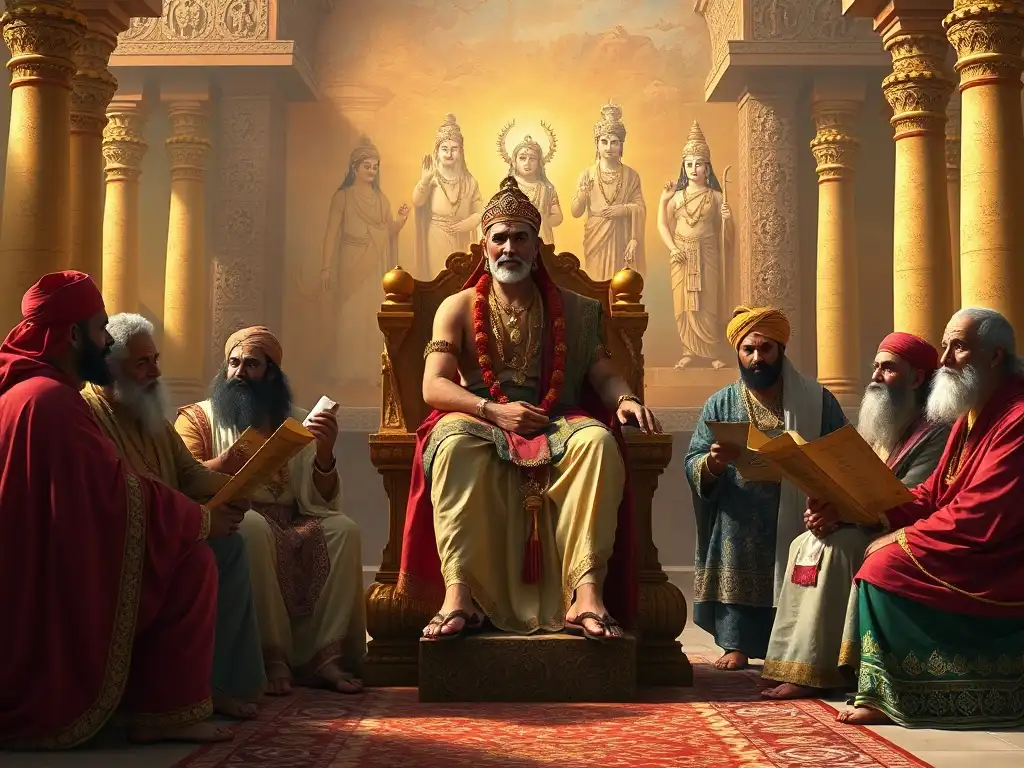
In the tapestry of ancient Indian history, inscriptions serve as invaluable windows into the lives, beliefs, and governance of past civilizations. The intricate interplay between politics and religion is vividly documented in these texts, revealing how rulers utilized inscriptions to propagate their ideologies, assert their legitimacy, and foster a shared cultural identity among their subjects.
This article delves into the analysis of ancient Indian inscriptions, exploring their historical significance and providing insights into the nuanced relationship between the political and religious spheres throughout various dynasties. By examining these inscriptions, we can better comprehend the foundational elements that shaped ancient Indian society and its enduring legacy.
Introduction to Ancient Indian Inscriptions Analysis
Ancient Indian inscriptions, carved on stone, metal, and other materials, represent one of the most important sources of historical information. These artifacts not only chronicle events and achievements but also reflect the socio-political dynamics and religious fervor that characterized the time. They serve as a mirror to the complexities of ancient Indian civilization, encompassing a range of themes, from royal proclamations and land grants to religious dedications and ethical edicts.
Importance of Inscriptions in Understanding Ancient Indian Culture
The analysis of ancient Indian inscriptions is crucial for several reasons:
- Cultural Insights: They provide a direct link to the values, beliefs, and practices of ancient societies.
- Historical Documentation: Inscriptions often record significant events and milestones, offering a chronological framework for historians.
- Political Narratives: They reveal how rulers used language and symbolism to reinforce authority and governance.
Inscriptions have also helped uncover the interactions between different regions and cultures, showcasing the diversity of ancient Indian society.
Overview of Political and Religious Themes in Inscriptions
Inscriptions from various periods often highlight the dual themes of politics and religion. Some key aspects include:
- Royal Authority: Many inscriptions are declarations of power, emphasizing the divine right of kings.
- Religious Patronage: Rulers frequently commissioned temples and religious texts, underscoring their role as protectors of dharma (righteousness).
- Cultural Integration: Inscriptions often reflect the blending of various religious and cultural traditions, illustrating the syncretic nature of ancient Indian society.
Through these themes, we can appreciate how politics and religion were interwoven, influencing one another and shaping the course of history.
Historical Context of Ancient Indian Inscriptions
Understanding the historical context of ancient Indian inscriptions is essential for a comprehensive analysis. Each inscription is not just a standalone artifact; it is part of a larger narrative that defines the socio-political landscape of its time.
The Role of Inscriptions in Ancient Indian Society
Inscriptions played a multifaceted role in ancient Indian society, acting as:
- Legal Documents: Many inscriptions served as official records, detailing land ownership, trade agreements, and legal judgments.
- Cultural Expressions: They were often used to commemorate significant events, such as royal victories or the construction of temples.
- Communicative Tools: Inscriptions conveyed messages to the populace, reinforcing the authority of rulers and the importance of religious practices.
These roles illustrate how inscriptions were integral to the functioning of ancient Indian civilization, influencing daily life and governance.
Major Dynasties and Their Influence on Inscriptions
Several dynasties left a profound impact on the tradition of inscriptions in ancient India:
- Maurya Dynasty: The edicts of Ashoka, inscribed on stone pillars, are famous for promoting Buddhism and ethical governance.
- Gupta Empire: This period saw a flourishing of literature and art, with inscriptions celebrating achievements in science, philosophy, and religion.
- Chola Dynasty: Known for its temple inscriptions, which highlight the patronage of art and architecture as well as the spread of Shaivism.
Each dynasty contributed to the evolution of inscriptions, reflecting their unique political agendas and religious affiliations. Understanding this influence is key to grasping the broader narrative of ancient Indian history.
Political Themes in Ancient Indian Inscriptions
Ancient Indian inscriptions serve as valuable records that reflect the political landscape of their time. These inscriptions document the rise and fall of dynasties, territorial expansions, and the power dynamics among rulers and their subjects. They often provide insight into the political ideologies that governed these ancient societies, showcasing how rulers sought to legitimize their authority and maintain control over their realms. The themes presented in these inscriptions are not merely historical accounts; they also reveal the complex relationship between governance and societal values, illustrating how politics and religion often intertwined during ancient times.
Depictions of Power and Authority in Inscriptions
Inscriptions from various periods depict power and authority in multifaceted ways. Rulers often commissioned inscriptions to announce victories, establish territorial claims, and commemorate achievements. For example, the Ashoka Edicts, inscribed by Emperor Ashoka of the Maurya Dynasty, reflect his efforts to promote moral governance and Buddhist principles. These edicts not only assert his authority but also demonstrate his commitment to being a benevolent ruler who prioritizes the well-being of his subjects.
Moreover, inscriptions frequently employed grand titles and epithets to enhance the ruler's image. For instance, inscriptions from the Gupta Empire often referred to monarchs as "Chakravartin," or "Universal Monarch," suggesting an ideal of sovereignty that extended beyond mere territorial control. This portrayal of authority helped to solidify the ruler's legitimacy and foster loyalty among subjects.
Inscriptions as Tools for Political Propaganda
Ancient Indian rulers strategically used inscriptions as tools for political propaganda. By inscribing their achievements in public spaces, they effectively communicated their power to the populace and neighboring states. This practice created a narrative that bolstered their status and authority.
An excellent example of this is the Aihole Inscription of Pulakeshin II, which celebrates his military conquests and portrays him as a formidable leader. The inscription serves not only as a record of territorial expansion but also as a declaration of supremacy over rival kingdoms. Such inscriptions were designed to instill pride among subjects and deter potential challengers by projecting an image of invincibility.
Additionally, inscriptions often highlighted the ruler's patronage of arts, literature, and religion. By associating themselves with cultural and spiritual achievements, rulers could enhance their standing and present themselves as enlightened leaders, further ingraining their legacy within the society.
Case Studies: Notable Political Inscriptions from Ancient India
Several notable inscriptions encapsulate the interplay of politics and authority in ancient India.
- The Edicts of Ashoka: These inscriptions are a cornerstone of ancient Indian political philosophy, emphasizing moral governance and the principles of Dharma. Ashoka's commitment to non-violence and welfare is articulated through these edicts.
- The Allahabad Pillar Inscription of Samudragupta: This inscription celebrates the military exploits of Samudragupta, detailing his conquests and highlighting his status as a powerful ruler. It serves as a vital source for understanding the political dynamics of the Gupta Empire.
- The Junagadh Rock Edicts: Issued by Rudradaman I, these inscriptions reflect the political landscape of the Western Kshatrapas and their interactions with neighboring powers. They provide insight into the regional politics and the assertion of local authority.
Religious Themes in Ancient Indian Inscriptions
Religious themes in ancient Indian inscriptions are significant as they reveal the spiritual beliefs and practices of the time. These inscriptions often commemorate important religious figures, events, and concepts, illustrating the deep intertwining of religion with the daily lives of the populace and the state. The inscriptions also serve to legitimize the authority of rulers by associating them with divine principles or religious mandates.
The Representation of Religious Beliefs in Inscriptions
Inscriptions frequently reflect the religious beliefs that permeated ancient Indian society. They serve as a testament to the pluralistic nature of religion during this period, showcasing the coexistence of various faiths, including Hinduism, Buddhism, and Jainism. For instance, the Buddhist inscriptions found in the stupas and caves depict the life of the Buddha and his teachings, emphasizing the importance of dharma and ethical conduct.
Additionally, inscriptions often included prayers, hymns, or invocations, highlighting the significance of divine favor in governance. Rulers would frequently invoke deities in their inscriptions to legitimize their reign and seek blessings for their rule. This practice reveals how spirituality was interwoven with the political ethos of the time.
Inscriptions Commemorating Religious Events and Figures
Many ancient inscriptions are dedicated to commemorating significant religious events and figures. For example, the Junagadh inscription of Emperor Ashoka celebrates his conversion to Buddhism and the subsequent spread of the religion across his empire. Such inscriptions not only mark pivotal moments in religious history but also reflect the rulers' roles in shaping religious narratives.
Moreover, temples and religious sites often feature inscriptions that honor deities or record donations made by devotees. These inscriptions serve as records of piety and devotion, showcasing the importance of religion in everyday life and the socio-political fabric of ancient Indian society.
Analysis of Religious Symbolism in Inscriptions
The symbolism embedded within ancient inscriptions provides a rich field for analysis, revealing the interconnectedness of religious and political themes. Religious motifs, such as lotus flowers, conch shells, and sacred animals, often appear alongside inscriptions, enhancing their spiritual significance. These symbols not only convey religious beliefs but also serve to reinforce the authority of the rulers by associating them with divine qualities.
Additionally, the language and style of inscriptions can reflect the religious context. For instance, the use of Sanskrit in inscriptions related to Hinduism demonstrates its cultural hegemony, while Prakrit might be employed in Buddhist inscriptions to reach a broader audience. This linguistic choice further underscores the relationship between religious identity and political power.
Ancient Indian inscriptions offer a multifaceted view of the interplay between politics and religion, illustrating how these themes shaped the social and cultural landscapes of the time. By analyzing these inscriptions, we gain valuable insights into the historical significance of governance and spirituality in ancient India.
The Interconnection of Politics and Religion
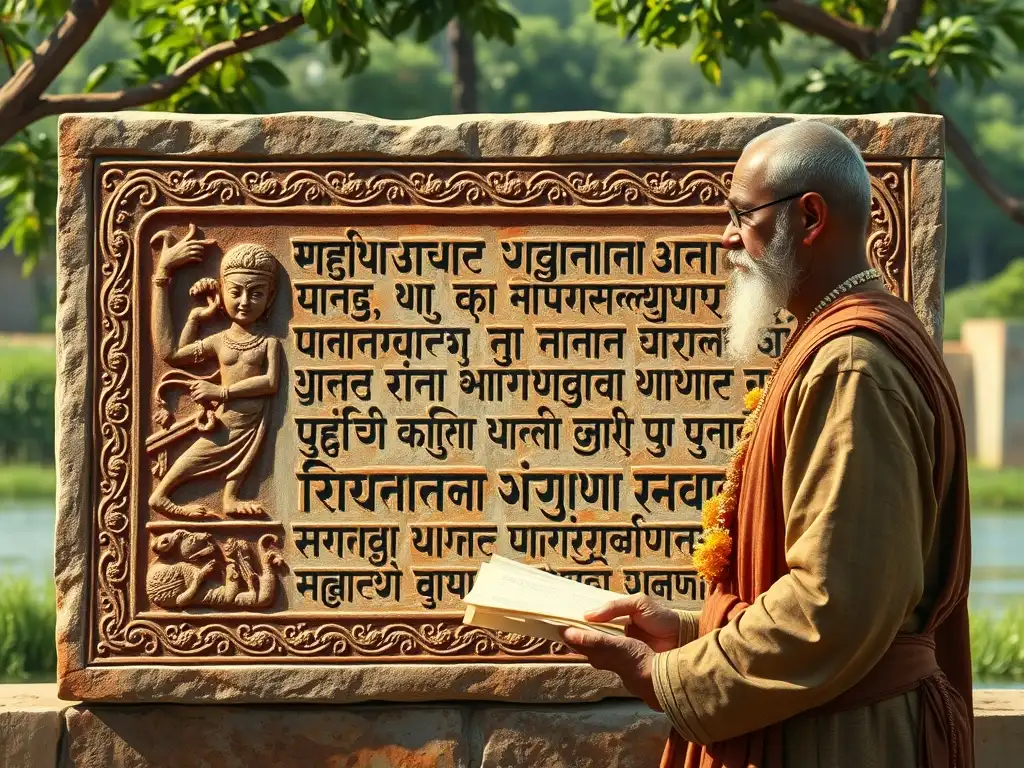
In ancient India, politics and religion were deeply intertwined, influencing each other in profound ways. The rulers of various dynasties often derived their legitimacy from divine sanction, which was manifest in numerous inscriptions. These inscriptions not only served as proclamations of power but also as tools to reinforce religious ideologies and practices. Political leaders would often engage in religious patronage, supporting temples and religious institutions, which in turn helped to solidify their authority and establish a loyal following among the populace.
The intertwining of these two spheres is evident in the way rulers presented themselves as protectors of dharma (moral order) and champions of their respective religions, whether Hinduism, Buddhism, or Jainism. This interconnection can be traced through various inscriptions that highlight the dual role of kings as both temporal leaders and spiritual guides.
How Religion Influenced Political Power Structures
Religion played a critical role in shaping the political power structures of ancient India. Many rulers claimed divine ancestry or protection from deities, thereby legitimizing their rule and policies. This connection was often articulated through inscriptions, which documented royal achievements while simultaneously invoking religious themes. For instance, inscriptions frequently referenced the favor of gods or the fulfillment of religious duties, portraying the king as a divine figure on earth.
The caste system, too, was influenced by religious doctrines, which in turn affected political dynamics. The social hierarchy sanctioned by religious texts dictated political roles and responsibilities, creating a framework where political authority was often aligned with religious status. Consequently, rulers who upheld these religious principles garnered public support and stability within their kingdoms.
The Use of Inscriptions to Promote Religious Ideologies
Inscriptions served as powerful mediums for promoting religious ideologies across ancient Indian civilizations. They were often inscribed on temple walls, pillars, and edicts, disseminating core beliefs and practices to the masses. By documenting religious events, rituals, and patronage, these inscriptions helped in reinforcing the socio-religious identity of communities.
For example, the Edicts of Ashoka are a prime illustration of how inscriptions were used to promote Buddhism and its ethical values. They not only conveyed the emperor's commitment to dharma but also aimed to guide his subjects towards righteous living. Such inscriptions functioned as public proclamations, asserting the ruler's role as a guardian of faith and morality, thereby intertwining governance with religious governance.
Examples of Political Leaders and Their Religious Associations
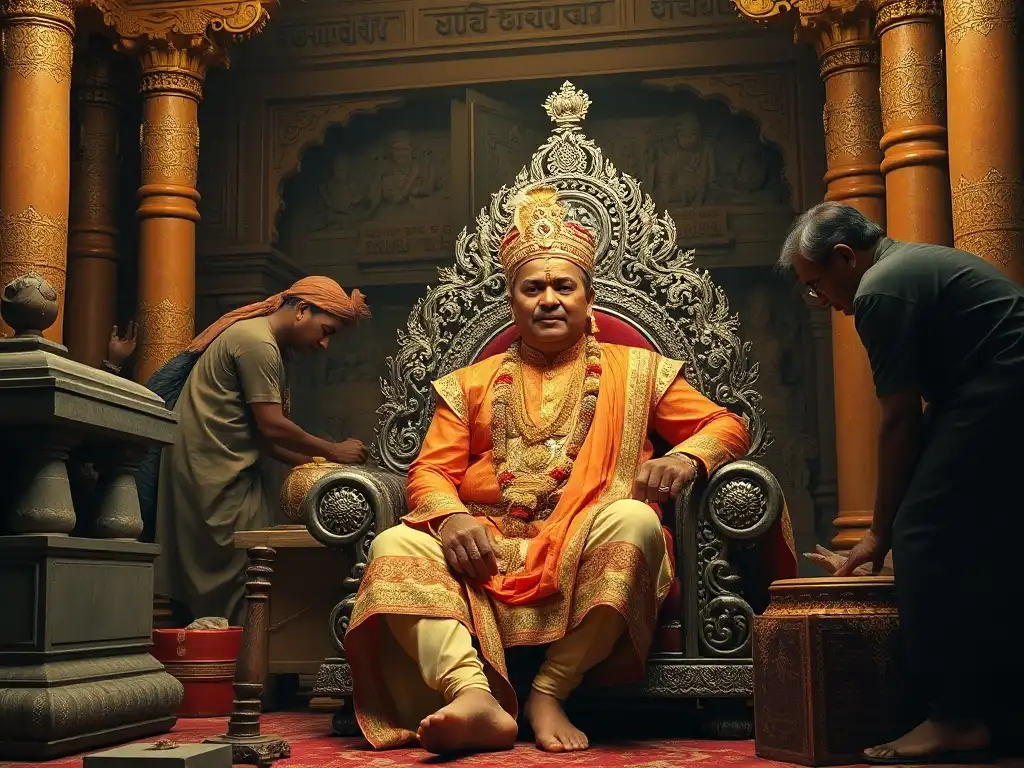
Throughout ancient Indian history, many political leaders were closely associated with specific religious ideologies, which they promoted through inscriptions. For instance:
- Ashoka the Great (268-232 BCE): Known for his conversion to Buddhism, Ashoka's edicts emphasized moral governance and the promotion of Buddhist values, marking a significant shift towards a more ethical form of rule grounded in spiritual principles.
- Chandragupta Maurya: The founder of the Maurya Empire, he is often linked to Jainism, especially towards the end of his life when he abdicated the throne in favor of his son and became a follower of Jain teachings. Inscriptions from this era reflect the influence of Jain philosophy on his rule.
- Harsha (606-647 CE): A patron of Buddhism, Harsha's inscriptions highlight his devotion to Buddhist institutions, showcasing how rulers utilized religion to unify and strengthen their realms.
These examples illustrate how rulers not only utilized religious affiliations to consolidate power but also how they created a legacy through inscriptions that intertwined their political authority with spiritual significance.
Methodologies in Ancient Indian Inscriptions Analysis
The analysis of ancient Indian inscriptions involves a multidisciplinary approach that combines epigraphy, archaeology, and history. Scholars employ various methodologies to decipher, interpret, and contextualize the information contained within these inscriptions. This analysis is crucial for understanding the socio-political and religious dynamics of ancient Indian civilizations.
Techniques for Analyzing Political and Religious Content
Researchers utilize several techniques to analyze the political and religious content of inscriptions:
- Textual Analysis: This involves examining the language, style, and structure of inscriptions to identify themes and motifs related to politics and religion.
- Contextual Analysis: Understanding the historical context in which an inscription was created helps in deciphering its intended message and significance. This includes considering the socio-political climate and the ruler's religious affiliations at the time.
- Comparative Studies: By comparing inscriptions from different regions and periods, scholars can identify patterns in the interplay of politics and religion across ancient India.
These techniques contribute to a more nuanced understanding of how ancient inscriptions functioned as instruments of power and belief.
The Role of Epigraphy in Uncovering Historical Contexts
Epigraphy, the study of inscriptions, plays a vital role in uncovering the historical contexts of ancient Indian societies. Through the systematic study of inscriptions, scholars can reconstruct historical events, societal structures, and the evolution of religious practices.
- Chronological Framework: Inscriptions often provide dates and references to specific reigns or events, helping historians to build a chronological framework of ancient Indian history.
- Cultural Insights: The content of inscriptions reveals insights into the cultural, religious, and political practices of the time, illuminating how these practices influenced everyday life.
- Social Dynamics: Epigraphic evidence can highlight the roles of various social classes, including the elite, merchants, and artisans, in the political and religious landscape of ancient India.
Through these methodologies, epigraphy serves as a critical tool for understanding the complexities of ancient Indian society, particularly the interplay of politics and religion as reflected in inscriptions.
Conclusion: The Significance of Analyzing Politics and Religion in Inscriptions
The analysis of ancient Indian inscriptions provides invaluable insights into the interplay between politics and religion throughout history. These inscriptions serve as primary sources that capture the nuances of governance, societal values, and religious beliefs of ancient civilizations. By examining the language, symbolism, and context of these inscriptions, researchers can reconstruct the dynamics of power and the influence of religion on statecraft. This understanding is crucial for appreciating how ancient Indian societies structured their worlds, as well as how they communicated authority and legitimacy through religious narratives.
Ultimately, the significance of analyzing politics and religion in inscriptions extends beyond mere historical curiosity. It contributes to a broader comprehension of how ancient Indian civilizations navigated complex social hierarchies and maintained cohesion amidst diversity. The insights gained from these analyses can inform contemporary discussions about identity and cultural heritage in India, as well as foster a deeper appreciation for the rich tapestry of its past.
The Impact of Inscriptions on Understanding Ancient Indian Civilizations
Inscriptions have played a pivotal role in enhancing our understanding of ancient Indian civilizations by providing direct evidence of political, religious, and social frameworks. They often document decrees, royal edicts, and religious proclamations, thus revealing the priorities and ideologies of the ruling classes. For instance, the Edicts of Ashoka not only reflect the emperor's commitment to Buddhism but also his approach to governance, emphasizing moral and ethical conduct.
Moreover, inscriptions help us understand the regional variations and interactions within ancient India. They often include references to local deities, customs, and languages, illustrating the diverse cultural landscape of the subcontinent. This diversity is further enriched by the use of different scripts and languages, such as Brahmi and Kharosthi, which highlight the evolution of communication and administration in ancient India.
Inscriptions are crucial for piecing together the historical narrative of ancient Indian civilizations, offering a glimpse into the political machinations, religious beliefs, and societal norms that shaped their existence. This understanding not only informs historians but also enriches the cultural consciousness of modern India.
Future Directions for Research in Ancient Indian Inscriptions Analysis
As the field of ancient Indian inscriptions analysis continues to evolve, several future research directions hold promise for uncovering new insights. One area of focus is the application of advanced technologies, such as digital epigraphy and machine learning, to analyze the vast corpus of inscriptions. These technologies can facilitate the deciphering of damaged or poorly preserved texts, allowing researchers to reconstruct lost narratives.
Another promising direction is the interdisciplinary approach that combines archaeology, anthropology, and religious studies with traditional epigraphic analysis. This holistic perspective can lead to a more nuanced understanding of how inscriptions interacted with the physical and social landscapes of ancient India. For instance, examining the spatial distribution of inscriptions alongside archaeological findings can reveal patterns of settlement, trade, and religious pilgrimage.
Furthermore, expanding the geographical scope of research to include lesser-known inscriptions from regional sites can illuminate the diverse influences that characterized ancient Indian civilization. By integrating local narratives and perspectives, scholars can forge a more comprehensive understanding of the political and religious dimensions of ancient Indian history.
The future of ancient Indian inscriptions analysis is bright, with numerous avenues for exploration and discovery. As scholars continue to delve into these inscriptions, the potential for new interpretations and insights into the rich tapestry of ancient Indian civilization remains vast.
- Introduction to Ancient Indian Inscriptions Analysis
- Historical Context of Ancient Indian Inscriptions
- Political Themes in Ancient Indian Inscriptions
- Religious Themes in Ancient Indian Inscriptions
- The Interconnection of Politics and Religion
- How Religion Influenced Political Power Structures
- The Use of Inscriptions to Promote Religious Ideologies
- Examples of Political Leaders and Their Religious Associations
- Methodologies in Ancient Indian Inscriptions Analysis
- Conclusion: The Significance of Analyzing Politics and Religion in Inscriptions
Frequently Asked Questions
What are ancient Indian inscriptions?
Ancient Indian inscriptions are written records found on stones, metals, and other materials that provide insights into the political, religious, and cultural aspects of ancient Indian civilizations.
How do ancient Indian inscriptions reflect politics?
These inscriptions often include royal edicts, proclamations, and administrative records that illustrate the political structure and governance of various empires, highlighting the interplay between power and religion.
What role did religion play in ancient Indian inscriptions?
Religion significantly influenced these inscriptions, often conveying religious beliefs, rituals, and the patronage of temples by rulers, showcasing the close relationship between politics and religious authority.
Why is the analysis of ancient Indian inscriptions important?
Analyzing these inscriptions enables historians to understand the social dynamics, cultural exchanges, and the historical context of ancient societies, providing a clearer picture of ancient Indian civilization.
How can one study ancient Indian inscriptions?
Studying these inscriptions involves epigraphy, archaeology, and historical research, along with the use of modern technology for deciphering and preserving these crucial artifacts of ancient Indian history.
Final Reflection: The Enduring Legacy of Ancient Indian Inscriptions
The interplay of politics and religion in ancient Indian inscriptions reveals profound insights into the socio-political fabric of the time, making it increasingly relevant in today's discussions about governance and belief systems. As we navigate a world where the lines between political ideologies and religious beliefs often blur, understanding how these ancient texts shaped societal norms and power dynamics can provide valuable lessons for contemporary society.
The analysis of ancient Indian inscriptions not only enhances our understanding of historical contexts but also invites us to reflect on our current cultural and social landscapes. These inscriptions serve as a testament to the complex relationship between authority and spirituality, influencing how communities organized themselves and interacted with one another.
> “History is not just about the past; it is a lens through which we can understand our present and shape our future.” This ongoing influence reminds us that the echoes of history still resonate in our modern lives, urging us to consider the implications of our own political and religious affiliations.
As we conclude this exploration, I invite you to reflect on the lessons embedded within these ancient texts. Consider how the dynamics of power and faith continue to shape your own community and personal beliefs. Engage with the past to inspire a more harmonious future, where dialogue and understanding can bridge divides, allowing us to learn from the intricate tapestry of our shared human experience.
Unveil the Rich Tapestry of Ancient Insights!
Thank you for joining us on this journey through the fascinating interplay of politics and religion in ancient Indian inscriptions. Your curiosity opens doors to understanding a vibrant history that still influences contemporary society. Now that you've explored these compelling connections, it's time to take action!
Here’s how you can deepen your engagement with this captivating topic:
- Dive deeper: Choose a specific inscription discussed in the article and examine its historical context to uncover what it reveals about society at that time.
- Share your findings: Engage in discussions with friends or share your thoughts on social media. Ignite conversations about the significance of these inscriptions in today’s world!
- Join a community: Participate in local historical societies or online forums focused on ancient Indian history to share ideas and insights.
What aspect of the relationship between politics and religion in ancient India intrigues you the most? Let’s start a conversation!