
The Influence of Ancient Indian Art on Modern Global Movements

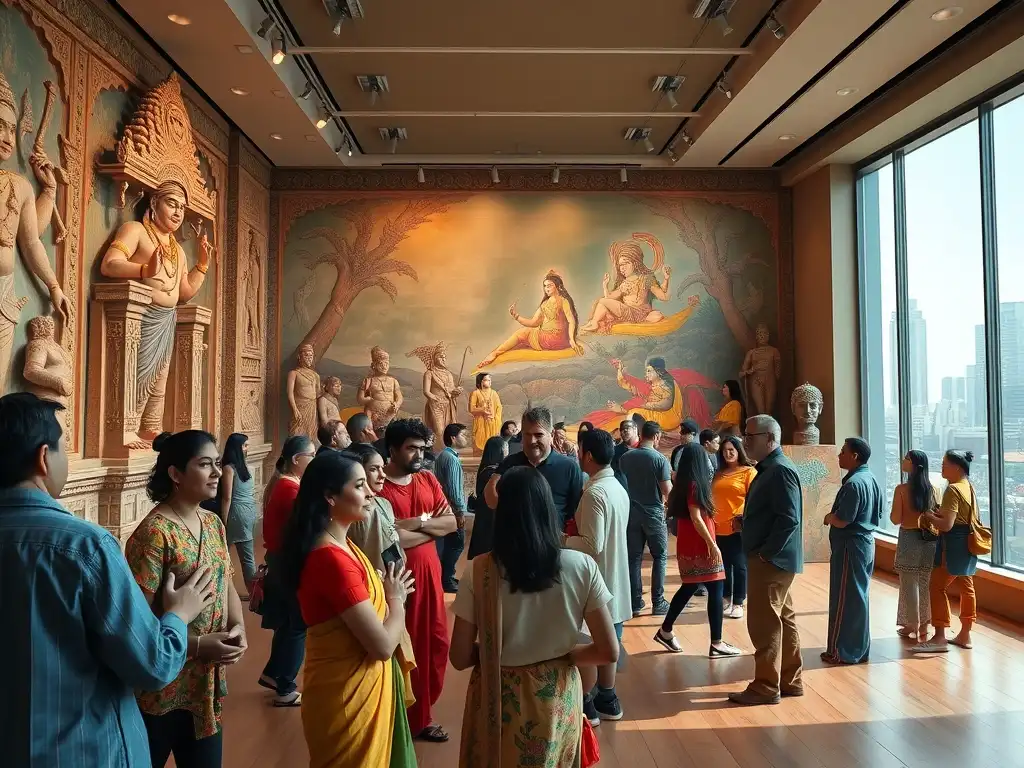
Welcome to Ancient India History, where we embark on a fascinating journey through the rich tapestry of ancient Indian civilizations. From the intricate designs of the Indus Valley to the artistic mastery of the Gupta Empire, our exploration unveils how ancient Indian art influence has shaped and inspired modern global movements. Delve into the captivating connections between past and present, and discover the profound impact of these artistic traditions that continue to resonate today. Are you ready to uncover the stories behind these vibrant cultural exchanges? Let’s dive deeper into the world of ancient Indian art!
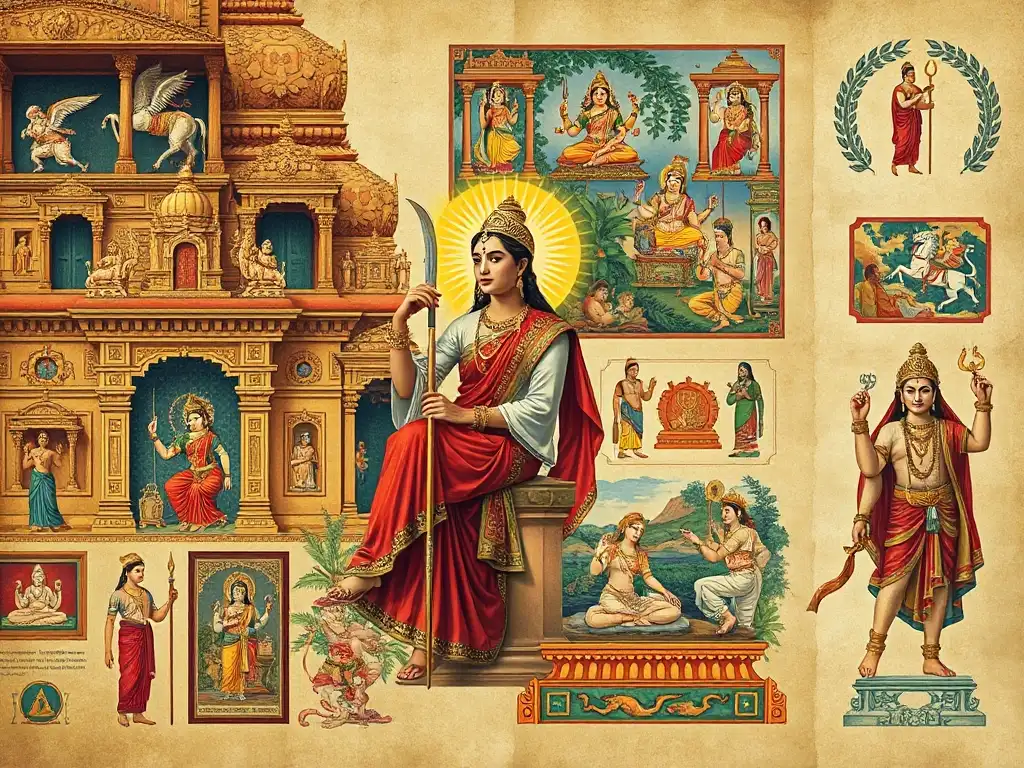
Introduction to Ancient Indian Art Influence
The legacy of ancient Indian art is profound, extending far beyond the geographical boundaries of the Indian subcontinent. As we delve into the influence of ancient Indian art on modern global movements, we uncover a tapestry of cultural exchanges that have shaped artistic expressions worldwide.
From the intricate carvings of the Indus Valley civilization to the vibrant frescoes of the Gupta Empire, ancient Indian art has contributed significantly to the evolution of aesthetic sensibilities across various cultures. This article aims to explore how the artistic traditions of ancient India not only reflect the values and beliefs of their time but also continue to inspire contemporary art forms and movements around the globe.
Overview of Ancient Indian Art
Ancient Indian art encompasses a diverse range of styles, techniques, and media that reflect the rich cultural heritage of the Indian subcontinent. This art is characterized by its symbolism, spirituality, and intricate craftsmanship. Key forms include:
- Sculpture: Renowned for its detailed stone carvings, particularly in temples and monolithic structures.
- Painting: Including frescoes and miniatures that depict religious and historical narratives.
- Textiles: Richly woven fabrics often adorned with symbolic motifs.
The evolution of these art forms is deeply intertwined with India's religious and philosophical traditions, encompassing Hinduism, Buddhism, and Jainism, each contributing unique elements to the artistic landscape.
Significance of Ancient Indian Art in Cultural History
The significance of ancient Indian art lies in its ability to convey complex philosophical ideas and cultural narratives. Art served not only as a means of aesthetic expression but also as a vehicle for storytelling and spiritual exploration. The use of mythological themes and symbolic representations in art allowed for the communication of profound ideas about life, morality, and the divine. Moreover, the intricate designs often held deeper meanings, reflecting the socio-political contexts of the times.
Historical Context of Ancient Indian Art
To fully appreciate the influence of ancient Indian art, it is essential to understand the historical context in which it developed. This includes examining the major periods and characteristics that defined its evolution.
Major Periods of Ancient Indian Art Development
Ancient Indian art can be segmented into several key periods, each marked by distinctive styles and cultural influences:
- Indus Valley Civilization (c. 3300 – 1300 BCE): Known for its urban planning and sophisticated artistry in seals, pottery, and bronze sculptures.
- Mauryan Period (c. 322 – 185 BCE): Notable for monumental sculptures and the famous Ashoka Pillars.
- Post-Mauryan and Gupta Period (c. 200 BCE – 550 CE): Characterized by the flourishing of rock-cut architecture and the development of classical Indian sculpture.
- Medieval Period (c. 600 – 1200 CE): Witnessed the rise of regional styles and temple architecture with intricate carvings.
- Mughal Period (c. 1526 – 1857 CE): Famed for its fusion of Persian and Indian artistic traditions, producing iconic masterpieces like the Taj Mahal.
Key Characteristics of Ancient Indian Art Styles
The art of ancient India is marked by several key characteristics that distinguish it from other cultural traditions:
- Symbolism: Use of motifs like lotus, peacock, and conch shell, each representing deeper philosophical concepts.
- Naturalism: Progression towards realistic representations, especially seen in Gupta sculptures.
- Regional Variations: Diverse styles emerged based on local traditions and influences, such as the intricate carvings of South Indian temples versus the delicate miniatures of Mughal art.
Influential Civilizations and their Artistic Contributions
Several civilizations have played a pivotal role in shaping ancient Indian art, each contributing unique elements that resonate even today:
- Indus Valley Civilization: Known for its seals and terracotta figurines that depict daily life and spirituality.
- Mauryan Empire: The introduction of monumental stone art, especially attributed to Emperor Ashoka, who emphasized Buddhist themes.
- Gupta Empire: Often referred to as the "Golden Age" of Indian art, marking advancements in sculpture and painting, particularly in religious contexts.
Through this exploration, it becomes evident that the influence of ancient Indian art is not merely historical; it continues to inform and inspire contemporary artistic practices, fostering a legacy of cultural syncretism that transcends time and space.
The Connection Between Ancient Indian Art and Modern Global Movements
The connection between ancient Indian art and modern global movements is profound and multifaceted. Ancient Indian art, with its intricate designs, vibrant colors, and deep philosophical underpinnings, has influenced various contemporary artistic expressions worldwide. The spiritual themes and narratives depicted in ancient Indian art resonate with universal human experiences, making them relevant across cultures and time periods.
Moreover, the migration of ideas through trade routes and cultural exchanges facilitated the dissemination of Indian artistic principles to different parts of the world, leading to a rich tapestry of influences. As artists and scholars explore the depths of ancient Indian philosophy, aesthetics, and techniques, they often draw inspiration from this heritage, leading to a resurgence of interest in its motifs and practices in modern art.
Art Movements Inspired by Ancient Indian Aesthetics
Several art movements have drawn inspiration from ancient Indian aesthetics, showcasing the timeless appeal of its artistic language.
- Bengal School of Art: In the early 20th century, artists like Abanindranath Tagore sought to revive traditional Indian art forms, influenced by ancient techniques and themes. This movement emphasized spirituality and nationalism, leading to a unique blend of modernity and tradition.
- Modern Indian Art: Artists such as M.F. Husain incorporated elements from ancient Indian mythology and folk art into their work, creating a dialogue between the past and the present. Their use of vibrant colors and dynamic forms reflects the influence of ancient Indian aesthetics.
- Postmodern Art: Contemporary artists often reference ancient Indian art to challenge or reinterpret modern narratives. The use of traditional motifs and stories in a postmodern context allows for a dialogue between different time periods and cultural contexts.
The impact of these movements has been significant, as they have not only revitalized interest in ancient Indian art but also established a connection between Indian heritage and global contemporary art.
The Role of Ancient Indian Art in Global Cultural Exchange
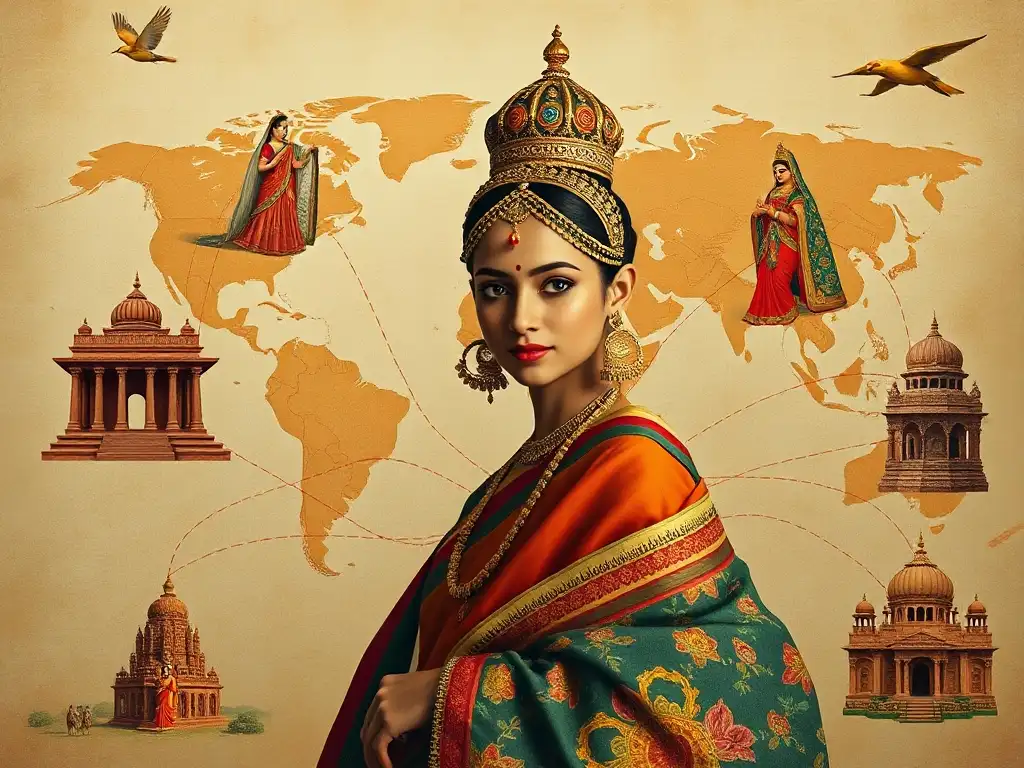
Ancient Indian art has played a crucial role in global cultural exchange, acting as a conduit for ideas and artistic practices across civilizations. The Silk Road, for example, facilitated the movement of goods, including artistic knowledge, between India and other cultures, such as Persia and China. This exchange led to the incorporation of Indian motifs and themes in various artistic traditions worldwide.
The depiction of spiritual and philosophical themes in ancient Indian art has resonated with various cultures, inspiring artists and thinkers to explore similar concepts in their work. Furthermore, festivals and exhibitions showcasing ancient Indian art have contributed to a greater understanding and appreciation of its contributions to global art movements.
The ongoing dialogue between ancient and modern art continues to shape cultural expressions, as contemporary artists seek to bridge the gap between historical significance and modern relevance.
Case Studies of Ancient Indian Art's Influence on Modern Art
Influence on Western Art Movements
The influence of ancient Indian art on Western art movements is evident in various forms. The Orientalist movement, which emerged in the 19th century, saw European artists drawing inspiration from the exoticism of the East, including Indian art. Artists such as John Frederick Lewis and Jean-Léon Gérôme depicted Indian subjects and motifs, reflecting a fascination with the culture.
Additionally, the advent of modernism in the 20th century saw artists like Wassily Kandinsky and Piet Mondrian exploring abstraction, which parallels the geometric patterns often found in traditional Indian art. The spiritual and philosophical undercurrents of Indian art provided a rich source of inspiration for Western artists seeking to transcend materialism through their work.
Impact on Contemporary Asian Art
Ancient Indian art's influence extends to contemporary Asian art, where artists from various regions draw upon its themes and techniques. For example, in Southeast Asia, the intricate carvings of ancient Indian sculptures have influenced local artistry, blending with indigenous styles to create unique expressions.
Artists like Sudarshan Shetty and Subodh Gupta incorporate elements of ancient Indian art into their contemporary works, exploring identity, history, and culture. This synthesis of ancient and modern aesthetics enriches the artistic landscape and highlights the continuity of Indian artistic traditions.
Integration of Ancient Indian Art in Modern Design and Architecture
The integration of ancient Indian art into modern design and architecture is increasingly visible in contemporary practices. Architects and designers are often inspired by traditional Indian motifs, materials, and techniques, leading to innovative and culturally resonant designs.
- Architectural Revival: Contemporary Indian architects, such as Charles Correa and B.V. Doshi, have incorporated elements of ancient Indian architecture into their designs, emphasizing sustainability and harmony with nature.
- Product Design: Modern product designers are also drawing from ancient Indian craftsmanship, utilizing traditional techniques to create contemporary products that reflect cultural heritage. This approach not only preserves traditional art forms but also introduces them to new audiences.
The integration of ancient Indian art into modern design and architecture underscores its enduring relevance and influence, allowing for a dialogue between the past and the present in a globalized world.
Thematic Elements of Ancient Indian Art in Modern Context
The thematic elements of ancient Indian art have permeated modern artistic expressions across the globe, influencing various movements and styles. Ancient Indian art, characterized by its rich symbolism, intricate narratives, and profound spirituality, continues to resonate with contemporary artists seeking depth and meaning in their work. From the intricate carvings of the Indus Valley Civilization to the vibrant murals of the Gupta Empire, these themes manifest themselves in diverse ways.
One prominent aspect is the integration of spirituality and symbolism. Artists today often draw on ancient motifs, such as mandalas or depictions of deities, to convey complex ideas about existence and the universe. Additionally, the representation of nature, often seen in ancient Indian art through flora and fauna, inspires modern artists to explore environmental themes and the interconnectedness of life. The use of narrative techniques, such as storytelling through imagery, remains a vital link between ancient and contemporary art forms, allowing for cultural dialogues that transcend time and geography.
Symbolism and Spirituality in Art
Symbolism plays a crucial role in ancient Indian art, where each element can carry multiple meanings, often tied to religious and philosophical concepts. For instance, the lotus flower represents purity and enlightenment, while the serpent symbolizes protection and regeneration. These symbols are not merely decorative; they are deeply entrenched in the spiritual practices and beliefs of the time.
In modern contexts, artists often repurpose these symbols to reflect contemporary spiritual journeys or to critique societal norms. For example, the use of Hindu deities in modern installations can serve both as homage to tradition and as a commentary on consumerism or globalization. This interplay between ancient symbolism and modern interpretation creates a dynamic dialogue, inviting viewers to engage with both the historical context and its contemporary relevance.
Use of Color and Form: A Comparative Analysis
The vibrant use of color and form is a hallmark of ancient Indian art, where colors are often imbued with specific meanings. For example, red symbolizes energy and passion, while blue is associated with divinity. The application of these colors, alongside the fluid forms found in sculptures and paintings, creates an emotional resonance that captivates the viewer.
In modern art, the influence of ancient Indian color palettes and forms can be seen across various styles, including abstract and expressionist movements. Artists worldwide have adopted these elements, infusing their work with similar emotional depth. A comparative analysis reveals that while ancient Indian art often adheres to strict cultural conventions, modern interpretations allow for greater experimentation and fusion with other styles. This blending of color and form leads to innovative artistic expressions that pay homage to their ancient roots while pushing the boundaries of contemporary art.
Narrative Techniques in Ancient and Modern Art
Ancient Indian art is renowned for its narrative techniques, often depicting stories from epics like the Mahabharata and Ramayana through visual storytelling. These narratives are conveyed through a sequence of images, each contributing to a larger story, inviting viewers to engage and interpret the scene.
Modern artists have adopted and adapted these narrative techniques, using them to explore personal, political, or social themes. The storytelling aspect remains central, but the medium has expanded to include installations, digital art, and performance. By employing similar narrative structures, contemporary artists can create multifaceted works that resonate with audiences on multiple levels, reflecting the complexities of modern life while echoing the storytelling traditions of ancient India.
Challenges and Misinterpretations of Ancient Indian Art Influence
Despite its rich influence, the legacy of ancient Indian art faces challenges and misinterpretations in the modern era. The complexities of cultural exchange can lead to misunderstandings and appropriation, often stripping the original context from the artwork.
Cultural Appropriation vs. Inspiration
Cultural appropriation occurs when elements of one culture are taken by another, often without understanding or respect for their significance. In the case of ancient Indian art, this can manifest in the commercialization of symbols and motifs, used in fashion or decor without acknowledgment of their cultural roots. Such practices raise ethical concerns, as they can dilute the original meanings and significance of these elements.
Conversely, inspiration from ancient Indian art can lead to innovative and respectful reinterpretations. Artists who study and engage with the cultural significance of these elements can create works that honor their origins while contributing to a global artistic dialogue. The key lies in the artist’s intent and understanding, ensuring that the use of ancient motifs is done with sensitivity and respect.
The Risk of Oversimplification in Global Interpretations
The globalization of art has led to an oversimplification of ancient Indian art's influence, often reducing rich, complex traditions to mere aesthetic choices. This reduction can misrepresent the cultural, spiritual, and historical contexts that inform these art forms.
For instance, the intricate patterns of Indian textiles or the delicate designs of pottery are often generalized as "exotic" without recognizing their specific cultural significance or the craftsmanship involved. This oversimplification can lead to a lack of appreciation for the depth of ancient Indian art, resulting in misunderstandings that undermine its legacy. To combat this, it’s essential for both artists and audiences to engage deeply with the historical and cultural contexts of ancient Indian art, fostering a more nuanced understanding that honors its profound influence on modern global movements.
Conclusion on the Lasting Legacy of Ancient Indian Art
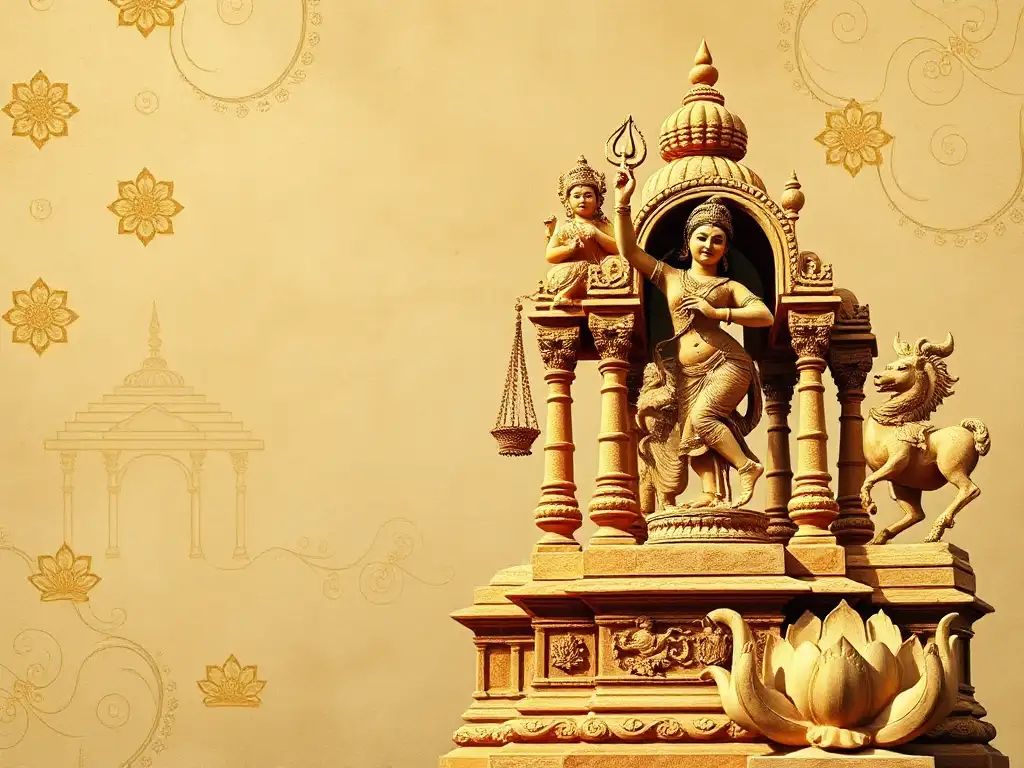
The influence of ancient Indian art on contemporary global movements is a testament to its enduring legacy. From the intricacies of the Indus Valley seals to the spiritual depth of Buddhist and Hindu iconography, ancient Indian art has transcended time and geography, inspiring countless artists, movements, and cultures worldwide. Its emphasis on symbolism, narrative, and spirituality continues to resonate, providing a rich source of inspiration for modern artists seeking to explore themes of identity, spirituality, and cultural heritage.
Moreover, the syncretic nature of ancient Indian art, characterized by the blending of various cultural elements, has fostered a dialogue between different artistic traditions. This dialogue not only enriches the global artistic landscape but also encourages a deeper appreciation for cultural diversity and interconnectedness. As such, the legacy of ancient Indian art is not merely historical; it is a living phenomenon that continues to shape artistic expressions across the globe.
Summary of Key Influences on Modern Movements
The key influences of ancient Indian art on modern movements can be categorized into several pivotal areas:
- Spirituality and Symbolism: Many modern artists draw inspiration from the rich symbolism found in ancient Indian art, utilizing it to convey complex spiritual themes. The use of mandalas and the depictions of deities have been particularly influential in contemporary spiritual art.
- Cultural Syncretism: The blending of various artistic styles in ancient India serves as a precursor to modern artistic movements that celebrate diversity. This syncretism is evident in contemporary art forms that amalgamate different cultural aesthetics.
- Nature and Environment: Ancient Indian art often reflects a deep connection with nature, an aspect that modern movements such as eco-art have embraced. The representation of flora and fauna in ancient artworks encourages a dialogue about environmental conservation.
- Narrative Techniques: The storytelling aspect of ancient Indian art, whether through murals or sculptures, influences modern narrative forms. Artists today employ similar techniques to tell stories that resonate with current social issues.
Future Directions for the Study of Ancient Indian Art Influence
As the study of ancient Indian art continues to evolve, several future directions emerge that promise to deepen our understanding of its influence:
- Interdisciplinary Approaches: Engaging with fields such as anthropology, sociology, and philosophy can provide a more comprehensive understanding of how ancient Indian art shapes and is shaped by cultural contexts.
- Digital Humanities: The integration of technology in art history, including virtual reality and digital archiving, can enhance accessibility to ancient Indian art and facilitate global engagement with its themes.
- Comparative Studies: Future research can benefit from comparative studies that analyze ancient Indian art alongside other cultural art forms, highlighting both unique attributes and shared motifs.
- Global Perspectives: Investigating the reception and adaptation of ancient Indian art in various global contexts can unveil new insights into its influence and relevance in today's artistic landscape.
By pursuing these directions, scholars can continue to illuminate the profound impact that ancient Indian art has had on modern global movements, ensuring its legacy endures for generations to come.
- Introduction to Ancient Indian Art Influence
- Historical Context of Ancient Indian Art
- The Connection Between Ancient Indian Art and Modern Global Movements
- Art Movements Inspired by Ancient Indian Aesthetics
- The Role of Ancient Indian Art in Global Cultural Exchange
- Case Studies of Ancient Indian Art's Influence on Modern Art
- Thematic Elements of Ancient Indian Art in Modern Context
- Challenges and Misinterpretations of Ancient Indian Art Influence
- Conclusion on the Lasting Legacy of Ancient Indian Art
- Summary of Key Influences on Modern Movements
- Future Directions for the Study of Ancient Indian Art Influence
Frequently Asked Questions
What are the main themes explored in ancient Indian art?
Ancient Indian art encompasses religious themes, mythology, and nature, showcasing the rich cultural and spiritual heritage of the region.
How has ancient Indian art influenced modern global movements?
The influence of ancient Indian art is evident in contemporary art forms, architecture, and design, inspiring global artists to integrate traditional motifs into their work.
Which ancient Indian civilizations significantly contributed to art?
The Indus Valley Civilization, Mauryan Empire, and Gupta Empire are key contributors, each leaving a lasting legacy through sculpture, painting, and architecture.
What materials were commonly used in ancient Indian art?
Artists used natural pigments, stone, clay, and wood to create intricate works, reflecting their resourcefulness and the environment of ancient India.
How can one explore ancient Indian art today?
Museums, exhibitions, and online resources offer rich insights into ancient Indian art. Studying historical texts and visiting heritage sites can further enhance understanding of its cultural significance.
Final Reflection: The Enduring Legacy of Ancient Indian Art Influence
The impact of ancient Indian art on modern global movements is not just a historical footnote; it is a vibrant thread woven into the fabric of contemporary culture. Today, as we navigate a world increasingly interconnected through technology and travel, the aesthetics and philosophies of ancient Indian art resonate more than ever, reminding us of the profound ways in which creativity can transcend time and geography. This influence serves as a powerful testament to the universality of artistic expression and its ability to inspire change.
Cultural landscapes are continually shaped by the echoes of the past, and the influence of ancient Indian art is a prime example of this phenomenon. From yoga and meditation practices that promote mindfulness to the intricate designs that adorn modern architecture, the essence of ancient Indian art permeates various aspects of our lives. As Mahatma Gandhi once said, “A nation’s greatness is measured by how it treats its weakest members.” This sentiment reflects not only the ethical underpinnings of ancient Indian philosophies but also the way art can serve as a vehicle for social change and empowerment.
As we reflect on the lessons imparted by ancient Indian art, let us embrace the call to integrate these timeless principles into our daily lives. Consider how you can draw inspiration from this rich heritage to foster creativity, compassion, and community in your own world. Whether through artistic expression, mindful practices, or simply appreciating the beauty around us, each of us has the opportunity to honor this legacy and contribute to a more harmonious future.
Unleash Creativity: Embrace Ancient Wisdom Today!
Thank you for diving into the captivating world of ancient Indian art and its profound impact on modern global movements! We hope you gained fresh insights into how these timeless influences can inspire your own creative journey. Now, let’s turn that inspiration into action!
Here are some exciting steps you can take right away:
- Explore Local Art: Visit a nearby gallery or museum that features Indian art, and immerse yourself in its beauty and significance.
- Create Your Own Art: Try incorporating elements of ancient Indian styles into your next creative project—whether it be painting, crafting, or design. **Let history fuel your imagination! **
- Share What You’ve Learned: Start a discussion with friends or on social media about how ancient art influences modern creativity. **Help spread awareness about this enriching heritage! **
What unique ways can you find to blend ancient artistic traditions with today’s global movements?