
The Significance of Iconic Artifacts: A Study of Ancient Indian Art and Its Global Impact

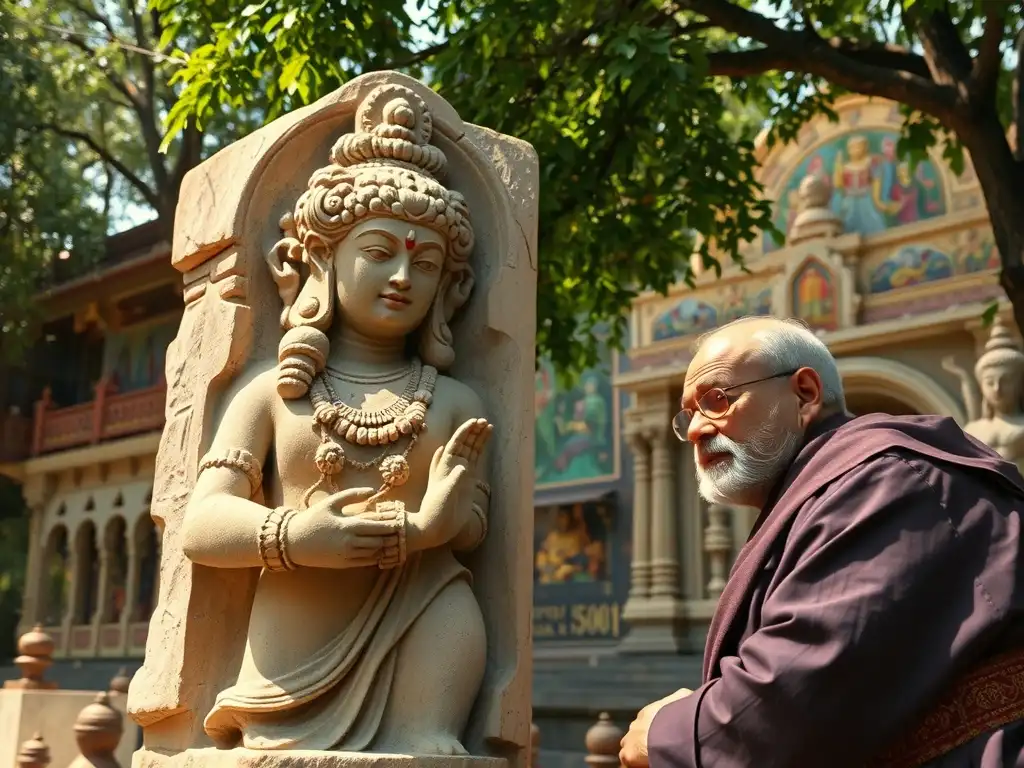
Welcome to Ancient India History, where we embark on an enlightening journey through the rich tapestry of ancient Indian civilizations. Delve into the world of Ancient Indian art significance, a captivating exploration of how iconic artifacts not only shaped the cultural landscape of India but also made waves across the globe. As we uncover the intricate connections between art and cultural exchanges, you'll discover the profound impact of these masterpieces on both history and contemporary society. Join us in this adventure and unravel the timeless stories behind these extraordinary creations that continue to inspire and influence today.
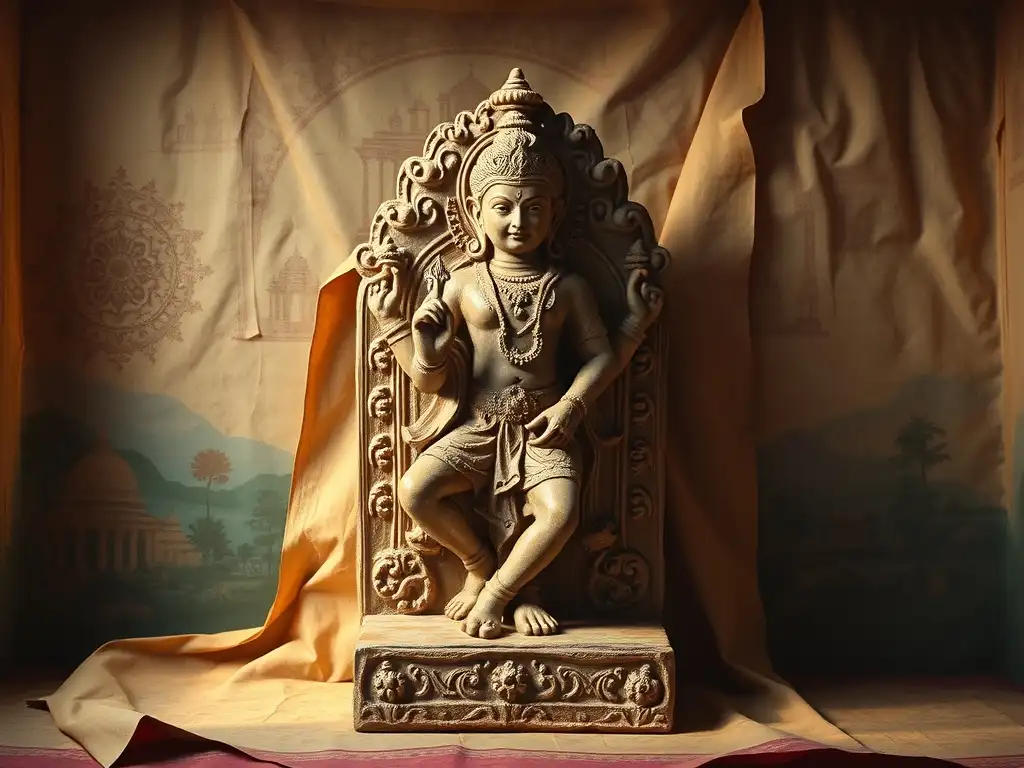
Introduction to Ancient Indian Art Significance
The exploration of Ancient Indian art significance unveils a rich tapestry of creativity, cultural expression, and historical context that has shaped not only the Indian subcontinent but also influenced global artistic trends. This article delves into the iconic artifacts that serve as a testament to the artistic prowess and cultural exchanges that flourished within ancient Indian civilizations. By examining these artifacts, we can gain a deeper understanding of the values, beliefs, and innovations that characterized ancient societies, as well as their lasting impact on art and culture worldwide.
Overview of Ancient Indian Art
Ancient Indian art encompasses a wide array of forms, including sculpture, painting, pottery, and textiles, each reflecting the diverse cultural and religious traditions of the time. The art of this era is distinguished by its intricate designs, vivid colors, and profound symbolism. Key elements include:
- Religious Influences: Many artworks were created for spiritual purposes, often depicting deities and mythological themes from Hinduism, Buddhism, and Jainism.
- Regional Variations: Different regions produced unique styles, such as the elegant sculptures of Gandhara influenced by Greco-Roman art, or the vibrant frescoes of Ajanta caves representing Buddhist narratives.
- Material Diversity: Artisans utilized various materials, from clay and stone to textiles and metals, showcasing their craftsmanship and innovation.
These elements together elucidate the multifaceted nature of ancient Indian art, emphasizing its significance in understanding the broader cultural landscape of the time.
Importance of Artifacts in Understanding History
Artifacts serve as invaluable resources for historians and archaeologists, providing tangible evidence of cultural practices, societal structures, and technological advancements in ancient civilizations. The significance of these artifacts can be summarized as follows:
- Cultural Insights: Artifacts reveal the daily lives, beliefs, and values of ancient peoples, allowing us to connect with their experiences.
- Chronological Framework: Dating artifacts helps establish timelines and understand the evolution of artistic styles and cultural practices.
- Global Connections: Many artifacts demonstrate trade and cultural exchanges with other civilizations, highlighting the interconnectedness of ancient societies.
Through the study of these artifacts, we can reconstruct the narrative of ancient Indian art and its broader implications for the world.
Historical Context of Ancient Indian Art
Understanding the historical context of ancient Indian art is essential to appreciate its development and significance. This context is marked by various influences, including geography, religion, and the socio-political landscape of the time.
The Evolution of Artistic Styles in Ancient India
The evolution of artistic styles in ancient India reflects a dynamic interplay of indigenous traditions and external influences. Key stages in this evolution include:
- Prehistoric Art: The earliest forms of art, such as the rock paintings of Bhimbetka, showcase the beginnings of human creativity in India.
- Indus Valley Civilization: Characterized by intricate seals and terracotta figurines, this period laid the foundation for later artistic endeavors.
- Classical Period: The emergence of Buddhist and Hindu art saw the development of iconic sculptures and temple architecture, influenced by regional and international styles.
This evolutionary journey illustrates how ancient Indian art adapted and thrived, mirroring the cultural and historical transformations of the time.
Major Periods of Ancient Indian Art: From the Indus Valley to the Gupta Empire
Ancient Indian art can be categorized into several major periods, each marked by distinct characteristics and contributions:
| Period | Key Characteristics | Notable Contributions |
|---|---|---|
| Indus Valley Civilization | Seals, pottery, and terracotta figurines | Early urban art forms |
| Maurya Period | Stone sculpture and the Great Stupa of Sanchi | Introduction of monumental art |
| Gupta Empire | Flourishing of temple architecture and intricate sculptures | Golden Age of Indian art |
These periods not only showcase the artistic achievements of ancient India but also highlight the cultural exchanges that shaped its development, ultimately contributing to the global art narrative.
Iconic Artifacts and Their Cultural Significance
Ancient Indian art is rich with iconic artifacts that reflect the diverse cultures, religious beliefs, and societal values of their time. These artifacts serve as tangible connections to the past, providing insight into the lives and ideologies of ancient civilizations. They encapsulate the aesthetic sensibilities, technological advancements, and spiritual pursuits of the people who created them. The significance of these artifacts extends beyond mere historical curiosity; they contribute to our understanding of cultural exchanges and the syncretic nature of artistic evolution.
Many of these artifacts are imbued with symbolic meanings, often related to the deities worshipped or the philosophies practiced in ancient India. For instance, sculptures of Hindu deities not only display artistic skill but also serve as focal points for religious devotion, reflecting the deep spiritual life of the era. Similarly, artifacts such as pottery and textiles reveal the daily lives and economies of ancient communities, showcasing their craftsmanship and trade connections.
Notable Ancient Indian Artifacts and Their Origins
Several notable artifacts from ancient India stand out for their artistic excellence and historical significance.
- The Indus Valley Seal: These small, carved seals from the Indus Valley Civilization (circa 2500–1900 BCE) are among the earliest examples of writing and craftsmanship. They often feature intricate animal motifs and symbols, hinting at the civilization's trade networks and religious practices.
- The Ashoka Pillars: Erected during the reign of Emperor Ashoka in the 3rd century BCE, these pillars are adorned with beautifully carved animals and inscriptions. They symbolize the spread of Buddhism and serve as a reminder of Ashoka's commitment to peace and moral governance.
- Ajanta and Ellora Caves: These UNESCO World Heritage Sites house stunning rock-cut sculptures and frescoes from the 2nd century BCE to the 6th century CE. The artwork here reflects the fusion of religious art from Hinduism, Buddhism, and Jainism, showcasing the syncretism of beliefs.
- The Dancing Girl of Mohenjo-Daro: This bronze figure from the Indus Valley Civilization (circa 2500 BCE) is notable for its realistic portrayal of a young girl in a pose that suggests movement. This artifact exemplifies the advanced metallurgy and artistic talent of the time.
The Role of Artifacts in Reflecting Societal Values and Beliefs
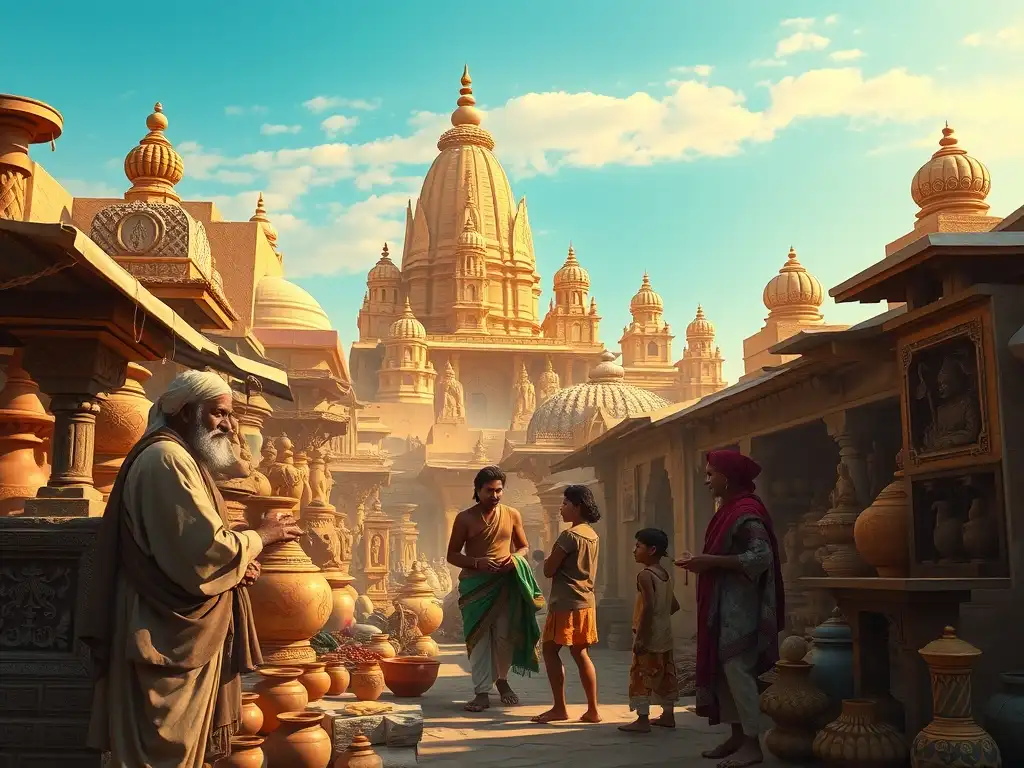
Artifacts serve as critical evidence of the societal values and beliefs of ancient civilizations. They provide context to historical narratives by illustrating how communities expressed their identity, religious practices, and social hierarchies.
For example, the presence of religious symbols in artifacts indicates the importance of spirituality in daily life. Temples adorned with intricate carvings and sculptures reflect the devotion to a pantheon of gods and goddesses, while also showcasing the expertise of artisans. Similarly, domestic artifacts such as pottery and tools reveal insights into the daily routines and economic activities of ancient peoples.
Furthermore, artifacts can also indicate shifts in societal values. The evolution of artistic styles, such as the shift from the naturalistic representations of the Mauryan period to the more stylized forms of the Gupta period, reflects changing aesthetic priorities and cultural influences. This evolution reveals how societies adapted to internal and external pressures, including cultural exchanges with neighboring regions.
The Global Impact of Ancient Indian Art
Ancient Indian art has had a profound impact on global artistic traditions, influencing various cultures and movements throughout history. The exchange of ideas, techniques, and motifs between India and other civilizations has enriched the global art landscape.
Spread of Ancient Indian Art Influences Across Cultures
The influence of ancient Indian art can be traced across continents, particularly in regions that engaged in trade or cultural exchanges with India. For instance:
- Southeast Asia: The spread of Hindu and Buddhist art is evident in the temple architecture of Angkor Wat in Cambodia and Borobudur in Indonesia. These sites exhibit the adaptation of Indian styles and iconography, showcasing the syncretism of local and Indian traditions.
- Central Asia: The Silk Road facilitated the exchange of artistic ideas between India and Central Asian cultures. Indian motifs and techniques can be seen in the art of Gandhara, where Greco-Buddhist art emerged, blending Hellenistic and Indian elements.
- East Africa: The influence of Indian art is also visible in the Swahili Coast, where Indian traders brought their artistic styles, evident in the intricate carvings and architecture of coastal towns like Kilwa.
Contributions of Ancient Indian Art to Global Artistic Movements
Ancient Indian art has significantly contributed to various global artistic movements, particularly through the transmission of techniques and philosophies.
- Buddhism and Art: The spread of Buddhism led to the dissemination of Buddhist art across Asia, influencing artistic traditions in China, Japan, and Tibet. The depiction of the Buddha in various forms and styles reflects the adaptability of Indian art to different cultural contexts.
- Islamic Art: The arrival of Islam in India saw the fusion of Indian and Islamic artistic traditions, particularly in Mughal architecture and painting. The intricate patterns and calligraphy characteristic of Islamic art were enriched by indigenous styles, creating a unique hybrid.
- Modern Art Movements: The revival and reinterpretation of ancient Indian motifs and techniques in the 19th and 20th centuries influenced modern artists like Rabindranath Tagore and Jamini Roy, who sought to integrate traditional Indian themes into contemporary art.
Ancient Indian art's significance extends beyond its aesthetic appeal; it is a vital component of the global artistic heritage that continues to inspire and influence artists and cultures around the world today.
Artistic and Cultural Syncretism in Ancient India
Artistic and cultural syncretism in ancient India represents the intricate blending and coexistence of diverse cultural influences, beliefs, and artistic expressions. This phenomenon was primarily driven by India's geographical position as a crossroads of trade and migration, facilitating interactions between various civilizations. From the early Indus Valley Civilization to later empires, such as the Maurya and Gupta dynasties, the integration of different cultural elements not only enriched Indian art but also laid the groundwork for a unique artistic identity.
The syncretism found in ancient Indian art can be observed in various forms, including sculpture, painting, and architecture. Techniques and styles were adopted from neighboring cultures, such as Persian, Hellenistic, and Central Asian influences, which were intricately woven into the local artistic traditions. This blending is evident in the representation of deities, motifs, and narratives that reflect a synthesis of indigenous and foreign elements.
Moreover, religious pluralism played a vital role in this syncretic process. The coexistence of Hinduism, Buddhism, Jainism, and later Islam encouraged the cross-pollination of artistic ideas, leading to a more diverse artistic landscape. The result was a dynamic art scene that not only celebrated local traditions but also embraced global influences, making ancient Indian art a true testament to the cultural exchanges that shaped its evolution.
Examples of Syncretism in Ancient Indian Art
There are numerous instances of syncretism in ancient Indian art, each demonstrating the seamless integration of diverse cultural influences.
- Sculptural Art: The sculptures from the Gupta period, for example, exhibit features influenced by Greco-Buddhist art. The graceful poses and drapery of figures in Gupta sculptures show a blend of Indian and Hellenistic styles. The Chola bronze sculptures also reflect a mix of indigenous and South-East Asian artistic traditions.
- Architecture: The rock-cut caves, such as those at Ajanta and Ellora, illustrate the amalgamation of Buddhist, Hindu, and Jain architectural styles. The intricate carvings and elaborate facades found in these caves highlight the syncretic nature of religious architecture in ancient India.
- Miniature Paintings: The Mughal period saw significant syncretism in painting, where Persian aesthetics merged with Indian themes. The use of vibrant colors and detailed narratives in Mughal miniatures showcases this cultural synthesis.
These examples underscore how ancient Indian art served as a canvas for the confluence of diverse cultural elements, resulting in unique forms of expression that resonated across time and geography.
The Influence of Trade and Cultural Exchange on Art Forms
Trade routes, such as the Silk Road and maritime pathways, were instrumental in fostering cultural exchanges that significantly impacted ancient Indian art forms. The movement of goods, ideas, and people facilitated the cross-cultural interaction that enriched artistic practices.
- Silk Road: This ancient trade route connected India with distant lands, allowing for the exchange of not only commodities but also artistic influences. For instance, the introduction of new materials, such as silk and precious stones, influenced local artisans to innovate their techniques and designs.
- Maritime Trade: The southern ports of India engaged in trade with Southeast Asia, resulting in the dissemination of Indian artistic motifs and styles across the region. The influence of Indian temple architecture can be seen in the structures of Khmer and Thai temples, evidencing the impact of cultural exchange.
- Cultural Syncretism: As merchants and travelers brought their customs, beliefs, and artistic traditions, Indian art began to incorporate foreign elements. This is reflected in the diverse iconography seen in temples, where deities might be depicted with features influenced by various cultures.
The significance of trade and cultural exchange in shaping ancient Indian art cannot be overstated. It fostered an environment where innovation thrived, allowing for a vibrant artistic legacy that continues to inspire contemporary art forms.
Analysis of Specific Iconic Artifacts
Exploring specific iconic artifacts is essential to understanding the broader implications of artistic and cultural syncretism in ancient India. These artifacts not only embody artistic excellence but also reflect the rich tapestry of cultural exchanges that shaped them.
Case Study: The Dancing Girl of Mohenjo-Daro
The Dancing Girl of Mohenjo-Daro is one of the most celebrated artifacts from the Indus Valley Civilization, dating back to around 2500 BCE. Crafted from bronze, this statuette exemplifies the sophistication of early Indian metallurgy and artistry.
- Artistic Features: The figure, standing in a confident pose with one hand on her hip, showcases a keen understanding of human anatomy and movement. The detailed hairstyle and jewelry suggest a blend of aesthetic sensibilities, indicating possible influences from neighboring cultures.
- Cultural Significance: The artifact is not just a representation of dance but also symbolizes the social status of women in ancient India. The presence of such a figure in a city known for its urban planning points to the cultural vibrancy and artistic achievements of the Indus Valley Civilization.
- Global Impact: The Dancing Girl has garnered international attention, influencing modern interpretations of ancient art and dance forms. Its legacy continues to resonate in the study of early civilizations and their artistic expressions.
Case Study: The Ajanta Caves and Their Artistic Mastery
The Ajanta Caves, a UNESCO World Heritage Site, are renowned for their stunning frescoes and sculptures that date from the 2nd century BCE to the 6th century CE. These caves provide invaluable insights into the artistic mastery of ancient India and its syncretic traditions.
- Artistic Techniques: The murals of Ajanta are characterized by intricate detailing, vibrant colors, and dynamic compositions. The use of natural pigments and sophisticated techniques reflects a high level of craftsmanship and artistic innovation.
- Religious Themes: The caves primarily depict Buddhist themes, including Jataka tales and scenes from the life of the Buddha. However, the stylistic elements also reveal influences from Hellenistic and Persian art, highlighting the syncretic nature of the period.
- Cultural Exchange: The Ajanta Caves served as a focal point for religious and cultural exchange, attracting patrons and artists from various regions. This interaction contributed to the evolution of Indian art, as local artisans adapted foreign styles to create a unique narrative that resonated with Indian spirituality.
The Ajanta Caves and the Dancing Girl of Mohenjo-Daro serve as crucial examples of ancient Indian art's significance, illustrating how artistic and cultural syncretism shaped the historical narrative of the region and contributed to its global impact.
The Legacy of Ancient Indian Art Today
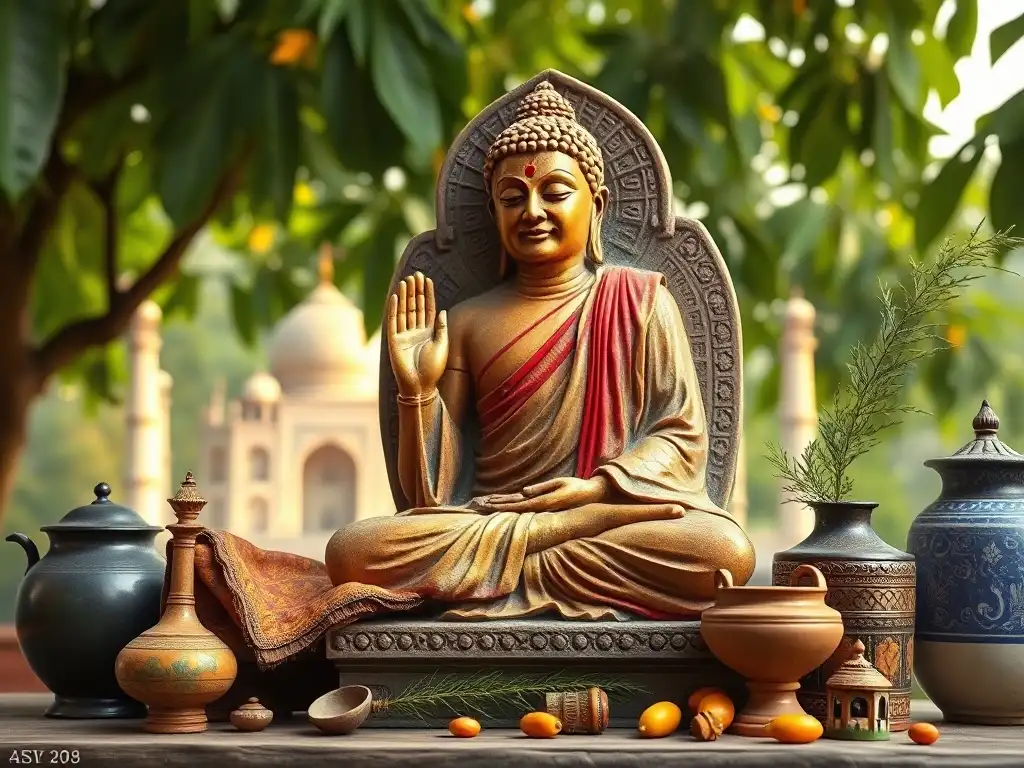
The legacy of ancient Indian art is profound and continues to resonate across various realms of contemporary culture. Ancient Indian art, characterized by its intricate designs, spiritual themes, and diverse mediums, has laid the foundation for many artistic expressions seen today. From the majestic cave paintings of Ajanta and Ellora to the exquisite sculptures of Khajuraho, these artifacts not only showcase the technical prowess of ancient artisans but also encapsulate the religious and philosophical ethos of their time.
Today, elements of ancient Indian art can be found in modern architecture, textiles, and even digital art. The motifs and patterns derived from ancient sculptures and frescoes inspire contemporary artists, who weave these traditional elements into their work, creating a dialogue between the past and the present. The enduring appeal of these artifacts signifies their ability to transcend time, reflecting the deep-seated cultural identity and continuity within Indian society.
Continuation of Ancient Art Traditions in Modern India
In modern India, there has been a remarkable resurgence in the appreciation and practice of ancient art forms. Traditional crafts, such as pottery, weaving, and metalwork, continue to thrive, with artisans employing techniques passed down through generations. Regions like Rajasthan and Gujarat are known for their vibrant handicrafts, which draw heavily on ancient styles while adapting to contemporary tastes.
Moreover, cultural festivals and art fairs frequently celebrate these traditions, showcasing the work of skilled artisans and drawing attention to the significance of preserving these art forms. Educational institutions also play a vital role, as they incorporate ancient art history into their curricula, ensuring that future generations understand the importance of their cultural heritage. This continuation not only nurtures traditional skills but also fosters innovation, as artists blend age-old techniques with modern aesthetics to create unique, hybrid expressions.
Influence of Ancient Indian Art on Contemporary Global Art
The influence of ancient Indian art extends beyond its borders, significantly impacting global art movements. The intricate designs and philosophies of Indian art have inspired various artists worldwide. For instance, the use of vibrant colors and elaborate patterns in contemporary Western art can be traced back to ancient Indian aesthetics.
Additionally, the concepts of spirituality and nature depicted in ancient Indian art have found resonance in global art practices that emphasize environmental consciousness and mindfulness. Artists such as Anish Kapoor and Subodh Gupta have incorporated elements of ancient Indian art into their works, bridging cultural divides and promoting cross-cultural dialogues. This global exchange underscores the universal themes inherent in ancient Indian art, highlighting its significance in fostering artistic syncretism across cultures.
Conclusion: Reflecting on the Significance of Ancient Indian Art
The significance of ancient Indian art is multifaceted, encompassing historical, cultural, and aesthetic dimensions. It serves as a testament to the rich heritage of India, reflecting the ingenuity and creativity of its people through the ages. By studying these artifacts, we gain insights into the social, religious, and political contexts of ancient civilizations, enriching our understanding of human history.
Summary of Key Points on Ancient Indian Art Significance
- Cultural Heritage: Ancient Indian art encapsulates the rich cultural traditions and philosophies of India, serving as a vital link to the past.
- Continuity and Innovation: Modern Indian artisans continue to practice ancient techniques, ensuring the survival of these art forms while fostering innovation.
- Global Influence: The themes and aesthetics of ancient Indian art have significantly influenced contemporary artists worldwide, promoting a rich exchange of ideas.
Future Directions for the Study of Ancient Indian Art and Artifacts
The future of studying ancient Indian art and artifacts holds exciting possibilities. Scholars and researchers are increasingly utilizing technology, such as digital imaging and 3D modeling, to analyze and preserve these artifacts. This innovative approach not only aids in conservation efforts but also makes ancient art more accessible to a global audience through virtual exhibitions.
Furthermore, interdisciplinary studies that combine art history, archaeology, and cultural studies can provide deeper insights into the significance of ancient Indian art. Collaborative projects that involve local communities in the preservation and promotion of these art forms can also foster a renewed appreciation for their cultural heritage. By embracing these directions, the study of ancient Indian art can continue to evolve, enhancing our understanding of its impact on both historical and contemporary contexts.
- Introduction to Ancient Indian Art Significance
- Historical Context of Ancient Indian Art
- Iconic Artifacts and Their Cultural Significance
- Notable Ancient Indian Artifacts and Their Origins
- The Role of Artifacts in Reflecting Societal Values and Beliefs
- The Global Impact of Ancient Indian Art
- Artistic and Cultural Syncretism in Ancient India
- Analysis of Specific Iconic Artifacts
- The Legacy of Ancient Indian Art Today
- Continuation of Ancient Art Traditions in Modern India
- Influence of Ancient Indian Art on Contemporary Global Art
- Conclusion: Reflecting on the Significance of Ancient Indian Art
Frequently Asked Questions
What are some key characteristics of ancient Indian art?
Ancient Indian art is characterized by its intricate designs, symbolism, and religious themes. It often reflects the rich cultural heritage and spiritual beliefs of the time.
How did the Indus Valley Civilization contribute to ancient Indian art?
The Indus Valley Civilization is known for its advanced craftsmanship, including pottery, seals, and bronze sculptures. These artifacts showcase the artistic skills and urban planning of early Indian society.
What role did religion play in ancient Indian art?
Religion significantly influenced ancient Indian art, with many works depicting deities, rituals, and spiritual concepts. Art was a means to express devotion and convey religious narratives.
How did ancient Indian art impact other cultures?
Ancient Indian art has had a profound global impact, influencing styles and techniques in regions like Southeast Asia. The spread of Buddhism helped disseminate Indian artistic concepts across various cultures.
Why is the study of ancient Indian art significance important today?
Understanding the significance of ancient Indian art helps us appreciate the cultural legacy of India. It reveals insights into the social, political, and spiritual contexts of the time, enriching our global cultural narrative.
Final Reflection: The Enduring Legacy of Ancient Indian Art
The significance of ancient Indian art resonates profoundly in today's globalized world, where cultural exchanges shape our understanding of history and identity. As we explore the intricate designs, philosophical underpinnings, and historical contexts of these artifacts, we uncover a rich tapestry that not only reflects the past but also informs contemporary artistic expressions and cultural dialogues. The timeless beauty and profound meanings embedded in ancient Indian art continue to inspire and challenge our perceptions of creativity and heritage.
The impact of ancient Indian art extends far beyond its geographical origins, influencing various cultures and artistic movements worldwide. From the intricate carvings of temple architecture to the vibrant hues of traditional paintings, these artifacts serve as a bridge connecting diverse communities through shared appreciation and understanding. As noted by art historian Dr. Vidya Dehejia, Ancient Indian art is not merely a relic of the past; it is a living tradition that continues to evolve and inspire.
This ongoing influence reminds us of the power of art to transcend boundaries and foster a sense of unity among diverse peoples.
As we reflect on the significance of ancient Indian art, I invite you to consider how these lessons can be applied in your own life. Embrace the richness of cultural heritage and seek to understand the stories behind the art that surrounds you. Whether through visiting museums, engaging with local artists, or exploring the narratives of different cultures, let the legacy of ancient Indian art inspire you to cultivate a deeper appreciation for the interconnectedness of our global community. Together, we can honor the past while shaping a future that celebrates diversity and creativity.
Unleash the Power of Ancient Indian Art!
Thank you for diving into the fascinating world of Ancient Indian art! Your journey today not only reveals the incredible significance of iconic artifacts but also empowers you to connect deeply with history and culture.
Now that you’ve gained insight into this rich heritage, here are some engaging ways to take action:
- Explore More: Visit local museums or exhibitions showcasing ancient artifacts from India. **Experience their beauty firsthand! **
- Share Your Insights: Discuss your newfound knowledge with friends or on social media. **Help spread the appreciation for these remarkable ancient cultures! **
- Join a Community: Engage with online forums or local history groups focused on art and culture. **Share your passion with like-minded individuals. **
What aspect of ancient Indian art resonates with you the most? **Consider how it might influence modern artistic expressions. **