
Vedic Literature and Its Impact on Ancient Indian Art and Culture


Welcome to Ancient India History, where we embark on a fascinating journey through the rich tapestry of ancient Indian civilizations. Dive deep into the profound influence of Vedic literature on culture, an essential cornerstone that shaped not only the spiritual but also the artistic expressions of the time.
As you explore the intricate connections between these ancient texts and the vibrant art forms that emerged from them, prepare to uncover how the echoes of the Vedic tradition continue to resonate in modern culture. Join us as we unravel the stories that have defined a civilization for millennia, and discover the lasting legacy of the Vedic era that awaits in our featured article.
-
Vedic Literature Influence on Culture: An Overview of Its Impact on Ancient Indian Art and Culture
- Introduction to Vedic Literature
- The Vedas and Their Cultural Significance
- Artistic Expressions Influenced by Vedic Texts
- Vedic Literature and Performing Arts
- Vedic Literature's Impact on Literature and Poetry
- Cultural Practices Rooted in Vedic Literature
- Conclusion: The Enduring Legacy of Vedic Literature
- Further Reading and Exploration
- Frequently Asked Questions
- Final Reflection: The Enduring Influence of Vedic Literature on Culture
- Unveil the Richness of Vedic Traditions
Vedic Literature Influence on Culture: An Overview of Its Impact on Ancient Indian Art and Culture
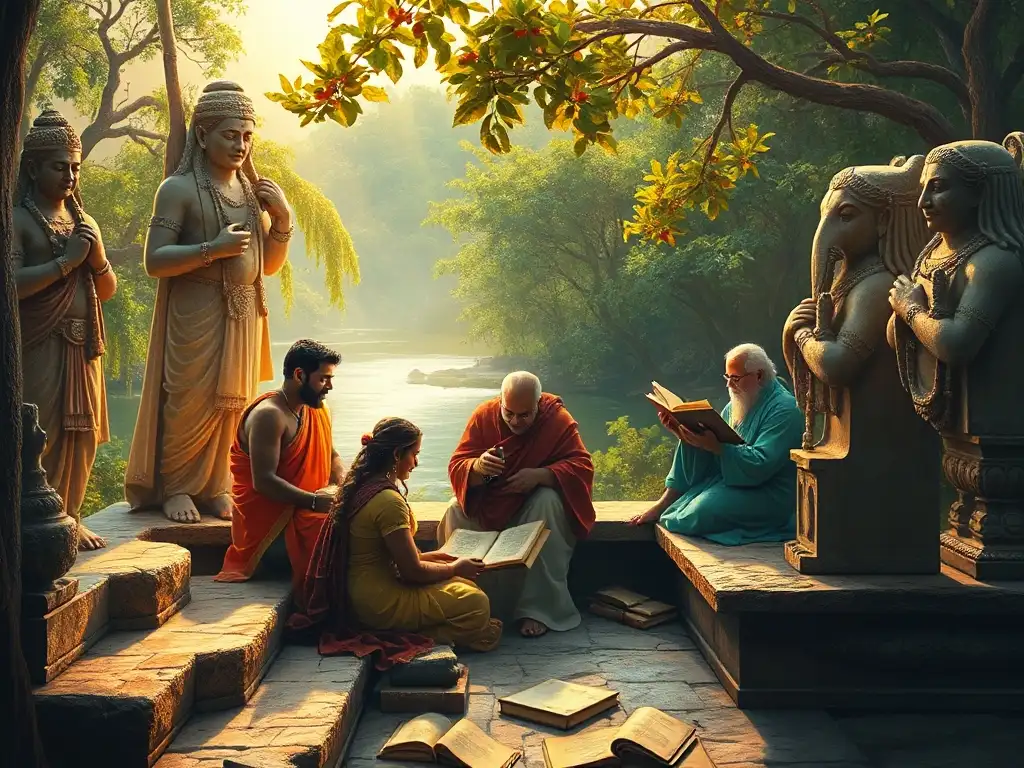
The influence of Vedic literature on ancient Indian art and culture is a profound aspect of India's historical and philosophical evolution. Spanning thousands of years, the Vedas, along with other texts, have not only shaped spiritual beliefs but have also significantly impacted various forms of artistic expression, social structures, and cultural practices. This article aims to explore the intricate relationship between Vedic literature and its enduring influence on the cultural tapestry of ancient India, shedding light on how these texts served as a foundation for the artistic and cultural achievements that define Hindu civilization.
Introduction to Vedic Literature
Definition of Vedic Literature
Vedic literature refers to a collection of ancient texts composed in Sanskrit, primarily associated with the Vedic period (approximately 1500-500 BCE). This body of work is fundamentally spiritual and philosophical, encompassing hymns, rituals, and philosophical discourses that form the basis of Hinduism. The primary texts include the four Vedas—Rigveda, Samaveda, Yajurveda, and Atharvaveda—each serving unique purposes within Vedic rituals and practices.
Historical Context of Vedic Texts
The Vedic texts emerged during a transformative period in ancient India, characterized by the transition from nomadic lifestyles to settled agricultural communities. This era saw the rise of complex social structures and the formation of early religious practices. The Vedic literature encapsulates the thoughts, beliefs, and rituals of early Indo-Aryans, reflecting their worldview and providing insights into their societal norms. As such, these texts not only mark the beginnings of Hindu philosophy but also serve as historical documents that offer a glimpse into the life, culture, and spirituality of ancient Indian civilization.
The Vedas and Their Cultural Significance
Overview of the Four Vedas
The four Vedas each play a vital role in the cultural and religious framework of ancient India:
- Rigveda: The oldest of the Vedas, containing hymns dedicated to various deities and natural forces, it serves as a primary source of Vedic spirituality.
- Samaveda: Composed mainly of melodies and chants, this Veda is crucial for the musical and ritualistic aspects of Vedic ceremonies.
- Yajurveda: This text provides prose mantras and instructions for rituals, emphasizing the practical application of Vedic knowledge in ceremonies.
- Atharvaveda: Unlike the other three, it includes hymns, spells, and incantations that address everyday concerns, showcasing a more practical approach to spirituality.
Vedic Literature as a Foundation of Hindu Philosophy
Vedic literature has laid the groundwork for many philosophical ideas that permeate Hindu thought. Concepts such as dharma (duty/righteousness), karma (action and its consequences), and moksha (liberation) are rooted in Vedic texts. These ideas not only influence religious practices but also find expression in various art forms, including sculpture, dance, and architecture, which often depict themes derived from Vedic philosophy. For instance, the portrayal of deities in temple art reflects the attributes and stories described in the Vedas, illustrating the profound connection between scripture and artistic expression in ancient India.
Through a detailed examination of Vedic literature and its impact on culture, we can appreciate the rich tapestry that ancient Indian civilizations wove, influenced by the teachings and philosophies encapsulated in these foundational texts.
Artistic Expressions Influenced by Vedic Texts
Vedic literature, with its rich tapestry of hymns, philosophies, and rituals, has profoundly influenced various artistic expressions in ancient India. The themes, narratives, and ideologies presented in texts like the Vedas and Upanishads permeated into multiple art forms, creating a unique cultural identity that resonated through centuries. This influence is especially evident in sculpture, architecture, dance, drama, and music. As a result, Vedic ideals became foundational elements that shaped the aesthetics, techniques, and spiritual underpinnings of ancient Indian art.
Vedic Influence on Ancient Indian Sculpture
Ancient Indian sculpture showcases a remarkable evolution that draws heavily from Vedic literature. The intricate carvings and statues from this period often depict deities, mythological stories, and religious symbols rooted in Vedic texts. For instance, the representations of gods such as Indra, Agni, and Varuna in stone and metal sculptures illustrate the reverence for natural elements and deities described in the Vedas.
The artistic style of sculpting was also influenced by the philosophical concepts found in Vedic literature, such as the idea of Brahman (the ultimate reality) and Atman (the soul). This led sculptors to create figures that not only represented divine attributes but also conveyed deeper metaphysical meanings. The sculptures from the Maurya and Gupta periods, for example, reflect this synthesis of spirituality and artistry, embodying both aesthetic beauty and spiritual significance.
Vedic Influence on Architecture
Vedic texts had a significant impact on the architectural practices of ancient India, particularly in the construction of temples and residential structures. The principles of Vastu Shastra, which govern the design and layout of buildings, are deeply rooted in the cosmological ideas outlined in the Vedas. These principles emphasize harmony with nature and the alignment of structures with cardinal directions, reflecting the Vedic belief in the interconnectedness of the universe.
Temples built during the early periods, such as those dedicated to Vishnu and Shiva, often feature design elements that echo the concepts found in Vedic rituals. The layout of these temples is often symbolic, integrating elements like mandapas (pillared halls) and garbhagrihas (inner sanctums) that represent various aspects of Vedic cosmology. Thus, architecture not only served functional purposes but also acted as a canvas for spiritual expression inspired by Vedic literature.
Vedic Literature and Performing Arts
The performing arts in ancient India, including dance and drama, were significantly shaped by the themes and narratives found in Vedic literature. The texts not only provided the stories and characters that became central to these art forms but also influenced the rituals and performances associated with them.
The Role of Vedic Texts in Dance and Drama
Dance and drama in ancient India often incorporated themes derived from the Vedic texts, portraying epic tales and mythological narratives. The Natya Shastra, attributed to Bharata Muni, synthesizes various aspects of dance, music, and theater, drawing inspiration from Vedic principles. This foundational text discusses how performance can be a medium to convey spiritual truths and moral values.
The intricate gestures (mudras) and expressions (abhinaya) used in classical Indian dance forms, such as Bharatanatyam and Kathak, can be traced back to the ritualistic elements described in Vedic ceremonies. Performances were not merely entertainment; they served as a means of worship and a way to connect with the divine, reflecting the Vedic belief in the sanctity of art as a pathway to spiritual enlightenment.
Music and Vedic Influence
Music in ancient India was profoundly influenced by Vedic literature, particularly through the recitation of hymns and chants. The Samaveda, one of the four Vedas, is specifically dedicated to melodies and musical compositions, emphasizing the role of music in rituals and ceremonies. The structure of Vedic chants laid the groundwork for the development of classical music systems in India.
The scales (ragas) and rhythms (talas) that characterize Indian classical music today can be traced back to the musical traditions established during the Vedic period. The integral connection between music and spirituality is evident in how Vedic hymns were performed as a means of invoking divine presence, reinforcing the idea that music is not just an art form but also a vital aspect of religious practice and cultural expression.
Vedic literature has left an indelible mark on various artistic expressions in ancient India, weaving a complex tapestry of cultural, spiritual, and aesthetic values that continue to resonate in contemporary Indian art and culture.
Vedic Literature's Impact on Literature and Poetry
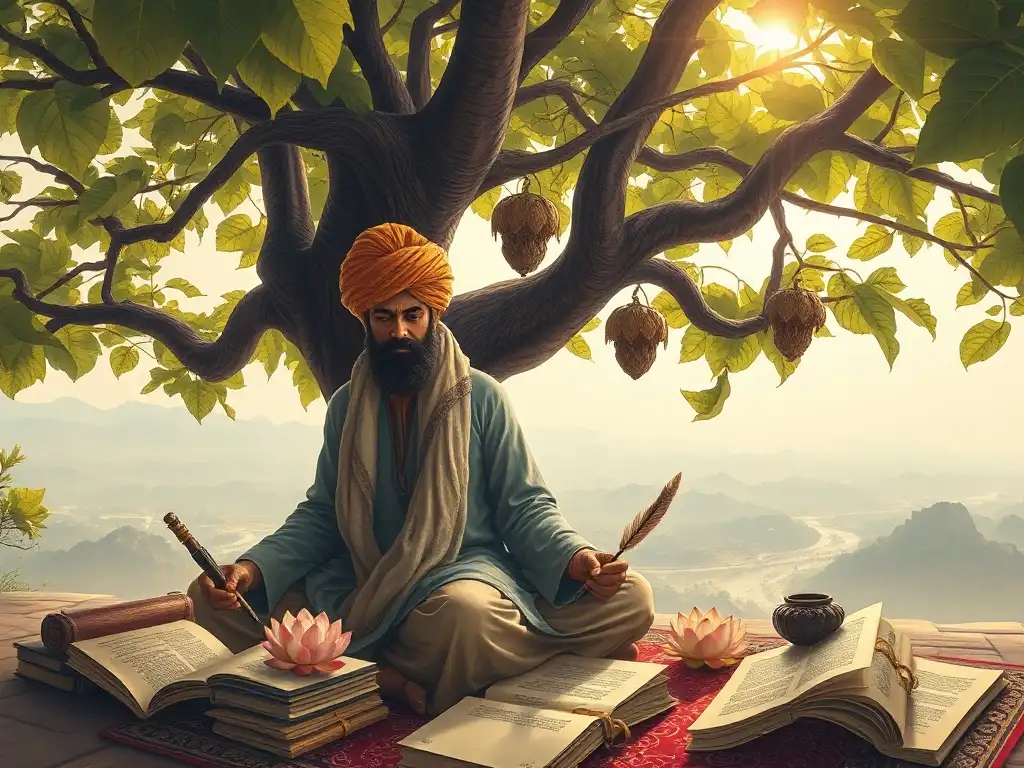
Vedic literature has profoundly influenced the landscape of ancient Indian literature and poetry, acting as a foundational pillar for subsequent artistic expressions. The texts, which include the Vedas, Upanishads, and Brahmanas, not only provided spiritual and philosophical insights but also served as a source of inspiration for poets and writers.
The intricate verses and profound themes found in these texts laid the groundwork for the rich tapestry of Sanskrit literature that followed. Themes such as cosmology, morality, and the nature of existence found in the Vedic hymns are echoed in later literary works, showcasing the enduring legacy of these ancient texts.
Moreover, the poetic structures and stylistic devices utilized in Vedic literature, such as meter, alliteration, and metaphoric language, became foundational elements in the evolution of Sanskrit poetry. This influence can be seen in classical epics like the Mahabharata and Ramayana, which, while narrating grand tales of heroism and divine intervention, also reflect the philosophical and spiritual depth of Vedic thought. Thus, Vedic literature not only shaped early literary forms but also infused a sense of cultural identity that resonates through the ages.
Early Sanskrit Literature and Vedic Inspirations
Early Sanskrit literature is inextricably linked to Vedic texts, which served as both inspiration and reference point for emerging literary forms. The earliest known works of Sanskrit literature, including the Mahakavya (epic poetry) and Natya Shastra (theory of drama), drew heavily from the themes, characters, and narratives found in the Vedas. For instance, the depiction of divine beings and mythological stories in these texts mirrors the rich tapestry of deities and cosmology described in Vedic hymns.
Furthermore, the Bhartrihari and Kalidasa are notable poets whose works reflect Vedic wisdom. Their poetry often includes philosophical musings on life, love, and nature, echoing the contemplative nature of Vedic literature. The Raghuvamsa by Kalidasa, for example, illustrates the moral and ethical dilemmas faced by its characters, resonating deeply with the teachings found in the Upanishads. This intertextuality highlights how Vedic literature provided a robust framework for early Sanskrit authors, shaping their narratives and poetic expressions.
The Evolution of Poetic Forms from Vedic Texts
The evolution of poetic forms in ancient India can be traced back to the structured verses found in Vedic literature. Early Vedic poetry utilized specific metrical patterns, such as Gayatri and Trishtubh, which became foundational in the development of subsequent poetic forms. As poets began to experiment with these structures, new genres emerged, reflecting a blend of Vedic themes and contemporary societal contexts.
By the time of the Mahabharata and Ramayana, we see a significant transformation in poetic expression. The narrative style became more complex, allowing for character development and intricate plots, while still maintaining the philosophical inquiries central to Vedic literature. This evolution is evident in the use of alankaras (figures of speech) and rasa (emotional flavor) that poets employed to convey deeper meanings and evoke emotional responses from their audiences.
The poetic forms that emerged from Vedic texts not only enriched the literary tradition of ancient India but also facilitated a dialogue between the spiritual and the secular, allowing poets to explore a vast array of human experiences while remaining rooted in the philosophical foundations laid by the Vedas.
Cultural Practices Rooted in Vedic Literature
Vedic literature has significantly influenced cultural practices in ancient India, shaping rituals, social structures, and community life. The texts provide a comprehensive framework for understanding the cosmos and humanity's place within it, guiding various aspects of daily life and spiritual practice.
Rituals and Ceremonies Guided by Vedic Principles
Rituals and ceremonies in ancient India were profoundly influenced by Vedic literature, which described various rites and sacrifices integral to spiritual and communal life. The Yajur Veda, for example, specifically outlines sacrificial ceremonies designed to appease deities and ensure cosmic harmony. These rituals were not merely performative; they embodied the Vedic philosophy of connecting the earthly realm with the divine.
Ceremonial practices such as Soma Yajna (sacrificial offerings of the Soma plant) and Agni Hotra (fire offerings) served both religious and social functions. They fostered community bonding and reinforced social hierarchies, as participation in these rituals often reflected one's caste and status within society. The meticulous adherence to Vedic guidelines in rituals ensured their authenticity and sanctity, thereby preserving the cultural heritage encapsulated in these ancient texts.
Social Structure and Vedic Literature
The Vedic texts also played a crucial role in shaping the social structure of ancient India, particularly through the concepts of varna (class) and ashrama (stages of life). The division of society into four primary classes—Brahmins (priests), Kshatriyas (warriors), Vaishyas (traders), and Shudras (servants)—is rooted in the Vedic scriptures, particularly the Rig Veda. This classification provided a framework for social organization, dictating roles, responsibilities, and the conduct of individuals within the community.
Moreover, the concept of ashrama outlined the four stages of a man's life: Brahmacharya (student life), Grihastha (householder), Vanaprastha (hermit), and Sannyasa (renounced life). This structure provided a spiritual and moral roadmap, guiding individuals on their journeys through life. The teachings within the Vedas emphasized the importance of fulfilling one's duties according to their role in society, thus reinforcing the interconnectedness of social order, morality, and spirituality.
The influence of Vedic literature on cultural practices is profound and multifaceted, shaping not only the religious and social frameworks of ancient Indian society but also contributing to the continuity of these traditions over millennia.
Conclusion: The Enduring Legacy of Vedic Literature
Vedic literature, encompassing the Vedas, Upanishads, and other texts, has left an indelible mark on the cultural fabric of ancient India. Its influence extends beyond mere religious teachings; it has shaped art, philosophy, and social structures, creating a rich tapestry of traditions that continue to resonate in contemporary society. The philosophical inquiries and spiritual insights found in the Vedas have inspired generations, fostering a profound respect for knowledge and exploration of the self. This legacy is not merely historical; it persists in various forms, influencing modern practices in spirituality, art, and social values.
Summary of Cultural Impact
The cultural impact of Vedic literature is multifaceted, influencing various aspects of life in ancient India. Notably, it provided the foundational texts for Hindu philosophy and spirituality, shaping rituals, ceremonies, and ethical frameworks. The Vedic hymns and mantras, characterized by their poetic form, inspired classical Indian music and dance, contributing to the development of artistic expressions that encapsulate religious devotion. Furthermore, the teachings of the Vedas have informed various schools of thought within Hinduism, leading to diverse interpretations and practices that enrich the cultural landscape.
- Artistic Expression: Vedic literature's themes have been depicted in numerous art forms, including sculpture, painting, and dance, all of which reflect the spiritual and philosophical ideas embedded in these texts.
- Cultural Traditions: Many cultural practices, such as festivals and rituals, are rooted in Vedic traditions, showcasing their relevance in contemporary life.
- Philosophical Inquiry: The Upanishads, in particular, have been pivotal in shaping Indian philosophical thought, influencing not just religious practices but also ethical and moral discussions.
Vedic Literature’s Relevance in Contemporary Indian Culture
Vedic literature remains a vital aspect of contemporary Indian culture, serving as a source of inspiration for spiritual seekers and scholars alike. The principles derived from these ancient texts continue to inform modern Hindu practices, emphasizing the importance of dharma (duty), karma (action), and moksha (liberation). In educational institutions, Vedic teachings are often explored for their philosophical insights, promoting a deeper understanding of human existence and the universe.
Moreover, the resurgence of interest in Vedic literature has led to its incorporation into modern wellness practices, such as yoga and meditation, which draw heavily from the philosophical and spiritual teachings found in these texts. This ongoing relevance demonstrates that Vedic literature is not a relic of the past but a living tradition that continues to shape the spiritual and cultural identity of India today.
Further Reading and Exploration
To gain a deeper understanding of Vedic literature and its profound influence on culture, several texts and resources are recommended. These materials will provide insights into the historical context, philosophical depth, and artistic expressions that stem from ancient Indian scriptures.
Recommended Texts on Vedic Literature
-
"The Vedas: An Introduction to Hinduism's Sacred Texts" by Roshen Dalal
This book serves as a comprehensive introduction to the Vedas, discussing their significance and historical context.
-
"The Upanishads" translated by Eknath Easwaran
A well-regarded translation that offers accessible interpretations of these profound spiritual texts.
-
"Hindu Philosophy: The Path of Wisdom" by Swami Sivananda
This text provides insights into the philosophical aspects of Vedic literature and its application in daily life.
Suggested Resources for Understanding Vedic Influence on Culture
- Online Courses on Hindu Philosophy: Various platforms offer courses that delve into Vedic literature, exploring its teachings and cultural significance.
- Documentaries on Ancient Indian History: Visual media can provide engaging insights into how Vedic literature influenced art, culture, and society.
- Academic Journals and Articles: Explore scholarly articles that analyze specific facets of Vedic literature and its impact on various cultural dimensions within ancient India.
Engaging with these resources will enhance your understanding of Vedic literature and its lasting influence on the cultural identity of India.
Frequently Asked Questions
What is Vedic literature?
Vedic literature consists of a collection of sacred texts composed in ancient India, including the Vedas, Upanishads, and Brahmanas, which form the foundation of Hindu philosophy and spiritual thought.
How did Vedic literature influence art in ancient India?
Vedic literature significantly shaped ancient Indian art by promoting mythological themes, ritualistic practices, and symbolism, which were often depicted in sculptures, paintings, and architecture.
What role did Vedic literature play in shaping Indian culture?
Vedic literature laid the groundwork for social structures, rituals, and moral values in ancient Indian culture, influencing everything from festivals to daily practices and philosophical beliefs.
Can you name some key contributions of Vedic literature to Indian civilization?
Key contributions include the establishment of sanskrit language, promotion of philosophical inquiry, and the formulation of ethical codes that guided personal conduct and societal norms throughout ancient India.
How is the influence of Vedic literature seen in modern Indian society?
The influence of Vedic literature persists in modern India through religious practices, festivals, and the continuation of philosophical discussions, reflecting its enduring legacy on Indian culture and identity.
Final Reflection: The Enduring Influence of Vedic Literature on Culture
Vedic literature serves as a cornerstone of ancient Indian art and culture, illustrating how foundational texts can shape societal values and artistic expressions. Today, as we navigate a rapidly changing world, the teachings and philosophies embedded within these ancient texts continue to resonate, reminding us of the profound connections between literature, culture, and identity. The impact of Vedic literature is not merely historical; it remains a vibrant thread woven into the fabric of contemporary society.
The influence of Vedic literature on culture is evident in various aspects of Indian life, from classical music and dance to visual arts and architecture. The principles of dharma, karma, and the pursuit of knowledge have inspired generations, fostering a rich cultural heritage that thrives even today. As Mahatma Gandhi once said, “The best way to find yourself is to lose yourself in the service of others,” reflecting the Vedic ethos of selflessness and duty that continues to guide individuals in their personal and communal lives.
As we reflect on the lessons of Vedic literature, let us embrace the opportunity to integrate these timeless teachings into our own lives. Consider how the values of compassion, wisdom, and interconnectedness can enhance your journey and contribute to the broader tapestry of culture. By engaging with these ancient texts and their teachings, we can cultivate a deeper understanding of ourselves and our place in the world, ensuring that the influence of Vedic literature continues to illuminate paths for future generations.
Unveil the Richness of Vedic Traditions
Thank you for diving into the fascinating world of Vedic literature and its profound influence on ancient Indian art and culture! You’ve taken a vital step toward appreciating the deep connections between text and tradition. Now, let's transform this knowledge into meaningful action.
Here’s how you can further explore and celebrate Vedic heritage:
- Dive Deeper: Read a new translation of a Vedic text. Immerse yourself in the wisdom and see how it resonates with contemporary values.
- Join a Discussion Group: Engage with others who share your passion for Vedic literature. Local cultural centers or online forums offer great opportunities for enriching conversations.
- Create Art Inspired by Vedic Themes: Challenge yourself to produce a work of art, music, or writing that embodies the essence of the Vedic texts that inspire you.
What aspect of Vedic literature resonates most with you, and how do you envision it influencing your personal journey or the culture around you?