
The Relationship Between Philosophy and Devotion in Hinduism


Welcome to Ancient India History, where we embark on a journey through the rich tapestry of time that has shaped one of the world's oldest civilizations. In our latest article, “The Relationship Between Philosophy and Devotion in Hinduism,” we delve into the profound connections between Hindu philosophy and devotion—two pillars that have defined the spiritual landscape of ancient India. As we explore the intricate interplay between thought and faith, you'll uncover insights that not only illuminate the past but also resonate with the present. Prepare to be captivated by the depth of wisdom waiting to be discovered!
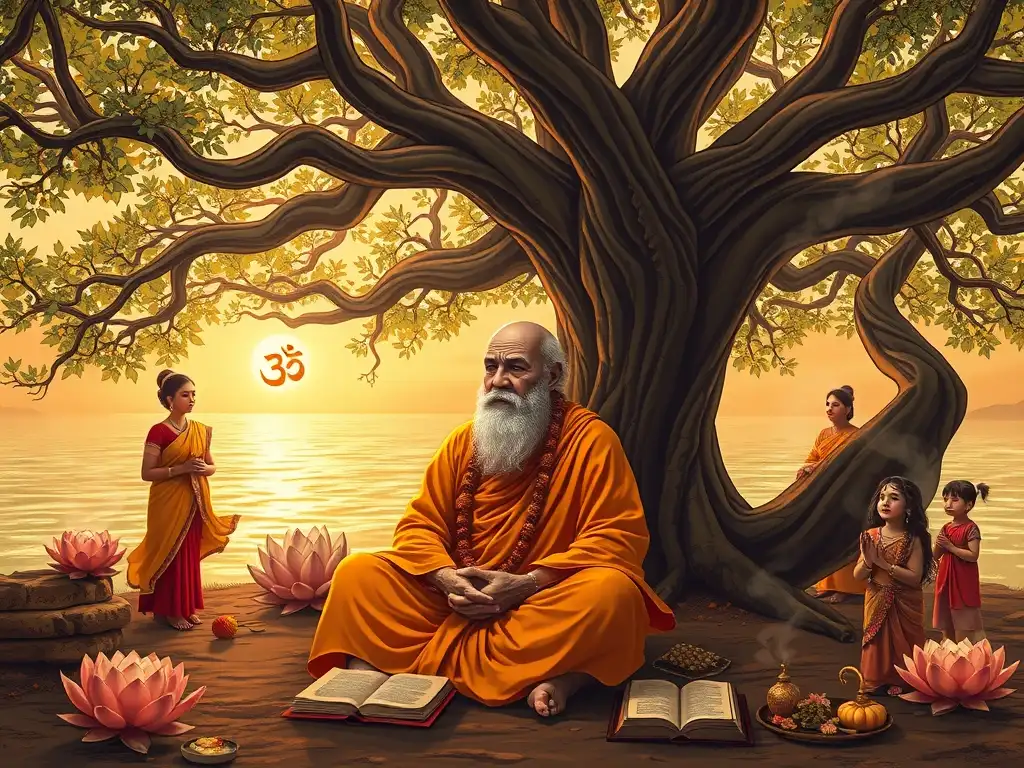
Exploring the intricate interplay between philosophy and devotion in Hinduism reveals a profound aspect of the religion that has shaped the spiritual lives of millions. Hindu philosophy, with its rich tapestry of thoughts and teachings, serves as a foundation for understanding the nature of reality, the self, and the universe. Meanwhile, devotion, or bhakti, emerges as a powerful expression of love and surrender towards the divine.
Together, these elements create a dynamic relationship that not only influences individual spiritual journeys but also reflects the broader cultural and historical context of ancient Indian civilization. In this article, we will delve into the nuances of Hindu philosophy and devotion, examining their origins, evolution, and the ways they intertwine to form a holistic spiritual framework.
Introduction to Hindu Philosophy and Devotion
Hindu philosophy and devotion are essential components of the faith, intertwining to offer a comprehensive understanding of existence and the divine. At its core, Hindu philosophy encompasses various schools of thought, such as Vedanta, Samkhya, and Nyaya, each presenting unique interpretations of concepts like moksha (liberation) and dharma (duty). On the other hand, devotion is characterized by emotional engagement and personal connection to deities, often articulated through prayers, rituals, and songs.
Overview of Hindu Philosophy
Hindu philosophy is not monolithic; rather, it is a diverse collection of thoughts and teachings that have evolved over millennia. Key concepts include:
- Brahman: The ultimate reality or cosmic spirit that underlies all existence.
- Atman: The individual soul that is considered a reflection of Brahman.
- Karma: The law of cause and effect, influencing one's future based on past actions.
- Dharma: The moral order and duties one must adhere to in life.
These philosophical tenets provide a framework for understanding the nature of reality and human existence, fostering introspection and contemplation.
The Role of Devotion in Hinduism
Devotion, or bhakti, plays a crucial role in the spiritual practice of Hinduism. It emphasizes a personal relationship with the divine and encourages followers to express their love and surrender through various means, including:
- Prayer and Chanting: Engaging in japa (repetition of mantras) and singing hymns to honor deities.
- Rituals and Offerings: Performing puja (worship) ceremonies to seek blessings and express gratitude.
- Personal Narratives: Sharing stories of divine interactions that embody the spirit of devotion.
This emotional engagement fosters a sense of belonging and community among practitioners, reinforcing the importance of divine love in their lives.
Historical Context of Hindu Philosophy and Devotion
To fully appreciate the relationship between philosophy and devotion in Hinduism, it is essential to explore the historical context in which these ideas developed. Ancient Indian society was marked by a rich tapestry of cultural influences and spiritual practices that shaped its philosophical landscape.
Early Influences on Hindu Thought
The roots of Hindu philosophy can be traced back to the Vedic texts, which laid the foundation for many philosophical schools. Key influences include:
- The Vedas: Ancient scriptures that discuss cosmology, rituals, and ethics.
- Upanishads: Philosophical texts that explore metaphysical questions and the nature of the self.
- Bhagavad Gita: A dialogue between Lord Krishna and Arjuna that encapsulates key philosophical concepts alongside themes of devotion.
These texts provided the groundwork for later philosophical developments and established a framework for understanding the divine and the self.
Development of Devotional Practices in Ancient India
As Hinduism evolved, so too did its devotional practices. The emergence of the bhakti movement in the medieval period marked a significant turning point, as it emphasized personal devotion over ritualistic practices. Key developments include:
- Regional Saints: Figures like Kabir, Mirabai, and Tulsidas, who inspired devotion through poetry and mystical experiences.
- Temples and Pilgrimages: The establishment of temples as centers of worship and community gathering, alongside the significance of pilgrimage sites.
These practices fostered inclusivity and accessibility, allowing individuals from various backgrounds to engage with the divine and express their devotion.
The relationship between Hindu philosophy and devotion is a multifaceted dynamic that has significantly shaped the spiritual landscape of ancient India, reflecting its rich cultural heritage and profound spiritual insights.
Key Philosophical Schools in Hinduism
Hindu philosophy is rich and diverse, encompassing various schools of thought that explore the nature of reality, existence, and the divine. These schools not only provide a framework for understanding the cosmos but also form a foundation for the practice of devotion (bhakti) within Hinduism. Each philosophical school offers unique perspectives, contributing to the overall tapestry of Hindu beliefs, where philosophy and devotion intertwine.
Vedanta: The Philosophy of Unity
Vedanta, derived from the end of the Vedas, emphasizes the ultimate reality known as Brahman, which is viewed as the source of all existence. This school of thought promotes the idea that the individual self (Atman) is fundamentally one with Brahman, leading to the philosophical doctrine of non-dualism (Advaita).
The teachings of Vedanta highlight the importance of self-realization and the pursuit of knowledge as a means to transcend the illusion (Maya) of separateness. This philosophical approach encourages devotees to cultivate an understanding of their innate divinity and to see the interconnectedness of all beings. Key texts such as the Upanishads and the Brahma Sutras provide profound insights into this unity, guiding practitioners towards a path of devotion that is rooted in knowledge and realization.
Samkhya: The Duality of Existence
Samkhya is one of the oldest philosophical systems in Hinduism, positing a dualistic framework that distinguishes between Purusha (consciousness) and Prakriti (matter). This school of thought analyzes the nature of existence, emphasizing the interplay between these two fundamental principles.
In Samkhya, the universe is seen as a complex interaction of the material and the spiritual, where liberation (moksha) is achieved by understanding this duality. The recognition of the separation between the self and the material world informs the devotee’s approach to spirituality, making room for both philosophical inquiry and heartfelt devotion. This dualistic perspective encourages practitioners to engage in bhakti as a means to transcend suffering and ignorance, ultimately leading to liberation.
Yoga: The Path of Discipline and Devotion
Yoga, often recognized for its physical practices, is fundamentally a philosophical system that integrates discipline, meditation, and devotion. The Yoga Sutras of Patanjali outline the eight limbs of yoga, which guide practitioners on a spiritual path towards self-realization and union with the divine.
Within the context of Hindu philosophy, bhakti yoga stands out as a devoted practice that emphasizes love and surrender to God. This path allows devotees to cultivate a personal relationship with the divine, fostering a sense of connection and purpose. By combining disciplined practices with heartfelt devotion, yoga becomes a holistic approach to achieving spiritual enlightenment.
Nyaya and Vaisheshika: Logic and Atomism
Nyaya and Vaisheshika are two interrelated philosophical schools that focus on logic and the nature of reality. Nyaya emphasizes the importance of reasoning and epistemology, providing tools for understanding truth and knowledge. This school teaches that logical inquiry is essential for developing a clear understanding of the self and the universe.
Vaisheshika, on the other hand, delves into the nature of objects and their attributes, proposing a form of atomism that categorizes reality into various substances. Together, these schools advocate for an analytical approach to philosophy that supports the pursuit of knowledge, which can enhance the practice of devotion. By understanding the principles of logic and the nature of existence, devotees can engage more deeply in their spiritual practices, fostering a balanced relationship between philosophy and bhakti.
The Significance of Bhakti (Devotion) in Hindu Philosophy
Bhakti, or devotion, plays a pivotal role in Hindu philosophy, acting as a bridge between philosophical inquiry and spiritual experience. It emphasizes a personal relationship with the divine, where love, surrender, and faith become integral to the spiritual journey. The significance of bhakti lies not only in its emotional appeal but also in its philosophical underpinnings, which enrich the understanding of the divine and the self.
Definition and Origins of Bhakti in Hinduism
The term "bhakti" originates from the Sanskrit word "bhaj," meaning to serve or to adore. This form of devotion emerged prominently in Hinduism around the 7th century CE, evolving through various movements and texts that emphasized personal devotion to deities. Unlike ritualistic practices, bhakti underscores a deep emotional connection and surrender to God, transcending caste and social boundaries.
Bhakti movements, such as those led by saints like Ramanuja, Meera Bai, and Kabir, fostered a sense of inclusivity and accessibility in spiritual practice. Their teachings emphasized that devotion, rather than strict adherence to Vedic rituals, could lead to liberation. This perspective has become foundational in contemporary Hindu practice, highlighting the importance of heartfelt devotion in the pursuit of spiritual fulfillment.
Key Texts Celebrating Devotion: The Bhagavad Gita and Puranas
The Bhagavad Gita is one of the most revered texts in Hindu philosophy, illustrating the interplay between duty, righteousness, and devotion. In this dialogue between Lord Krishna and Arjuna, the concept of bhakti emerges as a vital means of achieving spiritual liberation. Krishna emphasizes that surrendering to God with love and devotion is paramount, showcasing the significance of bhakti in the broader philosophical discourse.
Additionally, the Puranas, a genre of ancient texts, celebrate various deities and their divine stories, further embedding bhakti within the fabric of Hindu culture. These texts, such as the Vishnu Purana and Shiva Purana, not only narrate the exploits of the gods but also inspire devotees to engage in worship and devotion. Through storytelling and myth, the Puranas illustrate the transformative power of bhakti, encouraging practitioners to cultivate a personal connection with the divine, thus enriching their spiritual journey in alignment with Hindu philosophy.
Interconnection Between Philosophy and Devotion

The relationship between philosophy and devotion in Hinduism is both profound and intricate. Philosophy in Hinduism, often referred to as "darshana," encompasses a wide range of schools of thought, each offering unique perspectives on existence, the nature of reality, and the ultimate purpose of life. Devotion, or "bhakti," on the other hand, emphasizes personal connection and love towards the divine.
These two aspects are interwoven, with philosophical insights often deepening the understanding of devotional practices. Philosophy provides the intellectual framework that shapes the beliefs and rituals of devotion, while devotion offers a lived experience that can validate philosophical theories. Together, they create a holistic approach to spirituality, where rational inquiry meets heartfelt worship.
How Philosophy Informs Devotional Practices
Philosophy plays a crucial role in shaping devotional practices within Hinduism. Various philosophical schools, such as Vedanta, Samkhya, and Yoga, offer interpretations of scriptures like the Vedas and Upanishads that inform how devotees engage with the divine. For instance, the non-dualistic interpretation of Brahman in Advaita Vedanta encourages devotees to see themselves as one with the ultimate reality, fostering a sense of unity and oneness in worship.
Moreover, philosophical teachings provide ethical guidelines that influence how devotees live their lives. Concepts like karma (the law of cause and effect) and dharma (righteous duty) inform the moral framework within which devotion is practiced. By understanding these principles, devotees can align their actions with spiritual goals, enriching their devotional experience.
The Role of Devotion in Philosophical Understanding
Devotion acts as a catalyst for philosophical understanding in Hinduism. Through the practice of bhakti, individuals often experience transformative moments that challenge and expand their philosophical views. Personal experiences of divine love and grace can lead to a deeper comprehension of abstract concepts such as the nature of the self and the universe.
Furthermore, devotion emphasizes the importance of surrender and faith, which can sometimes transcend intellectual understanding. Many philosophers have acknowledged that certain truths in spirituality can only be fully grasped through experience rather than reasoning. This interplay between devotion and philosophy allows for a more nuanced and comprehensive understanding of Hindu thought, where both heart and mind contribute to spiritual growth.
Major Philosophers and Devotees in Hindu History
Hindu history is rich with figures who have significantly contributed to the dialogue between philosophy and devotion. Their teachings and practices reflect the dynamic interplay between intellectual inquiry and heartfelt worship, illustrating how these elements can coexist and enrich one another.
Adi Shankaracharya: Merging Philosophy and Devotion
Adi Shankaracharya, an 8th-century philosopher and theologian, is renowned for his role in consolidating the Advaita Vedanta philosophy. His teachings emphasize the non-duality of Atman (the individual soul) and Brahman (the ultimate reality). Shankaracharya's philosophical insights encouraged a devotional approach that transcended ritualism, advocating for a personal connection with the divine grounded in understanding.
He is credited with writing numerous texts that fuse philosophy with devotion, such as bhajans (devotional songs) and commentaries on the Upanishads. His life exemplifies the synthesis of philosophical inquiry and devotion, showing that one can engage in deep intellectual exploration while maintaining a loving relationship with the divine.
Ramanuja: The Advocate of Bhakti
Ramanuja, a 11th-century philosopher, is best known for his Vishishtadvaita (qualified non-dualism) philosophy, which emphasizes a personal relationship with God. He argued that while the ultimate reality is one, individual souls retain their distinct identities and can engage in loving devotion to the divine.
His advocacy for bhakti marked a significant shift in Hindu thought, emphasizing emotional engagement with God over mere intellectual understanding. Ramanuja's works, including the "Sri Bhashya," highlight the importance of devotion as a means to attain liberation, and his teachings continue to inspire countless devotees today.
Mirabai: A Poetess and Devotee
Mirabai, a 16th-century saint and poetess, is one of the most celebrated figures in the bhakti movement. Her poetry, characterized by deep emotional expression and devotion to Lord Krishna, reflects a profound personal relationship with the divine.
Mirabai's life story, filled with trials and tribulations, illustrates the power of devotion in overcoming societal norms and personal hardships. Her unwavering love for Krishna served as a source of inspiration for many, emphasizing that devotion can be a path to liberation and self-realization. Through her poetry and life, Mirabai exemplifies how devotion can transcend philosophical barriers, creating a unique space for spiritual expression in Hinduism.
Contemporary Relevance of Hindu Philosophy and Devotion

Hindu philosophy and devotion remain highly relevant in today's society, where individuals increasingly seek meaning and purpose amid modern challenges. The core tenets of Hindu thought—such as the concepts of Dharma (duty), Karma (action and consequence), and Moksha (liberation)—continue to resonate deeply with many practitioners. These philosophical frameworks provide guidance on ethical living and spiritual growth, encouraging individuals to navigate their lives with mindfulness and compassion.
Moreover, the devotional aspect of Hinduism, encapsulated in practices such as Bhakti Yoga (the path of devotion), fosters a sense of community and belonging among practitioners. In contemporary settings, the blending of philosophical inquiry with devotional practices allows individuals to engage with spirituality in a holistic manner, promoting both individual contemplation and collective worship. This dual approach fosters resilience and hope, inspiring many to seek deeper connections with themselves and the divine.
Modern Interpretations of Ancient Philosophical Concepts
Modern interpretations of ancient Hindu philosophical concepts often bridge traditional wisdom with contemporary issues. For instance, the idea of Dharma has evolved to encompass social justice and environmental ethics, reflecting the growing awareness of global challenges. Scholars and spiritual leaders reinterpret these ancient texts, such as the Bhagavad Gita and Upanishads, to address modern dilemmas, emphasizing their applicability in today’s world.
Additionally, the practice of mindfulness and meditation—rooted in Hindu philosophy—has gained popularity across various cultures as tools for mental well-being. This cross-cultural adoption highlights the timeless relevance of concepts like self-awareness and inner peace. By revisiting and reinterpreting these ancient philosophies, practitioners can find resonance in their teachings, allowing them to navigate modern life while remaining connected to their spiritual heritage.
The Influence of Devotion in Current Hindu Practices
Devotion in Hinduism manifests in diverse forms, from temple rituals to personal practices such as prayer and chanting. The rise of the Bhakti movement has left an indelible mark on contemporary devotional practices, emphasizing personal relationships with deities over ritualistic formalism. This shift encourages followers to express their devotion through love, music, and dance, making spirituality more accessible and relatable.
In recent years, global interconnectivity has further influenced Hindu devotion, with the proliferation of online platforms allowing devotees to engage with spiritual teachings and communities worldwide. Virtual gatherings, live-streamed rituals, and online discussions foster a sense of belonging that transcends geographical boundaries. This contemporary landscape illustrates how devotion continues to adapt and thrive while maintaining a strong connection to its historical roots.
Conclusion: The Enduring Relationship Between Philosophy and Devotion in Hinduism
The relationship between philosophy and devotion in Hinduism is a dynamic and evolving interplay that reflects the complexities of the human experience. While philosophy provides the intellectual framework for understanding the universe and one's place within it, devotion offers the emotional and spiritual connection that brings these teachings to life. Together, they create a holistic approach to spirituality that encourages both inquiry and reverence.
Summary of Key Points
- Hindu philosophy and devotion remain relevant in contemporary life, addressing ethical living and spiritual growth.
- Modern interpretations of ancient philosophical concepts adapt to current social and environmental challenges.
- Devotion's influence in current practices highlights the accessibility and relatability of spirituality through personal expression.
- The integration of digital platforms has transformed devotional practices, allowing for global engagement and connection among practitioners.
Reflection on the Future of Hindu Philosophy and Devotion
Looking ahead, the relationship between Hindu philosophy and devotion is poised to continue evolving. As societal values shift and global challenges emerge, the adaptability of these teachings will be vital. Future generations may reinterpret ancient concepts to address contemporary issues, ensuring that Hindu philosophy remains a source of wisdom and guidance.
Moreover, the integration of technology into devotional practices suggests that spirituality will become even more accessible, fostering a diverse global community of practitioners. By embracing both philosophical inquiry and devotion, Hinduism can continue to inspire individuals on their spiritual journeys, reinforcing its relevance in a rapidly changing world.
References and Further Reading on Hindu Philosophy and Devotion
Exploring the intricate relationship between Hindu philosophy and devotion requires a deep dive into both classical texts and contemporary interpretations. The following sections provide a curated list of recommended texts, authors, and online resources that can enhance understanding and appreciation of this profound aspect of Hinduism.
Recommended Texts and Authors
-
Bhagavad Gita
The Bhagavad Gita is a pivotal text that embodies the integration of philosophy and devotion. It presents the conversation between Lord Krishna and the warrior Arjuna, covering themes like duty (dharma), devotion (bhakti), and philosophical inquiry (jnana). The Gita is essential for anyone studying Hindu philosophy.
-
Upanishads
The Upanishads are a collection of ancient texts that explore the nature of reality and the self (Atman). They emphasize knowledge and meditation as paths to understanding Brahman, the ultimate reality, often blending philosophical thought with devotional practices.
-
Ramanuja's Writings
Ramanuja, a prominent philosopher from the 11th century, emphasized the importance of devotion (bhakti) alongside philosophical understanding. His works, particularly the Sri Bhashya, elaborate on the relationship between the individual soul and the divine.
-
Adi Shankaracharya
Shankaracharya's commentaries on the Upanishads and the Bhagavad Gita establish a foundation for Advaita Vedanta, focusing on non-duality and the philosophical aspects of devotion. His texts encourage a synthesis of philosophy and devotion.
-
The Philosophy of the Bhagavata Purana
This Purana offers insights into the devotional aspect of Hinduism, detailing the life and teachings of Lord Krishna. It serves as a bridge between philosophical thought and bhakti, making it a vital reference.
-
Swami Vivekananda
A modern proponent of Hindu philosophy, Vivekananda's writings and speeches explore the interplay of devotion and philosophy, encouraging a practical approach to spiritual life.
Online Resources for Exploring Hindu Philosophy and Devotion
-
Internet Sacred Text Archive
This website hosts a vast collection of sacred texts from various religious traditions, including many key Hindu texts. It provides free access to the Bhagavad Gita, Upanishads, and other significant writings.
-
Hinduism Today
An online magazine that offers articles and insights into contemporary Hindu thought, philosophy, and devotion. It features interviews, essays, and analyses that explore the modern implications of ancient teachings.
-
The Gita Online
A digital resource dedicated to the Bhagavad Gita, offering translations, commentaries, and discussions that highlight its philosophical and devotional dimensions.
-
Stanford Encyclopedia of Philosophy
This academic resource includes entries on various aspects of Hindu philosophy, including bhakti and its philosophical underpinnings. It is an excellent reference for scholarly perspectives.
-
YouTube Channels
Channels such as "Hindu Academy" and "The Art of Living" provide lectures and discussions on Hindu philosophy and devotion, making them accessible to a wider audience.
The relationship between Hindu philosophy and devotion is richly documented in both classical texts and contemporary resources. Engaging with these materials can provide valuable insights into the complexities and beauty of Hindu spirituality.
- Introduction to Hindu Philosophy and Devotion
- Historical Context of Hindu Philosophy and Devotion
- Key Philosophical Schools in Hinduism
- The Significance of Bhakti (Devotion) in Hindu Philosophy
- Interconnection Between Philosophy and Devotion
- How Philosophy Informs Devotional Practices
- The Role of Devotion in Philosophical Understanding
- Major Philosophers and Devotees in Hindu History
- Contemporary Relevance of Hindu Philosophy and Devotion
- Conclusion: The Enduring Relationship Between Philosophy and Devotion in Hinduism
- References and Further Reading on Hindu Philosophy and Devotion
- What is the central theme of the article on Hindu philosophy and devotion?
- How does Hindu philosophy contribute to devotion?
- What are some key concepts in Hindu philosophy mentioned in the article?
- How do different Hindu traditions view devotion?
- Why is the relationship between philosophy and devotion significant in Hinduism?
Frequently Asked Questions
What is the central theme of the article on Hindu philosophy and devotion?
The article explores the relationship between philosophy and devotion in Hinduism, highlighting how these two elements influence each other and shape the spiritual landscape of the religion.
How does Hindu philosophy contribute to devotion?
Hindu philosophy provides deep insights into the nature of reality and the self, which enhances the practice of devotion by guiding individuals in their spiritual journeys and understanding of the divine.
What are some key concepts in Hindu philosophy mentioned in the article?
The article discusses concepts such as Dharma, Karma, and Moksha, which are foundational to understanding both philosophical inquiry and the devotional practices in Hinduism.
How do different Hindu traditions view devotion?
Various Hindu traditions, including Bhakti, emphasize the importance of devotion as a means to connect with the divine, while philosophical schools may focus more on knowledge and understanding.
Why is the relationship between philosophy and devotion significant in Hinduism?
The interplay between philosophy and devotion is significant as it creates a holistic approach to spirituality, allowing practitioners to engage with both intellectual and emotional aspects of their faith.
Final Reflection: The Interplay of Hindu Philosophy and Devotion
The relationship between Hindu philosophy and devotion is more relevant today than ever, as individuals seek deeper meaning and connection in a rapidly changing world. The exploration of these two intertwined aspects of Hinduism reveals how they shape not only personal spirituality but also communal identity. As we navigate modern challenges, the wisdom embedded in Hindu philosophy and the heartfelt expressions of devotion offer profound insights that resonate across cultures and generations.
Hindu philosophy and devotion continue to influence the cultural and social landscape by fostering a sense of belonging and purpose. The teachings of ancient sages, combined with the passionate devotion of countless practitioners, create a rich tapestry that inspires individuals to explore their own spiritual paths. Devotion is the bridge that connects the heart to the divine, transcending the boundaries of intellect.
This observation emphasizes the ongoing significance of devotion in our lives, reminding us that while philosophy provides the framework for understanding existence, it is devotion that ignites our passion for the divine.
As you reflect on the themes of this article, consider how you can integrate the lessons of Hindu philosophy and devotion into your own life. Embrace the opportunity to deepen your understanding and practice, allowing these teachings to guide you in your quest for meaning and connection. Whether through meditation, prayer, or acts of kindness, let the essence of devotion inspire you to cultivate a more profound relationship with the world around you. In doing so, you not only honor the rich traditions of Hinduism but also enrich your own spiritual journey.
Embrace the Depth of Philosophy and Devotion in Hinduism!
Thank you for diving into the enlightening world of Hindu philosophy and devotion! You've uncovered the intricate connections that enrich both belief and practice. Now is the time to take action and deepen your engagement.
Here’s how you can continue your journey:
- Explore a New Text: Choose a philosophical work such as the Bhagavad Gita or the Upanishads and dedicate time each week to reflect on its teachings.
- Join a Local Discussion Group: Seek out or create a community group focused on Hindu philosophy, where you can share insights and learn from others.
- Try a Mindfulness Practice: Implement a daily meditation or devotional prayer inspired by your understanding, allowing you to experience the profound effects of these teachings in your life.
What aspects of Hindu philosophy resonate most with your personal beliefs? Share your thoughts and reflections below!