
The Influence of Ancient Indian Women on Family Structures

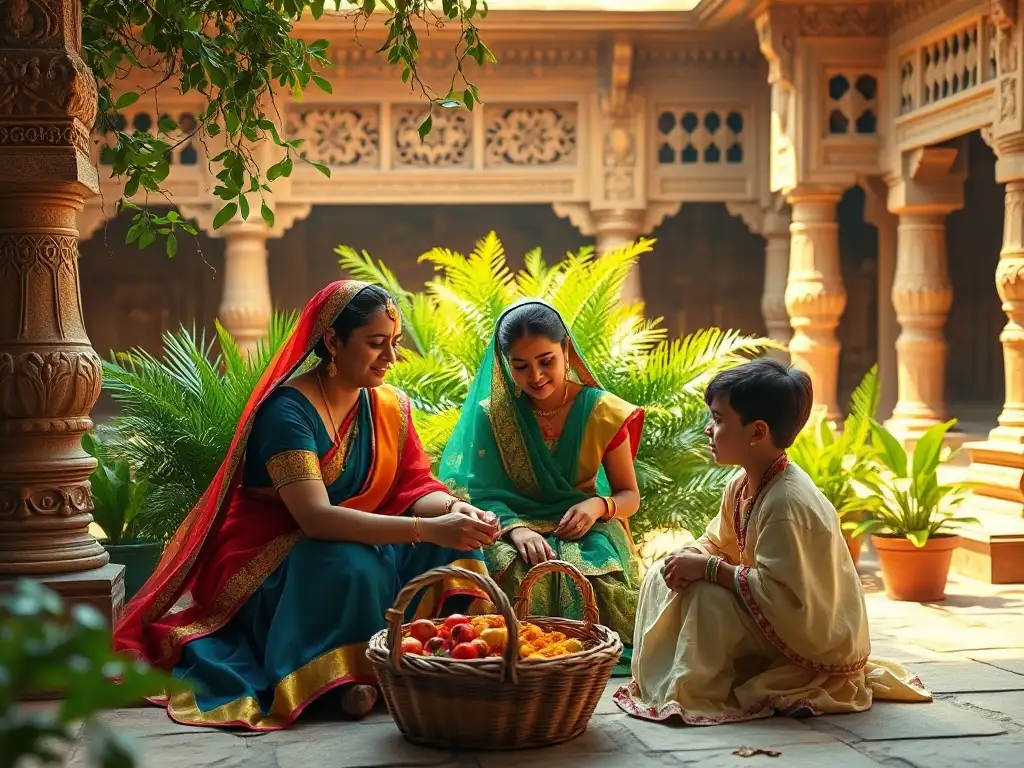
Welcome to Ancient India History, where we embark on a fascinating journey through the rich tapestry of ancient Indian civilizations! In this exploration, we delve into the influential roles of women within family structures, highlighting how their contributions shaped the very fabric of society. What were the everyday lives of these remarkable women like? Join us as we uncover the stories and legacies of ancient Indian women that continue to resonate today. Prepare to be intrigued and inspired as you discover the profound impact they had on their families and communities throughout history!
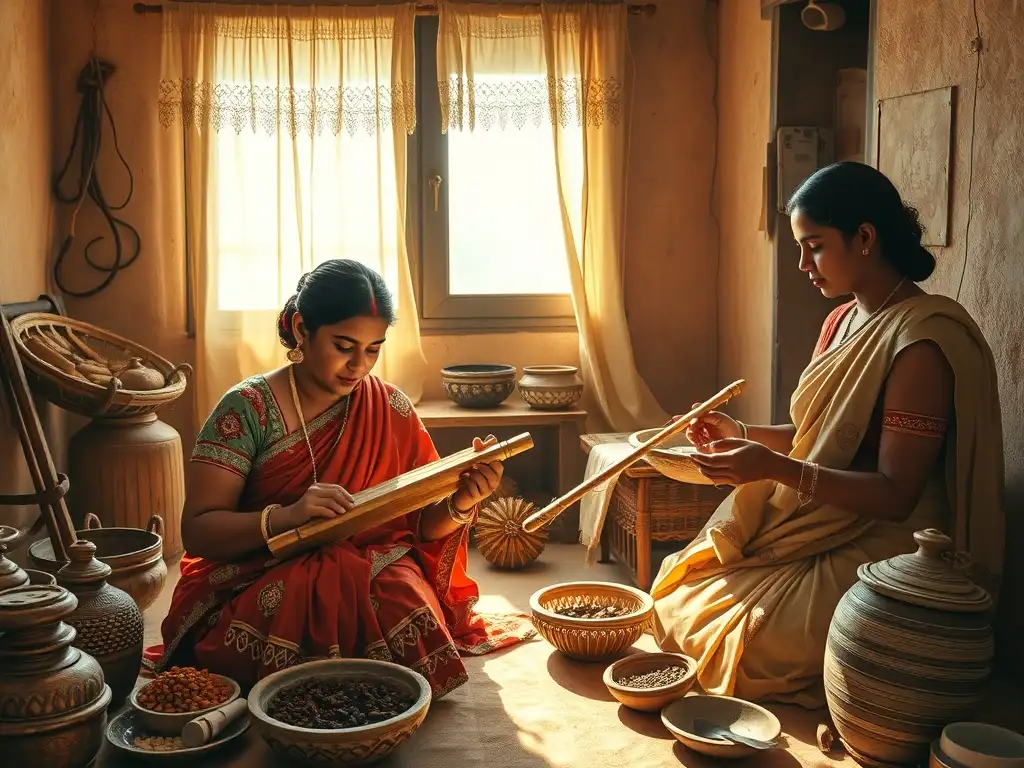
Introduction to Ancient Indian Women and Family Roles
The exploration of ancient Indian women's roles within family structures reveals a complex tapestry of cultural, social, and economic influences that shaped their contributions throughout history. From the early days of the Indus Valley Civilization to the flourishing Gupta Empire, women in ancient India played pivotal roles not only within their families but also in society at large. Their influence extended beyond domestic duties, impacting family dynamics, lineage, and the broader cultural landscape. Understanding these roles provides valuable insights into the foundational elements of family structures in ancient Indian society, highlighting the multifaceted nature of women’s contributions.
Overview of Women's Roles in Ancient India
Women in ancient India held varied roles that evolved over time, influenced by regional customs, socio-economic conditions, and prevailing philosophies. They were integral to the structure of families, often responsible for maintaining household harmony and cultural traditions. Key aspects of their roles included:
- Caregivers: Women primarily managed household responsibilities, nurturing children and ensuring the family's well-being.
- Educators: They played a crucial role in imparting values and knowledge, often being the first teachers to their children.
- Cultural Custodians: Women preserved cultural practices through rituals and festivals, ensuring the continuity of traditions.
The significance of these roles underscores the respect and value attributed to women in the family unit, even as societal norms fluctuated.
Importance of Family Structures in Ancient Indian Society
Family structures in ancient India were foundational to social organization and community life. The concept of the family extended beyond the nuclear model, encompassing extended family systems that provided support and stability. Key factors contributing to the importance of family structures included:
- Social Cohesion: Families served as units of social cohesion, facilitating cooperation and mutual support among members.
- Economic Stability: Family units often worked collaboratively, engaging in agriculture, trade, and other enterprises, which contributed to economic resilience.
- Cultural Transmission: Families were the primary means through which cultural values, traditions, and religious practices were transmitted across generations.
These elements highlight the critical role families played in maintaining the fabric of ancient Indian society, with women at the heart of these dynamics.
Historical Context of Ancient Indian Women
Early Civilizations and the Status of Women
The status of women in ancient India has roots in its earliest civilizations. In the Indus Valley (approximately 2500-1900 BCE), archaeological evidence suggests that women enjoyed considerable freedom and respect. They participated in various economic activities, including trade and crafts. However, as society evolved, particularly with the advent of Vedic traditions, the status of women began to shift, influenced by changing socio-religious norms.
As a consequence, women were often confined to domestic roles, although some still wielded considerable influence, particularly in religious and ceremonial contexts. The Vedic texts indicate that women could own property and were involved in rites and rituals, illustrating a duality in their status that continued throughout history.
Notable Ancient Indian Women Figures and Their Contributions
Throughout ancient Indian history, several women emerged as notable figures who significantly influenced their families and society. Some key examples include:
- Gargi Vachaknavi: A philosopher and scholar, Gargi was known for her intellect and participation in philosophical debates, challenging societal norms.
- Maitreyi: A prominent figure in the Upanishads, Maitreyi exemplified the pursuit of knowledge and spiritual wisdom, showcasing the intellectual contributions of women.
- Rani Durgavati: While later in history, her reign as a warrior queen exemplifies the leadership and strength women exhibited in protecting their families and territories.
These figures not only shaped their families but also left a lasting legacy that resonated through subsequent generations, reflecting the strength and resilience of ancient Indian women.
The Role of Women in Family Dynamics
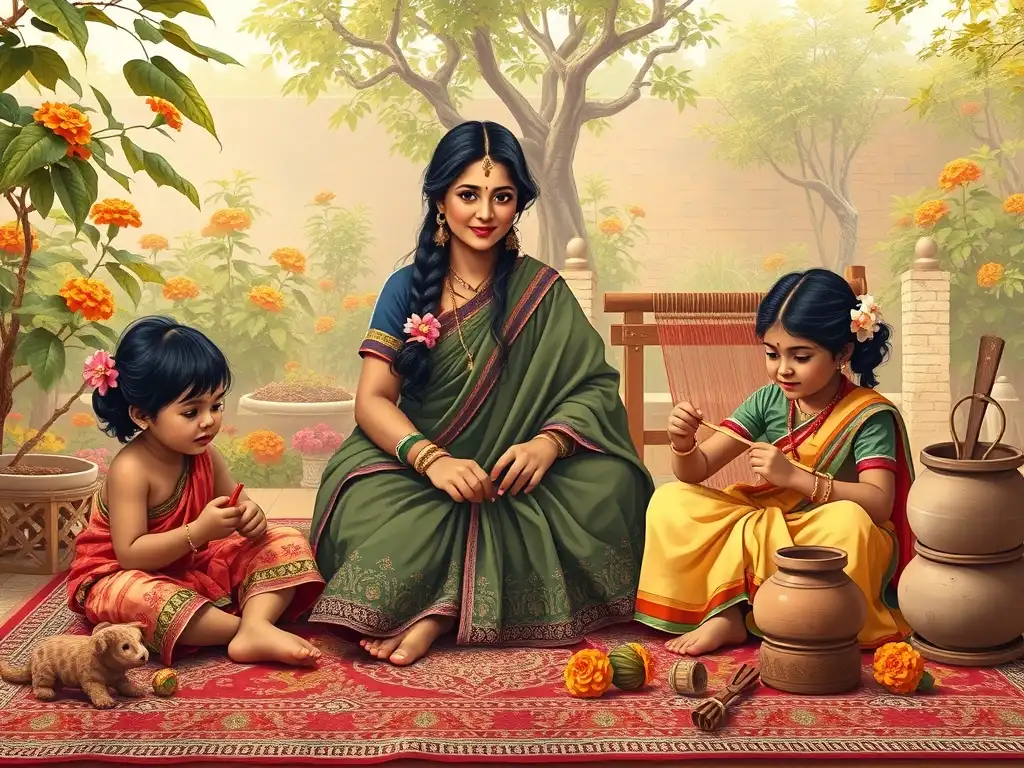
In ancient Indian society, women played an integral role within the family structure, significantly impacting the dynamics and functioning of households. Their contributions were multifaceted, encompassing various responsibilities that extended beyond mere domestic duties. Women were often seen as the bedrock of family unity, responsible for maintaining not only the home but also the cultural and spiritual values that defined their communities.
The influence of women in family dynamics can be traced back to the Vedic period, where texts reveal that women were educated and participated actively in societal affairs. Families were traditionally structured around patriarchal norms; however, women were granted specific rights and responsibilities that allowed them to exert considerable influence within the household. This duality of their roles enabled them to navigate and shape family life, balancing personal agency with cultural expectations.
Moreover, women's roles varied across different regions and communities, influenced by local customs, economic conditions, and social hierarchies. As caregivers, educators, and spiritual leaders, women fostered environments that nurtured future generations, thereby ensuring the continuity of family traditions and values. Their roles were not only confined to the domestic sphere but also extended into economic activities, where they participated in agriculture, textile production, and trade, further solidifying their status within family structures.
Responsibilities and Duties of Women in Ancient Families
The responsibilities and duties of women in ancient Indian families were diverse and extensive. Women were primarily tasked with managing household affairs, which included cooking, cleaning, and caring for children and elderly family members. However, their roles were not limited to domestic chores; they were also involved in various economic activities that contributed to the family's livelihood.
- Household Management: Women were responsible for organizing and maintaining the household. This included budgeting, managing resources, and ensuring that the family's needs were met.
- Child-rearing and Education: Women played a crucial role in the upbringing of children, imparting values, education, and cultural traditions. They were often the primary educators, teaching their children skills related to crafts, language, and religious practices.
- Participation in Economic Activities: Many women engaged in agriculture, weaving, and other crafts, contributing economically to the household. In some regions, women even held roles in trade, managing family businesses and participating in market activities.
- Cultural Preservation: Women were pivotal in preserving cultural practices, rituals, and traditions. They conducted ceremonies, maintained family customs, and ensured the transmission of knowledge from one generation to the next.
Through these responsibilities, women not only upheld family structures but also played a crucial role in sustaining the cultural integrity of their communities.
Influence of Ancient Indian Women on Family Decision-Making
The influence of ancient Indian women on family decision-making was significant, albeit often indirect due to the prevailing patriarchal norms. Despite societal constraints, women exercised considerable sway over family matters, particularly regarding the education of children, household management, and social interactions.
Women often served as advisors within the family, providing insights based on their experiences and understanding of social dynamics. Their input was particularly valued in decisions related to marriage, child-rearing, and the management of family assets.
- Marriage Arrangements: Women frequently had a say in selecting partners for their children, ensuring compatibility and adherence to family values. Their opinions were crucial in negotiating dowries and other marital arrangements.
- Child Education and Upbringing: As the primary caregivers, women influenced educational choices and moral teachings, shaping the values and beliefs of the next generation.
- Social Relations: Women often acted as mediators in social interactions, managing relationships with relatives and neighbors, thus influencing family reputation and social standing.
This involvement underscores the vital role women played in shaping family decisions, despite the socio-cultural limitations they faced.
Cultural Perspectives on Ancient Indian Women and Family
Cultural perspectives on ancient Indian women and family reveal a complex interplay between reverence and restriction. While women were often idealized as the embodiment of virtue and devotion, societal structures frequently limited their autonomy. The representation of women in various cultural narratives highlights both their contributions to family life and the challenges they encountered.
Religious Texts and Their Representation of Women
Religious texts from ancient India provide insight into the roles and statuses of women in society. Texts such as the Rigveda and the Manusmriti present women in varying lights, reflecting the duality of their existence as both venerated figures and subjugated beings.
- Vedic Literature: In the Vedic period, women were often depicted as knowledgeable and respected figures. They participated in rituals and were acknowledged for their intellectual contributions. Figures like Gargi and Maitreyi, who are celebrated for their philosophical insights, illustrate the potential for female empowerment in ancient texts.
- Manusmriti: Conversely, later texts such as the Manusmriti impose restrictions on women's freedoms, emphasizing their roles primarily as wives and mothers. This document outlines social norms that dictate women's behavior, often promoting subservience to male family members.
- Bhagavad Gita: The Bhagavad Gita, while primarily focused on duty and righteousness, also acknowledges the importance of women in fostering family values, suggesting that their contributions are essential for maintaining dharma (moral order).
These texts collectively depict a complex landscape where women were both celebrated and constrained, reflecting the evolving nature of their roles in family structures.
Myths and Stories Highlighting Women's Roles in Family Life
Mythology and folklore play a significant role in shaping societal views of women and their roles within families. Many stories highlight the virtues of women and their contributions to family life, often portraying them as ideal figures who embody strength, wisdom, and sacrifice.
- Sita in Ramayana: The character of Sita represents loyalty, devotion, and resilience. Her trials and sacrifices for her family are emblematic of the ideal qualities expected of women. Sita's narrative underscores the importance of women in maintaining family honor and integrity.
- Draupadi in Mahabharata: Draupadi’s story showcases the complexities of women in familial conflicts. As a pivotal character, her strength and agency during the Kurukshetra War highlight women's capacity to influence family dynamics and challenge patriarchal norms.
- Folktales and Legends: Various regional folktales celebrate women's contributions to family and community. These stories often emphasize the roles women played in fostering social cohesion, serving as moral guides, and upholding traditions.
Through these narratives, ancient Indian women emerge as central figures in family life, embodying virtues that continue to resonate in contemporary discussions about gender roles and family dynamics.
Contributions of Women to Family Structures
Ancient Indian women played a pivotal role in shaping family structures, influencing both the social fabric and economic stability of their households. Their contributions spanned various domains, including economic activities, education, and cultural practices. Women were not merely passive participants; instead, they were active agents in nurturing and sustaining family life. From managing domestic responsibilities to engaging in agricultural production and trade, their roles were integral to the survival and prosperity of families. This influence can still be traced through historical texts and archaeological findings, showcasing the multifaceted contributions women made to their families and society.
Economic Contributions of Women in Ancient Indian Families
Women in ancient India were deeply involved in the economic aspects of family life. They participated in agricultural activities, which were the backbone of the economy during many historical periods. Evidence shows that women worked alongside men in the fields, cultivating essential crops like rice, wheat, and barley. Additionally, many women engaged in textile production, spinning and weaving cloth that was crucial for both domestic use and trade.
Moreover, women often managed household finances, making critical decisions regarding the allocation of resources. This included the management of livestock, which was a significant source of wealth and sustenance. In urban settings, women took part in various crafts and trades, contributing to the local economy. Their involvement in commerce is depicted in ancient texts, suggesting that women had the agency to own property and run businesses, which further solidified their economic significance within the family structure.
Educators and Nurturers: The Role of Women in Child-Rearing
In ancient Indian families, women were primarily seen as the educators and nurturers of children. They played an essential role in instilling moral values, cultural practices, and social norms within the family. Mothers were responsible for the early education of their children, teaching them not only the skills necessary for survival but also imparting knowledge about their heritage and societal roles.
The significance of women's roles in child-rearing is well-documented in ancient texts, where the mother is often revered as the first teacher. This nurturing aspect extended beyond biological motherhood; women often took on the responsibility of mentoring younger siblings or other children within the community. Their influence in shaping the next generation was profound, as they laid the groundwork for familial and societal structures through their teachings and example.
Changes Over Time: Evolution of Women's Roles in Families
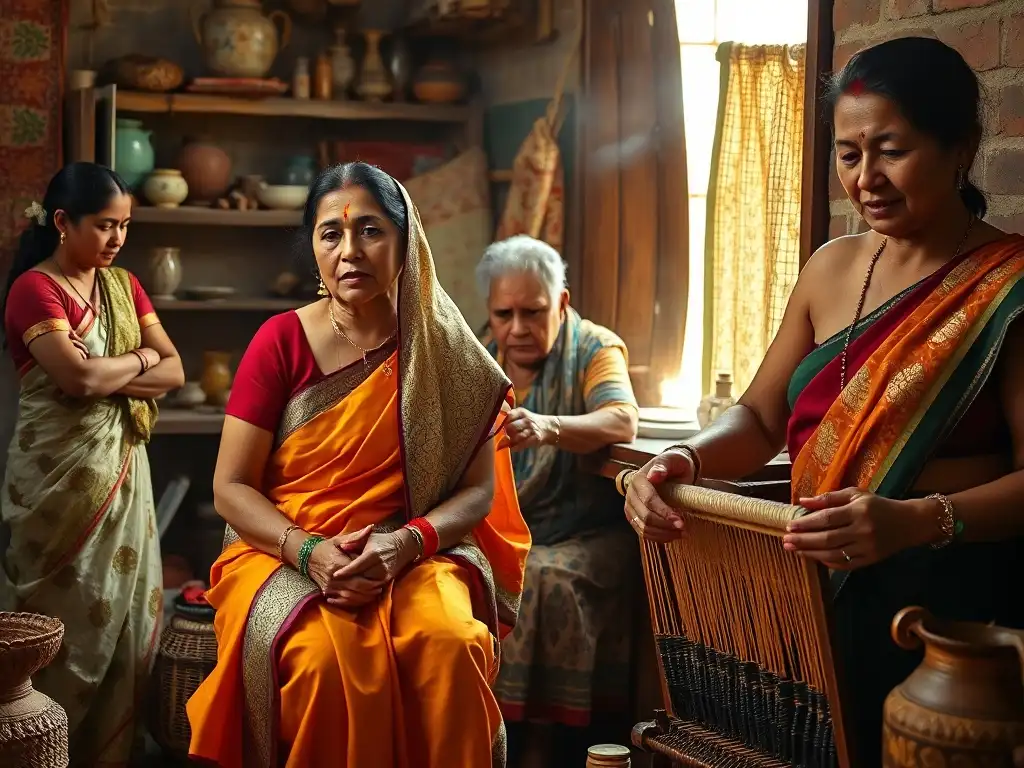
The roles of women in ancient Indian families evolved significantly over time, influenced by various cultural, economic, and political factors. While women initially enjoyed a relatively higher status in the Vedic period, their roles began to change drastically in subsequent eras. This evolution reflects the changing dynamics of society and the impact of historical events on women's status within the family structure.
Transition from Vedic to Post-Vedic Period
During the Vedic period, women held considerable autonomy and were often encouraged to participate in intellectual pursuits. However, with the onset of the post-Vedic period, patriarchal structures began to take precedence. Women’s roles became increasingly restricted, as societal norms shifted towards male dominance in both family and public life.
This transition is illustrated by changes in legal texts, where women's rights to property and education were curtailed. The practice of purdah became more common, further limiting women's mobility and participation in societal affairs. Despite these restrictions, women continued to exert influence within the home, maintaining their roles as caretakers and educators, albeit within a more constrained framework.
The Impact of Historical Events on Women’s Family Roles
Historical events, such as invasions, the rise of empires, and changes in religious practices, had profound impacts on women's roles in families. For instance, the arrival of foreign invaders led to increased insecurity, thereby reinforcing patriarchal norms that emphasized the protection of women and the family unit.
Additionally, the advent of different religious ideologies, such as Buddhism and Jainism, brought about alternative views on women's roles. These religions often advocated for the education and empowerment of women, allowing them to participate in spiritual and community life. While these movements provided some respite from the constraints of traditional norms, the overarching societal structures often relegated women to secondary roles.
In contemporary times, many of these historical influences continue to resonate, reflecting the ongoing dialogue around women's roles in family structures, and the need to revisit and recognize the contributions of ancient Indian women in shaping their families and societies.
Conclusion: Legacy of Ancient Indian Women on Modern Family Structures
The legacy of ancient Indian women in shaping family structures continues to resonate in contemporary society. Their roles as nurturers, educators, and decision-makers laid the foundation for the familial bonds and social norms observed today. Ancient texts and historical accounts reveal that women contributed significantly to the economic, spiritual, and emotional well-being of their families. This influence can still be seen in modern Indian family dynamics, where women often juggle multiple responsibilities while maintaining the cultural values passed down through generations.
Furthermore, the recognition of ancient women’s roles challenges contemporary perceptions of gender roles within families. By acknowledging the historical significance of women as pivotal figures in family structures, society can foster a more equitable environment where both men and women share familial responsibilities. This understanding not only honors the past but also promotes progressive values that align with modern aspirations for gender equality.
Lasting Influence on Contemporary Indian Family Dynamics
The roles of ancient Indian women have left an indelible mark on today's family dynamics. In many Indian households, the influence of matriarchs is evident, as women continue to play central roles in decision-making, particularly regarding education and wellbeing. This continuity reflects the historical importance placed on women's contributions, transcending time and adapting to changing societal norms.
- Role as Educators: Historically, women were key educators within the family, imparting cultural and moral values. Today, this tradition persists, with mothers often taking primary responsibility for their children's education and upbringing.
- Economic Participation: Ancient women engaged in economic activities, contributing to their families' livelihoods. This trend continues as modern women increasingly participate in the workforce, balancing traditional roles with professional responsibilities.
- Cultural Preservation: Women have been custodians of cultural heritage, passing down traditions and rituals. Their role in preserving family customs remains vital, reinforcing a sense of identity and belonging in contemporary families.
The intergenerational transmission of these roles ensures that ancient influences remain embedded in the fabric of Indian society, shaping family structures in significant ways.
Reflection on the Importance of Recognizing Women’s Contributions
Recognizing the contributions of ancient Indian women is essential for understanding the evolution of family structures. By highlighting their roles, we not only honor their legacy but also create a more inclusive narrative that values diverse perspectives. This acknowledgment can inspire future generations to appreciate the importance of women's roles in both historical and modern contexts.
It is crucial to reflect on how these contributions have been historically marginalized or overlooked. By bringing their stories to light, we can challenge existing stereotypes and promote a deeper understanding of gender dynamics within families. Acknowledging the strength and resilience of women in ancient India encourages contemporary society to embrace equality and fairness, ultimately leading to more balanced family structures.
References
Suggested Reading on Ancient Indian Women
- "Women in Ancient India" by Kumud Sharma - A comprehensive exploration of women's roles throughout ancient Indian history, delving into various aspects of their lives.
- "The Status of Women in Ancient India" by Shireen Moosvi - This book provides insights into the sociocultural conditions that shaped women's experiences and roles in ancient times.
Academic Studies on Family Structures in Ancient India
- "Family and Household in Ancient India" by R. S. Sharma - An academic study examining the dynamics of families in ancient Indian societies, with a focus on gender roles.
- "Women and Family in Ancient India: A Historical Perspective" by Anuradha Roy: - This research paper analyzes the interrelation between women’s roles and family structures, highlighting their significance in shaping societal norms.
- Introduction to Ancient Indian Women and Family Roles
- Overview of Women's Roles in Ancient India
- Importance of Family Structures in Ancient Indian Society
- Historical Context of Ancient Indian Women
- The Role of Women in Family Dynamics
- Cultural Perspectives on Ancient Indian Women and Family
- Contributions of Women to Family Structures
- Changes Over Time: Evolution of Women's Roles in Families
- Conclusion: Legacy of Ancient Indian Women on Modern Family Structures
- References
- What were the primary roles of women in ancient Indian families?
- How did the status of women vary in different ancient Indian civilizations?
- What were some notable contributions of ancient Indian women to society?
- How did ancient Indian family structures impact women's roles?
- What evidence exists regarding women's roles in ancient Indian texts?
Frequently Asked Questions
What were the primary roles of women in ancient Indian families?
Women in ancient India primarily held roles as caregivers and nurturers, managing household tasks and raising children while also participating in agricultural activities.
How did the status of women vary in different ancient Indian civilizations?
The status of women varied significantly, with Indus Valley women enjoying relatively more freedom compared to those in later periods, such as during the Gupta Empire, where their roles became more restricted.
What were some notable contributions of ancient Indian women to society?
Ancient Indian women contributed to education, art, and religious practices, with figures like Gargi and Maitreyi influencing philosophical thought and spiritual beliefs.
How did ancient Indian family structures impact women's roles?
Family structures in ancient India were often patriarchal, which influenced women's roles, placing them primarily in domestic spheres while limiting their public engagement and decision-making power.
What evidence exists regarding women's roles in ancient Indian texts?
Ancient texts like the Vedas and Manusmriti provide insights into women's roles, illustrating their significance in rituals, family life, and as educators despite often reinforcing patriarchal norms.
Final Reflection: The Enduring Legacy of Ancient Indian Women in Family Roles
The exploration of ancient Indian women's roles within family structures reveals a profound connection to contemporary society. Today, as we navigate the complexities of family dynamics and gender roles, the historical contributions of these women serve as a powerful reminder of their influence. Their resilience and adaptability in shaping family life not only laid the groundwork for future generations but also challenge us to reconsider our current perceptions of family roles.
The impact of ancient Indian women on family structures is not merely a relic of the past; it continues to resonate within our cultural and social landscapes. Their stories of strength and leadership inspire modern discussions around gender equality and family dynamics.
As we reflect on their legacy, we can appreciate the words of the renowned feminist scholar, Simone de Beauvoir, who stated, "> One is not born, but rather becomes, a woman." This quote encapsulates the idea that the roles women assume are shaped by societal expectations and historical context, urging us to recognize the ongoing evolution of women's roles in families today.
As we conclude this exploration, I invite you to reflect on the lessons learned from the lives of ancient Indian women. Consider how their experiences can inform your understanding of family roles in your own life. Embrace the opportunity to challenge traditional norms and advocate for a more equitable family structure, where every voice is valued and empowered. Let us honor the legacy of these remarkable women by actively participating in the ongoing dialogue about gender roles and family dynamics, ensuring that their influence continues to inspire future generations.
Empower Your Understanding: Embrace the Legacy of Ancient Indian Women
Thank you for taking the time to explore the profound impact of ancient Indian women on family structures. You’ve uncovered the strength and wisdom that shaped society, and now it’s time to take that knowledge further. Here’s how you can engage with this inspiring legacy:
- Dive Deeper: Read about influential figures and significant events that highlight the roles of women in ancient India. Visit our article section to uncover captivating stories that resonate with today’s ideals.
- Join the Conversation: Share your insights on social media! Post about your favorite parts of the articles and use the hashtag #WomenInAncientIndia to connect with others who are eager to engage in meaningful discussions.
- Reflect and Write: Consider composing your own piece on how these historical influences are reflected in modern family structures. Share your thoughts with our community through the forum on our website!
What aspects of ancient Indian women's contributions resonate most with today’s family dynamics for you? Let's discuss!