
The Influence of Ancient Indian Goddesses on Women’s Rights

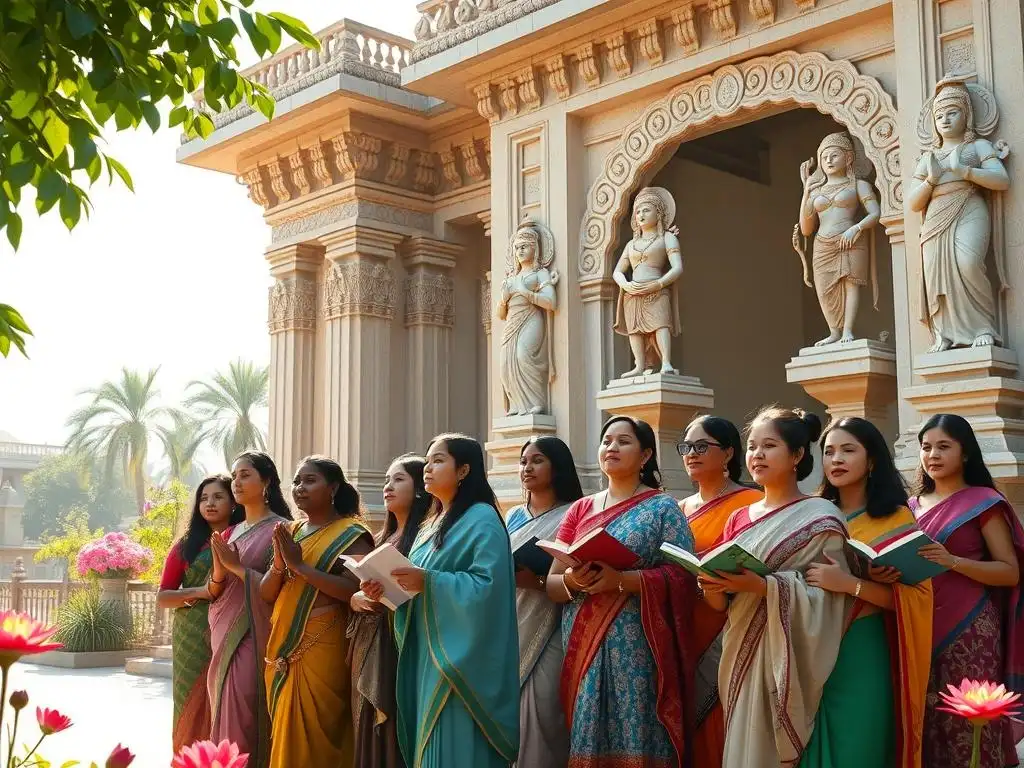
Welcome to Ancient India History, where we embark on a fascinating journey through the rich tapestry of time, uncovering the profound influences of ancient Indian civilizations. In our featured article, “The Influence of Ancient Indian Goddesses on Women’s Rights,” we delve into the powerful legacies of divine femininity that shaped societal norms and inspired generations. How did these revered figures empower women in a patriarchal landscape? Join us as we explore the intertwining narratives of spirituality and social justice, revealing the remarkable contributions of women throughout history. Your adventure into the depths of ancient wisdom begins here!
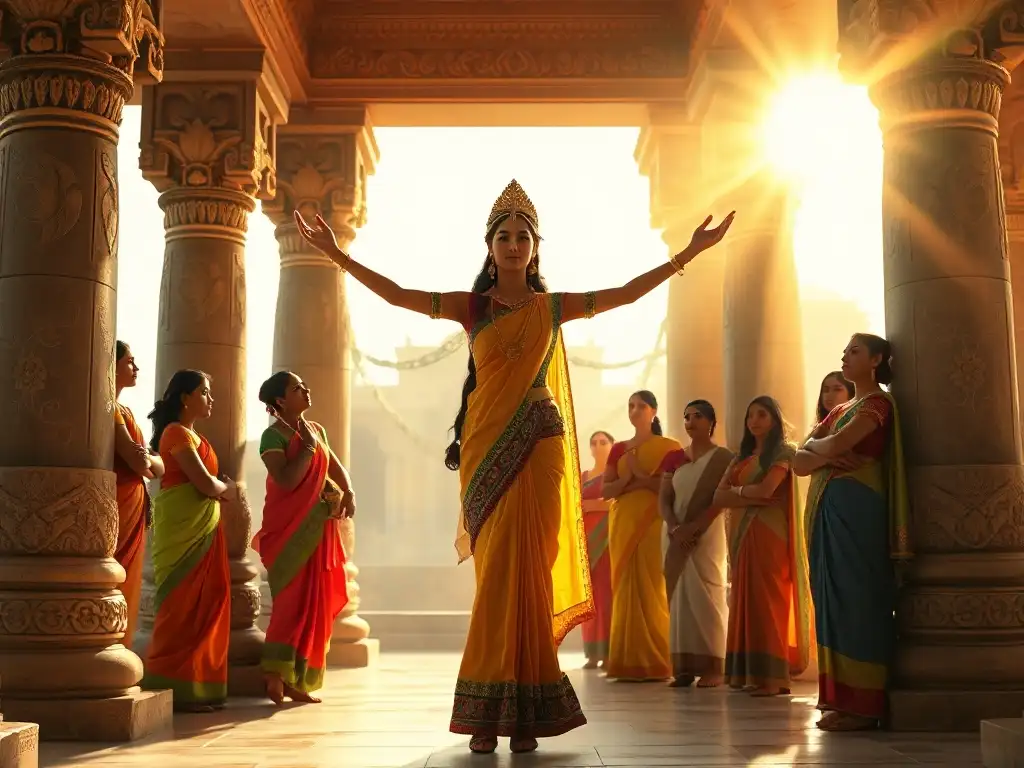
Introduction to Ancient Indian Goddesses and Women's Rights
The rich tapestry of ancient Indian history is intricately woven with the narratives of powerful goddesses who have significantly influenced women's rights and societal roles throughout the ages. Ancient Indian goddesses, revered for their multifaceted attributes, not only symbolize strength and wisdom but also represent the ideals of empowerment and equality.
In a society that often oscillated between patriarchal norms and progressive values, these divine figures played a crucial role in shaping the perception of women and their rights. By examining the influence of goddesses like Durga, Saraswati, and Lakshmi, we can gain insights into how their representations contributed to the advocacy of women's rights and their status in ancient India.
Overview of Ancient Indian Goddesses
Ancient Indian goddesses were not mere figures of worship; they were embodiments of various virtues and ideals that reflected the complexities of women's roles in society. Each goddess was associated with specific attributes and powers, which often aligned with societal needs and aspirations. For instance, Durga, as the warrior goddess, symbolizes strength and the fight against oppression, whereas Saraswati epitomizes knowledge and wisdom. These representations highlight the multifaceted nature of femininity in ancient Indian culture.
- Key Attributes of Ancient Indian Goddesses:
- Durga: Strength, protection, and resilience.
- Saraswati: Knowledge, creativity, and enlightenment.
- Lakshmi: Prosperity, wealth, and abundance.
Through their narratives and worship, these goddesses inspired women to embrace their identities, challenge societal norms, and assert their rights, thus laying the groundwork for the evolution of women's rights in India.
Significance of Women’s Rights in Ancient India
Women in ancient India enjoyed a variety of rights and privileges, depending on the era and region. While some texts indicate a progressive stance towards women's education and property rights, other historical accounts depict a more restrictive environment. The reverence for goddesses often correlated with societal recognition of women's contributions, prompting discussions on equality and respect.
- Rights and Recognitions:
- Property ownership and inheritance rights.
- Access to education and learning.
- Participation in religious and cultural activities.
The acknowledgment of women's rights in ancient texts and practices can be traced back to the influence of goddesses, who were perceived as powerful entities deserving of respect and reverence. This cultural framework contributed to a more nuanced understanding of women's roles in society.
Connection Between Goddesses and Societal Norms
The portrayal of goddesses in ancient texts and sculptures often reflected prevailing societal norms and values. These divine figures were not only venerated but also served as role models for women, encouraging them to aspire for higher ideals. The duality of goddess worship—celebrating both feminine power and nurturing roles—highlighted the complexity of women's identities in ancient Indian society.
- Cultural Reflections:
- Artistic depictions of goddesses in temples and literature.
- Rituals and festivals celebrating feminine divinity.
- Influence on social attitudes towards women's roles and rights.
By exploring the connection between ancient Indian goddesses and societal norms, we can better understand how these divine figures influenced the trajectory of women's rights throughout history.
Major Ancient Indian Goddesses and Their Roles
Durga: The Warrior Goddess and Feminine Empowerment
Durga, often depicted riding a lion or tiger, is celebrated for her fierce combat skills and unwavering courage. She embodies the spirit of feminine empowerment, representing the fight against injustice and oppression. Her narrative, particularly in the context of the Mahishasura Mardini myth, illustrates the triumph of good over evil, symbolizing the strength of women in challenging patriarchal structures.
- Key Aspects:
- Protector of the weak and oppressed.
- Symbol of resilience in adversity.
- Advocate for women's empowerment and rights.
Durga's influence extends beyond mythology; she serves as an inspiration for women to assert their rights and challenge societal constraints, reinforcing the notion that strength and femininity can coexist.
Saraswati: The Goddess of Knowledge and Education
Saraswati, the goddess of knowledge, music, art, and learning, is revered as the source of wisdom and enlightenment. Her association with education has profound implications for women's rights, as she represents the importance of intellectual empowerment and the pursuit of knowledge.
- Key Contributions:
- Encouragement of women's education and literacy.
- Promotion of creativity and artistic expression.
- Influence on cultural and scholarly pursuits.
The veneration of Saraswati underscores the value placed on education for women in ancient Indian society, highlighting how access to knowledge can empower individuals and elevate their societal status.
Lakshmi: The Goddess of Prosperity and Abundance
Lakshmi, the goddess of wealth and prosperity, embodies the ideals of abundance and success. Her worship is deeply intertwined with the notion of well-being, not just in material terms but also in spiritual and social dimensions.
- Influence on Women’s Rights:
- Association with economic independence.
- Encouragement of women's roles in family and society.
- Symbol of nurturing and sustaining prosperity.
Lakshmi's representation in ancient texts emphasizes the importance of women's contributions to family and society, advocating for their recognition and rights in both domestic and public spheres.
By examining the roles of these major goddesses, we can appreciate the complex interplay between divinity, gender, and societal norms that have shaped the discourse on women's rights in ancient India.
The Symbolism of Goddesses in Promoting Women's Rights
The ancient Indian pantheon is rich with goddesses who symbolize various aspects of life, strength, and morality. These deities, such as Durga, Kali, and Saraswati, embody ideals that resonate with women's rights and empowerment. Their narratives often illustrate the strength of women, promoting the idea that women can be powerful, knowledgeable, and righteous.
The portrayal of goddesses in ancient texts also served as a means to validate women's roles in society. For instance, Durga is often depicted as a warrior goddess who triumphs over evil, symbolizing the potential for women to fight against oppression and injustice. This representation fosters a narrative that encourages women to assert their rights and challenge patriarchal constraints.
Moreover, the rituals and festivals dedicated to these goddesses create a cultural space where women's contributions are celebrated, thus reinforcing their importance in society. By understanding the symbolism of these deities, we can see how they have historically supported the notion of women's rights and empowerment.
Representation of Women in Ancient Texts
Ancient Indian scriptures, including the Vedas, Puranas, and epics like the Mahabharata and Ramayana, contain numerous references to women and their roles in society. These texts often depict women as wise, strong, and influential figures, providing a multifaceted view of their status.
For example, in the Mahabharata, characters like Draupadi assert their rights and challenge patriarchal norms, showcasing women's agency. Similarly, the Vedas reference women in various roles, from scholars to leaders, highlighting their contributions to society.
This representation is crucial, as it not only reflects the status of women in ancient times but also serves as a foundation for the ongoing struggle for women's rights. By analyzing these texts, modern scholars can extract valuable insights into the historical context of gender roles and the potential for women's empowerment rooted in ancient narratives.
Goddesses as Role Models for Women’s Empowerment
The depiction of goddesses in ancient Indian culture provides powerful role models for women, encouraging them to embrace their strengths and assert their rights. Goddesses like Saraswati represent knowledge and wisdom, inspiring women to pursue education and intellectual growth.
Kali, on the other hand, embodies the fierce and protective aspects of femininity, symbolizing the strength women can harness in the face of adversity. As role models, these deities empower women to challenge societal norms and fight for their rights, fostering a sense of identity and pride.
In various cultural practices, women invoke these goddesses in rituals and prayers, seeking empowerment and guidance. This connection to divine femininity not only reinforces women's rights but also instills a sense of purpose and resilience among women in contemporary society.
Cultural Narratives Supporting Gender Equality
Cultural narratives surrounding ancient Indian goddesses have historically supported the notion of gender equality. Through myths and legends, these narratives often highlight the collaboration between male and female deities, promoting the idea that both genders hold equal importance in the cosmic order.
For instance, the concept of Ardhanarishvara, a deity depicted as half male and half female, symbolizes the balance between genders and suggests a complementary relationship rather than one of dominance. This portrayal encourages the understanding that women's rights are integral to societal harmony.
Moreover, festivals and celebrations dedicated to goddesses often involve both men and women, creating a unified space that promotes gender equality. These cultural practices serve as reminders of the potential for a society where both genders coexist and thrive together.
Historical Context of Women's Rights in Ancient India
Understanding the historical context of women's rights in ancient India is essential to grasp the influence of goddesses on contemporary gender issues. Women's rights have evolved significantly, shaped by cultural, religious, and social dynamics throughout history.
Women’s Status in Early Indian Civilizations
In early Indian civilizations, women's status varied significantly across different regions and time periods. During the Indus Valley Civilization, evidence suggests that women enjoyed a relatively high status, engaging in trade and possessing property rights.
However, as society progressed, particularly during the Vedic period, patriarchal norms began to take hold, often relegating women to subordinate roles. Despite this, women like Gargi and Maitreyi emerged as scholars and philosophers, indicating that opportunities for women's intellectual engagement persisted.
The status of women continued to evolve, with varying degrees of freedom and restrictions influenced by cultural practices, regional customs, and historical events. Understanding this complex history is vital in assessing the ongoing dialogue about women's rights today.
Legal Rights and Social Status of Women
Throughout ancient Indian history, legal rights for women were often tied to their familial relationships. While women had some rights concerning property and inheritance, these rights were frequently contingent upon their status as wives and mothers.
In the Manusmriti, an ancient legal text, women are acknowledged as having certain rights, such as the right to education and inheritance, albeit limited. However, these rights were often overshadowed by social customs that prioritized male authority.
As society progressed into the Gupta Empire, women saw varied degrees of freedom, with some enjoying opportunities for education and participation in religious practices. Yet, the overarching legal framework often reinforced patriarchal norms, limiting women's autonomy and rights within the social structure.
Influence of Religion and Mythology on Women’s Rights
Religion and mythology have played pivotal roles in shaping women's rights in ancient India. The portrayal of goddesses in Hindu mythology often serves to elevate the status of women, providing them with divine attributes and roles that challenge societal norms.
For instance, the worship of female deities can be seen as a means to assert women's rights and dignity within a patriarchal framework. Rituals and practices surrounding these goddesses create a cultural acknowledgment of women's power and contributions.
Furthermore, various sects and philosophical schools within Indian religions have interpreted women's roles differently, influencing societal attitudes towards gender equality. The ongoing reverence for goddesses and the narratives surrounding them continue to inspire modern movements for women's rights, linking ancient traditions with contemporary aspirations for gender justice.
Case Studies of Goddess Worship and Its Impact on Women
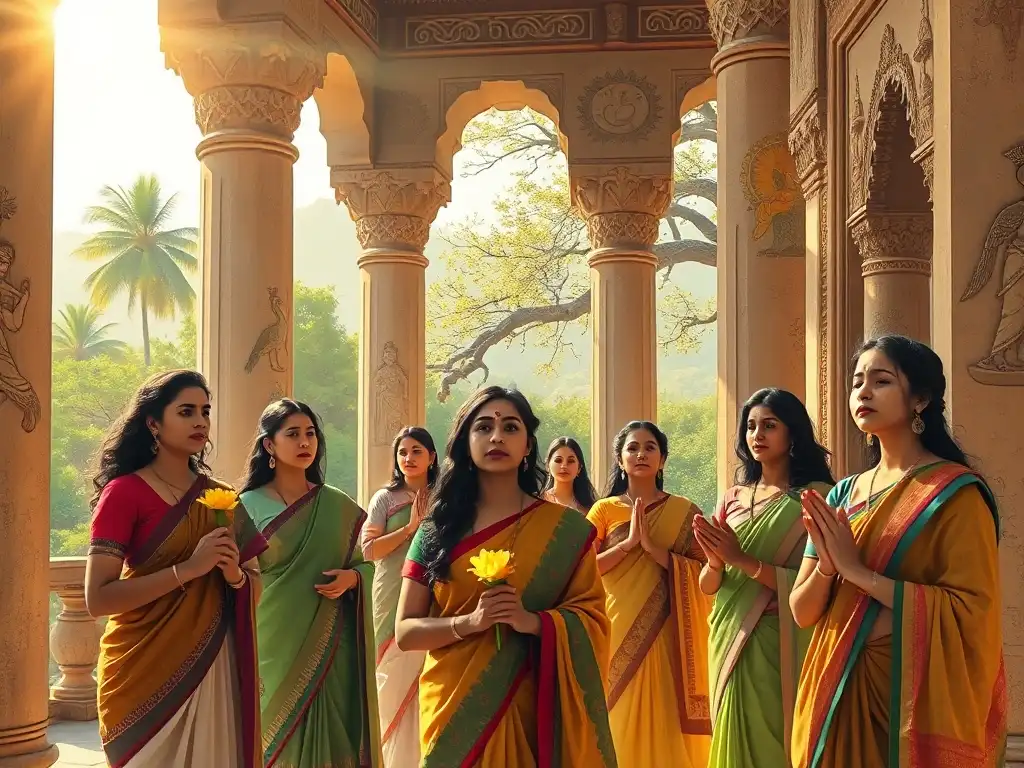
Throughout history, the worship of ancient Indian goddesses has played a significant role in shaping societal attitudes towards women and their rights. By examining specific case studies, we can better understand how these divine representations have influenced women's empowerment, education, and broader societal roles. The festivals dedicated to goddesses such as Durga and Saraswati highlight the cultural reverence for female deities, which, in turn, has implications for women’s rights in contemporary society.
Case Study 1: Durga Puja and Women’s Empowerment
Durga Puja is one of the most celebrated festivals in India, particularly in West Bengal. The festival not only honors Goddess Durga, who symbolizes strength and victory over evil, but also serves as a platform for women's empowerment. Traditionally, the rituals and celebrations surrounding Durga Puja have seen increased participation from women, who have taken on significant roles in organizing events, performing rituals, and leading community initiatives.
The goddess Durga embodies qualities of resilience and courage, inspiring women to challenge societal norms and advocate for their rights. Over the years, the festival has transformed into a vital space where women can express their thoughts, engage in leadership roles, and work collectively towards social change. For many women, this empowerment extends beyond the festival, encouraging them to pursue education and careers, thereby contributing to a broader movement for women's rights in India.
Case Study 2: Saraswati Puja and Educational Advancements for Women
Saraswati Puja, dedicated to the goddess of knowledge, music, and arts, stands as a testament to the importance of education in the empowerment of women. This festival emphasizes the pursuit of knowledge and has historically encouraged families to educate their daughters. The act of worshipping Saraswati is accompanied by rituals that involve the placement of books and musical instruments at the goddess’s feet, symbolizing the aspiration for enlightenment.
In many households, this devotion has translated into a commitment to female education. The celebration of Saraswati Puja has thus not only been a cultural event but also a catalyst for advancing women's roles in academia and the arts. As a result, the festival has contributed to breaking barriers for women in educational institutions, paving the way for future generations to access opportunities that were previously limited.
The Legacy of Ancient Indian Goddesses on Modern Women’s Rights
The legacy of ancient Indian goddesses continues to influence contemporary discussions surrounding women's rights in India. Their representations in mythology and culture provide a framework for understanding gender equality and empowerment. The virtues and strengths associated with these deities have inspired modern movements advocating for women's rights, allowing for a reinterpretation of gender roles within society.
Continuation of Goddess Worship in Contemporary Society
In modern society, the worship of goddesses remains prevalent, with festivals like Durga Puja and Saraswati Puja attracting large crowds and significant participation from women. These celebrations foster a sense of community and solidarity among women, reinforcing their roles within both the family and society. The continued reverence for these deities serves as a reminder of the strength and resilience women possess, encouraging them to strive for equality in various aspects of life.
Modern Interpretations and Revivals of Goddess Worship
Recent movements have sought to revive and reinterpret goddess worship, emphasizing the relevance of ancient female deities in contemporary feminist discourse. Activists and scholars are re-examining the narratives surrounding goddesses, advocating for a more inclusive understanding of femininity that honors both traditional and modern interpretations. This revival has led to increased visibility for women's issues, encouraging discussions about rights, autonomy, and societal roles.
Impact on Current Gender Equality Movements in India
The influence of ancient Indian goddesses on modern women's rights is evident in current gender equality movements across India. By invoking the strengths and qualities of these deities, activists are able to draw upon a rich cultural heritage that resonates with many people. The reverence for goddesses empowers women to claim their rights and serves as a unifying symbol in the fight against gender discrimination. As these movements gain momentum, they continue to challenge societal norms and advocate for policies that promote gender equality, echoing the spirit of the ancient goddesses who inspire them.
Conclusion
The exploration of ancient Indian goddesses reveals a profound relationship with the evolution of women's rights and empowerment throughout history. These deities, often embodying strength, wisdom, and independence, served as cultural symbols that inspired women to assert their rights and play active roles in society. From the revered figures of Durga and Kali, who exemplified power and resilience, to Saraswati, symbolizing knowledge and enlightenment, these goddesses have contributed significantly to shaping the narrative of women's rights in ancient India.
Summary of Key Points on Ancient Indian Goddesses and Women's Rights
- Symbolism of Strength: Goddesses like Durga and Kali were not merely divine beings but representations of female strength and resilience. They inspired women to challenge societal norms and assert their agency.
- Cultural Influence: The stories and rituals surrounding these goddesses provided women with a framework for understanding their roles in society, often elevating them to positions of respect and reverence.
- Legal and Social Rights: Ancient texts and scriptures depicted various rights accorded to women, reflecting the influence of goddesses in advocating for their autonomy, property rights, and participation in spiritual practices.
- Contemporary Relevance: The legacy of these goddesses continues to resonate today, serving as a source of inspiration for modern movements advocating for women's rights and empowerment in India and beyond.
Final Thoughts on the Lasting Influence of Goddesses on Women’s Empowerment
The influence of ancient Indian goddesses transcends time, establishing a cultural foundation that underscores the significance of women in society. Their enduring presence in folklore, literature, and religious practices serves as a reminder of the potential for female empowerment. As we continue to examine and celebrate these divine figures, it becomes essential to recognize their roles not only as religious icons but also as catalysts for social change. The reverence for these goddesses fosters a sense of identity and empowerment among women, encouraging them to reclaim their narratives and advocate for their rights in contemporary society.
References
Recommended Reading on Ancient Indian Goddesses and Women’s Rights
- Women in Ancient India: The Role of Goddesses and Their Influence on Society by [Author Name]
- Goddess Worship in Ancient India: A Study of Feminine Power by [Author Name]
- The Divine Feminine: Goddesses of India by [Author Name]
Notable Texts and Sources on Women’s Roles in Ancient India
- The Vedas: Early texts that provide insights into women's roles and rights in ancient society.
- Manusmriti: A historical legal text that discusses the status and rights of women in ancient India.
- The Mahabharata: An epic that features strong female characters, highlighting their influence and autonomy within the narrative.
- Introduction to Ancient Indian Goddesses and Women's Rights
- Major Ancient Indian Goddesses and Their Roles
- The Symbolism of Goddesses in Promoting Women's Rights
- Historical Context of Women's Rights in Ancient India
- Case Studies of Goddess Worship and Its Impact on Women
- The Legacy of Ancient Indian Goddesses on Modern Women’s Rights
- Conclusion
- References
- What role did ancient Indian goddesses play in society?
- How did the worship of goddesses impact women's rights in ancient India?
- Can we see a connection between goddess worship and modern women's rights movements?
- What are some examples of goddesses that represent women's rights?
- How did the Gupta Empire influence perceptions of women and goddesses?
Frequently Asked Questions
What role did ancient Indian goddesses play in society?
Ancient Indian goddesses were revered as symbols of strength, wisdom, and fertility, significantly influencing the cultural perception of women.
How did the worship of goddesses impact women's rights in ancient India?
The veneration of goddesses often empowered women, allowing them to enjoy certain social freedoms and rights, particularly in familial and spiritual contexts.
Can we see a connection between goddess worship and modern women's rights movements?
Yes, the legacy of goddess worship in ancient India has inspired contemporary movements for women's rights, emphasizing the importance of female empowerment in Indian culture.
What are some examples of goddesses that represent women's rights?
Goddesses like Durga, Lakshmi, and Saraswati embody various aspects of women’s rights, symbolizing justice, prosperity, and knowledge respectively.
How did the Gupta Empire influence perceptions of women and goddesses?
During the Gupta Empire, the idealization of goddesses coexisted with a shift towards more restrictive roles for women, impacting the progression of women's rights in subsequent centuries.
Final Reflection: Empowering Legacies of Ancient Indian Goddesses
The exploration of Ancient Indian goddesses and their profound influence on women's rights reveals a timeless connection between spirituality and social justice. As we navigate the complexities of modern gender equality, the stories of these divine figures remind us that the fight for women's rights is not a new phenomenon; it is deeply rooted in our cultural heritage. The resilience and strength embodied by these goddesses serve as a powerful reminder that the quest for equality is a journey that transcends time and continues to resonate in today's world.
The impact of these ancient narratives is palpable in the ongoing dialogue surrounding women's rights and empowerment. The stories of goddesses like Durga and Kali not only inspire but also challenge societal norms, encouraging women to reclaim their power. As we witness movements advocating for gender equality across the globe, we can draw parallels to the fierce independence and strength exhibited by these deities. The goddess is not a passive figure; she is a force of nature, a symbol of empowerment that urges women to rise against oppression.
This observation underscores the importance of recognizing the cultural legacies that shape our understanding of women's rights today.
As we reflect on the lessons imparted by these ancient goddesses, I invite you to consider how their stories can inspire your own journey toward empowerment and advocacy. Embrace the strength of these divine figures in your life and stand up for the rights of women everywhere. Let their legacies guide you in challenging injustices and fostering a world where every woman can thrive. In doing so, we honor not only the past but also pave the way for a future where equality is not just a dream, but a reality for all.
Empower Your Journey: Celebrate the Legacy of Ancient Indian Goddesses
Thank you for taking the time to explore how ancient Indian goddesses have influenced women's rights throughout history. Your interest in this transformative topic highlights the powerful legacy from which we can draw inspiration. Now, it’s time to take action and further connect with this rich heritage!
Here are some steps you can take to continue your journey:
- Dive Deeper: Research a specific goddess and share your findings with friends or on social media to inspire others.
- Join a Community: Seek out local groups or online forums dedicated to exploring women's rights and history. Engage in discussions that celebrate this powerful legacy.
- Reflect and Advocate: Share your own experiences related to women's rights to amplify your voice and inspire change in your community.
What insights from the ancient goddesses resonate most with you today, and how can you incorporate their teachings into your own advocacy for women's rights?