
Metallurgical Mastery: The Role of Ancient Indian Craftsmen in Technology

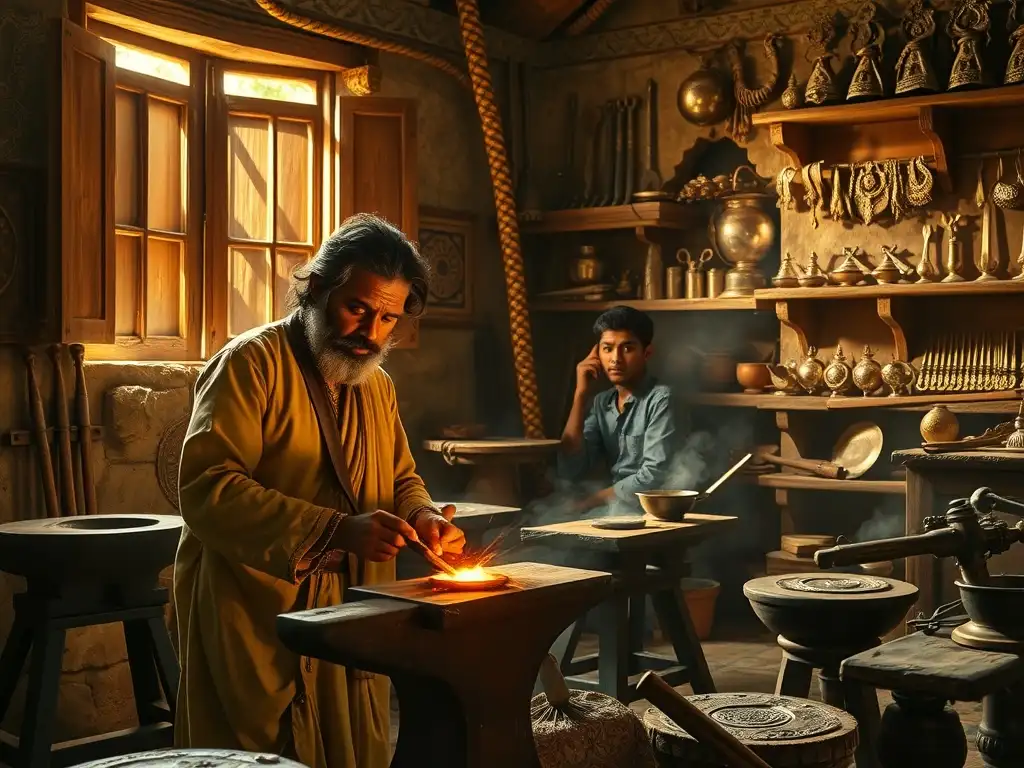
Welcome to Ancient India History, where we embark on a fascinating journey through the rich tapestry of ancient Indian civilizations. Have you ever wondered about the remarkable metallurgical techniques that shaped not only India but also the world? In our featured article, Metallurgical Mastery: The Role of Ancient Indian Craftsmen in Technology, we delve into the innovative practices of ancient artisans and their profound impact on technology. Prepare to uncover the secrets of these skilled craftsmen, and discover how their legacy continues to inspire modern advancements. Join us as we explore the depths of India's historical ingenuity!
The legacy of ancient Indian metallurgy is a testament to the ingenuity and craftsmanship of its civilizations. From the innovative techniques of the Indus Valley Civilization to the advanced metalworking practices of the Gupta Empire, ancient Indian craftsmen played a pivotal role in developing and refining metallurgical techniques that laid the groundwork for future advancements in technology and engineering.
This article delves into the various metallurgical techniques employed by these artisans, examining their methods, materials, and the cultural significance of their contributions. By understanding the depth and breadth of ancient Indian metallurgy, we can appreciate the profound influence these techniques had not only on India but also on the broader tapestry of global technological evolution.
The Indus Valley Civilization: Pioneers of Metallurgy
The Indus Valley Civilization, which flourished from approximately 3300 to 1300 BCE, is renowned for its early advancements in metallurgy. Archaeological findings indicate that the craftsmen of this era were skilled in the extraction and manipulation of metals, particularly copper and bronze.
- Copper Tools and Ornaments: The use of copper for tools and decorative items showcases the civilization's ability to refine and manipulate metals. Artifacts such as axes, knives, and jewelry reflect both functional and aesthetic qualities.
- Bronze Production: The Indus Valley craftsmen were among the first to produce bronze, an alloy of copper and tin. This innovation led to stronger and more durable tools, enhancing agricultural and industrial productivity.
The Mauryan Empire: Advancements and Innovations
Following the Indus Valley, the Mauryan Empire (c. 322-185 BCE) marked a significant era in the evolution of metallurgy in ancient India. Under the reign of Emperor Ashoka, notable advancements in technology were made:
- Iron Production: The Mauryan period saw a shift towards iron metallurgy, with evidence of high-quality iron tools and weapons, which were essential for both warfare and agriculture. The famous iron pillar of Delhi, an enduring symbol of ancient Indian engineering, exemplifies this mastery.
- Metal Alloys: Craftsmen began experimenting with various metal alloys, leading to the development of superior materials that enhanced the durability and functionality of tools and weapons.
The Gupta Empire: The Golden Age of Metallurgy
The Gupta Empire (c. 240-550 CE) is often referred to as the Golden Age of India, during which metallurgy reached new heights. The period is characterized by remarkable technological innovations:
- Advanced Techniques: Gupta craftsmen employed sophisticated techniques such as casting, forging, and alloying, resulting in high-quality metal products. The production of intricate sculptures and coins during this time highlights their artistic and technological prowess.
- Cultural Significance: Metallurgical advancements during the Gupta period were not only technological feats but also held cultural significance, as they were often associated with religious and artistic expressions. The intricate metalwork found in temples and sculptures reflects the spiritual and cultural values of the time.
Conclusion: The Enduring Legacy of Ancient Indian Metallurgy
The mastery of metallurgy in ancient India showcases the remarkable skills and innovations of its craftsmen. Their techniques not only contributed to the technological landscape of their time but also influenced future generations of metalworkers worldwide. As we explore ancient Indian metallurgy techniques, we uncover a rich tapestry of knowledge, creativity, and cultural significance that continues to inspire and inform modern practices in metallurgy and material science today.
- The Indus Valley Civilization: Pioneers of Metallurgy
- The Mauryan Empire: Advancements and Innovations
- The Gupta Empire: The Golden Age of Metallurgy
- Conclusion: The Enduring Legacy of Ancient Indian Metallurgy
- What were the primary metallurgy techniques used in ancient India?
- How did ancient Indian metallurgy contribute to technology?
- What role did the Indus Valley Civilization play in metallurgy?
- Can you name some notable ancient Indian metallurgical artifacts?
- How did ancient Indian metallurgical practices influence later civilizations?
Introduction to Ancient Indian Metallurgy Techniques
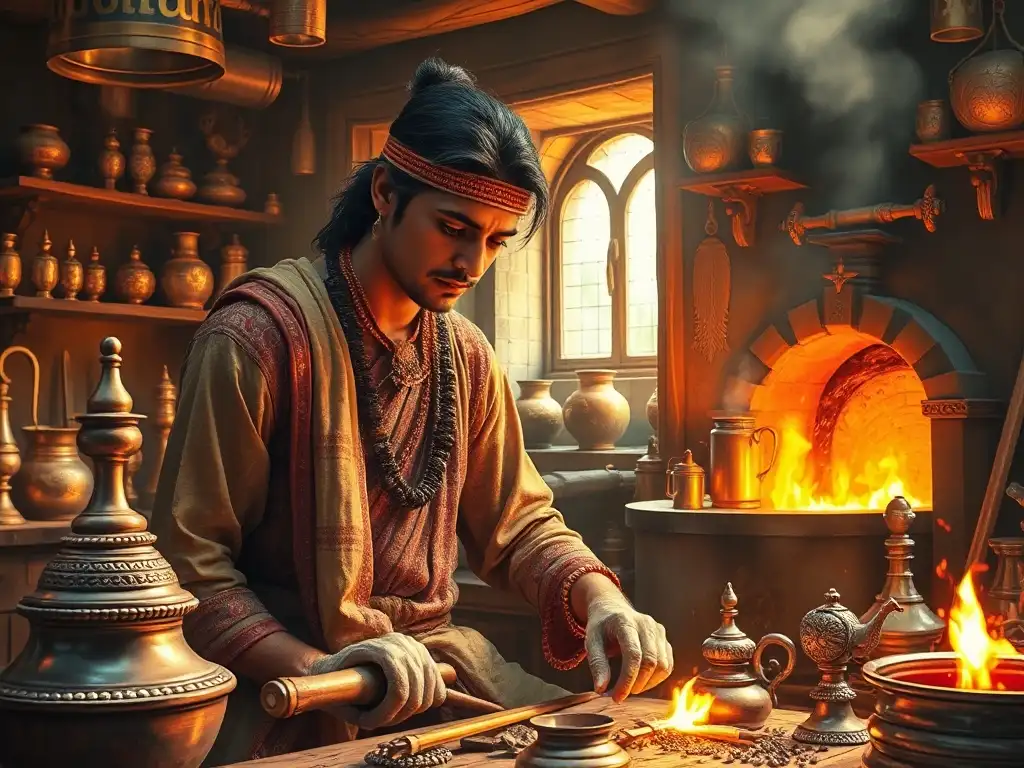
Ancient Indian metallurgy techniques represent a fascinating chapter in the history of technology, revealing the ingenuity and advanced understanding that Indian craftsmen achieved in manipulating metals. This rich tradition not only produced exquisite artifacts but also laid the groundwork for numerous applications in daily life, trade, and warfare. The evolution of metallurgy in ancient India provides valuable insights into the technological prowess of its civilizations and their contributions to the global heritage of material science.
Overview of Ancient Indian Metallurgy
The practice of metallurgy in ancient India can be traced back to the Indus Valley Civilization (approximately 3300–1300 BCE), where evidence of copper, bronze, and even early iron production has been found. The metallurgical techniques evolved over the centuries, showcasing a variety of methods and innovations:
- Metallurgical Techniques:
- Smelting: The extraction of metals from ores using high-temperature furnaces, which were often fueled by charcoal.
- Alloying: The combination of different metals to enhance properties, such as creating bronze by mixing copper and tin.
- Casting: The process of pouring molten metal into molds to create desired shapes and intricate designs.
- Key Artifacts:
- Copper Tools: Utilized for agriculture and crafts, these tools highlight the sophistication of early Indian metallurgy.
- Bronze Statues: Notable examples include the famous dancing girl of Mohenjo-Daro, which demonstrates advanced casting techniques.
- Iron Pillar of Delhi: Dating back to the 4th century CE, this monument showcases exceptional resistance to corrosion, illustrating the high-quality iron produced by ancient Indian metallurgists.
The diverse range of materials and techniques employed by craftsmen indicates a deep understanding of the properties of metals and their applications.
Importance of Metallurgy in Ancient Indian Civilizations
Metallurgy played a crucial role in shaping the socio-economic landscape of ancient Indian civilizations. The advancements in metallurgy facilitated various aspects of life, contributing significantly to:
- Economic Development:
- Trade: The production of high-quality metal goods enabled extensive trade networks, both within India and with neighboring regions. Artifacts such as coins and metal tools were highly sought after in trade.
- Agriculture: The creation of metal tools improved agricultural productivity, allowing for more efficient farming practices and contributing to food security.
- Cultural Significance:
- Art and Craftsmanship: Metallurgical techniques led to the creation of stunning artworks, jewelry, and ritual objects, reflecting the cultural values and beliefs of ancient societies.
- Technological Innovation: The knowledge gained through metallurgy spurred further innovations in other fields, such as architecture and warfare, where metal weapons provided significant advantages.
- Military Applications:
- Weaponry: The development of strong and durable metal weapons significantly impacted warfare strategies, enhancing the military capabilities of various kingdoms.
The intricate relationship between metallurgy and the growth of ancient Indian civilizations underscores its importance in shaping not only economic and cultural practices but also the technological advancements that characterized the era. As we delve deeper into the specifics of ancient Indian metallurgy techniques, we gain a greater appreciation for the craftsmanship and innovation that flourished in this remarkable historical context.
Historical Context of Metallurgical Innovations in India
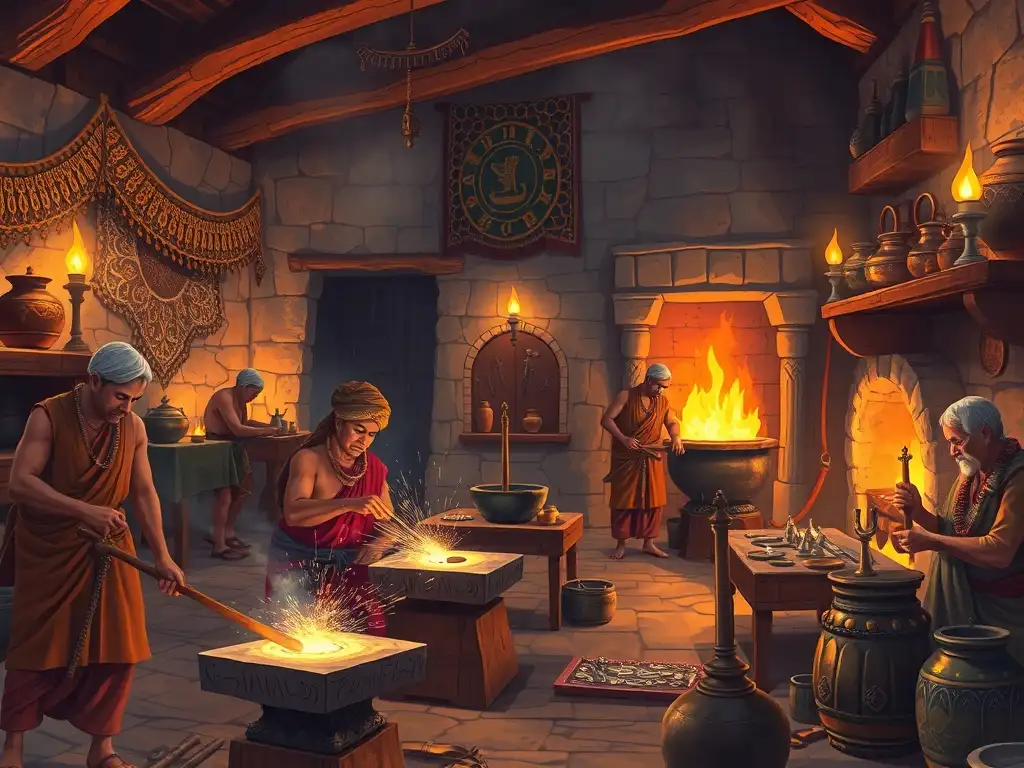
The Indus Valley Civilization and Early Metallurgy
The Indus Valley Civilization, flourishing between 3300 and 1300 BCE, is often credited with some of the earliest advancements in metallurgy in ancient India. Archaeological sites like Harappa and Mohenjo-Daro reveal a sophisticated understanding of metalworking, particularly with copper, bronze, and lead. These craftsmen employed smelting and casting techniques that laid the groundwork for future metallurgical practices.
- Metals Used: The primary metals utilized included:
- Copper: Used for tools, weapons, and ornaments.
- Bronze: An alloy of copper and tin, which was employed to create more durable tools and artifacts.
- Lead: Used primarily in weights and as a glaze in pottery.
The manufacturing process involved casting metal into molds, a technique that enabled the production of intricate shapes and designs. The discovery of a figurine of a dancing girl made from bronze highlights the artistic and technological achievements of this period.
Quote: "The Indus Valley craftsmen demonstrated an early mastery of metallurgy that influenced subsequent civilizations."
The Vedic Period: Advancements in Metalworking
Transitioning into the Vedic period (approximately 1500 to 500 BCE), ancient Indian metallurgy witnessed significant advancements. The knowledge of metals expanded, with iron becoming increasingly important. This era is marked by the introduction of iron smelting techniques, which vastly improved tool-making and agricultural productivity.
- Iron Usage: The Vedic texts, such as the Rigveda, contain references to iron, often referred to as "ayas." This period saw:
- Iron tools: Used for agriculture, enhancing food production.
- Weapons: Iron swords and arrows became prevalent, contributing to military advancements.
The artisans of this time not only improved the quality of metals but also began to incorporate decorative techniques like gilding and inlay, showcasing their craftsmanship and artistic vision.
The Maurya and Gupta Empires: Flourishing of Metallurgical Arts
The Maurya (321-185 BCE) and Gupta (c. 240-550 CE) Empires are often regarded as the golden age of ancient Indian metallurgy. The extensive trade routes and cultural exchanges during these periods led to remarkable innovations and the refinement of previous techniques.
- Innovations: Key developments included:
- Wootz Steel: Renowned for its quality, Wootz steel was produced using a unique method of melting iron with carbon-rich materials, resulting in a strong and flexible product. This steel gained international acclaim, influencing metallurgy in other cultures, particularly in the Middle East.
- Coins and Currency: The introduction of metal coins during this time marked a significant advancement in trade. The Gupta coins were often made of gold and silver, and their intricate designs represented the peak of metallurgical artistry.
The Gupta period also saw the creation of the iron pillar of Delhi, an extraordinary feat of engineering that remains rust-free despite being over 1,600 years old. This pillar exemplifies the advanced knowledge ancient Indian metallurgists had in producing durable materials.
Quote: "The mastery of metallurgy during the Mauryan and Gupta empires not only defined ancient Indian craftsmanship but also influenced global metallurgy."
Ancient Indian metallurgy techniques evolved significantly from the Indus Valley Civilization through to the Gupta Empire, showcasing a remarkable blend of practical applications and artistic expression. These innovations not only shaped the technological landscape of the time but also laid the foundation for future advancements in metallurgy across the globe.
Key Ancient Indian Metallurgy Techniques
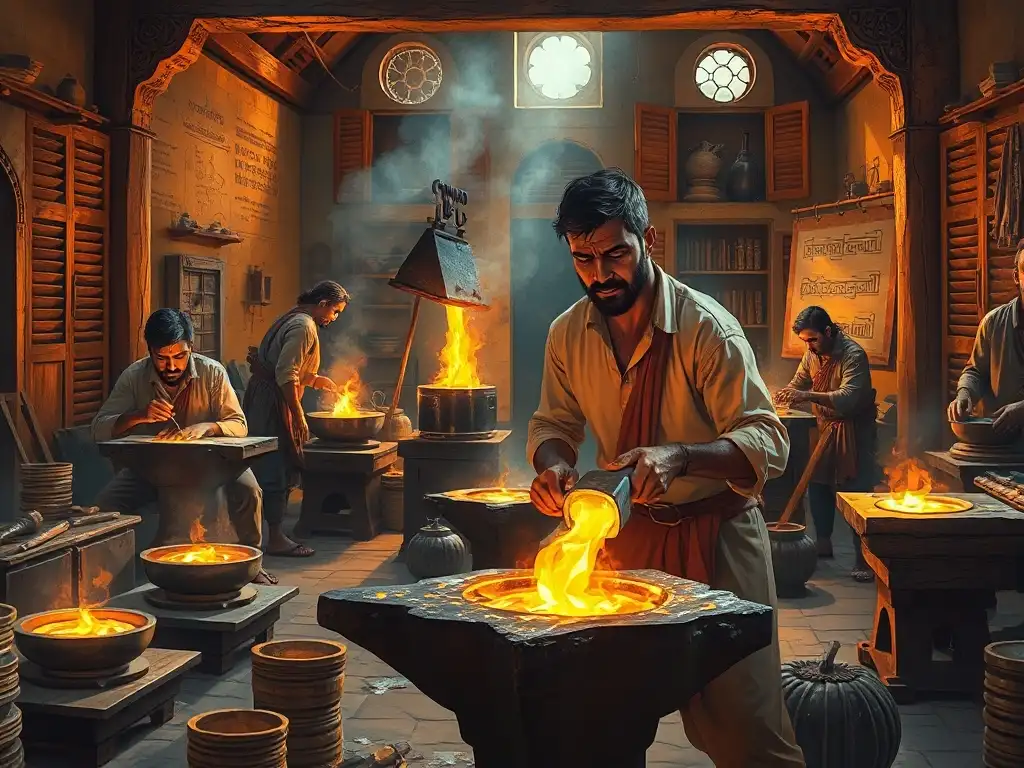
Techniques in Copper and Bronze Working
Ancient Indian metallurgy techniques were distinguished by a sophisticated understanding of metal properties and the innovative application of these materials. Among the earliest metallurgical practices in India were those involving copper and bronze, which date back to the Indus Valley Civilization (circa 3300-1300 BCE). These techniques laid the foundation for subsequent advancements in metallurgy.
- Copper Production:
- The extraction of copper from its ores was primarily achieved through smelting, which involved heating the ore in the presence of charcoal. This process not only extracted metal but also allowed craftsmen to purify copper, enhancing its quality.
- Artifacts such as tools, ornaments, and utensils from this era demonstrate the casting techniques employed. Molds made from clay or stone facilitated the creation of intricate shapes, reflecting the artisans' skill.
- Bronze Alloys:
- The alloying of copper with tin produced bronze, a material that revolutionized tools and weapons. The lost-wax casting method was commonly used, allowing for highly detailed and complex designs. This technique involved creating a wax model covered in clay; once heated, the wax melted away, leaving a mold for bronze casting.
- The adoption of bronze contributed to advancements in agriculture, warfare, and domestic life, showcasing the versatility of ancient Indian craftsmen.
Iron Smelting and the Production of Wootz Steel
The mastery of iron metallurgy marked a significant leap in ancient Indian technology, particularly with the development of Wootz steel. This high-quality steel, renowned for its durability and sharpness, originated around the 3rd century BCE.
- Iron Smelting Techniques:
- Indian metallurgists utilized bloomeries—furnaces that operated at high temperatures to extract iron from ore. The process involved a combination of iron ore, charcoal, and flux, which was heated to produce wrought iron.
- The innovative use of high-carbon steel was particularly notable. By controlling the carbon content during the smelting process, craftsmen were able to produce steel with unique properties, laying the groundwork for future advancements.
- Wootz Steel Production:
- The production of Wootz steel involved a unique method where iron was combined with specific forms of carbon in a sealed crucible, resulting in a homogenous material with superior qualities.
- The distinctive patterns visible in Wootz steel, often described as "damasked," were the result of the controlled cooling and forging processes. This remarkable steel became highly sought after, not only in India but also in markets across the Middle East and beyond, influencing global steel production techniques.
Gold and Silver Craftsmanship: Techniques and Tools
Gold and silver metallurgy in ancient India showcased the exquisite craftsmanship of artisans, contributing to India's reputation as a center of precious metal work. The techniques developed during this period reflect a profound understanding of metallurgy and aesthetics.
- Goldsmithing Techniques:
- Ancient Indian goldsmiths employed techniques such as granulation, where tiny gold beads were fused onto a gold surface, creating intricate patterns. This method not only added texture but also enhanced the visual appeal of jewelry.
- The filigree technique, characterized by delicate threads of gold twisted into elaborate designs, was another hallmark of ancient Indian craftsmanship. This technique required exceptional skill and precision, as artisans manipulated fine wires to create stunning pieces.
- Silver Working:
- Silver metallurgy involved similar techniques, with artisans creating utensils, jewelry, and decorative items. The use of repoussé, a technique where designs were hammered into metal sheets, allowed for the creation of detailed relief work.
- Tools such as chisels, hammers, and specialized molds were essential for both gold and silver crafting, enabling artisans to produce a wide range of items that served both functional and ornamental purposes.
The legacy of ancient Indian metallurgy techniques continues to be celebrated for their innovation and artistry, highlighting the remarkable achievements of craftsmen in shaping the materials that defined their civilization.
The Role of Craftsmen in Advancing Metallurgical Practices
The advancement of metallurgical practices in ancient India can largely be attributed to the skilled craftsmen who dedicated their lives to mastering the art of metalworking. These artisans played a pivotal role in the evolution of various metallurgy techniques, leading to innovations that would have lasting impacts on technology and culture. Their expertise in handling metals such as copper, bronze, iron, and later steel, was not only crucial for the everyday tools and weapons of the time but also for the creation of intricate art pieces and religious artifacts.
Training and Skills of Ancient Indian Metallurgical Craftsmen
The training of ancient Indian metallurgical craftsmen was a rigorous process that often began at a young age. Young apprentices would learn the trade by working under the guidance of experienced artisans within their families or local communities. This hands-on training was complemented by a deep understanding of the properties of different metals and the various techniques required to manipulate them.
Key Skills Acquired by Craftsmen:
- Smelting Techniques: Mastery in the smelting of ores, where they developed methods to extract metals from their ores using furnaces that reached high temperatures.
- Alloying Knowledge: Understanding the art of alloying, such as the creation of bronze by combining copper and tin, which provided superior hardness and durability compared to pure copper.
- Shaping Methods: Skills in various shaping methods, including forging, casting, and engraving, allowing for the production of everything from everyday tools to elaborate sculptures.
- Heat Treatment: Knowledge of heat treatment processes to enhance the mechanical properties of metals, ensuring that tools and weapons were not only functional but also resilient.
These skills collectively contributed to the refinement of ancient Indian metallurgy techniques, setting the foundation for future developments in material science.
The social structure surrounding metalworking in ancient India was centered around communities and guilds, which played a significant role in the advancement of metallurgy. These communities were often organized into guilds known as "shrenis," where craftsmen collaborated and shared knowledge.
Characteristics of Metalworking Guilds:
- Collective Knowledge: Guilds functioned as repositories of knowledge, where techniques, secrets, and innovations were passed down through generations, ensuring that the skills of ancient Indian metallurgy were preserved and enhanced.
- Quality Control: The guilds established standards for quality, ensuring that metal products met certain criteria before being sold or distributed. This led to a reputation for excellence in craftsmanship.
- Support Systems: Members of the guilds provided support in terms of resources and labor, facilitating large-scale projects such as temple constructions, where intricate metalwork was essential.
- Economic Impact: The economic structure of these guilds fostered trade relationships, allowing craftsmen to exchange materials and techniques, further enriching the metallurgical practices in ancient India.
Innovations Introduced by Craftsmen in Ancient India
Ancient Indian craftsmen were not merely users of existing techniques; they were innovators who contributed significantly to the field of metallurgy. Their creativity led to various inventions and methods that advanced the craft and had lasting impacts on technology.
Notable Innovations:
- Wootz Steel: Perhaps one of the most famous achievements was the development of Wootz steel, known for its remarkable quality and ability to be honed to a sharp edge. This steel was sought after globally, leading to the establishment of trade routes.
- Damascus Steel: The techniques used to produce Damascus steel, characterized by its distinctive patterns, were influenced by ancient Indian methods, showcasing the cross-cultural exchange of metallurgical knowledge.
- Advanced Casting Techniques: Innovations in casting allowed for the creation of large metal sculptures, such as the famous 1000-year-old bronze statue of the Nataraja, which exemplifies the high level of artistry and technical skill achieved by craftsmen.
- Gold and Silver Work: The techniques for metallurgy extended to precious metals, with craftsmen developing intricate methods for gold and silver jewelry, which were not only visually stunning but also symbolized social status.
The contributions of ancient Indian craftsmen to metallurgy are a testament to their ingenuity and skill. Their innovations and techniques have shaped the foundations of modern metallurgical practices and provide a rich legacy that continues to influence artisans and engineers today.
Comparisons with Other Ancient Civilizations
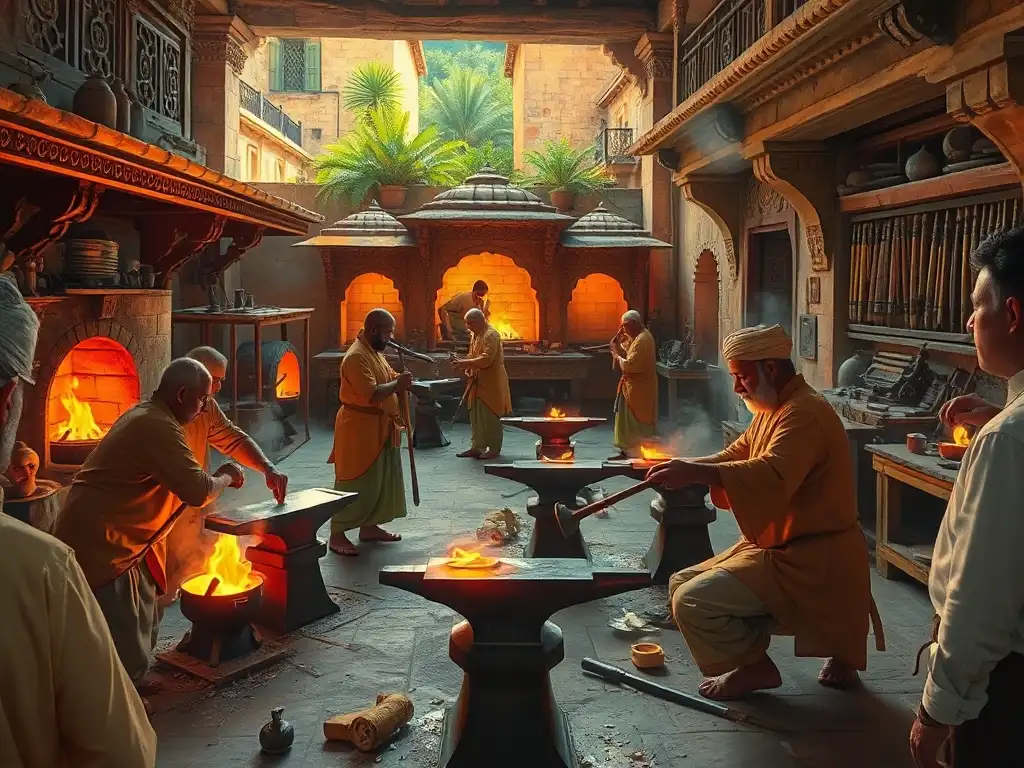
Comparing Ancient Indian Metallurgy Techniques with Chinese Practices
Ancient Indian metallurgy techniques were remarkable in their own right, and when compared to contemporary practices in China, several distinctions and similarities emerge. Both civilizations were pioneers in the field of metallurgy, yet their methodologies and outcomes varied significantly.
- Material Selection:
- India: Ancient Indian craftsmen primarily used copper, bronze, and later iron, with a focus on achieving specific properties through alloying. For instance, the use of tin with copper to produce bronze was prevalent.
- China: The Chinese also utilized bronze extensively but developed a broader array of alloys. They experimented with lead and zinc, which led to distinctive bronze types, such as the well-known bronze of the Shang Dynasty.
- Techniques and Tools:
- India: Techniques like lost-wax casting were prominent, allowing artisans to create intricate shapes and designs. This method was particularly evident in the production of statues and jewelry. The famous Nataraja statue from Chola period exemplifies this artistry.
- China: The Chinese utilized both lost-wax casting and clay molds, which allowed for mass production of bronze items, including weapons and ceremonial vessels. The Mingtang technique was especially notable for its precision in crafting complex shapes.
- Cultural Significance:
- India: Metallurgy in India was deeply intertwined with religious and cultural expressions. Artifacts often carried symbolic meanings, indicating a blend of functionality and spirituality.
- China: In contrast, Chinese metallurgy was often driven by military and agricultural needs, reflecting a more utilitarian approach towards metalworking.
- Historical Timeline:
- India: The emergence of metallurgy in India is traced back to the Indus Valley civilization (circa 3300–1300 BCE), where advanced techniques were already in practice.
- China: Chinese metallurgy, particularly bronze work, is predominantly recognized during the Shang Dynasty (circa 1600–1046 BCE), showcasing a parallel yet distinct evolution.
Influence of Ancient Indian Metallurgy on Global Techniques
The advancements in ancient Indian metallurgy played a significant role in shaping global techniques, influencing not only neighboring regions but also far-off cultures. Here are some key areas of influence:
- Spread of Techniques:
- The knowledge of metallurgy from India spread along trade routes, particularly the Silk Road. Indian craftsmen shared their expertise in alloying and casting with cultures in Central Asia and the Middle East.
- For example, the technique of producing high-quality steel, known as Wootz steel, became highly sought after in places like Persia and later in Europe.
- Artistic Contributions:
- Indian metalwork, particularly in terms of decorative arts, inspired various cultures. The intricate designs and aesthetic values were adopted and adapted by artisans in regions like Southeast Asia.
- The influence is evident in the bronze sculptures of Southeast Asian Hindu-Buddhist temples, which reflect Indian artistry.
- Technological Innovations:
- Techniques such as metal embossing and inlay work developed in ancient India influenced metalworking practices in various cultures. The application of these techniques in weaponry and tools allowed for advancements in both military and daily life.
- The knowledge of alloying from ancient Indian metallurgy influenced the development of superior metal tools in various cultures, enhancing agricultural productivity.
- Cultural Exchange:
- The interactions between Indian and Persian empires facilitated the exchange of metallurgical knowledge. The famed Persian swords, often made from Indian steel, became symbols of quality and craftsmanship across the ancient world.
- This exchange also contributed to the evolution of metallurgy in Europe, particularly during the medieval period, as Indian techniques were absorbed and transformed by European artisans.
Ancient Indian metallurgy techniques not only showcased a sophisticated understanding of materials and methods but also set the stage for significant developments in metallurgy worldwide. Their legacy continues to influence modern metallurgical practices and cultural expressions.
The Impact of Ancient Indian Metallurgy on Technology
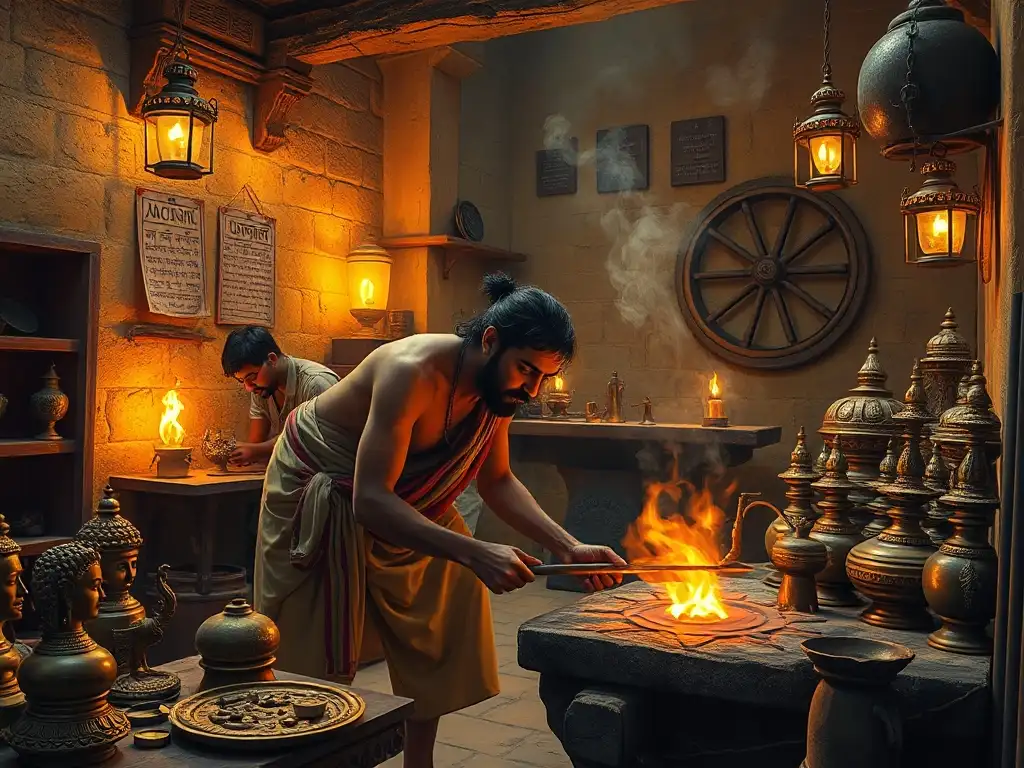
The advancements in metallurgy during ancient India significantly influenced various sectors, including weaponry, architecture, and trade. The legacy of ancient Indian metallurgy techniques has left an indelible mark on the technological landscape, showcasing the ingenuity and craftsmanship of Indian artisans.
Contributions to Weaponry and Tools
Ancient Indian craftsmen excelled in metallurgy, particularly in the production of weapons and tools. The use of high-quality metals such as copper, bronze, and iron was pivotal in creating instruments that were not only effective but also durable.
- Iron Weaponry: The transition from bronze to iron during the early centuries marked a revolution in weapon manufacturing. Iron weapons, such as swords and spears, offered superior strength and sharpness. For instance, the famous Wootz steel, developed in South India, was renowned for its toughness and ability to hold a sharp edge, making it highly sought after in trade.
- Tools for Agriculture: Tools such as plows, sickles, and axes were crafted with precision, significantly enhancing agricultural productivity. The introduction of iron plows allowed for deeper tilling of the soil, which boosted crop yields, contributing to the agrarian economy of ancient India.
- Technological Innovations: Techniques such as forging, tempering, and carburizing were employed to enhance the properties of metals. These methods laid the groundwork for future advancements in metallurgy, influencing both local and global metalworking practices.
Influence on Architecture and Sculpture
The mastery of metallurgy also played a crucial role in the realms of architecture and sculpture during ancient Indian civilizations.
- Construction Materials: The use of metals in the construction of temples and public buildings was not just for aesthetic purposes but also for structural integrity. Copper and bronze were often utilized in the creation of intricate temple domes and roofs, showcasing the artisans' ability to combine beauty with functionality.
- Sculptural Artistry: The production of bronze sculptures, particularly during the Chola dynasty, exemplified the high level of skill in metal casting. The famous Brahma and Vishnu statues are prime examples of the detailed craftsmanship that characterized ancient Indian sculptures, achieved through sophisticated lost-wax casting techniques.
- Architectural Innovations: The use of metal fittings, brackets, and other architectural elements allowed for more complex designs in ancient structures. Innovations in metallurgy enabled builders to create intricate carvings and decorations that adorned temples and monuments, enhancing their visual appeal.
The Trade of Metal Goods and Its Economic Impact
The trade in metal goods was a significant driver of economic activity in ancient India, profoundly impacting both local and regional economies.
- Trade Networks: Ancient India was part of extensive trade networks that spanned Asia and beyond. The export of high-quality metal goods, including tools, weapons, and jewelry, contributed to India’s wealth and cultural exchange. For example, the trade routes connecting India to regions such as Persia and the Mediterranean facilitated the movement of not just goods but also ideas and technologies.
- Economic Prosperity: The flourishing trade in metallurgy not only enriched artisans but also stimulated local economies. The demand for metal goods led to the establishment of specialized workshops and guilds, fostering a community of skilled craftsmen and contributing to urban development.
- Cultural Exchange: Through trade, ancient Indian metallurgy techniques influenced other civilizations, leading to the diffusion of knowledge and skills. This exchange played a crucial role in the development of metallurgy in neighboring regions, highlighting the interconnectedness of ancient societies.
The impact of ancient Indian metallurgy techniques on technology is profound and multifaceted. From weaponry and tools to architectural innovations and economic trade, the contributions of skilled craftsmen have shaped not only India's history but also the broader narrative of technological advancement across civilizations.
Preservation and Legacy of Ancient Indian Metallurgical Techniques
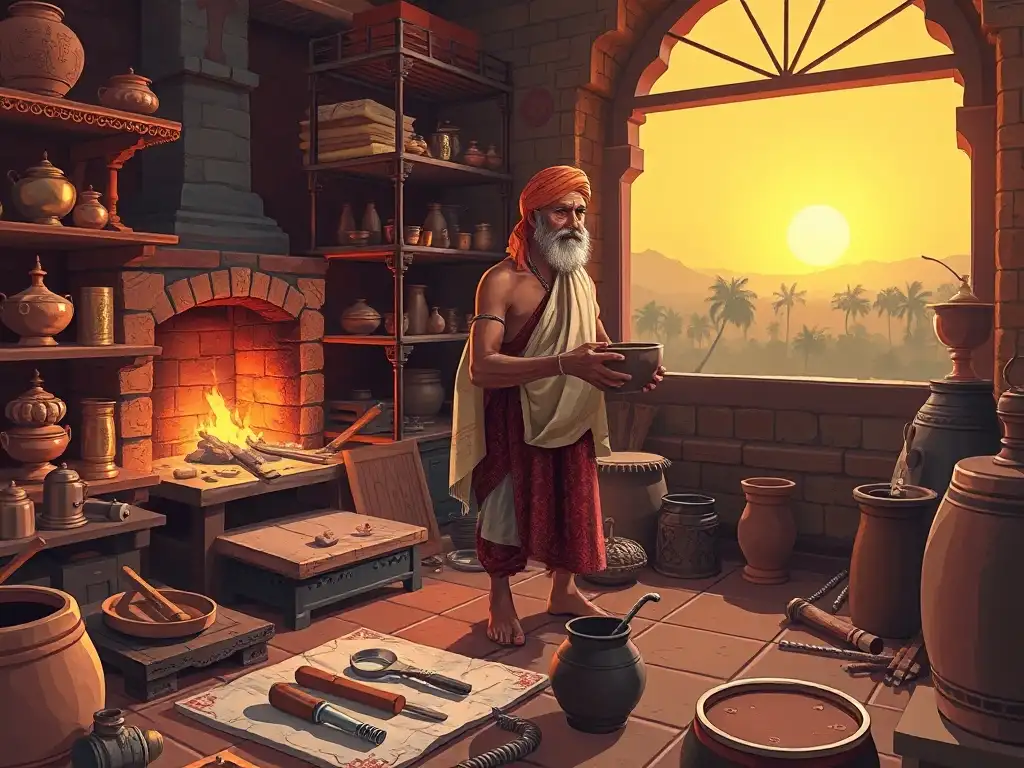
Archaeological Findings and Their Significance
The archaeological landscape of ancient India is rich with evidence showcasing the sophistication of ancient Indian metallurgy techniques. Excavations at sites such as Harappa and Mohenjo-Daro, part of the Indus Valley Civilization, reveal advanced practices in metalworking that included the use of copper, bronze, and even iron.
Key findings include:
- Copper Tools and Artifacts: Numerous copper tools, ornaments, and weapons have been unearthed, indicating a high level of craftsmanship. These artifacts demonstrate not only the technical skills of the artisans but also the cultural significance of metallurgy in daily life and trade.
- Bronze Statues: One of the most notable discoveries is the dancing girl statue from Mohenjo-Daro, a remarkable example of bronze casting using the lost-wax technique. This method allowed for intricate designs and a level of detail that was unprecedented at the time.
- Iron Artifacts: Evidence of iron metallurgy has been found dating back to around 1200 BCE, with tools and weapons indicating a shift in technological capabilities. The Iron Pillar of Delhi, which stands rust-free despite being over 1,600 years old, exemplifies the advanced knowledge of alloying and corrosion resistance.
The significance of these findings extends beyond mere artifacts; they provide insights into trade routes, cultural exchanges, and the social structures of ancient Indian societies. The mastery of metallurgy contributed to agricultural advancements, military prowess, and artistic expression, laying the groundwork for future innovations.
Modern Applications of Ancient Metallurgical Techniques
The techniques honed by ancient Indian craftsmen have left a lasting legacy, influencing modern metallurgy in various ways. Contemporary metallurgists and material scientists are increasingly recognizing the value of these ancient practices for current applications.
- Alloy Development: Ancient Indian methods of alloying, particularly in bronze and steel production, are studied for their unique properties. The Wootz steel, known for its high carbon content and durability, is being revisited by modern metallurgists to develop stronger, lightweight materials for applications in aerospace and automotive industries.
- Sustainable Practices: The traditional methods employed by ancient artisans were often sustainable and eco-friendly. Techniques like bloomery smelting, used for iron production, required less energy and produced fewer emissions compared to modern blast furnaces. This aspect is gaining traction in today's eco-conscious material science community.
- Cultural Preservation in Technology: The integration of ancient techniques into modern practices fosters a deeper understanding of material properties and can inspire innovative designs in art, architecture, and product development. By blending traditional craftsmanship with modern technology, artisans are creating unique products that honor historical methods while meeting contemporary needs.
Reviving Ancient Crafts: The Role of Contemporary Artisans
In recent years, there has been a renaissance of interest in ancient Indian metallurgy techniques, driven by a desire to preserve cultural heritage and adapt these methods for modern use. Contemporary artisans are stepping up to revive and innovate upon traditional practices, ensuring that these skills are not lost to time.
- Workshops and Training Programs: Various organizations and institutions are conducting workshops aimed at teaching ancient techniques to new generations of craftsmen. Through hands-on training, young artisans learn the intricacies of traditional metallurgy, from casting to forging.
- Collaboration with Engineers and Designers: Contemporary artisans are collaborating with engineers and designers to create products that blend ancient aesthetics with modern functionality. This fusion results in unique items, such as jewelry and decorative pieces that utilize ancient techniques while appealing to contemporary markets.
- Cultural Festivals and Exhibitions: Events celebrating traditional crafts provide platforms for artisans to showcase their work, share knowledge, and connect with a broader audience. These venues not only generate interest but also foster a sense of community among craftsmen, encouraging the sharing of techniques and innovations.
The revival of ancient Indian metallurgy techniques is not merely a nostalgic return to the past but a dynamic process that enriches contemporary practices and contributes to a sustainable future. The legacy of ancient craftsmen lives on through the dedication of modern artisans, ensuring that these remarkable techniques continue to inspire and innovate.
Conclusion: The Enduring Legacy of Ancient Indian Craftsmen in Metallurgy
Summary of Key Contributions to Technology
Ancient Indian metallurgy techniques are a testament to the remarkable ingenuity and craftsmanship of Indian artisans throughout history. From the early days of the Indus Valley Civilization, where evidence of copper and bronze use can be traced back to around 3300 BCE, to the advanced ironworking techniques seen during the Gupta Empire, the contributions of these craftsmen have been pivotal in the advancement of technology.
- Copper and Bronze Artifacts: The use of copper and bronze in tools, weapons, and decorative items marked the beginning of metallurgy in India. Artifacts such as the famous dancing girl statue from Mohenjo-Daro exemplify the artistic and technical skills of the time.
- Iron Smelting Innovations: One of the standout achievements of ancient Indian metallurgy was the development of high-quality iron. The Wootz steel, renowned for its strength, was produced using advanced smelting techniques that involved refining iron ore with high levels of carbon. This led to the creation of superior swords and tools that were highly sought after in both local and international markets.
- Metallurgical Texts: Ancient texts like the Arthashastra and Rasaratnasamuccaya delve into the principles of metallurgy, showcasing a sophisticated understanding of material properties and processing methods. These writings not only document techniques but also reflect the philosophical and scientific inquiries of the time.
The legacy of these techniques extends beyond mere craftsmanship; it laid the foundation for various technological advancements in materials science that are still relevant today.
Final Thoughts on the Importance of Studying Ancient Indian Metallurgy Techniques
Studying ancient Indian metallurgy techniques is crucial for several reasons. Firstly, it highlights the rich history of technological innovation in India, demonstrating that ancient civilizations were not only centers of culture and philosophy but also of advanced science and engineering.
- Cultural Heritage: Understanding these techniques helps preserve the cultural heritage of India, allowing modern society to appreciate the skills and knowledge that have been passed down through generations.
- Inspiration for Modern Technology: By studying the methods and materials used by ancient craftsmen, modern engineers and scientists can draw inspiration for sustainable practices and innovative solutions in metallurgy. For instance, the principles of carbon content in metal alloys can inform contemporary steel production methods.
- Global Influence: Ancient Indian metallurgy techniques influenced global trade routes and exchange networks. The export of Wootz steel contributed to the development of metallurgical practices in other cultures, underscoring India's role in the global context of technological exchange.
The exploration of ancient Indian metallurgy techniques not only enriches our understanding of the past but also provides valuable insights for current and future advancements in material science and technology. The enduring legacy of these craftsmen continues to inspire and inform our modern world.
Frequently Asked Questions
What were the primary metallurgy techniques used in ancient India?
Ancient Indian craftsmen utilized advanced techniques like smelting, casting, and alloying to create various metals, particularly iron, bronze, and copper.
How did ancient Indian metallurgy contribute to technology?
The innovations in metallurgical techniques led to the development of tools, weapons, and artifacts, significantly enhancing both daily life and military capabilities in ancient societies.
What role did the Indus Valley Civilization play in metallurgy?
The Indus Valley Civilization was known for its early use of metallurgy, particularly in crafting intricate bronze tools and seals, showcasing their sophisticated skills in metalworking.
Can you name some notable ancient Indian metallurgical artifacts?
Notable artifacts include the Iron Pillar of Delhi, which demonstrates corrosion resistance, and various bronze sculptures from the Gupta period, reflecting artistic and technical mastery.
How did ancient Indian metallurgical practices influence later civilizations?
Ancient Indian metallurgy laid the groundwork for subsequent technologies, influencing regions such as Southeast Asia and the Middle East, where Indian techniques were adapted and integrated into their own practices.
Final Reflection: The Enduring Legacy of Ancient Indian Metallurgy
The exploration of ancient Indian metallurgy techniques reveals not only the remarkable skills of craftsmen but also their profound impact on technology and culture that resonates even today. As we delve into the intricate methods and innovations of these artisans, we uncover a narrative that underscores the importance of preserving traditional knowledge in an era dominated by rapid technological advancement. The mastery of these ancient techniques serves as a testament to human ingenuity and adaptability, reminding us that the foundations of modern technology are often built upon the wisdom of the past.
The influence of ancient Indian metallurgical practices extends far beyond historical significance; it continues to shape our cultural and social landscape. These techniques not only reflect the technological prowess of their time but also embody a rich tapestry of cultural identity and heritage. As we witness a resurgence of interest in sustainable practices and artisanal craftsmanship, the teachings of these ancient craftsmen become increasingly relevant. The past is not dead; it is living in us, and we are its heirs.
This quote encapsulates the essence of how we can draw inspiration from our history to inform our present and future.
As we reflect on the lessons imparted by ancient Indian metallurgy, I invite you to consider how you can incorporate these principles into your own life. Whether it’s embracing sustainable practices, valuing craftsmanship, or seeking to understand the historical context of the technologies we use today, there is much to learn from the past. Let us honor the legacy of these skilled artisans by fostering a deeper appreciation for the craftsmanship that surrounds us and by striving to integrate their timeless wisdom into our modern lives.
Unveil the Secrets of Ancient Metallurgy!
Thank you for taking the time to explore the incredible legacy of ancient Indian craftsmen in metallurgy! You've gained valuable insights into their innovative techniques and contributions to technology. Now, it's your turn to dive deeper and connect with this fascinating history.
Here are some inspiring actions to consider:
- Explore local museums or online exhibits featuring artifacts from ancient metallurgy. Discover these treasures first-hand or virtually and experience the richness of this heritage!
- Participate in a workshop or class focused on traditional metalworking techniques. Join the conversation and help keep these age-old skills alive!
- Share this knowledge with friends and family. Discuss how ancient skills continue to influence modern technology and spark their curiosity about history!
What do you find to be the most captivating aspect of ancient Indian metallurgy that deserves more attention today?