
The Role of Festivals and Public Celebrations in Mauryan Politics

Welcome to Ancient India History, where we embark on a captivating journey through the rich tapestry of ancient Indian civilizations. Here, we delve into the intricate interplay between culture and governance, shedding light on the fascinating topic of Mauryan festivals and politics. Did you know that these vibrant celebrations were not just occasions for joy, but powerful tools for political maneuvering? Join us as we uncover how the grandeur of festivals shaped the socio-political landscape of the Mauryan Empire, inviting you to explore deeper into the legacy of this remarkable era. Your adventure into the past begins now!
- Introduction to Mauryan Festivals and Politics
- Historical Context of Festivals in the Mauryan Empire
- The Interconnection between Festivals and Political Power
- Case Studies of Specific Festivals and Their Political Implications
- Societal Impact of Festivals on Mauryan Politics
- Conclusion: The Lasting Influence of Festivals on Mauryan Political Structure
-
Frequently Asked Questions
- What were the main festivals celebrated during the Mauryan Empire?
- How did festivals influence Mauryan politics?
- Were there any specific festivals associated with the Mauryan rulers?
- How did public celebrations affect the Mauryan society?
- What was the significance of the Mauryan festivals in terms of cultural identity?
- Final Reflection: The Enduring Legacy of Mauryan Festivals in Politics
- Embrace the Spirit of Celebration in Politics!
Introduction to Mauryan Festivals and Politics
The Maurya Empire, one of the most significant and expansive empires in ancient Indian history, played a crucial role in shaping the political landscape of its time. Festivals and public celebrations were not merely social events; they served as powerful tools for political consolidation and societal cohesion.
Understanding Mauryan festivals and politics provides insight into how rulers like Chandragupta Maurya and Ashoka the Great utilized these occasions to strengthen their authority, promote unity among diverse populations, and foster a sense of identity among their subjects. This article delves into the intricate relationship between festivals and the political mechanisms of the Maurya Empire, highlighting their importance in the empire's governance and cultural life.
Overview of the Maurya Empire
The Maurya Empire (c. 322–185 BCE) was established by Chandragupta Maurya after the fall of the Nanda Dynasty. It marked the first time that a significant portion of the Indian subcontinent was unified under a centralized authority. The empire reached its zenith under Ashoka, who is remembered not only for his military conquests but also for his profound commitment to promoting the values of Buddhism and non-violence.
Key features of the Maurya Empire include:
- Territorial Expansion: At its height, the empire extended from present-day Afghanistan in the west to Bangladesh in the east, and parts of southern India.
- Centralized Administration: The Mauryan government was characterized by a complex bureaucratic system that facilitated efficient governance across vast territories.
- Cultural Flourishing: The period saw significant advancements in art, architecture, and literature, with notable contributions such as the Ashoka Edicts and stupas.
The Maurya Empire's political structure heavily relied on public engagement, and festivals played a pivotal role in this interaction between the state and its citizens.
Significance of Festivals in Ancient Indian Society
Festivals in ancient India were not merely occasions for merriment; they were deeply embedded in the social, religious, and political fabric of society. In the context of the Mauryan Empire, festivals served several critical functions:
- Cultural Identity: Festivals helped foster a sense of belonging among the diverse populations of the empire. They celebrated local customs, religious practices, and seasonal changes, creating a shared cultural identity.
- Political Legitimacy: Rulers used festivals to legitimize their authority. By sponsoring grand celebrations, emperors showcased their divine right to rule and their benevolence towards their subjects.
- Social Cohesion: Public celebrations acted as a unifying force. They brought together individuals from various social strata, promoting harmony and reducing social tensions.
- Religious Significance: Many festivals were linked to religious practices, which played a crucial role in the lives of the people. Rulers often aligned their policies with religious sentiments to gain popular support.
Through a combination of these factors, festivals in the Mauryan Empire not only enriched the cultural landscape but also reinforced political structures, demonstrating the intricate interplay between celebration and governance in ancient India.
Historical Context of Festivals in the Mauryan Empire
The Mauryan Empire, which flourished from 322 to 185 BCE, was one of the largest and most influential empires in ancient India. Festivals during this period played a crucial role in shaping the political landscape, as they were not just occasions for celebration but also vehicles for reinforcing state power and social cohesion. The Mauryan rulers, particularly Chandragupta Maurya and his grandson Ashoka, understood the significance of festivals in fostering loyalty among subjects and solidifying their authority.
Origins of Festivals in Mauryan Culture
Festivals in the Mauryan Empire can be traced back to a blend of indigenous traditions and the influence of various regional cultures. The roots of these celebrations often lay in agricultural cycles, religious observances, and community gatherings. Aspects that contributed to the origins of festivals during this period include:
- Agricultural Significance: Many festivals were tied to the agricultural calendar. For instance, the harvest season brought communities together to celebrate the bounty of the earth. These gatherings served to reinforce communal ties and gratitude towards deities associated with fertility and abundance.
- Religious Practices: The Mauryan period saw the rise of various religious traditions, including Buddhism and Jainism, alongside Vedic practices. Festivals often incorporated rituals and ceremonies that honored deities, which were crucial for maintaining the religious fabric of society. For example, Ashoka, a staunch supporter of Buddhism, promoted festivals aligned with Buddhist teachings, showcasing the intersection of religion and statecraft.
- Cultural Syncretism: The Mauryan Empire encompassed diverse cultures and ethnicities, leading to a rich tapestry of festivals that reflected this diversity. Local customs and traditions often merged with broader imperial ideals, resulting in unique celebrations that appealed to a wide audience.
These origins illustrate how festivals were embedded in the everyday lives of Mauryans, serving not only as moments of joy and unity but also as platforms for political expression and identity.
Key Festivals Celebrated during the Maurya Period
The Mauryan Empire witnessed several key festivals that played significant roles in both cultural expression and political strategy. Some of the most notable festivals include:
- Ashoka's Dhamma Festivals: Under Ashoka's reign, festivals celebrating Dhamma (moral law) became prominent. These festivals were not merely religious but also political, reinforcing his commitment to non-violence and compassion. Through these events, Ashoka aimed to unify his subjects under a shared moral framework, promoting peace and societal harmony.
- Harvest Festivals: Celebrated across the empire, these festivals marked the end of the agricultural season. They involved communal feasting, rituals to thank the earth for its bounty, and public displays of gratitude. Such celebrations were crucial for maintaining the loyalty of agrarian communities, ensuring their support for the central authority.
- Religious Observances and Pilgrimages: Festivals that involved pilgrimages to sacred sites were also common. These gatherings not only served religious purposes but also provided opportunities for political leaders to showcase their power and generosity. By sponsoring such events, rulers could enhance their legitimacy and foster goodwill among the populace.
- Cultural Performances and Arts: Festivals often included performances of music, dance, and drama, reflecting the artistic achievements of the time. These cultural expressions were not only entertainment but also served to propagate the values and narratives promoted by the ruling elite, further intertwining culture with politics.
Festivals in the Mauryan Empire were multifaceted events that transcended mere celebration. They served as essential tools for political communication, social cohesion, and the promotion of cultural identity, all of which were integral to understanding the dynamics of Mauryan politics and society.
The Interconnection between Festivals and Political Power
The relationship between festivals and political power in the Mauryan Empire was not merely ceremonial; it was a deeply woven fabric that reinforced the authority of the ruling class and the legitimacy of their governance. Festivals served as a strategic tool through which the Mauryan rulers could consolidate their power, promote social cohesion, and manifest their divine right to rule.
Festivals as a Tool for Political Legitimacy
Festivals in the Mauryan Empire played a critical role in establishing and maintaining political legitimacy. They were elaborate events that not only celebrated cultural and religious heritage but also showcased the might and benevolence of the rulers. The following points illustrate how festivals served as a tool for political legitimacy:
- Public Display of Wealth and Resources: Festivals were grand affairs, often funded by the state. Rulers would display their wealth through extravagant decorations, food, and entertainment, demonstrating their capability to govern effectively and generously. This public display cultivated a perception of strength and stability.
- Divine Association: The Mauryan emperors often aligned themselves with deities during festivals, emphasizing their position as chosen rulers. By participating in or presiding over religious ceremonies, they reinforced the idea that their authority was divinely sanctioned. This connection was crucial in a society where religion deeply influenced daily life.
- Social Unity and Order: Festivals brought together diverse groups within the vast Mauryan Empire, fostering a sense of unity among subjects. By promoting a shared cultural identity, rulers could mitigate local dissent and reinforce their control over disparate regions. The communal aspect of these celebrations helped to create an environment of loyalty and obedience.
- Political Messaging: Festivals served as platforms for the dissemination of political messages. Through rituals, speeches, and performances, rulers could communicate their ideals and policies. This was especially important during times of political instability or transition, as festivals could serve to rally support and strengthen public confidence in the government.
The Mauryan rulers leveraged festivals not just for legitimacy, but also as a means to promote and enhance their royal authority. The multifaceted role of festivals in this context can be outlined as follows:
- Cultural Reinforcement: Festivals often celebrated the cultural achievements of the empire, such as art, literature, and philosophy. By sponsoring and endorsing these events, rulers could position themselves as patrons of the arts, further solidifying their role as cultural leaders and enhancing their authority.
- Public Engagement and Participation: The inclusive nature of festivals allowed for direct engagement between the rulers and the populace. By participating in festivals, emperors could cultivate a personal connection with their subjects, fostering loyalty and support. This direct interaction served to humanize the rulers and make them more relatable to the common people.
- Symbolism of Power: Festivals often included symbolic acts, such as the royal procession or the distribution of alms. These acts were designed to visually represent the power dynamics at play, with the ruler at the center. Such symbolism reinforced the hierarchy within the society, reminding subjects of their place under the royal authority.
- Legislative Announcements: Important announcements regarding laws, policies, or reforms were sometimes made during festivals. This method of communication ensured that messages reached a wide audience, while also framing new initiatives as part of the festive spirit, thereby increasing public acceptance.
The interplay between festivals and politics in the Mauryan Empire illustrates a sophisticated understanding of governance. By utilizing festivals as a tool for political legitimacy and a means to promote royal authority, the Mauryan rulers effectively navigated the complexities of their diverse empire, ensuring stability and cohesion during their reign.
Case Studies of Specific Festivals and Their Political Implications
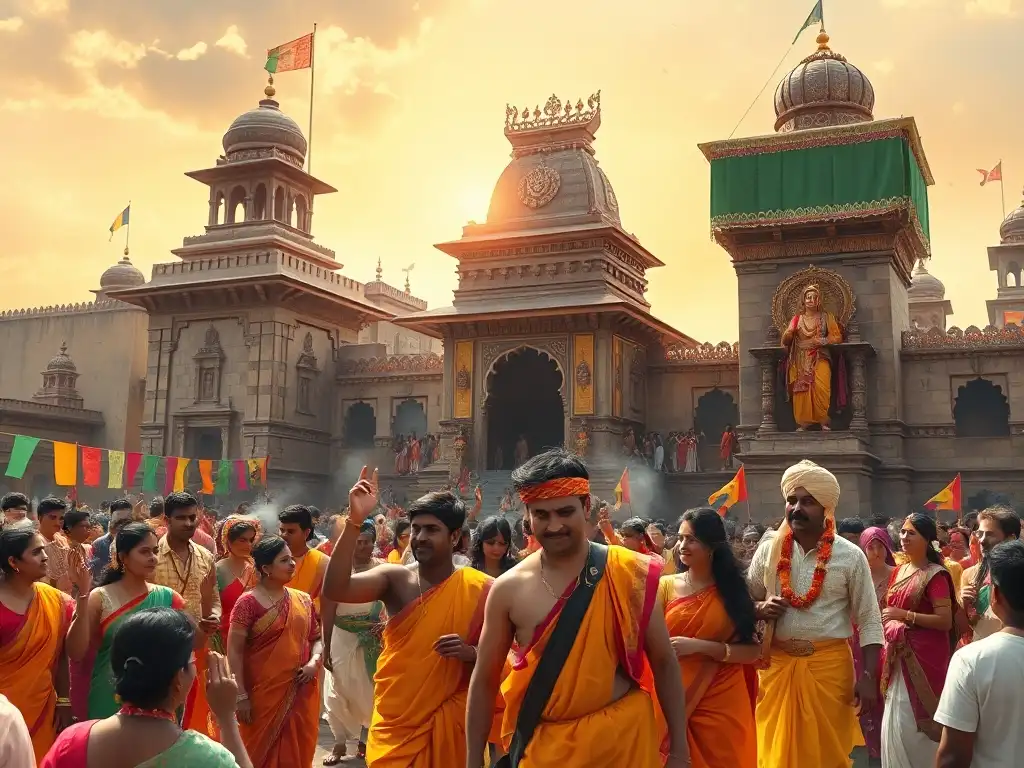
Ashoka's Edicts and Public Celebrations
The Mauryan Emperor Ashoka, one of the most prominent figures in Indian history, utilized festivals as a means of reinforcing his political ideology and moral governance. Following his conversion to Buddhism, Ashoka's edicts emphasized compassion, tolerance, and social welfare, which were integral to his administration. These edicts were not just proclamations; they were often disseminated during public celebrations, which served a dual purpose: to communicate his policies and to strengthen his connection with the populace.
The Integration of Edicts into Festivals
Ashoka cleverly incorporated his edicts into major public celebrations, which were attended by thousands. For instance, during the celebration of the Buddha Purnima, Ashoka would have his officials recite his edicts, promoting values such as non-violence and respect for all living beings. This was not merely a ritualistic practice; it was an effective tool for political communication. By associating his governance principles with widely respected religious occasions, Ashoka ensured that his messages reached a broad audience.
- Example of Edict Communication:
- Edict 1: Promotes the idea of Dhamma (moral law).
- Celebration: Buddha Purnima, where followers gather to celebrate Buddha’s enlightenment.
Furthermore, the festivals served as an opportunity for Ashoka to showcase his commitment to public welfare projects, such as the construction of wells and the planting of trees, which he often highlighted during these gatherings. This strategy fostered a sense of loyalty and gratitude among his subjects, reinforcing the legitimacy of his rule.
The Role of Religious Festivals in Political Alliances
Religious festivals in the Mauryan Empire played a crucial role in the formation and maintenance of political alliances. These celebrations acted as platforms for leaders and communities to showcase their unity, strength, and shared values. By participating in or sponsoring festivals, rulers could not only solidify their power but also foster diplomatic relationships with neighboring states and local chieftains.
Festivals as Diplomatic Tools
The celebration of major festivals, such as the Chhath Puja or Maha Shivaratri, were strategically used to bring together diverse factions within the empire. These festivals transcended regional boundaries, allowing for the interaction of various communities, which was essential for maintaining the vast Mauryan Empire.
- Key Benefits of Festivals:
- Promotion of Unity: Festivals encouraged communal participation, fostering a sense of belonging among diverse groups.
- Diplomatic Engagement: Leaders could negotiate peace or alliances during these gatherings, creating opportunities for collaboration.
The Mauryan political structure heavily relied on these public celebrations to negotiate power dynamics. For example, during the Ashvamedha Yajna, a horse sacrifice ritual that symbolized sovereignty, the presence of allied rulers and local leaders was crucial. Their participation signified recognition of the emperor's authority and the strength of the alliances formed through shared religious practices.
The careful orchestration of festivals not only reflected the cultural richness of the Mauryan Empire but also served as a powerful mechanism for political maneuvering. As a result, these celebrations were integral to both the governance and the political landscape of ancient India, showcasing the intricate interplay between Mauryan festivals and politics.
Societal Impact of Festivals on Mauryan Politics
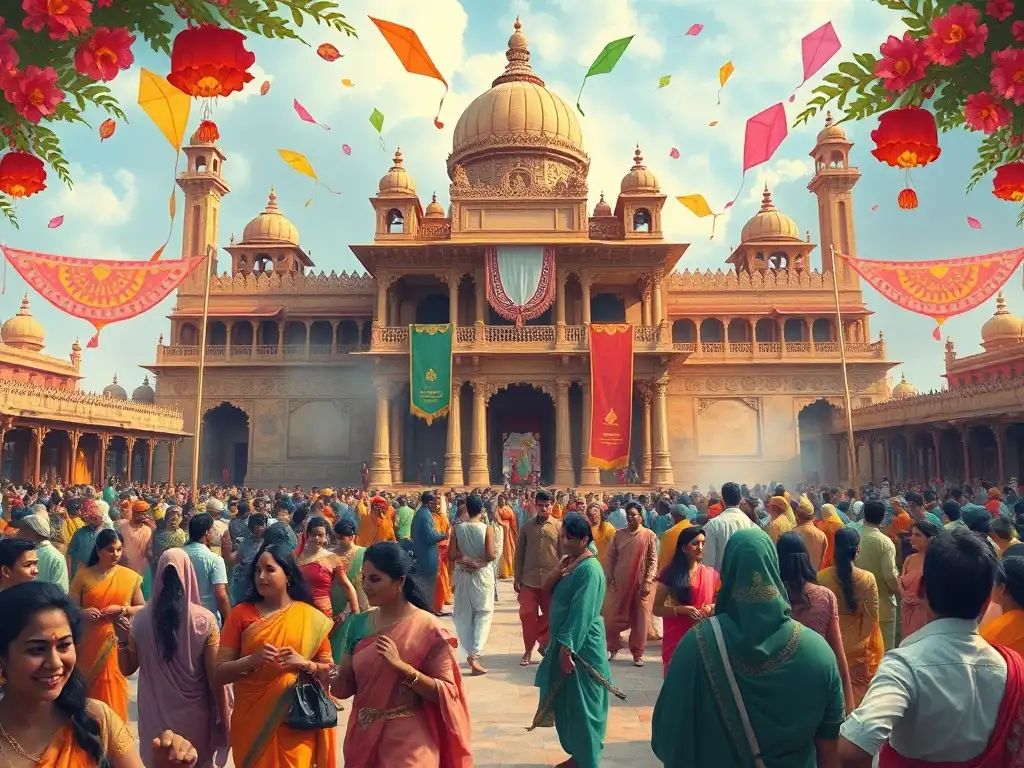
The Maurya Empire, known for its political sophistication and administrative prowess, also utilized festivals as a pivotal tool for governance and social unity. Festivals in this era were not merely cultural expressions but were deeply interwoven with the political fabric of the society. The interplay between Mauryan festivals and politics can be observed in how these celebrations influenced public perception of leadership and fostered social cohesion.
Influence of Festivals on Public Perception of Leaders
Festivals served as an essential platform for rulers to showcase their authority and benevolence. During significant celebrations, emperors like Ashoka would engage directly with their subjects, reinforcing their image as benevolent leaders. Public appearances at festivals provided an opportunity for emperors to:
- Demonstrate Commitment: By participating in religious ceremonies and public feasts, leaders showcased their dedication to the cultural and spiritual life of their people. This visibility was crucial in solidifying their legitimacy.
- Promote Political Ideals: Festivals often featured themes that aligned with the rulers' political philosophies. For instance, Ashoka’s promotion of Dharma (moral law) during public celebrations highlighted his commitment to ethical governance. This strategic alignment of festival themes with political messaging helped shape public perception positively.
- Foster Loyalty: Leaders who actively participated in festivals could cultivate loyalty among their subjects. The shared experience of celebration fostered a sense of belonging and community, enhancing the ruler's image as a protector and provider.
This influence is reflected in the historical accounts where festivals acted as a litmus test for public sentiment. Leaders who failed to engage effectively during these celebrations risked losing their popularity and support.
Mauryan festivals played a significant role in fostering social cohesion, helping to bridge the divides between various social strata and communities within the empire. This unifying aspect of festivals was vital for political mobilization. Key factors include:
- Inclusivity and Participation: Festivals invited participation from all classes, from the elite to commoners. This inclusivity reinforced a collective identity among diverse groups, which was essential for the stability of the empire. Leaders often used these gatherings to distribute resources, thereby reinforcing social ties and loyalty.
- Cultural Exchange: Festivals facilitated cultural exchange among the various regions of the Maurya Empire. This interaction not only enriched local traditions but also reinforced a sense of belonging to a larger political entity. Such cultural coherence was vital for a vast empire with diverse populations.
- Mobilization for Political Goals: Festivals were strategically used to mobilize people for political purposes, such as military campaigns or administrative reforms. By framing these events within a larger narrative of national pride and duty, leaders could effectively rally support for their initiatives.
The strategic utilization of festivals as a means of social cohesion and political mobilization demonstrates how ancient Indian leaders understood the power of shared cultural experiences. The ability to unite people through celebrations not only reinforced the ruler's authority but also fostered a resilient and interconnected society.
The role of festivals in Mauryan politics was multifaceted, influencing public perception, fostering social cohesion, and serving as a tool for political mobilization. The legacy of these practices continues to shape our understanding of governance in ancient Indian civilizations.
Conclusion: The Lasting Influence of Festivals on Mauryan Political Structure
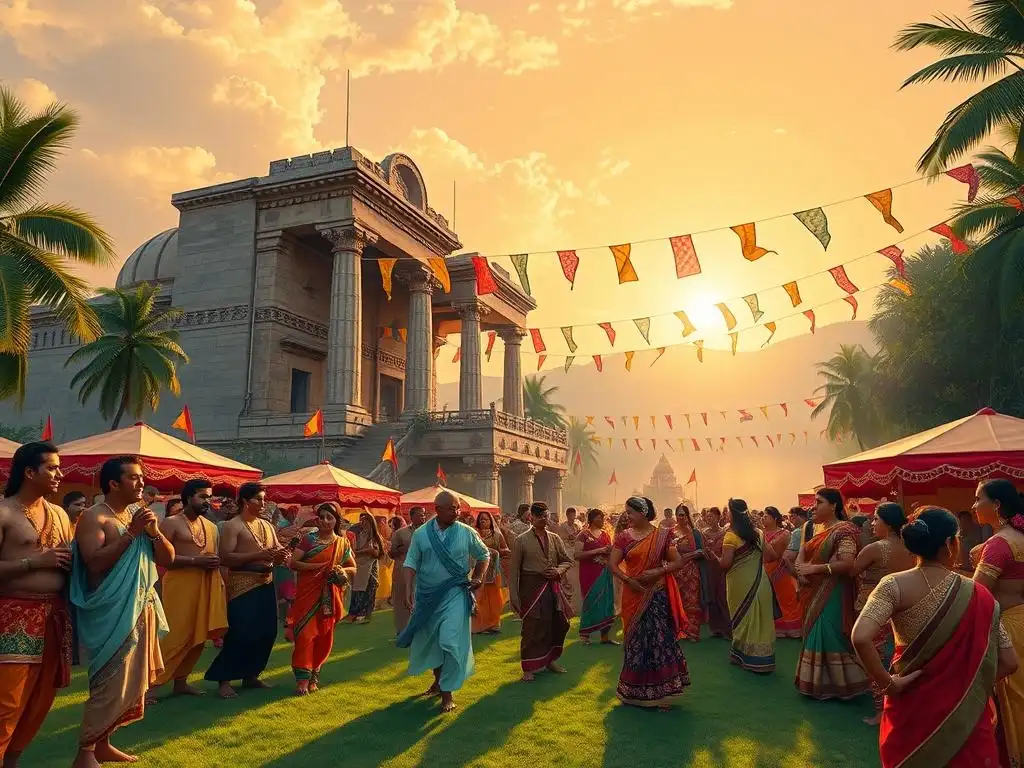
Summary of Key Points
The role of festivals and public celebrations in the Mauryan Empire was multifaceted, serving as a crucial tool for political cohesion and social control. Key points regarding this influence include:
- Festivals as Political Tools: Festivals were often orchestrated by the Mauryan rulers to reinforce their authority and promote loyalty among subjects. Events such as the Ashvamedha Yagna not only celebrated victories but also solidified the ruler's divine right to govern.
- Integration of Diverse Cultures: The Mauryan Empire was characterized by its vast expanse and diversity. Festivals acted as unifying events that brought together various cultural and ethnic groups within the empire, fostering a sense of belonging and collective identity.
- Economic Impact: Public celebrations stimulated local economies, providing opportunities for trade and commerce. This economic activity was beneficial for the state, as it enhanced revenue through taxes and bolstered the local populace's support for the ruling elite.
- Promotion of Ideals and Values: Festivals often conveyed moral and ethical messages aligned with the state’s ideology. They served as a platform for the dissemination of the Mauryan ethos, emphasizing values such as dharma (righteousness) and unity.
- State-Sponsored Events: The Mauryan rulers, particularly Ashoka, utilized festivals to promote Buddhism and its principles across the empire, showcasing the political and religious dimensions intertwined in these celebrations.
Reflection on the Legacy of Festivals in Ancient Indian Politics
The legacy of festivals in the context of Mauryan politics extends beyond their immediate impact during the empire's zenith. These celebrations laid foundational principles of governance and community engagement that can be observed in later Indian political structures.
- Cultural Continuity: The integration of festivals into political life established a tradition that continued in various forms throughout India's history. This blend of culture and governance has been a hallmark of Indian politics, where public celebrations are still used to mobilize support and maintain social cohesion.
- Symbolic Representation: The symbolic nature of festivals as a reflection of political power can still be seen today. Modern political leaders often leverage cultural festivities to connect with the populace, drawing inspiration from the Mauryan model of utilizing public celebrations for political ends.
- Community Building: The emphasis on festivals as a means of creating a collective identity resonates in contemporary Indian society. Festivals remain a powerful tool for fostering community spirit and national pride, echoing the Mauryan approach to governance that recognized the importance of social harmony.
The interplay of Mauryan festivals and politics not only shaped the political landscape of ancient India but also established enduring practices that continue to influence the sociopolitical dynamics of the subcontinent today. The legacy of these celebrations is a testament to the sophisticated understanding the Mauryan rulers had of human nature and governance, highlighting how cultural practices can serve as vital instruments in the exercise of political power.
Frequently Asked Questions
What were the main festivals celebrated during the Mauryan Empire?
The Mauryan Empire celebrated various festivals, including Ashvamedha and Magha Mela, which were significant for political legitimacy and social cohesion.
How did festivals influence Mauryan politics?
Festivals played a crucial role in promoting unity among the populace and demonstrated the power of the emperor, reinforcing their political authority and legitimacy.
Were there any specific festivals associated with the Mauryan rulers?
Yes, rulers like Ashoka promoted Buddhist festivals to enhance their political agenda, using these events to spread Buddhism and strengthen their governance.
How did public celebrations affect the Mauryan society?
Public celebrations fostered community involvement and provided a platform for the emperor to showcase their benevolence, thereby strengthening the bond between the ruler and the subjects.
What was the significance of the Mauryan festivals in terms of cultural identity?
Mauryan festivals were integral in forming a shared cultural identity, helping to unify diverse populations under a single political framework and promoting a sense of belonging.
Final Reflection: The Enduring Legacy of Mauryan Festivals in Politics
The intricate relationship between Mauryan festivals and politics remains profoundly relevant today, as we navigate the complexities of cultural identity and political expression in our societies. The celebrations of the Mauryan era were not merely events of merriment; they were powerful tools for unifying the populace and reinforcing the legitimacy of political authority. In a world where cultural events continue to shape political landscapes, understanding this historical connection offers invaluable insights into contemporary governance and community cohesion.
The influence of festivals on societal dynamics is a theme that resonates through history and into our modern lives. The Mauryan festivals served as a platform for the emperor to communicate with his subjects, fostering a sense of belonging and loyalty.
This concept is echoed in the words of historian Romila Thapar, who noted, "> Festivals are a reflection of the cultural ethos and a means of political engagement." Today, as we witness public celebrations being used to galvanize communities and influence political movements, it becomes clear that the legacy of the Mauryan approach to festivals continues to shape our social fabric.
As we reflect on the lessons from the Mauryan era, let us consider how we can harness the power of festivals and public celebrations in our own lives. Take a moment to engage with your community, to celebrate shared values and cultural heritage, and to recognize the role these gatherings play in fostering unity and understanding. By embracing the spirit of celebration, we can contribute to a more cohesive society, echoing the wisdom of the past while paving the way for a brighter future.
Embrace the Spirit of Celebration in Politics!
Thank you for diving into the fascinating world of festivals and public celebrations in ancient Indian politics! You’ve uncovered how these vibrant gatherings shaped political landscapes and offered a unique glimpse into society. Now, it’s your turn to take that inspiration and make it your own!
Here are a few ways to actively engage in the celebration of culture and history:
- Attend a local cultural festival to immerse yourself in the rich traditions that echo ancient practices and connect with your community.
- Share your favorite festival memories on social media to raise awareness of cultural heritage—tag us to spread the joy!
- Deepen your understanding by exploring the significance of festivals in various historical contexts and observing how they continue to influence contemporary politics.
How do you think modern festivals can reshape our understanding of community and politics today?