
The Mauryan Empire's Use of Propaganda in Administration: Techniques of Influence


Welcome to Ancient India History, where we embark on a fascinating journey through the depths of one of the world’s most vibrant civilizations. In this exploration, we delve into the intricate tapestry of ancient Indian cultures, from the ingenious innovations of the Indus Valley to the grandeur of the Gupta Empire. Here, we shine a spotlight on the Mauryan Empire, uncovering the propaganda techniques that shaped its administration and influenced the hearts and minds of its people.
Prepare to be captivated by the sophisticated methods of persuasion that not only solidified power but also left a lasting imprint on history. Dive in and discover how these ancient strategies resonate even today!
Introduction to the Mauryan Empire
The Mauryan Empire, which flourished from 322 to 185 BCE, stands as one of the most significant and influential empires in ancient Indian history. Stretching across vast territories that included much of the Indian subcontinent, the Mauryan Empire is recognized not only for its military prowess but also for its sophisticated administration and governance.
At the heart of its success was an innovative approach to governance that utilized various propaganda techniques to influence public perception, maintain order, and promote the authority of the rulers. This article delves into the strategies employed by the Mauryan administration to harness propaganda effectively, shedding light on how these techniques shaped their rule and left a lasting impact on subsequent Indian civilizations.
Overview of the Mauryan Empire and its Significance
The Mauryan Empire was founded by Chandragupta Maurya, with the assistance of his mentor Chanakya, also known as Kautilya. This empire marked a pivotal shift in the political landscape of ancient India, transitioning from fragmented kingdoms to a centralized authority. The Mauryan Empire is notable for several reasons:
- Cultural Flourishing: It was during this period that art, literature, and architecture saw remarkable growth, exemplified by the construction of monumental stupas and the spread of Buddhism under Emperor Ashoka.
- Economic Advancements: The empire implemented a robust trade network, facilitating economic prosperity and cultural exchange.
- Legal Reforms: The Mauryan administration introduced a structured legal framework that influenced governance practices in India for centuries.
The Role of Propaganda in Ancient Indian Governance
Propaganda in ancient India served as a critical tool for rulers to communicate their policies, reinforce their legitimacy, and foster loyalty among their subjects. In the context of the Mauryan Empire, propaganda was intricately linked to the administration's strategies, enabling rulers to maintain control over a diverse and vast population.
- Mythmaking and Symbolism: The Mauryan rulers employed mythological narratives and symbols to create a sense of divine right and authority. This approach helped to legitimize their rule and connect with the cultural consciousness of the people.
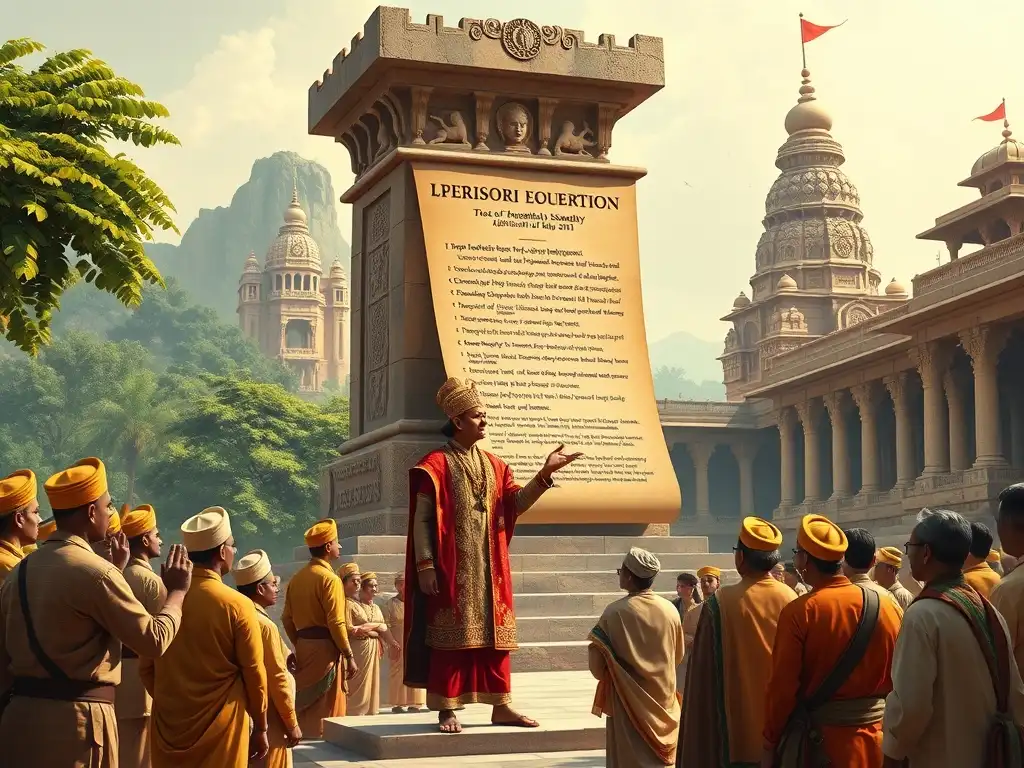
- Public Communication: Through various means of public communication, including edicts carved on pillars and rocks, the Mauryan administration disseminated important messages regarding governance, moral conduct, and social responsibilities.
Understanding Propaganda Techniques in the Mauryan Empire
The Mauryan Empire's approach to propaganda was multifaceted, employing various techniques to shape the political landscape effectively. Understanding these techniques provides insight into how the empire managed to sustain its power over a prolonged period.
Definition of Propaganda in the Context of Ancient Administration
In the context of ancient administration, propaganda can be defined as the systematic dissemination of information, ideas, or rumors to influence public opinion and behavior. For the Mauryan Empire, this meant utilizing strategic messaging to:
- Promote the ruler's image
- Reinforce loyalty among subjects
- Justify military actions and territorial expansions
This form of communication was not merely about persuasion; it was also about establishing a narrative that aligned the empire's goals with the values and beliefs of its people.
Importance of Communication in the Mauryan Governance System
Effective communication was a cornerstone of the Mauryan governance system. The empire's vast geography necessitated a well-organized communication strategy to ensure that the central authority could effectively reach and influence its subjects. Key aspects included:
- Edicts and Inscriptions: The famous Ashoka Edicts are prime examples of how the Mauryan rulers communicated their policies and ethical principles to the populace, emphasizing values such as non-violence and Dharma.
- Local Administrators: Rulers employed local administrators who understood regional dynamics and could tailor messages to resonate with local populations, thereby enhancing the effectiveness of propaganda.
These communication strategies not only facilitated governance but also helped to cultivate a unified identity among the diverse groups within the empire, reinforcing the Mauryan authority and its legacy in ancient Indian history.
Key Propaganda Techniques Employed by the Mauryan Empire
The Mauryan Empire, one of the largest and most powerful empires in ancient India, utilized various propaganda techniques to maintain control and influence over its vast territories. These techniques were essential for shaping public perception, consolidating power, and promoting the ruler's ideology. The Mauryan rulers, particularly Ashoka, recognized the importance of communication and symbolism in governance, employing a multi-faceted approach to propaganda that included edicts, artistic expressions, and public engagement strategies.
Use of Edicts and Inscriptions
One of the most significant propaganda techniques used by the Mauryan Empire was the issuance of edicts and inscriptions. Ashoka, in particular, was known for his edicts, which were inscribed on rocks and pillars throughout his empire. These edicts served multiple purposes:
- Promotion of Dharma: The edicts emphasized the importance of dharma (moral duty) and ethical conduct, aligning governance with moral principles. Ashoka's messages encouraged compassion, non-violence, and respect for all living beings.
- Communication of Policies: The inscriptions detailed laws, administrative reforms, and welfare measures, ensuring that the populace was aware of the empire's commitments to their well-being.
- Standardization of Language: The use of local languages alongside Prakrit made the messages accessible to a broader audience, enhancing the effectiveness of the propaganda.
These edicts not only served as a tool for governance but also as a means to forge a cohesive identity among the diverse populations within the empire.
Artistic Representations and Symbolism
Artistic representations played a crucial role in the Mauryan propaganda strategy. The empire's art and architecture, including sculptures and stupas, conveyed powerful messages that reinforced imperial ideology. Key aspects included:
- Iconography: The use of symbols such as the lion (representing strength and courage) and the wheel (representing the Dharma Chakra) were prevalent. These symbols helped convey the empire's values and Ashoka's commitment to spreading dharma.
- Stupas and Monuments: Architectural marvels like the Sanchi Stupa served not only as religious sites but also as symbols of the empire's greatness and unity. These structures were designed to inspire awe and reverence, reinforcing the ruler's divine authority.
- Narrative in Art: Reliefs and sculptures depicted significant events, such as Ashoka’s conversion to Buddhism, serving as visual propaganda that communicated the ruler's commitment to peace and moral governance.
Through these artistic expressions, the Mauryan Empire effectively communicated its values and ideals, fostering a sense of belonging and loyalty among its subjects.
Oral Communication and Public Engagement
In addition to written and artistic forms of propaganda, the Mauryan Empire engaged in oral communication and public outreach to influence its subjects. This approach included:
- Public Assemblies: Rulers organized gatherings to address the populace directly, allowing them to articulate policies and respond to public concerns. This not only fostered transparency but also built a personal connection between the ruler and the citizens.
- Buddhist Monks and Preaching: During Ashoka's reign, Buddhist monks played a vital role in disseminating the principles of Buddhism and the emperor's policies. Their teachings reached the masses, promoting harmony and moral values aligned with the state’s ideology.
- Festivals and Cultural Events: The Mauryan rulers sponsored festivals that celebrated religious and cultural heritage, using these occasions as platforms to reinforce their messages. Such events helped integrate propaganda into the daily lives of citizens, making it a part of their cultural fabric.
These oral communication strategies allowed the Mauryan Empire to maintain a dynamic relationship with its subjects, ensuring the propagation of its ideals and policies.
The Impact of Mauryan Propaganda on Society
The effective use of propaganda techniques had a profound impact on Mauryan society, influencing public opinion and reinforcing the structures of governance.
Shaping Public Opinion and Loyalty
The propaganda strategies employed by the Mauryan Empire played a pivotal role in shaping public opinion and fostering loyalty among its subjects. By emphasizing moral governance, ethical conduct, and social welfare, the empire cultivated a positive image that resonated with the populace. Key impacts included:
- Increased Trust in Governance: The promotion of dharma and ethical rule fostered trust in the leadership, encouraging subjects to support the empire's initiatives and policies.
- Unity Across Diverse Populations: The use of inclusive language in edicts and the promotion of shared symbols helped create a sense of unity among the empire’s diverse communities, reinforcing loyalty to the Mauryan state.
- Civic Engagement: Public assemblies and interactions allowed citizens to feel involved in the political process, enhancing their commitment to the empire and its governance.
This carefully crafted public opinion was instrumental in maintaining stability and order in a vast and culturally diverse empire.
Propaganda's Role in Administration and Control
Propaganda was not merely a tool for persuasion; it was integral to the Mauryan administration's control mechanisms. The strategic use of propaganda facilitated effective governance in several ways:
- Legitimization of Rule: By framing the emperor as a moral leader committed to the welfare of his subjects, propaganda established legitimacy, enabling the ruler to maintain authority over a vast and varied population.
- Reinforcement of Policies: The dissemination of information through edicts ensured that policies were well-known, making it easier for the administration to implement and enforce laws effectively.
- Crisis Management: During periods of unrest or discontent, propaganda served as a means of addressing grievances and restoring order by reassuring the populace of the ruler's commitment to their welfare and the principles of dharma.
Through these mechanisms, the Mauryan Empire effectively utilized propaganda not only as a means of influence but also as a foundational element of its governance structure, ensuring stability and cohesion within its realm.
Comparing Mauryan Propaganda Techniques with Other Ancient Civilizations
The Mauryan Empire, which thrived from 322 to 185 BCE, is renowned for its sophisticated administrative strategies, including the use of propaganda as a tool for governance. When compared to other ancient civilizations, such as Persia and Greece, the Mauryan approach reveals both similarities and unique elements that define its effectiveness and impact.
Similarities with Persian and Greek Propaganda Methods
Like the Mauryan Empire, both the Persian and Greek civilizations employed propaganda to solidify their power and communicate with their subjects. In Persia, rulers like Darius and Xerxes utilized monumental architecture, inscriptions, and visual arts to convey their divine right to rule and accomplishments. Similarly, the Greeks, especially during the Hellenistic period, used public oratory, theater, and literature to promote civic virtues and the glory of their city-states.
In all three civilizations, the use of imagery and language played a crucial role in shaping public perception. For instance:
- Persian Propaganda: Utilized the grandeur of palaces and the use of cuneiform inscriptions to project the king's authority and achievements.
- Greek Propaganda: Emphasized democratic ideals through public speeches and the arts, celebrating leaders and valor.
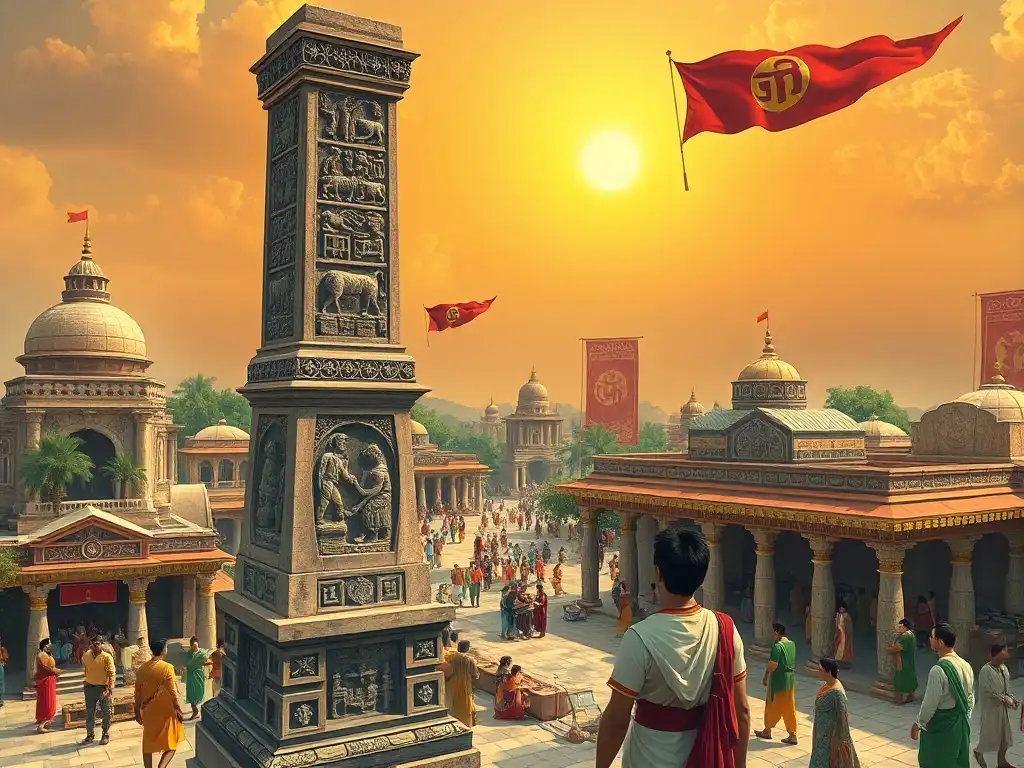
- Mauryan Propaganda: Employed edicts inscribed on pillars, promoting moral governance and the ruler's benevolence.
These similarities show a shared understanding of the power of narrative and symbolism in governance, aiming to unify the populace under a common identity and purpose.
Differences in Approach and Effectiveness
While there are notable similarities, the Mauryan Empire's propaganda techniques also differ in significant ways from those of Persia and Greece. One of the key distinctions lies in the integration of religion and philosophy into governance.
- Religious Integration: The Mauryan rulers, particularly Ashoka, closely aligned their propaganda with Buddhist principles, promoting concepts such as dharma (righteousness) and non-violence. This religious context provided a moral framework that was unique to the Mauryan approach.
- Direct Communication: Unlike the Persians, who primarily relied on monumental architecture and inscriptions for distant communication, the Mauryans utilized a decentralized method with edicts placed throughout the empire, directly communicating with local populations.
- Focus on Welfare: The Mauryan propaganda emphasized social welfare and ethical governance, aiming to cultivate a sense of responsibility among citizens. This contrasts with the more militaristic and glory-focused narratives of the Greeks, who often celebrated conquest and prowess.
The effectiveness of these approaches can also be seen in the stability and cohesion of the Mauryan Empire, which managed to maintain control over a vast and diverse territory through a blend of ethical governance and religious propaganda.
Conclusion
Summary of Key Insights on Mauryan Empire Propaganda Techniques
The Mauryan Empire's propaganda techniques were marked by a unique blend of ethical governance, religious integration, and direct communication with the populace. By promoting the ideals of dharma and welfare, the Mauryan rulers fostered a sense of unity and purpose among their subjects. The use of edicts, local inscriptions, and alignment with Buddhist teachings created a propaganda system that was both effective and deeply resonant with the cultural context of ancient India.
The Legacy of Mauryan Propaganda in Later Indian History
The legacy of Mauryan propaganda techniques had a lasting impact on subsequent Indian empires and governance strategies. Subsequent rulers, such as those of the Gupta Empire, drew inspiration from Ashoka’s methods, incorporating ethical governance and religious messaging into their own rule. The emphasis on welfare and moral responsibility continued to resonate in later Indian political philosophy, influencing how leaders communicated with their subjects and maintained authority.
By establishing a framework that highlighted the importance of ethical leadership and social responsibility, the Mauryan Empire set a precedent that would echo throughout Indian history, shaping the discourse on governance and the role of propaganda in maintaining power.
Further Reading on Mauryan Administration and Governance
The Mauryan Empire, renowned for its sophisticated administration and governance strategies, provides a vast field of study for historians and enthusiasts alike. To gain a deeper understanding of its propaganda techniques and overall administration, exploring a range of scholarly resources is essential. Below are some recommended books, articles, and online resources that delve into the complexities of the Mauryan Empire's governance.
Recommended Books and Articles on the Mauryan Empire
-
"The Mauryan Empire" by Romila Thapar
This comprehensive work offers insights into the political and social structures of the Mauryan Empire, emphasizing the role of propaganda and communication in governance.
-
"Asoka and the Decline of the Mauryas" by Romila Thapar
Thapar examines the reign of Emperor Ashoka, shedding light on how propaganda was used to promote Buddhist values and unify the empire.
-
"The Mauryan State: The Political Economy of the Ancient Indian Empire" by R. Champakalakshmi
This book discusses the economic strategies employed by the Mauryan administration and how propaganda facilitated their economic policies.
-
"Mauryan Administration: A Study in Political History" by A.L. Basham
Basham’s work provides a detailed analysis of the administrative methods of the Mauryan Empire, including the use of public communication and propaganda.
-
Articles in "Journal of Ancient Indian History"
This journal features several articles that explore various aspects of Mauryan governance, including the political and ideological uses of propaganda.
Online Resources for Deeper Exploration of Ancient Indian Propaganda Techniques
-
Digital South Asia Library
This resource offers a collection of primary texts and historical documents related to ancient Indian history, including materials pertinent to the Mauryan Empire's administration.
-
The British Museum's Online Collection
Featuring artifacts from the Mauryan period, this collection provides context on how material culture played a role in propaganda and statecraft.
-
The Internet Archive
A treasure trove of digitized historical texts, the Internet Archive hosts numerous works on the Mauryan Empire, including studies on its propaganda techniques.
-
Khan Academy: Ancient India
This educational platform includes modules on ancient Indian civilizations, featuring videos and articles that discuss the governance and propaganda strategies of the Mauryan Empire.
-
YouTube Lectures and Documentaries
Many historians and scholars share their expertise through lectures and documentaries available on YouTube, which can provide valuable visual insights into the Mauryan Empire's administration and propaganda methods.
Exploring these resources will enhance your understanding of how the Mauryan Empire effectively utilized propaganda in its administration, influencing both public perception and governance throughout its vast territories.
- Introduction to the Mauryan Empire
- Understanding Propaganda Techniques in the Mauryan Empire
- Key Propaganda Techniques Employed by the Mauryan Empire
- The Impact of Mauryan Propaganda on Society
- Comparing Mauryan Propaganda Techniques with Other Ancient Civilizations
- Conclusion
- Further Reading on Mauryan Administration and Governance
- What were the main propaganda techniques used by the Mauryan Empire?
- How did Ashoka utilize propaganda in his reign?
- What role did art and architecture play in Mauryan propaganda?
- How did the Mauryan administration ensure the effectiveness of their propaganda?
- Why is studying Mauryan propaganda techniques important for understanding ancient India?
Frequently Asked Questions
What were the main propaganda techniques used by the Mauryan Empire?
The Mauryan Empire employed various propaganda techniques such as public inscriptions, edicts, and artistic representations to communicate their achievements and values to the populace.
How did Ashoka utilize propaganda in his reign?
Ashoka, the most famous Mauryan ruler, used Buddhist edicts and rock inscriptions to spread his message of peace and moral governance, promoting a religious ideology that resonated with the public.
What role did art and architecture play in Mauryan propaganda?
Art and architecture, including the Lion Capital of Ashoka, served as visual propaganda that symbolized authority and conveyed the empire's values and strength to both citizens and foreign powers.
How did the Mauryan administration ensure the effectiveness of their propaganda?
The Mauryan administration established a network of messengers and local officials to disseminate information, ensuring that propaganda reached even the most remote areas of the empire.
Why is studying Mauryan propaganda techniques important for understanding ancient India?
Studying Mauryan propaganda techniques provides insights into how political power was maintained and how cultural values were promoted, helping us understand the complexities of ancient Indian civilization and governance.
Final Reflection: The Enduring Legacy of Mauryan Empire Propaganda Techniques
The exploration of the Mauryan Empire's propaganda techniques reveals a profound understanding of influence that resonates in today's world. The strategies employed by this ancient civilization not only shaped their administrative success but also laid the groundwork for modern communication and persuasion methods. As we navigate a landscape filled with information overload, the lessons from the Mauryan Empire remind us of the power of narrative and the importance of strategic messaging in shaping public perception.
Clearly, the impact of these propaganda techniques extends beyond their historical context, influencing contemporary political and social dynamics. The ability to craft compelling narratives and manipulate public opinion is as relevant now as it was during the reign of Ashoka. As we witness the rise of social media and digital communication, the echoes of Mauryan strategies can be seen in how leaders and organizations engage with their audiences today. > “The art of communication is the language of leadership.” This quote encapsulates the ongoing significance of effective messaging, urging us to reflect on how we consume and disseminate information.
As we conclude our exploration of the Mauryan Empire's propaganda techniques, I invite you to consider your own role in the narrative landscape. How can you apply these lessons in your daily life? Whether in personal relationships, professional settings, or community engagement, the principles of influence and communication are powerful tools at your disposal. Embrace the responsibility that comes with this knowledge, and strive to be a thoughtful communicator who recognizes the impact of your words and actions. Let the legacy of the Mauryan Empire inspire you to wield influence with integrity and purpose.
Unveil the Power of Influence: Take Action Today!
Thank you for diving into our exploration of the Mauryan Empire's fascinating use of propaganda. You've uncovered valuable insights into how influential leadership and messaging shaped history! Now, let's harness that knowledge and take meaningful steps forward together.
- Dive Deeper: Investigate a specific propaganda technique utilized by the Mauryan Empire and share your findings with friends or on social media. Spark a conversation about its relevance today!
- Engage with History: Participate in a local or online discussion group focused on historical propaganda. Connecting with others who share your passion can lead to enriching new perspectives.
- Cultivate Awareness: Design your own piece of propaganda inspired by the techniques discussed in the article! Whether it’s a poster, a short video, or a social media post, take the opportunity to experiment with influencing ideas.
Which of these actions resonates with you the most, and how do you see it impacting your understanding of history?