
The Role of Astronomy in the Maurya Empire: Influential Astronomers


Welcome to Ancient India History, where we delve deep into the rich tapestry of ancient Indian civilizations. Have you ever wondered how the stars guided the great minds of the Maurya Empire? In our featured article, "The Role of Astronomy in the Maurya Empire: Influential Astronomers," we uncover the fascinating contributions of astronomers who shaped both science and culture during this remarkable period. Join us on this journey through time as we explore the celestial wonders that influenced the empire's legacy. Your adventure into the cosmos of ancient India begins now!
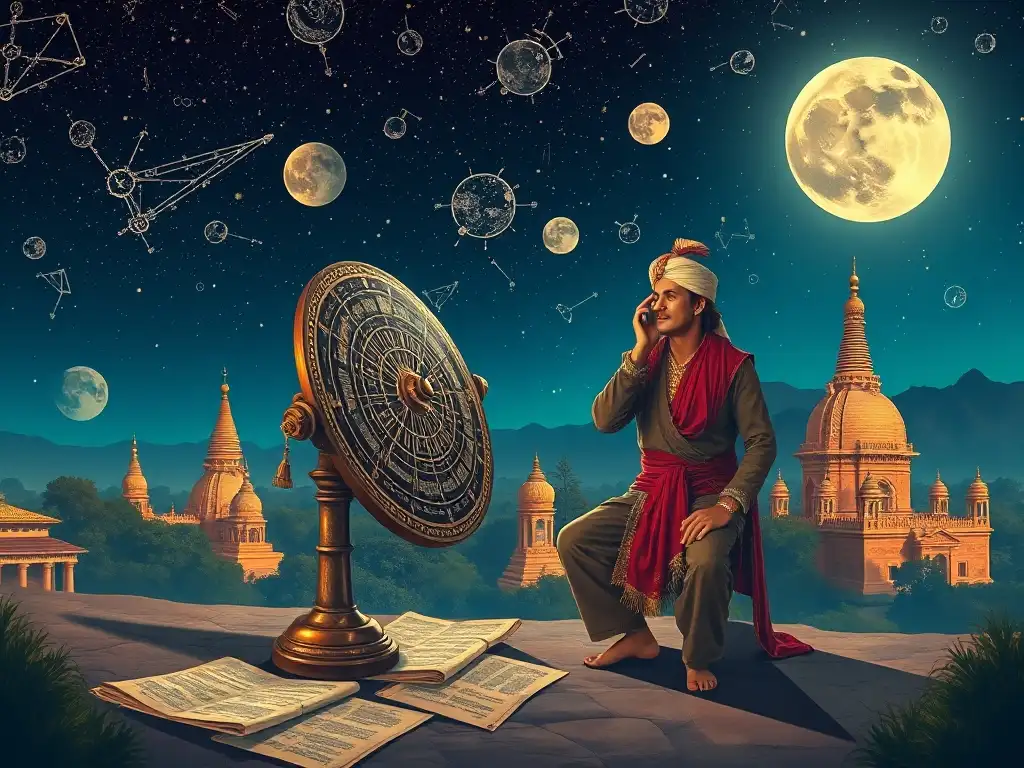
Introduction to Astronomy in the Maurya Empire
The Maurya Empire, which flourished from 322 to 185 BCE, is one of the most significant periods in ancient Indian history. It laid the groundwork for a cultural and scientific renaissance that would influence various fields, including astronomy. During this era, astronomy was not merely a scientific pursuit; it was deeply intertwined with religion, agriculture, and navigation.
The Mauryan rulers, particularly Chandragupta Maurya and his grandson Ashoka, were patrons of scholarship and innovation, which fostered an environment where astronomy could thrive. This article explores the pivotal role of astronomy in the Maurya Empire and highlights the influential astronomers whose contributions shaped the understanding of celestial phenomena in ancient India.
Overview of the Maurya Empire's Historical Context
The Maurya Empire was established by Chandragupta Maurya, who united various smaller kingdoms across the northern Indian subcontinent. Under his rule, and later under Ashoka, the empire expanded significantly, encompassing a vast territory that included present-day India, Pakistan, and parts of Afghanistan. This period is marked by significant developments in administration, trade, and culture, with a keen emphasis on empirical knowledge and observation. The rulers supported scholars and the study of various sciences, including astronomy, which was essential for agricultural practices, ritual timings, and navigation.
Importance of Astronomy in Ancient Indian Civilization
Astronomy in ancient India was not merely an academic endeavor; it played a critical role in everyday life. It helped in the development of calendars, which were vital for agriculture, religious festivals, and social organization. Ancient Indian texts like the Vedanga Jyotisha demonstrate the early understanding of celestial cycles and their importance. Additionally, astronomical observations were crucial for navigation and trade, enabling merchants to traverse vast distances. The Maurya Empire's scholars built upon this foundational knowledge, contributing to a rich tradition of astronomical thought that would influence generations to come.
Key Astronomers of the Maurya Empire
The Maurya Empire was home to several key figures in the field of astronomy, whose works laid the foundations for future advancements. These astronomers not only contributed to the scientific community but also integrated astronomical knowledge into various aspects of life and culture.
Contributions of Aryabhata to Indian Astronomy
Aryabhata, although primarily associated with the later Gupta period, is often linked to the advancements initiated during the Maurya Empire. His seminal work, the Aryabhatiya, composed in 499 CE, reflects the astronomical knowledge that was cultivated during earlier periods, including the Mauryan era. Aryabhata introduced concepts such as the rotation of the Earth on its axis and the calculation of the circumference of the Earth, which were groundbreaking for his time. His mathematical precision and innovative theories laid the groundwork for further astronomical studies in India.
The Impact of Varahamihira's Works on Astronomy
Varahamihira was another prominent figure in ancient Indian astronomy, whose works emerged shortly after the Maurya Empire. His encyclopedic text, the Brihat Samhita, encompasses a wide range of topics, including astrology, meteorology, and astronomy. Varahamihira's contributions to the understanding of eclipses, planetary positions, and seasonal changes were significant, providing practical applications for agriculture and navigation. His writings demonstrate the continuity of astronomical thought that began during the Maurya era and its evolution in subsequent periods.
Other Notable Astronomers during the Maurya Period
While Aryabhata and Varahamihira are often highlighted, several other astronomers made noteworthy contributions during the Maurya period. Figures like Brahmagupta and Bhaskara II, although later, were influenced by the foundational work established by their predecessors. The integration of astronomy into the broader spectrum of ancient Indian sciences during the Maurya Empire paved the way for a rich tradition that would endure for centuries, inspiring future scholars and astronomers.
The role of astronomy in the Maurya Empire was pivotal not only for its scientific contributions but also for its overarching influence on culture, religion, and daily life, creating a legacy that resonates through the annals of history.
Astronomical Instruments and Techniques in the Maurya Empire
The Maurya Empire, known for its extensive administrative systems and cultural advancements, also made significant strides in the field of astronomy. The period saw the development of various instruments and techniques that facilitated celestial observations, laying the groundwork for future astronomical studies in India. These advancements highlighted the keen interest of scholars and astronomers in understanding the cosmos, which was integral to both scientific inquiry and practical applications in daily life.
Development of Tools for Astronomical Observations
During the Maurya Empire, astronomers developed several tools that enhanced their ability to observe and catalog celestial phenomena. One notable instrument was the gnomon, a simple yet effective device used to determine the position of the sun. By measuring the length and angle of shadows cast by the gnomon at different times of the day, astronomers could gauge the time and even deduce the solstices and equinoxes.
Another significant tool was the water clock, or clepsydra, which allowed for the measurement of time intervals. This instrument utilized the steady flow of water to mark time, providing a reliable means of keeping track of celestial events. Such innovations not only improved observational accuracy but also reflected the sophisticated understanding of mechanics and fluid dynamics prevalent among Mauryan scholars.
Techniques Used by Mauryan Astronomers for Celestial Measurements
Mauryan astronomers employed various techniques to conduct celestial measurements effectively. One important method was observational astronomy, where astronomers meticulously recorded the positions of celestial bodies against fixed stars. This practice enabled them to create detailed star catalogs, which were essential for navigation and agricultural planning.
Additionally, the use of trigonometry emerged during this period, allowing astronomers to calculate distances and angles between celestial bodies with greater precision. The Mauryan scholars likely utilized geometric principles to enhance their understanding of celestial motions, leading to improved predictions of astronomical events such as eclipses and planetary alignments. These techniques laid the foundation for later developments in Indian astronomy and influenced subsequent generations of astronomers.
The Influence of Astronomy on Mauryan Society

The role of astronomy during the Maurya Empire was not confined to the realms of science and observation; it permeated various aspects of society, including religion, agriculture, and daily life. The astronomical knowledge of the period had profound implications, shaping cultural practices and societal norms.
Astronomy in Religion and Cosmology
Astronomy played a pivotal role in the religious and cosmological beliefs of the Maurya Empire. Celestial events were often interpreted as divine signs or omens, influencing religious practices and rituals. The alignment of planets and stars with significant events, such as royal births or battles, was seen as indicative of the favor of the gods.
Moreover, texts such as the Aryabhatiya, although postdating the Maurya period, reflect the cosmological ideas that were likely being developed during this time. These texts often integrated astronomical phenomena with philosophical and spiritual concepts, showcasing how deeply intertwined astronomy was with the broader cosmological framework of ancient Indian thought.
The Role of Astronomy in Agriculture and Timekeeping
The practical applications of astronomy in agriculture were particularly noteworthy during the Maurya Empire. The changing seasons and celestial patterns informed the agricultural calendar, guiding farmers in their planting and harvesting cycles. Observations of the stars and lunar phases helped determine the optimal times for sowing and gathering crops, thus enhancing agricultural productivity.
Timekeeping was another critical aspect influenced by astronomy. The establishment of standardized time measurement through celestial observations allowed for better organization of daily life and governance. Accurate timekeeping facilitated trade, religious observances, and administrative functions, reflecting the profound impact of astronomy on the societal structure of the Maurya Empire.
The integration of astronomical knowledge into various facets of Mauryan society underscores the importance of this science during one of India's most significant historical epochs. The advancements made in the field of astronomy during the Maurya Empire not only contributed to scientific progress but also enriched the cultural and practical life of its people.
Legacy of Astronomical Knowledge from the Maurya Empire
The Maurya Empire, which flourished from 322 to 185 BCE, left a profound legacy in the realm of astronomy. This period marked significant advancements in understanding celestial bodies and their movements. The contributions of Mauryan astronomers were not only pivotal for their time but also laid the groundwork for future developments in Indian astronomy. Scholars such as Aryabhata and Varahamihira, who came later, drew inspiration from the foundational principles established during the Maurya period.
Astronomers in the Maurya Empire meticulously observed the stars and planets, leading to the compilation of astronomical texts that detailed calculations of planetary positions, eclipses, and other celestial phenomena. These texts served as crucial references for subsequent scholars and were instrumental in shaping astronomical thought in India. The systematic approach to celestial observation and recording during this era showcased an early form of scientific inquiry that emphasized empirical observation.
Transmission of Astronomical Knowledge to Later Civilizations
The astronomical knowledge developed in the Maurya Empire transcended geographical boundaries, influencing various civilizations beyond its borders. As trade routes expanded and diplomatic relations flourished, the exchange of ideas became more common. Mauryan texts on astronomy were translated into various languages, reaching scholars in regions like Persia and the Hellenistic world.
One notable example of this transmission is the way that Indian astronomical concepts were integrated into Greco-Roman scholarship. The methods of calculating time, predicting eclipses, and understanding planetary motions found their way into the works of later astronomers such as Hipparchus and Ptolemy, who enriched their own theories with knowledge derived from Indian sources. This cross-cultural exchange highlights the Maurya Empire's role as a conduit for astronomical knowledge, thereby influencing the scientific discourse of the ancient world.
Influence on Future Indian Astronomical Practices
The foundations laid by Mauryan astronomers significantly influenced future Indian astronomical practices. The systematic observations and calculations from this era became integral to the works of later Indian astronomers in the Gupta Empire and beyond. For instance, Indian mathematicians and astronomers began to develop more sophisticated models of planetary motion, building on the principles established during the Maurya period.
Furthermore, the use of astronomical instruments, such as the gnomon and the armillary sphere, can also be traced back to the innovations of Mauryan scholars. These instruments allowed for more accurate measurements and observations, fostering a culture of scientific inquiry that persisted through subsequent centuries. The integration of astronomy with astrology, another significant aspect of Indian science, was also influenced by the practices and texts from the Maurya Empire, ensuring that astronomy remained a vital part of Indian culture and tradition.
Conclusion: The Lasting Impact of Astronomy in the Maurya Empire
The astronomical advancements of the Maurya Empire remain a cornerstone of ancient Indian scientific heritage. The meticulous observations and the intellectual rigor of Mauryan astronomers contributed to a sophisticated understanding of celestial phenomena that would resonate through the ages. Their legacy is evident in the continuity of astronomical study in India, which persisted through subsequent empires and continues to be celebrated today.
Reflection on the Importance of Astronomical Contributions in Ancient India
The contributions of the Maurya Empire to astronomy underscore the significance of scientific inquiry in ancient India. This period was marked by a blend of empirical observation and theoretical understanding, which not only advanced astronomy but also enriched the broader scientific landscape. The Mauryan scholars demonstrated an exceptional ability to integrate astronomy with mathematics, astrology, and philosophy, creating a holistic framework for understanding the cosmos.
The importance of these contributions is reflected in the way they have been preserved and revered in Indian culture. Texts from this era continue to be referenced and studied, showcasing the enduring relevance of Mauryan astronomical thought. This legacy serves as a reminder of the rich intellectual traditions of ancient India and their impact on the global scientific community.
Final Thoughts on the Legacy of Mauryan Astronomers in the Field of Astronomy
The legacy of Mauryan astronomers in the field of astronomy is a testament to their profound understanding of the universe and their innovative spirit. Their work set the stage for future explorations in astronomy, not only in India but across the world. The methodologies developed, the texts written, and the knowledge transmitted during this era reflect a high level of scholarly achievement.
As we continue to explore the rich history of astronomy in ancient civilizations, the contributions of the Maurya Empire stand out as a beacon of scientific progress. The insights gained from this period not only shaped the trajectory of Indian astronomy but also enriched the global scientific discourse, leaving an indelible mark on the history of human understanding of the cosmos.
- Introduction to Astronomy in the Maurya Empire
- Key Astronomers of the Maurya Empire
- Astronomical Instruments and Techniques in the Maurya Empire
- The Influence of Astronomy on Mauryan Society
- Legacy of Astronomical Knowledge from the Maurya Empire
- Conclusion: The Lasting Impact of Astronomy in the Maurya Empire
Frequently Asked Questions
What was the significance of astronomy in the Maurya Empire?
The astronomy in the Maurya Empire played a crucial role in navigation and calendar-making, influencing agricultural practices and religious festivals across the empire.
Who were the notable astronomers during the Maurya Empire?
Prominent astronomers such as Aryabhata and Varahamihira emerged during this period, making significant contributions to the understanding of celestial bodies and their movements.
How did astronomy impact society in the Maurya Empire?
The study of astronomy impacted society by aiding in timekeeping, which was essential for agricultural planning, trade, and religious observances.
What tools or methods were used in Mauryan astronomy?
Mauryan astronomers utilized tools like the gnomon for measuring shadows and water clocks to track time, enhancing their observational accuracy.
How did the Maurya Empire influence later astronomical studies?
The Maurya Empire's advancements laid the foundation for later Indian astronomy, influencing scholars in subsequent periods, particularly during the Gupta Empire.
Final Reflection: The Enduring Legacy of Astronomy in the Maurya Empire
The exploration of astronomy in the Maurya Empire reveals a profound connection between celestial observation and the cultural advancements of the time. Today, as we navigate an era defined by technological innovation and scientific inquiry, the insights gleaned from ancient astronomers remind us of the timeless quest for knowledge. The contributions of these scholars not only shaped their society but also laid the groundwork for future generations to explore the cosmos, emphasizing that the pursuit of understanding the universe is a shared human endeavor.
The influence of astronomy during the Maurya Empire resonates deeply within our modern cultural and scientific landscape. The meticulous observations and calculations made by astronomers like Aryabhata and Varahamihira not only advanced the field of astronomy but also enriched the philosophical and spiritual dimensions of their society. The stars are not just points of light; they are the keys to understanding our place in the universe.
This quote encapsulates the essence of how ancient wisdom continues to inspire contemporary thought, reminding us that the stars have always been a source of wonder and inquiry.
As we reflect on the lessons from the Maurya Empire, I invite you to consider how the spirit of curiosity and exploration can be applied in your own life. Embrace the wonder of the universe around you, whether through stargazing, studying the sciences, or simply pondering the mysteries of existence. Let the legacy of those ancient astronomers inspire you to seek knowledge, challenge assumptions, and contribute to the ongoing journey of discovery that connects us all across time and space.
Unveil the Stars: Connect with Astronomy's Legacy Today!
Thank you for exploring the fascinating intersection of astronomy and the Maurya Empire with us! You've discovered valuable insights into the influential astronomers who shaped ancient celestial practices and philosophies. Now, it’s time to take action and deepen your engagement with this rich historical narrative.
Here are some steps you can take right now:
- Dive Deeper: Research the works of renowned Mauryan astronomers such as Aryabhata and examine how their principles continue to influence modern science.
- Share Your Insights: Start a discussion with friends or on social media about your favorite aspects of ancient astronomy. Use the hashtag #AncientAstronomy to spark meaningful conversations!
- Visit a Local Planetarium: Experience the cosmos through exhibits and shows that highlight the astronomical knowledge developed in ancient times.
What new understanding or perspective about the stars have you gained from this article, and how will you share it with others?