
Trade Alliances: How Ancient India Collaborated with Other Cultures

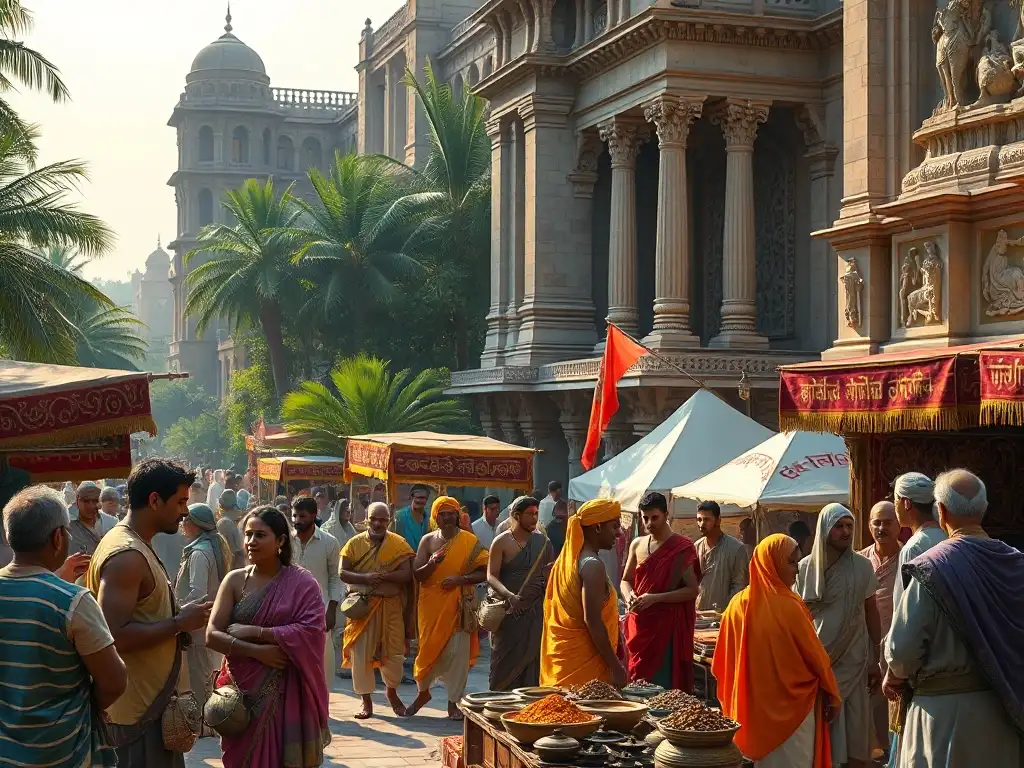
Welcome to Ancient India History, where we embark on an enchanting journey through time, exploring the rich tapestry of India's ancient civilizations. Here, you will uncover the fascinating dynamics of ancient India trade alliances—a vital aspect of how these remarkable societies engaged with one another and the world beyond. As we delve into the intricate web of collaboration and commerce that spanned from the Indus Valley to the Gupta Empire, prepare to be captivated by stories of exchange, prosperity, and cultural interplay.
Let your curiosity guide you as we unravel the significant contributions of these alliances to the economy and culture of ancient India. Join us in discovering the past that continues to shape our present!
Introduction to Ancient India Trade Alliances
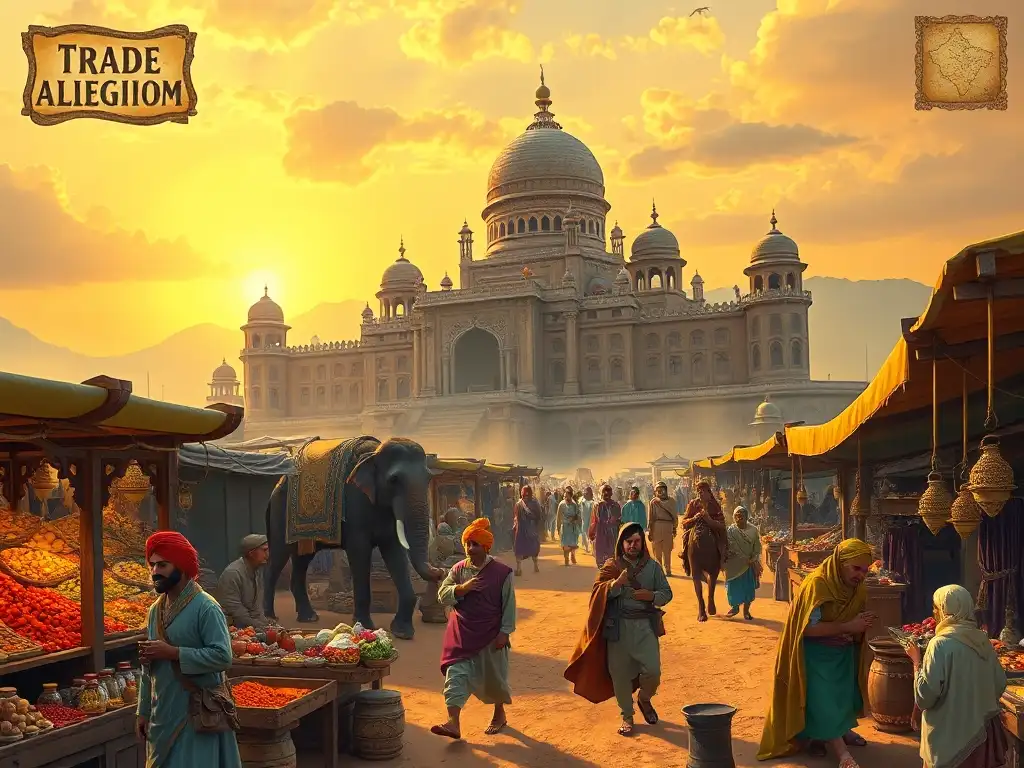
The history of ancient India trade alliances is a fascinating narrative that underscores the significance of economic collaboration among diverse cultures. From the bustling markets of the Indus Valley Civilization to the thriving trade networks established during the Gupta Empire, ancient India was not only a hub of commerce but also a melting pot of cultures and ideas.
These trade alliances facilitated not just the exchange of goods, but also the sharing of knowledge, art, and innovations that enriched the civilizations involved. Understanding these alliances is crucial for appreciating how ancient India positioned itself as a central player in the global trade landscape, influencing both neighboring regions and distant lands.
Importance of Trade in Ancient Indian Civilizations
Trade played a pivotal role in the development of ancient Indian civilizations, serving multiple purposes:
- Economic Growth: Trade stimulated local economies, allowing cities to flourish as centers of commerce.
- Cultural Exchange: Interactions with merchants from various regions led to a blend of cultural practices, religions, and artistic expressions.
- Resource Acquisition: India’s diverse geography allowed access to a wide range of resources, which were traded for goods not locally available.
Through these avenues, ancient India established itself as a key player in global trade, often acting as a bridge between the East and West.
Overview of Cultural Exchange and Economic Impact
The economic impact of trade alliances in ancient India extended beyond mere transactions. The exchange of commodities like spices, textiles, and precious stones was accompanied by the movement of ideas and innovations. Notable aspects include:
- Spread of Religions: Trade routes facilitated the dissemination of Buddhism and Hinduism across Asia.
- Technological Innovations: Contact with other cultures led to the introduction of new agricultural techniques and crafts.
- Diplomatic Relations: Alliances often fostered diplomatic ties, enhancing political stability and cooperation.
These exchanges not only enriched ancient Indian society but also influenced the cultures of trading partners, creating a legacy of interconnectedness.
Historical Context of Trade in Ancient India
Ancient India’s trade history is deeply rooted in its geographical advantages and rich resources. Understanding this context is essential to grasp the complexities of its trade alliances.
The Role of Geography in Trade Alliances
India's strategic location, flanked by the Indian Ocean, the Himalayas, and extensive river systems, played a crucial role in its trade dynamics:
- Coastal Trade: The Indian Ocean facilitated maritime trade with Africa, the Middle East, and Southeast Asia.
- Land Routes: Overland routes, including parts of the Silk Road, connected India to Central Asia and beyond, allowing for the movement of goods and ideas.
This geographical diversity allowed ancient India to engage in trade with various cultures, establishing a network of alliances that transcended borders.
Key Civilizations Involved in Trade
Several civilizations were instrumental in shaping the trade landscape of ancient India:
- Indus Valley Civilization: Known for its advanced urban planning and trade practices, it established early trade links with Mesopotamia.
- Mauryan Empire: Under the rule of Chandragupta Maurya and Ashoka, trade expanded significantly through state-sponsored initiatives.
- Gupta Empire: Marked by a flourishing economy, the Gupta period saw significant advancements in trade networks, fostering cultural and economic exchanges.
These civilizations not only influenced trade practices but also left an indelible mark on the history and culture of ancient India.
Major Trade Routes Connecting Ancient India
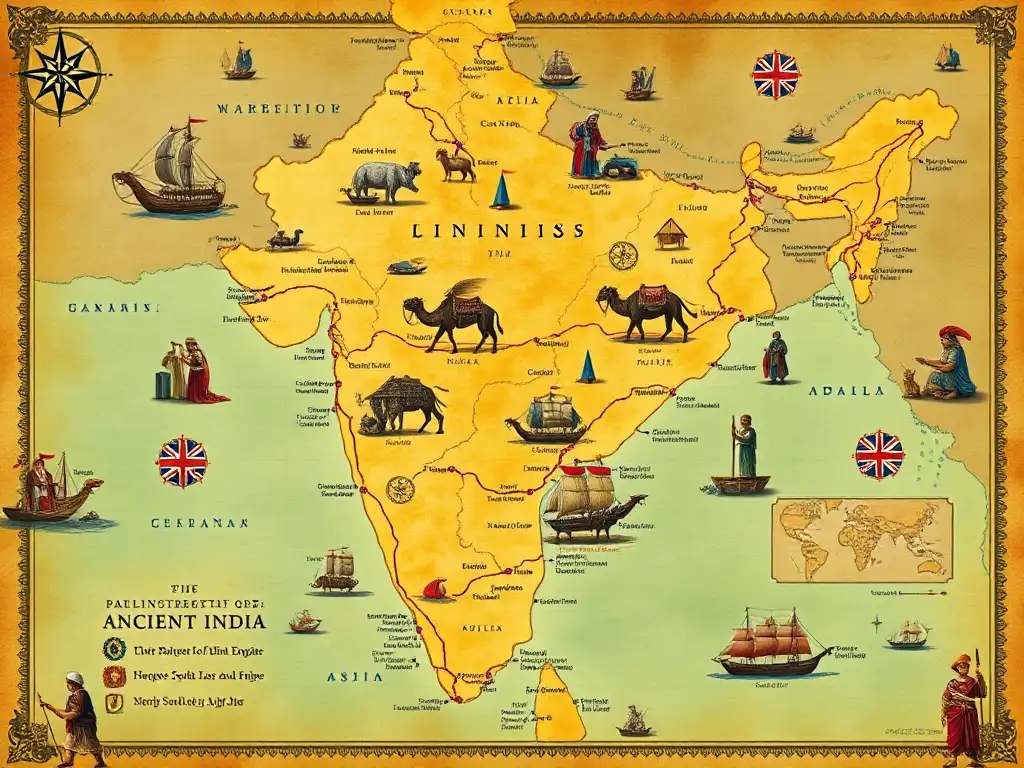
Ancient India was strategically located at the crossroads of several major trade routes, fostering economic interactions with various regions and cultures. These routes facilitated the exchange of goods, ideas, and technologies, significantly impacting the development of Indian civilization. The two most notable trade networks that connected ancient India were the Silk Road and the maritime trade routes, both of which played a crucial role in establishing trade alliances with neighboring and distant cultures.
The Silk Road: A Bridge to the West
The Silk Road was not a single road but a vast network of interconnected trade routes that extended from China to the Mediterranean. This ancient trade network enabled the exchange of silk, spices, precious stones, and other goods between East and West. India was a critical player on this route, particularly through regions like the northwestern provinces where cities such as Taxila and Peshawar served as key trading hubs.
Indian merchants traveled along the Silk Road, transporting valuable products such as textiles, spices, and jewelry. In return, they brought back goods from the West, including glassware, metals, and other luxurious items. The cultural exchange along these routes was equally significant, as it facilitated the spread of philosophies, religions, and artistic influences. Buddhism, for example, traveled from India to Central Asia and beyond, profoundly affecting the spiritual landscape of many regions.
The Maritime Trade Routes: Connecting to Southeast Asia and Beyond
In addition to overland routes, ancient India was also a major player in maritime trade. The Indian Ocean served as a significant conduit for trade, connecting India to Southeast Asia, the Arabian Peninsula, and even the eastern coast of Africa. Indian ports such as Lothal, Bharukachchha, and Arikamedu became bustling centers of commerce.
The maritime routes facilitated the exchange of goods like spices, textiles, and precious metals. Indian spices, in particular, were highly sought after in global markets, leading to the establishment of trade alliances with cultures from the Malay Archipelago to the Roman Empire. The monsoon winds played a crucial role in navigation, allowing traders to time their voyages and maximize trading opportunities.
Prominent Trade Alliances in Ancient India
The trade alliances established by ancient Indian civilizations were not only critical for economic prosperity but also for cultural exchanges that enriched the Indian subcontinent. Major empires such as the Mauryan and Gupta dynasties played pivotal roles in forging these alliances, which facilitated the flow of goods and ideas.
The Mauryan Empire and Its Trade Partnerships
Under the Mauryan Empire, particularly during the reign of Emperor Ashoka (circa 268-232 BCE), trade flourished as the empire expanded its reach across the Indian subcontinent and into Central Asia. The Mauryan state established trade routes that linked various regions, promoting commerce with neighboring kingdoms and empires, including the Seleucid Empire in the west.
The Mauryans were known to have established diplomatic relations and trade partnerships with Hellenistic kingdoms, which allowed for the exchange of not only goods but also cultural practices and philosophies. The introduction of the Edicts of Ashoka, which promoted ethical trade practices and non-violence, encouraged merchants and traders to engage in commerce, further enhancing the empire's economic landscape.
The Gupta Empire’s Economic Collaborations
The Gupta Empire (circa 320-550 CE) is often referred to as a golden age in Indian history, marked by significant advancements in science, arts, and trade. The Gupta rulers actively promoted trade through diplomatic ties with foreign powers, particularly in Southeast Asia, where Indian influence became pronounced.
Gupta merchants traded extensively with cultures in Southeast Asia, bringing back exotic goods and spreading Indian culture, including Hinduism and Buddhism. Trade routes were well-established, connecting India with regions like Sri Lanka, where Indian traders established settlements and contributed to the local economy. The prosperity of the Gupta Empire was, in part, due to these successful trade alliances that expanded its economic reach.
Regional Trade Alliances: South India and the Spice Trade
In South India, trade alliances were particularly significant in the context of the spice trade. Kingdoms such as the Chola and Pandya were instrumental in establishing trade links with foreign nations, including those in the Roman Empire and the Arabian Peninsula. The demand for Indian spices like black pepper, cardamom, and cinnamon led to flourishing trade networks and economic prosperity in these regions.
The Chola dynasty, for example, established a powerful navy that enabled them to dominate maritime trade routes, ensuring that South Indian spices reached markets as far as Africa and the Middle East. These regional trade alliances not only enhanced economic exchanges but also facilitated cultural interactions, leading to a vibrant exchange of ideas, art, and religion across the Indian Ocean.
The trade alliances of ancient India were a cornerstone of its economic and cultural development, establishing connections that spanned continents and shaped the history of the region.
Cultural Exchange Through Trade Alliances
Trade alliances in ancient India were not just about the exchange of goods; they facilitated significant cultural exchanges that enriched Indian civilization. Merchants, travelers, and traders traversed vast distances, bringing with them diverse customs, ideas, and traditions. This interaction fostered a melting pot of cultures, leading to the adoption and adaptation of various art forms, languages, and social practices.
For instance, the Silk Road, which connected India with regions as far as China and the Mediterranean, allowed for the exchange of not just silk and spices but also artistic styles and literary traditions. Indian traders introduced their crafts, such as pottery and textiles, to foreign markets, while absorbing influences from Persian, Greek, and later, Arab cultures. This cross-pollination of ideas significantly contributed to the richness of Indian heritage, making it a vibrant tapestry of diverse cultural elements.
Influence of Trade on Art and Architecture
The influence of trade on art and architecture in ancient India is evident in the various styles that emerged as a result of cultural exchanges. Trade routes facilitated contact with distant lands, leading to the introduction of new materials, techniques, and artistic expressions.
One notable example is the incorporation of Greco-Roman styles in Indian art during the Maurya and Gupta periods. The famous Gandhara art, characterized by its unique fusion of Hellenistic and Indian artistic traditions, showcases how trade alliances influenced sculptural forms and motifs. Additionally, the use of stone and marble in architecture, seen in the intricately carved temples of Khajuraho and the rock-cut caves of Ajanta and Ellora, was also influenced by trade networks that brought artisans and techniques from different regions.
The Spread of Religion and Philosophy Through Trade
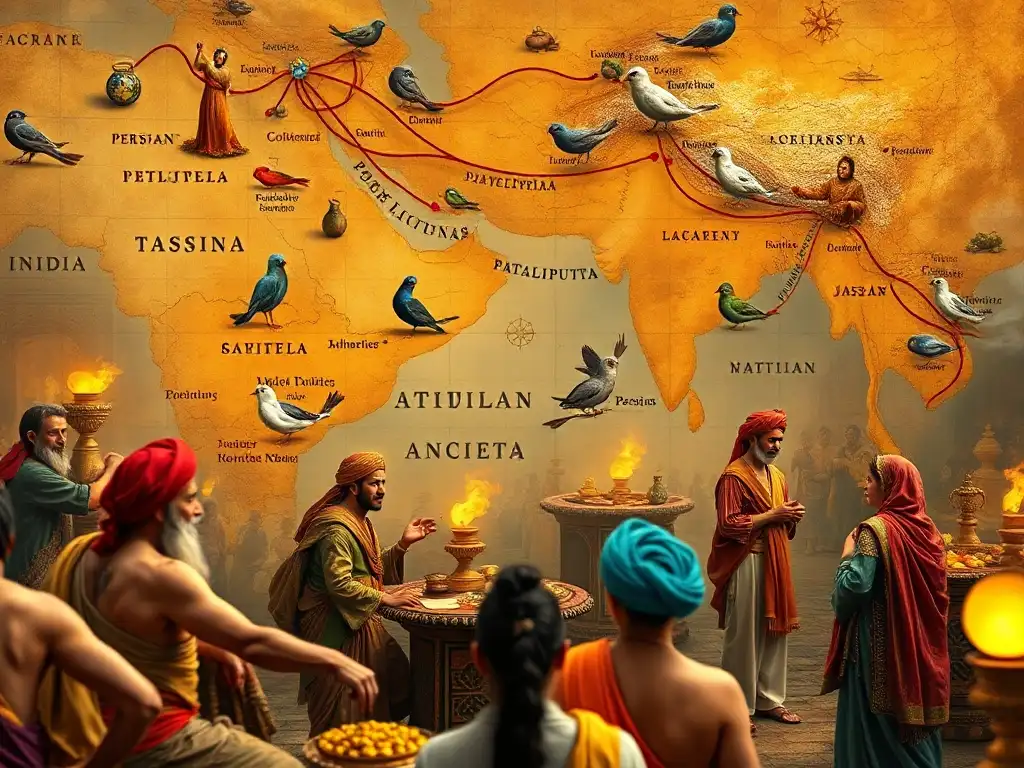
Trade routes served as conduits for the spread of religions and philosophies across ancient India and beyond. As traders moved from one region to another, they carried not only goods but also their beliefs and ideologies. Buddhism, for instance, spread from India to Central Asia and China through the Silk Road, significantly impacting cultures along the way.
The establishment of trade alliances with various kingdoms facilitated the exchange of religious texts and doctrines, further enriching philosophical discourse. The interactions between Hindu and Buddhist traders with Zoroastrians in Persia or early Christians in the Mediterranean created a platform for dialogue and mutual influence, leading to the evolution of religious thought and practices.
Economic Benefits of Trade Alliances for Ancient India
Trade alliances provided substantial economic benefits to ancient India, contributing to its prosperity and resilience. These alliances helped establish extensive trade networks that connected India with numerous civilizations, enhancing its role as a vital economic hub in the ancient world.
Wealth Accumulation and Economic Growth
The influx of goods and wealth through trade alliances significantly contributed to the economic growth of ancient India. Luxuries such as silk, spices, and precious stones fetched high prices in foreign markets, leading to the accumulation of wealth among merchants and the ruling classes. This prosperity fueled urbanization, with cities like Taxila, Pataliputra, and Ujjain becoming important commercial centers.
Moreover, increased trade led to the development of a more sophisticated financial and banking system, enabling easier transactions and credit facilities. The economic surplus generated through trade allowed for investments in infrastructure, including roads and ports, which further facilitated commerce and bolstered economic stability.
How Trade Alliances Enhanced Technological Innovations
Trade alliances also played a crucial role in the technological advancements of ancient India. The exchange of ideas and innovations between cultures led to significant developments in various fields, including agriculture, metallurgy, and navigation.
For instance, Indian advancements in iron metallurgy, particularly the production of high-quality steel (known as Wootz steel), were highly sought after in foreign markets. The techniques and methods learned from interactions with other cultures led to improved agricultural practices, such as crop rotation and irrigation techniques, which enhanced productivity.
Furthermore, the exchange of navigational techniques and shipbuilding technologies with maritime cultures aided Indian traders in expanding their reach across the Indian Ocean, establishing trade links with Southeast Asia and beyond. This technological diffusion not only strengthened India's economic position but also contributed to its cultural and scientific legacy.
Challenges Faced by Ancient Indian Trade Alliances
Ancient India was a hub of trade, known for its rich resources, vibrant culture, and advanced civilization. However, the trade alliances formed with various cultures were not without their challenges. These obstacles arose from political, economic, and cultural factors that shaped the dynamics of trade during ancient times. Understanding these challenges provides insight into the complexities of trade alliances and how they influenced the ancient economy.
Political Turmoil and Its Impact on Trade
Political instability was a significant challenge that affected trade alliances in ancient India. Frequent invasions, shifts in power, and internal conflicts often disrupted trade routes and relationships. For instance, the rise and fall of various dynasties, such as the Mauryas and the Kushans, brought about changes in trade policies and alliances.
- Invasions: The incursions by foreign powers, such as the Greeks and later the Huns, often led to the destruction of trade infrastructure and a decline in commerce. The disruption of the Silk Road during these invasions significantly impacted trade between India and other regions.
- Internal Conflicts: Rivalries among local kingdoms could lead to blockades and tariffs that hindered trade. Alliances formed under one ruler might collapse under the next, creating uncertainty for merchants who relied on stable conditions to conduct business.
Navigating Cultural Differences in Trade Relations
Cultural differences presented another layer of complexity in ancient trade alliances. Merchants and traders often encountered diverse customs, languages, and practices that could lead to misunderstandings and conflicts.
- Communication Barriers: Language differences made negotiations challenging. Interactions between Indians and traders from regions such as Persia or the Mediterranean often required interpreters, which could lead to misinterpretations of trade agreements.
- Cultural Norms: Different cultures had varying norms regarding trade, including pricing strategies, quality standards, and even the ethical considerations surrounding commerce. This often necessitated a degree of compromise and adaptation, as merchants needed to respect and understand these differences to foster successful trade relationships.
Conclusion: Legacy of Ancient India Trade Alliances
The trade alliances established by ancient India left a profound legacy that shaped not only the economy of the region but also influenced global trade practices. These alliances fostered cultural exchanges, technological advancements, and economic growth that resonate even in contemporary times.
Lasting Impacts on Modern Trade Practices
The ancient trade networks laid the foundation for modern trading systems. Concepts such as:
- Silk Route Influence: The routes that connected India to the East and West facilitated not just the exchange of goods but also ideas and technologies. This early form of globalization has parallels in today’s interconnected economies.
- Trade Regulations: The practices of setting trade regulations and tariffs in ancient times have evolved but still influence modern policies regarding international trade agreements.
Reflection on the Cultural Heritage of Ancient Trade Networks
The cultural heritage stemming from ancient trade alliances is significant. These interactions led to the sharing of not just goods but also philosophies, religions, and artistic expressions.
- Cultural Syncretism: The blending of Indian culture with those of its trading partners resulted in unique art forms, culinary practices, and spiritual beliefs, enriching the tapestry of human civilization.
- Historical Recognition: Modern scholars continue to explore these ancient trade networks, recognizing their role in shaping cultural identities and fostering mutual respect among diverse civilizations. The legacy of these alliances serves as a reminder of the importance of collaboration and understanding in a globalized world.
- Introduction to Ancient India Trade Alliances
- Importance of Trade in Ancient Indian Civilizations
- Overview of Cultural Exchange and Economic Impact
- Historical Context of Trade in Ancient India
- Major Trade Routes Connecting Ancient India
- Prominent Trade Alliances in Ancient India
- Cultural Exchange Through Trade Alliances
- Influence of Trade on Art and Architecture
- The Spread of Religion and Philosophy Through Trade
- Economic Benefits of Trade Alliances for Ancient India
- Challenges Faced by Ancient Indian Trade Alliances
- Conclusion: Legacy of Ancient India Trade Alliances
Frequently Asked Questions
What were the key trade alliances in ancient India?
Ancient India formed strategic trade alliances with various regions, including Southeast Asia and the Middle East, facilitating the exchange of goods, culture, and ideas.
How did ancient India influence global trade networks?
The geographical location of ancient India allowed it to serve as a crucial hub in global trade networks, connecting the East and West through maritime and overland routes.
What goods were primarily traded through these alliances?
Ancient Indian traders exchanged valuable goods such as spices, textiles, and precious stones, which were highly sought after in international markets.
How did cultural exchanges occur through trade alliances?
Trade brought not only goods but also enabled cultural exchanges, including religion, art, and language, enriching both Indian civilization and its trade partners.
What role did the Gupta Empire play in trade alliances?
The Gupta Empire established a stable and prosperous period that enhanced trade relations, leading to increased economic growth and cultural prosperity across the region.
Final Reflection: The Enduring Legacy of Ancient India Trade Alliances
The intricate web of trade alliances formed by ancient India serves as a powerful reminder of how collaboration transcends borders and cultures. Today, as globalization reshapes our world, the lessons from these historical partnerships resonate more than ever. The ability of ancient Indian civilizations to engage with diverse cultures not only enriched their own society but also laid the groundwork for a shared human experience that continues to influence global trade dynamics.
The impact of these trade alliances extends far beyond the exchange of goods; they fostered cultural exchange, innovation, and mutual respect among civilizations. The interconnectedness that characterized ancient trade routes is echoed in our modern world, where collaboration remains vital for progress. As the historian R.C. Majumdar aptly stated, Trade is not merely an economic transaction; it is a bridge that connects cultures and fosters understanding.
This perspective invites us to recognize the profound social implications of trade, urging us to appreciate the cultural narratives that emerge from such interactions.
As we reflect on the significance of ancient India’s trade alliances, let us embrace the spirit of collaboration in our own lives. Consider how you can build bridges in your community, fostering connections that celebrate diversity and promote understanding. Whether through local initiatives, cultural exchanges, or simply engaging in conversations with those from different backgrounds, each effort contributes to a richer, more interconnected world. The legacy of ancient India teaches us that through cooperation and shared purpose, we can create a future that honors our collective heritage while paving the way for new possibilities.
Unleash the Power of Global Connections!
Thank you for exploring the fascinating world of ancient India's trade alliances with other cultures! We hope you’ve gained valuable insights into how collaboration shaped history and enriched civilizations. Now, it’s time to put that knowledge into action and engage in the ongoing conversation about global interconnections.
- Dive deeper: Research a specific trade route discussed in this article and discover its influence on contemporary culture.
- Share your thoughts: Discuss your favorite fact from the article with friends or join our community forum to connect with fellow history enthusiasts!
- Explore further: Check out our recommended reading list to learn about other cultures that influenced ancient India’s trade dynamics.
What new connections between cultures do you believe are essential for understanding our modern world?