
The Indus Valley Civilization and Maritime Trade: A Connection to the Wider World

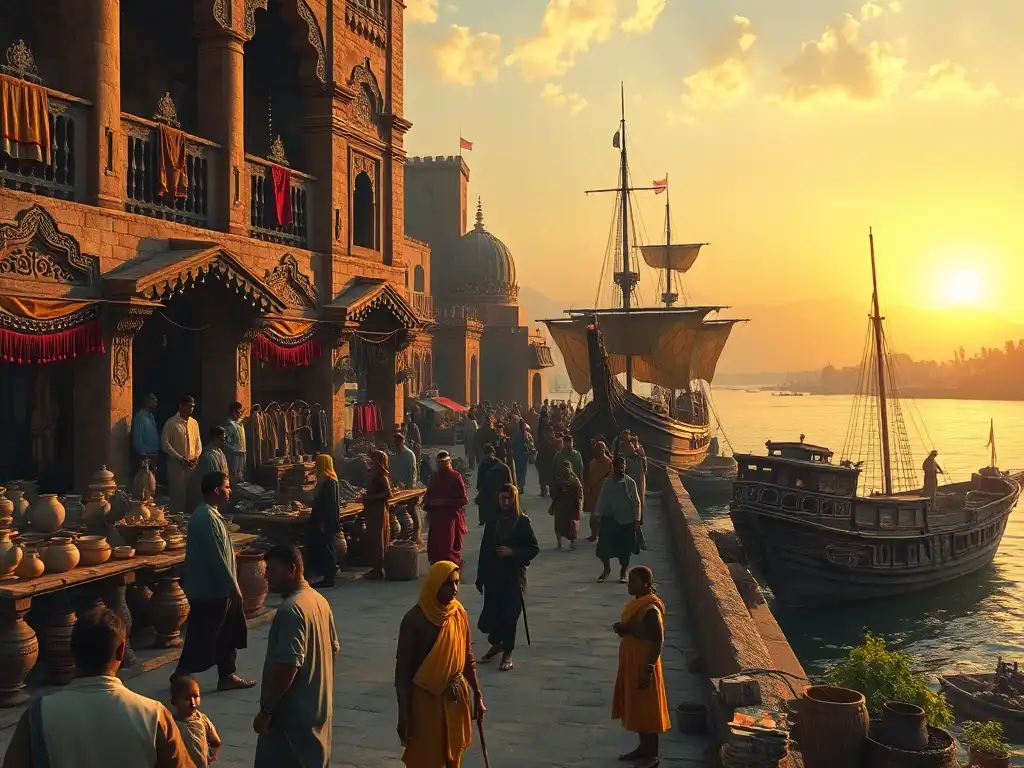
Welcome to Ancient India History, a portal into the fascinating tapestry of India's past! Here, we delve into the rich and diverse history, culture, and contributions of ancient Indian civilizations, from the enigmatic Indus Valley to the illustrious Gupta Empire. In our featured article on Indus Valley maritime trade history, you’ll uncover the intricate connections that this remarkable civilization had with the wider world.
What secrets lie beneath the waves and along ancient trade routes? Join us as we navigate through time and explore the profound impact of maritime trade on the Indus Valley’s legacy. Your journey into the depths of history starts here!
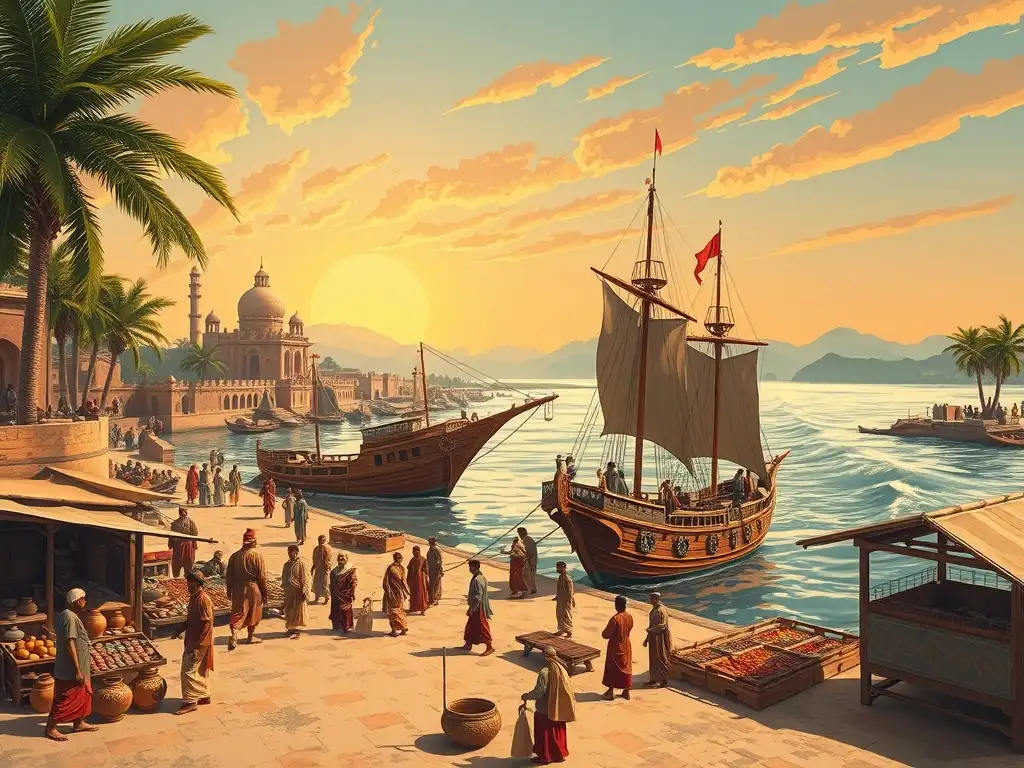
Introduction to the Indus Valley Civilization
The Indus Valley Civilization (IVC), flourishing around 2500 BCE in present-day Pakistan and northwest India, stands as one of the world's earliest urban cultures. Renowned for its advanced city planning, sophisticated drainage systems, and remarkable craftsmanship, the IVC has captivated historians and archaeologists alike.
Beyond its architectural and technological achievements, the Indus Valley Civilization is particularly notable for its extensive maritime trade networks, which connected it to distant regions and cultures, facilitating not only economic exchanges but also cultural interactions. This article delves into the intricacies of the Indus Valley maritime trade history, exploring how this civilization established vital links to the wider world, thereby shaping its development and legacy.
Overview of the Indus Valley Civilization
The Indus Valley Civilization emerged around 3300 BCE and reached its zenith between 2500 and 1900 BCE. It encompassed a vast geographical area, including major urban centers like Harappa and Mohenjo-Daro, characterized by:
- Urban Planning: Cities were constructed with a grid layout, featuring well-planned streets and advanced drainage systems.
- Economy: The economy was largely based on agriculture, supplemented by crafts and trade.
- Writing System: The civilization developed a unique script, although it remains undeciphered.
The IVC's urban centers were strategically located near rivers and trade routes, making them crucial hubs for commerce and cultural exchange.
Significance in Ancient Indian History
The significance of the Indus Valley Civilization in ancient Indian history cannot be overstated. It laid the foundation for subsequent Indian cultures and societies. Key contributions include:
- Agricultural Innovations: Pioneering techniques in irrigation and crop cultivation that supported large populations.
- Cultural Practices: The introduction of various religious and social customs that influenced later Indian civilizations.
- Trade Networks: Establishing trade connections with Mesopotamia, Persia, and beyond, which enriched the local economy and facilitated cultural diffusion.
The legacy of the IVC continues to be felt, as it represents a crucial chapter in the story of human civilization.
Understanding Indus Valley Maritime Trade History
Definition and Scope of Maritime Trade
Maritime trade refers to the exchange of goods and services across sea routes, which played a pivotal role in the economic frameworks of ancient civilizations. In the context of the Indus Valley Civilization, maritime trade involved:
- Trade Routes: Utilizing coastal and riverine routes for the transportation of goods, enhancing access to wider markets.
- Goods Traded: Key exports included cotton textiles, pottery, and semi-precious stones, while imports featured metals, ivory, and luxury items.
The Indus Valley's strategic position allowed it to engage in extensive maritime trade, linking it to regional powers and facilitating cultural exchanges.
Importance of Trade in Indus Valley Society
Trade was integral to the social and economic fabric of the Indus Valley Civilization. Its importance can be outlined as follows:
- Economic Prosperity: Trade generated wealth, which funded urban development and public works.
- Cultural Exchange: Interaction with other cultures led to the exchange of ideas, technologies, and artistic influences.
- Social Structure: The trade networks contributed to the emergence of a merchant class, which played a significant role in societal organization.
The maritime trade of the Indus Valley Civilization not only fostered economic growth but also enriched its cultural landscape, establishing connections that would resonate through history.
Key Ports and Trade Routes of the Indus Valley Civilization
The Indus Valley Civilization (IVC), flourishing around 2500 BCE in present-day Pakistan and northwest India, was not only notable for its urban planning and sophisticated societal structure but also for its extensive maritime trade networks. The civilization connected with various regions across the Indian subcontinent and beyond, establishing trade routes that facilitated the exchange of goods and cultural ideas. Key ports, like Harappa and Mohenjo-Daro, served as vital hubs for this trade, enabling the movement of products that included agricultural surplus, raw materials, and artisanal crafts.
Major Ports: Harappa and Mohenjo-Daro
Harappa and Mohenjo-Daro were the two most significant urban centers of the Indus Valley Civilization, acting as crucial nodes in the maritime trade network.
- Harappa: Located near the Ravi River, Harappa was strategically placed for both land and maritime routes. The port had access to the Indus River, which facilitated the movement of goods to coastal areas, likely including the Arabian Sea. Archaeological findings suggest that Harappa was bustling with trade activity, as evidenced by the presence of weights, measures, and seals indicating commercial transactions.
- Mohenjo-Daro: Situated closer to the Indus River, Mohenjo-Daro was likely the larger of the two cities. Its advanced dockyard, which is believed to have been located at the mouth of the Indus, allowed for efficient loading and unloading of ships. The well-planned grid layout of the city and its sophisticated drainage system indicate a high level of organization necessary for supporting a thriving trade economy.
Both ports were integral to the IVC's connection with various cultures, including those in Mesopotamia, the Persian Gulf, and even regions as far as East Africa and Southeast Asia.
Trade Routes Connecting to Mesopotamia and Beyond
The trade routes that emerged from the Indus Valley were both terrestrial and maritime, connecting the civilization to major centers of commerce in Mesopotamia and beyond.
- Overland Trade: Caravans traversed the vast deserts and mountains to link the Indus Valley with Mesopotamia, facilitating the exchange of goods like textiles, spices, and semi-precious stones. These routes were critical for establishing diplomatic and trade relations with neighboring civilizations.
- Maritime Trade: The ports of the Indus Valley provided access to the Arabian Sea, enabling maritime trade with distant lands. Ships would have sailed to the ports of Mesopotamia, notably Ur and Babylon, carrying goods such as cotton textiles and metalwork. Archaeological evidence indicates that the Indus merchants were adept navigators, capable of sailing the monsoon winds to enhance their trading activities.
The interconnectedness fostered by these trade routes allowed for cultural exchanges that influenced the arts, technology, and agriculture across the regions involved.
Goods Traded in the Indus Valley Maritime Trade
The maritime trade of the Indus Valley Civilization was marked by a diverse range of goods that were exchanged both locally and internationally. The trade not only included raw materials and agricultural products but also showcased the remarkable craftsmanship of Indus artisans.
Agricultural Products and Raw Materials
Agricultural products were foundational to the trade economy of the IVC, as fertile plains along the Indus River supported the cultivation of various crops.
- Crops: Key agricultural products included wheat, barley, rice, and pulses. These staples were significant not just for local consumption but were also traded with neighboring regions, contributing to food security and economic stability.
- Raw Materials: The IVC was rich in natural resources, including cotton, which was likely one of the first regions to cultivate this valuable crop. Additionally, minerals such as copper, lead, and precious stones were essential for both local use and trade. The export of these materials facilitated the growth of the civilization and its connections with other cultures.
Artifacts and Crafts: Pottery, Beads, and Textiles
The artisans of the Indus Valley Civilization produced a remarkable array of artifacts that were highly valued in trade.
- Pottery: The pottery of the IVC was not only functional but also artistically significant. Decorated ceramics, often painted with intricate designs, were sought after in trade networks, showcasing the artistic talent and aesthetic sensibilities of the civilization.
- Beads: Bead-making was a highly developed craft in the Indus Valley, with artisans creating intricate designs using a variety of materials, including semi-precious stones like lapis lazuli and carnelian. These beads were traded widely and were often incorporated into jewelry, making them desirable commodities.
- Textiles: The production of textiles, particularly cotton, was another key aspect of trade. The IVC's expertise in weaving and dyeing contributed to the creation of high-quality fabrics, which were highly prized both locally and in foreign markets.
The diverse array of goods traded by the Indus Valley Civilization reflects its sophistication and the integral role of maritime trade in shaping its economy and cultural connections with the wider world.
The Role of Maritime Trade in Economic Development
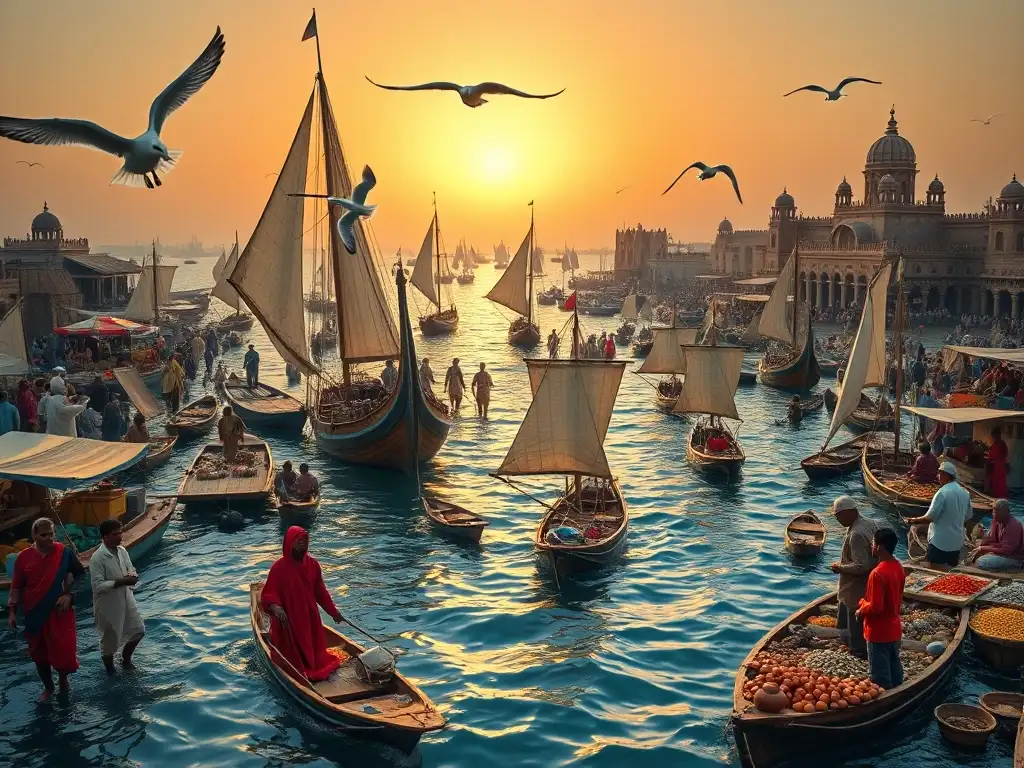
Maritime trade played a pivotal role in the economic development of the Indus Valley Civilization (IVC). Situated along the banks of major rivers and close to the Arabian Sea, the IVC had unique geographic advantages that facilitated trade with distant regions. This maritime connectivity allowed for the exchange of goods, resources, and ideas, which significantly boosted the economy.
The establishment of trade routes not only connected the IVC with other civilizations, such as Mesopotamia and Persia, but also enabled the import of raw materials that were scarce in the region. These included precious metals, stones, and various agricultural products. The economic implications of such trade were profound, as they not only increased the wealth of the region but also led to a diversification of industries, including pottery, textiles, and metallurgy, which thrived due to the influx of new materials and techniques.
Moreover, maritime trade fostered a robust network of commerce that enhanced the region's economic resilience. The ability to engage in long-distance trade reduced dependence on local resources, allowing the Indus Valley societies to stabilize their economies against potential local disasters, such as droughts or floods. This economic security contributed to the overall sustainability and longevity of the IVC.
Economic Implications of Trade for the Indus Valley
The economic implications of maritime trade for the Indus Valley were vast and multifaceted. Trade facilitated the flow of wealth into the civilization, which in turn supported the development of urban centers. Major cities like Harappa and Mohenjo-Daro became bustling trade hubs that attracted merchants from various regions. The increased economic activity led to the emergence of a complex socio-economic structure characterized by various classes of artisans, traders, and laborers.
Additionally, the trade network allowed for the standardization of weights and measures, which streamlined commercial transactions. This standardization not only simplified the trading process but also fostered trust among traders, further enhancing economic cooperation. The export of goods such as cotton textiles, pottery, and beads generated significant revenue, contributing to the prosperity of the Indus Valley civilization.
The economic benefits of trade also extended to agricultural practices, as increased trade led to the dissemination of new agricultural techniques and crop varieties. The ability to trade surplus crops for goods not available locally encouraged agricultural innovation and sustainability. Thus, the economic implications of maritime trade were integral to the evolution of the Indus Valley civilization, promoting growth, stability, and cultural exchange.
Impact on Urbanization and City Planning
The impact of maritime trade on urbanization and city planning in the Indus Valley Civilization is notable. As trade routes expanded, cities were strategically located to facilitate access to these routes, resulting in the development of sophisticated urban centers. The design of cities like Harappa and Mohenjo-Daro reflects advanced planning, which included grid layouts, drainage systems, and public baths, indicative of a well-organized society geared towards trade.
The influx of wealth from maritime trade led to increased investment in infrastructure. This included the construction of warehouses for storing goods, docks for ships, and marketplaces that became the focal point of economic activity. The planning of these urban centers prioritized accessibility, ensuring that traders and merchants could efficiently transport goods in and out of the cities.
Furthermore, as trade flourished, the population density in urban areas increased, leading to a vibrant mix of cultures and social dynamics. The growth of urban centers also prompted innovations in technology and architecture, as the need for better facilities and living conditions became paramount. Thus, maritime trade not only influenced the economic landscape but also played a critical role in shaping the urban identity and architectural legacy of the Indus Valley Civilization.
Cultural Exchanges through Maritime Trade
Maritime trade was not merely an economic endeavor for the Indus Valley Civilization; it also served as a conduit for cultural exchanges. The interaction with various regions and cultures through trade facilitated the sharing of ideas, customs, and technologies, enriching the social fabric of the IVC. This cultural interplay had lasting impacts on both the civilization itself and on its trading partners.
Influence of Foreign Cultures on Indus Valley Society
The influence of foreign cultures on Indus Valley society is evident in various aspects of daily life, art, and religion. As traders from regions such as Mesopotamia and the Arabian Peninsula interacted with the Indus Valley people, they exchanged not only goods but also cultural practices. This exchange led to the assimilation of new ideas, beliefs, and artistic styles, which can be observed in the artifacts found throughout the region.
For instance, seals and pottery discovered in the IVC exhibit motifs and designs reminiscent of Mesopotamian art, suggesting a cross-cultural influence that enriched local craftsmanship. Additionally, the introduction of new religious symbols and practices may have occurred through these interactions, contributing to the spiritual diversity of the society. This blending of cultures illustrates the dynamic nature of the Indus Valley Civilization and its openness to outside influences.
Exchange of Ideas, Technologies, and Practices
The exchange of ideas, technologies, and practices through maritime trade significantly enhanced the sophistication of the Indus Valley Civilization. Contact with other cultures allowed the IVC to adopt and adapt various technological advancements, including improved agricultural techniques, metallurgical processes, and construction methods.
For example, knowledge related to irrigation and crop cultivation may have been shared through trade, leading to increased agricultural productivity. Similarly, advancements in metallurgy, such as the production of high-quality bronze tools and weapons, can be traced back to interactions with neighboring civilizations.
The cultural exchanges facilitated by maritime trade also extended to practices such as writing and record-keeping. The Indus script, while still undeciphered, suggests that the civilization engaged in complex administrative activities, potentially influenced by neighboring societies' record-keeping methods. Overall, the Indus Valley's maritime trade history is a testament to the rich cultural exchanges that defined the civilization, leaving a lasting legacy on its development and identity.
Challenges and Limitations of Indus Valley Maritime Trade
The Indus Valley Civilization, known for its advanced urban planning and sophisticated culture, faced several challenges and limitations that impacted its maritime trade. These factors constrained the extent and effectiveness of trade networks that connected the civilization with other regions. Understanding these challenges is essential to grasp the complexities of the Indus Valley maritime trade history.
Geographical and Environmental Obstacles
The geographical landscape of the Indus Valley posed significant challenges to maritime trade. The civilization thrived along the river systems of the Indus and its tributaries, which provided essential water resources and fertile land for agriculture. However, these rivers also created limitations for direct access to the sea. The Indus River, for instance, had a shifting course and silted up over time, complicating navigation and making it difficult for large vessels to reach coastal ports.
In addition to navigational challenges, the coastal areas of the Indus were marked by a complex delta formation that made access to the Arabian Sea difficult. The marshy and unstable terrain hindered the development of robust ports and shipping facilities. Furthermore, seasonal monsoons could lead to unpredictable weather patterns, affecting trade routes and the safety of maritime voyages.
Socio-political Factors Affecting Trade Dynamics
The socio-political landscape of the Indus Valley Civilization also contributed to the challenges faced in maritime trade. While the civilization is known for its advanced urban centers like Harappa and Mohenjo-Daro, the lack of a unified political structure may have hindered cohesive trade policies. Unlike contemporaneous civilizations, such as Mesopotamia, which had centralized authorities to regulate trade, the Indus Valley appears to have been more decentralized, with various city-states potentially competing for resources and trade routes.
Moreover, trade was often influenced by socio-economic factors, including class divisions and local economies. The elite class in Indus Valley cities may have monopolized trade resources, thereby limiting wider participation in maritime trade. This social stratification could have led to tensions and conflicts over access to trade networks, further complicating the trade dynamics.
The Decline of Indus Valley Maritime Trade
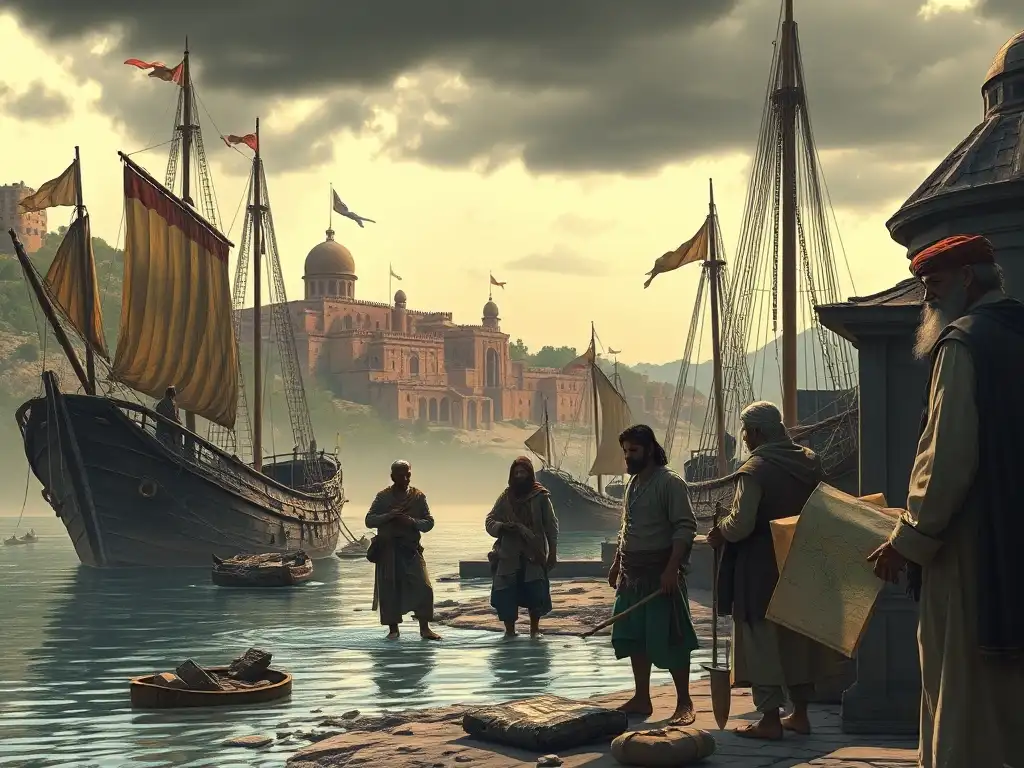
The decline of maritime trade in the Indus Valley Civilization marks a significant turning point in its history. This decline was not abrupt but rather a gradual process influenced by multiple factors that intertwined with the socio-economic fabric of the civilization.
Theories Surrounding the Decline of Trade Networks
Several theories have emerged to explain the decline of trade networks in the Indus Valley. One prominent theory suggests that environmental changes, such as shifting river patterns and increasing aridity, severely impacted agricultural productivity. As agriculture declined, so did the surplus goods that were essential for trade. This led to a decrease in trade activities and connections with external markets.
Another theory posits that the rise of competing civilizations in the region, such as the Aryans, may have led to the disruption of established trade routes. Increased conflict and migration could have further isolated the Indus Valley, making it difficult for traders to maintain their connections with far-flung markets.
Impact on the Civilization's Overall Decline
The decline of maritime trade had profound implications for the overall decline of the Indus Valley Civilization. As trade dwindled, economic prosperity waned, leading to a reduction in urban centers' populations and a decline in cultural and technological advancements. The loss of trade also meant a decrease in the exchange of ideas and goods, which had previously enriched the civilization's cultural landscape.
Additionally, the inability to sustain trade networks likely led to resource scarcity, which may have exacerbated social tensions and contributed to the eventual disintegration of the civilization. The interconnectedness of trade and cultural vitality highlights how the decline of maritime trade was not just an economic issue but a crucial factor in the broader narrative of the Indus Valley Civilization's decline.
Legacy of the Indus Valley Maritime Trade
The Indus Valley Civilization (IVC), known for its advanced urban planning and sophisticated culture, also had a significant maritime trade network that connected it to various regions beyond the subcontinent. This network facilitated not only the exchange of goods but also the cross-pollination of ideas, technologies, and cultural practices. The maritime trade routes primarily extended from the ports of the Indus River, such as Lothal and Harappa, to the Arabian Sea and beyond, reaching Mesopotamia, Persia, and possibly even the eastern Mediterranean.
The legacy of this trade is evident in various archaeological findings. Artifacts like seals, pottery, and weights found at IVC sites indicate that the civilization maintained a robust trading economy. The goods traded included cotton textiles, precious stones, metals, and possibly agricultural products. These exchanges contributed to the wealth and sustainability of the Indus Valley communities, allowing them to thrive for centuries.
Moreover, the maritime trade practices established by the Indus Valley traders laid foundational principles for later Indian civilizations. The techniques of shipbuilding, navigation, and trade regulation developed during this period influenced subsequent Indian maritime activities, reinforcing India's role in regional and global trade networks.
Lasting Influences on Future Indian Civilizations
The maritime trade legacy of the Indus Valley Civilization had profound implications for future Indian societies. As trade routes expanded, they integrated diverse cultures and fostered economic interdependence. The knowledge gained from maritime navigation and trade practices became a vital part of Indian maritime heritage, influencing the kingdoms that followed, such as the Maurya and Gupta Empires.
The IVC's trade routes also facilitated cultural exchanges, introducing new ideas and goods that shaped local customs and lifestyles. For instance, the introduction of cotton textiles became a hallmark of Indian craftsmanship, which later gained international acclaim. Additionally, the trading practices of the IVC set a precedent for the establishment of trade guilds in subsequent Indian societies, fostering economic specialization and collaboration.
The influences of the IVC's maritime trade are also seen in the religious and cultural landscapes of later civilizations. The interactions with other cultures led to the exchange of religious beliefs, art forms, and linguistic elements, enriching the cultural tapestry of ancient India.
Reflections in Modern Trade Practices and Cultural Exchanges
Today, the legacy of the Indus Valley maritime trade is reflected in modern trade practices and cultural exchanges in South Asia. The principles of trade and commerce established during the IVC have evolved but remain rooted in the region's ongoing engagement with maritime activities. Ports such as Mumbai and Kochi continue to thrive as vital trade hubs, reminiscent of their ancient predecessors.
Furthermore, the cultural exchanges initiated by the IVC's trade networks still resonate in contemporary society. The diversity of Indian cuisine, art, and traditions can be traced back to the interactions facilitated by maritime trade. For example, the influence of Middle Eastern spices and culinary techniques is evident in various regional Indian dishes, showcasing the continuity of cultural exchange from ancient times to the present.
The globalization of trade today has also revived interest in ancient trade routes, leading to initiatives aimed at enhancing maritime connectivity and heritage tourism. These efforts not only celebrate the historical significance of the Indus Valley's maritime trade but also create opportunities for economic development and cultural appreciation.
Conclusion: The Indus Valley Civilization's Connection to the Wider World
The Indus Valley Civilization's maritime trade established profound connections with the wider world, enabling the exchange of goods, ideas, and cultures. This interconnectedness laid the groundwork for future Indian civilizations and contributed to the region's rich historical narrative.
Summary of Key Points
- The Indus Valley Civilization developed a sophisticated maritime trade network that linked it to regions such as Mesopotamia and Persia.
- The trade practices established during this period influenced future Indian civilizations, promoting economic growth and cultural exchanges.
- Modern trade practices and cultural exchanges continue to reflect the legacy of the IVC's maritime trade, showcasing the enduring significance of these historical connections.
The Enduring Importance of Indus Valley Maritime Trade History in Understanding Ancient India
Understanding the maritime trade history of the Indus Valley Civilization is crucial for comprehending the broader context of ancient Indian history. It provides insights into the economic strategies, cultural interactions, and technological advancements that shaped the civilization and its successors. The maritime trade legacy not only highlights the IVC's role in early global trade networks but also underscores the importance of cultural exchanges in fostering diversity and resilience in ancient Indian societies. The ongoing relevance of these historical connections continues to inform modern perspectives on trade, culture, and identity in South Asia.
- Introduction to the Indus Valley Civilization
- Understanding Indus Valley Maritime Trade History
- Key Ports and Trade Routes of the Indus Valley Civilization
- Goods Traded in the Indus Valley Maritime Trade
- The Role of Maritime Trade in Economic Development
- Cultural Exchanges through Maritime Trade
- Challenges and Limitations of Indus Valley Maritime Trade
- The Decline of Indus Valley Maritime Trade
- Legacy of the Indus Valley Maritime Trade
- Conclusion: The Indus Valley Civilization's Connection to the Wider World
- What was the significance of maritime trade in the Indus Valley Civilization?
- How did the geography of the Indus Valley influence trade?
- What types of goods were traded by the Indus Valley Civilization?
- Were there any specific ports used for maritime trade in the Indus Valley?
- How did maritime trade impact the culture of the Indus Valley Civilization?
Frequently Asked Questions
What was the significance of maritime trade in the Indus Valley Civilization?
The maritime trade of the Indus Valley Civilization was crucial for economic prosperity and allowed for the exchange of goods and cultural ideas with other civilizations.
How did the geography of the Indus Valley influence trade?
The geographical location of the Indus Valley, near the Arabian Sea, facilitated maritime routes that connected it to major trade partners in Mesopotamia and beyond.
What types of goods were traded by the Indus Valley Civilization?
The Indus Valley traders exported cotton textiles, metalwork, and jewelry, while importing luxury items such as precious stones and cultural artifacts.
Were there any specific ports used for maritime trade in the Indus Valley?
Yes, Harappa and Mohenjo-Daro served as key trade hubs with established ports that enabled maritime activities along the coastline and facilitated international trade.
How did maritime trade impact the culture of the Indus Valley Civilization?
Maritime trade led to cultural exchanges that enriched the Indus Valley Civilization, influencing its art, religion, and social structures through interactions with other cultures.
Final Reflection: The Indus Valley Civilization and Its Enduring Maritime Legacy
The exploration of the Indus Valley maritime trade history reveals a profound connection between ancient civilizations and the broader world, highlighting how trade networks shaped cultural exchanges and economic prosperity. Today, as we navigate an increasingly interconnected global landscape, the lessons from the Indus Valley remind us of the timeless importance of trade in fostering relationships and cultural understanding across borders. The legacy of this ancient civilization serves as a testament to the power of commerce in uniting diverse peoples and ideas.
Clearly, the influence of the Indus Valley Civilization extends beyond its geographical confines, impacting the cultural and social dynamics of regions far and wide. The intricate trade routes established by the Indus Valley merchants not only facilitated the exchange of goods but also ideas, technologies, and cultural practices. This exchange laid the groundwork for future civilizations, emphasizing the interconnectedness of human societies. Trade is the lifeblood of civilization, connecting people and cultures in ways that transcend time and geography.
As we reflect on the significance of the Indus Valley's maritime trade, let us consider how we can apply these lessons in our own lives. Take a moment to think about the connections you forge through your own exchanges—whether they be through commerce, ideas, or friendships. Embrace the spirit of collaboration and openness that defined the Indus Valley traders, and strive to build bridges in your community and beyond. In doing so, we honor the legacy of those who came before us and contribute to a more interconnected and understanding world.
Unveil the Secrets of Ancient Trade!
Thank you for diving into the fascinating world of the Indus Valley Civilization with us! Your interest in how these ancient societies connected with the wider world enhances our understanding of history and trade dynamics. Now, let's take the next step on this journey together!
- Explore further: Visit our website to discover more in-depth articles about the Indus Valley and its maritime trade routes that shaped civilizations.
- Engage with the community: Join our forum where history enthusiasts discuss and share insights about ancient civilizations and their impacts on today's world.
- Share knowledge: Spread the word! Share this article with friends and family who are curious about ancient history, and spark their interest in these remarkable connections.
What aspect of the Indus Valley's maritime trade intrigues you the most? How do you think its influence is reflected in modern trade practices? We invite you to share your thoughts with us below!