
The Role of Women in Indus Valley Society: Daily Responsibilities and Rights

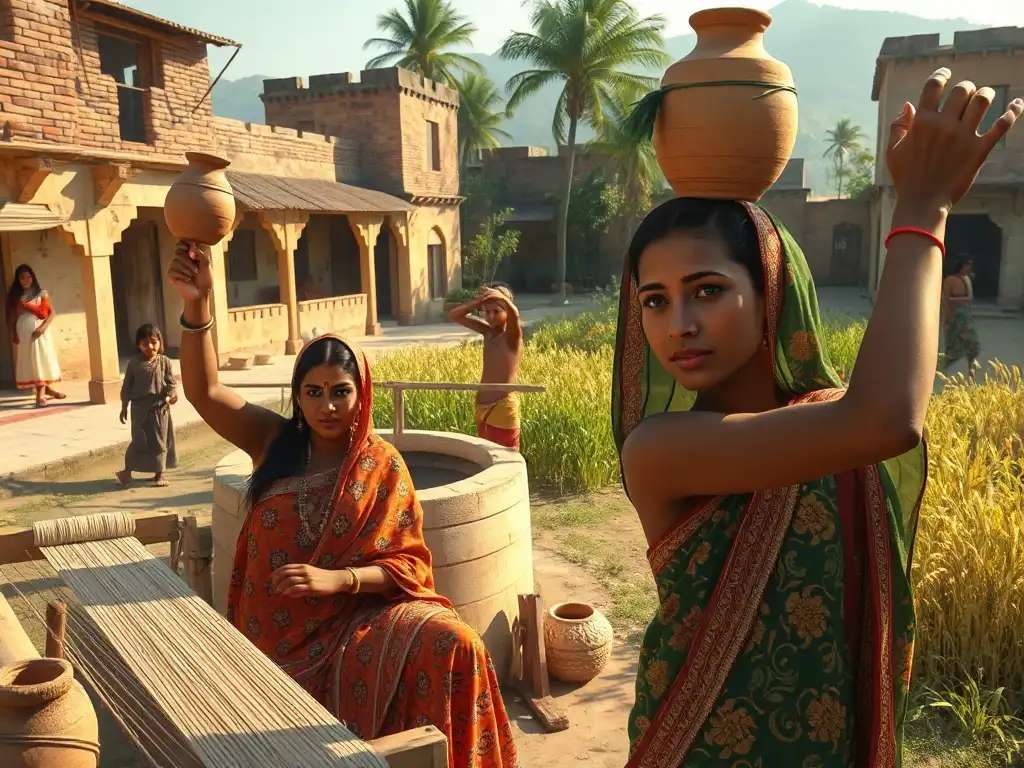
Welcome to Ancient India History, where we embark on a fascinating journey through the rich tapestry of ancient Indian civilizations. In this exploration, we delve into the profound topic of Women in Indus Valley Society, shedding light on their daily responsibilities and rights that shaped one of the world's earliest urban cultures. Discover how these remarkable women navigated their roles in a society that was as complex as it was vibrant.
Join us as we uncover the intricacies of their lives and contributions, inviting you to delve deeper into the captivating stories that have defined our past. Are you ready to explore the untold narratives that await?
Introduction to Women in Indus Valley Society
The Indus Valley Civilization, one of the world's earliest urban cultures, flourished around 2500 BCE in what is today Pakistan and northwest India. This civilization is renowned for its advanced city planning, impressive architecture, and sophisticated trade systems. However, a crucial aspect that often remains in the shadows is the role of women within this society. Understanding the Women in Indus Valley Society is essential for grasping the broader social dynamics of the time.
Archaeological findings, including seals, pottery, and figurines, provide valuable insights into the daily lives of women. Although the historical record is limited due to the undeciphered script of the Indus Valley, evidence suggests that women played significant roles in both domestic and possibly economic spheres. From managing households to engaging in artisan activities, their contributions were vital to the fabric of society. Furthermore, examining these roles allows us to challenge modern assumptions about gender, revealing a more nuanced understanding of ancient life.
Importance of Studying Women’s Roles in Ancient Civilizations
Studying the roles of women in ancient civilizations like the Indus Valley is not merely an academic exercise; it serves several important purposes:
- Broadening Historical Perspectives: Traditionally, history has focused on male-centric narratives. By including the experiences of women, we enrich our understanding of social structures and cultural norms.
- Understanding Gender Dynamics: Analyzing the responsibilities and rights of women allows us to explore the complexities of gender relations in ancient societies. This includes how women navigated their roles and the impact of societal expectations on their lives.
- Cultural Insights: Women's roles often reflect broader cultural values and practices. By understanding their contributions, we gain insight into the societal priorities of the Indus Valley Civilization.
- Influencing Modern Discourse: Learning about the rights and responsibilities of women in ancient societies can inform contemporary discussions on gender equality and women's rights.
In essence, investigating the lives of women in the Indus Valley Society provides a lens through which we can view historical progress and cultural development, ultimately contributing to a more comprehensive understanding of ancient Indian civilizations.
- Introduction to Women in Indus Valley Society
- Importance of Studying Women’s Roles in Ancient Civilizations
- What were the daily responsibilities of women in Indus Valley Society?
- Did women in the Indus Valley have any rights?
- How were women depicted in Indus Valley artifacts?
- Were women involved in trade during the Indus Valley period?
- What impact did the later civilizations have on women's roles compared to the Indus Valley?
Overview of Indus Valley Civilization
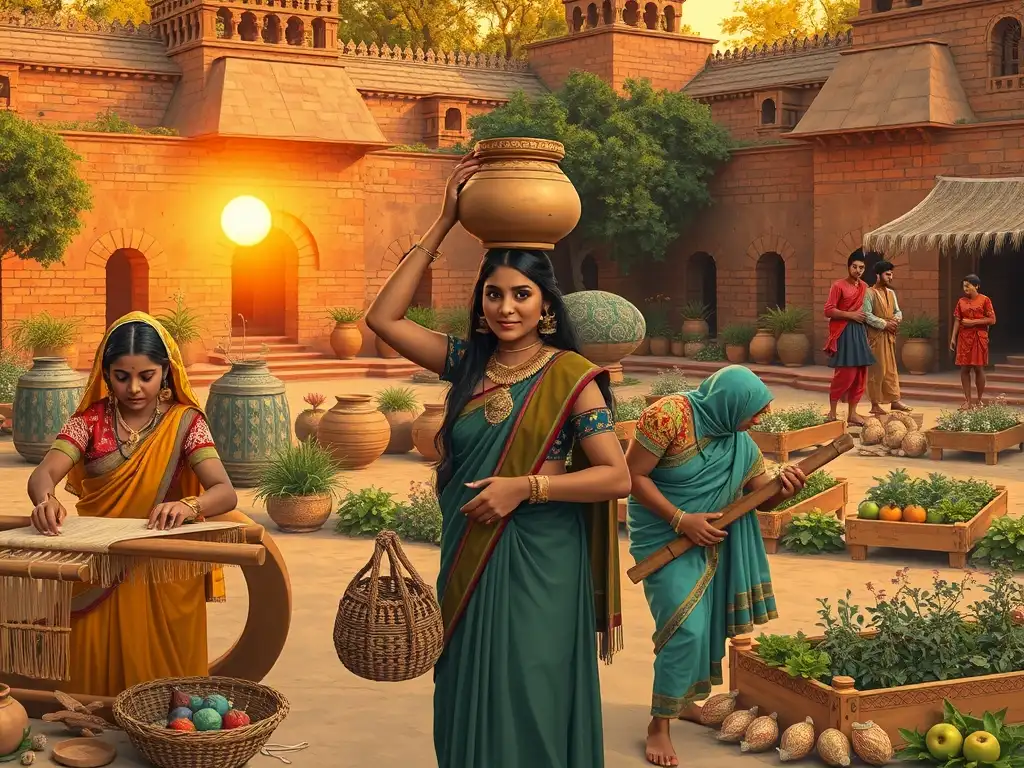
The Indus Valley Civilization, one of the world's earliest urban cultures, flourished around 2500 BCE in the northwestern regions of South Asia. It is renowned for its advanced urban planning, sophisticated drainage systems, and impressive architecture. The civilization extended across present-day Pakistan, northwest India, and parts of Afghanistan, paving the way for complex social structures, economic systems, and cultural practices.
A significant aspect of this civilization was the role and status of women, which has drawn considerable attention from historians and archaeologists. Understanding the daily responsibilities and rights of women in Indus Valley society provides valuable insights into the societal norms and values of the time, highlighting their contributions to family, economy, and culture.
Historical Context of the Indus Valley Civilization
The Indus Valley Civilization emerged around 3300 BCE, reaching its zenith between 2600 and 1900 BCE. It was marked by the development of major urban centers, such as Harappa and Mohenjo-Daro, which showcased remarkable achievements in engineering and architecture. The civilization was primarily agrarian, relying on the fertile floodplains of the Indus River for agriculture, which facilitated trade and cultural exchange with neighboring regions.
Women in this civilization played crucial roles in various aspects of life. Archaeological findings suggest that they were involved in agricultural activities, textile production, and household management. The presence of terracotta figurines representing women in various roles indicates their social significance.
Moreover, the decline of the Indus Valley Civilization around 1900 BCE is believed to have been influenced by a combination of environmental changes, such as droughts and river shifts, as well as invasions. This decline also affected the status of women, which evolved in subsequent cultures in the region.
Geographic Spread and Major Cities of the Indus Valley
The Indus Valley Civilization covered a vast area, extending over 1,250,000 square kilometers. Its geographic spread included regions that are now part of modern-day Pakistan, India, and Afghanistan, making it one of the largest ancient civilizations.
Major cities within this civilization included:
- Harappa: Located in present-day Punjab, Pakistan, Harappa was one of the first cities excavated and is known for its grid-like street layout and advanced drainage systems.
- Mohenjo-Daro: Situated near the Indus River, this city is famous for the Great Bath, a large public water tank, and its well-planned residential areas.
- Dholavira: Found in present-day Gujarat, India, it is distinguished by its sophisticated water conservation systems and unique architectural features.
- Kalibangan: Located in Rajasthan, India, Kalibangan is noted for its early agricultural practices and evidence of fire altars.
- Lothal: This city is notable for its dockyard, indicating significant maritime trade activities.
The urban centers of the Indus Valley were interconnected through extensive trade routes, facilitating cultural and economic exchanges. This geographic diversity and urban complexity played a key role in shaping the roles and rights of women in society, as they navigated their responsibilities in various settings, from bustling markets to domestic spheres.
Daily Responsibilities of Women in Indus Valley Society
Household Duties and Domestic Roles
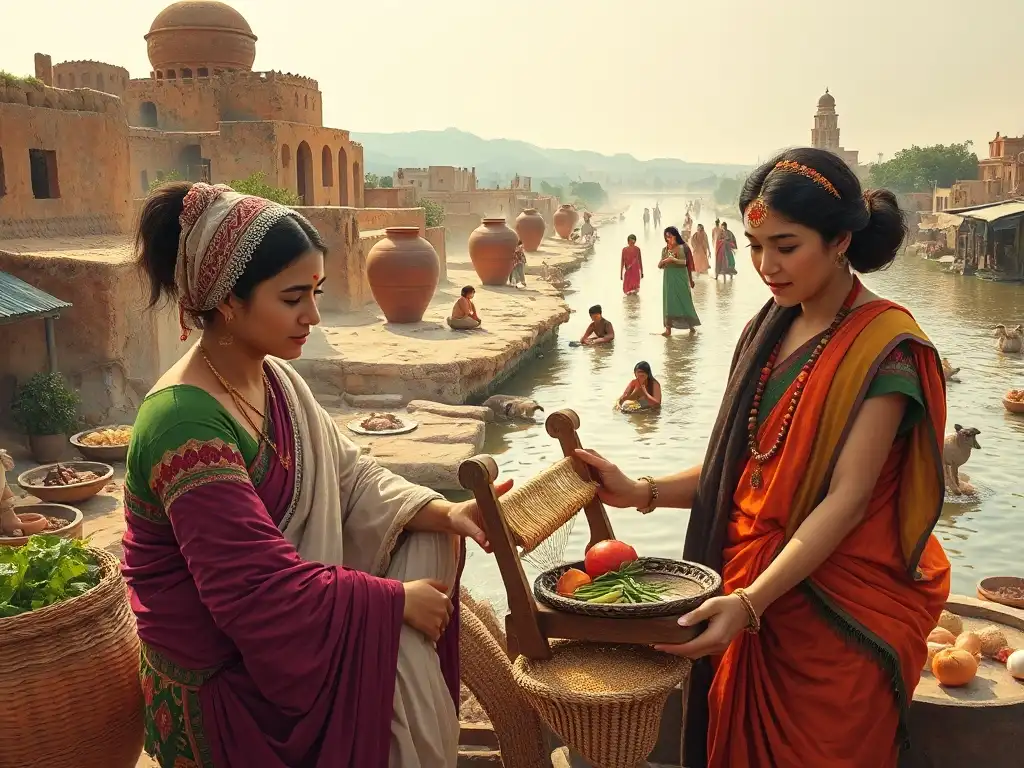
Women in Indus Valley Society played a crucial role in maintaining the household and ensuring the smooth functioning of daily life. Their responsibilities extended beyond mere domestic tasks; they were integral to the family's economic stability and cultural continuity. While the specific roles could vary depending on the social strata and regional practices, certain commonalities can be identified across the civilization.
Cooking and Food Preparation
Cooking was a central duty for women in Indus Valley households. They were responsible for preparing meals using locally available grains, legumes, fruits, and vegetables. Archaeological findings suggest the presence of cooking tools such as clay ovens, grinding stones, and pottery, which indicate a sophisticated culinary tradition. Women likely utilized a variety of cooking techniques, including baking, boiling, and steaming, to create diverse dishes.
- Common Ingredients:
- Barley
- Wheat
- Pulses
- Fruits and vegetables
The role of women in food preparation not only provided sustenance but also fostered social bonds within families and communities. Festivals and communal gatherings often involved the sharing of food, which was a significant aspect of social life in the Indus Valley.
Textile Production and Weaving
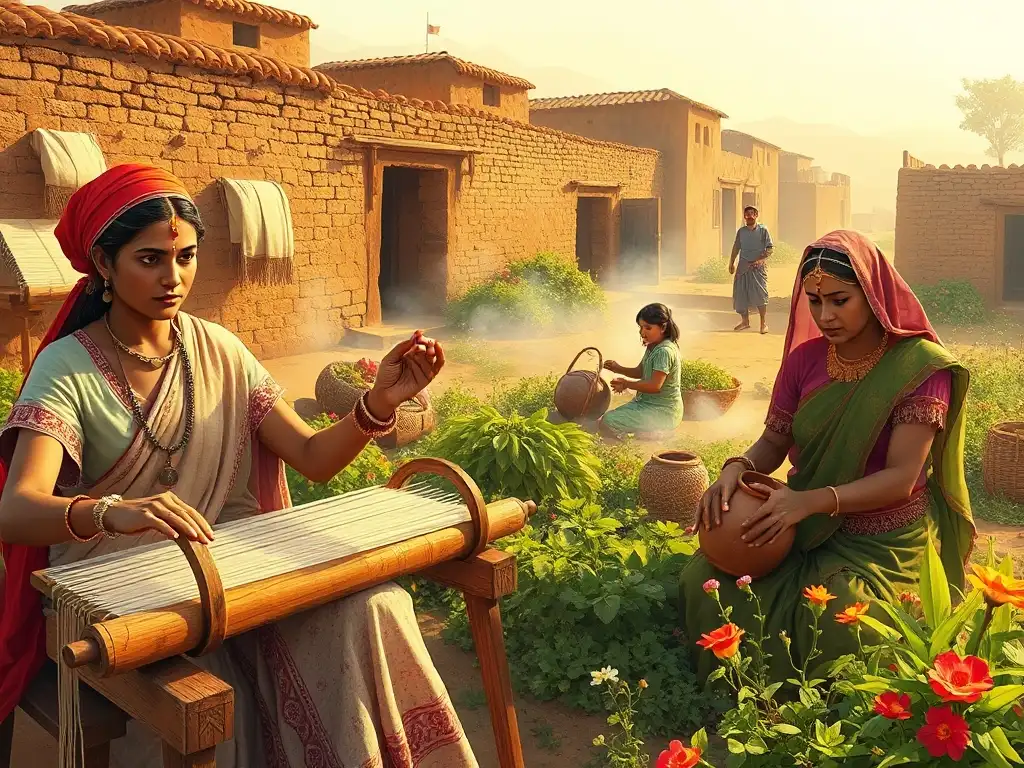
Textile production was another critical responsibility of women in the Indus Valley. Evidence of spinning wheels and loom weights found at archaeological sites indicates that women were involved in the entire process of textile manufacturing, from spinning fibers to weaving cloth.
- Materials Used:
- Cotton
- Wool
- Silks (though less common)
The textiles produced were not only used for clothing but also for trade, showcasing the skill and artistry of women in this domain. The high-quality cotton textiles, in particular, were highly valued and contributed to the economy of the Indus Valley, as they were traded with neighboring regions.
Childcare and Education
Women were primarily responsible for the upbringing and education of children in the Indus Valley. This role encompassed not only physical care but also the transmission of cultural values, traditions, and skills.
- Educational Practices:
- Teaching children about household tasks
- Imparting knowledge of local customs and beliefs
The nurturing environment provided by women was vital for the community's cultural continuity, ensuring that future generations were well-prepared to assume their roles in society.
Economic Contributions of Women
Women in the Indus Valley were not only confined to domestic responsibilities; they also made significant contributions to the economy through their involvement in trade and agriculture.
Involvement in Trade and Craftsmanship
Evidence suggests that women participated actively in trade, both within local markets and with distant regions. They were involved in the production of various crafts, including pottery, jewelry, and metalwork, which were essential for trade.
- Craftsmanship Skills:
- Pottery making
- Jewelry crafting
- Engraving and decoration
Women’s contributions to craftsmanship not only augmented their families' income but also enhanced the reputation of Indus Valley goods in trade networks, indicating the respect and recognition they garnered for their skills.
Agricultural Responsibilities
In addition to their domestic roles, women also participated in agricultural activities, contributing to the cultivation of crops. Archaeological evidence indicates that women were involved in planting, weeding, and harvesting.
- Key Crops Cultivated:
- Barley
- Wheat
- Pulses
The involvement of women in agriculture was vital for food security and economic sustenance of their families. Their dual role in both the household and the fields reflects the multifaceted nature of women's contributions to Indus Valley society, highlighting their importance in maintaining the socio-economic fabric of their communities.
Women in the Indus Valley Society played indispensable roles that went beyond traditional expectations, contributing significantly to both the domestic sphere and the broader economy. Their responsibilities in cooking, textile production, childcare, trade, and agriculture illustrate the integral part they played in shaping the daily life of this ancient civilization.
Rights and Status of Women in Indus Valley Society
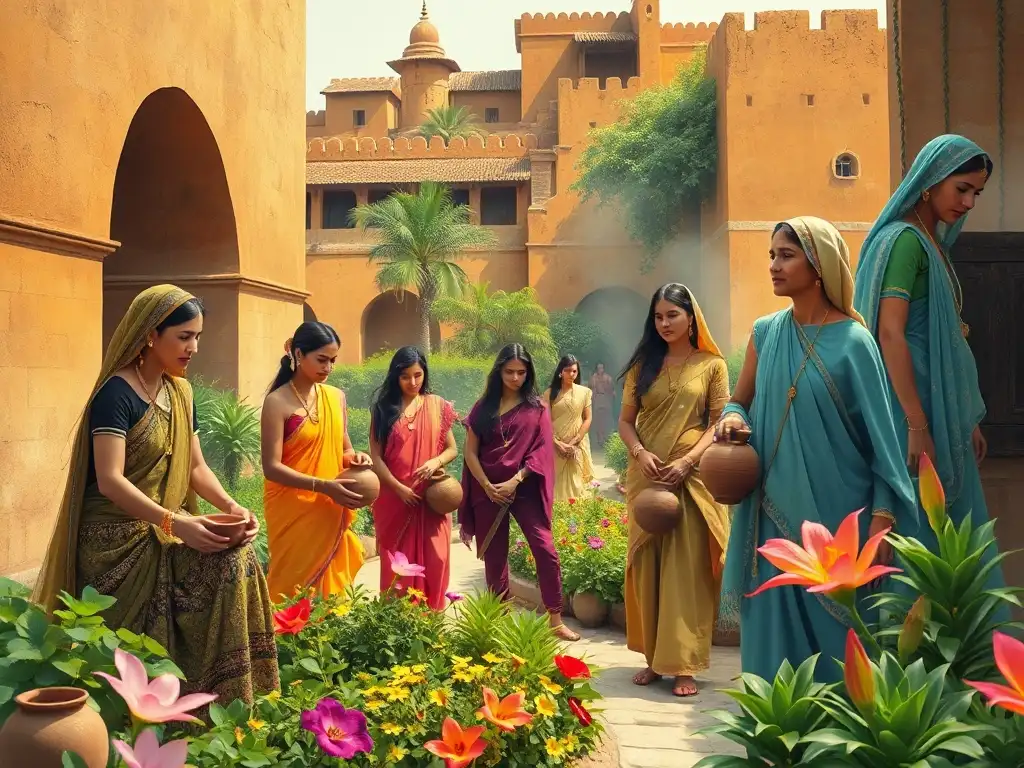
The role of women in Indus Valley Society was multifaceted, reflecting a blend of social, legal, and spiritual dimensions. Women enjoyed certain rights and privileges, which were significant for their time, and their status can be understood through various lenses, including social roles, legal standings, and religious duties.
In the context of the Indus Valley Civilization, which flourished around 2500–1900 BCE, women held an essential place in the social hierarchy. The archaeological evidence suggests that gender roles were relatively balanced compared to many other ancient civilizations:
- Family and Domestic Responsibilities: Women were primarily responsible for household management, which included cooking, weaving, and childcare. Artifacts such as terracotta figurines and pottery suggest that women engaged in textile production, an essential trade in the society.
- Economic Participation: Women were not confined to domestic duties; they also participated in economic activities. Evidence indicates that women might have been involved in trade and crafts, contributing to their families' livelihoods.
- Social Gathering and Education: Women were likely involved in social and educational gatherings, where they could exchange knowledge and skills. The presence of female figurines and seals indicates that women were represented in public life and possibly participated in community rituals.
Legal Rights and Property Ownership
The legal status of women in the Indus Valley Civilization appears to have been more progressive than in many other ancient societies:
- Property Rights: Women had the right to own and inherit property. This aspect is particularly significant as it indicates that women could control their economic resources, which was not common in many contemporary cultures.
- Marriage and Family Law: Marriage customs in the Indus Valley allowed for some level of autonomy. Women were involved in the choice of partners, and there is evidence to suggest that they could initiate divorce under specific circumstances.
- Legal Agency: Although detailed records of legal proceedings from the Indus Valley Civilization are scarce, the existence of seals depicting women in authoritative roles suggests that they may have held some legal agency, allowing them to engage in matters of law and governance.
Religious and Spiritual Roles of Women
Women in the Indus Valley Civilization also held significant religious and spiritual roles:
- Participation in Rituals: Archaeological findings indicate that women participated actively in religious rituals. Terracotta figurines that resemble priestesses suggest that women might have held positions of spiritual authority.
- Goddess Worship: The veneration of female deities is evident in the archaeological record. The presence of mother goddesses in figurine form points to a strong female presence in spiritual beliefs, emphasizing fertility and motherhood, which were highly regarded in the society.
- Cultural Symbolism: Women were often associated with fertility and agriculture, as evident from the motifs found in seals and pottery. This connection underscores their integral role in sustaining the community and highlights the reverence afforded to them in spiritual contexts.
The rights and status of women in Indus Valley Society were characterized by a remarkable degree of respect and autonomy, allowing them to play crucial roles in various aspects of daily life, economy, and spirituality. The evidence available paints a picture of a society where women were not merely passive observers but active contributors to the fabric of their civilization.
Comparison with Other Ancient Civilizations
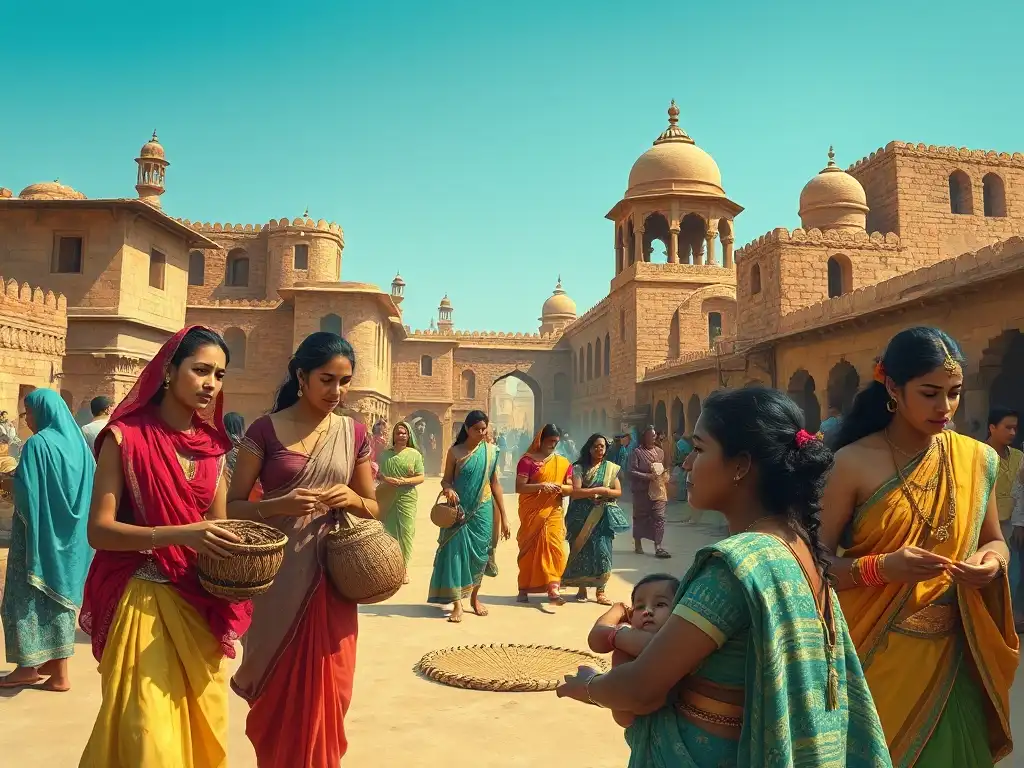
Women in Mesopotamian Societies
In ancient Mesopotamia, women held a position that was both influential and complex. While they were primarily seen as caretakers of the home and family, Mesopotamian women had significant rights and responsibilities. They were involved in various economic activities, including textile production and trade. Notably, women could own property, manage businesses, and even engage in legal contracts.
The Code of Hammurabi, a well-known legal document from Mesopotamia, included provisions that addressed women's rights, ensuring they could inherit property and participate in commerce. This legal recognition indicates that, much like in the Indus Valley, women in Mesopotamia were not merely confined to domestic roles but were integral to the economic fabric of society.
Despite these rights, the social expectations often limited women’s public roles. For instance, while some women achieved prominence as priestesses or in royal families, the majority were expected to focus on household duties. This duality illustrates a societal structure that valued women's contributions but simultaneously imposed restrictions on their autonomy.
Women in Ancient Egyptian Societies
Ancient Egyptian society is often noted for its relatively progressive stance towards women compared to other ancient civilizations. Women in Egypt enjoyed a range of rights that included property ownership, inheritance, and legal representation. They could initiate divorce and were often involved in business activities, managing estates and participating in trade.
The prominent role of women in religious practices is noteworthy; many served as priestesses in temples, which provided them with significant social standing. Additionally, royal women could wield substantial power, as seen in the reign of Hatshepsut, who took on the title of pharaoh. This level of agency in public and religious life starkly contrasts with the more restricted roles seen in other ancient societies, emphasizing the unique position women held in Ancient Egypt.
However, despite these rights, the overarching gender norms still placed women primarily in domestic spheres. Their influence, while significant, often remained secondary to that of men in political and military affairs.
Contrasts and Similarities in Gender Roles
When comparing the roles of women in the Indus Valley with those in Mesopotamia and Ancient Egypt, several contrasts and similarities emerge.
Similarities:
- Economic Participation: In all three civilizations, women engaged in economic activities. In the Indus Valley, women likely contributed to pottery and textile production, similar to their Mesopotamian counterparts who worked in trades and markets.
- Property Rights: Women in Mesopotamia and Egypt could own and inherit property, a right that is believed to have been present in the Indus Valley as well, as suggested by archaeological findings.
Contrasts:
- Public Roles: While women in Egypt could ascend to high religious and political positions, such as pharaohs or influential priestesses, evidence from the Indus Valley suggests a more subdued public presence. The lack of notable female figures in Indus Valley artifacts implies that their roles were primarily domestic.
- Legal Status: The legal frameworks governing women's rights in Mesopotamia, particularly the Code of Hammurabi, starkly contrast with the more ambiguous legal standing of women in the Indus Valley, where there is limited evidence of formalized laws regarding women's rights.
While women in the Indus Valley shared some commonalities with their counterparts in Mesopotamia and Egypt, important distinctions in their societal roles and rights highlight the unique characteristics of Indus Valley society. Understanding these differences enriches our interpretation of women’s roles across ancient civilizations and illustrates the varied experiences women faced throughout history.
Conclusion on the Role of Women in Indus Valley Society
Summary of Key Points
The role of women in Indus Valley Society offers a fascinating glimpse into the daily life and social structure of one of the world's earliest civilizations. Throughout this exploration, several key points have emerged:
- Economic Contributions: Women played a vital role in the economic framework of the Indus Valley, engaging in activities such as weaving, pottery, and agriculture. Evidence from archaeological sites indicates that women were involved in both the production and trade of goods.
- Social Status and Rights: Contrary to many ancient societies, women in the Indus Valley appear to have enjoyed a relatively high status. They were depicted in various artifacts, suggesting participation in religious and communal activities. Additionally, there is evidence to support that women had rights regarding property and inheritance.
- Family and Domestic Life: The primary role of women revolved around the household, where they managed daily chores, childcare, and food preparation. The understanding of domestic life is enriched by findings from excavation sites, which reveal elaborate kitchenware and storage systems.
- Artistic Representation: Artifacts such as figurines and seals depict women in various roles, showcasing their significance in cultural and religious contexts. The presence of female figures in art suggests that they held a place of reverence in society.
The examination of women's roles in Indus Valley Society underscores their multifaceted contributions and challenges the traditional narratives of gender roles in ancient civilizations.
Implications for Understanding Gender in Ancient Societies
The insights gained from studying the role of women in the Indus Valley Society have far-reaching implications for our understanding of gender dynamics in ancient civilizations.
- Challenging Stereotypes: The findings suggest that women were not merely passive figures but active participants in economic, social, and cultural life. This challenges the stereotype of women's roles in ancient societies as strictly limited to domestic spheres.
- Comparative Analysis: By contrasting the status and rights of women in the Indus Valley with those in contemporary civilizations, such as Mesopotamia or Ancient Egypt, historians can better understand regional variations in gender roles and the factors influencing these differences.
- Cultural Legacy: The relative empowerment of women in the Indus Valley may have laid a foundation for future societal structures in the Indian subcontinent. Understanding this legacy provides valuable context for modern discussions about gender equality and women's rights.
- Interdisciplinary Approaches: The complexity of women's roles encourages interdisciplinary research, integrating archaeology, anthropology, and gender studies. This holistic approach can lead to more nuanced interpretations of historical data.
The study of women in Indus Valley Society not only enriches our understanding of this ancient civilization but also invites broader reflections on the implications of gender roles in historical contexts.
Further Reading on Women in Ancient Civilizations
Recommended Books and Articles
For those interested in deepening their understanding of the role of women in ancient civilizations, particularly within the context of the Indus Valley Society, several books and articles stand out. These works not only provide insights into daily responsibilities and rights but also contextualize the experiences of women within broader historical narratives.
-
"The Indus Civilization: A Contemporary Perspective" by Gregory L. Possehl
This book offers a comprehensive overview of the Indus Valley Civilization, including the social structures that defined it. Possehl discusses gender roles, providing valuable insights into the lives of women during this period.
-
"Women and Gender in Ancient India" by R. S. Sharma
This detailed study focuses on the roles of women across various ancient Indian societies, including the Indus Valley. Sharma examines archaeological findings and historical texts to shed light on women's rights and daily life.
-
"The Social Dimensions of Ancient Indian Society" by A. M. Bhatia
Bhatia's work explores the social hierarchies of ancient India, with dedicated sections on the position and responsibilities of women. The book offers a comparative analysis with other ancient civilizations.
-
"Gender and Society in Early India" edited by M. N. Srinivas
This collection of essays highlights the multifaceted roles of women in historical contexts, including the Indus Valley. It presents diverse scholarly perspectives that can enhance our understanding of gender dynamics.
-
"Indus Script: A New Approach" by Asko Parpola
While primarily focused on the language and writing system of the Indus Valley, this book also discusses societal structures and implications for gender roles based on archaeological evidence.
Online Resources for Exploring Indus Valley Society
The digital age has made it easier than ever to access a wealth of information about ancient civilizations. Here are some recommended online resources that provide detailed insights into the lives of women in the Indus Valley Society:
-
The Archaeological Survey of India (ASI)
A valuable resource that offers reports, research papers, and findings related to the Indus Valley Civilization. The ASI's website features sections on specific excavations and their implications for understanding gender roles.
-
The British Museum's Indus Valley Collection
This online collection includes artifacts from the Indus Valley, with descriptions that often touch on the social contexts of these items. Many artifacts shed light on the daily lives and contributions of women.
-
BBC History: Indus Valley Civilization
The BBC History website provides articles and multimedia content on the Indus Valley, including sections dedicated to the roles of women in society. It is a user-friendly resource for both casual readers and serious scholars.
-
National Geographic: Ancient India
National Geographic offers articles and documentaries exploring the history and culture of ancient India. Their coverage includes insights into the daily lives of women in the Indus Valley and their contributions to society.
-
The Jstor Database
Jstor is an excellent resource for academic articles and papers on various aspects of the Indus Valley Civilization. Searching for "Women in Indus Valley Society" yields numerous scholarly texts that analyze gender roles in depth.
By engaging with these resources, readers can gain a deeper appreciation for the complexities of women's roles in Indus Valley Society, enhancing their understanding of this rich historical context.
Frequently Asked Questions
What were the daily responsibilities of women in Indus Valley Society?
Women in Indus Valley Society engaged in various tasks such as household management, weaving, and pottery. They played a crucial role in sustaining family life and contributing to the economy.
Did women in the Indus Valley have any rights?
Yes, women in the Indus Valley enjoyed certain rights and freedoms, including participation in economic activities and ownership of property, which indicated a degree of social status and respect.
How were women depicted in Indus Valley artifacts?
Artifacts from the Indus Valley Civilization often depict women in artistic forms, suggesting they held significant roles in society. Statues and seals frequently showcase women in various attire and poses, reflecting their cultural importance.
Were women involved in trade during the Indus Valley period?
While specific roles are not well-documented, evidence suggests that women likely participated in trade and commerce, contributing to the economic activity in Indus Valley cities alongside men.
What impact did the later civilizations have on women's roles compared to the Indus Valley?
Later civilizations, such as the Vedic period, saw a shift in women's roles, often imposing more restrictive norms. This contrasts with the relatively more equal status women enjoyed during the Indus Valley Civilization.
Final Reflection: The Enduring Legacy of Women in Indus Valley Society
The exploration of women's roles in Indus Valley society reveals a profound connection to contemporary discussions about gender equality and rights. As we delve into the daily responsibilities and rights of women in this ancient civilization, we uncover not only their significant contributions but also the enduring impact these roles have on our understanding of women's empowerment today. The recognition of women's agency in historical contexts challenges us to rethink the narratives we hold about gender throughout history.
The influence of women's roles in the Indus Valley continues to resonate in our cultural and social landscapes. By examining their responsibilities, we gain insight into the complexities of gender dynamics that have persisted through time. This reflection prompts us to acknowledge the strength and resilience of women across ages. As noted by historian R. S. Sharma, The status of women in any society is a reflection of its overall development.
This quote encapsulates the importance of recognizing women's contributions not just in the past, but as a vital part of our ongoing journey toward equality.
As we reflect on the lessons from the Indus Valley, let us take action in our own lives to uplift and support women today. Consider how you can contribute to fostering an environment that values and respects women's rights and responsibilities in your community. Whether through advocacy, education, or simply by amplifying women's voices, each of us has a role to play in shaping a more equitable future. Embrace the legacy of women in the Indus Valley as a source of inspiration, and let it guide you in your efforts to create positive change in the world around you.
Empower Your Understanding of Ancient Societies!
Thank you for investing your time in exploring the fascinating role of women in Indus Valley society. We hope you’ve gained valuable insights into their daily responsibilities and rights, revealing a complex and vital role in this ancient civilization. Now it's your turn to delve deeper and engage with this rich history!
Here are some actionable steps you can take right away:
- Join Discussions: Engage with others who are passionate about ancient societies. Share your thoughts on forums or social media groups focused on the Indus Valley.
- Explore Further: Read more articles on our website about the daily lives of ancient cultures. Discover how the roles of women evolved through different eras.
- Share Your Knowledge: Inspire others by sharing this article with friends or family, or even write a post about what you learned on your own blog or social media.
What do you think the implications of women's roles in ancient societies reveal about gender dynamics today? Your insights can spark a meaningful conversation!