
The Role of Artillery in Ancient Indian Warfare: Innovations and Impact

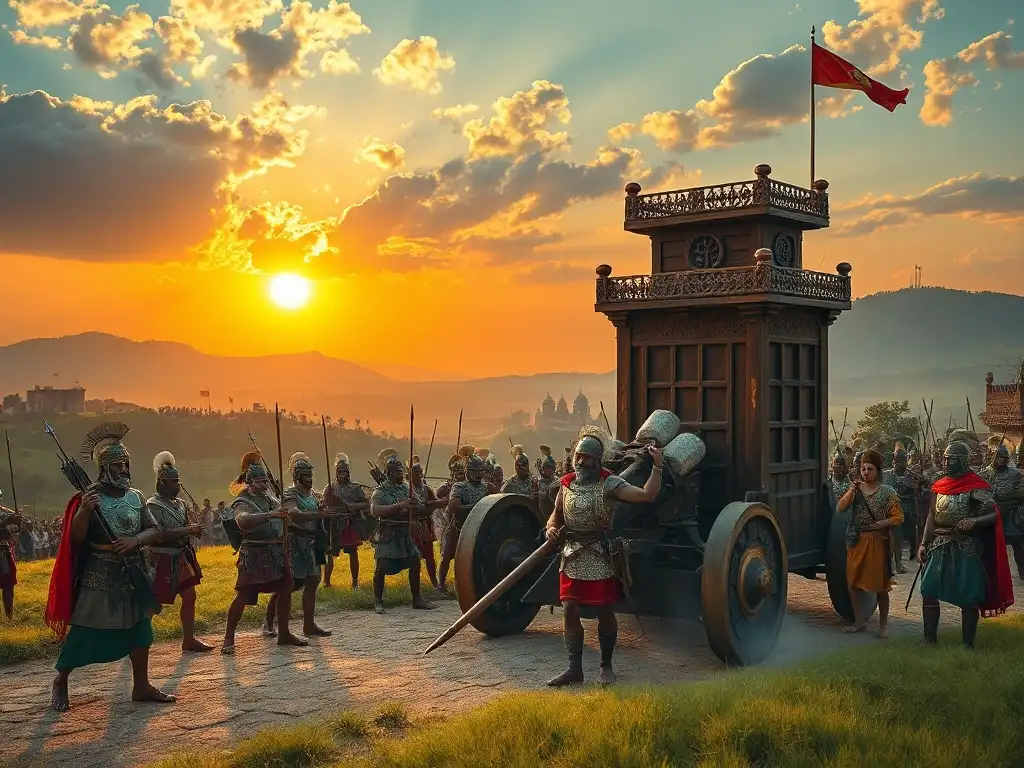
Welcome to Ancient India History, where we embark on an enthralling journey through the rich tapestry of ancient civilizations that shaped the Indian subcontinent. In this exploration, we delve into the fascinating realm of Ancient Indian warfare innovations, shedding light on the pivotal role artillery played in transforming military strategies and outcomes. Prepare to uncover how these innovations not only influenced battles but also left a lasting impact on culture and society.
Join us as we unravel the intricate stories behind the weapons and tactics that defined eras, and discover the legacy of ingenuity that still resonates today. Your adventure into the depths of history begins now!
Introduction to Ancient Indian Warfare Innovations
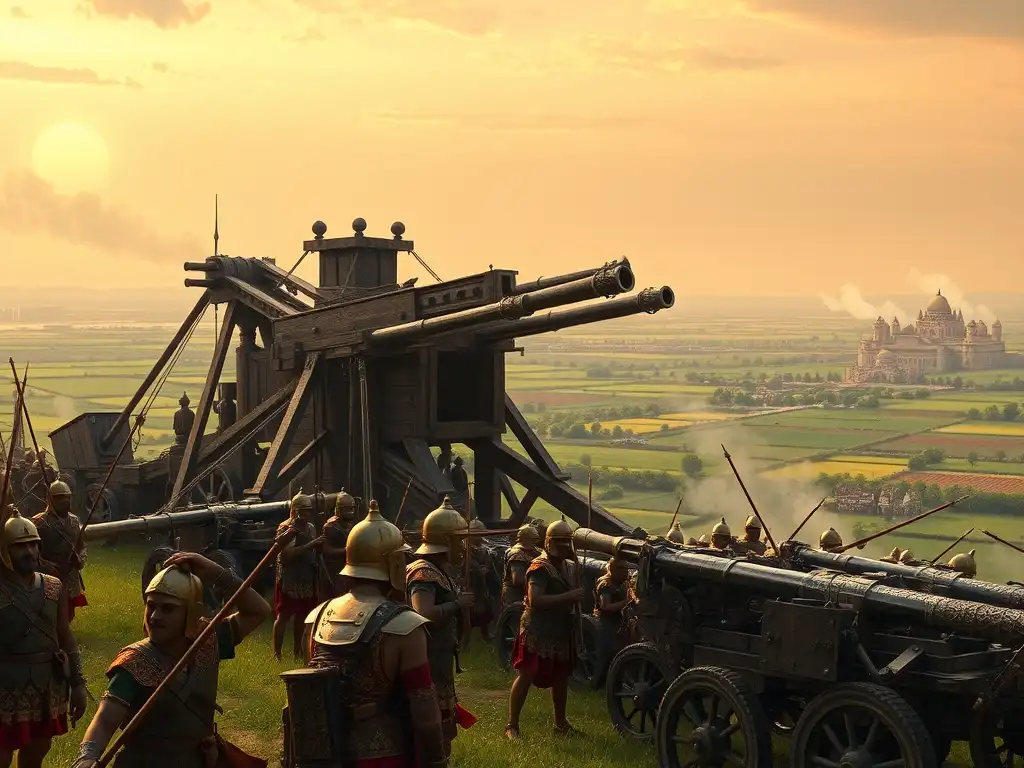
Ancient Indian warfare was characterized by a rich tapestry of strategies, technologies, and innovations that played a crucial role in shaping the military landscape of the subcontinent. Among the various advancements, the development and use of artillery stand out as significant contributions to the effectiveness of ancient Indian military operations.
From the early days of hand-held weapons to the sophisticated siege engines of later periods, artillery innovations not only transformed battle tactics but also influenced the outcomes of numerous conflicts. This article delves into the various artillery innovations in ancient Indian warfare, highlighting their importance and impact on military strategy throughout history.
Overview of Warfare in Ancient India
The history of warfare in ancient India is as diverse as its culture, encompassing a multitude of kingdoms and empires that rose and fell over millennia. The earliest records indicate that warfare was prevalent in the Indus Valley Civilization, where fortified cities and organized military forces were used to protect resources and territory. As time progressed, the emergence of powerful dynasties, such as the Mauryas and Guptas, saw the evolution of sophisticated military strategies and the adoption of new technologies.
- Key Features of Ancient Indian Warfare:
- Use of elephants as war mounts and psychological tools
- Development of infantry units and cavalry
- Formation of alliances through marriage and diplomacy
The integration of artillery into warfare strategies marked a pivotal point, enabling armies to conduct sieges and engage enemies from greater distances, thus changing the dynamics of warfare significantly.
Importance of Artillery in Military Strategy
Artillery, defined as large-caliber guns used in warfare, emerged as a game-changer in ancient Indian military strategies. The introduction of various forms of artillery allowed for:
- Enhanced Range of Attack: Artillery units could strike from a distance, reducing the risk to frontline soldiers.
- Psychological Warfare: The sheer sound and force of artillery created fear among enemy ranks, often leading to demoralization before physical engagement.
- Siege Warfare: The ability to breach fortifications with catapults and other siege weapons allowed for more successful assaults on fortified cities.
The strategic incorporation of artillery not only increased the effectiveness of armies but also shaped the way battles were fought, leading to the rise of more organized and disciplined military formations.
Historical Context of Artillery in Ancient India
To fully appreciate the role of artillery in ancient Indian warfare, it is important to understand its historical context. The evolution of weaponry and military tactics over time reflects broader changes in society, technology, and culture.
Early Forms of Warfare and Weaponry
In the earliest periods, warfare primarily relied on hand-held weapons such as swords, spears, and bows. The Indus Valley Civilization showcased advanced metallurgy, which allowed for the creation of more effective weapons. As societies evolved, so did their approach to warfare. Some notable early developments included:
- Chariots: Used for mobility and speed in battle
- Archery: Became a dominant form of ranged combat
- Siege Tactics: Early use of rudimentary siege techniques to breach defenses
These early forms laid the groundwork for the later advancements in artillery that would revolutionize ancient Indian warfare.
Development of Artillery in Different Eras
The transition from traditional weapons to artillery occurred over several eras, each marked by significant technological innovations.
- Mauryan Era: During this period, the use of large wooden siege engines began to emerge, enabling armies to conduct more effective sieges.
- Gupta Empire: The Gupta dynasty is renowned for its advancements in military technology, including the refinement of artillery techniques and the introduction of more sophisticated weapons.
The continuous evolution of artillery throughout these periods highlights the ingenuity of ancient Indian civilizations and their ability to adapt to the changing dynamics of warfare.
The innovations in artillery played a pivotal role in shaping ancient Indian warfare, influencing military tactics and strategies that have left a lasting impact on the region's history. Exploring these developments provides valuable insights into the complexities of ancient military history in India.
Innovations in Artillery Techniques
The development of artillery in ancient India marked a significant turning point in warfare tactics and strategies. Innovations in artillery techniques were driven by the need for effective long-range combat capabilities. Ancient Indian civilizations were known for their adeptness in using various types of siege weapons, which included catapults and trebuchets, designed to launch projectiles over walls or at enemy formations.
One of the notable innovations was the use of the "Maha Shakti," a large catapult that could hurl massive stones at significant distances. This innovation not only increased the effectiveness of siege warfare but also allowed ancient Indian armies to breach fortified positions more efficiently. The introduction of explosive projectiles, such as fireballs and incendiary devices, further revolutionized the battlefield, as these could cause chaos and destruction among enemy ranks.
Additionally, the incorporation of mechanical devices such as the balista—a type of crossbow that launched large projectiles—exemplified the advanced understanding of physics and engineering in ancient India. These innovations in artillery techniques not only enhanced the offensive capabilities of armies but also required a tactical reevaluation of defense strategies by opposing forces.
Types of Artillery Used in Ancient Indian Warfare
In ancient Indian warfare, several types of artillery were employed, each serving different tactical purposes. The primary categories included:
- Siege Engines: These were large machines designed to break through fortifications. The most common siege engines included:
- Catapults: Used to launch stones or other projectiles at enemy structures.
- Trebuchets: A more advanced version of catapults that utilized a counterweight mechanism to hurl projectiles over greater distances.
- Ballistae: These were large crossbow-like devices that could launch arrows or bolts with high precision, ideal for targeting enemy infantry or cavalry from a distance.
- Bombards: Early forms of cannon that were used to launch explosive projectiles, showcasing the transition towards gunpowder warfare, although gunpowder was not widely known in early ancient India.
- Chariots with Artillery Attachments: Chariots were often equipped with bows or small siege engines, allowing for mobility and rapid engagement during battles.
These diverse types of artillery allowed ancient Indian armies to adapt to various combat scenarios, enhancing their overall effectiveness on the battlefield.
Manufacturing Techniques and Materials
The manufacturing of artillery in ancient India involved sophisticated techniques and the use of indigenous materials that showcased the high level of craftsmanship. The primary materials used included:
- Wood: Many siege engines were constructed from durable hardwoods, which provided the necessary strength and flexibility for large structures.
- Metal: The incorporation of iron and bronze played a crucial role in reinforcing artillery components. The use of metal not only increased durability but also allowed for the creation of more intricate mechanisms in devices like ballistae.
- Rope and Leather: These materials were essential for the operation of various artillery pieces. Strong ropes were used in the construction of slings and to connect moving parts, while leather was often utilized for straps and reinforcements.
The manufacturing process involved skilled artisans and blacksmiths who had a deep understanding of mechanics and materials. The combination of artistic prowess and engineering knowledge led to the creation of effective and reliable artillery that could withstand the stresses of battle.
The Tactical Impact of Artillery on Warfare
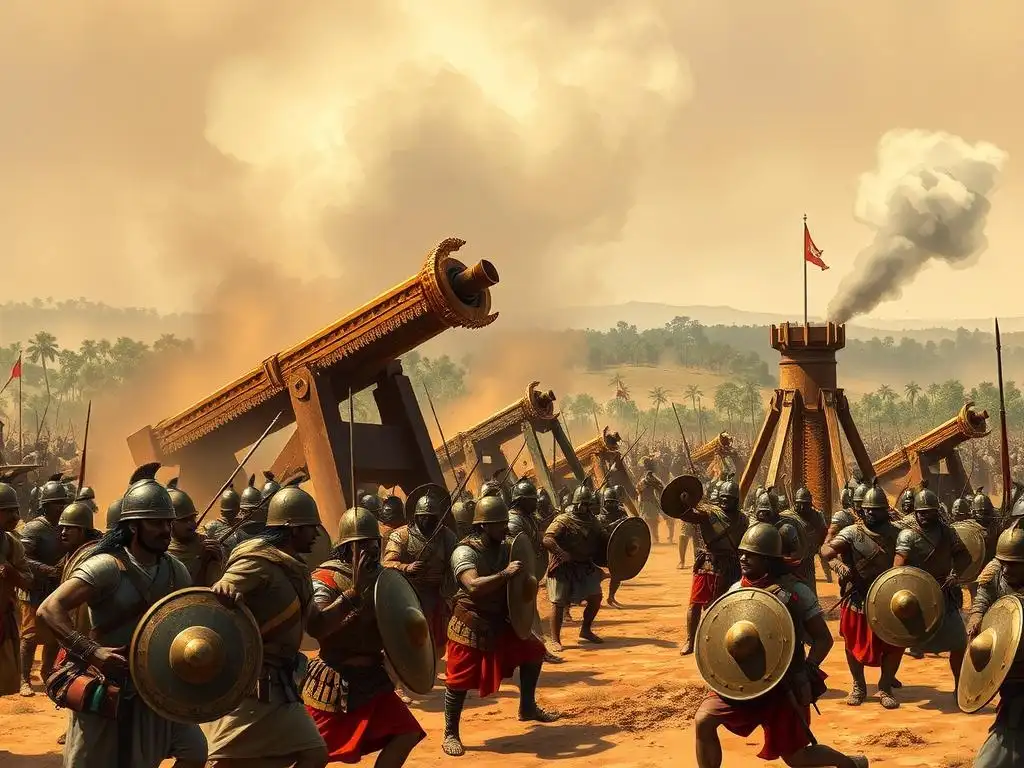
The introduction of artillery in ancient Indian warfare had profound tactical implications. With the ability to engage enemies from a distance, artillery changed the dynamics of battlefield engagements. Armies could now implement strategies that focused on long-range strikes, allowing them to weaken enemy forces before close combat ensued.
One of the significant tactical impacts was the defensive fortification of cities. As artillery became more prevalent, cities were often fortified with higher walls and strategic layouts to withstand sieges. This led to an arms race between attackers and defenders, where the design and construction of fortifications evolved alongside artillery advancements.
Artillery's Role in Major Battles
Artillery played a crucial role in several key battles throughout ancient Indian history. For instance, during the Kalinga War, the Mauryan Empire utilized massive siege engines to effectively besiege fortified cities, showcasing the artillery's capability to change the outcome of prolonged conflicts.
Similarly, in the battles fought during the Gupta Empire, the use of advanced artillery techniques allowed Indian forces to achieve decisive victories against invading armies. The effectiveness of artillery in these historical contexts underscores its importance in shaping military outcomes.
Influence on Military Tactics and Strategies
The influence of artillery on military tactics and strategies cannot be overstated. With the advent of long-range artillery, commanders had to devise new strategies that prioritized mobility and positioning. The ability to bombard enemy formations before engaging in hand-to-hand combat led to the development of tactics that emphasized coordination between different military units.
Moreover, the presence of artillery on the battlefield necessitated the creation of specialized roles within armies, such as artillery crews that focused solely on operating and maintaining these powerful weapons. This specialization further refined the organizational structure of ancient Indian armies, allowing them to respond more effectively to the evolving nature of warfare.
The innovations in artillery techniques, the types of artillery used, and the manufacturing methods significantly impacted ancient Indian warfare. Artillery transformed battle tactics, influenced military strategies, and played a critical role in major historical conflicts, shaping the course of ancient Indian history.
Cultural and Societal Impact of Artillery Innovations
Artillery innovations in ancient India had profound effects not only on warfare but also on the culture and society of the time. The introduction of advanced artillery systems, such as the ballistae and catapults, transformed how battles were fought and influenced the strategic outlook of various kingdoms. The capability to launch projectiles over long distances not only increased the effectiveness of military campaigns but also instilled a sense of power and security within communities. As a result, societies began to invest more in military technologies, leading to a culture that valued engineering and innovation.
Additionally, the prevalence of artillery in warfare influenced social hierarchies. Skilled artisans and engineers who could design and construct artillery became highly regarded, leading to the emergence of specialized craftsmen. This shift in social dynamics contributed to the development of guilds and trade networks, linking various regions through the exchange of military technology and knowledge.
Influence on Art and Literature
The advancements in artillery found their way into the art and literature of ancient India, reflecting the importance of military prowess in society. Many ancient texts and epics, such as the Mahabharata and Ramayana, include detailed descriptions of siege warfare and the use of various siege engines, showcasing the technological prowess of the time. This not only immortalized these innovations but also inspired subsequent generations to explore and document the significance of military technology in their narratives.
Artistic depictions in sculptures and paintings often illustrated scenes of battles, prominently featuring artillery in action. These representations served not only as a historical record but also as a means to celebrate valor and strategic genius in warfare, contributing to the cultural identity of the time. The intertwining of warfare and art underscored the societal reverence for military achievements and the role of technology in shaping the course of history.
Shifts in Power Dynamics Due to Artillery Advancements
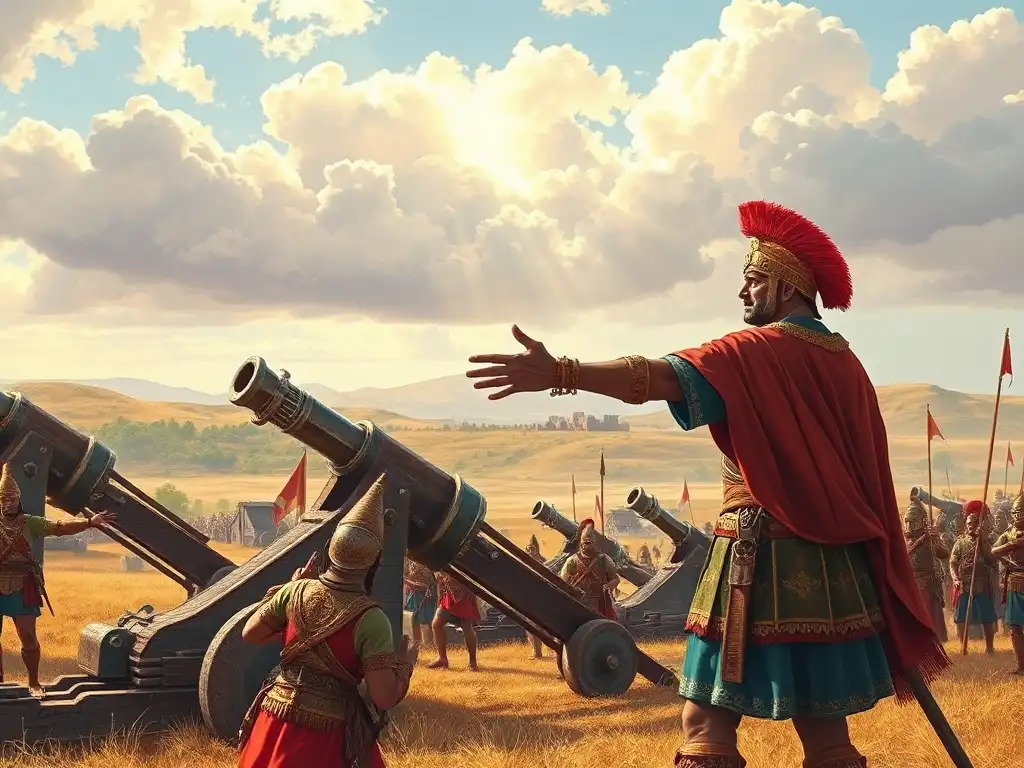
The introduction of advanced artillery significantly altered the power dynamics among ancient Indian kingdoms. With the ability to breach fortified walls and engage enemies from greater distances, artillery became a game-changer in military confrontations. Kingdoms that embraced these innovations often gained a decisive advantage in conflicts, leading to shifts in territorial control and influence.
For instance, the Maurya Empire, under the leadership of Chandragupta Maurya and later Ashoka, showcased the effective use of artillery in their military campaigns. Their ability to deploy advanced siege tactics allowed them to conquer and unify vast territories, fundamentally changing the political landscape of ancient India. Conversely, kingdoms that failed to adapt to these advancements often found themselves at a significant disadvantage, leading to their decline or absorption by more militarily innovative rivals.
Conclusion: Legacy of Artillery in Ancient Indian Warfare
The innovations in artillery during ancient Indian warfare left a lasting legacy that shaped military strategies and societal structures. The advancements in weaponry not only changed the nature of combat but also influenced cultural expression and social hierarchies.
Summary of Innovations and Their Impact
The introduction of artillery systems such as mangonels, trebuchets, and ballistae marked a significant evolution in ancient Indian warfare. These innovations allowed for more effective siege tactics and altered the way armies approached battles. The impact was felt not just on the battlefield but also in the realms of culture and society, as military technology became intertwined with artistic and literary expressions.
Reflection on the Evolution of Warfare
The legacy of artillery in ancient Indian warfare serves as a reminder of the continual evolution of military technology and its implications on society. As warfare advanced, so too did the need for innovative strategies and tools, leading to a cycle of development that would influence subsequent generations. The integration of artillery innovations into warfare not only changed how battles were fought but also shaped the very fabric of ancient Indian civilization, leaving an indelible mark on its history.
Additional Resources for Understanding Ancient Indian Warfare Innovations
To gain a deeper insight into the innovations and impact of artillery in ancient Indian warfare, various resources can provide valuable information and context. These resources encompass academic literature, historical texts, and sites that showcase the heritage of ancient military technologies. Here are some essential avenues to explore:
Recommended Readings and References
-
"The Art of War in Ancient India" by R. N. Misra
This book delves into the strategic aspects of warfare in ancient India, with a particular focus on the role of artillery. It analyzes historical texts and gives a comprehensive overview of military innovations.
-
"War and Society in Ancient India" by A. P. Sahu
A detailed examination of how warfare shaped Indian society, this work discusses the technological advancements in military equipment, including artillery, and their implications on societal structure.
-
"Military Technology in Ancient India" by V. R. Raghavan
This reference provides an in-depth look at various military technologies used throughout Indian history, highlighting innovations in artillery and their battlefield applications.
-
"The History of Indian Artillery" by K. R. Choudhury
This book chronicles the evolution of artillery in India, from ancient times through the medieval period, focusing on key innovations and notable battles.
-
Journal Articles and Research Papers
- "The Evolution of Artillery in Ancient Indian Warfare" - A scholarly article that discusses the technological advancements in artillery throughout ancient India.
- "Innovations in Ancient Indian Military Strategies" - This paper explores various military innovations, including artillery, and their influence on ancient Indian warfare tactics.
Museums and Sites to Explore Artillery History
-
National Museum, New Delhi
Home to a vast collection of artifacts, including ancient weapons and artillery, this museum offers insights into the military innovations of ancient India. The exhibits provide context on how these technologies were developed and utilized in warfare.
-
Archaeological Museum, Hampi
Located in the ruins of the ancient city of Hampi, this museum showcases the weapons and military equipment from the Vijayanagara Empire. It highlights the advancements made in artillery during that period and their significance in warfare.
-
Fortress of Gwalior
The Gwalior Fort features remnants of ancient artillery and fortification techniques. Visitors can explore the fort’s architecture and learn about the strategic military innovations that were employed to defend against invasions.
-
Jaipur City Palace Museum
This museum houses a collection of royal armaments, including artillery pieces used by the Kachwaha rulers. It illustrates the evolution of military technology and artillery in the context of royal conflicts and governance.
-
Battlefield Sites
Visiting historical battlefield sites, such as the fields of Panipat or Plassey, can provide firsthand insights into the strategies and innovations in artillery that shaped the outcomes of significant battles in ancient Indian history.
These resources and sites will enrich your understanding of how artillery influenced ancient Indian warfare, showcasing the innovative spirit and tactical advancements that characterized this era.
- Introduction to Ancient Indian Warfare Innovations
- Historical Context of Artillery in Ancient India
- Innovations in Artillery Techniques
- The Tactical Impact of Artillery on Warfare
- Cultural and Societal Impact of Artillery Innovations
- Influence on Art and Literature
- Shifts in Power Dynamics Due to Artillery Advancements
- Conclusion: Legacy of Artillery in Ancient Indian Warfare
- Additional Resources for Understanding Ancient Indian Warfare Innovations
- What were the key innovations in ancient Indian warfare?
- How did artillery impact ancient Indian military tactics?
- Which ancient Indian civilizations were known for their warfare innovations?
- How did ancient Indian warfare compare to other civilizations?
- What role did geography play in ancient Indian warfare?
Frequently Asked Questions
What were the key innovations in ancient Indian warfare?
Ancient Indian warfare saw innovations such as the use of artillery, including catapults and crossbows, which significantly enhanced battlefield strategies.
How did artillery impact ancient Indian military tactics?
The introduction of artillery allowed for long-range attacks, changing traditional combat methods and enabling armies to engage enemies from a safer distance.
Which ancient Indian civilizations were known for their warfare innovations?
Civilizations like the Maurya and Gupta Empires are renowned for their military advancements, particularly in the development and use of artillery.
How did ancient Indian warfare compare to other civilizations?
Ancient Indian warfare was marked by unique innovations and strategies that often paralleled those of contemporary civilizations, but with distinct cultural influences and techniques.
What role did geography play in ancient Indian warfare?
The diverse geography of India influenced warfare strategies, as artillery was adapted to various terrains, enhancing the effectiveness of military campaigns.
Final Reflection: The Enduring Legacy of Ancient Indian Warfare Innovations
The exploration of artillery in ancient Indian warfare reveals a profound connection between innovation and strategy that remains relevant today. As we delve into the intricate developments of weaponry and tactics, we uncover how these advancements not only shaped the battlefield but also influenced the socio-political landscape of their time. The ingenuity displayed in ancient Indian warfare innovations serves as a reminder of the power of creativity and adaptation in overcoming challenges.
The impact of these innovations extends far beyond their historical context, resonating within our contemporary understanding of conflict and technology. The evolution of artillery in ancient India reflects a culture that valued strategic thinking and technological progress. As we consider the ongoing relevance of these innovations, we are reminded of the words of the great Indian philosopher Chanakya: Before you start some work, always ask yourself three questions – Why am I doing it? What the results might be? Will I be successful?
This quote encapsulates the essence of strategic innovation, urging us to reflect on our motivations and the potential impact of our actions.
As we conclude this exploration of ancient Indian warfare innovations, I invite you to reflect on how these lessons can be applied in your own life. Consider the importance of innovation and strategic thinking in your personal and professional endeavors. Just as ancient warriors adapted their tactics to meet the challenges of their time, so too can we harness creativity and foresight to navigate the complexities of our modern world. Embrace the spirit of innovation, and let it guide you toward success in your own battles, whatever they may be.
Unveil the Legacy of Ancient Indian Warfare!
Thank you for diving into the fascinating role of artillery in ancient Indian warfare! You’ve uncovered the innovative strategies and significant impacts that shaped historical battles. Now, it’s time to take the next step and further your exploration of this captivating topic.
Here’s how you can deepen your understanding and engage with the community:
- Join a discussion in our forums about the most surprising artillery innovations—your insights could inspire others!
- Explore related articles on our site to discover more about ancient military tactics and their influences on contemporary warfare.
- Share your knowledge on social media—post an interesting fact or a question about ancient Indian artillery to spark a conversation with friends and family!
What aspect of ancient Indian artillery fascinates you the most, and how do you think it has influenced modern military strategies? Let's engage in a discussion in the comments below!