
Ancient Indian Warfare and Its Lasting Impact on Regional Conflicts

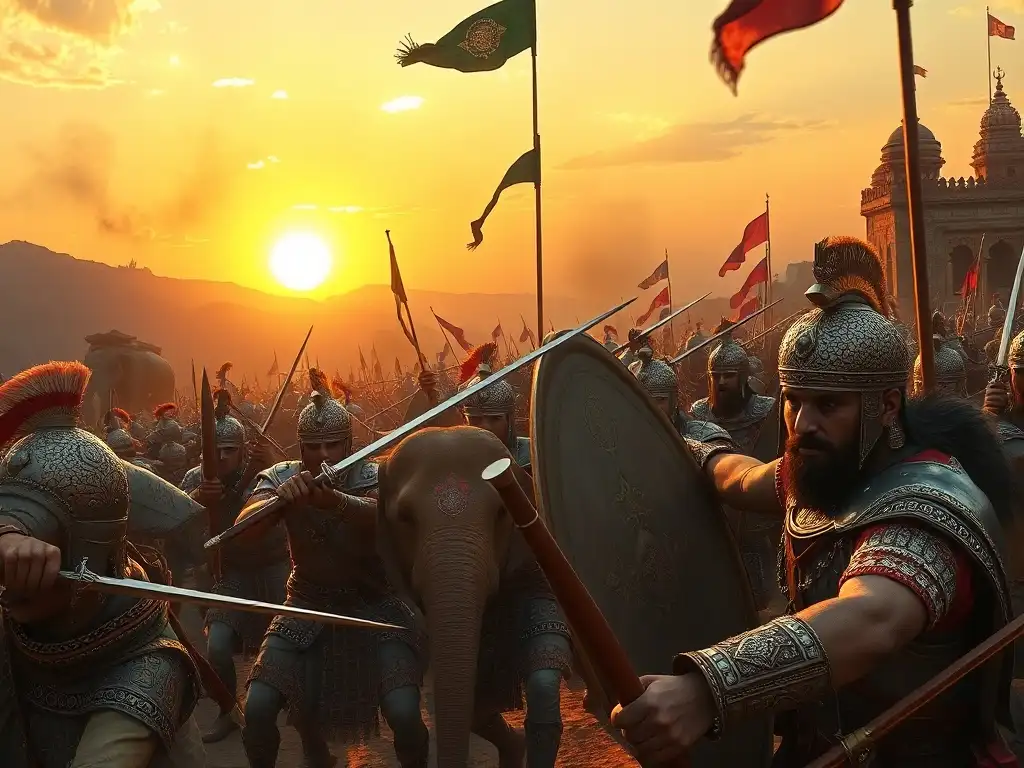
Welcome to Ancient India History, where we embark on a fascinating journey through the rich tapestry of ancient Indian civilizations. Delve into the intriguing world of ancient Indian warfare history, a subject that not only unveils the tactical brilliance and innovations of the past but also shapes our understanding of regional conflicts today. What strategies did warriors employ, and how did these battles influence the course of history?
As you explore our latest article, "Ancient Indian Warfare and Its Lasting Impact on Regional Conflicts," prepare to uncover the layers of conflict and culture that have defined a civilization. Join us in this exploration, and let your curiosity guide you deeper into the annals of time.
-
Ancient Indian Warfare History: An Overview
- The Roots of Ancient Indian Warfare
- Evolution of Warfare Tactics in Ancient India
- Major Wars and Battles in Ancient Indian History
- Weapons and Tools of Ancient Indian Warfare
- The Influence of Religion and Philosophy on Warfare
- Lasting Impact of Ancient Indian Warfare on Regional Conflicts
- Conclusion: The Significance of Ancient Indian Warfare History
-
Frequently Asked Questions
- What were the key components of ancient Indian warfare?
- How did religion influence ancient Indian warfare?
- What technological advancements were seen in ancient Indian warfare?
- How did the Gupta Empire shape warfare in ancient India?
- What is the lasting impact of ancient Indian warfare on modern conflicts?
- Final Reflection: The Enduring Legacy of Ancient Indian Warfare
- Unveil the Lessons of Ancient Warfare!
Ancient Indian Warfare History: An Overview
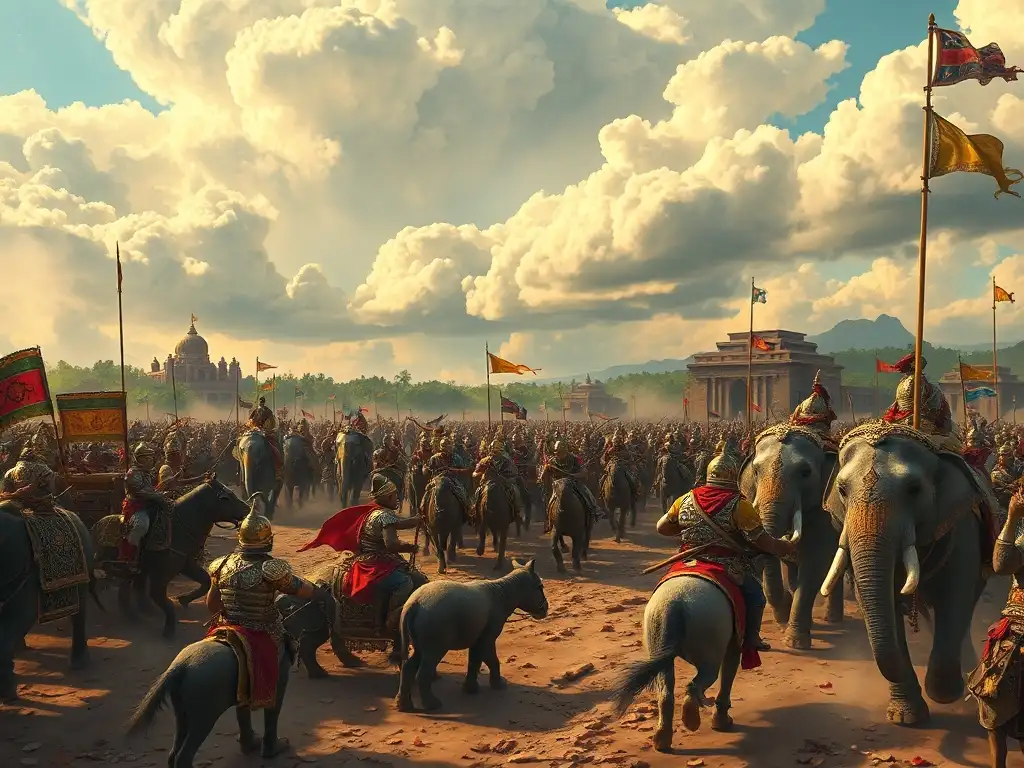
The history of ancient Indian warfare is a compelling narrative that interweaves the evolution of conflict, strategy, and military organization across millennia. From the early skirmishes of the Indus Valley Civilization to the grand battles depicted in epic texts, warfare in ancient India was not merely a means of conquest, but a reflection of the rich cultural, political, and technological developments of the time.
Understanding this history is crucial for grasping the complexities of regional conflicts that emerged in later periods, as well as the profound impact these ancient practices have had on contemporary military strategies in South Asia. This article delves into the significant phases of ancient Indian warfare history, exploring its roots, evolution, and lasting legacies.
The Roots of Ancient Indian Warfare
Early Conflicts in the Indus Valley Civilization
The Indus Valley Civilization, flourishing around 2500 BCE, presents one of the earliest examples of organized societal structures in ancient India. Archaeological evidence suggests that while this civilization was primarily focused on trade and urban planning, it was not devoid of conflict. Fortified cities such as Mohenjo-Daro and Harappa indicate an awareness of the need for defense against potential invaders. The presence of weapons, such as copper and bronze tools, along with the remnants of walls, suggests that early conflicts may have arisen over resources, territory, or trade routes.
The Role of Warfare in Vedic Society
As we transition to the Vedic period (c. 1500–500 BCE), warfare takes on a more pronounced role in society. The texts from this era, particularly the Rigveda, reveal a society where valor and martial prowess were highly regarded. Conflicts were often framed within the context of dharma (duty) and artha (prosperity), with warfare seen as a means to uphold cosmic order.
The emergence of the Kshatriya (warrior) class indicates a structured approach to warfare, where principles of honor and strategy began to take precedence. The ritualistic aspects of warfare, as seen in the Ashvamedha (horse sacrifice), further illustrate how deeply embedded warfare was in the social and religious fabric of Vedic society.
Evolution of Warfare Tactics in Ancient India
The Chariot Warfare of the Mahabharata
The epic Mahabharata provides an invaluable insight into the evolution of warfare tactics in ancient India, particularly the significance of chariot warfare. Chariots, drawn by horses, became central to military formations and strategy during this period. They allowed for greater mobility and speed on the battlefield, enabling warriors to strike swiftly and retreat just as quickly. The depiction of grand battles, where charioteers like Arjuna showcased their skills, emphasizes the importance of this technology in shaping the outcomes of conflicts.
Infantry and Cavalry: Key Components of Ancient Armies
As warfare evolved, so did the composition of ancient Indian armies. Infantry and cavalry emerged as critical components, with armies increasingly relying on foot soldiers equipped with various weapons, such as spears, swords, and bows. The strategic integration of infantry alongside cavalry units allowed for more versatile combat tactics, adapting to the specific demands of different battlefields. The historical accounts of various kingdoms illustrate how these components were essential for both defense and offense in regional conflicts.
Use of Elephants in Battle
The use of elephants in warfare marked a distinctive aspect of ancient Indian military strategy. These majestic animals were not only a symbol of power but also served practical purposes in battle. Elephants could charge into enemy lines, causing chaos and disarray among opposing troops. Their size and strength made them formidable assets, often leading to decisive victories. Historical records highlight instances where elephants played pivotal roles, reflecting their significance in ancient Indian warfare history.
Ancient Indian warfare history is characterized by its complexity and depth, influenced by cultural, technological, and strategic factors. Understanding its roots and evolution provides crucial insights into how these practices shaped not only regional conflicts in the past but also the military landscape of South Asia today.
Major Wars and Battles in Ancient Indian History
Ancient India witnessed a multitude of significant wars and battles that not only shaped the regional power dynamics but also influenced the socio-political landscape of the subcontinent. These conflicts were often characterized by their strategic complexity, the use of innovative tactics, and the involvement of diverse military formations.
Key battles such as the Kalinga War and the campaigns led by various empires, including the Mauryas and Guptas, played crucial roles in the history of ancient Indian warfare. Each of these conflicts contributed to the evolution of military strategies, the development of weaponry, and the overall understanding of warfare in the region.
The Kalinga War: A Turning Point in Indian Warfare
The Kalinga War, fought in 261 BCE between the Mauryan Empire led by Emperor Ashoka and the state of Kalinga, marks a significant turning point in ancient Indian warfare. This conflict is notable not only for its scale but also for its profound impact on Ashoka’s philosophy and the future direction of his reign.
The war was characterized by fierce battles and high casualties, with estimates suggesting that over 100,000 soldiers and civilians lost their lives. This devastation deeply affected Ashoka, leading to his conversion to Buddhism and a commitment to non-violence. The Kalinga War exemplified the strategic importance of Kalinga as a coastal power and its resources, making it a target for Mauryan expansion. The aftermath of the war saw Ashoka implement policies focused on welfare and diplomacy, emphasizing moral and ethical governance over military conquest.
The Mauryan Conquests: Strategies and Outcomes
The Mauryan Empire, under Chandragupta Maurya and later Ashoka, conducted several military campaigns that expanded its territory and influence across vast regions of India. These conquests were marked by meticulous planning and innovative strategies, including the use of elephants in battles, which provided a significant advantage in warfare.
Chandragupta’s campaigns against the Nanda Empire and the subsequent battles against various regional kings showcased effective use of alliances and psychological warfare. His advisor, Chanakya, played a crucial role in strategizing these conquests, emphasizing the importance of espionage and intelligence gathering.
The outcomes of these conquests were monumental; they led to the unification of large parts of India under a centralized administration, facilitating trade and cultural exchange. The Mauryan military strategies laid the groundwork for future empires, influencing how warfare was conducted in the subcontinent.
The Gupta Empire and its Military Prowess
The Gupta Empire, often referred to as the "Golden Age of India," was notable for its military organization and prowess during the 4th to 6th centuries CE. The Guptas utilized a well-structured army composed of infantry, cavalry, and war elephants, which proved essential in their campaigns against regional adversaries and invaders.
Gupta military strategies included rapid mobilization, effective use of fortifications, and a focus on swift and decisive engagements. The empire successfully repelled invasions from the Huns and other groups, showcasing their military strength and tactical superiority. The Gupta military not only defended the empire but also expanded its territories, which contributed to the flourishing of trade, culture, and science during this period.
Weapons and Tools of Ancient Indian Warfare
The evolution of weapons and tools in ancient Indian warfare reflects the technological advancements and tactical innovations of the time. Various weapons were employed across different regions and periods, showcasing the diverse approaches to combat. These tools and their effective usage were pivotal in shaping the outcomes of numerous battles and conflicts.
Traditional Weapons Used in Ancient Indian Battles
Ancient Indian warriors utilized a variety of traditional weapons, each designed for specific combat scenarios. Some of the most prominent weapons included:
- Bows and Arrows: Integral to warfare, archers played a crucial role in battles, with long-range bows made of wood and composite materials.
- Swords (Kris and Talwar): Swords were essential close-combat weapons, often intricately designed and symbolizing status and valor.
- Spears and Lances: Used for both throwing and close combat, these weapons allowed for versatility on the battlefield.
- Maces (Gada): Employed for their powerful impact, maces were effective against armored opponents.
- Chariots: Often used in the early phases of warfare, chariots provided mobility and a platform for archers.
The craftsmanship of these weapons often reflected regional styles and traditions, contributing to the cultural identity of various ancient Indian civilizations.
Armor and Defensive Strategies in Warfare
The development of armor and defensive strategies in ancient Indian warfare was crucial for protecting soldiers and enhancing their combat effectiveness. Armor typically consisted of:
- Leather and Chain Mail: Early warriors utilized leather armor, which evolved into more sophisticated chain mail as techniques advanced.
- Shields: Made from wood, metal, or animal hide, shields were essential for defense against arrows and melee attacks.
- Helmets: Protective headgear varied in design and material, providing crucial protection during battles.
Defensive strategies included fortified cities and strategic retreats, allowing armies to regroup and counterattack effectively. Fortifications were often composed of thick walls and moats, providing a stronghold against invasions. The combination of armor and strategic defensive planning was vital in ensuring the survival and success of ancient Indian armies in numerous conflicts.
The Influence of Religion and Philosophy on Warfare
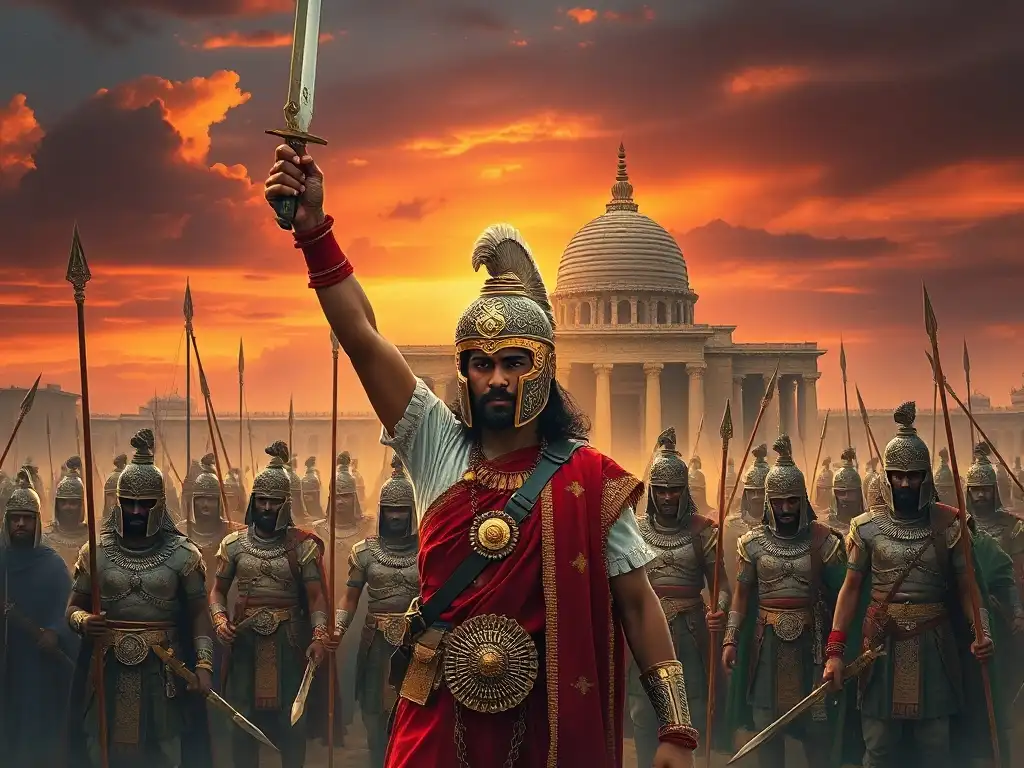
Ancient Indian warfare was deeply intertwined with the prevailing religious and philosophical ideas of the time. These beliefs not only shaped the motivations for war but also influenced the conduct of battles and the ethics surrounding them. The concept of righteousness (Dharma), the principles of justice, and the ideals of sacrifice found in ancient texts played a pivotal role in how warfare was perceived and executed. Key philosophical texts, such as the Bhagavad Gita, offered profound insights into the moral dilemmas faced by warriors, emphasizing the importance of duty while simultaneously grappling with the consequences of violence.
In particular, Hinduism, Buddhism, and Jainism contributed significantly to the ideology of warfare. Each of these religions presented unique perspectives on life, death, and the implications of conflict. For instance, the warrior code in Hindu texts often portrayed battles as a necessary evil, where fighting for one's Dharma was seen as a noble pursuit. Furthermore, the integration of spiritual practices, such as meditation and rituals before battle, illustrated the belief that divine favor could influence the outcome of conflicts, thereby intertwining the sacred with military endeavors.
The Concept of Dharma in War
The term Dharma refers to the moral law combined with spiritual discipline that guides individual conduct. In the context of warfare, it signifies the ethical obligations and responsibilities of a warrior. The Bhagavad Gita, part of the Indian epic Mahabharata, serves as a crucial text that elucidates this concept. The dialogue between Prince Arjuna and Lord Krishna addresses the inner conflict faced by Arjuna as he prepares for battle against his own kin. Krishna’s counsel emphasizes that fulfilling one's Kshatriya (warrior) duty, even in the face of moral dilemmas, is essential to uphold one's Dharma.
This philosophical framework established a code of conduct for warriors, stressing the importance of justice and righteousness in warfare. It legitimized conflicts when they were fought for a just cause, thereby elevating the act of war to a moral imperative rather than mere conquest. Additionally, the emphasis on honor and valor in battle had a lasting effect on the warrior classes throughout Indian history, influencing their motivations and actions in both historical and mythological contexts.
Influence of Epic Literature on Military Strategy
Epic literature, particularly the Mahabharata and Ramayana, has profoundly influenced military strategy and concepts of warfare in ancient India. These texts are not merely stories of heroism and valor; they are also rich sources of tactical wisdom and strategic insights. For instance, the Mahabharata presents various battle formations, strategies, and the psychological aspects of warfare. The use of deception, alliances, and the importance of knowing one’s enemy are recurrent themes that have been drawn upon by military leaders throughout history.
Moreover, characters like Lord Rama and Arjuna serve as archetypes of the ideal warrior, showcasing qualities such as bravery, loyalty, and strategic acumen. The lessons derived from these narratives have been employed in real-life military campaigns, reflecting the enduring relevance of epic literature in shaping the principles of ancient Indian warfare. These stories not only inspired warriors but also served as training manuals, providing frameworks for understanding the complexities and ethics of battle.
Lasting Impact of Ancient Indian Warfare on Regional Conflicts
The military practices and strategies developed during ancient Indian warfare have left a lasting imprint on regional conflicts in South Asia. The integration of various tactical innovations, as well as the philosophical underpinnings of warfare, have influenced not just the immediate historical context but also subsequent generations of military leaders and strategists. The legacies of ancient battles, the valor of legendary figures, and the strategic doctrines established in antiquity continue to resonate in modern military thought.
How Ancient Tactics Shaped Modern Warfare in South Asia
Many of the tactical innovations from ancient Indian warfare, such as the use of war elephants and chariots, influenced regional military practices long after their initial development. The strategic principles laid out in texts like the Arthashastra by Kautilya (Chanakya) highlighted the importance of intelligence, strategic alliances, and psychological warfare, concepts that remain relevant in contemporary military strategy.
The historical significance of these tactics can be seen in various regional conflicts where ancient methodologies were adapted to local contexts. For instance, the guerrilla tactics employed during the Indian Rebellion of 1857 drew inspiration from the asymmetric warfare strategies of ancient times. This adaptability demonstrates the enduring nature of ancient Indian military thought and its capacity to influence modern warfare.
The Legacy of Ancient Indian Military Strategies in Contemporary Conflicts
The legacies of ancient Indian military strategies have permeated various aspects of contemporary conflicts in South Asia. Modern military leaders often study historical battles and strategies to extract lessons applicable to current geopolitical scenarios. The emphasis on strategic planning, resource management, and the psychological aspects of warfare can be traced back to ancient practices.
Furthermore, the philosophical dimensions of warfare, particularly the ethical considerations surrounding it, continue to challenge contemporary militaries. As modern conflicts grapple with issues of morality and the justifications for war, the ancient Indian perspective on Dharma provides a thought-provoking lens through which to examine these dilemmas. Ultimately, the foundational principles of ancient Indian warfare not only shaped the course of regional history but also continue to inform and influence the complexities of modern conflicts in South Asia.
Conclusion: The Significance of Ancient Indian Warfare History
Ancient Indian warfare history serves as a critical lens through which we can understand not only the military strategies and technologies of the time but also their broader implications on the development of society, culture, and politics in the Indian subcontinent. The evolution of warfare in ancient India reflects a complex interplay of various factors, including geographical landscapes, trade routes, and cultural exchanges with neighboring civilizations. These dynamics not only shaped the nature of conflicts but also influenced diplomatic relations, leading to periods of both war and peace that ultimately carved out the historical narrative of the region.
Furthermore, the study of ancient Indian warfare contributes significantly to our understanding of the socio-political structures of the time. The rise and fall of empires, such as the Maurya and Gupta dynasties, can be traced back to their military capabilities and strategies. The historical documentation of battles and military campaigns, such as those found in texts like the Arthashastra by Kautilya, provides insights into the governance and administration that was closely tied to military power.
In essence, the significance of ancient Indian warfare history extends beyond the battlefield; it encompasses the intricate tapestry of human experience, showcasing resilience, innovation, and the profound impact of conflict on the evolution of civilizations.
Reflection on Military Innovations and Their Relevance Today
The military innovations that emerged from ancient Indian warfare history have left an indelible mark on modern military strategies and technologies. Concepts such as the use of war elephants, chariots, and advanced archery were revolutionary during their time and significantly influenced warfare across regions. These innovations demonstrate the ingenuity of ancient Indian tacticians and their ability to adapt to evolving challenges on the battlefield.
Moreover, ancient Indian texts, such as the Mahabharata and Ramayana, not only recount epic battles but also encapsulate strategic wisdom that is still relevant today. For instance, the principles of deception, logistics, and troop formations outlined in these texts resonate with modern military doctrines.
Today, military academies around the world study historical conflicts to extract lessons that can be applied to contemporary warfare. The rich legacy of ancient Indian military strategies continues to inspire military leaders, highlighting the importance of historical study in understanding the complexities of conflict and the evolution of warfare.
Understanding the Cultural Legacy of Warfare in Ancient India
Warfare in ancient India was deeply intertwined with cultural and religious beliefs, shaping societal norms and values. The portrayal of warriors in epics and folklore not only reflected the valor and honor associated with military service but also reinforced the societal hierarchy and the ideals of dharma (righteous duty).
The cultural legacy of warfare is evident in various art forms, literature, and rituals that emerged during and after periods of conflict. Temples and sculptures often depict scenes of battle, illustrating the significance of warfare in shaping the identity of communities. Moreover, the reverence for warriors and their sacrifices remains a poignant aspect of Indian culture, influencing modern narratives surrounding patriotism and valor.
Understanding this cultural legacy is essential for comprehending how ancient Indian societies viewed conflict and its consequences. It also offers insights into the ways in which these historical perspectives continue to influence contemporary attitudes towards war, peace, and identity in modern India. By studying the cultural implications of ancient warfare, we gain a holistic view of its impact on the historical consciousness of the region and the enduring lessons that can be drawn from it.
Frequently Asked Questions
What were the key components of ancient Indian warfare?
Ancient Indian warfare included elements such as chariots, infantry, and war elephants. Strategies often combined guerrilla tactics and direct confrontations, reflecting the diverse geography of India.
How did religion influence ancient Indian warfare?
Religion played a significant role, as many battles were fought for religious reasons or under the auspices of divine favor. Texts like the Mahabharata illustrate the intertwining of warfare and spiritual beliefs.
What technological advancements were seen in ancient Indian warfare?
Innovations included the use of iron weapons, sophisticated fortifications, and siege tactics. These advancements contributed to the effectiveness and evolution of military strategies in ancient India.
How did the Gupta Empire shape warfare in ancient India?
The Gupta Empire is known for its military organization and promotion of cavalry. Their strategies and military prowess helped establish a period of relative peace and stability, influencing subsequent regional conflicts.
What is the lasting impact of ancient Indian warfare on modern conflicts?
The strategies and philosophies from ancient Indian warfare continue to inform modern military tactics and conflict resolutions. Concepts of diplomacy and alliances developed during this era remain relevant today.
Final Reflection: The Enduring Legacy of Ancient Indian Warfare
The exploration of ancient Indian warfare history reveals not only the strategies and technologies of the past but also their profound influence on contemporary regional conflicts. As we navigate the complexities of modern geopolitical tensions, understanding the historical context of warfare in India provides invaluable insights into the roots of current disputes and the enduring nature of conflict. The lessons learned from ancient battles resonate today, reminding us that history is not merely a record of events but a guide for future actions.
The impact of ancient Indian warfare extends far beyond the battlefield; it has shaped cultural narratives, national identities, and social structures across the region. From the epic tales of valor in the Mahabharata to the strategic philosophies of Kautilya, these historical accounts continue to inspire and inform contemporary military and diplomatic strategies. As noted by historian Romila Thapar, The past is not just a series of events; it is a living narrative that influences our present and future.
This observation underscores the importance of recognizing how the echoes of ancient conflicts still reverberate in today's socio-political landscape.
As we reflect on the lessons of ancient Indian warfare, let us consider how we can apply this knowledge to foster peace and understanding in our own lives. I invite you to engage with this history, not just as a series of battles fought long ago, but as a source of wisdom that can guide our actions and decisions today. By acknowledging the complexities of our past, we can work towards a future where dialogue and cooperation replace conflict, ensuring that the legacy of ancient warfare serves as a catalyst for peace rather than a blueprint for division.
Unveil the Lessons of Ancient Warfare!
Thank you for diving into the rich history of ancient Indian warfare! We hope you found valuable insights that deepen your understanding of its influence on today’s conflicts. Now, it’s time to take action and explore these lessons further!
Here’s how you can continue your journey into the fascinating world of ancient strategies and their relevance today:
- Delve deeper: Read our featured articles on significant battles and military strategies that shaped India’s history.
- Share your thoughts: Engage with us on social media or in the comments section. Your perspective adds depth to our discussions!
- Explore local history: Visit a historical site related to ancient warfare in your area for an immersive experience.
Which aspect of ancient warfare do you believe offers the most valuable lessons for addressing modern conflicts?