
The Influence of Trade on Warfare: How Commerce Shaped Ancient Indian Conflicts

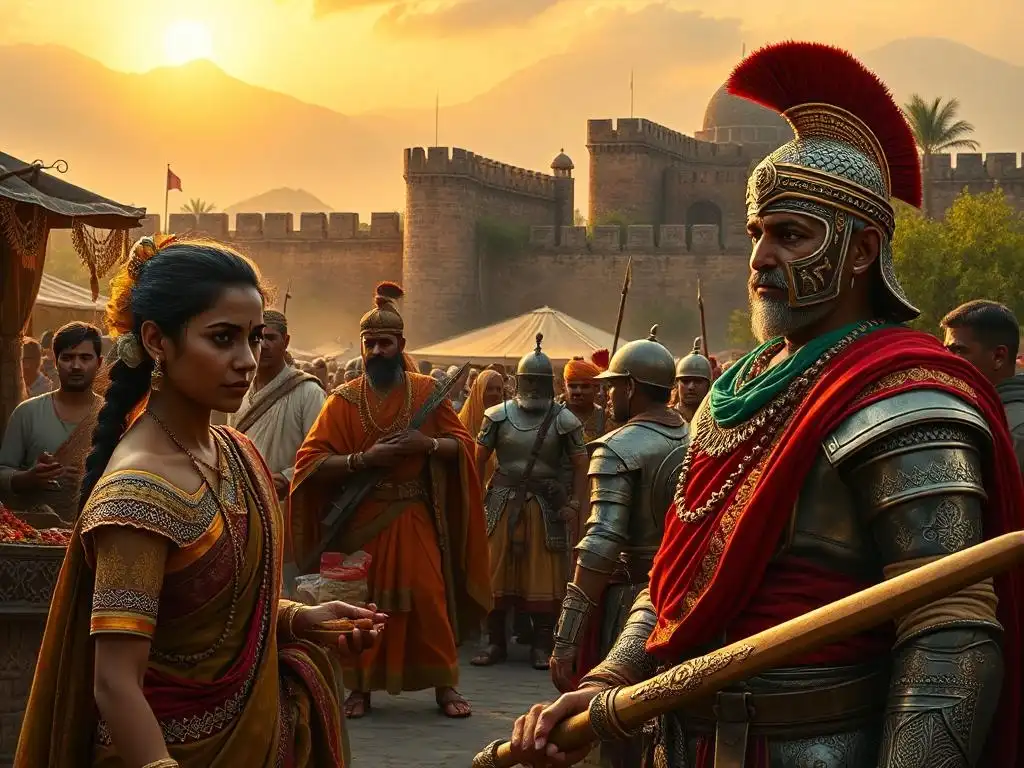
Welcome to Ancient India History, where we embark on an exhilarating journey through the rich tapestry of India's past! Here, we delve deep into the fascinating interplay between trade and warfare in ancient India, uncovering how commerce not only fueled economies but also shaped the very conflicts that defined civilizations.
Are you ready to explore how the bustling markets of the Indus Valley and the strategic maneuvers of the Gupta Empire interacted in ways that influenced military tactics and outcomes? Join us as we unravel these compelling narratives that highlight the profound connections between trade and warfare, inviting your curiosity to flourish!
Introduction to Trade and Warfare in Ancient India
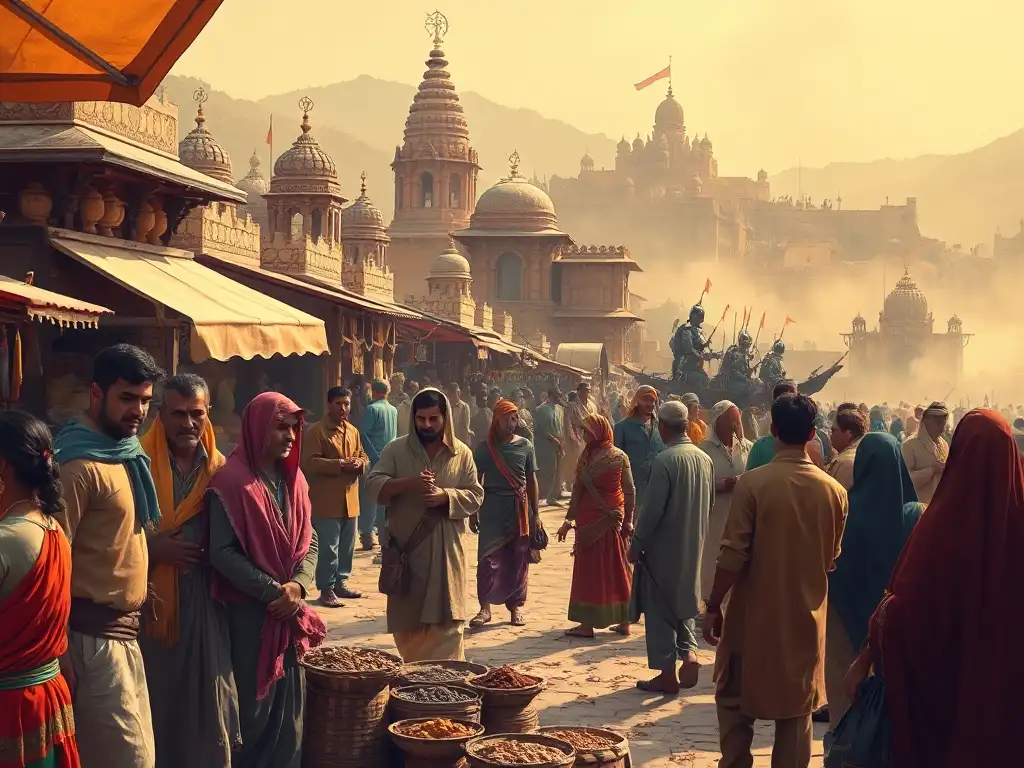
The intricate relationship between trade and warfare in ancient India represents a profound aspect of its historical narrative. As one of the earliest centers of civilization, ancient Indian societies thrived on commerce, which not only facilitated economic prosperity but also played a critical role in shaping military strategies and conflicts.
The intertwining of these two domains reveals how trade routes became battlegrounds for power, resources, and territorial control. Understanding this dynamic is crucial for comprehending the broader implications of trade on the socio-political landscape of ancient India, where the ambitions of kingdoms and empires were often fueled by the lucrative opportunities presented by commerce.
Overview of Ancient Indian Civilizations
Ancient India was home to several remarkable civilizations, each contributing uniquely to the development of trade and warfare. The Indus Valley Civilization (circa 3300–1300 BCE), known for its advanced urban planning and trade networks, laid the groundwork for subsequent societies. Following this era, the Vedic Period (circa 1500–500 BCE) saw the emergence of powerful kingdoms that engaged in both trade and conflict, leading to a rich tapestry of interactions.
- Maurya Empire (322–185 BCE): This period marked significant expansion, with trade flourishing under the reign of Chandragupta Maurya and his grandson, Ashoka. The empire's vast trade networks facilitated military campaigns and alliances.
- Gupta Empire (circa 240–550 CE): Often referred to as the Golden Age of India, this era saw trade reach new heights, with advancements in technology and culture. The Gupta rulers adeptly integrated trade into their military strategies.
These civilizations were not isolated; they interacted with neighboring regions, influencing and transforming warfare tactics through trade alliances and conflicts.
Significance of Trade in Ancient Indian Societies
Trade was a cornerstone of ancient Indian societies, serving as a catalyst for economic development and cultural exchange. The exchange of goods such as spices, textiles, and metals not only enriched local economies but also fostered diplomatic relationships.
- Economic Prosperity: Trade routes connected various regions, enabling the flow of wealth and resources. This economic strength often translated into military power, as prosperous states could afford better weaponry and sustain larger armies.
- Cultural Exchange: The movement of traders facilitated the exchange of ideas, technologies, and cultural practices. This interaction often led to alliances and, conversely, conflicts when trade interests clashed.
By examining the significance of trade, we can better understand the motivations behind ancient Indian warfare and how commerce influenced military objectives.
The Role of Trade Routes in Ancient Indian Warfare
Trade routes were not merely pathways for goods; they were also strategic assets in the context of ancient Indian warfare. Control over these routes often determined the rise and fall of empires, as they were critical for the movement of troops and resources.
Major Trade Routes and Their Impact on Conflict
Among the most significant trade routes were the Silk Road and various maritime routes connecting India to the Mediterranean and Southeast Asia. These routes facilitated not only the exchange of goods but also the movement of armies.
- Silk Road: This land route connected India with Central Asia and beyond, allowing for the exchange of luxury goods. Control of segments of the Silk Road often resulted in military confrontations, as empires sought to dominate trade.
- Maritime Trade Routes: The Indian Ocean trade routes enabled the swift movement of goods across vast distances. Naval power became increasingly important, with kingdoms like the Chola Dynasty establishing dominance over sea trade, which in turn influenced military campaigns.
The competition for control over these lucrative trade routes often led to conflicts, as rival states sought to expand their influence and secure resources.
Influence of Geography on Trade and Military Strategies
Geography played a critical role in shaping both trade and military strategies in ancient India. The diverse landscapes—from the towering Himalayas to the expansive Deccan Plateau—created both opportunities and challenges for trade and warfare.
- Natural Barriers: The Himalayas served as a formidable barrier, influencing the routes traders could take and determining which kingdoms could effectively project military power.
- Strategic Locations: Cities along trade routes, such as Taxila and Ujjain, became focal points for both commerce and military logistics. Control over these strategic locations often dictated the success of military campaigns.
The geographical context of ancient India significantly influenced how trade and warfare interacted, revealing a complex interplay that shaped the region's historical trajectory.
Economic Factors Influencing Warfare
The interplay between trade and warfare in ancient India was profound, shaping not only military strategies but also the political landscape. Economic factors played a crucial role in determining the outcomes of conflicts and the nature of warfare. As trade routes expanded and commerce flourished, the need for security over these routes escalated, leading to increased militarization. Moreover, the competition for resources and wealth often ignited conflicts among emerging powers. Understanding these economic drivers provides insight into how warfare was not merely a product of territorial ambition but also a reflection of commercial interests.
Resources and Wealth Accumulation Through Trade
The accumulation of resources through trade was a significant economic factor influencing warfare in ancient India. Wealth generated from trade allowed kingdoms to amass greater military capabilities, funding larger armies and advanced weaponry. For instance, the flourishing trade routes connecting India to the Mediterranean and East Asia brought in valuable materials such as silk, spices, and precious metals. This influx of wealth enabled states to enhance their military infrastructure and logistics, making them more formidable in conflicts.
Furthermore, control over trade routes became a strategic objective for many kingdoms. The need to protect these economic lifelines often led to military confrontations with rival states. The competition for control over resources, particularly in regions rich in minerals and agricultural products, was a driving force behind many ancient conflicts in India.
The Role of Trade Goods in Funding Military Campaigns
Trade goods served not only as commodities for exchange but also as a means of financing military campaigns. The revenues generated from taxes levied on trade—such as tariffs and tolls—provided essential funds for armies. For example, dynasties like the Mauryas and Guptas effectively utilized trade income to support their military endeavors and expand their territories.
Additionally, specific trade goods, such as horses and elephants, were critical to ancient Indian warfare. Horses were essential for cavalry units, while elephants served as powerful war machines. The acquisition of these resources through trade allowed armies to enhance their tactical advantages on battlefields, demonstrating the symbiotic relationship between trade and military prowess.
Trade Alliances and Their Impact on Warfare Dynamics
Trade alliances had a significant impact on the dynamics of warfare in ancient India. By forming partnerships with other states or regions, kingdoms could secure their trade routes and protect their economic interests. These alliances often served as deterrents against potential aggressors, as attacking a trading partner could provoke a broader conflict.
Moreover, trade alliances sometimes shifted the balance of power in regional conflicts. For example, when states aligned based on mutual trade interests, they could coordinate military efforts against common foes. This collaboration was particularly evident during the rise of the Mauryan Empire, where strategic alliances helped consolidate power and expand territory through both diplomatic and military means.
Case Studies of Trade and Warfare Interactions
Examining specific historical instances reveals how trade shaped warfare in ancient India, providing concrete examples of this intricate relationship.
The Mauryan Empire: Trade Networks and Military Expansion
The Mauryan Empire (c. 322–185 BCE) exemplifies the influence of trade on military expansion. Under the leadership of Chandragupta Maurya and later Ashoka, the empire established extensive trade networks that connected the Indian subcontinent with regions like Persia and the Hellenistic world. The wealth generated from this commerce funded military campaigns that allowed the Mauryans to expand their territory significantly, including the conquest of the Nanda Empire.
Moreover, the Mauryan military was heavily reliant on trade for procuring essential supplies, including food and weapons. The control of trade routes not only provided the empire with resources but also facilitated the movement of troops, enhancing their operational capabilities.
The Gupta Empire: Economic Prosperity and Its Military Implications
The Gupta Empire (c. 240–550 CE) is another prime example of the link between trade and warfare. During this period, India experienced significant economic prosperity, largely due to the flourishing trade in goods such as textiles, spices, and metals. This wealth enabled the Guptas to maintain a powerful military and defend their territory against external threats, particularly from the Huna invasions.
The Gupta period also saw advancements in military technology and strategy, partly funded by the profits from trade. The empire's ability to project power effectively can be attributed to its strong economic base, demonstrating how trade directly influenced military capacity and strategic decisions.
Regional Conflicts Driven by Trade Rivalries
Trade rivalries frequently sparked regional conflicts in ancient India. Competition for control over lucrative trade routes, especially those linked to the Indian Ocean and Silk Road, often led to military confrontations. For instance, the rivalry between the Chola and Pandya kingdoms over control of trade routes in South India resulted in numerous battles and shifting alliances.
Additionally, the establishment of trade monopolies often incited aggression. States would seek to undermine competitors through military action, hoping to control key trading hubs. Such conflicts highlight how trade was a significant catalyst for warfare, as economic interests often took precedence over diplomatic solutions.
The intricate relationship between trade and warfare in ancient India demonstrates how economic factors shaped military strategies, alliances, and conflicts throughout history. The examples of the Mauryan and Gupta Empires, along with regional rivalries, illustrate the profound impact of commerce on the martial landscape of ancient Indian civilization.
Impact of Trade on Military Technology and Tactics
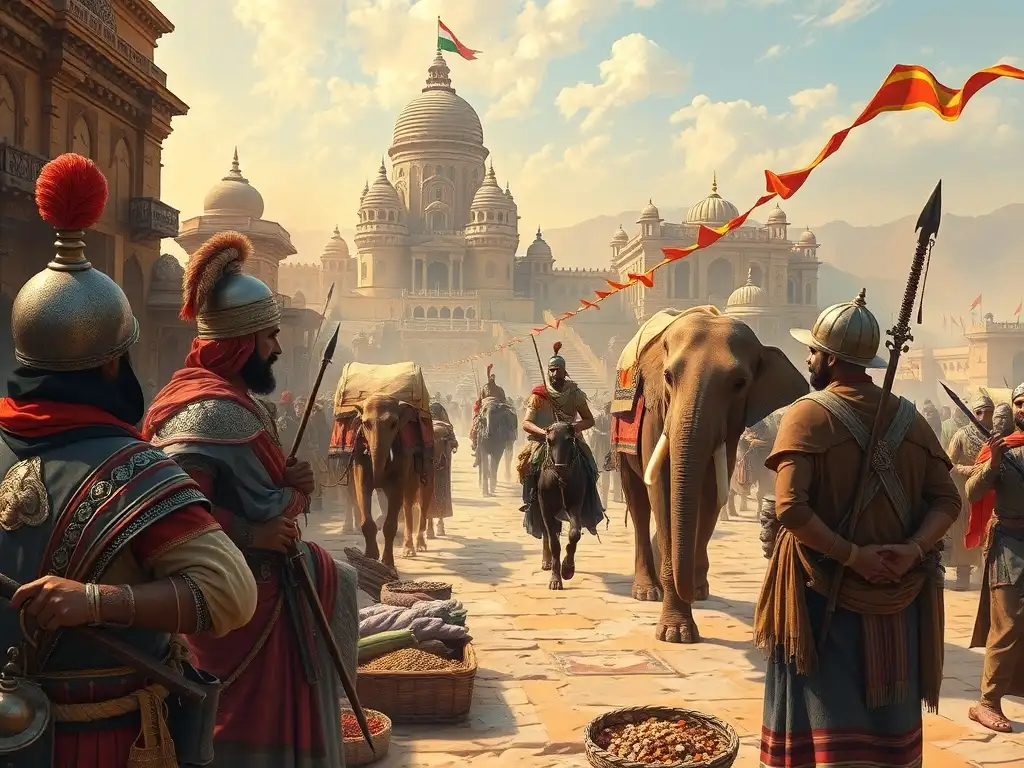
Trade played a pivotal role in shaping military technology and tactics in ancient India. As merchants and traders exchanged goods, they also facilitated the transfer of ideas, innovations, and techniques that substantially influenced the ways wars were fought. The movement of people and commodities across regions led to a rich cross-pollination of military knowledge, which ultimately enhanced the effectiveness of ancient Indian armies.
The flow of resources through trade routes ensured that different kingdoms had access to superior materials for weaponry and armor. For instance, the trade of metals like iron and bronze not only allowed for better weapon manufacturing but also encouraged experimentation with various designs and combat techniques. As a result, Indian armies were able to adopt and integrate diverse military technologies, positioning them favorably in conflicts.
Introduction of New Weapons and Techniques Through Trade
The introduction of new weapons and military techniques through trade was a significant factor in the evolution of warfare in ancient India. Trade links with various regions, including the Mediterranean, Central Asia, and Southeast Asia, brought advanced weaponry and combat methodologies to Indian subcontinents. For example, the exchange of technology with the Persians and Greeks introduced the use of cavalry and chariots, which became essential in Indian warfare.
Weapons such as the crossbow and composite bow were introduced through trade interactions, enhancing the range and lethality of Indian archers. The adoption of advanced metallurgy techniques led to the production of high-quality swords, shields, and armor, which were critical in determining the outcomes of battles. Additionally, the incorporation of new tactics, such as flanking maneuvers and coordinated assaults, significantly improved the strategic capabilities of Indian armies.
The Adoption of Advanced Warfare Strategies Influenced by Trade
As trade flourished, so did the sophistication of military strategies in ancient India. The intermingling of cultures and ideas facilitated by commerce led to the adoption of advanced warfare strategies that emphasized collaboration, mobility, and adaptability. For instance, Indian kings began to utilize elephants in warfare, a tactic influenced by trade routes that connected them with regions where such practices were prevalent.
Moreover, the wealth generated from trade allowed kingdoms to maintain larger standing armies and invest in military training. This financial support enabled military leaders to experiment with different formations and strategies, such as using infantry in tandem with cavalry and war elephants. The strategic incorporation of diverse forces based on battlefield scenarios was heavily influenced by the knowledge gained through trade interactions.
The Consequences of Warfare on Trade
Warfare had profound consequences on trade in ancient India, affecting both the stability of trade routes and the economic dynamics of kingdoms. Conflicts often disrupted established trade networks, leading to significant losses for traders and states alike. The interplay between warfare and trade created a cyclical relationship, where the outcomes of military engagements directly influenced commercial activities.
Disruption of Trade Routes Due to Conflicts
Conflicts in ancient India frequently led to the disruption of vital trade routes, which were essential for economic prosperity. For instance, invasions and territorial disputes often resulted in the closure of key passages, such as the Northern Silk Road or coastal maritime routes. This disruption not only hindered the movement of goods but also caused shortages of essential resources, which were critical for sustaining armies and local populations.
The impact of such disruptions could be catastrophic, as cities reliant on trade for food and materials faced famine and decline. Additionally, ongoing conflicts led to a lack of security for merchants, causing trade to diminish in regions plagued by warfare. The resulting instability created a ripple effect, where the economy suffered, and the ability to finance military campaigns dwindled.
The Economic Repercussions of Warfare on Trade Dynamics
The economic repercussions of warfare on trade dynamics were significant and far-reaching. As conflicts drained resources and diverted attention away from commerce, the overall economic stability of kingdoms suffered. The financial burdens of maintaining armies and repairing war-torn areas often led to increased taxation, which in turn stifled trade by reducing the disposable income of merchants and citizens.
Moreover, prolonged warfare could lead to shifts in power dynamics, where victorious states would impose tariffs and trade restrictions on defeated rivals, further complicating trade relationships. The rise and fall of empires due to military conflicts often corresponded with the changes in trade patterns, highlighting the interconnectedness of warfare and commerce in ancient India. This delicate balance between trade and warfare ultimately shaped the economic landscape of the region, influencing the prosperity and decline of various civilizations throughout history.
Conclusion: The Interconnection Between Trade and Warfare in Ancient India
The intricate relationship between trade and warfare in ancient India reveals a complex tapestry of economic motivations driving conflicts and the consequent impacts on trade practices. As commerce flourished across the subcontinent, it not only facilitated the exchange of goods but also created a battleground for competing powers vying for control over lucrative trade routes and resources. The interdependence of trade and warfare is evident in various historical contexts, from the militaristic expansions of the Maurya Empire to the strategic alliances formed for trade protection during the Gupta period.
Trade routes such as the Silk Road, which extended into India, significantly influenced military strategies and the nature of conflicts. Control over these routes was paramount, as they were essential for the economic prosperity of empires. Consequently, warfare was often a means to secure or expand these trade networks. The use of mercenaries, the establishment of fortified trading posts, and the development of naval power were strategic responses to the opportunities and threats posed by trade dynamics.
Additionally, the spoils of war often included valuable trade commodities, which incentivized conflicts. The outcomes of these wars not only shaped territorial boundaries but also altered economic structures, resulting in shifts in trade practices. Thus, the cyclical nature of trade and warfare in ancient India illustrates that economic motivations were a driving force behind military actions and vice versa, marking a critical aspect of the region's historical narrative.
Summary of Key Points
- Economic Motivation: Trade served as a primary economic driver for many conflicts, with empires seeking to control lucrative trade routes and resources.
- Strategic Warfare: Military strategies were often adapted to protect trade interests, leading to the establishment of fortified posts and the use of naval power.
- Cyclical Relationship: The outcomes of warfare frequently influenced trade practices, as victors gained access to valuable commodities, altering economic dynamics.
- Historical Examples: Notable examples include the Maurya Empire’s expansion for trade control and the Gupta period's strategic alliances for trade protection.
- Cultural Exchange: Warfare also facilitated cultural exchanges as empires expanded their territories, bringing diverse influences into their trade practices.
Reflection on the Legacy of Trade and Warfare in Ancient Indian History
The legacy of trade and warfare in ancient India continues to resonate in contemporary society. The historical interplay between these two forces laid the foundation for India's rich cultural and economic heritage. The development of trade routes not only contributed to the region's wealth but also fostered cultural interactions that enriched various civilizations.
Moreover, the lessons learned from past conflicts related to trade offer valuable insights for modern economic strategies. Understanding how ancient powers navigated the complexities of commerce and warfare can inform current approaches to geopolitics and international trade relations.
As historians and scholars continue to explore the depths of ancient Indian history, the intricacies of trade and warfare will remain a focal point of study, shedding light on how commerce not only shaped conflicts but also the very fabric of ancient Indian civilization. The enduring impact of these historical dynamics highlights the importance of recognizing the interconnectedness of economic activities and military endeavors in shaping human progress.
- Introduction to Trade and Warfare in Ancient India
- The Role of Trade Routes in Ancient Indian Warfare
- Economic Factors Influencing Warfare
- Case Studies of Trade and Warfare Interactions
- Impact of Trade on Military Technology and Tactics
- The Consequences of Warfare on Trade
- Conclusion: The Interconnection Between Trade and Warfare in Ancient India
- What role did trade play in ancient Indian warfare?
- How did the Indus Valley Civilization contribute to trade and warfare?
- What impact did the Silk Road have on ancient Indian conflicts?
- How did the Gupta Empire utilize trade for military advantage?
- Were there specific battles or conflicts driven by trade interests in ancient India?
Frequently Asked Questions
What role did trade play in ancient Indian warfare?
Trade significantly influenced warfare by providing resources, funding, and strategic alliances. Control over trade routes often led to conflicts as kingdoms sought to secure their economic interests.
How did the Indus Valley Civilization contribute to trade and warfare?
The Indus Valley Civilization established early trade networks, facilitating the exchange of goods. This economic prosperity likely contributed to their ability to defend against or engage in military conflicts with neighboring regions.
What impact did the Silk Road have on ancient Indian conflicts?
The Silk Road connected India with various cultures, increasing trade and competition. This interaction often led to military engagements as different empires sought to control these lucrative trade routes.
How did the Gupta Empire utilize trade for military advantage?
The Gupta Empire leveraged its extensive trade networks to strengthen its military capabilities. The wealth generated from commerce allowed for better equipment and resources for their armies.
Were there specific battles or conflicts driven by trade interests in ancient India?
Yes, several conflicts arose over trade routes and resources. Notable examples include battles between regional powers that sought control over important trade hubs, significantly impacting political dynamics in ancient India.
Final Reflection: The Interwoven Legacy of Trade and Warfare in Ancient India
The intricate relationship between trade and warfare in ancient India remains profoundly relevant today, as it highlights how economic interests can shape conflicts and alliances. In a world where globalization continues to blur the lines between commerce and conflict, understanding this historical dynamic provides essential insights into contemporary geopolitical tensions. The lessons drawn from ancient Indian conflicts remind us that economic motivations often underpin the most significant historical events, revealing the complex interplay between prosperity and power.
The influence of trade on warfare has not only shaped ancient Indian society but continues to resonate in our cultural and social landscapes. The legacy of these interactions can be seen in modern economic policies and international relations, where nations navigate the delicate balance between trade partnerships and military strategies. As the historian K. M. Panikkar once stated, Trade is the lifeblood of nations, and its control often dictates the course of history.
This sentiment underscores the ongoing relevance of trade as a catalyst for both cooperation and conflict, inviting us to reflect on how these historical patterns persist in today's world.
As we contemplate the lessons from ancient India, I invite you to consider how the themes of trade and warfare manifest in your own life and society. Reflect on the ways in which economic interests shape your community and the broader world. By understanding the historical context of these interactions, we can foster a more nuanced perspective on current events and encourage dialogue that prioritizes peace and collaboration over conflict. Let us carry forward the wisdom of the past as we navigate the complexities of our interconnected future.
Unveil the Connections Between Trade and Conflict!
Thank you for exploring the intricate relationship between trade and warfare in ancient India! You've delved into a fascinating aspect of history that reveals how commerce not only influenced economic prosperity but also shaped conflicts. Now, let's take that knowledge and turn it into action!
Here are some engaging steps you can take:
- Dive Deeper into History: Explore local museums or online resources that showcase artifacts from ancient trade routes. This will help you gain a visual understanding of how trade impacted societies.
- Join a Discussion Group: Connect with fellow history enthusiasts or participate in online forums to discuss the interplay of trade and warfare. Sharing insights can illuminate perspectives you may not have considered before.
- Reflect and Write: Document your thoughts on how trade continues to influence modern conflicts. Share your insights on social media or your blog to inspire others to think critically about these connections.
What connections do you see between trade and contemporary conflicts? Join the conversation!