
The Aftermath of War: Healing and Reconstruction in Ancient India

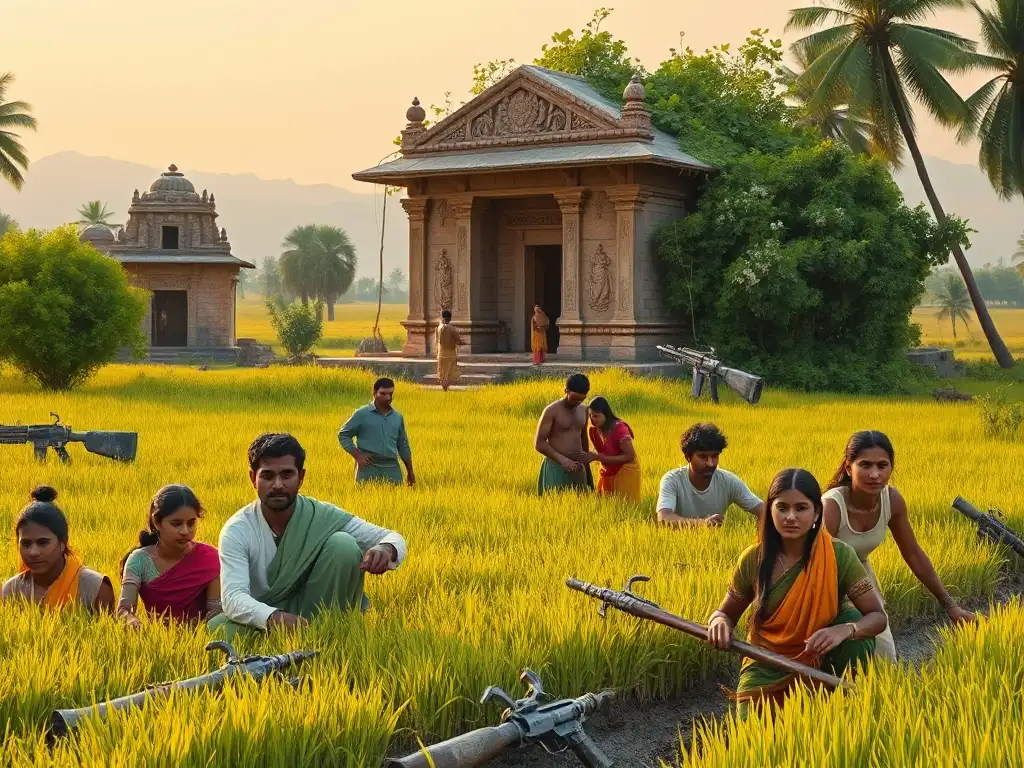
Welcome to Ancient India History, where we delve into the rich tapestry of civilizations that shaped a subcontinent. In our featured article, "The Aftermath of War: Healing and Reconstruction in Ancient India," we explore the profound resilience and innovative spirit of ancient Indian societies in times of turmoil. How did these remarkable civilizations rise from the ashes of conflict to heal and rebuild? Join us as we uncover the strategies, cultural shifts, and enduring legacies that emerged from the ruins of war, inviting you to journey deeper into the captivating saga of Ancient India.
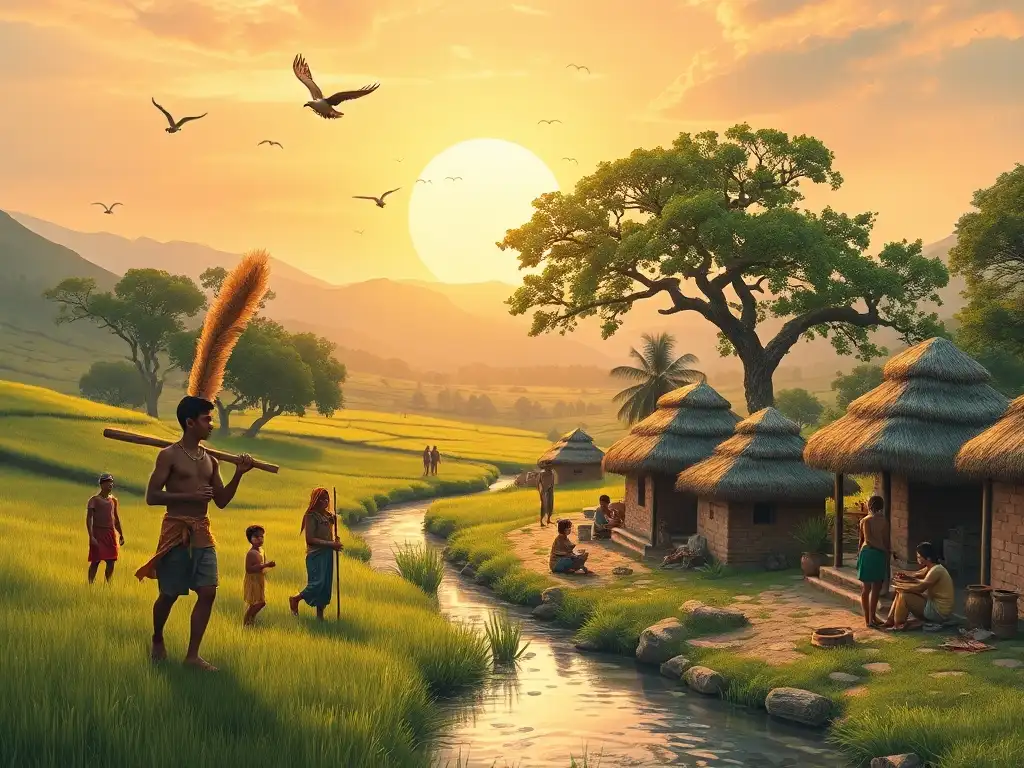
The aftermath of war has always posed significant challenges for societies, particularly in the context of ancient civilizations. In Ancient India, the healing and reconstruction following conflicts were not merely physical endeavors but also deeply intertwined with cultural, psychological, and spiritual dimensions. The historical narratives of various ancient Indian empires, ranging from the Indus Valley civilization through to the Gupta Empire, reveal a complex interplay between warfare and the subsequent societal recovery efforts.
This article will explore the processes of healing and reconstruction in ancient Indian societies after warfare, shedding light on how these civilizations managed to rebuild and thrive despite the scars of conflict. By examining the psychological impacts of war, the role of spirituality, and the strategies employed for recovery, we can gain a deeper understanding of the resilience and adaptability of ancient Indian cultures in the face of adversity.
Understanding Ancient Indian Warfare
Overview of Warfare in Ancient India
Warfare in Ancient India was characterized by a variety of factors including geography, politics, and technology. The land, with its diverse terrains—from the towering Himalayas to the vast plains of the Ganges—played a crucial role in shaping military strategies. Ancient texts such as the Arthashastra by Kautilya detail not only the strategies for warfare but also the importance of diplomacy and espionage. The emergence of powerful kingdoms such as the Mauryas and the Guptas saw significant advancements in military organization and tactics, which were pivotal in both defense and expansion.
Key Battles and Their Impact on Society
Several key battles marked the history of ancient Indian warfare, each leaving an indelible impact on society. For instance:
- The Battle of Kalinga (circa 261 BCE): This battle, fought by Emperor Ashoka, is notable not only for its scale but also for its aftermath. The immense loss of life led Ashoka to embrace Buddhism, promoting peace and non-violence thereafter.
- The Conquests of Chandragupta Maurya: His unification of the Indian subcontinent brought about significant changes in administration and societal structures, leading to a period of prosperity and cultural flourishing.
These battles often resulted in significant shifts in power dynamics, societal structures, and cultural exchanges, illustrating how warfare was a catalyst for change in ancient Indian society.
The Psychological Impact of War on Ancient Indian Society
Trauma and Recovery After Conflict
The psychological ramifications of war were profound, affecting soldiers and civilians alike. Trauma manifested in various forms, impacting mental health and community cohesion. The ancient texts often reflected the internal struggles faced by individuals returning from battle, highlighting the need for communal support systems to aid recovery.
- Community Support Systems: Villages often came together to provide assistance to returning warriors, helping them reintegrate into society.
- Narratives of Resilience: Many historical accounts emphasize the collective resilience of communities, showcasing how shared experiences of loss and survival fostered a sense of unity.
Role of Spirituality and Religion in Healing
Spirituality and religion played a crucial role in the healing process in ancient India. The integration of spiritual practices into recovery efforts helped individuals and communities find solace post-conflict. Practices included:
- Rituals and Ceremonies: These were often conducted to honor the deceased and to seek blessings for peace and prosperity.
- Philosophical Teachings: Philosophies such as Buddhism and Jainism emphasized compassion and non-violence, which provided frameworks for healing and reconciliation.
In essence, the spiritual and religious frameworks not only aided in personal healing but also helped in restoring social harmony, showcasing the multifaceted approach to recovery in ancient Indian societies.
Societal Reconstruction After War
The aftermath of war in ancient India often necessitated significant societal reconstruction, as conflicts would lead to the disruption of communities, loss of life, and a breakdown of social structures. Societal reconstruction involved not only physical rebuilding but also the re-establishment of social norms and relationships that had been fractured during warfare. In many instances, this process was rooted in the collective memory of the community, where traditions and cultural practices served as a foundation for healing and unity.
Efforts to restore societal cohesion typically included the reintegration of displaced populations, acknowledgment of the suffering endured, and the promotion of peace. Communities would often hold rituals or ceremonies to honor those lost in conflict, fostering a sense of shared grief and solidarity. Additionally, the establishment of local governance structures became crucial in facilitating the return to normalcy, with leaders engaging in dialogue with community members to address grievances and ensure active participation in rebuilding efforts.
Rebuilding Communities in Ancient India
Rebuilding communities in ancient India required a multi-faceted approach. The immediate focus was often on shelter and housing, as many homes were destroyed during conflicts. Villagers collaborated to construct new dwellings, drawing on traditional architectural techniques and local materials, which not only provided physical safety but also reinforced communal ties.
Social structures were also revitalized through the re-establishment of local institutions such as temples and schools, which served as centers for cultural and educational activities. These institutions played a vital role in restoring a sense of identity and belonging among community members. Additionally, festivals and communal gatherings were organized to celebrate resilience and foster unity, allowing people to reconnect with one another and rebuild trust.
The role of women in these efforts was particularly significant. Many women took on leadership roles in the absence of men who had perished in war, organizing community activities and ensuring that the needs of families were met. Their contributions were essential in maintaining social fabric and nurturing the next generation.
Economic Recovery: Trade and Agriculture
Economic recovery following war was central to the healing process in ancient India. The restoration of trade routes and agricultural production was imperative for communities to regain stability and prosperity. With the destruction of infrastructure during conflicts, efforts were made to repair roads and revive trade networks, which facilitated the exchange of goods and resources essential for survival.
Agriculture, as the backbone of the economy, saw renewed emphasis. Villagers worked together to clear land, replant crops, and restore irrigation systems that may have been damaged. Cooperative farming practices emerged, where communities pooled resources and shared labor, enhancing productivity and fostering economic interdependence.
In addition to traditional agricultural practices, some regions explored diversification into crafts and trade, allowing communities to create new economic opportunities. Markets were re-established, and local artisans played a pivotal role by producing goods that catered to both local and distant consumers. This economic resurgence not only provided sustenance but also contributed to a renewed sense of hope and purpose among the population.
The Role of Leaders in Healing After War
Leaders played a crucial role in guiding the healing and reconstruction process in ancient India after wars. Their influence extended beyond governance; they were seen as custodians of culture and tradition, tasked with ensuring that the values of the community were preserved and promoted during challenging times. Effective leadership was essential for instilling confidence among the populace and inspiring collective efforts toward rebuilding.
The authority and charisma of leaders enabled them to rally support for reconstruction initiatives. They often initiated dialogues with community members to understand their needs and aspirations, fostering an environment of collaboration and shared responsibility. By prioritizing the welfare of their constituents and engaging in transparent governance, these leaders laid the groundwork for sustainable recovery.
Historical Figures and Their Contributions to Reconstruction
Several historical figures in ancient India exemplified effective leadership in the aftermath of war. For instance, Emperor Ashoka, who ruled during the Maurya Dynasty, is renowned for his efforts in promoting peace and non-violence following his military campaigns. After witnessing the devastation of the Kalinga War, he embraced Buddhism and implemented policies aimed at social welfare, emphasizing moral governance and the welfare of his subjects.
Similarly, other regional kings and local chieftains took measures to restore their realms. They focused on rebuilding temples and public spaces, which served not only as cultural symbols but also as centers for community gatherings and spiritual healing. These leaders often commissioned texts and inscriptions that documented their efforts, reinforcing their commitment to reconstruction and providing a historical record for future generations.
Policies and Strategies for Healing in Ancient India
The policies and strategies employed for healing in ancient India after warfare were diverse and context-specific. Leaders often implemented land reforms to redistribute land among those who had lost property due to conflict, ensuring that the most affected individuals could regain their livelihoods. Such policies aimed to create a more equitable society and foster a sense of belonging among all community members.
Additionally, the promotion of intercultural dialogue was essential in healing divisions created by war. Leaders organized forums where diverse groups could discuss grievances and share perspectives, thereby facilitating reconciliation. The emphasis on cultural events, such as festivals and rituals, also served to strengthen communal bonds and promote social harmony.
In terms of governance, the establishment of councils or assemblies that included various societal segments allowed for more inclusive decision-making processes. This approach not only encouraged participation from all community members but also empowered them to take ownership of the reconstruction efforts. By fostering a sense of agency and collaboration, ancient Indian leaders could effectively advance the healing process, paving the way for renewed unity and resilience in the face of adversity.
Cultural Revival in the Aftermath of Conflict
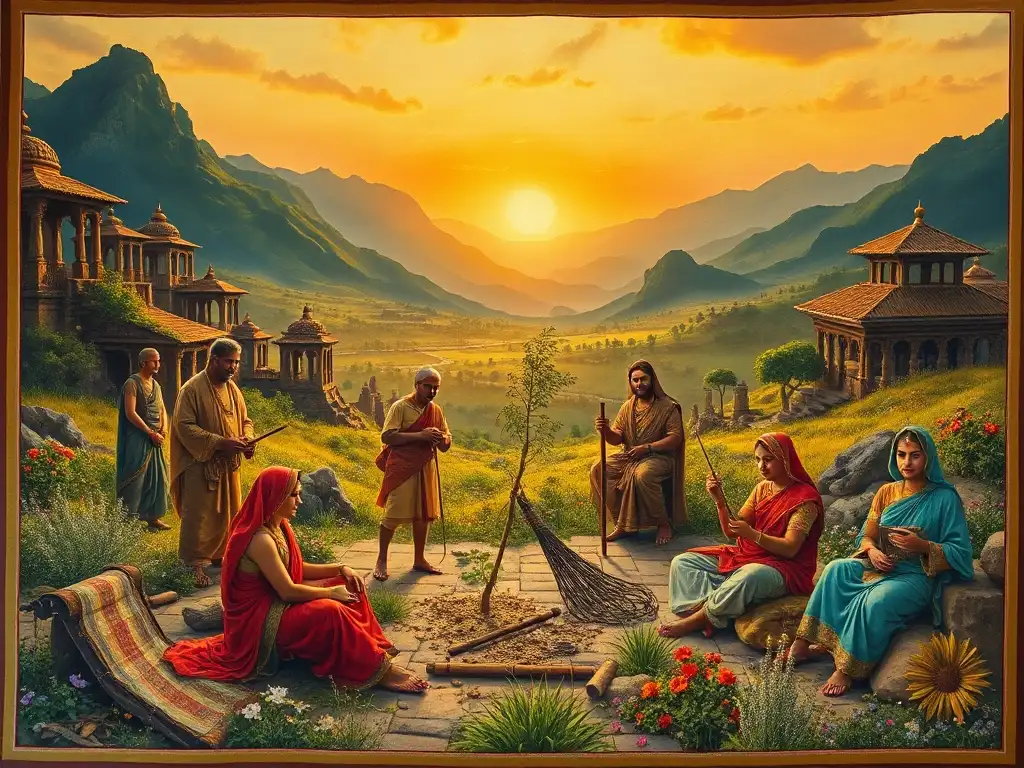
The aftermath of war in ancient India often led to significant cultural revivals and transformations. Following periods of conflict, societies sought to rebuild not only their physical infrastructure but also their cultural identity. The healing process involved a reinvigoration of art, philosophy, and community values, paving the way for new expressions of creativity and thought that often drew from the lessons learned during the turbulent times of war.
Communities frequently turned to their shared traditions and histories, utilizing them as a foundation for recovery. This cultural renaissance was marked by a resurgence of local crafts, religious practices, and communal festivals, which helped to restore social cohesion among the populace. Furthermore, the interaction between different cultural groups during and after conflicts often led to a blending of traditions, resulting in a vibrant tapestry of artistic and intellectual achievements that continued to influence future generations.
Artistic Expressions as a Means of Healing
Artistic expressions played a crucial role in the healing process after wars in ancient India. Artists and craftsmen harnessed their skills to create works that reflected both the pain of conflict and the hope for renewal. Temples, sculptures, and paintings often depicted themes of resilience, love, and the triumph of the human spirit over adversity.
For instance, the intricate carvings found in the aftermath of conflicts frequently included motifs of deities and narratives that emphasized peace, prosperity, and the restoration of dharma (moral order). These artistic endeavors not only served as a means of personal and communal healing but also acted as a medium through which societal values were reinforced.
Moreover, public art projects and performances, such as dance and drama, became avenues for communities to express their collective grief and aspirations. By participating in these activities, individuals found solace and a sense of belonging, which were crucial for the psychological healing of societies ravaged by war.
Literature and Philosophy Post-War
In the wake of conflict, literature and philosophy in ancient India evolved as essential tools for reflection and healing. Writers and philosophers sought to understand the human experience of suffering and survival, often addressing themes of morality, justice, and the cyclical nature of life.
The literary works produced in this period frequently served as a commentary on the consequences of war, urging societies to learn from their past mistakes. Texts such as the Mahabharata and Ramayana, while rooted in epic narratives, also contained profound lessons on ethics and the importance of harmony and reconciliation.
Philosophical schools, particularly those aligned with Buddhism and Jainism, flourished during these times, emphasizing non-violence and the pursuit of inner peace. This intellectual revival provided a framework for individuals and societies to process their experiences and rebuild their lives with a focus on compassion and coexistence.
Case Studies of Healing and Reconstruction in Ancient India
Examining specific case studies of healing and reconstruction in ancient India reveals how different empires navigated the challenges posed by war. These examples illustrate the diverse strategies employed to foster recovery and cultural revival, ultimately contributing to the resilience of Indian civilization.
The Mauryan Empire: Strategies for Recovery
The Mauryan Empire, particularly under the reign of Ashoka, showcases a remarkable example of recovery following conflict. After the bloody Kalinga War, which profoundly affected Ashoka, he embraced a path of reconciliation and non-violence. He initiated policies aimed at healing the wounds of war through the promotion of Buddhism and the establishment of dharma as a guiding principle for governance.
Ashoka's efforts included the construction of stupas, monasteries, and the dissemination of edicts that called for compassion and social welfare. These measures not only aimed to heal the physical and emotional scars of war but also to promote a unified cultural identity across the diverse territories of his empire. The Mauryan commitment to public welfare and religious tolerance fostered a sense of community and belonging that was critical for societal recovery.
The Gupta Empire: A Model of Healing and Growth
The Gupta Empire emerged as a beacon of cultural flourishing and stability following periods of conflict and fragmentation in ancient India. Renowned for its contributions to art, science, and philosophy, the Gupta period represented a time of healing characterized by economic prosperity and cultural renaissance.
The Gupta rulers implemented policies that prioritized education and the patronage of the arts, encouraging the revival of classical traditions that had been disrupted by previous conflicts. Institutions of learning flourished, and scholars such as Aryabhata and Kalidasa emerged, contributing significantly to mathematics, astronomy, and literature.
Moreover, the Gupta's emphasis on trade and commerce facilitated economic recovery, allowing communities to rebuild their livelihoods and restore social structures. This holistic approach to recovery—prioritizing cultural, economic, and intellectual growth—established the Gupta Empire as a model of healing and resilience in the face of adversity, leaving a lasting legacy on the Indian subcontinent.
Lessons from Ancient India on Healing After War
The aftermath of war in ancient India was not solely characterized by military strategies and territorial acquisitions; it was also a profound period of healing and reconstruction. Historical records indicate that various ancient Indian civilizations employed multifaceted approaches to recuperate from the ravages of conflict. Central to this process was the emphasis on spiritual rejuvenation, community rebuilding, and cultural restoration.
Ancient texts, including the Mahabharata and Ramayana, illustrate the psychological and social impacts of war on individuals and communities. These epics depict characters who undergo emotional turmoil yet find paths to healing through rituals, meditation, and communal gatherings. This highlights the understanding that recovery involves both physical and psychological elements.
Moreover, the concept of Dharma, or righteousness, played a crucial role in guiding post-war recovery efforts. Leaders were often expected to restore order and justice, ensuring that the societal fabric was mended. The implementation of restorative justice practices, where offenders were reintegrated into society through community support, was a hallmark of these ancient approaches, promoting forgiveness and collective healing.
Timeless Strategies for Modern Societies
The strategies employed by ancient Indian societies in healing after war can serve as valuable lessons for modern nations grappling with the consequences of conflict. One timeless strategy is the incorporation of traditional healing practices that emphasize holistic well-being. For instance, Ayurveda, which has roots in ancient Indian medical systems, offers insights into physical, emotional, and spiritual healing that can be beneficial in contemporary contexts.
Additionally, the focus on community engagement is a critical lesson. Ancient Indian societies often organized collective rituals and gatherings that fostered social cohesion. Modern societies can adopt similar approaches by facilitating community dialogues, cultural festivals, and healing circles that allow individuals to share their experiences and support one another.
Finally, the ancient practice of storytelling as a means of healing underscores the importance of narrative in recovery. By sharing personal and collective stories, societies can process trauma and create a shared identity, paving the way for reconciliation and rebuilding.
The Importance of Community and Unity in Recovery
Community and unity emerged as fundamental pillars in the healing process of ancient India. After conflicts, it was essential for communities to come together, restoring not just the physical landscape but also the social fabric. Rituals and communal activities played a significant role in this process, as they allowed individuals to express grief, celebrate resilience, and reaffirm their connections.
The idea of Sangha, or community, was pivotal in ancient Indian philosophy. It emphasized collective responsibility and mutual support, which were vital during recovery periods. Communities often engaged in shared agricultural efforts, rebuilding infrastructure, and supporting those who had lost family members or homes. This collective approach not only expedited physical recovery but also facilitated emotional healing.
Furthermore, unity was reinforced through shared religious and cultural practices. Festivals and ceremonies served as vital moments for communities to gather, fostering a sense of belonging and shared purpose. Such practices helped to alleviate the psychological scars of war, as they provided a space for collective mourning and celebration of life, further solidifying communal bonds.
Conclusion: The Legacy of Healing After War in Ancient India
The legacy of healing after war in ancient India offers profound insights into the resilience and adaptability of human societies. The practices and philosophies developed during these times have had a lasting influence, shaping not only the cultures of the subcontinent but also providing frameworks for modern healing processes.
Reflection on the Importance of Healing Practices
Reflecting on the importance of healing practices in ancient India reveals a rich tapestry of methods aimed at restoring balance and harmony. These practices encompassed a wide range of activities, including meditation, yoga, and rituals aimed at appeasing deities and seeking blessings for recovery. Such traditions underscored the belief that healing transcends the physical realm, encompassing emotional and spiritual dimensions as well.
The emphasis on healing practices also highlights the role of individuals as active participants in their recovery journeys. This empowerment through self-care and community support remains relevant today, reminding us that healing is often a collaborative effort that requires engagement at both personal and communal levels.
The Influence of Ancient Indian Healing on Subsequent Cultures
The influence of ancient Indian healing practices extends beyond its borders, impacting various cultures and civilizations throughout history. The principles of Ayurveda, meditation, and holistic well-being were disseminated through trade routes and cultural exchanges, enriching the healing traditions of neighboring regions and beyond.
Furthermore, ancient Indian concepts of community healing and restorative justice have resonated through time, inspiring modern therapeutic practices and conflict resolution strategies worldwide. By understanding and valuing these ancient methods, contemporary societies can draw upon a wealth of knowledge that promotes healing and fosters resilience in the face of adversity.
The exploration of healing and reconstruction in ancient India provides invaluable lessons that remain applicable today, emphasizing the importance of community, unity, and holistic well-being in recovering from the scars of war.
- Understanding Ancient Indian Warfare
- The Psychological Impact of War on Ancient Indian Society
- Societal Reconstruction After War
- The Role of Leaders in Healing After War
- Cultural Revival in the Aftermath of Conflict
- Case Studies of Healing and Reconstruction in Ancient India
- Lessons from Ancient India on Healing After War
- Conclusion: The Legacy of Healing After War in Ancient India
- What were the primary methods of healing after war in Ancient India?
- How did the cultural practices influence healing in post-war Ancient India?
- What role did the Gupta Empire play in the healing process after conflicts?
- Were there specific textual references to healing practices in ancient scriptures?
- How did economic factors affect the healing process in Ancient India after war?
Frequently Asked Questions
What were the primary methods of healing after war in Ancient India?
After wars, Ancient Indian societies utilized a combination of spiritual, medical, and community support methods to aid in healing. Ayurvedic practices and rituals played significant roles in recovery.
How did the cultural practices influence healing in post-war Ancient India?
Cultural practices, including rituals and festivals, promoted social cohesion and collective healing. These practices helped communities process trauma and rebuild social bonds after conflicts.
What role did the Gupta Empire play in the healing process after conflicts?
The Gupta Empire emphasized education and medicine, fostering advancements in healthcare and scholarship. This period saw significant contributions to Ayurveda, which became integral in post-war recovery.
Were there specific textual references to healing practices in ancient scriptures?
Yes, ancient texts like the Sushruta Samhita and Charaka Samhita provided guidelines on medical treatments and healing practices, emphasizing the importance of both physical and mental recovery after wars.
How did economic factors affect the healing process in Ancient India after war?
Economic stability was crucial for recovery efforts. Resources allocated for reconstruction and healthcare significantly influenced the success of healing practices and the overall resilience of communities post-conflict.
Final Reflection: The Resilience of Ancient India in Healing After War
The aftermath of war is a profound challenge that tests the very fabric of society, and the lessons learned from Ancient India's journey of healing after conflict remain strikingly relevant today. In an era where global conflicts continue to disrupt lives and communities, understanding how ancient civilizations navigated the tumultuous waters of recovery offers invaluable insights. The resilience displayed by the people of Ancient India serves as a powerful reminder that healing is not merely a process but a testament to human strength and unity.
Cultural and social landscapes are often reshaped in the wake of war, and Ancient India's approach to healing illustrates the importance of collective effort and spiritual renewal. The integration of art, philosophy, and community support in the healing process highlights how societies can emerge stronger from adversity. As Mahatma Gandhi once said, "> The weak can never forgive. Forgiveness is the attribute of the strong." This sentiment resonates deeply, emphasizing that true healing requires not only the rebuilding of physical structures but also the mending of hearts and minds.
As we reflect on the lessons from Ancient India, I invite you to consider how these principles of healing and reconstruction can be applied in your own life and community. Take a moment to think about the conflicts you face, whether they be personal, social, or global, and recognize the power of resilience, forgiveness, and unity in overcoming them. By embracing these values, we can contribute to a brighter future, echoing the enduring spirit of those who came before us in their quest for healing after war.
Embrace Healing: Take Action for a Brighter Future!
Thank you for dedicating your time to explore the intricate journey of healing and reconstruction in Ancient India. By understanding this rich history, you’ve uncovered valuable lessons about resilience and community. Now, it’s time to put this knowledge into action!
Here are some impactful steps you can take:
- Engage with your community: Volunteer for local initiatives that promote peace and healing, fostering connections that transcend conflict.
- Share your insights! Start a discussion with friends or on social media about how ancient healing practices can inspire modern solutions.
- Visit a nearby museum or historical site showcasing ancient cultures to deepen your appreciation for the resilience of humanity throughout history.
As you reflect on these actions, consider this: How can we apply the lessons of reconstruction from Ancient India to address today’s challenges? Your thoughts could truly make a difference!