
The Evolution of Gupta Coinage: Artistry and Economy Intertwined

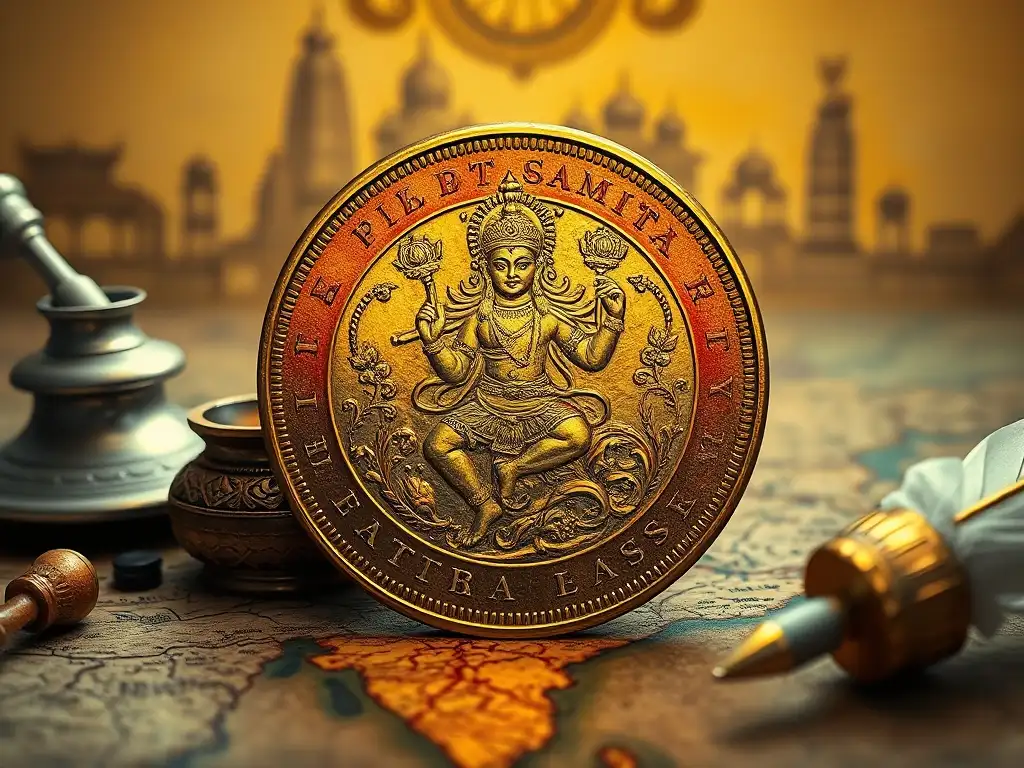
Welcome to Ancient India History, where we embark on a fascinating journey through the rich tapestry of ancient Indian civilizations. Have you ever wondered how the Gupta Empire not only shaped the landscape of ancient India but also left an indelible mark on the world of commerce and artistry?
In our featured article, "The Evolution of Gupta Coinage: Artistry and Economy Intertwined," we delve into the intricate history of Gupta coinage, revealing how these exquisite pieces of currency reflect the empire's economic prowess and cultural brilliance. Join us as we explore the artistry behind these coins and the stories they tell about a monumental era in history—your adventure into the depths of ancient India's legacy starts here!
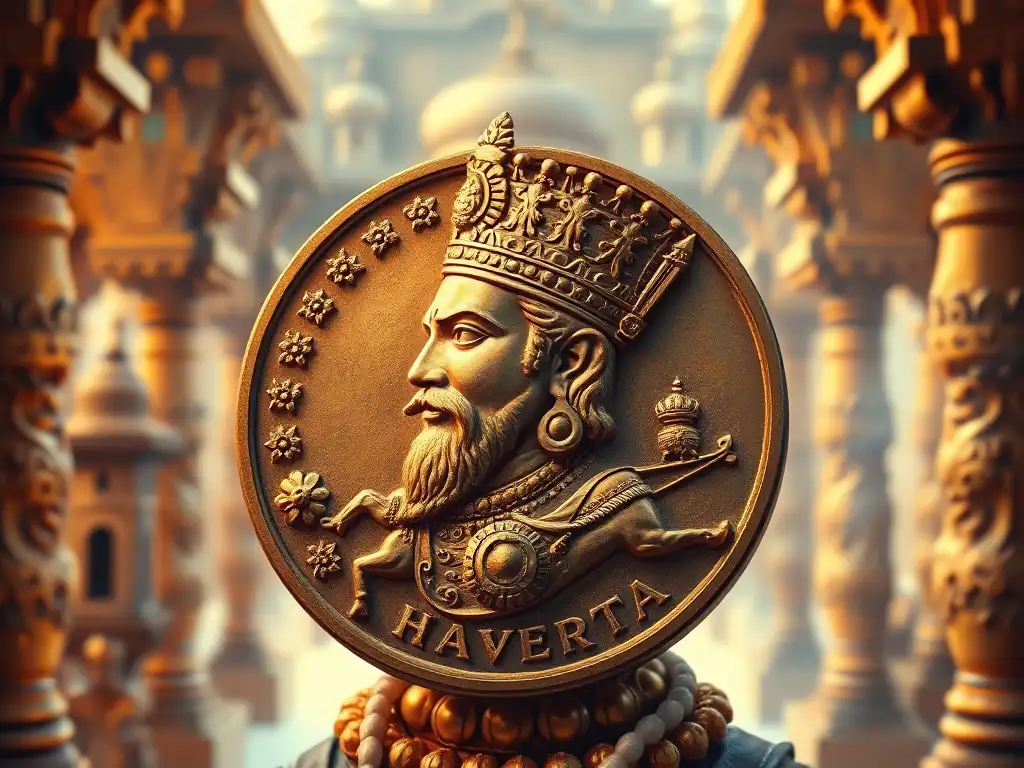
Introduction to Gupta Empire Coinage History
The Gupta Empire, often celebrated as a golden age of Indian civilization, flourished between the 4th and 6th centuries CE. This period is characterized by remarkable advancements in art, literature, science, and trade. Among the many facets that define this era, coinage stands out as a crucial element reflecting both the economic prosperity and the artistic achievements of the time.
The study of Gupta Empire coinage history reveals how these coins served not only as currency but also as a medium for political propaganda, cultural expression, and economic transactions. By delving into the evolution of Gupta coinage, we can gain insights into the intertwined nature of artistry and economy within this influential civilization.
Overview of Gupta Empire and its Significance
The Gupta Empire emerged as a prominent power in ancient India, founded by Maharaja Sri Gupta around 240 CE. Under the reign of iconic rulers, such as Chandragupta I, Samudragupta, and Chandragupta II, the empire expanded its territory and influence across the Indian subcontinent. This era was marked by:
- Cultural Flourishing: Significant contributions to literature, mathematics, and astronomy.
- Religious Tolerance: A coexistence of Hinduism, Buddhism, and Jainism, fostering a rich cultural tapestry.
- Artistic Achievements: Innovations in sculpture, architecture, and coin design that illustrated the sophistication of Gupta artisans.
The Gupta Empire's significance lies in its role as a hub of cultural synthesis and economic vitality, laying foundational elements for future Indian empires.
Importance of Coinage in Ancient Economies
Coinage played a pivotal role in ancient economies, serving as a standardized medium of exchange that facilitated trade and commerce. In the context of the Gupta Empire, the importance of coinage can be understood through several key aspects:
- Standardization of Trade: Coins provided a reliable unit of value, enhancing trade within the empire and with neighboring regions.
- Cultural Identity: Coins often featured images of deities and rulers, reflecting the cultural and religious values of the society.
- Political Propaganda: The issuance of coins served as a means for emperors to assert their authority and legitimacy.
Through these functions, Gupta coinage not only stimulated economic activities but also reinforced the cultural and political narratives of the empire.
Historical Context of Gupta Coinage
The Rise of the Gupta Empire
The Gupta Empire's ascendance can be traced back to the decline of the Mauryan Empire. By capitalizing on the political fragmentation that followed, the Guptas established a centralized regime that fostered stability and prosperity. Key factors contributing to the rise of the Gupta Empire included:
- Military Prowess: Successful conquests expanded their territory, increasing resource availability.
- Strategic Alliances: Marriages and alliances with local rulers solidified their power and influence.
This era of stability paved the way for a flourishing economy, which in turn necessitated a robust system of coinage to facilitate trade.
Economic Conditions during the Gupta Period
The Gupta period was characterized by a thriving economy based on agriculture, trade, and craftsmanship. The economic conditions that influenced Gupta coinage included:
- Agricultural Surplus: Advances in farming techniques led to increased productivity, supporting population growth and urbanization.
- Trade Networks: The Gupta Empire was well-integrated into regional and international trade networks, facilitating the exchange of goods such as textiles, spices, and precious metals.
- Craftsmanship and Industry: Skilled artisans produced high-quality goods, further stimulating economic growth and trade.
These economic conditions created a demand for a sophisticated coinage system, which the Gupta rulers adeptly managed.
Influences on Gupta Coinage from Preceding Civilizations
Gupta coinage did not emerge in isolation; it was shaped by influences from preceding civilizations, particularly:
- Mauryan Coinage: The Mauryan Empire set a precedent with its standardized coinage system, which the Guptas adapted and refined.
- Indo-Greek Coins: The introduction of Hellenistic styles influenced the artistic representations on Gupta coins, showcasing the blend of cultures.
- Local Traditions: Regional traditions and practices also played a significant role in shaping the iconography and materials used in Gupta coinage.
By understanding these influences, we can appreciate how Gupta coinage evolved into a distinctive and sophisticated system that reflected the empire's unique identity and economic vitality.
Artistry in Gupta Coinage
The Gupta Empire, flourishing from approximately 240 CE to 550 CE, is renowned not only for its political achievements and cultural advancements but also for the remarkable artistry reflected in its coinage. Gupta coins offer a vivid insight into the socio-economic fabric of the era, showcasing the unique blend of artistry and economy. They served as a medium of exchange, but their intricate designs and motifs also conveyed religious and cultural narratives, reflecting the values and beliefs of the Gupta society.
The artisans of the Gupta period exhibited exceptional skill in metalworking, creating coins that were not only functional but also artistic masterpieces. The craftsmanship involved in producing these coins indicates a high level of sophistication in both design and production techniques. This artistry played a crucial role in establishing a visual identity for the Gupta Empire, making its coins a significant aspect of its cultural legacy.
Design and Aesthetic Elements of Gupta Coins
Gupta coins are characterized by their intricate designs and aesthetic appeal, often featuring a variety of motifs and symbols. The most notable coins, known as "dinar" and "karshapana," typically showcase the following design elements:
- Portraits of Rulers: Many Gupta coins bear the effigies of emperors, depicted with elaborate hairstyles, crowns, and ornaments. These portraits not only served as a means of identification but also reinforced the divine status of the rulers.
- Religious Symbols: Buddhist and Hindu symbols are prevalent in Gupta coinage. For instance, coins often feature the Buddha, Shiva, and other deities, which reflect the religious pluralism present during the Gupta period.
- Floral and Geometric Patterns: The aesthetic design includes intricate floral motifs and geometric patterns, indicative of the artistic trends of the time. These designs suggest a deeper appreciation for beauty and harmony in art.
Overall, the design elements of Gupta coins exhibit a blend of functionality and artistry, making them significant artifacts in the study of ancient Indian history.
Symbolism in Gupta Coinage Artistry
The symbolism embedded in Gupta coinage is profound, serving multiple purposes beyond mere representation. Each symbol often carried a deeper meaning, resonating with the cultural and religious ethos of the time. For instance:
- Divine Representation: The depiction of gods and goddesses on coins was a way to legitimize the ruler's authority, suggesting that their power was divinely ordained. The presence of deities like Vishnu or Lakshmi symbolized prosperity and protection over the realm.
- Cultural Identity: Symbols often reflected local customs and the diverse beliefs of the empire, highlighting the syncretism of cultures under Gupta rule. This aspect of coinage helped foster a sense of unity among the diverse populations within the empire.
- Economic Indicators: Certain symbols on coins also served as indicators of their value and purpose. For example, the presence of specific markings could denote the coin's weight or purity, thus assisting in trade and commerce.
By understanding these symbols, historians can gain insights into the societal values and beliefs during the Gupta period, revealing the intricate relationship between art and economy.
Comparison of Gupta Coinage Designs with Other Indian Coinages
When comparing Gupta coinage to other Indian coinages, distinct differences and similarities emerge that highlight the evolution of numismatic art in ancient India.
- Mauryan Coinage: The preceding Mauryan Empire's coins were often simpler in design, focusing primarily on symbols rather than intricate portraits. The Gupta coins, in contrast, incorporated detailed portraits and elaborate motifs, showcasing a significant advancement in artistry.
- Post-Gupta Coinage: Following the Gupta period, coin designs became more standardized with less emphasis on individual artistry. The coins of later dynasties, such as the Harsha and the Pala, often reflected a decline in the intricate craftsmanship seen in Gupta coins.
- Regional Variations: While Gupta coins were characterized by their religious and royal themes, regional coins from South India or the Western regions showcased local deities and cultural symbols, indicating a rich tapestry of artistic expression across the subcontinent.
This comparative analysis underscores the Gupta Empire's unique position in the history of Indian coinage, particularly in its artistic contributions.
Types of Gupta Coins
The Gupta Empire issued various types of coins that played essential roles in trade, economy, and cultural expression. The three primary types of Gupta coins are gold, silver, and copper coins, each with distinct characteristics and significance.
Gold Coins: Characteristics and Value
Gold coins, particularly known as "dinars," were the hallmark of Gupta coinage, symbolizing wealth and prosperity. These coins were typically about 8 grams in weight and featured high-quality gold, which made them highly valued in both local and international trade.
Some key characteristics include:
- Intricate Designs: Gold dinars often showcased elaborate designs, including portraits of emperors and religious motifs, making them not only currency but also collectible art pieces.
- Cultural Significance: Their use in religious offerings and as gifts highlighted their cultural importance beyond mere economic transactions. Gold coins were also a means of displaying social status and wealth.
- Economic Role: Gold dinars were widely accepted across regions and were crucial in facilitating trade with neighboring kingdoms, contributing to the Gupta Empire's economic prosperity.
Silver Coins: Usage and Significance
Silver coins, known as "rupakas," were more commonly used for daily transactions compared to their gold counterparts. These coins were produced in larger quantities and had a lower value, making them accessible to a broader segment of the population.
Key points regarding silver coins include:
- Widespread Circulation: The affordability and availability of silver coins made them ideal for trade, encouraging economic activity and commerce throughout the empire.
- Diverse Designs: Silver coins featured a range of designs, including various deities and symbols, reflecting the cultural diversity of the Gupta Empire.
- Economic Indicator: The abundance of silver coins in circulation serves as an indicator of the empire's economic health and its active trade networks.
Copper Coins: Accessibility and Distribution
Copper coins, often referred to as "pana," played a vital role in the local economy, particularly for smaller transactions. These coins were produced in larger volumes and were accessible to all social classes.
Important aspects of copper coins include:
- Low Denomination: Copper coins were typically used for everyday purchases, making them essential for the common populace. Their low denomination facilitated trade at the grassroots level.
- Local Importance: While less valuable than gold and silver, copper coins were crucial in local markets and trade practices, supporting economic stability within communities.
- Artistic Elements: Despite their lower value, copper coins also featured artistic designs, albeit simpler than gold and silver coins. They often depicted local deities and motifs, reflecting regional artistic traditions.
The diversity of Gupta coin types—gold, silver, and copper—illustrates the empire's sophisticated economic structure and the interplay between artistry and commerce in ancient Indian society.
Economic Impact of Gupta Coinage

The coinage of the Gupta Empire, which flourished from approximately 240 to 550 CE, played a crucial role in shaping the economic landscape of ancient India. The introduction and widespread use of coins facilitated trade, encouraged commerce, and influenced social dynamics. Gupta coinage not only represented monetary value but also served as a medium through which economic transactions were conducted, thus paving the way for the growth of a more sophisticated economy.
Role of Coinage in Trade and Commerce
Coinage under the Gupta Empire significantly enhanced trade and commerce, both locally and internationally. Prior to the widespread adoption of coins, trade relied heavily on barter systems, which were often cumbersome and limited in scope. Gupta coins, primarily made of gold, silver, and copper, provided a standardized medium of exchange that simplified transactions.
- Standardization: The uniformity in weight and design of Gupta coins made them easily recognizable and widely accepted. This standardization reduced the complexities associated with trade.
- Expansion of Trade Networks: The Gupta period saw increased interactions with traders from regions such as Central Asia, the Mediterranean, and Southeast Asia. The presence of Gupta coinage in these areas indicates that trade routes expanded significantly during this era.
- Market Growth: The introduction of coins also led to the emergence of markets and trading hubs, where merchants could gather to exchange goods. This laid the groundwork for the economic prosperity that characterized the Gupta period.
Coinage as a Tool for Economic Regulation
The Gupta rulers utilized coinage not just as a means of trade but also as a powerful instrument of economic regulation. This regulation was vital for maintaining control over the economy and ensuring stability within the empire.
- Control of Currency Supply: By minting coins with specific values and ensuring their circulation, the Gupta administration could regulate the money supply, preventing inflation and economic instability.
- Taxation and Revenue Generation: Coins were used to collect taxes, which were essential for funding public projects, military campaigns, and administrative functions. The efficiency of tax collection improved with the use of standardized coins.
- Promotion of Agricultural Development: The Gupta Empire placed significant emphasis on agriculture, and coinage facilitated transactions related to agricultural produce. Farmers could sell their goods more effectively, which in turn boosted agrarian output.
Impact of Coinage on Social Classes and Economic Hierarchies
The introduction of coinage during the Gupta period also had profound implications for social structures and economic hierarchies. As coins became integral to daily life, they influenced the relationships between different social classes.
- Wealth Accumulation: The ability to accumulate wealth in the form of coins contributed to the rise of merchant classes, who gained influence and status within society. This shift marked a departure from the traditional agrarian-based economy.
- Class Distinction: Coinage highlighted the disparities between the wealthy and the poor. While affluent merchants and landowners thrived, those without access to sufficient resources faced economic challenges.
- Cultural Exchange: The interaction of different social groups due to trade facilitated cultural exchanges, thereby enriching the social fabric of the Gupta Empire. This exchange also allowed for the dissemination of ideas and artistic influences.
Case Studies of Notable Gupta Coins
Examining specific examples of Gupta coins provides insight into the artistic excellence and economic significance of this period. Notable case studies reveal the diversity and innovation that characterized Gupta coinage.
The Gold Dinara: A Case Study of Artistic Excellence
The Gold Dinara is perhaps the most renowned coin from the Gupta era, celebrated not only for its monetary value but also for its artistic brilliance.
- Design Features: The Gold Dinara typically features intricate designs, including images of deities, rulers, and symbols that reflect the rich cultural heritage of the Gupta Empire. The attention to detail and craftsmanship is evident in the coin's engraving.
- Cultural Significance: The imagery used on the Gold Dinara often carried religious or political connotations, showcasing the Gupta rulers' divine right to govern. This connection between coinage and authority reinforced the legitimacy of the Gupta dynasty.
- Economic Value: The Gold Dinara was widely accepted across various regions, facilitating trade and becoming a symbol of wealth and prosperity. Its intrinsic value further solidified its status in commerce.
Regional Variations in Gupta Coinage: A Comparative Analysis
While the Gupta Empire had a coherent monetary system, regional variations in coinage reflect local artistic styles, economic conditions, and cultural influences.
- Diversity in Design: Different regions produced coins with distinctive designs that often incorporated local motifs and symbols. For instance, coins from northern India might display different deities or artistic styles compared to those from southern regions.
- Economic Localism: The variations also hint at localized economies within the Gupta Empire. Regional coins were adapted to suit the specific needs and preferences of local populations, thereby enhancing their acceptance.
- Comparative Value: Analyzing the value and circulation of these regional coins highlights the economic disparities and trade dynamics across the Gupta Empire. This comparative analysis offers a deeper understanding of the empire's economic landscape.
The evolution of Gupta coinage encapsulates a unique intertwining of artistry and economic function, reflecting the dynamic nature of the Gupta Empire's culture and economy.
Decline of Gupta Coinage: Factors and Consequences
The decline of Gupta coinage marked a significant transition in the economic and artistic landscape of ancient India. Several interrelated factors contributed to this decline, culminating in changes that not only affected the currency itself but also reflected the broader socio-political and economic shifts of the time. As the Gupta Empire faced increasing pressure from external invasions and internal disintegration, the once-stable and flourishing system of coinage began to unravel. The craftsmanship and artistry that characterized Gupta coins slowly diminished, leading to a loss of economic cohesion and a decline in the standard of currency.
Political Changes and Their Effects on Coinage
Political instability played a crucial role in the decline of Gupta coinage. The Gupta Empire, which had established a robust administrative framework, began to fragment due to factors such as power struggles, regional uprisings, and invasions by foreign powers like the Huns. As local rulers sought autonomy, they started issuing their own coins, which often lacked the artistic quality and standardized measures of Gupta currency.
The shift in political power dynamics led to a fragmentation of coinage types and styles, resulting in a diverse and often confusing array of currency. This decentralization not only affected trade and commerce but also diminished the authority and recognition of Gupta coinage, which had previously been a symbol of economic stability and cultural unity. The loss of centralized control over coin production allowed for the proliferation of inferior or counterfeit coins, further eroding trust in the currency system.
Economic Decline and Its Impact on Currency
The economic decline of the Gupta Empire was another pivotal factor contributing to the diminishing relevance of Gupta coinage. As trade routes became less secure due to invasions and political turmoil, the economy suffered. The resulting decrease in trade activity diminished the demand for standardized currency, leading to a reliance on barter systems in many regions.
Additionally, inflation and the devaluation of coins occurred as the empire struggled to maintain its economic stability. The production of coins became less frequent, and the quality of metal used in coinage often deteriorated. The intricate designs and inscriptions that had once characterized Gupta coins were replaced with more simplistic and less artistic representations. This decline in quality not only reflected economic hardship but also indicated a loss of the artistic patronage that had flourished under Gupta rule.
Conclusion: The Legacy of Gupta Coinage in Ancient Indian History
The legacy of Gupta coinage is deeply interwoven with the broader historical narrative of ancient India. Despite its decline, the impact of Gupta coinage on future Indian currencies and artistic expressions remained significant. The artistic techniques and motifs developed during the Gupta period influenced coinage in subsequent dynasties, ensuring that the legacy of Gupta artistry endured.
Lasting Influence on Indian Art and Currency Systems
Gupta coinage set a precedent for the artistic representation of rulers and deities, influencing later Indian coinage systems, including those of the medieval and modern periods. The design elements, such as intricate engravings and the use of symbolic imagery, became integral to Indian numismatics. This artistic lineage can be seen in the coinage of later dynasties, which continued to draw inspiration from Gupta models.
Moreover, the standardization of coinage during the Gupta period laid the groundwork for future monetary systems in India. The concept of using coins as a medium of exchange became deeply rooted in Indian society, facilitating trade and commerce across vast regions. The legacy of Gupta coinage thus extends beyond its immediate historical context, influencing the development of Indian art and currency systems for centuries to come.
Reflections on the Interconnection of Artistry and Economy in Ancient India
The evolution and eventual decline of Gupta coinage serve as a compelling reflection of the interconnectedness of artistry and economy in ancient India. The Gupta period is often regarded as a golden age of cultural and artistic achievement, where economic prosperity allowed for the flourishing of arts, literature, and sciences. Coinage, as a tangible representation of this prosperity, embodied the intricate relationship between economic stability and artistic expression.
As the Gupta Empire faced challenges that led to the decline of its coinage, the loss of artistic quality mirrored the economic hardships endured by the society. This interplay of factors highlights how the economic conditions of a civilization can profoundly impact its cultural outputs. Understanding the decline of Gupta coinage thus provides valuable insights into the broader themes of resilience, adaptation, and the enduring legacy of ancient Indian civilizations.
- Introduction to Gupta Empire Coinage History
- Historical Context of Gupta Coinage
- Artistry in Gupta Coinage
- Types of Gupta Coins
- Economic Impact of Gupta Coinage
- Case Studies of Notable Gupta Coins
- Decline of Gupta Coinage: Factors and Consequences
- Conclusion: The Legacy of Gupta Coinage in Ancient Indian History
Frequently Asked Questions
What is the significance of the Gupta Empire coinage history?
The Gupta Empire coinage history reflects the economic prosperity and artistic achievements of the era, showcasing the cultural richness of ancient India.
How did Gupta coinage differ from earlier Indian coinages?
Gupta coinage featured improved artistry, with intricate designs and depictions of deities, setting it apart from the more simplistic coins of the Indus Valley and Maurya periods.
What materials were primarily used in Gupta coinage?
The Gupta Empire primarily utilized gold, silver, and copper for their coins, with gold coins being the most prestigious and widely circulated during the period.
How did the Gupta Empire influence trade through its coinage?
The standardization of coinage under the Gupta Empire facilitated trade by providing a reliable medium of exchange, promoting economic growth across the region.
What artistic themes are prevalent in Gupta coinage?
Gupta coinage often featured religious iconography, including Hindu deities and Buddhist symbols, reflecting the spiritual beliefs and cultural values of the time.
Final Reflection: The Enduring Legacy of Gupta Coinage
The evolution of Gupta coinage serves as a profound reminder of how artistry and economy are intricately intertwined, shaping not only the financial landscape of the Gupta Empire but also influencing cultural identity and historical legacy. Today, as we navigate an increasingly digital economy, the lessons from Gupta coinage history resonate more than ever, highlighting the importance of tangible value and the artistry behind currency that reflects societal values and aspirations.
Coinage from the Gupta Empire is not merely a relic of the past; it continues to influence our understanding of economic systems and artistic expression. The intricate designs and inscriptions on Gupta coins reveal a sophisticated society that valued both beauty and commerce. As historian Robert S. Lopez once said, The study of coins is the study of civilization itself.
This observation underscores the ongoing relevance of Gupta coinage, as it invites us to explore how economic practices shape cultural narratives and vice versa.
As we reflect on the lessons from Gupta coinage, let us consider how we can apply these insights to our own lives. What values do we want our currency—be it literal or metaphorical—to represent? I encourage you to think about the artistry in your own economic choices and the legacy you wish to leave behind. Embrace the opportunity to intertwine creativity with commerce, ensuring that your contributions to society reflect the richness and depth of your own cultural narrative.
Unveil the Legacy of Gupta Coinage: Take Action Today!
Thank you for diving into the fascinating world of Gupta coinage! We hope you’ve gained insight into how artistry and economy beautifully intertwine. Now, it’s time to harness this knowledge and explore further!
Here are a few actionable steps you can take right now:
- Dive deeper! Explore our extensive collection of articles on Ancient Indian history to broaden your understanding of the Gupta Empire and its influence on art and trade.
- Share the knowledge! Discuss the significance of Gupta coins with friends or on social media. Start a conversation about how ancient economies shape our modern world.
- Contribute to the dialogue! Join our online forum and share your thoughts about the artistry in Gupta coinage. Your perspective can enrich the community’s understanding!
What aspect of Gupta coinage surprised you the most? How do you think it has influenced present-day economies? Let's discuss!