
The Connection Between Ancient Indian Trade and Cultural Exchange

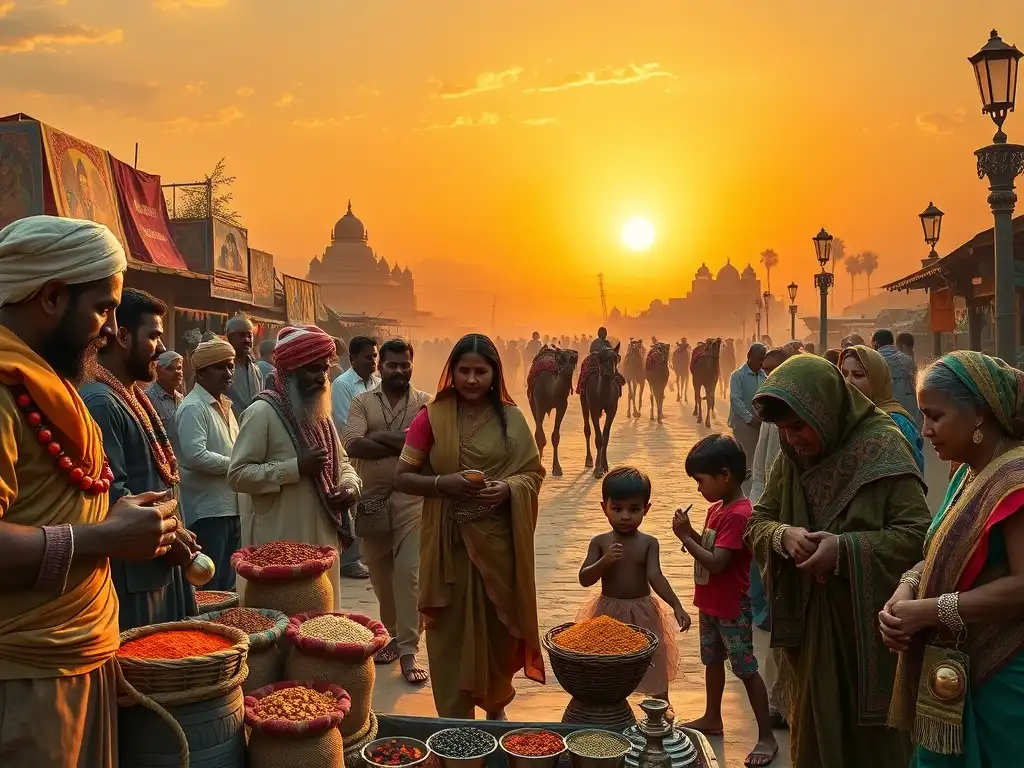
Welcome to Ancient India History, where we embark on a fascinating journey through the rich tapestry of India's past! In this exploration, we shine a spotlight on Ancient Indian trade networks, uncovering how these intricate systems not only fueled economies but also served as vital conduits for cultural exchange.
What secrets do these trade routes hold, and how did they shape the civilizations from the Indus Valley to the Gupta Empire? Dive deeper into our main article, The Connection Between Ancient Indian Trade and Cultural Exchange, and let your curiosity guide you through the stories of connection, commerce, and cultural richness that define this remarkable era.
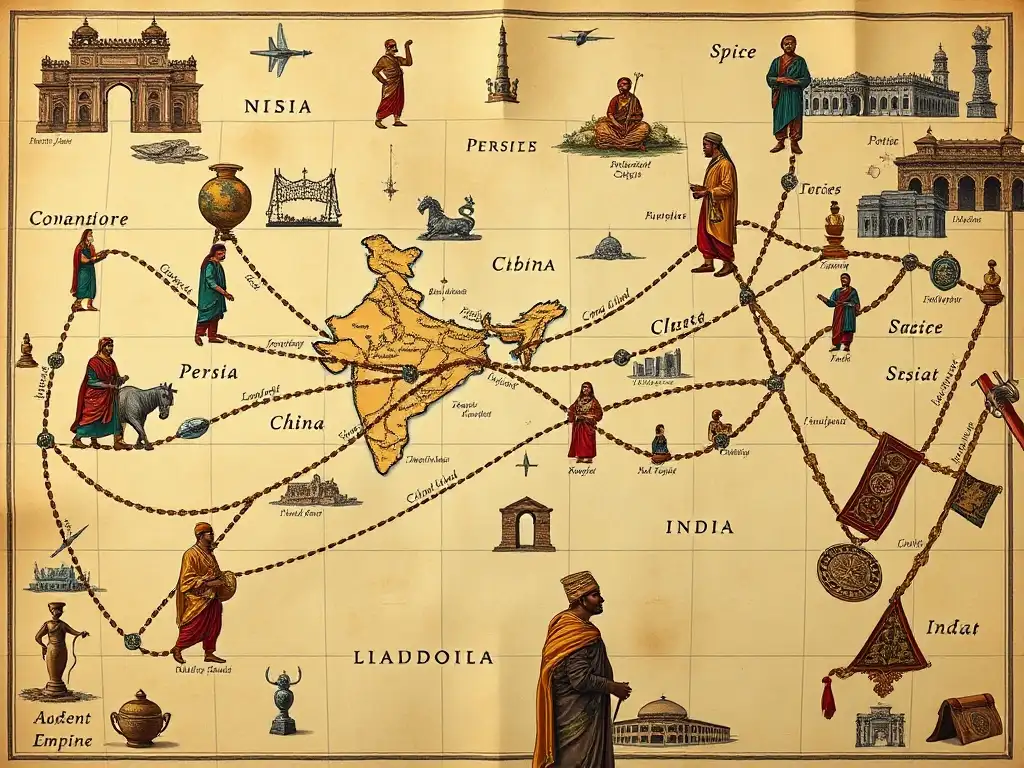
Introduction to Ancient Indian Trade Networks
Ancient Indian trade networks played a pivotal role in shaping the subcontinent's economy, culture, and interactions with the wider world. These networks were not merely conduits for the exchange of goods; they served as vital links that fostered cultural diffusion, technological innovation, and economic prosperity across diverse regions.
Spanning from the flourishing Indus Valley Civilization to the illustrious Gupta Empire, these trade routes facilitated not just the movement of commodities such as spices, textiles, and precious stones, but also ideas, religions, and artistic expressions. Understanding the intricacies of ancient Indian trade networks reveals how commerce was intricately woven into the fabric of societal development and cultural exchange, ultimately influencing regions far beyond India's borders.
Overview of Ancient Indian Trade
Ancient India was home to a variety of trade networks that thrived due to its strategic geographical location and the abundance of valuable resources. The subcontinent's trade was characterized by both overland and maritime routes, connecting it to neighboring regions such as Central Asia, the Middle East, and Southeast Asia. Major goods traded included:
- Spices: Renowned for their flavor and medicinal properties, spices like black pepper and cardamom were highly sought after.
- Textiles: Indian fabrics, particularly silk and cotton, gained immense popularity and were prized in foreign markets.
- Precious Stones: India’s mines were rich in gems such as diamonds, rubies, and emeralds, attracting traders from across the globe.
Trade flourished through established marketplaces and ports, where merchants engaged in vibrant exchanges, leading to a thriving economy that supported urbanization and cultural advancements.
Importance of Trade in Ancient Indian Civilizations
Trade was fundamental to the prosperity of ancient Indian civilizations, serving multiple critical functions:
- Economic Growth: Trade contributed significantly to wealth accumulation, enabling the rise of powerful kingdoms and urban centers.
- Cultural Exchange: As traders traveled, they brought with them not just goods but also ideas, religions, and cultural practices, leading to a rich tapestry of cultural exchange.
- Diplomatic Relations: Trade routes often facilitated diplomatic ties between kingdoms, fostering alliances and peace treaties that benefited regional stability.
The robustness of ancient Indian trade networks thus not only stimulated economic activity but also promoted social cohesion and cultural diversity.
Historical Background of Ancient Indian Trade Networks
The Evolution of Trade Routes in Ancient India
The development of trade routes in ancient India can be traced back to the Indus Valley Civilization (c. 3300–1300 BCE), where early urban centers engaged in trade with Mesopotamia. Over time, these routes evolved, adapting to changing political landscapes and expanding commercial interests.
- Overland Routes: The Silk Road became a vital overland network linking India with Central Asia and beyond. Caravans traversed challenging terrains, facilitating the exchange of silk, spices, and knowledge.
- Maritime Trade: Indian ports along the coasts of the Arabian Sea and the Bay of Bengal, such as Lothal and Muziris, became major hubs for maritime trade, connecting India to the Roman Empire, Africa, and Southeast Asia.
The adaptability of these trade routes ensured sustained economic interactions throughout different historical periods, leading to a flourishing trade environment.
Key Trade Centers in Ancient India
Several cities emerged as key trade centers, each contributing to the vibrancy of ancient Indian trade networks:
| Trade Center | Location | Key Contributions |
|---|---|---|
| Taxila | Punjab | A center for learning and trade, connecting India with the Persian Empire. |
| Lothal | Gujarat | An important port city known for its dockyard and maritime trade. |
| Ujjain | Madhya Pradesh | A major hub for inland trade, particularly during the Mauryan period. |
| Pataliputra | Bihar | The capital of the Mauryan Empire, facilitating extensive trade within and beyond India. |
These trade centers not only served as economic hubs but also as melting pots of culture, where diverse influences converged, enriching the local societies and contributing to India's historical legacy.
Major Commodities in Ancient Indian Trade
Ancient Indian trade networks were vital to the economy and cultural exchanges that characterized the subcontinent. The rich diversity of India’s geography allowed for the production of a variety of commodities that became highly sought after in international markets. Key items traded included spices, textiles, precious stones, and metals, each contributing uniquely to the ancient trade landscape.
Spices and Their Role in Trade
Spices were among the most prized commodities in ancient Indian trade, attracting traders from across the globe. India was known as the "land of spices," with regions like Kerala and Tamil Nadu being particularly famous for their production of black pepper, cardamom, and cloves. The demand for these spices was not only for culinary purposes but also for their medicinal properties and use in rituals.
The spice trade was facilitated by well-established routes, including the Maritime Silk Road, which connected India with the Middle East, Europe, and beyond. This trade brought immense wealth to Indian kingdoms and fostered a unique cultural identity, as spices became intertwined with culinary traditions. The lucrative nature of the spice trade also led to competition among various empires, which sought control over these valuable resources.
Textiles and Their Cultural Significance
Textiles formed another cornerstone of ancient Indian trade networks, with India renowned for its exquisite fabrics such as silk, cotton, and wool. The art of weaving and dyeing was highly developed, and specific regions were known for unique textile traditions, such as the vibrant saris of Varanasi and the intricate patterns of Kanchipuram silk.
Textiles not only served as trade goods but also acted as cultural markers, reflecting societal values, religious beliefs, and artistic expressions. The export of these textiles facilitated cross-cultural interactions, as Indian clothing styles influenced fashion trends in distant lands. The impact of textiles extended beyond mere commerce, embedding cultural significance that shaped social identities and intercultural relationships.
Precious Stones and Metals in Ancient Trade
India's wealth in precious stones and metals significantly contributed to its status as a trade hub in the ancient world. Gems like diamonds, rubies, emeralds, and sapphires were sourced from regions such as Golconda and the Deccan Plateau. Indian craftsmanship in jewelry-making was highly esteemed, and these items were often exchanged for goods and services across trade networks.
Metals such as gold, silver, and copper were also vital commodities. The trade in these metals not only facilitated economic transactions but also influenced cultural exchanges, as the artistic techniques used in metalwork spread through interactions with other civilizations. Additionally, the acquisition of precious metals often played a role in the wealth and power dynamics of ancient Indian kingdoms, shaping their trade policies and international relations.
Cultural Exchange Through Trade

The exchange of goods was paralleled by the exchange of ideas, religions, and cultural practices, making ancient Indian trade networks a melting pot of influences. These interactions led to the enrichment of Indian culture, as various elements from different civilizations were absorbed and adapted.
How Trade Fostered Cultural Interactions
Trade routes served as conduits for cultural interactions, where merchants, travelers, and diplomats exchanged not only goods but also knowledge and traditions. Cities such as Taxila and Pataliputra became cosmopolitan centers where diverse cultures mingled. The influx of traders from Persia, Arabia, and Central Asia introduced new ideas, art forms, and technologies to Indian society.
The movement of people along these trade routes facilitated the spread of languages, culinary arts, and social customs. Festivals and practices from different cultures were often integrated into local traditions, creating a rich tapestry of cultural heritage that characterized ancient India.
The Influence of Trade on Religion and Philosophy
Ancient trade networks also played a pivotal role in the spread of religious and philosophical ideas. As traders traveled along the Silk Road and maritime routes, they brought with them the teachings of Buddhism, Jainism, and later, Hindu philosophies. This intermingling of beliefs not only influenced spiritual practices in India but also led to the establishment of significant religious centers along trade routes.
For example, the dissemination of Buddhism from India to Central Asia and China was facilitated by traders who acted as cultural ambassadors. This exchange fostered dialogues about ethics, morality, and governance, shaping the philosophical landscape of the regions involved.
Artistic Exchanges and Their Impact on Ancient Indian Culture
Artistic exchanges were another significant aspect of cultural interactions through trade. The influx of artistic styles and techniques from various cultures enriched Indian art forms, leading to the evolution of distinct styles in sculpture, painting, and architecture.
Indian artists were influenced by Hellenistic styles due to interactions with Greek traders following Alexander the Great's conquests. This influence is evident in the Gandhara art style, which blended Indian and Greco-Roman artistic traditions. The resulting fusion created new forms of artistic expression that reflected the dynamic nature of ancient Indian culture.
Ancient Indian trade networks not only facilitated the exchange of goods but also acted as a catalyst for cultural interactions that shaped the diverse and rich tapestry of ancient Indian civilization.
The Role of Geography in Shaping Trade Networks
Geography played a pivotal role in the establishment and expansion of ancient Indian trade networks. The subcontinent’s diverse landscape, which includes fertile plains, mountain ranges, and a long coastline, significantly influenced trade routes and interactions with neighboring regions. The natural barriers such as the Himalayas and the Thar Desert not only defined the limits of trade but also fostered unique regional cultures that thrived in isolation, subsequently contributing to the rich tapestry of Indian civilization.
The location of ancient India at the crossroads of major trade routes between the East and West facilitated cultural exchange and economic prosperity. Trade routes connecting India to Central Asia, the Middle East, and Southeast Asia emerged, exploiting the subcontinent’s strategic geographic position. These routes became conduits not only for goods but also for ideas, religions, and technologies, allowing ancient Indian civilizations to flourish and engage with a variety of cultures.
Key Geographical Features Influencing Trade
Several geographical features were instrumental in shaping ancient Indian trade networks:
- Rivers: The Indus and Ganges rivers provided vital waterways for transportation and trade. These rivers supported agriculture and allowed for the movement of goods inland, connecting the heart of India to coastal trading hubs.
- Coastline: India’s extensive coastline along the Indian Ocean enabled maritime trade. Key ports such as Lothal, Muziris, and Arikamedu became bustling centers of commerce where goods from distant lands were exchanged.
- Mountain Passes: The mountain passes of the Himalayas facilitated overland trade routes, connecting India with Central Asian markets and cultures. The Khyber Pass, in particular, served as a crucial link for traders and invaders alike.
- Deserts: The Thar Desert, while challenging, also influenced trade patterns. Caravans traversing its arid expanses connected Indian trade with regions like Persia and Arabia, promoting the exchange of luxury goods such as silk and spices.
These features not only determined the flow of goods but also influenced cultural interchange, as traders often settled in new regions, leading to the blending of diverse customs and traditions.
The Impact of the Indian Ocean Trade Routes
The Indian Ocean trade routes were vital for the exchange of goods and ideas during ancient times. Stretching from the coast of East Africa to the shores of Southeast Asia, these routes facilitated the movement of not just commodities, but also cultural practices and religious beliefs.
The trade network allowed for the exchange of valuable goods, including spices, textiles, and precious metals. Indian merchants played a significant role in this trade, establishing connections with diverse cultures, such as the Arabs, Persians, and Southeast Asians. The flourishing trade led to the rise of port cities, creating hubs for cultural interaction and economic exchange.
Moreover, the Indian Ocean routes contributed to the spread of religions such as Buddhism and Hinduism. Merchants and sailors often carried their beliefs with them, leading to the establishment of communities that blended local traditions with those of Indian origin. The impact of these trade routes was profound, as they not only enriched local economies but also facilitated a cultural exchange that shaped the identities of various civilizations.
Case Studies of Ancient Indian Trade Networks
Understanding the intricacies of ancient Indian trade networks requires examining specific case studies that highlight their significance. These examples illustrate how trade facilitated not only economic exchanges but also cultural interactions across regions.
The Silk Road and Its Connection to Ancient India
The Silk Road was a complex network of trade routes that connected the East and West, significantly impacting ancient Indian trade. Indian merchants participated actively in this network, transporting luxury goods such as silk, spices, and gemstones to Central Asia and beyond.
One notable aspect of the Silk Road's influence on India was the exchange of ideas and technologies. The movement of scholars and traders along these routes led to the dissemination of knowledge, particularly in mathematics, astronomy, and medicine. For instance, the introduction of Indian numerals and the concept of zero profoundly impacted the development of mathematics in various cultures.
Additionally, the Silk Road facilitated the spread of Buddhism, as missionaries traveled alongside traders. This cultural exchange enriched both Indian civilization and the regions it interacted with, leading to a shared heritage that transcended geographical boundaries.
Maritime Trade Routes and Cultural Exchange
Maritime trade routes, particularly those in the Indian Ocean, acted as conduits for vibrant cultural exchanges between India and various regions. Ports on the western coast of India, such as Gujarat and Kerala, became bustling centers of commerce, attracting traders from Arabia, Persia, and East Africa.
The exchange of goods was complemented by the transfer of cultural practices, languages, and customs. For instance, the trade of spices and textiles not only brought wealth but also introduced new culinary techniques and artistic styles to Indian society.
Moreover, these maritime routes facilitated the spread of religions, notably Islam and Hinduism. The interactions between Indian and Arab traders led to the establishment of syncretic cultures, particularly in coastal regions, where elements from both traditions blended seamlessly. This cultural amalgamation enriched the social fabric of ancient India, illustrating the profound impact of trade on cultural identity.
Ancient Indian trade networks were not merely channels for economic exchange; they were vital pathways for cultural interaction, shaping the historical narrative of the subcontinent and its connections to the wider world.
The Decline of Ancient Indian Trade Networks

The decline of ancient Indian trade networks was a significant turning point that impacted not only the economy but also cultural exchange in the region. By the end of the first millennium CE, various factors contributed to this decline, leading to a transformation in how societies interacted and exchanged goods. The once-thriving trade routes that connected India with the rest of Asia, the Middle East, and beyond began to diminish, affecting the flow of commodities, ideas, and cultural practices.
Factors Leading to the Decline of Trade in Ancient India
Several critical factors contributed to the decline of ancient Indian trade networks:
- Political Instability: The fragmentation of empires and the rise of regional powers led to political instability. The fall of powerful empires such as the Maurya and Gupta diminished centralized control, making trade routes less secure and reliable.
- Invasions and Conflicts: Frequent invasions by foreign powers, such as the Huns and later the Islamic conquests, disrupted trade routes. These conflicts often resulted in the destruction of key trading cities and infrastructure, causing merchants to seek safer routes or abandon trade altogether.
- Shifts in Trade Routes: The emergence of new trade routes, particularly via maritime means, shifted the focus away from traditional overland routes. As maritime trade grew, the significance of land routes diminished, leading to a decline in the once-bustling caravan trade through the Silk Road and other terrestrial paths.
- Economic Changes: The gradual transition from barter systems to coinage and the establishment of more sophisticated markets affected trade dynamics. The introduction of new currencies and economic systems may have created challenges for existing trade practices, leading to reduced participation in trade.
- Cultural and Technological Stagnation: As trade declined, the exchange of ideas, technologies, and cultural practices also slowed. This stagnation affected innovation and development, leading to a decline in both economic and cultural vitality.
The Impact of Declining Trade on Cultural Exchange
The decline of ancient Indian trade networks had profound implications for cultural exchange:
- Reduction in Cross-Cultural Interactions: With fewer merchants traveling along trade routes, the exchange of ideas, religions, and cultural practices diminished. This reduction stunted the growth of diverse cultural influences that were previously prevalent in Indian society.
- Limited Spread of Knowledge: Ancient Indian advancements in mathematics, astronomy, and medicine were once shared widely through trade. The decline in trade networks limited the dissemination of this knowledge, impacting educational and scientific progress.
- Isolation of Communities: As trade diminished, certain regions became increasingly isolated. This isolation hindered the flow of cultural practices and led to the entrenchment of local customs and traditions, reducing the cosmopolitan nature of ancient Indian civilization.
- Impact on Art and Architecture: Cultural exchanges often inspired artistic and architectural innovations. With diminished trade, the fusion of styles and techniques from different regions became less common, leading to a more homogenous artistic landscape.
Conclusion: The Legacy of Ancient Indian Trade Networks
The legacy of ancient Indian trade networks remains significant, as they established foundational practices that influenced commerce and cultural exchange in subsequent eras. Despite the decline, the contributions of these networks continue to resonate throughout history.
Lasting Effects on Modern Commerce and Culture
The ancient trade networks laid the groundwork for modern commerce by establishing key principles such as market systems, trade agreements, and the importance of cultural exchange. Many of the routes that were once vital in ancient trade still serve as major trade corridors today, emphasizing the enduring nature of these connections. Additionally, the cultural exchanges that occurred during this period helped shape contemporary Indian culture, influencing religious practices, languages, and culinary traditions.
Reflections on the Importance of Trade in Shaping Ancient Civilizations
Trade was not merely a means of economic exchange; it was a vital force that shaped the very fabric of ancient civilizations. The interactions between different cultures facilitated the sharing of knowledge, technology, and ideas, leading to advancements that have had lasting impacts. The rise and fall of ancient Indian trade networks serve as a reminder of the dynamic nature of commerce and its ability to foster connections that transcend geographical boundaries. Understanding this historical context allows us to appreciate the complexities of cultural exchange and the importance of trade in shaping societies throughout history.
Further Reading on Ancient Indian Trade and Cultural Exchange
Delving deeper into the intricate connections between ancient Indian trade and cultural exchange opens up a wealth of knowledge. This section provides resources that can enhance your understanding of ancient Indian trade networks, their dynamics, and their impact on culture.
Recommended Books and Articles
-
"Trade, Trust, and Networks: Relations in the Indian Ocean World" by G. M. B. Akbar
This book explores the vast trade networks of the Indian Ocean and how these connections facilitated cultural exchanges. It provides insights into the roles of various trading communities and their interactions.
-
"The Ancient Indian Economy" by R. S. Sharma
A seminal work that delves into the economic practices of ancient India, including trade dynamics and the influence of commerce on societal structures. Sharma's research offers a comprehensive overview of trade mechanisms.
-
"Merchants and Trade in Ancient India" by R. S. Gupta
This article provides an in-depth examination of the merchant classes in ancient India, outlining their contributions to trade and cultural interactions with neighboring regions.
-
"The Spice Trade of Ancient India" by M. S. Dutta
Focusing on the lucrative spice trade, this book discusses how spices were not merely commodities but also vehicles of cultural exchange. It highlights the significance of trade routes and their cultural ramifications.
-
"Cultural Exchange through Trade in Ancient India" by Anjali Gupta
An insightful article that investigates how trade facilitated cultural exchanges, impacting art, religion, and societal norms in ancient India. Gupta provides case studies that illustrate these interactions.
Online Resources for Exploring Ancient Indian Trade Networks
-
Google Arts & Culture: Ancient Indian Trade
This platform features virtual exhibitions and articles on ancient Indian trade networks, showcasing artifacts and historical narratives that illustrate trade's cultural significance.
-
The British Museum: Ancient India
The British Museum's online resources include extensive information about artifacts related to trade in ancient India, including trade routes and cultural exchanges.
-
Digital South Asia Library
A rich repository of resources on South Asian history, including ancient trade networks. It offers access to primary sources, scholarly articles, and historical maps.
-
India's Ancient Trade Routes and Their Impact on Culture - YouTube Lectures
A series of educational lectures available on YouTube that discuss the trade routes of ancient India, their economic implications, and how they influenced cultural practices across regions.
-
World History Encyclopedia: Ancient Indian Trade
This online encyclopedia provides well-researched articles detailing the history of trade in ancient India, emphasizing the interactions with other civilizations and the cultural exchanges that ensued.
By engaging with these recommended readings and online resources, you can gain a deeper appreciation and understanding of the complex interplay between ancient Indian trade networks and cultural exchange.
- Introduction to Ancient Indian Trade Networks
- Historical Background of Ancient Indian Trade Networks
- Major Commodities in Ancient Indian Trade
- Cultural Exchange Through Trade
- The Role of Geography in Shaping Trade Networks
- Case Studies of Ancient Indian Trade Networks
- The Decline of Ancient Indian Trade Networks
- Conclusion: The Legacy of Ancient Indian Trade Networks
- Further Reading on Ancient Indian Trade and Cultural Exchange
Frequently Asked Questions
What were the main ancient Indian trade networks?
Ancient Indian trade networks included the Silk Road and Maritime Routes, which facilitated the exchange of goods like spices, textiles, and precious stones with regions such as Southeast Asia and the Middle East.
How did trade influence cultural exchange in ancient India?
Trade greatly influenced cultural exchange by allowing the flow of ideas, religions, and art between different civilizations, promoting cultural diffusion and enhancing the richness of ancient Indian society.
What were some key goods traded by ancient Indians?
Ancient Indians were known for trading spices, silks, cotton, and jewelry, which were highly sought after in foreign markets, establishing India's reputation as a major trading hub.
Which civilizations did ancient Indian traders interact with?
Ancient Indian traders interacted with numerous civilizations, including the Persians, Greeks, Romans, and various Southeast Asian kingdoms, which helped spread Indian culture and influence globally.
How did the Gupta Empire contribute to trade?
The Gupta Empire (circa 320-550 CE) bolstered trade by establishing a stable political environment and enhancing infrastructure, which encouraged both domestic and international trade flourishing across the region.
Final Reflection: The Enduring Legacy of Ancient Indian Trade Networks
The intricate web of ancient Indian trade networks not only facilitated the exchange of goods but also fostered a profound cultural dialogue that resonates in our globalized world today. As we navigate through the complexities of modern trade and cultural interactions, it becomes increasingly clear that the foundations laid by these ancient practices continue to shape our understanding of commerce and cultural exchange. The lessons learned from these historical networks remind us that trade is not merely an economic transaction but a bridge that connects diverse cultures and ideas.
The influence of ancient Indian trade networks can still be felt in our contemporary society, where cultural exchange thrives in an interconnected world. From the spices that once traveled along the Silk Road to the philosophical ideas that crossed borders, these exchanges have enriched civilizations and fostered mutual understanding. As Mahatma Gandhi once said, “A nation’s greatness is measured by how it treats its weakest members.” This sentiment echoes the importance of recognizing and valuing the diverse contributions that arise from cultural exchanges, reminding us that our collective strength lies in our ability to embrace and celebrate our differences.
As we reflect on the lessons of ancient Indian trade networks, I invite you to consider how you can contribute to the ongoing dialogue of cultural exchange in your own life. Think about the ways in which you can engage with diverse cultures, whether through travel, literature, or community involvement.
By fostering connections and understanding across cultural divides, we not only honor the legacy of our ancestors but also pave the way for a more inclusive and harmonious future. Let us carry forward the spirit of ancient trade, recognizing that every interaction is an opportunity to learn, grow, and connect with the rich tapestry of human experience.
Unveil the Rich Legacy of Ancient Trade!
Thank you for diving into the fascinating world of ancient Indian trade and cultural exchange! We hope you’ve gained valuable insights into how these historical interactions shaped societies and fostered connections. Now, let’s harness that knowledge to deepen your appreciation of this incredible heritage.
Here are a few ways to take action and explore further:
- Dive deeper into the stories of specific trade routes by exploring related articles on our site.
- Share your insights! Join our community on social media and discuss your thoughts about the impact of trade on cultural exchanges.
- Visit historical sites that showcase ancient trade practices, and consider documenting your experiences to inspire others.
What aspect of ancient trade do you believe had the greatest influence on cultural practices in society? We would love to hear your thoughts!