
The Influence of Trade on Ancient Indian Cuisine: A Journey Through Spice Routes

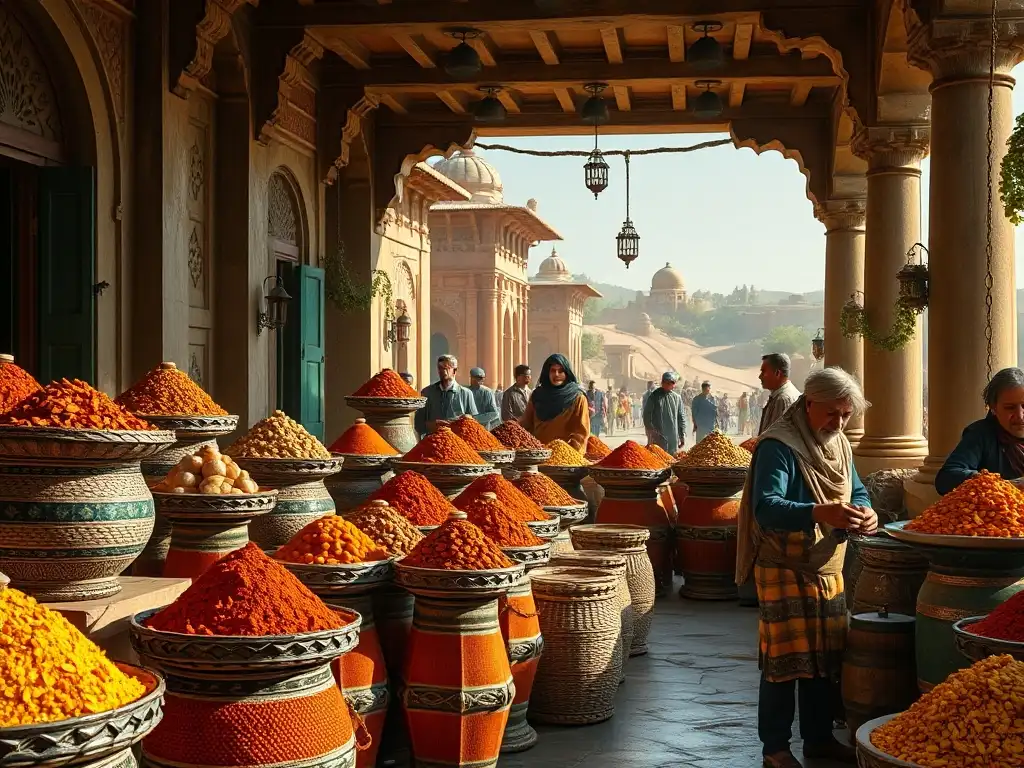
Welcome to Ancient India History, where we embark on an enchanting journey through the vibrant tapestry of India's past. Dive into the fascinating world of Ancient Indian cuisine trade routes and uncover how these intricate pathways shaped the flavors and culinary traditions that still resonate today. From the bustling markets of the Indus Valley to the royal kitchens of the Gupta Empire, the influence of trade on ancient Indian cuisine is a story waiting to be savored.
Prepare to explore the spices, ingredients, and stories that traveled across continents and time, leaving an indelible mark on the culinary landscape of India. Let's begin this flavorful adventure together!
Introduction to Ancient Indian Cuisine and Trade Routes
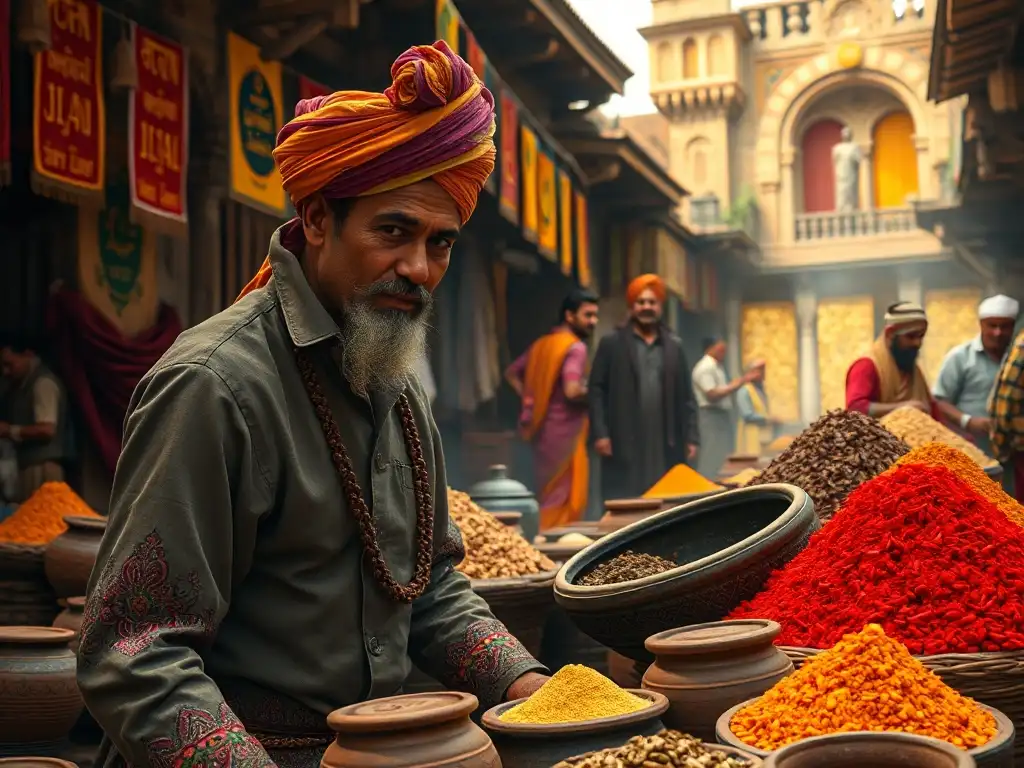
Ancient Indian cuisine is a vibrant tapestry woven from the threads of diverse cultures, traditions, and influences that have shaped it over millennia. Central to this evolution has been the intricate network of trade routes that connected India to various parts of the world. These routes not only facilitated the exchange of goods, but also served as conduits for cultural and culinary exchanges, leading to the rich and varied food traditions we recognize today.
The impact of trade on ancient Indian cuisine is profound, particularly through the introduction of spices, herbs, and cooking techniques that continue to characterize Indian culinary practices. In this exploration, we delve into how trade routes influenced ancient Indian cuisine, particularly focusing on the spice trade, which played a crucial role in the economy and culinary identity of the region.
Historical Context of Trade in Ancient India
Trade has been an integral part of Indian civilization since ancient times, with archaeological evidence suggesting that trade activities began as early as the Indus Valley Civilization (circa 3300–1300 BCE). The flourishing cities of Harappa and Mohenjo-Daro were not only commercial hubs but also the birthplace of sophisticated trade practices. The establishment of trade routes, both overland and maritime, allowed for the exchange of goods such as textiles, metals, and most significantly, spices.
The evolution of trade in ancient India can be categorized into several key phases:
- Indus Valley Civilization: Early trade with Mesopotamia and other regions, focusing on commodities like cotton and beads.
- Vedic Period: The mention of trade in ancient texts, with increased emphasis on agricultural products and livestock.
- Mauryan Empire: A significant expansion of trade networks, including the establishment of royal roads and maritime routes to Southeast Asia and beyond.
- Gupta Empire: The golden age of trade, where India became a central hub for spice trade, connecting with distant lands.
The Spice Trade: A Vital Economic Driver
The spice trade was not merely a commercial activity; it was a vital economic driver that influenced various aspects of life in ancient India. Spices such as black pepper, cardamom, turmeric, and cumin became highly sought after, both domestically and internationally.
The significance of spices in ancient Indian cuisine and economy can be highlighted by:
- Economic Prosperity: Spices were among the most valuable commodities traded globally, leading to increased wealth for traders and the economy as a whole.
- Cultural Exchange: The demand for spices drew merchants from different cultures, resulting in a rich blend of culinary traditions and practices.
- Culinary Innovation: The introduction of new spices led to the development of unique recipes and cooking methods that define ancient Indian cuisine.
Major Trade Routes Connecting India to the World
The ancient trade routes connecting India to the world were extensive and varied, facilitating not only the movement of goods but also ideas, religions, and culinary practices. Some of the major trade routes included:
- Silk Road: An overland route that linked India to Central Asia and beyond, facilitating the exchange of silk, spices, and other goods.
- Maritime Spice Route: The sea routes connecting India to the Middle East, Europe, and Southeast Asia, crucial for transporting spices and other exotic goods.
- Arabian Sea Trade: Connecting the western coast of India to the Arabian Peninsula, fostering trade with Arabian merchants and influencing local cuisine.
These trade routes were instrumental in shaping the culinary landscape of ancient India, contributing to the diverse flavors and rich heritage that define its cuisine today.
Key Influences of Trade on Ancient Indian Cuisine
Ancient Indian cuisine was profoundly shaped by trade routes, which facilitated not only the movement of spices and ingredients but also the exchange of culinary ideas and practices. The intricate networks established between India and other civilizations, including those in the Middle East, Southeast Asia, and beyond, allowed for a rich tapestry of flavors and techniques to emerge.
These trade routes served as conduits for diverse ingredients, leading to the evolution of regional cuisines across the Indian subcontinent. As merchants traveled along these paths, they brought back not only goods but also recipes, cooking methods, and influences that would forever change the culinary landscape of India.
Introduction of New Ingredients through Trade
The spice routes were instrumental in introducing a variety of new ingredients into Indian kitchens. Notably, items such as black pepper, cardamom, and cloves became staples due to their availability through trade with Southeast Asia. Alongside these spices, other ingredients like saffron from Persia and the sugarcane from various regions added depth and richness to Indian dishes. This influx of new flavors allowed for the development of complex dishes that combined traditional Indian cooking with foreign influences, ultimately enhancing the culinary variety available in ancient Indian kitchens.
Moreover, trade also facilitated the introduction of vegetables and legumes that were not indigenous to the region. For example, the cultivation of tomatoes and potatoes, which originated in the Americas, took place long after the ancient period. However, earlier interactions with traders from regions like Mesopotamia introduced legumes such as chickpeas and lentils, which have since become foundational elements in Indian cuisine. As a result, the intersection of trade and agriculture played a crucial role in shaping what we now recognize as ancient Indian cuisine.
Cultural Exchange and Culinary Fusion
The interaction between diverse cultures along the spice routes fostered a significant exchange of culinary practices that led to fusion in cooking styles and flavors. As traders from different regions mingled, they shared not only their goods but also their culinary traditions. The blending of Persian, Central Asian, and indigenous Indian cooking methods resulted in a unique culinary identity that reflected the multicultural nature of ancient India.
For instance, the introduction of rice and various meat dishes from Central Asian nomadic cultures influenced the development of biryanis—a dish that combines fragrant rice with marinated meat and spices. Similarly, the Mughal Empire's impact on Indian cuisine during the medieval period is an excellent example of this fusion, where Persian techniques and flavors merged with local ingredients to create an entirely new gastronomic experience.
Additionally, festive foods and street foods also evolved through cultural exchanges along trade routes. The influence of foreign culinary practices can still be seen today in various Indian snacks and sweets, showcasing the lasting impact of these ancient exchanges on modern Indian cuisine.
The Role of Ancient Indian Merchants in Culinary Development
Ancient Indian merchants played a pivotal role in the culinary development of the region by acting as conduits for the exchange of spices, ingredients, and cooking techniques. These traders traveled vast distances, establishing trade links with civilizations across the globe. Their journeys not only enriched their own culinary practices but also introduced new flavors and ideas to the Indian palate, leading to a dynamic and evolving cuisine.
Merchants often formed trade guilds that specialized in specific goods, such as spices or textiles. This specialization allowed them to develop expertise and maintain quality, which in turn encouraged cross-cultural interactions. The thriving trade networks established by these merchants facilitated the sharing of culinary knowledge, allowing for the adaptation and incorporation of various cooking styles and flavors into Indian cuisine.
Notable Trade Cities and Their Culinary Contributions
Certain cities in ancient India became renowned for their contributions to culinary practices due to their strategic positions along trade routes. Cities like Kochi, Calicut, and Surat flourished as bustling trading hubs, attracting merchants from distant lands. Kochi, for example, was famous for its spice trade, exporting black pepper, cardamom, and cinnamon to Europe and the Middle East. This influx of spices not only transformed local cooking but also placed Kochi on the culinary map of the ancient world.
Calicut, known as the city of spices, became a melting pot of culinary traditions, where local flavors mingled with those brought by foreign traders. The development of distinctive dishes such as Malabar biryani can be traced back to this cultural exchange. Similarly, Surat's role as a major port facilitated the introduction of Persian and Arab culinary influences into the region, leading to the creation of unique sweets and savory dishes that enriched the local cuisine.
These notable trade cities exemplify how commerce influenced culinary development in ancient India, contributing to a diverse and vibrant food culture that remains influential today.
Recipes Born from Trade Influence
The culinary landscape of ancient India was enriched by an array of recipes that emerged as a result of trade influences. One of the most iconic dishes, biryani, is a perfect example of this fusion. Originating from Persian influences, this layered rice dish, often made with marinated meat and a blend of spices, showcases how trade introduced new cooking techniques and global flavors to Indian cuisine.
Another notable recipe is pulao, which is thought to have been adapted from Persian rice dishes, incorporating local spices and ingredients. The use of spices like saffron and cardamom, introduced via trade, transformed simple rice dishes into lavish meals fit for royalty.
Additionally, the famous kebabs of India owe their vibrant flavors to the influence of Central Asian and Persian culinary traditions. These skewered meats, marinated in spices and grilled to perfection, became staples at feasts and celebrations, showcasing the impact of trade on Indian culinary practices.
These recipes not only highlight the blending of flavors and techniques but also illustrate the lasting legacy of trade routes on ancient Indian cuisine, shaping a rich and diverse culinary heritage that continues to thrive today.
The Legacy of Ancient Trade Routes on Modern Indian Cuisine
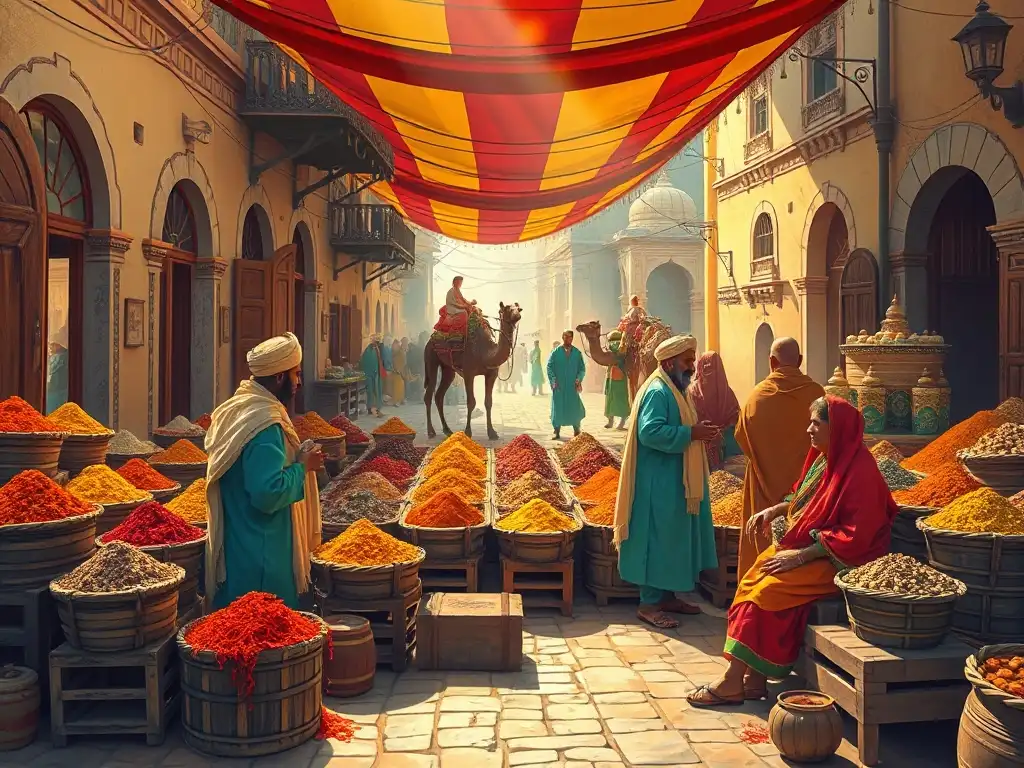
The ancient trade routes played a pivotal role in shaping the culinary landscape of India, leaving a lasting legacy that continues to influence modern Indian cuisine. These routes not only facilitated the exchange of spices, herbs, and various culinary ingredients but also allowed for the cross-pollination of flavors and cooking techniques among different cultures. As traders traversed the Silk Road and other maritime routes, they brought with them a wealth of culinary knowledge that integrated with local traditions, resulting in a rich tapestry of flavors that define Indian cuisine today.
One of the most significant impacts of these trade routes is the introduction of exotic spices like black pepper, cardamom, and saffron, which are staples in Indian cooking. These spices not only enhanced the flavors of dishes but also played a crucial role in preserving food, making them invaluable in a time when refrigeration was nonexistent. The fusion of indigenous cooking methods with foreign influences laid the groundwork for regional variations that we see across India today, from the fiery curries of the South to the aromatic biryanis of the North.
Furthermore, the legacy of trade routes is evident in the prominent use of ingredients like coconut, tamarind, and various legumes, which were introduced through maritime trade. The blending of these elements has created a diverse culinary heritage that showcases the adaptability and creativity of Indian cooking, making it a reflection of its historical interactions with the world.
Continuity of Culinary Traditions
Culinary traditions in India have exhibited remarkable continuity, largely due to the sustained influence of ancient trade routes. Many traditional recipes have been passed down through generations, often retaining the original techniques while adapting to local ingredients and tastes. This continuity is evident in the way spices are still freshly ground and blended, a practice that harks back to ancient methods where the potency of spices was paramount.
Moreover, regional cuisines have maintained their distinctive characteristics while also embracing elements from other cultures introduced through trade. For instance, the Persian influence on Mughlai cuisine, which includes rich gravies and pilafs, showcases how trade facilitated culinary exchange, leading to a harmonious blend of flavors. Similarly, coastal regions have a wealth of seafood dishes that reflect the influence of maritime trade, incorporating ingredients like fish, prawns, and coconut.
The communal aspect of Indian cooking, where families gather to prepare and enjoy meals, also underscores the continuity of these traditions. Festivals and rituals often revolve around specific dishes, reinforcing the ties between culinary practices and cultural identity. This enduring practice ensures that even as new influences emerge, the core elements of ancient Indian cuisine remain preserved and cherished.
The Evolution of Spice Trade in Modern Times
In modern times, the spice trade has evolved dramatically, yet the foundational elements established by ancient trade routes continue to influence contemporary practices. With globalization, the availability of spices from around the world has expanded, leading to new culinary experiments and fusions. However, traditional Indian spices remain at the heart of Indian cuisine, with an emphasis on quality and authenticity.
The rise of organic farming and sustainable practices has also transformed the spice trade. Many farmers and producers now focus on cultivating indigenous spices using traditional methods, ensuring that the flavors and health benefits of these spices are preserved. This resurgence of interest in organic spices is reminiscent of ancient practices, where the focus was on natural and local ingredients.
Furthermore, the modern spice trade is marked by a growing awareness of the importance of fair trade practices. As consumers become increasingly conscious of the origins of their food, there is a push for ethical sourcing of spices, which echoes the ancient trade ethos of respect for the land and its people. This evolution reflects an ongoing dialogue between the past and present, ensuring that the legacy of ancient trade routes continues to thrive in the culinary world.
Conclusion: The Enduring Influence of Trade on Indian Cuisine
The influence of trade on Indian cuisine is a testament to the country's rich history of cultural exchange and adaptation. From the ancient spice routes that introduced a plethora of flavors and cooking techniques to the modern culinary landscape that continues to evolve, trade has been a driving force in shaping what we now recognize as Indian cuisine. The legacy of these interactions is not merely historical; it is an integral part of everyday life in India, where food remains a vital expression of identity and tradition.
As we explore the intricate connections between ancient trade routes and modern culinary practices, it becomes evident that Indian cuisine is a living narrative, forever enriched by the influences of those who traversed these pathways. This enduring legacy not only highlights the diversity of flavors within Indian cuisine but also celebrates the universal bond that food creates among cultures, making it a vital aspect of India’s heritage and identity.
References and Further Reading
To gain a deeper understanding of the influence of trade on ancient Indian cuisine, particularly through spice routes, the following resources provide insightful perspectives and extensive information:
-
Books:
-
"The Spice Route: A History" by John Keay
This book explores the historical significance of spice trade and its impact on various cultures, including Indian cuisine.
-
"Culinary Cultures of the Silk Road" by Christine M. D. McCarthy
Analyzing the cross-cultural exchanges along the Silk Road, this work highlights how trade routes influenced culinary practices in ancient India.
-
-
Academic Journals:
-
"Indian Food: A Historical Perspective" in the Journal of Historical Cuisine
This article delves into the evolution of Indian food traditions and how trade routes contributed to the diversification of flavors and ingredients.
-
"Spices and Their Role in Ancient Indian Medicine and Cuisine" in the Journal of Ethnopharmacology
This research examines the medicinal and culinary uses of spices in ancient India, shedding light on their origins and trade patterns.
-
-
Online Resources:
-
The Archaeological Survey of India Website
Offers a wealth of information regarding archaeological findings related to trade in ancient India, including artifacts related to food and spices.
-
National Geographic: The Spice Trade
This feature provides an overview of the global spice trade, with specific references to its historical context in India.
-
BBC History: The Spice Trade
A concise exploration of how spices shaped economies and cultures, including significant mentions of ancient Indian trade practices.
-
-
Documentaries:
-
"The Spice Trail" (BBC)
A documentary series that traces the historical routes of spice trade, featuring segments on ancient Indian civilizations and their culinary practices.
-
"The History of Indian Cuisine" (PBS)
This documentary provides an overview of the evolution of Indian cooking, with insights into the trade routes that brought various spices to the subcontinent.
-
By exploring these references, readers can enrich their knowledge of how ancient trade routes shaped the culinary landscape of India, leading to the diverse and vibrant cuisine we appreciate today.
- Introduction to Ancient Indian Cuisine and Trade Routes
- Historical Context of Trade in Ancient India
- Key Influences of Trade on Ancient Indian Cuisine
- The Role of Ancient Indian Merchants in Culinary Development
- The Legacy of Ancient Trade Routes on Modern Indian Cuisine
- Conclusion: The Enduring Influence of Trade on Indian Cuisine
- References and Further Reading
- What were the main trade routes that influenced ancient Indian cuisine?
- How did spices impact ancient Indian cooking?
- Which civilizations were involved in the cuisine trade with ancient India?
- What is the significance of cuisine in understanding ancient Indian culture?
- How did trade routes contribute to the diversity of ancient Indian cuisine?
Frequently Asked Questions
What were the main trade routes that influenced ancient Indian cuisine?
The spice routes were essential in connecting India with other civilizations, allowing for the exchange of spices, herbs, and culinary techniques that shaped ancient Indian cuisine.
How did spices impact ancient Indian cooking?
Spices played a crucial role in enhancing flavors and preserving food. They also became central to trade, establishing India as a key player in the global culinary landscape.
Which civilizations were involved in the cuisine trade with ancient India?
Civilizations such as the Persians, Greeks, and later the Arabs and Europeans engaged in trade with India, introducing new ingredients and cooking methods that enriched Indian culinary traditions.
What is the significance of cuisine in understanding ancient Indian culture?
Cuisine reflects the social dynamics, economic exchanges, and cultural influences that shaped ancient Indian societies, serving as a lens through which we can study their history and daily life.
How did trade routes contribute to the diversity of ancient Indian cuisine?
The interconnectedness of trade routes facilitated a rich exchange of ingredients, spices, and cooking styles, leading to the development of a diverse culinary heritage that varies across regions in India.
Final Reflection: The Enduring Legacy of Ancient Indian Cuisine Trade Routes
The intricate web of trade routes that shaped ancient Indian cuisine remains profoundly relevant today, as we continue to explore the rich tapestry of flavors that have emerged from centuries of cultural exchange. The spices that once traveled vast distances not only transformed culinary practices but also fostered connections between diverse civilizations. This historical journey reminds us that food is more than sustenance; it is a vessel of culture, identity, and shared human experience.
Clearly, the influence of these ancient trade routes extends beyond the kitchen, permeating our social and cultural landscapes. The spices that once crossed oceans and deserts have become symbols of unity and diversity, reflecting the interconnectedness of our world. As we savor the complexities of Indian cuisine today, we are reminded of the words of culinary historian Andrew Dalby: Food is the common ground, a universal experience that transcends borders and time.
This observation underscores how the legacy of trade continues to shape our culinary identities and foster appreciation for global flavors.
As we reflect on the lessons of ancient Indian cuisine and its trade routes, let us embrace the opportunity to explore and celebrate the diverse culinary traditions that enrich our lives today. I invite you to take a moment to appreciate the stories behind the spices on your plate, to seek out new flavors, and to connect with others through the shared experience of food. In doing so, we honor the past while paving the way for a future that values cultural exchange and culinary exploration.
Embark on a Culinary Adventure!
Thank you for immersing yourself in the fascinating world of ancient Indian cuisine and its spice routes! You've uncovered the transformative influence of trade on flavors and traditions, enriching your understanding of cultural exchange. Now, let’s bring this journey to life!
Here are a few ways you can act on your newfound knowledge:
- Recreate an ancient Indian dish at home using the spices you've learned about—experiment with flavors that have traveled across continents!
- Explore local spice markets to discover unique ingredients and share your findings with friends and family.
- Start a conversation in our community forum about how trade shapes culinary practices today—your insights could spark an exciting discussion!
Which spice do you feel best represents your own culture, and how would you incorporate it into a dish?