
Vegetarianism in Ancient India: The Roots of a Timeless Culinary Philosophy

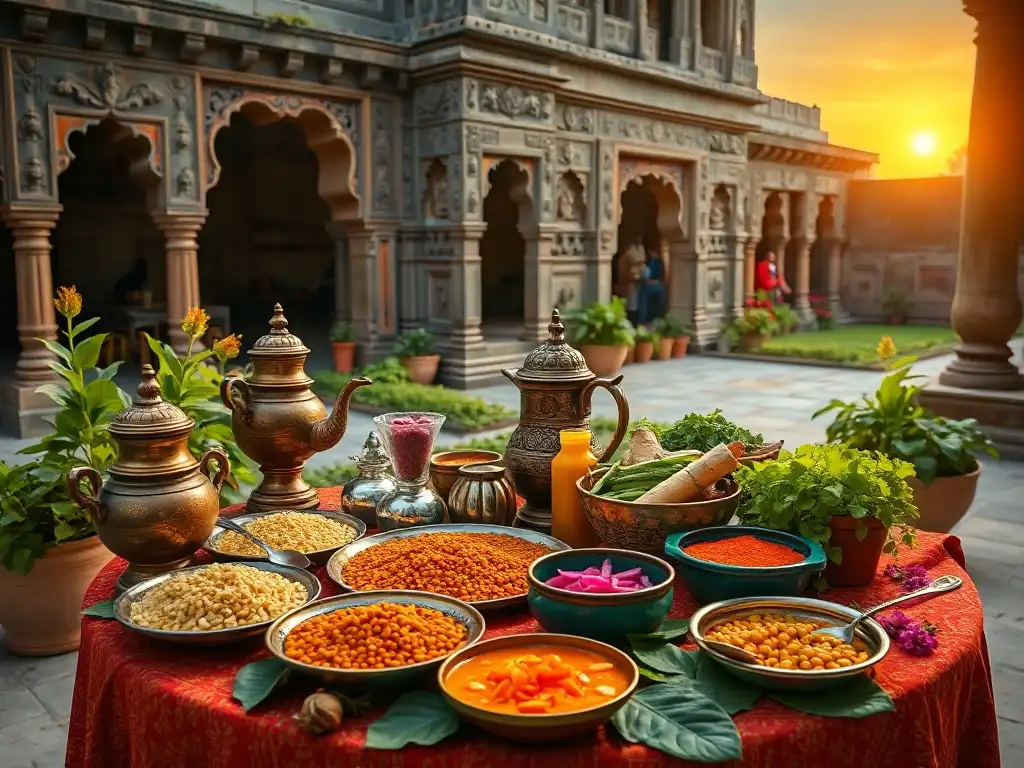
Welcome to Ancient India History, where we embark on a fascinating journey through the rich tapestry of ancient Indian civilizations. Today, we delve into the intriguing world of Ancient Indian vegetarianism history—a culinary philosophy that has shaped not only diets but also cultures and beliefs over millennia. What were the roots of this timeless tradition?
How did it intertwine with the spiritual and cultural fabric of ancient society? Prepare to uncover the answers as you explore the depths of this captivating topic and discover the profound impact of vegetarianism on India's heritage and cuisine. Your adventure into the past begins now!
-
Ancient Indian Vegetarianism History: An Overview of Culinary Philosophy
- The Origins of Vegetarianism in Ancient India
- Key Texts Influencing Vegetarianism in Ancient India
- Cultural Significance of Vegetarianism in Ancient Indian Societies
- Regional Variations of Vegetarianism in Ancient India
- The Impact of Ancient Indian Vegetarianism on Modern Cuisine
- Continuity of Vegetarian Practices in Contemporary India
- Global Influence of Ancient Indian Vegetarian Dishes
- Prominent Dishes in Ancient Indian Vegetarian Cuisine
- Historical Recipes and Their Modern Adaptations
- Signature Ingredients of Ancient Indian Vegetarian Cooking
- The Role of Ancient Indian Vegetarianism in Health and Wellness
- Conclusion: The Enduring Legacy of Ancient Indian Vegetarianism
-
Frequently Asked Questions
- What is the significance of vegetarianism in ancient Indian culture?
- How did the Indus Valley Civilization influence vegetarian practices?
- What role did ancient texts play in promoting vegetarianism?
- How did the Gupta Empire contribute to the history of vegetarianism?
- Are there any specific ancient Indian figures associated with promoting vegetarianism?
- Final Reflection: The Enduring Legacy of Ancient Indian Vegetarianism
- Embrace the Legacy of Ancient Vegetarianism!
Ancient Indian Vegetarianism History: An Overview of Culinary Philosophy
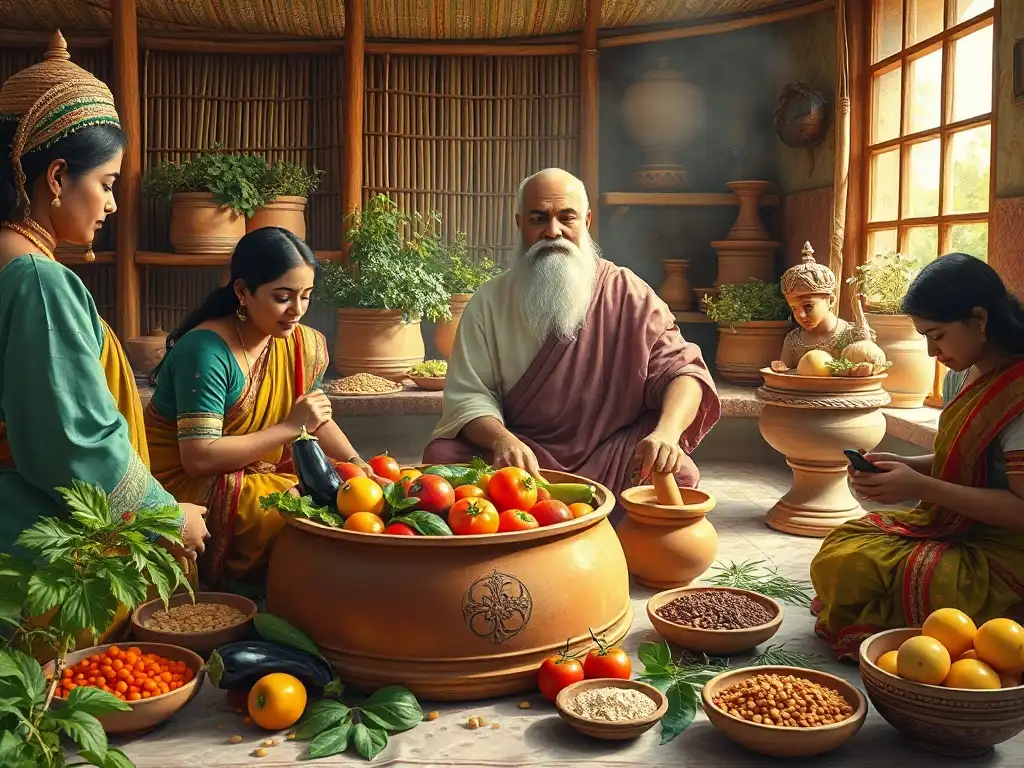
Vegetarianism in ancient India is not merely a dietary choice; it represents a profound philosophical and ethical stance deeply ingrained in the cultural and spiritual fabric of Indian civilization. This culinary philosophy has evolved over millennia, shaped by various influences including religious beliefs, social customs, and environmental factors.
As we explore the history of ancient Indian vegetarianism, we discover a rich tapestry of practices and principles that have contributed to the development of a unique culinary identity. From the early inhabitants of the Indus Valley to the flourishing societies of the Gupta Empire, vegetarianism has played a pivotal role in shaping the dietary norms and ethical frameworks of these ancient civilizations.
This article delves into the roots of vegetarianism in ancient India, examining its historical context, the influences of religion and spirituality, and the key texts that shaped these practices. By understanding the foundations of ancient Indian vegetarianism, we can appreciate its lasting impact on contemporary Indian cuisine and its significance in the broader narrative of culinary traditions worldwide.
The Origins of Vegetarianism in Ancient India
The practice of vegetarianism in ancient India can be traced back to various historical, cultural, and philosophical influences that emerged over time. Understanding these origins provides insight into how vegetarianism became a cornerstone of Indian dietary traditions.
Historical Context of Ancient Indian Vegetarianism
The roots of vegetarianism in ancient India can be linked to the early agricultural societies that emerged in the Indus Valley around 2500 BCE. These communities relied heavily on crop cultivation, which led to a profound relationship with the land and its produce. The availability of a diverse range of fruits, vegetables, and grains allowed for a plant-based diet to flourish.
As societies evolved, the concept of ahimsa (non-violence) began to gain prominence, particularly in philosophical schools such as Jainism and Buddhism. The emphasis on compassion for all living beings encouraged a shift towards vegetarianism as a moral obligation. Historical records indicate that by the time of the Vedic period (c. 1500 – 500 BCE), vegetarianism had become a recognized practice among certain groups, primarily due to its ethical implications and health benefits.
Influences of Religion and Spirituality on Diet
Religious beliefs played a crucial role in shaping dietary habits in ancient India. Hinduism, Jainism, and Buddhism each contributed to the promotion of vegetarianism through their teachings.
- Hinduism: The concept of sattva (purity) in Hindu philosophy is closely associated with a vegetarian diet, which is believed to promote mental clarity and spiritual growth. Many Hindu scriptures advocate for vegetarianism, linking it to spiritual practices and rituals.
- Jainism: Jainism takes a stringent approach to non-violence, extending it not only to humans but also to all living creatures. Jains adhere to a strict vegetarian diet, avoiding not just meat, but also certain root vegetables to minimize harm to living organisms.
- Buddhism: Similarly, Buddhist teachings emphasize compassion and mindfulness, encouraging followers to adopt a vegetarian lifestyle as a means of practicing non-harm.
These religious influences contributed to a widespread acceptance of vegetarianism as not only a dietary preference but also a reflection of one's ethical and spiritual values.
Key Texts Influencing Vegetarianism in Ancient India
The philosophical underpinnings of vegetarianism in ancient India are encapsulated in several key texts that outline dietary guidelines and ethical principles. These texts have played a significant role in promoting vegetarianism throughout history.
The Vedas and Their Dietary Guidelines
The Vedas, the oldest sacred scriptures of Hinduism, contain numerous references to dietary practices. They advocate for a diet that is harmonious with nature, emphasizing the consumption of pure and wholesome foods.
Key points include:
- Offerings to Deities: The Vedic texts describe rituals involving food offerings, where vegetarian items are favored to maintain purity and sanctity.
- Ayurvedic Principles: The Vedas also laid the groundwork for Ayurveda, which promotes a balanced diet conducive to physical and spiritual well-being.
The Role of Epic Literature: Mahabharata and Ramayana
Epic literature, such as the Mahabharata and Ramayana, further solidified the ideals of vegetarianism in ancient Indian culture. These texts often depict characters who embody virtues like compassion and self-control, reinforcing the moral basis for a vegetarian lifestyle.
- Mahabharata: This epic presents various discussions on dietary choices, highlighting the significance of vegetarianism in the context of moral dilemmas faced by its characters.
- Ramayana: In this epic, the hero Rama is often portrayed as a figure who respects all forms of life, aligning with the ideals of vegetarianism and non-violence.
Through these narratives, ancient Indian literature not only enriched the cultural fabric of vegetarianism but also served as a guide for ethical living, reflecting the intertwined nature of food, philosophy, and spirituality in ancient Indian society.
By examining these origins and influences, we can appreciate the depth of ancient Indian vegetarianism and its role in shaping a timeless culinary philosophy that continues to resonate today.
Cultural Significance of Vegetarianism in Ancient Indian Societies
Vegetarianism in ancient India was not merely a dietary choice but a profound cultural phenomenon deeply intertwined with the philosophical, religious, and ethical dimensions of society. Rooted in the principles of ahimsa (non-violence), many ancient Indian texts, including the Vedas and Upanishads, extolled the virtues of a vegetarian lifestyle. This philosophy promoted the idea that all living beings are interconnected, encouraging respect for life and the natural world.
In ancient communities, vegetarianism was often associated with higher spiritual ideals, particularly among practitioners of Hinduism, Buddhism, and Jainism. These religions emphasized compassion towards all creatures, which led to a significant portion of the population adopting vegetarian diets. The practice was celebrated as a means of purifying the body and soul, aligning oneself with divine principles, and achieving spiritual enlightenment. Additionally, vegetarianism was seen as a way to maintain social harmony and moral integrity, making it a fundamental aspect of ancient Indian civilization.
Social Classes and Dietary Restrictions
Dietary practices in ancient India were often shaped by social class, with distinct vegetarian customs prevalent among different strata of society. The Brahmins, who occupied the highest social tier, were renowned for their strict adherence to vegetarianism, believing it to be essential for maintaining purity and performing religious rituals. Their dietary restrictions were often codified in texts like the Manusmriti, which outlined rules for food consumption based on caste.
Conversely, the Kshatriyas, or warrior class, had more lenient dietary practices that sometimes included meat, especially in the context of feasting and celebrations. However, even among Kshatriyas, there was a recognition of the importance of meatless meals during specific religious observances. The Vaishyas, primarily engaged in trade and agriculture, also exhibited varying degrees of vegetarianism, often aligning their dietary habits with market demands and local customs.
The Shudras, the laboring class, faced more practical dietary restrictions due to socioeconomic factors, often consuming what was available, which could include meat. Nonetheless, many Shudras also practiced vegetarianism, especially in regions where it was culturally dominant. This hierarchical approach to diet illustrates how ancient Indian vegetarianism was shaped by social dynamics, reflecting a complex interplay between class, culture, and spirituality.
Festivals and Their Vegetarian Traditions
Festivals in ancient India served as important occasions for communal gatherings and the reinforcement of cultural values, often highlighting vegetarian traditions. Many major festivals, such as Diwali, Navratri, and Pongal, featured vegetarianism as a central theme, promoting the idea of purity and devotion through food.
During Navratri, for example, devotees observe nine nights of fasting, often culminating in a strictly vegetarian diet, which symbolizes the worship of the goddess Durga. This practice not only reflects spiritual dedication but also fosters community solidarity as families and neighborhoods come together to share vegetarian dishes prepared with love and reverence.
Similarly, during the harvest festival of Pongal, the preparation of special vegetarian dishes, such as sweet Pongal made from rice and jaggery, highlights the gratitude towards nature and the divine for the bounty received. These festivals perpetuated the vegetarian ethos, creating a rich tapestry of culinary traditions that were both celebratory and spiritual in nature.
Regional Variations of Vegetarianism in Ancient India
Ancient Indian vegetarianism was not monolithic; it exhibited considerable regional variations influenced by geography, climate, and local customs. Each region developed its own unique vegetarian practices, resulting in a diverse array of culinary traditions that celebrated plant-based diets.
North Indian Vegetarian Practices
In North India, vegetarianism was closely associated with the religious practices of Hinduism and Jainism. The region's cuisine featured a plethora of lentils, legumes, and vegetables, with dishes like dal, sabzi, and paneer at the forefront. The use of spices, such as cumin and coriander, added depth and flavor to these vegetarian offerings, making them both nutritious and delectable.
Notable vegetarian festivals, such as Karva Chauth and Janmashtami, also played a significant role in shaping North Indian vegetarian practices. During these occasions, families prepared elaborate vegetarian feasts, emphasizing purity and devotion. Furthermore, the cultural significance of vegetarianism was reinforced by influential religious leaders and texts that advocated for a meat-free diet, leading to a widespread adoption of vegetarianism in the region.
South Indian Culinary Traditions and Vegetarianism
South India has a long-standing tradition of vegetarianism, particularly among Tamil and Telugu communities. The region's cuisine is characterized by the extensive use of rice, lentils, and a variety of vegetables, often prepared in the form of sambar, rasam, and curries. Coconut, curry leaves, and mustard seeds are common ingredients, adding distinct flavors to vegetarian dishes.
Festivals such as Pongal and Onam are celebrated with elaborate vegetarian spreads that showcase the richness of plant-based ingredients. The Onam Sadhya, a traditional feast served on banana leaves, features a diverse array of vegetarian dishes, symbolizing abundance and the spirit of sharing. This deep-rooted culinary tradition reflects the cultural importance of vegetarianism in South Indian societies, where it is often seen as a way of life rather than a mere dietary choice.
Eastern and Western Indian Approaches to Vegetarianism
In Eastern India, particularly in Bengal, vegetarianism is celebrated through a variety of lentil-based dishes, including dal and bhaja (fried vegetables). While fish is a common part of the diet in many Bengali households, certain cultural and religious festivals, such as Ekadashi, mandate vegetarianism, further emphasizing the spiritual significance of plant-based diets.
Conversely, Western India, especially Gujarat, is known for its rich vegetarian cuisine, influenced heavily by Jain dietary practices. The Gujarati thali is a colorful representation of vegetarianism, featuring an array of dishes that balance flavors and nutrition. Festivals like Navratri are marked by vibrant vegetarian celebrations, reinforcing the cultural identity tied to a meat-free diet.
These regional variations of vegetarianism across ancient India reflect the diverse cultural landscapes, each contributing uniquely to the overarching theme of vegetarianism within the broader context of Indian history and culinary philosophy.
The Impact of Ancient Indian Vegetarianism on Modern Cuisine
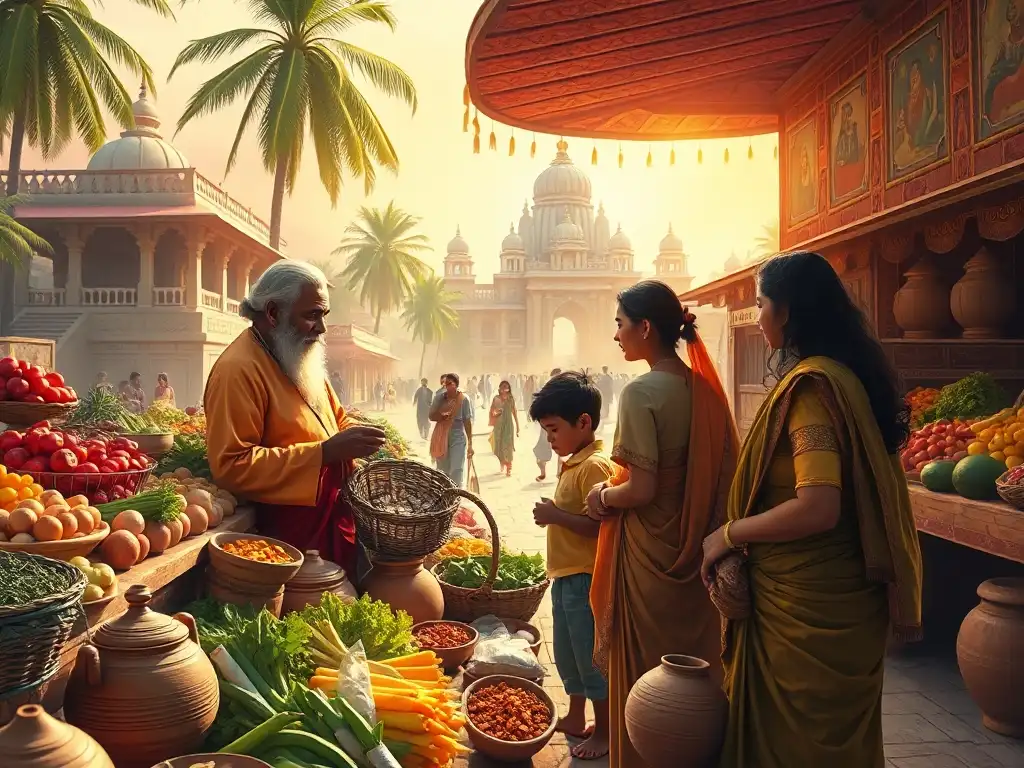
Ancient Indian vegetarianism has left an indelible mark on contemporary culinary practices, not just in India but around the world. With a history rooted in philosophical, religious, and cultural beliefs, vegetarianism in ancient India shaped dietary habits that persist to this day. The emphasis on ahimsa (non-violence) and the sanctity of all life influenced many to adopt plant-based diets, promoting a rich tapestry of vegetarian dishes that celebrates the diversity of fruits, vegetables, legumes, and grains.
Modern Indian cuisine continues to reflect these ancient traditions, with vegetarian meals serving as the foundation of many regional diets. Dishes such as dal (lentil soup), sabzi (vegetable curry), and various types of flatbreads are staples in contemporary Indian households, showcasing the enduring nature of ancient recipes. Furthermore, the global rise of vegetarianism and veganism has brought renewed interest in traditional Indian vegetarian dishes, integrating them into the diets of those seeking healthier, plant-based options.
Continuity of Vegetarian Practices in Contemporary India
The continuity of vegetarian practices in contemporary India is a testament to the enduring influence of ancient philosophies and cultural norms. Major religious communities, such as Hindus, Jains, and Buddhists, have upheld vegetarianism as a way of life, reinforcing the importance of compassion and spiritual purity. This has led to the establishment of vegetarian societies and restaurants that cater to the preferences of millions.
In urban areas, vegetarianism has evolved with globalization, embracing innovative cooking techniques and fusion cuisines while maintaining core principles. Traditional festivals and rituals often feature elaborate vegetarian feasts, further embedding these practices into the social fabric. The commitment to vegetarianism in contemporary India not only honors ancient customs but also responds to modern environmental and health concerns, promoting a sustainable lifestyle that resonates with a growing audience.
Global Influence of Ancient Indian Vegetarian Dishes
Ancient Indian vegetarian dishes have transcended geographical boundaries, influencing global culinary practices. As Indian diaspora communities spread across the world, they carried with them their culinary traditions, introducing dishes like curry, samosas, and biryani to diverse cultures. This cross-cultural exchange has led to the adaptation of these dishes, incorporating local ingredients and flavors, thus enriching global cuisine.
Additionally, the rise of vegetarian and vegan diets in the West has sparked increased interest in Indian food as a wholesome alternative. Cookbooks, cooking shows, and online platforms have proliferated with recipes that celebrate ancient Indian vegetarian cuisine, such as chana masala (chickpea curry) and aloo gobi (potato and cauliflower). This has not only popularized these dishes but has also highlighted their nutritional benefits, promoting a broader acceptance of plant-based diets worldwide.
Prominent Dishes in Ancient Indian Vegetarian Cuisine
Ancient Indian vegetarian cuisine is characterized by a wide array of dishes that are as diverse as the regions they originate from. Prominent dishes include:
- Dal: A staple in many households, it consists of lentils cooked with spices, often served with rice or bread.
- Sabzi: A term for vegetable dishes that can vary widely, often seasoned with a blend of spices unique to regional culinary traditions.
- Pulao and Biryani: Fragrant rice dishes cooked with various vegetables and spices, showcasing the richness of Indian flavors.
- Raita: A yogurt-based side dish that complements spicy meals, often incorporating vegetables or fruits for added texture and flavor.
These dishes reflect the ingenuity of ancient Indian cooks who used local ingredients and traditional techniques to create meals that are not only nourishing but also flavorful.
Historical Recipes and Their Modern Adaptations
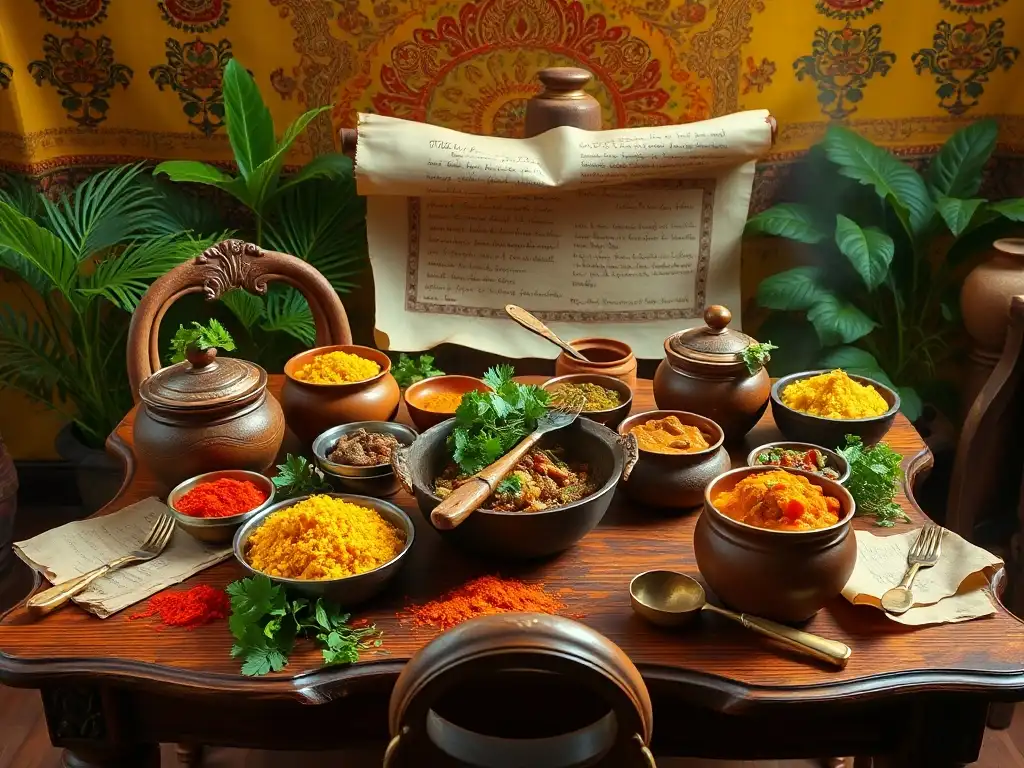
Many historical recipes from ancient India have been adapted for modern tastes while preserving their essence. For example, traditional recipes for khichdi, a comforting dish made from rice and lentils, have been transformed into gourmet versions that include exotic spices and gourmet presentations. Similarly, ancient techniques of fermentation, such as those used in making idli (steamed rice cakes), are now celebrated in health-conscious communities for their probiotic benefits.
Chefs and home cooks alike are revisiting ancient cookbooks and texts like the Manasollasa and Pakashastra to draw inspiration for contemporary vegetarian dishes. This revival of historical recipes not only honors the culinary heritage of ancient India but also introduces new generations to the flavors and techniques that have stood the test of time.
Signature Ingredients of Ancient Indian Vegetarian Cooking
The richness of ancient Indian vegetarian cuisine is deeply rooted in its signature ingredients, many of which have been used for centuries. Key ingredients include:
- Lentils and Pulses: Staples like chickpeas, mung beans, and various lentils provide essential proteins and are foundational to many dishes.
- Spices: A vast array of spices such as turmeric, cumin, coriander, and mustard seeds not only enhance flavor but also offer health benefits, reflecting ancient knowledge of nutrition.
- Vegetables: Seasonal and regional vegetables, from leafy greens to root vegetables, are integral to vegetarian dishes, showcasing biodiversity.
- Dairy Products: Ingredients like yogurt, ghee (clarified butter), and paneer (cottage cheese) enrich dishes and add depth to flavors.
These ingredients not only define the essence of ancient Indian vegetarian cooking but also contribute to its ongoing evolution in modern cuisine, ensuring that the culinary philosophies of the past continue to thrive today.
The Role of Ancient Indian Vegetarianism in Health and Wellness
Ancient Indian vegetarianism played a pivotal role in the health and wellness of its practitioners, deeply intertwined with the spiritual, ethical, and philosophical frameworks of the time. The concept of ahimsa, or non-violence, was central to many ancient Indian philosophies, notably Jainism, Buddhism, and Hinduism, influencing dietary practices that prioritized plant-based foods. This approach not only nourished the body but also promoted mental clarity and spiritual growth.
Vegetarian diets were believed to enhance one's vitality, improve digestion, and foster long-term health benefits. Ancient texts often extolled the virtues of vegetarianism, suggesting that a diet free from animal products could lead to a more harmonious life both physically and spiritually. As such, vegetarianism was not merely a dietary choice but a holistic lifestyle that encompassed physical health, ethical living, and spiritual fulfillment.
Nutritional Aspects of a Vegetarian Diet in Ancient Texts
Ancient Indian texts, such as the Ayurveda and Sushruta Samhita, provide a wealth of information on the nutritional benefits of a vegetarian diet. These texts emphasized the importance of consuming a balanced diet rich in fruits, vegetables, grains, and legumes. For instance, pulses (dal) were regarded as a primary source of protein, while various grains provided necessary carbohydrates and energy.
Moreover, the use of spices and herbs not only enhanced flavor but also contributed medicinal properties, aiding digestion and overall health. The ancient Indian dietary philosophy categorized foods into three groups—sattvic (pure), rajasic (active), and tamasic (inactive)—encouraging the consumption of sattvic foods for optimal health. This classification reflects a sophisticated understanding of the relationship between food, health, and mental well-being, underscoring the nutritional wisdom that ancient Indians possessed.
Ancient Indian Healing Practices and Vegetarianism
The connection between vegetarianism and healing practices in ancient India is profound. Ayurvedic medicine, which dates back thousands of years, not only promoted vegetarianism but also linked dietary choices to physical and mental health. Ayurvedic practitioners advocated for a plant-based diet as a means of balancing the body's three doshas—vata, pitta, and kapha. By aligning dietary habits with individual constitution and seasonal changes, ancient healers believed they could prevent illness and promote longevity.
Additionally, the use of specific vegetarian foods in healing rituals underscores the cultural significance of this dietary practice. For example, turmeric, ginger, and holy basil (tulsi) were revered not only for their flavor but also for their therapeutic properties. This integration of food and healing illustrates how ancient Indian vegetarianism was rooted in a comprehensive understanding of health that transcended mere sustenance.
Conclusion: The Enduring Legacy of Ancient Indian Vegetarianism
The legacy of ancient Indian vegetarianism continues to resonate in modern culinary practices, symbolizing a timeless approach to health and ethics. The principles established by ancient civilizations regarding food choices have laid the groundwork for contemporary vegetarianism, which is increasingly recognized for its benefits to personal health and environmental sustainability.
Reflections on the Timelessness of Vegetarian Culinary Philosophy
The philosophical underpinnings of ancient Indian vegetarianism reflect a deep respect for life and the natural world. This culinary philosophy emphasizes sustainability, ethical eating, and spiritual well-being, making it relevant in today's context as individuals seek to align their dietary choices with their values. The timelessness of these principles is evident in the growing global movement towards plant-based diets, which echo the teachings of ancient India.
The Future of Vegetarianism Rooted in Ancient Traditions
As the world becomes more conscious of health, sustainability, and ethical concerns, the future of vegetarianism appears bright, firmly rooted in the rich traditions of ancient India. Modern diets are increasingly incorporating plant-based foods, inspired by the age-old wisdom of Indian culinary practices. By embracing these ancient traditions, contemporary society can cultivate a more healthful, compassionate, and sustainable approach to eating—one that honors the legacy of ancient Indian vegetarianism while adapting to the needs of the present and future.
Frequently Asked Questions
What is the significance of vegetarianism in ancient Indian culture?
Vegetarianism holds deep cultural and religious significance in ancient India, often linked to ahimsa (non-violence) and spiritual beliefs, reflecting a commitment to compassion and sustainability.
How did the Indus Valley Civilization influence vegetarian practices?
The Indus Valley Civilization is believed to have practiced early forms of vegetarianism, as archaeological findings suggest a diet rich in grains, fruits, and vegetables, indicating a strong connection to agricultural practices.
What role did ancient texts play in promoting vegetarianism?
Ancient texts, such as the Vedas and Upanishads, emphasized the importance of non-violence and purity of food, further promoting vegetarianism as a philosophical and ethical choice in society.
How did the Gupta Empire contribute to the history of vegetarianism?
During the Gupta Empire, vegetarianism became increasingly popular among the elite and was promoted through literature and art, showcasing a cultural shift towards health and spirituality in dietary choices.
Are there any specific ancient Indian figures associated with promoting vegetarianism?
Yes, influential figures like Mahatma Gandhi and ancient philosophers, including Jain and Buddhist leaders, advocated for vegetarianism, emphasizing moral values and the importance of compassionate living.
Final Reflection: The Enduring Legacy of Ancient Indian Vegetarianism
The exploration of ancient Indian vegetarianism reveals a profound connection between food, philosophy, and ethics that remains relevant today. As we navigate a world increasingly concerned with sustainability, health, and ethical eating, the principles rooted in ancient Indian vegetarianism offer a timeless guide for our culinary choices. The historical significance of vegetarianism in India is not merely a dietary preference; it embodies a holistic approach to living that resonates with contemporary values.
The influence of ancient Indian vegetarianism extends far beyond the kitchen, shaping cultural practices, spiritual beliefs, and social norms across generations. The emphasis on ahimsa, or non-violence, has inspired countless individuals to reconsider their relationship with food and its impact on the world. As Mahatma Gandhi once said, The greatness of a nation and its moral progress can be judged by the way its animals are treated.
This quote encapsulates the essence of vegetarianism in ancient India, highlighting its role in fostering compassion and ethical responsibility.
As we reflect on the lessons from ancient Indian vegetarianism, let us embrace the opportunity to cultivate mindfulness in our own lives. Consider how your food choices can align with your values, promoting not only personal health but also the well-being of our planet and its inhabitants. By integrating the wisdom of the past into our present, we can contribute to a more compassionate and sustainable future, honoring the rich legacy of vegetarianism that has thrived for millennia.
Embrace the Legacy of Ancient Vegetarianism!
Thank you for taking the time to explore the rich and fascinating history of vegetarianism in ancient India! You’ve delved into a culinary philosophy that has not only nourished the body but also shaped the very fabric of Indian culture. Now, it’s time to put this ancient wisdom into action!
Here are some concrete steps you can take to honor and incorporate these principles into your own life:
- Begin your vegetarian journey by trying a new plant-based recipe inspired by traditional Indian cooking methods. Focus on dishes that highlight local ingredients and authentic flavors!
- Share your discoveries with friends and family by hosting a vegetarian dinner party to introduce them to the beauty of this timeless philosophy.
- Deepen your understanding by reading more about ancient Indian practices. Consider joining local or online communities that celebrate vegetarianism and sustainability.
What unique vegetarian dish or recipe are you excited to create that pays homage to ancient Indian traditions? Let’s keep the conversation going!