
The Evolution of Ancient Indian Food Traditions: What Has Changed and What Remains

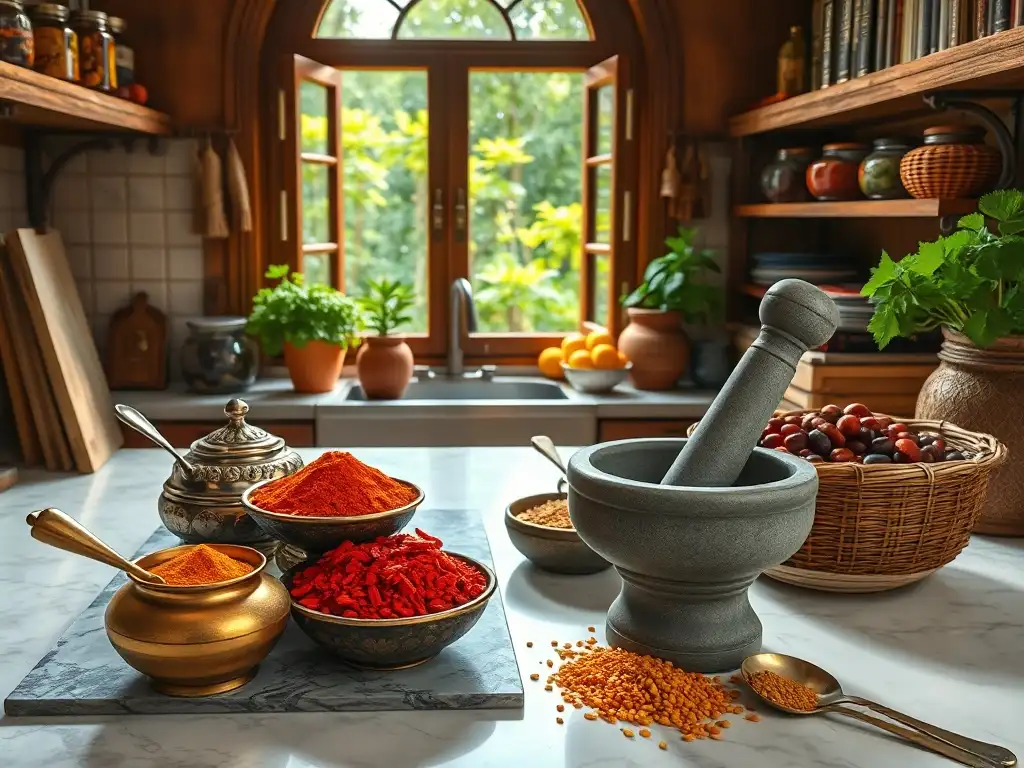
Welcome to Ancient India History, where we embark on a fascinating journey through time, uncovering the rich tapestry of India's ancient civilizations. In our featured article, "The Evolution of Ancient Indian Food Traditions: What Has Changed and What Remains," we delve into the delectable world of culinary heritage that has shaped not only the flavors of India but also its cultural identity. From the aromatic spices of the Indus Valley to the intricate feasts of the Gupta Empire, the story of ancient Indian food traditions is as diverse as the land itself.
Join us as we explore how these age-old practices have evolved, yet continue to resonate in modern cuisine, igniting your curiosity and inspiring your palate. Discover the secrets behind the dishes that have stood the test of time and learn what remains at the heart of Indian culinary excellence!
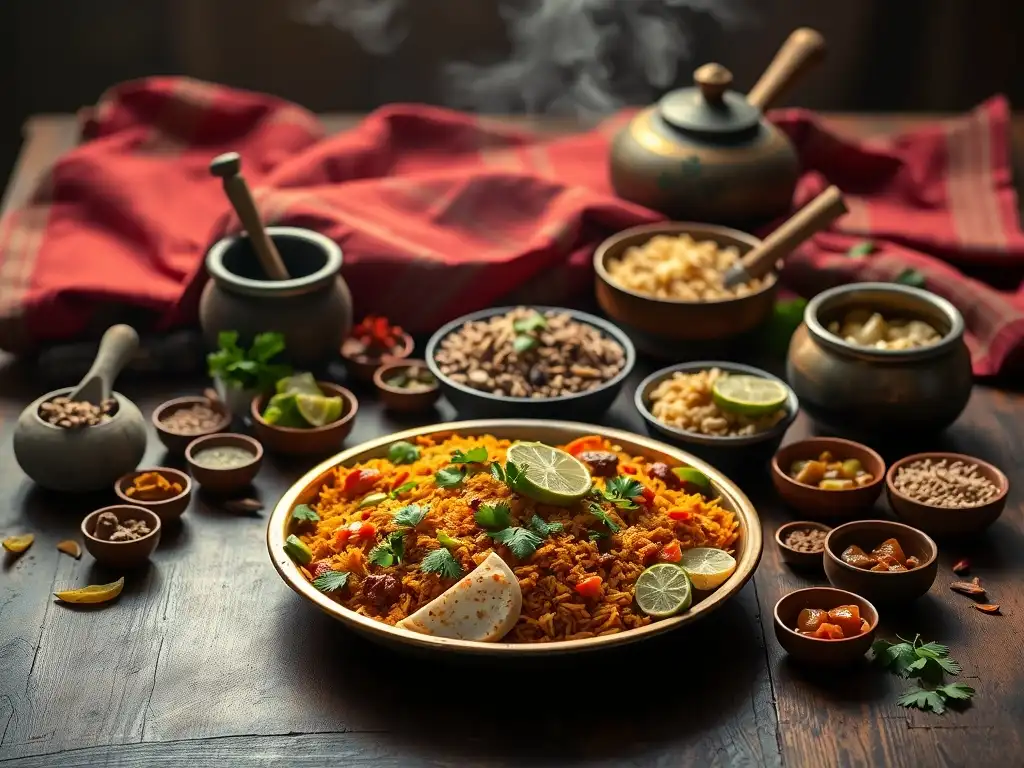
Introduction to Ancient Indian Food Traditions
The tapestry of ancient Indian food traditions is as intricate and rich as the history of the subcontinent itself. Spanning thousands of years, these culinary practices reflect a blend of regional diversity, cultural influences, and historical events. From the sophisticated urban centers of the Indus Valley Civilization to the ritualistic practices of the Vedic period, ancient Indian food traditions offer a fascinating glimpse into the dietary habits, agricultural practices, and social customs of the people who lived in these times.
Understanding these traditions not only sheds light on the evolution of Indian cuisine but also reveals how these practices have persisted or transformed over millennia. This exploration invites us to appreciate the profound connections between food, culture, and identity in ancient India.
Historical Context of Ancient Indian Food Traditions
The evolution of ancient Indian food traditions cannot be understood without examining the historical contexts that shaped them. Each period brought with it new influences, ingredients, and cooking techniques, contributing to a diverse culinary heritage. This historical journey begins with the Indus Valley Civilization, where agriculture and urbanization laid the groundwork for sophisticated food practices. Following this, the Vedic period introduced a spiritual dimension to food, weaving it into rituals and social structures.
The Indus Valley Civilization: The Cradle of Indian Culinary Practices
The Indus Valley Civilization, flourishing around 2500 BCE, is often regarded as the cradle of Indian culinary practices. Evidence from archaeological sites such as Harappa and Mohenjo-Daro reveals a society that valued agriculture, with staples such as wheat, barley, and pulses forming the backbone of their diet.
- Urban Planning and Agriculture: The civilization's advanced urban planning facilitated irrigation and crop cultivation, enabling the growth of various grains and vegetables.
- Culinary Artifacts: Excavations have uncovered pottery, cooking implements, and remnants of food, indicating a sophisticated cooking culture that included baking and possibly fermentation.
- Diverse Diet: The diet likely included a variety of foods such as fish, meat, and dairy products, showcasing the integration of local resources into their culinary practices.
These early food traditions laid the foundation for what would evolve into the diverse Indian cuisine we know today.
Vedic Period: Food and Rituals in Ancient India
Transitioning to the Vedic period (c. 1500–500 BCE), food took on a new significance, intertwining with spirituality and ritual. The Vedas, ancient sacred texts, highlight the role of food in religious ceremonies and social order.
- Sacrificial Feasts: Food was integral to yajnas (sacrificial ceremonies), where offerings were made to deities, reflecting the belief that food was a divine gift.
- Dietary Guidelines: Texts from this period also introduced dietary guidelines, emphasizing purity and the moral implications of food choices.
- Social Structure: The caste system influenced food practices, dictating what different groups could eat, thereby shaping the culinary landscape of ancient India.
In this period, food became not just sustenance, but a crucial element of cultural identity and religious expression, further enriching the tapestry of ancient Indian food traditions.
As we continue to explore this evolution, it becomes evident that while many practices have transformed, the core values associated with food in ancient India—community, spirituality, and sustainability—continue to resonate today.
Key Influences on the Transformation of Ancient Indian Food Traditions
Ancient Indian food traditions have been shaped by a confluence of various influences throughout history. From the early agricultural practices in the Indus Valley to the arrival of new cultures and trade routes, these factors contributed significantly to the evolution of culinary practices. The interplay of geography, climate, and societal changes facilitated diverse food practices that reflect the rich tapestry of Indian civilization.
The impact of invasions, migrations, and trade has introduced new ingredients and cooking methods, while also assimilating local traditions into broader culinary practices. Moreover, religious beliefs and rituals have played a crucial role, influencing dietary restrictions and the significance of certain foods in various communities. Together, these elements have transformed ancient Indian food traditions into a dynamic and evolving cuisine that retains its roots while adapting to contemporary tastes.
Trade and Cultural Exchange
Trade routes, particularly the Silk Road and maritime pathways, were instrumental in the exchange of not only goods but also culinary practices. As merchants and travelers traversed these routes, they introduced a variety of spices, grains, and cooking techniques to the Indian subcontinent. For example, the introduction of rice from Southeast Asia and the incorporation of Persian flavors after the Mughal invasion significantly altered regional cuisines.
Cultural exchanges also led to the fusion of food traditions. The arrival of Arab traders brought new ingredients like saffron and dried fruits, which have become integral to various Indian dishes. Similarly, the influence of European colonizers in the 17th and 18th centuries introduced ingredients such as potatoes, tomatoes, and chilies, which are now staples in Indian cooking. This blending of influences has enriched the culinary landscape, making it a vibrant reflection of India's historical interactions with the world.
Regional Variations in Ancient Indian Food Traditions
India's diverse geography and climate have fostered regional variations in food traditions, each with its unique ingredients and cooking methods. In the northern plains, wheat dominates, leading to the creation of flatbreads like chapati and naan. The abundance of dairy products in the region has also given rise to a variety of sweets and savory dishes.
In contrast, the coastal regions utilize an array of seafood and coconuts, with dishes like fish curry and coconut chutney exemplifying their culinary identity. The southern states are known for rice-based dishes, with spicy sambar and dosa being popular staples. Meanwhile, the western regions showcase a spectrum from the rich, spicy foods of Gujarat to the fiery flavors of Maharashtra.
These regional variations are not only a testament to the local climate and agriculture but also reflect the cultural practices and historical events that shaped each area. The distinctiveness of these food traditions underscores the complexity of ancient Indian cuisine, illustrating how geography and culture intertwine to create a rich culinary heritage.
Modern Interpretations of Ancient Indian Food Traditions
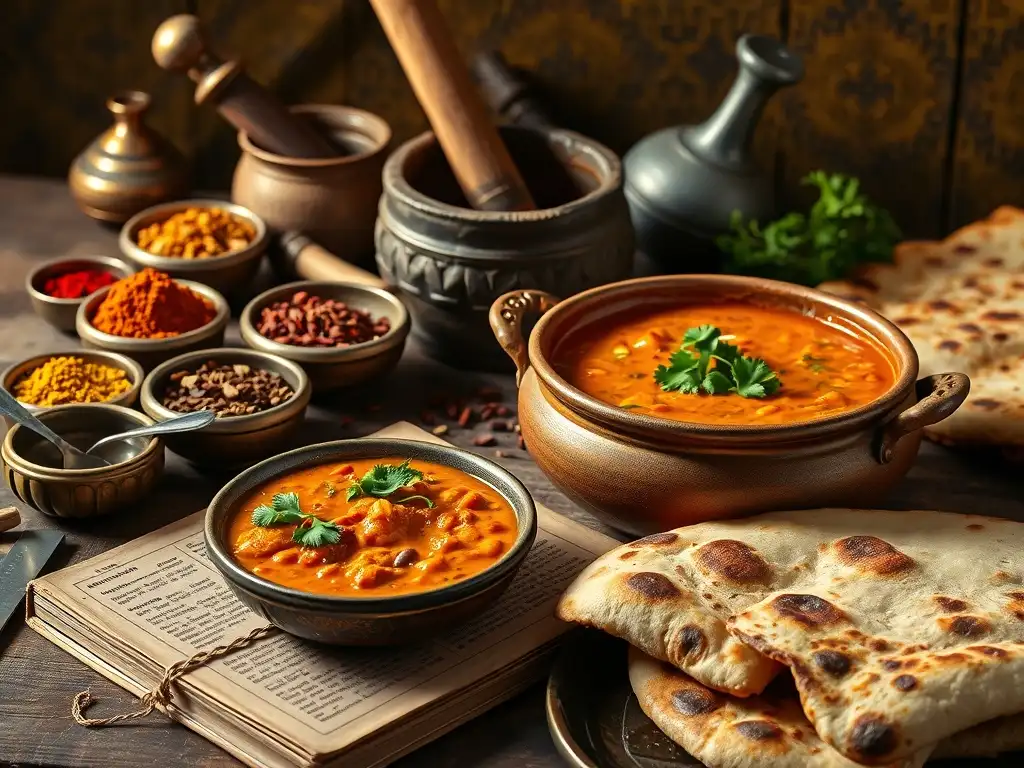
As food traditions evolve, modern interpretations of ancient Indian cuisine have emerged, often blending traditional practices with contemporary culinary trends. Chefs and food enthusiasts today are rediscovering ancient recipes and ingredients, reimagining them to suit modern palates while preserving their historical essence. This revival has sparked a renewed interest in ancient Indian food traditions, bringing them to the forefront of culinary exploration.
The Continuity of Ingredients and Flavors
Despite the changes over centuries, many fundamental ingredients and flavors have remained constant in Indian cuisine. Spices such as turmeric, cumin, and coriander continue to play a pivotal role in flavoring dishes, reflecting the longstanding importance of these elements in ancient cooking. Traditional cooking techniques, such as slow-cooking and fermenting, have also persisted, allowing for the development of rich flavors and textures that are characteristic of Indian food.
Modern chefs are increasingly emphasizing the use of ancient grains like millet and barley, which were staples in the diet of ancient Indians. The revival of these ingredients not only honors culinary heritage but also aligns with contemporary health trends that advocate for whole and unprocessed foods. This continuity of ingredients and flavors is a key factor in the ongoing appreciation and evolution of ancient Indian food traditions.
Fusion of Ancient and Contemporary Indian Culinary Practices
In today's culinary landscape, the fusion of ancient techniques with modern practices has paved the way for innovative dishes that honor traditional roots while embracing contemporary aesthetics. Many chefs experiment by combining ancient recipes with global influences, resulting in unique creations that appeal to diverse audiences.
For instance, the use of molecular gastronomy techniques to reinterpret classic Indian dishes has gained popularity, allowing chefs to present traditional flavors in novel formats. Additionally, the rise of vegetarian and vegan diets has led to a revival of ancient plant-based recipes, showcasing the versatility of Indian cuisine.
This fusion approach not only highlights the adaptability of ancient food traditions but also encourages a dialogue about sustainability and health in modern eating habits. As ancient Indian food traditions continue to evolve, they remain a vital part of India's cultural identity, reflecting both historical significance and contemporary relevance.
Preserving Ancient Indian Food Traditions in Contemporary Times
In the fast-paced world of modern cuisine, the preservation of ancient Indian food traditions has become a crucial endeavor. Many chefs and food enthusiasts are committed to reviving and maintaining these culinary practices that define India's rich heritage. This revival often involves sourcing traditional ingredients, utilizing age-old cooking techniques, and respecting the cultural significance behind various dishes.
One of the most effective ways to preserve these traditions is through the establishment of community kitchens and local food festivals that celebrate regional cuisines. These events not only promote traditional recipes but also educate younger generations about their historical context and nutritional values. Additionally, social media has played a vital role, allowing chefs to share their knowledge and showcase ancient recipes, making them accessible to a global audience.
Moreover, the integration of ancient food practices into modern cooking has led to the creation of fusion dishes that honor traditional flavors while appealing to contemporary palates. By blending the old with the new, today's culinary landscape can maintain a connection to the past while evolving to meet the tastes of future generations.
Culinary Tourism: Exploring Ancient Flavors
Culinary tourism has emerged as a significant trend, encouraging travelers to explore the diverse flavors of ancient Indian food traditions. This form of tourism allows visitors to engage with the local culture through its cuisine, offering them a taste of history and heritage.
Travelers are increasingly seeking authentic experiences that involve not just sampling traditional dishes, but also learning the stories behind them. Guided food tours in historical regions often include visits to local markets, cooking demonstrations, and opportunities to dine with local families. These immersive experiences help preserve ancient culinary practices and provide economic support to local communities.
Regions like Rajasthan, Kerala, and Punjab are particularly popular for their unique culinary offerings that reflect ancient traditions. For instance, Rajasthani cuisine, with its emphasis on dry, preserved foods due to the arid climate, showcases the innovative ways ancient communities adapted to their environment. Similarly, Kerala's use of spices in traditional feasts illustrates the historical spice trade's influence on ancient Indian culinary practices.
Educational Initiatives and Workshops
Educational initiatives and workshops focused on ancient Indian food traditions are crucial for fostering an appreciation of this rich culinary heritage. Various organizations and culinary schools have started programs aimed at teaching traditional cooking methods and recipes to both local and international audiences.
These workshops often cover topics such as the significance of specific ingredients, traditional cooking techniques, and the cultural contexts of various dishes. By engaging participants in hands-on experiences, these initiatives help bridge the gap between ancient practices and modern culinary arts, ensuring that knowledge is passed down through generations.
Schools and universities have also begun incorporating ancient Indian food traditions into their curriculum, highlighting the importance of these practices in the broader context of culinary history. This approach not only preserves the knowledge of ancient cuisines but also inspires students to innovate while respecting traditional roots.
Conclusion: The Legacy of Ancient Indian Food Traditions
The legacy of ancient Indian food traditions is a testament to the resilience and adaptability of Indian culture throughout history. While modern influences continue to shape the culinary landscape, the core values and techniques of ancient cuisines remain deeply embedded in society.
As individuals and communities work to preserve these traditions through culinary tourism, educational initiatives, and contemporary adaptations, the essence of ancient Indian food continues to thrive. This ongoing evolution ensures that future generations will not only appreciate the flavors of their heritage but also understand the cultural narratives behind them. The rich tapestry of ancient Indian food traditions is not just a culinary journey; it is a celebration of history, identity, and the enduring spirit of a civilization that has shaped the world.
- Introduction to Ancient Indian Food Traditions
- Historical Context of Ancient Indian Food Traditions
- Key Influences on the Transformation of Ancient Indian Food Traditions
- Modern Interpretations of Ancient Indian Food Traditions
- Preserving Ancient Indian Food Traditions in Contemporary Times
- Conclusion: The Legacy of Ancient Indian Food Traditions
- What are the main influences on ancient Indian food traditions?
- How did the Indus Valley Civilization impact food practices?
- What role did religion play in shaping food traditions in ancient India?
- How have ancient Indian food traditions evolved over time?
- Are there any ancient Indian food traditions that remain unchanged?
Frequently Asked Questions
What are the main influences on ancient Indian food traditions?
Ancient Indian food traditions have been shaped by cultural exchanges, regional diversity, and historical events, including invasions and trade, which introduced new ingredients and cooking techniques.
How did the Indus Valley Civilization impact food practices?
The Indus Valley Civilization is known for its advanced agricultural practices and the use of irrigation systems, which enabled the cultivation of a variety of crops, laying the foundation for food traditions in ancient India.
What role did religion play in shaping food traditions in ancient India?
Religion significantly influenced ancient Indian food traditions, with Hinduism, Buddhism, and Jainism promoting vegetarianism and specific dietary restrictions, which have persisted through centuries.
How have ancient Indian food traditions evolved over time?
Over time, ancient Indian food traditions have evolved due to migration, the introduction of new spices, and colonial influences, resulting in a rich tapestry of flavors and techniques that still resonate today.
Are there any ancient Indian food traditions that remain unchanged?
Many regional recipes and cooking methods have remained unchanged, such as the use of grains, legumes, and spices, which continue to be essential components of Indian cuisine, reflecting the continuity of cultural heritage.
Final Reflection: Embracing the Legacy of Ancient Indian Food Traditions
The evolution of ancient Indian food traditions is not just a story of culinary change; it is a testament to the resilience and adaptability of culture in the face of modernity. As we navigate through the complexities of contemporary life, the essence of these traditions continues to resonate, reminding us of the rich tapestry of flavors, rituals, and histories that have shaped our identities.
The significance of ancient Indian food traditions lies not only in their historical context but also in their ability to connect us to our roots, fostering a sense of belonging and continuity in an ever-changing world.
The impact of these traditions extends far beyond the kitchen, influencing social interactions, cultural celebrations, and even our understanding of health and well-being. The way we gather around food, share recipes, and honor seasonal ingredients reflects a deep-seated respect for nature and community.
As noted by culinary historian Vikram Doctor, “Food is not just sustenance; it is a narrative that binds us to our past and guides us toward our future.” This ongoing dialogue between the past and present highlights the importance of preserving these traditions while also allowing them to evolve, ensuring they remain relevant for generations to come.
As we reflect on the lessons embedded in ancient Indian food traditions, let us take a moment to appreciate the stories behind our meals and the cultural significance they hold. I invite you to explore your own culinary heritage, to experiment with traditional recipes, and to share these experiences with others. By doing so, we not only honor the legacy of our ancestors but also contribute to the vibrant tapestry of our collective cultural identity, ensuring that the flavors of the past continue to enrich our lives today and into the future.
Savor the Evolution: Embrace Ancient Culinary Traditions!
Thank you for joining us on this flavorful journey through the rich tapestry of ancient Indian food traditions. We hope you’ve gained valuable insights into how these culinary practices have evolved over time and what aspects remain timeless. Now, it’s time to take action and deepen your connection with these traditions!
- Explore an ancient recipe: Try recreating one of the traditional dishes we discussed and share your culinary creation with friends or on social media to inspire others.
- Join a local cooking class focused on Indian cuisine to discover hands-on techniques and the fascinating stories behind each dish.
- Engage with our community by leaving a comment below to share your favorite ancient recipe or food tradition that has been passed down in your family.
What ancient food practice are you most curious to explore in your own cooking?