
The Mystery of Trade Goods: What Ancient India Exported and Imported

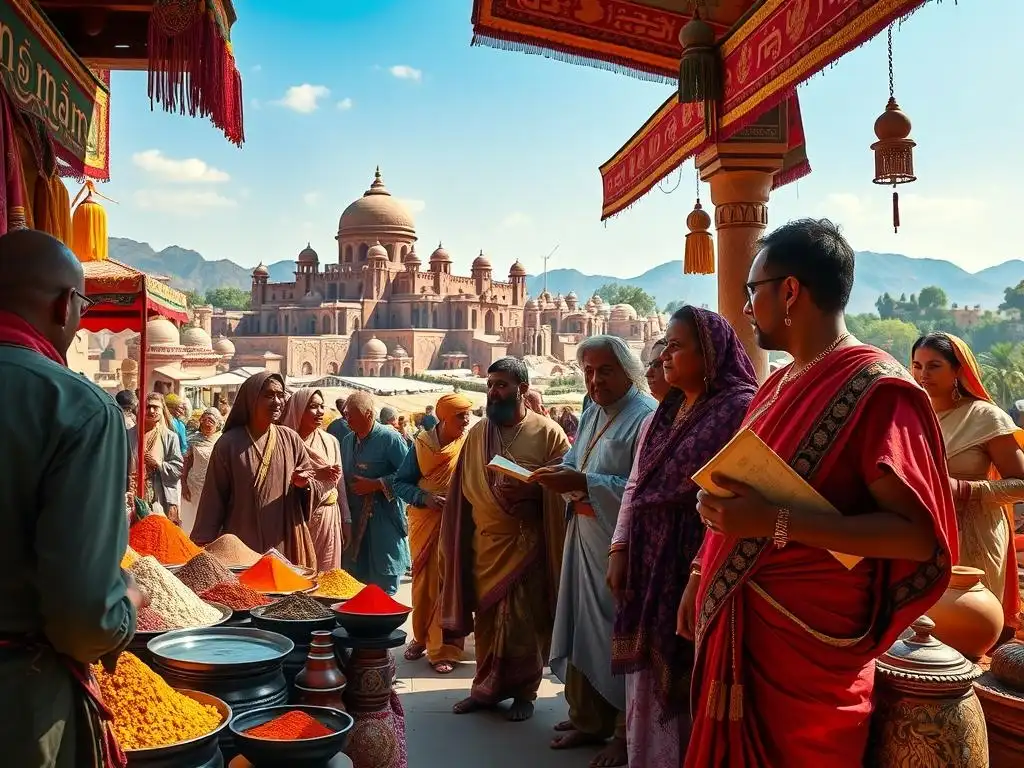
Welcome to Ancient India History, where we embark on an extraordinary journey through the vibrant tapestry of time. Here, we delve deep into the rich and diverse history, culture, and contributions of ancient Indian civilizations, from the remarkable Indus Valley to the illustrious Gupta Empire. In our featured article, "The Mystery of Trade Goods: What Ancient India Exported and Imported," we uncover the fascinating world of ancient India trade goods.
What treasures did this ancient civilization share with the world, and what did they bring back in return? Join us as we unravel these intriguing questions, promising insights that will spark your curiosity and deepen your understanding of this captivating era. Explore with us and discover the wonders of ancient India!

Introduction to Ancient India Trade Goods
The intricate tapestry of ancient Indian civilization is woven with vibrant threads of trade that spanned continents and cultures. As a hub of economic activity, ancient India played a pivotal role in the exchange of goods, ideas, and technologies, establishing itself as a major player in global commerce.
From the bustling markets of the Indus Valley to the thriving trade routes of the Gupta Empire, the trade goods of ancient India reflect not only the economic prowess but also the rich cultural heritage of its people. This exploration delves into the multifaceted nature of trade goods in ancient India, examining what was exported and imported, and how these commodities shaped the society and economy of the time.
Overview of Trade in Ancient India
Ancient India was strategically located along several major trade routes, including the famous Silk Road and maritime paths connecting it to the Middle East, Africa, and Southeast Asia. These routes facilitated the exchange of a myriad of goods, making India one of the most sought-after trading partners in the ancient world.
- Key Trade Routes:
- Silk Road: Connecting India to Central Asia and beyond.
- Maritime Trade Routes: Linking ports like Lothal and Bharukaccha to trade centers in Africa and Arabia.
The trade was not just limited to tangible goods; it also encompassed the exchange of knowledge, art, and culture, enriching the civilizations involved.
Importance of Trade Goods in Ancient Indian Economy
The economy of ancient India was significantly influenced by the trade of various goods. The exchange of trade goods facilitated not only economic prosperity but also social and cultural interactions that shaped the Indian subcontinent's development.
- Economic Benefits:
- Increased wealth and resources for kingdoms.
- Development of infrastructure, such as roads and ports.
- Enhanced cultural exchanges leading to shared innovations.
Trade goods served as a measure of wealth and power, and the ability to control trade routes often determined the rise and fall of empires.
Major Trade Goods Exported by Ancient India
Ancient India was renowned for its diverse array of trade goods, each contributing uniquely to the economy and cultural exchanges with other civilizations. Here are some of the most significant goods exported from ancient India:
Spices and Their Global Impact
Spices such as black pepper, cinnamon, and cardamom were among the most sought-after commodities in ancient India. The demand for these spices was not just local; they became valuable exports to regions as far as Europe and the Middle East.
- Global Influence:
- Spices were used for culinary purposes, preservation, and medicinal applications, leading to their high value.
- The spice trade contributed to the establishment of trade networks and cultural exchanges across continents.
Textiles: Cotton, Silk, and Wool
The textile industry flourished in ancient India, with cotton and silk being particularly prized. Indian textiles were renowned for their quality, intricate designs, and vibrant colors.
- Key Contributions:
- Cotton textiles became a staple in both domestic and international markets, influencing fashion trends abroad.
- Silk from India was highly coveted, leading to significant trade relationships with China and beyond.
Precious Stones and Jewelry
India has been historically famous for its precious stones, including diamonds, rubies, and emeralds. The craftsmanship in jewelry-making was exquisite, attracting traders and royals alike.
- Trade Impact:
- The high demand for Indian gemstones contributed to the wealth of various dynasties.
- Jewelry served not only as adornment but also as a reflection of social status and cultural identity.
Agricultural Products: Grains and Pulses
Agricultural exports such as rice, wheat, and lentils formed the backbone of ancient India's economy. These products were essential not only for sustenance but also for trade.
- Significance:
- India’s agricultural surplus supported trade and contributed to the stability of its economy.
- The cultivation techniques and varieties of grains influenced agricultural practices in other regions.
Metalworks: Copper, Iron, and Gold
Ancient India was skilled in metalworking, producing high-quality copper, iron, and gold artifacts. These materials were essential for tools, weapons, and decorative items.
- Economic Role:
- Metal goods were exported to various regions, enhancing trade relationships.
- The advancements in metallurgy contributed to technological developments in agriculture and warfare.
By examining the rich tapestry of trade goods that flowed in and out of ancient India, we gain valuable insights into the economic structures and cultural exchanges that shaped this remarkable civilization. The legacy of these trade goods continues to resonate, highlighting the importance of commerce in the evolution of societies throughout history.
Key Imports in Ancient India
Ancient India was not only a prominent exporter of goods but also a significant importer. The diversity of imports reflects the cultural and economic exchanges that occurred through various trade routes. These imports enriched Indian society, influenced local craftsmanship, and contributed to the development of various industries. Among the key categories of goods imported into ancient India were luxury items, raw materials, cultural artifacts, and food products.
Luxury Goods: Glass and Ceramics
Among the most sought-after luxury goods imported into ancient India were glass and ceramics. The art of glassmaking, which originated in regions such as Mesopotamia and Egypt, brought beautiful glassware to Indian markets. This included decorative pieces, jewelry, and even functional items like vessels and containers.
Ceramics, particularly from regions like China and Persia, also found their way into Indian households. The intricate designs and vibrant colors of imported pottery not only served practical purposes but also enhanced aesthetic tastes. These luxury goods played a pivotal role in trade, influencing local artisans to adopt new techniques and styles, ultimately enriching Indian craftsmanship.
Raw Materials: Timber and Minerals
Timber and minerals were critical imports that supported various industries in ancient India. Timber, especially from regions like Southeast Asia and the Himalayas, was essential for construction, shipbuilding, and crafting furniture. The abundance of quality wood helped develop intricate architectural styles and facilitated maritime trade.
Minerals such as copper, tin, and precious stones were critical for metallurgy and jewelry making. While India was rich in certain resources, it relied on imports to meet the growing demands of its expanding economy. The availability of these raw materials helped establish India as a hub of craftsmanship, particularly in metallurgy and jewelry design.
Cultural Influences: Books and Artifacts
Cultural artifacts, including books and manuscripts, were significant imports that contributed to the intellectual and artistic landscape of ancient India. Trade relations with regions such as Greece, Persia, and later, the Hellenistic world, facilitated the exchange of philosophical texts, scientific literature, and religious scriptures.
These cultural exchanges fostered an environment of learning and innovation, influencing Indian literature, philosophy, and art. The introduction of new ideas and perspectives encouraged Indian scholars to engage with foreign concepts, leading to a fusion of knowledge that enriched the local intellectual tradition.
Food Products: Dried Fruits and Oils
Food products, especially dried fruits and oils, constituted another vital import in ancient India. Dried fruits such as dates, figs, and raisins were not only a source of nutrition but also served as trade commodities. They were highly valued and used as offerings in religious ceremonies, showcasing their importance in cultural practices.
Oils, including sesame and olive oil, were imported for culinary as well as medicinal purposes. These imports contributed to the culinary diversity in ancient India, influencing local cuisine and dietary practices. The exchange of food products also played a role in fostering relationships between different cultures, as shared culinary practices often lead to deeper cultural connections.
Trade Routes Facilitating Ancient India Trade
The trade of goods in ancient India was significantly shaped by a network of trade routes that connected it with various regions across the globe. These routes facilitated the exchange of not only goods but also ideas, culture, and technology. Understanding these trade routes is essential to grasp the extent of ancient India's trade relationships.
The Silk Road: A Vital Trade Link
The Silk Road was one of the most crucial trade routes linking ancient India with Central Asia, the Middle East, and beyond. This extensive network of overland paths allowed for the exchange of silk, spices, textiles, and various other goods. Indian traders played a vital role in this trade, bringing their unique products to distant markets.
The Silk Road also served as a conduit for cultural exchange. Through interactions with traders from diverse backgrounds, Indian society absorbed new ideas, philosophies, and technologies. This interplay significantly influenced art, religion, and science in ancient India, making the Silk Road a cornerstone of its trade history.
The Maritime Spice Route
The Maritime Spice Route was another essential trade network that connected ancient India with Southeast Asia, the Middle East, and even East Africa. Indian merchants were instrumental in transporting spices, which were highly sought after in global markets. Spices such as black pepper, cardamom, and cinnamon not only enriched Indian cuisine but also became significant commodities for export.
The maritime trade routes facilitated the movement of goods via the Indian Ocean, with key ports such as Kochi and Calicut acting as bustling trade hubs. This route not only fostered economic prosperity but also led to cultural exchanges, as traders from various regions interacted and shared their customs and practices.
Overland Trade Routes to Central Asia
Overland trade routes to Central Asia were vital for the exchange of goods, particularly in the context of the Silk Road. These routes connected India to regions such as Bactria and Sogdiana, enabling the trade of textiles, gemstones, and agricultural products.
The movement of goods along these routes helped establish trade cities that became melting pots of cultures and ideas. Caravans traversed these paths, contributing to a dynamic trade network that facilitated the exchange of not just products but also innovations in agriculture and technology.
Trade Connections with Southeast Asia
Trade connections with Southeast Asia were significant for ancient India, particularly in the exchange of goods and cultural influences. Indian traders established strong commercial ties with regions like the Malay Archipelago, resulting in the export of textiles, metalwork, and precious stones.
In return, India imported local products such as exotic woods, spices, and unique handicrafts. These interactions not only enriched the economies of both regions but also led to the spread of Indian culture, religion, and art in Southeast Asia, as evidenced in the architectural and artistic influences in ancient kingdoms like Srivijaya and Majapahit.
The Role of Ancient Indian Ports in Trade
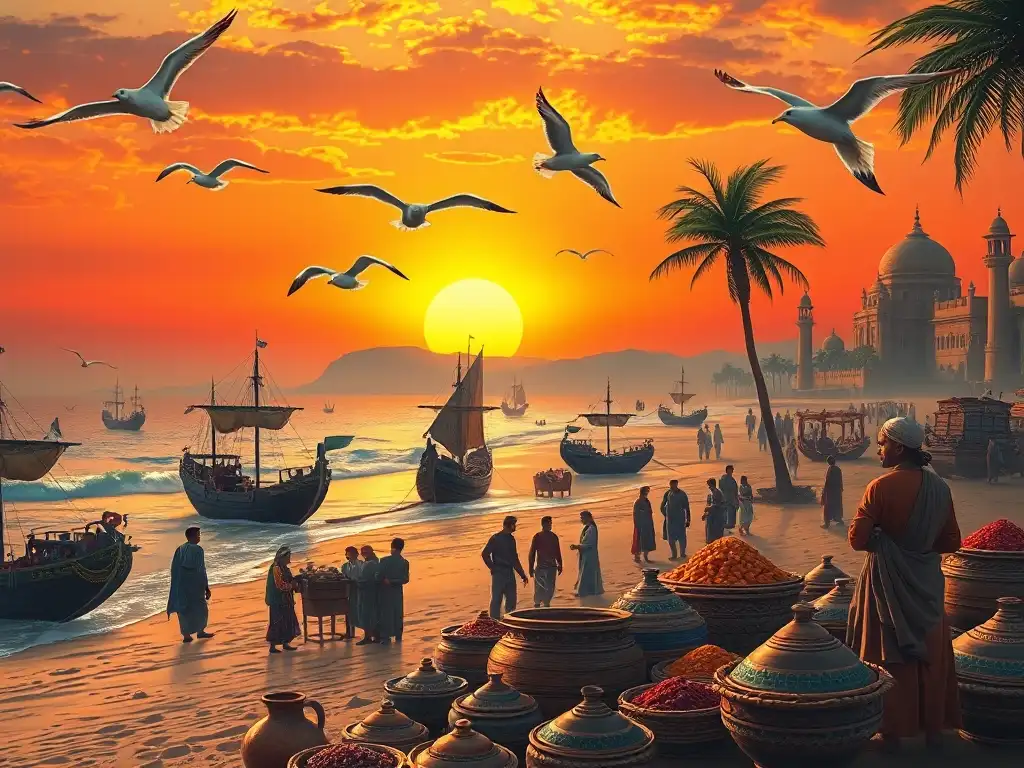
Ancient Indian ports played a crucial role in facilitating trade, both domestically and internationally. These ports were the gateways through which a variety of goods passed, connecting India with distant lands such as Mesopotamia, Persia, and the Roman Empire. The strategic geographical positioning of these ports allowed merchants to engage in extensive maritime trade. This not only led to the exchange of goods but also ideas, cultures, and technologies, significantly impacting the civilizations involved.
The ports were equipped with sophisticated infrastructure, including docks and warehouses, to accommodate the needs of traders. The bustling activities within these ports also contributed to the economy of the surrounding regions, creating jobs and boosting local industries. Thus, ancient Indian ports served as vital hubs that catalyzed trade and economic growth throughout the subcontinent.
Major Ports: Lothal and Sopara
Among the notable ancient Indian ports, Lothal and Sopara stand out for their historical significance in trade.
- Lothal: Located in present-day Gujarat, Lothal is often regarded as one of the world's earliest dockyards. Dating back to the Indus Valley Civilization, this port was strategically designed to facilitate maritime trade. Archaeological excavations reveal a well-planned layout, including a dock that connected to the Sabarmati River, allowing large vessels to load and unload goods efficiently. Lothal was known for exporting beads, gems, and textiles, making it a prominent trade center.
- Sopara: Situated near present-day Nalasopara in Maharashtra, Sopara was another key trading port that flourished during ancient times. It served as a major port for trade with the Roman Empire and other civilizations. Sopara's significance lies in its role as a distribution center for goods such as ivory, textiles, and spices. The port also facilitated cultural exchanges, contributing to the rich tapestry of Indian civilization.
Port Cities as Cultural Melting Pots
Ancient Indian port cities were not just centers of commerce; they were also vibrant cultural melting pots. The influx of traders and travelers from various regions resulted in a unique blend of cultures, languages, and traditions. This cultural diversity enriched the local populace, leading to the development of new artistic forms, culinary practices, and religious beliefs.
For instance, the presence of foreign traders stimulated the growth of cosmopolitan communities, where local inhabitants interacted with merchants from Persia, Arabia, and beyond. This interaction fostered an environment of mutual respect and exchange, ultimately contributing to the social fabric of ancient Indian society. Festivals, art forms, and philosophical ideas were shared, leading to a more integrated cultural landscape.
Maritime Trade and Economic Prosperity
Maritime trade significantly contributed to the economic prosperity of ancient India. The trade routes established by Indian merchants enabled the export of local goods such as spices, textiles, and precious stones in exchange for foreign commodities like metals, glassware, and horses. This trade not only brought wealth to the ports but also stimulated local economies across the Indian subcontinent.
The flourishing trade led to the rise of merchant communities, which played a key role in the economy. These communities organized trade expeditions and established networks that spanned across continents. The wealth generated from trade also encouraged the patronage of art and architecture, leading to the construction of temples, monuments, and other cultural artifacts that have stood the test of time.
The Impact of Trade on Ancient Indian Society
The trade activities of ancient India had profound impacts on its society, influencing various aspects including the economy, culture, and political dynamics.
Economic Growth and Urbanization
The expansion of trade in ancient India was closely linked to economic growth and urbanization. As trade routes flourished, cities emerged as economic hubs, attracting people from surrounding rural areas. This migration led to the development of urban centers characterized by increased population density, commerce, and infrastructure.
Key trade cities became bustling marketplaces where goods from various regions were exchanged, fostering a culture of entrepreneurship. This urbanization also prompted advancements in agricultural practices, as the demand for food increased to support the growing population. Consequently, the economy transformed, becoming more diversified and complex.
Cultural Exchange and Influences
Trade facilitated extensive cultural exchanges between ancient India and other civilizations. The movement of merchants and travelers brought with them not only goods but also ideas, art forms, and technological innovations. This cultural diffusion led to the introduction of new religious practices, philosophies, and artistic expressions.
For example, the trade routes between India and the Mediterranean facilitated the exchange of Buddhist teachings, which spread to various parts of Asia. Similarly, Indian art and architecture influenced regions far beyond its borders, as seen in the adoption of Indian motifs in Southeast Asian temples. This cultural synergy enriched the Indian civilization and left an indelible mark on global history.
Trade and Its Role in Political Alliances
Trade was instrumental in forging political alliances in ancient India. The economic prosperity that arose from trade often influenced diplomatic relationships between kingdoms and empires. Rulers recognized the value of trade routes and sought to control them to ensure the flow of goods and wealth.
Political alliances were often established through marriage, treaties, and partnerships that facilitated trade. For instance, the Mauryan Empire's expansion was partly driven by the need to control trade routes, which allowed it to exert influence over neighboring regions. Such alliances not only strengthened political ties but also enhanced cultural interactions, leading to a more interconnected ancient world.
Conclusion: The Legacy of Ancient India Trade Goods
The legacy of ancient India trade goods is profound and multifaceted, influencing not only the subcontinent's economy but also its culture and international relations. The exchange of goods such as spices, textiles, and precious stones established India as a pivotal player in global trade networks. This rich history of commerce facilitated the flow of ideas, art, and religion, contributing to the cultural tapestry of nations connected through trade. The intricate trade routes, including the Silk Road and maritime paths, exemplified the sophistication of ancient Indian merchants and their ability to navigate complex networks.
As a result of this vibrant trade activity, ancient India left an indelible mark on the economies and cultures of various regions, from Southeast Asia to the Mediterranean. The legacy continues to manifest in contemporary trade practices, where the principles of barter, negotiation, and cultural diplomacy, honed by ancient traders, remain relevant. Thus, understanding the trade goods of ancient India not only sheds light on its historical significance but also offers insights into the foundations of modern global commerce.
Lasting Influence on Modern Trade Practices
The influence of ancient India trade goods on modern trade practices is evident in several key areas. The exchange of spices, particularly black pepper and cardamom, laid the groundwork for the global spice trade, which continues to thrive today. The high demand for Indian textiles, such as silk and cotton, shaped international fashion trends and trade dynamics, leading to the establishment of global supply chains that remain crucial to the textile industry.
Moreover, the concept of trade fairs and marketplaces can be traced back to ancient Indian trading practices. These events not only facilitated commerce but also served as cultural melting pots, where diverse communities shared ideas and innovations. The spirit of entrepreneurship and collaboration that characterized ancient Indian trade continues to inspire contemporary business models, emphasizing the importance of relationships and trust in commercial dealings.
Reflection on Ancient Trade Goods and Cultural Exchange
The trade goods of ancient India served as catalysts for cultural exchange, creating bridges between diverse civilizations. Goods such as silk, spices, and metalwork were not merely commodities but also vehicles for the dissemination of knowledge, art, and beliefs. For instance, the spread of Buddhism along trade routes was significantly aided by merchants who carried religious texts and artifacts, promoting cultural diffusion.
Additionally, the arrival of foreign goods in India, such as glassware from the Roman Empire and gold coins from Persia, enriched Indian culture and spurred local artisans to innovate and adapt new techniques. This exchange fostered a sense of interconnectedness among civilizations, demonstrating that trade is not solely an economic activity but a profound means of cultural dialogue and mutual influence. The legacy of this cultural exchange continues to resonate, reminding us of the shared history that binds us together across borders.
References and Further Reading on Ancient India Trade Goods
Recommended Books and Articles
- "The Silk Roads: A New History of the World" by Peter Frankopan: - This book provides an expansive view of the interconnectedness of ancient trade routes, including those involving India.
- "India: A History" by John Keay: - A comprehensive account of India's history, this book includes insights into trade practices and goods exchanged throughout various periods.
- "The Spice Route: A History" by John Keay: - This book delves into the history of the spice trade, highlighting India's role as a supplier of coveted spices.
- "Trade and traders in the ancient world" edited by T. J. Barfield - This collection of essays explores the complexities of trade in ancient civilizations, including India.
Online Resources for Ancient Indian Trade History
- The British Museum: Ancient India: - This online resource provides access to a wealth of information on artifacts and trade practices from ancient India.
- The Metropolitan Museum of Art: The Arts of South and Southeast Asia: - Offers insights into the artistic exchanges and trade goods originating from ancient India.
- Ancient History Encyclopedia - An extensive collection of articles and resources related to the trade history of ancient India and its global interactions.
- Digital South Asia Library - A digital repository offering access to primary sources, maps, and scholarly articles on ancient Indian trade practices.
- Introduction to Ancient India Trade Goods
- Major Trade Goods Exported by Ancient India
- Key Imports in Ancient India
- Trade Routes Facilitating Ancient India Trade
- The Role of Ancient Indian Ports in Trade
- The Impact of Trade on Ancient Indian Society
- Conclusion: The Legacy of Ancient India Trade Goods
- References and Further Reading on Ancient India Trade Goods
Frequently Asked Questions
What were the main trade goods exported from ancient India?
Ancient India was known for exporting spices, textiles, and precious stones. These goods were highly sought after in various regions, contributing to India's rich trade networks.
Which civilizations were involved in trade with ancient India?
Ancient India engaged in trade with Mesopotamia, Egypt, and China. These interactions facilitated the exchange of goods and ideas, enhancing cultural ties.
How did trade routes impact ancient Indian society?
Trade routes enabled the flow of wealth and resources, leading to urbanization and the growth of cities. This economic prosperity also supported advancements in art and science.
What role did the Silk Road play in ancient Indian trade?
The Silk Road was a crucial network that connected India with the West and East. It facilitated the exchange of not only goods but also cultural and technological innovations.
What were the imported goods that ancient India valued?
Ancient India imported gold, silver, and horses, among other goods. These items were important for trade, warfare, and to enhance the quality of life for many Indian kingdoms.
Final Reflection: Unveiling the Legacy of Ancient India Trade Goods
The intricate web of trade goods that flowed through ancient India not only shaped its economy but also fostered cultural exchanges that resonate in today's global marketplace. The significance of these trade goods extends beyond mere commodities; they were the lifeblood of interactions that connected diverse civilizations, enriching societies and laying the groundwork for modern trade dynamics. As we explore the historical tapestry of ancient India’s trade, we uncover a narrative that is as relevant today as it was centuries ago.
The influence of ancient trade goods on cultural and social landscapes is profound and enduring. From silk to spices, these commodities were not just items of exchange; they were carriers of ideas, traditions, and innovations that transcended borders.
The legacy of this exchange is palpable in our contemporary world, where globalization has made the flow of goods and ideas a cornerstone of societal development. As Mahatma Gandhi once said, “A nation's greatness is measured by how it treats its weakest members,” reminding us that the impacts of trade extend to the very fabric of society, influencing how we connect and collaborate across cultures.
As we reflect on the lessons from ancient India’s trade practices, let us consider how we can apply these insights to our own lives. Embrace the spirit of exchange and collaboration, recognizing that every interaction holds the potential for growth and understanding.
Whether through supporting local artisans or engaging in global trade, we have the opportunity to honor the legacy of ancient trade goods by fostering connections that enrich our communities and promote cultural appreciation. Let us carry forward this tradition of trade, not just as a means of economic exchange, but as a pathway to unity and shared prosperity.
Unveil the Rich History of Trade Goods in Ancient India!
Thank you for exploring the captivating world of ancient trade with us! You’ve uncovered the intricacies of what ancient India exported and imported, enriching your understanding of its vibrant commerce. Now, it’s time to take your newfound knowledge further!
Here are some powerful ways to continue your journey into the fascinating trade of ancient India:
- Dive Deeper: Research specific trade routes used in ancient India and explore their impacts on cultural exchanges.
- Share Your Insights: Engage in discussions with friends or contribute to online forums. Participating in these dialogues can spark even deeper connections to history!
- Visit a Local Museum: Discover artifacts and exhibits related to ancient trade. Experiencing these historical goods in person can truly bring the past to life!
Which trade goods from ancient times do you find most intriguing, and how do you think they have influenced today’s global commerce?