
The Fascinating Role of Zero in Ancient Indian Literature and Texts


Welcome to Ancient India History, where we embark on a journey through the rich tapestry of India's past. Dive deep into the fascinating role of zero in ancient Indian texts, a concept that not only revolutionized mathematics but also transformed our understanding of the universe. As we explore the profound contributions of ancient Indian civilizations, from the innovative minds of the Indus Valley to the intellectual flourishing of the Gupta Empire, you'll uncover the remarkable stories that shaped our world.
Curious about how the concept of zero emerged and its significance in literature? Join us as we unravel this captivating narrative and more!
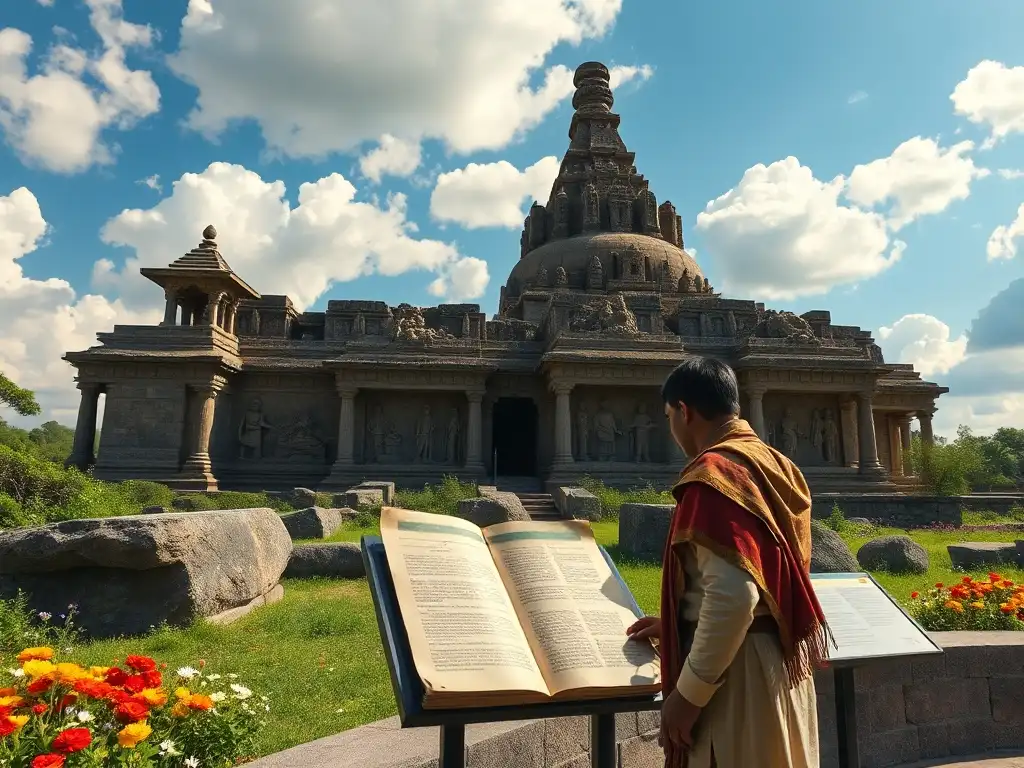
Introduction to Zero in Ancient Indian Texts
The concept of zero holds a fascinating and pivotal position in the realm of mathematics, particularly within the context of ancient Indian literature and texts. This numerical symbol, which represents the absence of quantity, revolutionized mathematical thought and paved the way for significant advancements in both arithmetic and algebra.
The ancient Indian scholars were not only instrumental in the formalization of the concept of zero but also in its application in various mathematical operations, including calculations and astronomical observations. This article delves into the rich history and profound impact of zero in ancient Indian texts, tracing its origins and evolution through the ages.
Historical Background of Zero in Indian Culture
The Emergence of Zero in Early Indian Civilization
The earliest references to the concept of zero can be traced back to the Indus Valley Civilization, where evidence suggests a sophisticated understanding of numerals and mathematical concepts. Archaeological findings, such as seals and weights, indicate that the people of this civilization engaged in trade and accounting, necessitating a numerical system that could accommodate various quantities. However, it was during the post-Vedic period that the philosophical and mathematical foundations for zero began to take shape.
The Brahmi numerals, used around the 3rd century BCE, laid the groundwork for the development of a place-value system, which ultimately included the notion of zero. This was a revolutionary advancement, as it provided a framework for representing large numbers and performing complex calculations. The writings of ancient mathematicians, such as Aryabhata, further illustrate the significance of zero in astronomical calculations, showcasing its role not just as a placeholder but as a vital component in mathematical discourse.
Development of Zero during the Gupta Empire
The Gupta Empire (approximately 320 to 550 CE) is often regarded as a golden age for mathematics in India, during which the concept of zero flourished. Scholars such as Brahmagupta made groundbreaking contributions, explicitly defining zero and its operations in his seminal work, the Brahmasphutasiddhanta. In this text, he described rules for arithmetic operations involving zero, laying the foundation for algebraic thinking.
The Gupta period also saw the introduction of the decimal system, which included the digit zero, allowing for the representation of numbers in a more efficient manner. This mathematical innovation not only enhanced the efficiency of calculations but also had a lasting impact on subsequent civilizations and mathematical traditions worldwide.
The legacy of zero in ancient Indian texts is not merely a historical curiosity; it embodies a profound intellectual achievement that continues to influence mathematics as we know it today.
Depictions of Zero in Ancient Indian Literature
The concept of zero, represented as a symbol and a number, has been a profound influence in ancient Indian literature, shaping mathematical thought and philosophical discourse. Its introduction marked a significant milestone in the evolution of mathematics, enabling complex calculations and fostering advancements in various fields. Ancient texts, such as the Bakhshali Manuscript and Brahmagupta's Brahmasphutasiddhanta, provide rich insights into how zero was understood and utilized. In these works, zero is not merely a numeral but an essential component of the numeric system, allowing for the representation of nothingness and the foundation for modern arithmetic.
The depiction of zero in ancient literature extends beyond mathematics, influencing poetry, philosophy, and even theology. The duality of existence and non-existence, encapsulated in the symbol for zero, resonates throughout various philosophical texts, illustrating how deeply ingrained this concept was in the intellectual fabric of ancient India.
Textual References to Zero in Sanskrit Literature
Sanskrit literature contains several references to zero that highlight its significance in both mathematical contexts and broader philosophical discussions. One of the earliest known mentions of zero can be found in the Brahmasphutasiddhanta, written by the mathematician Brahmagupta in the 7th century. He defined zero as a "sunya," meaning void or empty, and established rules for its arithmetic operations, laying the groundwork for future mathematical explorations.
Another notable text is the Aryabhatiya by Aryabhata, which demonstrates the use of zero in positional notation. Aryabhata's work illustrates how zero is crucial for indicating the absence of a value in a particular place, thereby enhancing the clarity and efficiency of number representation.
Moreover, the Bakhshali Manuscript, an ancient mathematical text, features a dot to signify zero, marking its early use in practical calculations. This manuscript serves as a testament to the advanced understanding of mathematical concepts in ancient India, showing that zero was integral to mathematical thought long before it gained prominence in other cultures.
Zero in Mathematical Treatises
Mathematical treatises from ancient India provide extensive insights into the formalization and application of zero. Brahmagupta's Brahmasphutasiddhanta not only introduced rules for performing operations with zero but also addressed its implications in solving equations. He stated that any number added to or subtracted from zero remains unchanged, and zero multiplied by any number yields zero, establishing foundational principles that would influence mathematics for centuries.
In addition, mathematicians like Bhaskara II expanded on these concepts in the 12th century, further elucidating the role of zero in calculations and providing methods for dealing with fractions and negative numbers. The treatises of this era demonstrate a sophisticated understanding of zero, showcasing its utility in complex mathematical operations and its vital role in the development of algebra.
The Philosophical Implications of Zero
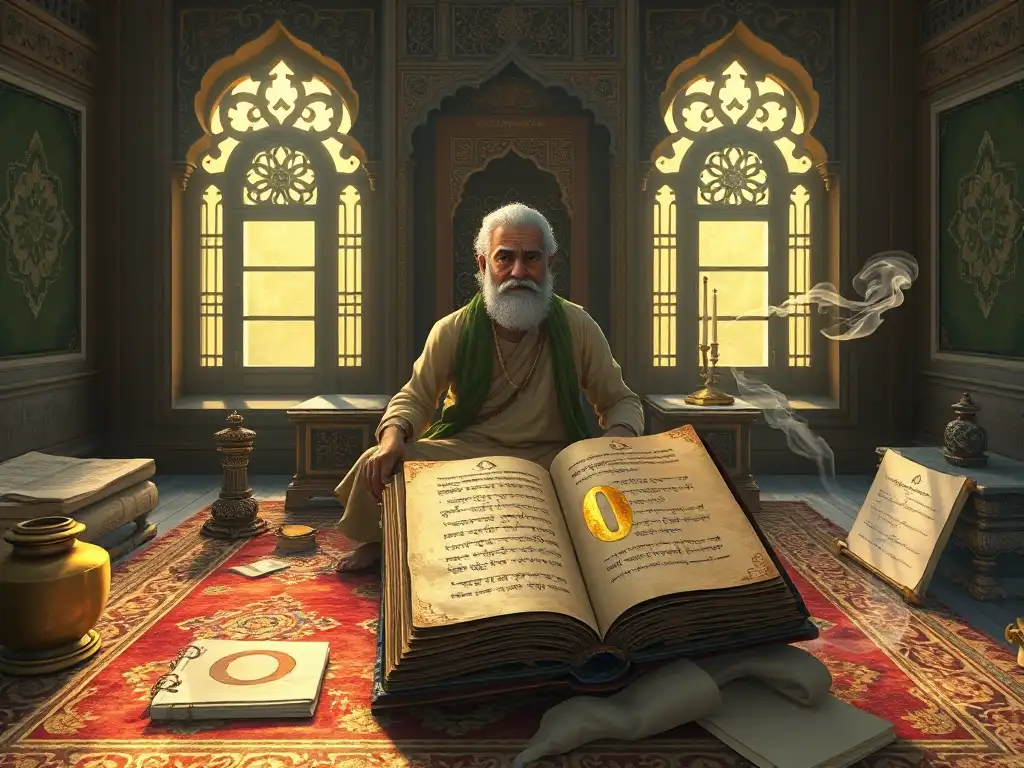
The philosophical implications of zero extend beyond mathematics, delving into metaphysical inquiries and existential thought. Zero embodies the concept of nothingness, prompting discussions about reality, being, and the nature of existence. In Indian philosophy, particularly in texts such as the Upanishads, the idea of 'shunyata' (emptiness) is explored as a state of potentiality, where nothingness is considered a precursor to creation.
Zero as a Concept in Indian Philosophy
In Indian philosophical traditions, zero is often linked to the concept of 'Brahman,' the ultimate reality that transcends existence and non-existence. This duality reflects the interplay between being and non-being, where zero symbolizes the void from which all creation emerges. Philosophers like Nagarjuna emphasized the importance of understanding emptiness to grasp the nature of reality, illustrating that zero is not merely a mathematical abstraction but a profound philosophical concept.
Additionally, the notion of zero resonates with the ideas of cyclicality and infinity in Indian cosmology, where the universe is viewed as an eternal cycle of creation and dissolution. This perspective invites a deeper exploration of how zero relates to concepts of time, space, and existence, making it a vital element in both philosophical discourse and mathematical reasoning.
Cultural Impact of Zero in Society
The cultural impact of zero in ancient Indian society was transformative, influencing various domains such as astronomy, commerce, and art. The ability to perform complex calculations facilitated advancements in astronomy, allowing scholars to predict celestial events with remarkable accuracy. This mathematical prowess contributed to the rich tradition of Indian astronomy, evident in texts like the Surya Siddhanta.
In commerce, the introduction of zero enabled more efficient accounting practices, streamlining trade and economic activities. Merchants could easily denote quantities and values, enhancing the overall efficiency of transactions within society.
Moreover, the philosophical implications of zero permeated art and literature, inspiring creative expressions that reflect the themes of emptiness and existence. Poets and artists drew on the symbolism of zero to convey deeper meanings, enriching the cultural landscape of ancient India.
The role of zero in ancient Indian literature and texts is a testament to its multifaceted nature, shaping not only mathematics but also philosophy and culture. Its journey from a mere numeral to a profound symbol of existence continues to resonate in contemporary thought, highlighting the enduring legacy of zero in human understanding.
Conclusion: The Legacy of Zero in Ancient Indian Texts
The concept of zero, as explored in ancient Indian texts, represents a profound intellectual achievement that has significantly shaped mathematical thought and practices across the globe. Its emergence in the works of mathematicians such as Brahmagupta and Aryabhata not only revolutionized arithmetic but also laid the foundation for advancements in algebra and calculus. The introduction of zero as a number, rather than merely a placeholder, facilitated complex calculations and contributed to the development of numerical systems that are still in use today.
Furthermore, the philosophical implications of zero in ancient Indian literature highlight its importance beyond mere arithmetic. The idea of "shunya," or void, introduces a rich dialogue around existence and nothingness in Indian philosophy, influencing various fields including metaphysics and cosmology. As such, the legacy of zero transcends its mathematical utility, embedding itself into the cultural and intellectual fabric of ancient India.
Today, the influence of zero in ancient Indian texts continues to resonate through modern mathematics and science, serving as a testament to the innovative spirit of ancient Indian civilization. The ability to conceptualize and manipulate zero has not only transformed mathematical practices but has also opened new avenues for exploration in other disciplines, affirming the vital contributions of ancient Indian scholars to the world.
References and Further Reading
For those interested in delving deeper into the fascinating role of zero in ancient Indian literature and its broader implications, the following references and texts are highly recommended:
- "A History of Mathematics: An Introduction": by Roger L. Cooke - This comprehensive book provides an overview of the development of mathematical concepts, including the significant role of zero.
- "Zero: The Biography of a Dangerous Idea": by Charles Seife - A captivating narrative that explores the history and impact of zero across various cultures, with significant focus on its origins in ancient India.
- "Mathematics in India" by Kim Plofker - This work offers insights into the mathematical landscape of ancient India, highlighting key figures and their contributions, including the concept of zero.
- "The History of Mathematics: A Brief Course": by Roger L. Cooke - This text touches on the evolution of mathematical ideas, including the introduction and significance of zero in both Indian and global mathematics.
- Research papers and articles in academic journals such as the Journal of Indian Philosophy and The Indian Journal of History of Science can provide scholarly insights into the philosophical aspects of zero and its implications in ancient Indian thought.
These resources will enrich your understanding of the historical context and the enduring legacy of zero in ancient Indian texts and its influence on mathematics and philosophy.
- Introduction to Zero in Ancient Indian Texts
- Historical Background of Zero in Indian Culture
- Depictions of Zero in Ancient Indian Literature
- The Philosophical Implications of Zero
- Conclusion: The Legacy of Zero in Ancient Indian Texts
- References and Further Reading
- What is the significance of zero in ancient Indian texts?
- How did the concept of zero evolve in ancient Indian civilization?
- Who were the key figures in the development of zero in ancient India?
- What impact did zero have on mathematics globally?
- Are there any ancient Indian texts specifically focused on zero?
Frequently Asked Questions
What is the significance of zero in ancient Indian texts?
Zero played a crucial role in mathematics and philosophy in ancient India, representing the concept of nothingness and serving as a placeholder in the numeral system.
How did the concept of zero evolve in ancient Indian civilization?
The concept of zero evolved from the Indus Valley civilization's symbols to a more formal representation in texts such as Bakhshali Manuscript, eventually influencing global mathematics.
Who were the key figures in the development of zero in ancient India?
Prominent mathematicians like Aryabhata and Brahmagupta were instrumental in refining the concept of zero, integrating it into mathematical equations and operations in their works.
What impact did zero have on mathematics globally?
The introduction of zero in ancient Indian texts paved the way for advanced mathematical concepts, influencing Islamic scholars and later European mathematics during the Renaissance.
Are there any ancient Indian texts specifically focused on zero?
Yes, texts such as Brahmagupta's Brahmasphutasiddhanta and Aryabhata's Aryabhatiya provide detailed discussions on the use and significance of zero in calculations and mathematics.
Final Reflection: The Enduring Legacy of Zero in Ancient Indian Texts
The exploration of zero in ancient Indian texts reveals a profound connection between mathematics and philosophy that resonates deeply in our contemporary world. The concept of zero, far from being just a numerical placeholder, embodies the very essence of nothingness and infinity, challenging our understanding of existence itself. As we navigate through an increasingly complex digital age, the significance of this ancient idea continues to shape our mathematical frameworks and philosophical inquiries.
The influence of zero extends beyond mathematics, permeating cultural narratives and social constructs. In ancient Indian literature, zero was not merely a number; it represented a paradigm shift in thought, allowing for the development of advanced mathematical concepts and fostering a spirit of inquiry. This transformative idea has inspired generations, reminding us that innovation often arises from the most unexpected places. The greatest discoveries are often born from the simplest ideas.
As we reflect on the lessons embedded in the concept of zero, let us embrace the invitation to think critically and creatively in our own lives. Consider how the principles of absence and potential can guide your personal and professional journeys. In a world that often prioritizes accumulation and presence, remember that sometimes, it is the void that holds the most profound possibilities. Embrace the legacy of zero, and allow it to inspire you to explore new horizons in your own narrative.
Unveil the Power of Zero in Ancient Wisdom!
Thank you for diving into the captivating world of ancient Indian literature with us! You've uncovered how the concept of zero not only shaped mathematics but also transformed cultural thought. Now, let's explore how you can take this newfound insight further!
- Embark on a journey to read classic texts that highlight the significance of zero, such as the works of **Aryabhata**, and see its profound impact firsthand.
- Join our community at **Ancient India History** to engage in discussions about the evolution of mathematical concepts across various cultures.
- Share your thoughts and insights on social media with friends using the hashtag **#ZeroInHistory** and contribute to a broader dialogue about this fascinating topic.
What new perspective on the concept of zero do you think could change how we view mathematics today?