
The Role of Trade Routes in the Technological Growth of the Indus Valley

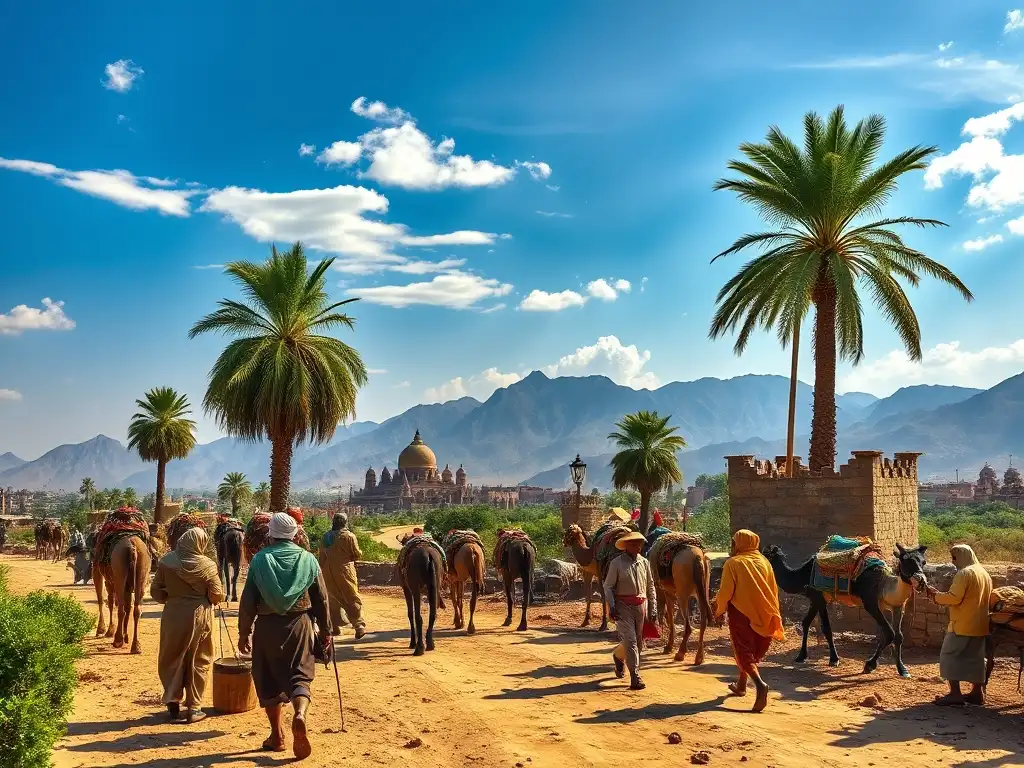
Welcome to Ancient India History, where we journey through the rich tapestry of ancient Indian civilizations, uncovering their remarkable cultures and innovations. In this exploration, we delve into the fascinating Indus Valley trade routes history, a vital aspect that fueled the technological growth of one of the world’s earliest urban societies. What secrets do these ancient pathways hold, and how did they shape the prosperity of the Indus Valley? Join us as we unravel the intricate connections of trade, culture, and advancement that defined this extraordinary era. Your voyage into the past begins here—let's explore together!
Introduction to Indus Valley Trade Routes History
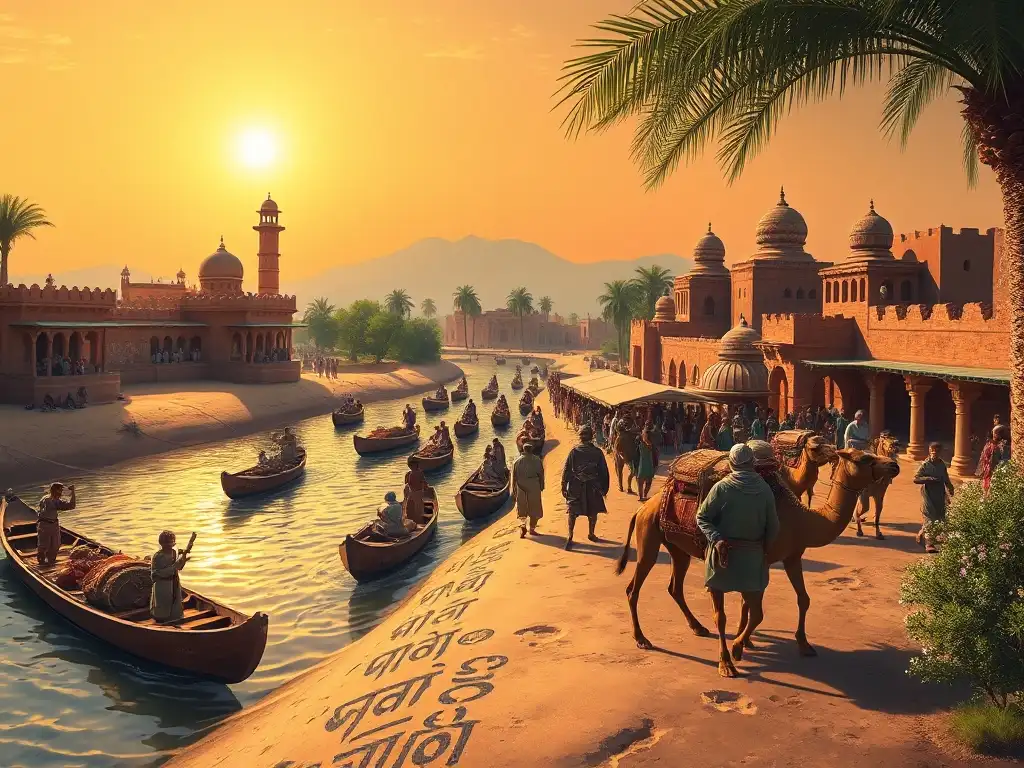
The Indus Valley Civilization, one of the most remarkable ancient civilizations, flourished around 2500 BCE in what is now Pakistan and northwest India. This civilization is renowned not only for its sophisticated urban planning and advanced drainage systems but also for its extensive trade networks that played a crucial role in its technological growth. The Indus Valley trade routes history reveals how these trade connections, both local and international, facilitated the exchange of goods, ideas, and technologies, significantly contributing to the prosperity and advancement of the civilization.
Understanding the dynamics of these trade routes is essential, as they were not merely conduits for commerce but also avenues for cultural and technological exchange. The interplay between trade and technological innovation underscores the significance of the Indus Valley Civilization in the broader tapestry of ancient history. As we delve deeper into this topic, we will explore the geographic features that influenced trade, the key trade routes established during this era, and their impact on the development of technology in the region.
Overview of the Indus Valley Civilization
The Indus Valley Civilization (IVC) emerged around 3300 BCE and reached its zenith between 2600 and 1900 BCE. Characterized by advanced urban centers like Harappa and Mohenjo-Daro, the IVC showcased remarkable achievements in city planning, architecture, and social organization. The civilization's economy was diverse, involving agriculture, crafts, and trade.
- Urban Planning: The cities were meticulously planned with grid layouts, standardized bricks, and advanced drainage systems.
- Agriculture: Fertile plains and river systems supported agriculture, with wheat, barley, and cotton among the primary crops.
- Craftsmanship: Skilled artisans produced high-quality beads, pottery, and textiles, which were traded both locally and internationally.
The IVC's decline around 1900 BCE remains a subject of scholarly debate, but trade disruptions due to climatic changes or invasions may have contributed to its downfall.
Importance of Trade in Ancient Societies
Trade has always been a cornerstone of civilization, serving as a catalyst for economic growth, cultural exchange, and technological advancement. In ancient societies, trade facilitated:
- Resource Distribution: Trade routes allowed for the distribution of resources not locally available, enhancing the overall quality of life.
- Cultural Exchange: Interaction with other cultures through trade introduced new ideas, technologies, and practices.
- Economic Development: Trade stimulated economic growth, leading to the emergence of specialized crafts and professions.
In the context of the Indus Valley Civilization, trade was vital for sustaining its urban centers and supporting technological innovation. The exchange of goods such as metals, semi-precious stones, and textiles not only enriched the civilization culturally but also technologically.
The Development of Trade Routes in the Indus Valley
Geographic Features Influencing Trade
The geographic landscape of the Indus Valley played a significant role in shaping its trade routes. Key features included:
- Rivers: The Indus River and its tributaries provided essential waterway routes for transportation and trade.
- Mountains: The Himalayas to the north acted as natural barriers but also facilitated trade with highland communities.
- Deserts: The Thar Desert to the east posed challenges, yet routes skirting its edges connected the civilization to the subcontinent's interior.
These geographic features not only influenced trade routes but also impacted the flow of goods and ideas, ultimately fostering technological growth.
Key Trade Routes Established during the Indus Valley Civilization
Several pivotal trade routes developed during the Indus Valley Civilization, connecting it to various regions:
- Northwestern Trade Routes: Linking the IVC to Central Asia and Iran, these routes facilitated the exchange of goods such as lapis lazuli and copper.
- Coastal Trade Routes: The coastal cities of the IVC engaged in maritime trade with Mesopotamia, exchanging textiles and agricultural products.
- Inland Trade Routes: These routes connected urban centers within the IVC, promoting internal trade and resource distribution.
The establishment of these trade routes not only enhanced the economic stability of the Indus Valley Civilization but also paved the way for technological advancements in areas like metallurgy, pottery, and agriculture. Each route served as a vital link, weaving together a vast network of commerce and culture that defined the era.
Technological Innovations Driven by Trade
The Indus Valley Civilization (IVC) thrived between 3300 BCE and 1300 BCE, largely due to its strategic location along key trade routes. These routes facilitated the exchange of not just goods but also ideas, technologies, and cultural practices. The extensive trade network contributed significantly to the technological innovations that characterized this ancient civilization. Notable advancements in metallurgy, urban planning, and agricultural techniques can be traced back to the interactions facilitated by trade.
The trade routes connected the Indus Valley with regions as far away as Mesopotamia, Egypt, and the Arabian Peninsula. This interaction enabled the Indus people to adopt and adapt technologies from their trading partners, leading to a fusion of innovations that enhanced their own practices. For instance, the import of copper and tin from areas like Oman and Afghanistan allowed the Indus Valley to produce superior bronze tools and weapons, thus improving agricultural yields and the efficiency of construction projects.
Advances in Transportation Technology
Transportation technology played a pivotal role in the effectiveness of trade routes. The Indus Valley Civilization developed a variety of means to facilitate the movement of goods. One of the most significant advancements was the construction of sophisticated dockyards, such as the one found in Lothal. These docks enabled ships to navigate the rivers and coastal areas, facilitating maritime trade with distant lands.
The development of wheeled carts also revolutionized land transportation. Evidence from archaeological sites indicates that the Indus people utilized carts pulled by oxen to transport goods efficiently across the rugged terrain. This advancement not only expedited trade but also helped in the distribution of raw materials, such as clay for pottery and stones for construction, within the region.
Impact of Trade on Craftsmanship and Industrial Techniques
Trade had a profound impact on craftsmanship and industrial techniques in the Indus Valley. As merchants engaged with foreign cultures, they brought back new materials and techniques that influenced local production. For example, the influx of new gemstones and metals led to the refinement of jewelry-making techniques, elevating the quality and diversity of adornments.
Additionally, the trade routes facilitated the spread of pottery techniques. The discovery of painted pottery styles, influenced by contact with other civilizations, showcases how trade not only introduced new materials but also spurred innovation in artistic expression. The need to meet the demands of trade also encouraged the development of standardization in weights and measures, which was crucial for fair trading practices.
Cultural Exchanges Along the Trade Routes
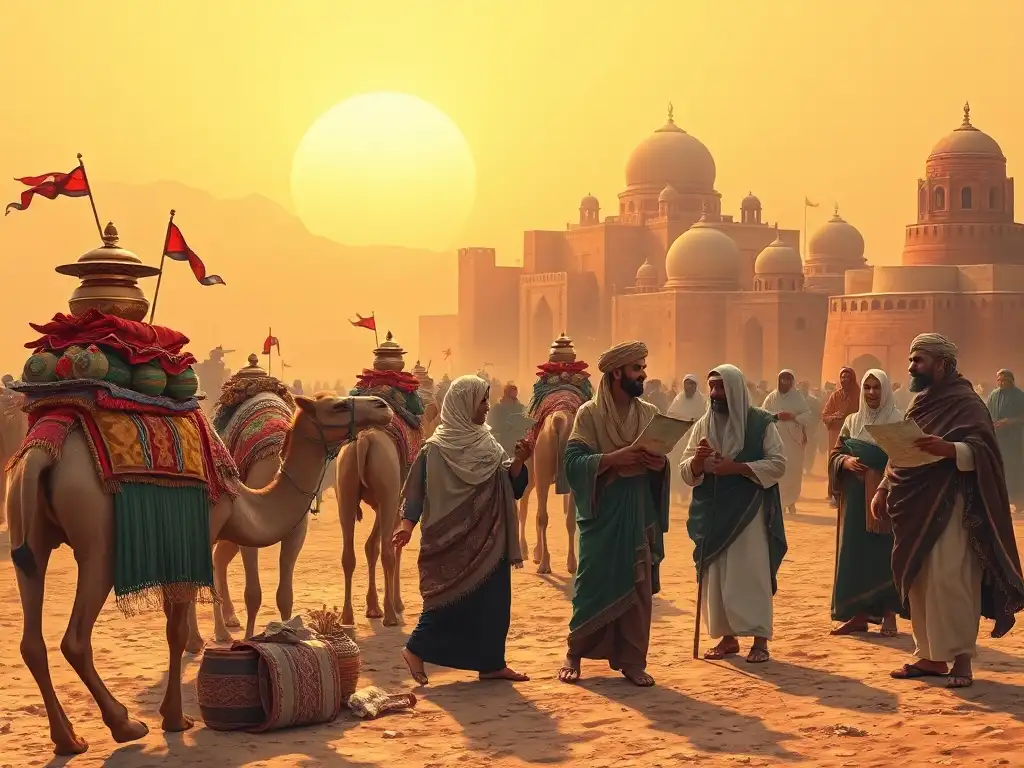
Cultural exchanges along the trade routes significantly enriched the social fabric of the Indus Valley Civilization. The interactions between diverse cultures fostered an environment ripe for the exchange of ideas, artistic expressions, and religious beliefs. This cultural dynamism was not just a byproduct of trade; it was essential for the evolution of the civilization itself.
Exchange of Ideas and Knowledge
The trade routes were conduits for the exchange of a variety of ideas and knowledge. Merchants and travelers brought new agricultural techniques, such as irrigation methods and crop rotation, which enhanced food production in the Indus Valley. The exposure to different agricultural practices allowed the Indus people to diversify their farming, leading to improved food security and population growth.
Moreover, the interaction with other civilizations facilitated the exchange of scientific knowledge, including advancements in mathematics and astronomy. The adoption of standardized weights and measures was influenced by practices from Mesopotamia, which improved trade efficiency and record-keeping. Such exchanges demonstrate how trade routes served as vital arteries for not only material goods but also intellectual and practical knowledge.
Influence of Trade on Art and Architecture
The influence of trade on art and architecture in the Indus Valley is evident in the sophisticated urban planning and the intricate designs found in their structures. The cities of Harappa and Mohenjo-Daro, known for their grid layouts and advanced drainage systems, reflect an understanding of urban design that may have been informed by interactions with other urbanized cultures.
Artistic expressions such as seal carving, pottery decoration, and sculpture also illustrate the cultural exchanges initiated by trade. The motifs and styles found in Indus Valley artifacts often exhibit similarities with those from Mesopotamia and Persia, indicating a blending of artistic traditions. The incorporation of foreign elements into local art forms not only enriched the aesthetic appeal but also served as a testament to the vibrant cultural interactions that trade facilitated.
The Indus Valley trade routes played a crucial role in driving technological innovations and fostering cultural exchanges that significantly shaped the development of one of the world’s earliest urban civilizations.
Economic Impacts of Trade Routes on the Indus Valley
The trade routes of the Indus Valley Civilization were instrumental in shaping its economic landscape, fostering not only commerce but also technological advancements. The strategic location of the Indus Valley, which connected it to neighboring regions such as Mesopotamia, Persia, and the Arabian Peninsula, facilitated the exchange of goods, ideas, and innovations. This interaction had a profound impact on the economic prosperity of the civilization, allowing it to flourish from approximately 2600 to 1900 BCE.
The influx of foreign goods and resources enhanced local production capabilities. For instance, access to raw materials like copper, ivory, and precious stones enabled artisans in the Indus Valley to develop sophisticated metallurgy and craftsmanship techniques. As a result, the region became known for its high-quality jewelry, pottery, and textiles, which were not only used locally but also traded extensively with other civilizations, further boosting the economy.
Moreover, the establishment of standardized weights and measures, evidenced by archaeological findings, indicates that trade was organized and regulated. This standardization facilitated smoother transactions and contributed to economic stability, enabling the Indus Valley Civilization to maintain its position as a significant player in ancient trade networks.
Role of Trade in Economic Prosperity
Trade played a crucial role in enhancing the economic prosperity of the Indus Valley Civilization. The extensive trade networks established by the inhabitants allowed for the exchange of surplus agricultural products, which in turn promoted agricultural innovation and productivity. The fertile lands of the Indus River basin supported the cultivation of crops like wheat, barley, and cotton, surplus from which could be traded for other essential goods.
Additionally, the exchange of agricultural products led to the emergence of a more complex economy characterized by specialization. Craftsmen and artisans developed their skills in response to market demands for specific goods, creating a diverse array of products that catered to both local and foreign markets. This specialization not only improved the quality of goods produced but also stimulated technological advancements as artisans experimented with new methods and materials to meet trade demands.
Furthermore, trade routes facilitated cultural exchanges that enriched the civilization's social fabric. As traders and merchants traveled, they brought new ideas, technologies, and practices that influenced local customs and industries. The resulting cross-cultural exchanges fostered innovation and adaptability, which were essential for the technological growth of the Indus Valley.
Trade Goods and Their Influence on Technological Growth
The variety of trade goods exchanged along the Indus Valley trade routes had a significant influence on technological growth. Notable among these were commodities such as metals, textiles, and agricultural products. The importation of metals like copper and bronze from neighboring regions led to advancements in metallurgy. Artisans began to create more sophisticated tools and weapons, which enhanced agricultural efficiency and craftsmanship.
Cotton, a primary export of the Indus Valley, was not only significant for trade but also spurred technological developments in textile production. The techniques for spinning and weaving cotton were refined, leading to the creation of high-quality fabrics that became highly sought after in foreign markets. This demand for textiles encouraged further innovations in weaving technologies and patterns.
Additionally, the exchange of luxury goods, such as gemstones and pottery, stimulated artistic expression and craftsmanship. The blending of styles and techniques from various cultures resulted in unique artistic innovations that characterized the Indus Valley Civilization. Overall, the trade goods facilitated by these routes were crucial in fostering an environment where technological growth could thrive.
Comparison of Indus Valley Trade Routes with Other Ancient Civilizations
The trade routes of the Indus Valley Civilization can be compared to those of other ancient civilizations, such as Mesopotamia and Ancient Egypt, highlighting both similarities and unique features. Understanding these connections provides insight into the broader context of ancient trade networks and their impact on technological and economic development.
Trade Routes of Mesopotamia
Mesopotamia, often referred to as the "cradle of civilization," had a well-established system of trade routes that connected it to various regions, including the Indus Valley. The Tigris and Euphrates Rivers served as vital arteries for transportation and communication, facilitating the movement of goods such as grain, textiles, and metals. Mesopotamian traders frequently engaged in commerce with the Indus Valley, exchanging their products for luxury items like precious stones and cotton textiles.
The trade routes of Mesopotamia were characterized by their complexity and organization, with city-states such as Ur and Babylon acting as major trade hubs. The use of cuneiform writing for record-keeping and transactions further enhanced the efficiency of trade. This system of exchange fostered economic growth and technological advancements, similar to the impact of trade on the Indus Valley, but with distinct cultural and technological outcomes shaped by regional influences.
Trade Routes of Ancient Egypt
Ancient Egypt's trade routes, primarily centered around the Nile River, also played a crucial role in the civilization's economic prosperity and technological development. The Nile provided a reliable means of transporting goods, including agricultural products and luxury items like gold and papyrus. Egyptian traders engaged with neighboring regions, including the Levant and Nubia, and were known for their exchanges with the Indus Valley as well.
While both the Indus Valley and Ancient Egypt benefited from trade, there were key differences in their trade practices and outcomes. Egyptian trade focused heavily on agricultural surplus and luxury goods, while the Indus Valley trade was marked by a diverse range of products, including technological innovations in metallurgy and textiles. The cultural exchanges resulting from these trade routes also varied, with the Indus Valley integrating influences from multiple regions, unlike the more centralized and cohesive cultural identity often seen in Ancient Egypt.
While the Indus Valley trade routes shared similarities with those of Mesopotamia and Ancient Egypt, including the promotion of economic growth and technological advancements, each civilization's unique geographical and cultural contexts shaped their trade practices and outcomes.
Challenges Faced by Indus Valley Trade Routes
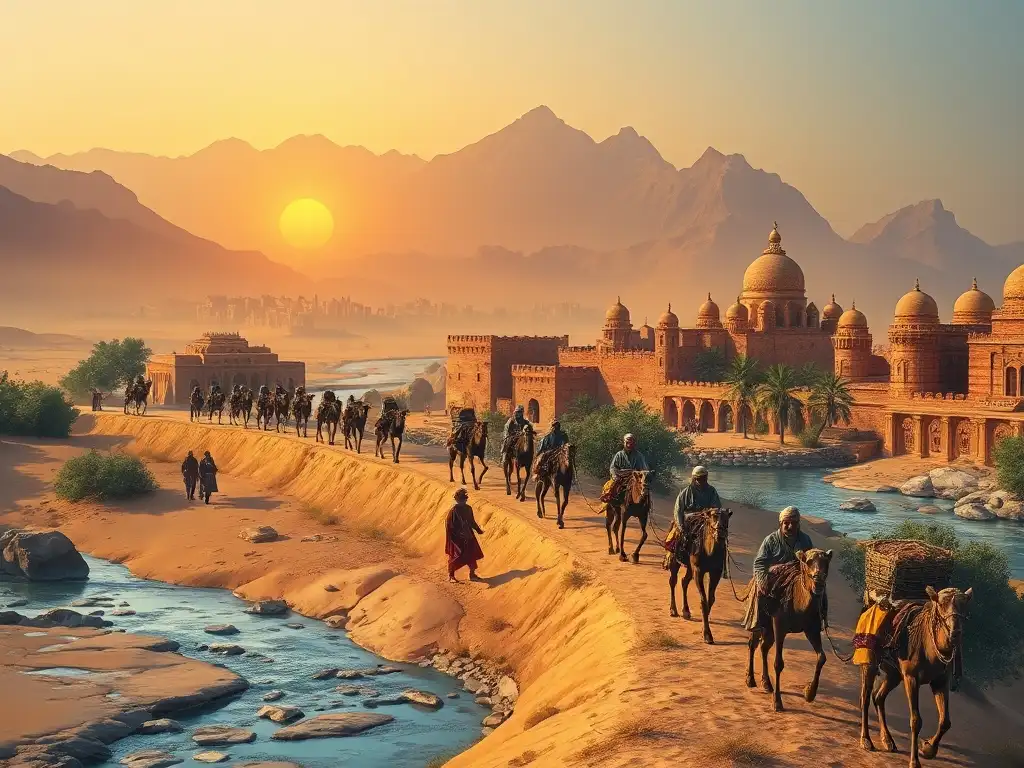
The trade routes of the Indus Valley Civilization were crucial for economic growth and technological advancement. However, these routes faced several challenges that impacted their effectiveness and the civilization's overall progress. Understanding these challenges provides insight into the resilience and adaptability of the Indus Valley society.
Natural Barriers and Geographic Challenges
The geography of the Indus Valley presented significant obstacles to trade. The region was characterized by a diverse landscape that included mountains, deserts, and rivers.
- Himalayan Range: The northern boundary of the Indus Valley was marked by the formidable Himalayan mountains, which made overland trade difficult. The harsh weather conditions and steep terrain limited accessibility and often disrupted trade routes.
- Thar Desert: To the east, the Thar Desert posed another challenge, creating a barrier for traders traveling from the northwestern regions. The arid conditions and lack of water sources made it perilous for caravans.
- Rivers: While rivers like the Indus and its tributaries facilitated trade, they also presented challenges. Seasonal flooding could hinder navigation and damage trade infrastructure, while droughts could significantly reduce the water levels, impacting transport.
These natural barriers required the Indus Valley traders to develop innovative solutions, such as establishing fortified trading posts and utilizing seasonal patterns to optimize their trading activities.
Political and Social Factors Affecting Trade
The political landscape of the Indus Valley Civilization also influenced trade dynamics. Various internal and external factors played a role:
- Internal Governance: The centralized governance of cities like Harappa and Mohenjo-Daro established a framework for trade regulation, which was essential for maintaining order and ensuring the safety of trade routes. However, shifts in political power could disrupt these systems, leading to instability.
- Relations with Neighboring Cultures: The Indus Valley engaged in trade with neighboring civilizations, such as Mesopotamia and the Persian Gulf region. Changes in political relations, such as conflicts or alliances, could affect trade flows. For instance, periods of tension could lead to trade embargoes or reduced interaction, impacting technological exchange.
- Cultural Exchange: The social dynamics within the civilization also affected trade. The interaction between different social groups, including merchants, artisans, and laborers, shaped trade practices. The rise of new social classes or shifts in economic priorities could influence which goods were traded and how trade was conducted.
These political and social factors added layers of complexity to the Indus Valley trade routes, necessitating adaptability and resilience among traders.
Conclusion: The Legacy of Indus Valley Trade Routes in Technology
The trade routes of the Indus Valley Civilization were more than mere pathways for commerce; they were vital arteries for technological growth and exchange. The legacy of these routes is evident in various aspects of subsequent civilizations.
Lasting Impact on Future Civilizations
The technological advancements and innovations stemming from Indus Valley trade routes had a profound influence on future societies. The exchange of goods, ideas, and technologies fostered:
- Cultural Diffusion: The flow of goods such as beads, metals, and textiles facilitated cultural interactions that enriched later civilizations. For instance, the techniques used in bead-making and metallurgy influenced subsequent cultures in South Asia.
- Economic Models: The trade practices developed during the Indus Valley era laid the groundwork for future economic systems in the region. The concept of standardized weights and measures, which emerged from trade requirements, became a fundamental aspect of commerce in later Indian civilizations.
Reflection on the Importance of Trade in Technological Development
Trade routes were instrumental in the Indus Valley's technological development, serving as conduits for innovation. The movement of goods and ideas allowed for:
- Technological Exchange: The introduction of new technologies, such as irrigation methods and pottery techniques, was facilitated by trade interactions. This exchange was critical in enhancing agricultural productivity and craftsmanship.
- Adaptation and Innovation: The challenges faced by the trade routes prompted the Indus Valley civilization to innovate in logistics, transportation, and trade practices. This adaptability not only supported immediate trade needs but also contributed to long-term technological advancements.
The Indus Valley trade routes played a pivotal role in shaping the civilization's technological landscape, leaving a lasting legacy that would influence the region's history for centuries to come. The interplay of geography, politics, and social dynamics demonstrates how trade is not merely a means of exchange but a catalyst for progress and innovation.
References and Further Reading on Indus Valley Trade Routes History
The trade routes of the Indus Valley Civilization (IVC) played a significant role in shaping its technological and economic landscape. To delve deeper into the intricate connections between trade and technology during this period, the following resources offer valuable insights and comprehensive analyses.
Suggested Books and Articles
-
"The Indus Valley Civilization: A Contemporary Perspective" by S.P. Gupta
This book provides an overview of the Indus Valley Civilization, emphasizing its trade networks and their impact on technological advancements. Gupta meticulously examines archaeological findings that highlight trade practices.
-
"Trade and Exchange in the Ancient World" by Peter Van Dommelen
Van Dommelen explores trade dynamics in ancient civilizations, including the IVC. The book discusses how trade routes facilitated technological exchange and influenced societal development.
-
"The Archaeology of Early Historic South Asia: The Emergence of Cities and States" by Robin Coningham and Ruth Young
This academic work offers insights into the evolution of urban centers in South Asia, with significant emphasis on trade routes and their role in the technological growth of the IVC.
-
"Indus Valley Civilization: An Encyclopedia" by R. S. Sharma
This encyclopedia provides a broad overview of the IVC, including its trade mechanisms and technological innovations. It serves as a valuable reference for understanding the civilization's economic interactions.
-
"Ancient Indian Trade and Commerce" by K. S. Shukla
Shukla’s work sheds light on the commercial practices of ancient India, with a focus on the trade routes utilized by the Indus Valley people. The book discusses how these routes supported technological advancements in various sectors.
Online Resources for Further Exploration
-
The Archaeological Survey of India
Their official website hosts a plethora of resources, including research papers and reports on various archaeological sites related to the Indus Valley Civilization. It provides valuable information on trade routes and their implications.
-
BBC History: The Indus Valley Civilization
This online article offers a concise overview of the IVC, including sections dedicated to trade and technology. It provides a general understanding of how trade influenced the prosperity of the civilization.
-
Indus Valley Civilization on Ancient History Encyclopedia
This resource provides detailed articles on various aspects of the IVC, including trade routes, technological advancements, and cultural exchanges. It is an excellent starting point for anyone interested in exploring the topic further.
-
ResearchGate
This platform features numerous research papers authored by scholars specializing in the IVC. Users can access studies focusing on trade routes and their impact on technological development within the civilization.
-
YouTube Educational Channels
Channels dedicated to history often feature documentaries and discussions on the Indus Valley Civilization, its trade routes, and technological innovations. Searching for specific topics can yield informative visual content that complements textual resources.
These references and resources collectively provide a comprehensive foundation for understanding the complex relationship between trade routes and technological growth in the Indus Valley Civilization.
- Introduction to Indus Valley Trade Routes History
- The Development of Trade Routes in the Indus Valley
- Technological Innovations Driven by Trade
- Cultural Exchanges Along the Trade Routes
- Economic Impacts of Trade Routes on the Indus Valley
- Comparison of Indus Valley Trade Routes with Other Ancient Civilizations
- Challenges Faced by Indus Valley Trade Routes
- Conclusion: The Legacy of Indus Valley Trade Routes in Technology
- References and Further Reading on Indus Valley Trade Routes History
- What were the primary trade routes of the Indus Valley?
- How did trade influence the technological growth of the Indus Valley?
- What goods were commonly traded in the Indus Valley?
- Did the Indus Valley have any significant trade partners?
- What impact did trade routes have on the cultural exchange in the Indus Valley?
Frequently Asked Questions
What were the primary trade routes of the Indus Valley?
The Indus Valley trade routes included land and maritime paths connecting with regions like Mesopotamia and the Arabian Peninsula, facilitating the exchange of goods and ideas.
How did trade influence the technological growth of the Indus Valley?
Trade led to the exchange of innovations, such as metallurgy and urban planning, which significantly contributed to the technological advancement of Indus Valley civilizations.
What goods were commonly traded in the Indus Valley?
The Indus Valley traded a variety of goods, including cotton textiles, beads, ceramics, and precious metals, which were highly sought after in international markets.
Did the Indus Valley have any significant trade partners?
Yes, the Indus Valley had prominent trade partners including Mesopotamia, where they exchanged goods and cultural practices, enhancing their economic and social development.
What impact did trade routes have on the cultural exchange in the Indus Valley?
The trade routes facilitated a significant cultural exchange, introducing new ideas, art forms, and religious practices, which enriched the diverse heritage of ancient Indian civilizations.
Final Reflection: The Enduring Legacy of Indus Valley Trade Routes
The exploration of Indus Valley trade routes history reveals a profound connection between commerce and technological advancement that resonates in today's globalized world. As we reflect on the intricate networks that once facilitated the exchange of goods and ideas, it becomes evident that these routes were not merely pathways for trade; they were the lifelines of innovation and cultural exchange. The impact of these ancient trade routes continues to shape our understanding of how societies evolve through interaction and collaboration.
The influence of the Indus Valley trade routes extends far beyond their historical context, weaving into the fabric of our modern cultural and social landscape. These routes exemplify the power of connectivity and the sharing of knowledge, which are as vital today as they were thousands of years ago. As we navigate our increasingly interconnected world, we can draw inspiration from the past. Trade is the lifeblood of civilization; it is through trade that we learn, grow, and innovate.
This quote encapsulates the essence of how trade routes have historically fostered not just economic growth but also cultural enrichment and technological progress.
As we conclude this exploration, I invite you to reflect on the lessons of the Indus Valley trade routes and their relevance in your own life. Consider how you can cultivate connections, share knowledge, and embrace collaboration in your personal and professional endeavors. Let the legacy of these ancient trade routes inspire you to forge your own pathways of innovation and understanding, reminding us that the journey of growth is best traveled together.
Unveil the Secrets of Ancient Trade!
Thank you for diving into the fascinating world of the Indus Valley and its pivotal role in technological advancement through trade routes. Your exploration not only enriches your knowledge but also highlights the interconnectedness of ancient civilizations. Now, it’s your turn to further engage with this incredible history!
Take Action Now:
- Explore a map of trade routes from the Indus Valley civilization to visualize the exchanges that shaped its innovations.
- Share your newfound insights by joining our community forum and discussing how trade influences today’s technological advancements.
- Research a specific technological innovation that emerged from trade and consider how similar patterns exist in our modern world.
What aspect of trade in the Indus Valley intrigues you the most, and how do you think it parallels our current global trade networks? Let’s spark a conversation!