
Jainism and the Arts: Exploring the Interplay of Spirituality and Creativity

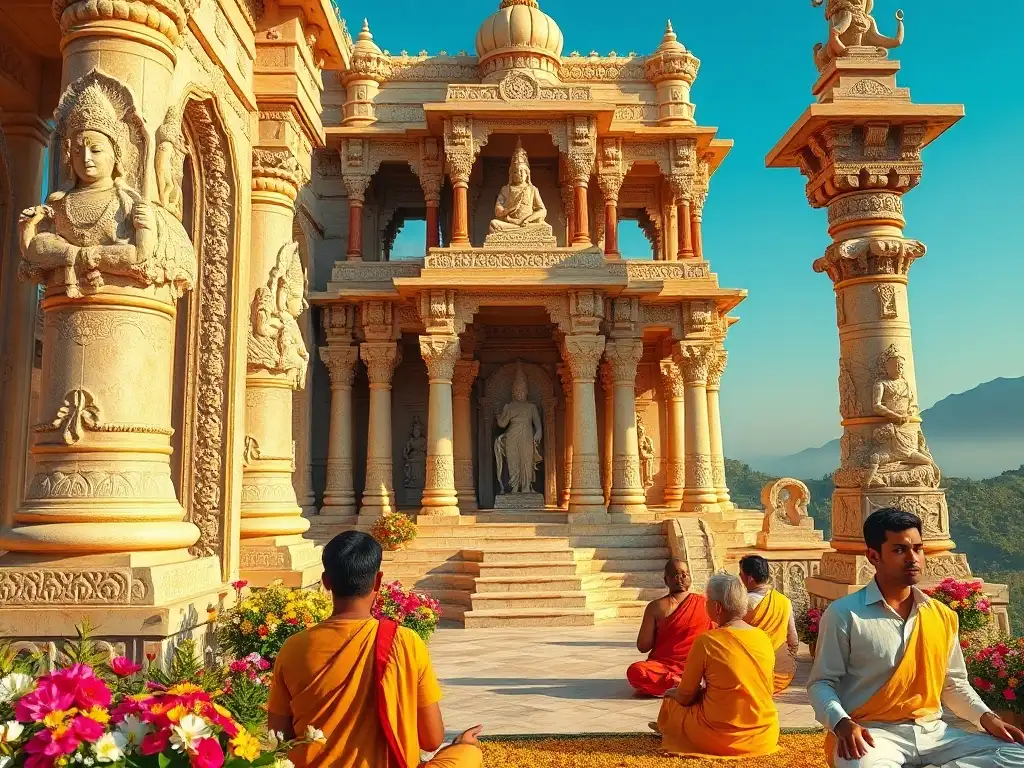
Welcome to Ancient India History, where we embark on a journey through the vibrant tapestry of India's past. Delve into the profound influence of Jainism on Indian arts, a topic that beautifully intertwines spirituality with creativity. From intricate sculptures to delicate paintings, discover how this ancient religion has shaped artistic expression across the ages. Are you ready to explore the rich heritage that continues to inspire artists today? Join us as we unravel the captivating stories behind the masterpieces and their creators, and uncover the enduring legacy of Jainism in the world of art.
-
Jainism Influence on Indian Arts: An Overview
- Understanding Jainism and Its Core Principles
- The Interplay of Jainism and the Arts
- Jainism Influence on Indian Visual Arts
- Jainism Influence on Indian Performing Arts
- Jain Manuscripts and Literature: A Testament to Artistic Expression
- Contemporary Reflections of Jainism in Modern Indian Arts
- Conclusion: The Lasting Legacy of Jainism on Indian Arts
- Frequently Asked Questions
- Final Reflection: The Enduring Influence of Jainism on Indian Arts
- Unveil Your Creativity and Spirituality!
Jainism Influence on Indian Arts: An Overview
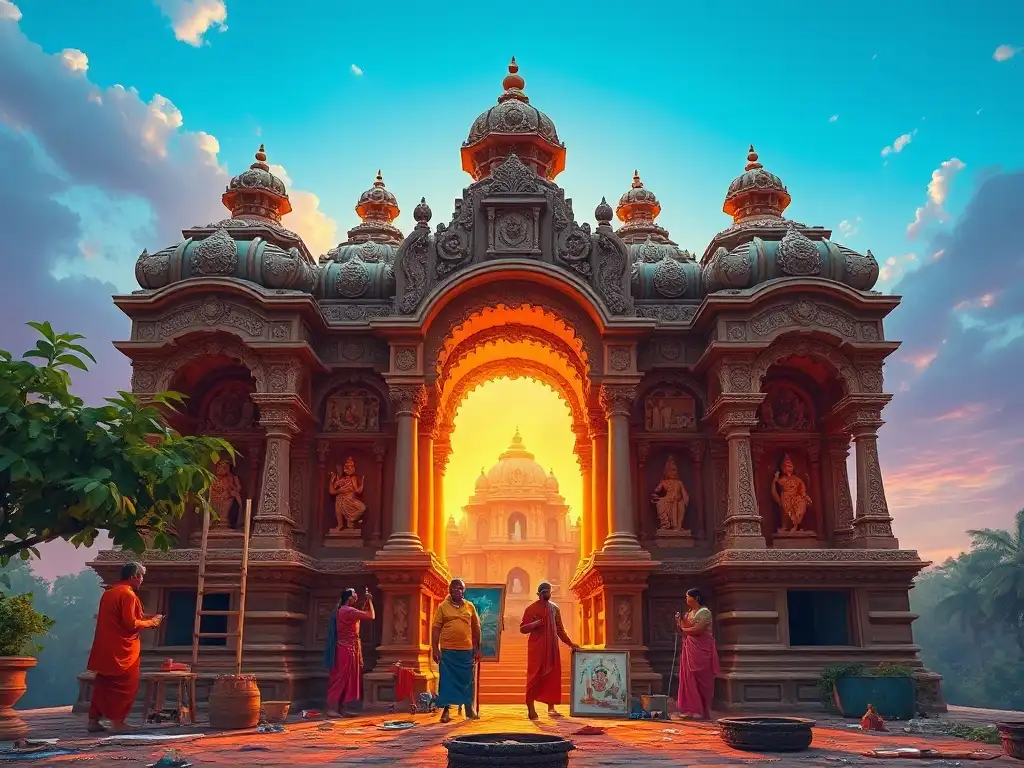
Jainism, one of the oldest religions in India, has a profound influence on various aspects of Indian culture and society, particularly in the realm of arts. Its teachings, which emphasize non-violence, truth, and asceticism, have shaped the creative expressions of countless artists throughout history.
This article delves into the intricate relationship between Jainism and the arts, exploring how spiritual beliefs and artistic creativity intertwine to produce remarkable works that reflect the ethos of Jain philosophy. By examining the core principles of Jainism and the historical context in which it flourished, we can better understand the significant impact of Jainism on Indian arts, from sculpture and painting to architecture and literature.
Understanding Jainism and Its Core Principles
The Historical Context of Jainism
Jainism traces its roots back to the ancient Indus Valley civilization, with its teachings crystallizing around the 6th century BCE through the life of Mahavira, the 24th Tirthankara. The religion emerged in a time of significant philosophical development in India, coinciding with the rise of other religious movements such as Buddhism. As Jainism developed, it established itself as a distinct tradition, emphasizing a path of spiritual liberation through the practice of non-violence (ahimsa), truth (satya), and asceticism.
Key Beliefs and Values in Jainism
At the heart of Jainism lies the belief in soul (jiva) and non-soul (ajiva). Jains uphold the principle of ahimsa, advocating for the protection of all living beings, which has influenced both their lifestyle and artistic expressions. Additionally, the concepts of karma and moksha (liberation) play crucial roles in guiding the ethical and creative endeavors of Jains. The focus on spiritual purity and self-discipline permeates their artistic creations, reflecting a deep reverence for life and the cosmos.
The Role of Spirituality in Jainism
Spirituality in Jainism is not merely an abstract concept; it is deeply embedded in daily practices, rituals, and artistic expressions. Jains believe that every action—be it physical, verbal, or mental—has spiritual consequences. This belief system fosters a culture where art is not seen as a mere aesthetic pursuit but as a medium to convey spiritual truths and promote ethical values. The creation of art becomes an act of devotion, allowing artists to express their spirituality while adhering to the principles of Jainism.
The Interplay of Jainism and the Arts
Defining the Relationship Between Jainism and Artistic Expression
The relationship between Jainism and artistic expression is multifaceted, encompassing various forms such as sculpture, architecture, painting, and literature. Jain art is characterized by its meticulous detail, vibrant colors, and intricate symbolism, often depicting Tirthankaras and celestial beings. This artistic style serves not only to embellish sacred spaces but also to inspire devotion and contemplation among practitioners and viewers alike. The art created within this context embodies the essence of Jain teachings, intertwining spirituality with aesthetic beauty.
The Spiritual Significance of Art in Jainism
Art in Jainism transcends mere decoration; it serves as a vehicle for spiritual education and reflection. Each piece of art is infused with meaning, often illustrating key Jain concepts such as non-attachment, the cycle of birth and rebirth, and the path to liberation. For example, the exquisite Jain temples are not only architectural marvels but also serve as spaces for meditation and spiritual practice. Through the lens of Jainism, art becomes a means through which individuals can engage with their spiritual journey, fostering a deeper understanding of their beliefs and values.
The interplay between Jainism and the arts is a rich tapestry that highlights the profound influence of spiritual principles on artistic creativity. As we explore this relationship further, we will uncover the unique contributions of Jainism to Indian arts and the enduring legacy of this ancient tradition in shaping India's cultural heritage.
Jainism Influence on Indian Visual Arts
Jainism has profoundly influenced Indian visual arts, with its core principles of non-violence, truth, and asceticism permeating through various artistic expressions. The Jain community has historically engaged with art as a means of spiritual expression, leading to the creation of intricate works that convey deep philosophical meanings. This influence is particularly evident in painting, sculpture, and architecture, reflecting the values and beliefs central to Jain ideology.
The meticulous nature of Jain visual arts showcases the community's reverence for life and the universe, often depicting themes of cosmology, the Tirthankaras (spiritual teachers), and the importance of karma. As a result, Jain art not only serves aesthetic purposes but also functions as a vehicle for teaching and preserving the tenets of Jain philosophy.
Jain Painting: Techniques and Themes
Jain paintings, known for their precision and vibrant colors, often exhibit a unique combination of techniques that reflect the religious and cultural narratives of the Jain faith. One prominent form is the manuscript painting, which adorned religious texts and scriptures, providing visual interpretations of Jain teachings. The use of mineral-based pigments and meticulous brushwork demonstrates the high level of craftsmanship involved.
Themes in Jain paintings frequently revolve around the life stories of the Tirthankaras, depicting key events and teachings that are central to Jain beliefs. Additionally, intricate designs representing cosmological symbols and the Jain universe are prevalent, emphasizing the interconnectedness of life and the importance of spiritual liberation. The detailed illustrations often serve as tools for meditation, helping practitioners visualize and contemplate their spiritual journey.
Jain Sculpture: Craftsmanship and Symbolism
Jain sculpture is characterized by its intricate detailing and symbolic representation, particularly of the Tirthankaras. These sculptures, often carved from stone, embody the ideals of serenity and detachment, reflecting the ascetic principles of Jainism. The craftsmanship involved is exceptional, with artisans using traditional techniques passed down through generations.
Symbolism in Jain sculpture is rich and multilayered. The presence of specific attributes associated with each Tirthankara, such as the lotus or the wheel, conveys various teachings and virtues. Moreover, sculptures often depict scenes from Jain cosmology, illustrating the cycle of birth and rebirth, thus reinforcing the importance of following the Jain path to liberation. The reverence for all forms of life is also expressed through the portrayal of divine beings alongside non-human figures, emphasizing the Jain commitment to non-violence.
Architectural Marvels: Jain Temples and Their Artistic Features
Jain temples stand out as architectural marvels that reflect the artistic prowess and spiritual dedication of the Jain community. These temples, often constructed in remote areas, are adorned with elaborate carvings, intricate façades, and detailed interiors that reflect the rich iconography of Jain culture. The use of white marble in many temples further enhances their aesthetic appeal, symbolizing purity and tranquility.
Key features of Jain temple architecture include the sanctum sanctorum (garbhagriha), where the idol of the Tirthankara resides, and the elaborate pillared halls designed for congregational worship. The artistic representations found in these temples often narrate stories from Jain scriptures and depict various deities and celestial beings, serving both religious and educational purposes. Temples like the Dilwara Temples in Mount Abu exemplify the zenith of Jain architectural art, showcasing intricate marble inlay work and elaborate sculptures that mesmerize visitors.
Jainism Influence on Indian Performing Arts
Jainism has also made significant contributions to Indian performing arts, influencing various forms of dance and music. The teachings of Jain philosophy have inspired artists to create performances that reflect the spiritual essence of the religion, integrating elements of devotion and storytelling.
Dance Forms Inspired by Jain Philosophy
The influence of Jainism on dance forms is particularly evident in classical Indian dance styles such as Kathak and Bharatanatyam. These dance forms often incorporate themes from Jain scriptures, portraying the lives of the Tirthankaras and the moral lessons from Jain teachings.
Choreography in these performances typically includes intricate footwork and expressive gestures that convey the philosophy of non-attachment and spiritual elevation. The use of dance as a medium to narrate Jain stories not only entertains but also serves as a form of worship, allowing performers and audiences alike to connect with the divine.
Music and Chanting in Jain Rituals
Music and chanting hold a vital place in Jain rituals, serving both devotional and educational purposes. Jain hymns (bhajans) and chants are composed to honor the Tirthankaras, often recited during religious ceremonies and festivals. These musical compositions are characterized by their melodious nature and rhythmic patterns, designed to evoke a sense of spirituality and devotion among participants.
In addition to devotional music, the use of traditional instruments during rituals enhances the overall experience, creating an atmosphere conducive to reflection and meditation. The integration of music in Jain practices not only reinforces the teachings of the faith but also fosters a sense of community among practitioners, making it a vital aspect of Jain cultural expression.
Jain Manuscripts and Literature: A Testament to Artistic Expression
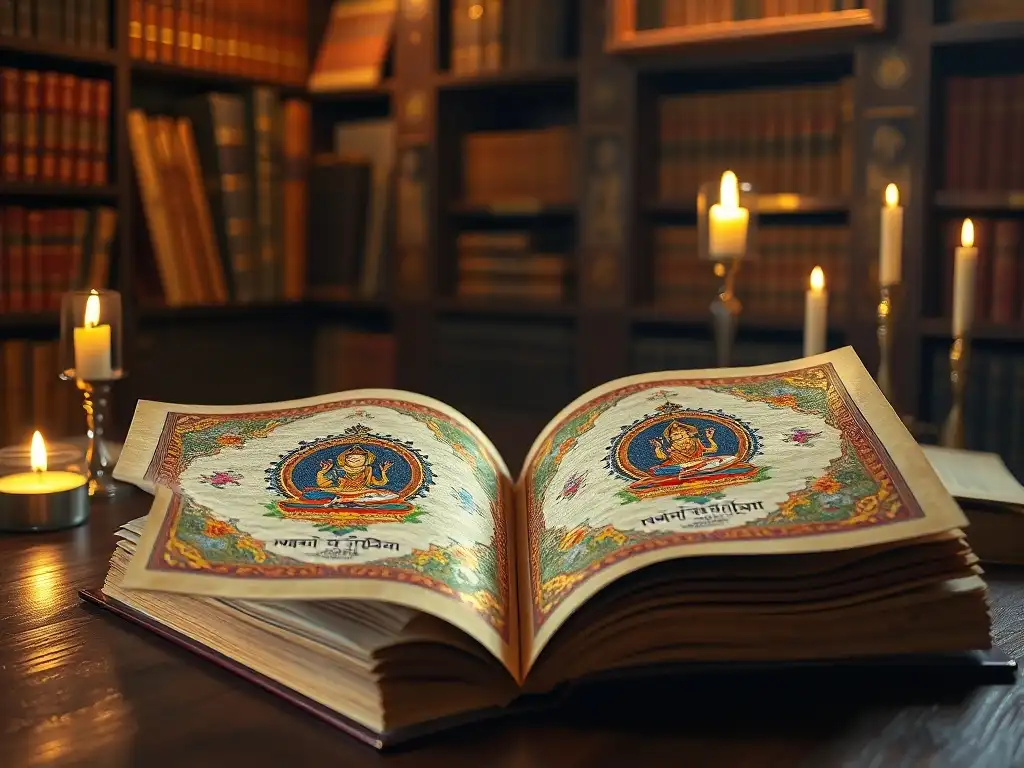
Jain manuscripts and literature represent a rich tapestry of artistic expression intertwined with spiritual teachings. Dating back to the early centuries CE, these texts not only encapsulate the core principles of Jainism but also exhibit a high degree of artistic craftsmanship. The manuscripts are often adorned with intricate illustrations and calligraphic styles, serving as a visual representation of the deep philosophical concepts that Jainism espouses.
The historical significance of these manuscripts extends beyond mere religious texts; they are crucial artifacts that reflect the cultural and artistic milieu of their time. With meticulous attention to detail and the use of vibrant colors, Jain manuscripts stand as a testament to the artistic prowess of ancient Indian artisans.
The Importance of Jain Literature
Jain literature holds a unique position within the broader spectrum of ancient Indian writings. It encompasses a variety of genres, including philosophical treatises, ethical discourses, and spiritual narratives. The core texts, such as the Tattvartha Sutra and the Samayasara, not only outline Jain doctrine but also serve as pivotal works in the study of Indian philosophy.
The importance of Jain literature lies in its role as a vehicle for transmitting Jain values, ethics, and cosmology. The narratives often convey moral lessons that emphasize non-violence, truth, and asceticism, reflecting the fundamental tenets of Jain belief. Moreover, the preservation of these texts over centuries underscores their significance in maintaining the identity and continuity of the Jain community.
Illustrations and Calligraphy in Jain Manuscripts
The illustrations and calligraphy found in Jain manuscripts are remarkable for their artistic sophistication and spiritual depth. Each manuscript is typically hand-painted and features elaborate illustrations that depict various Jinas (spiritual victors) and scenes from Jain cosmology. These visual elements are meticulously crafted, showcasing the skill and devotion of the artisans.
Calligraphy in Jain manuscripts is equally important; it reflects not only the beauty of the script but also the reverence for the text itself. The use of elongated letters, decorative flourishes, and vibrant inks adds to the aesthetic appeal of the manuscripts. Such artistic elements serve both a functional and decorative purpose, enhancing the reader's experience while engaging with the sacred texts.
Contemporary Reflections of Jainism in Modern Indian Arts
In contemporary India, the influence of Jainism continues to permeate various forms of art, from painting and sculpture to performance arts and architecture. Modern artists draw inspiration from Jain themes and motifs, infusing traditional practices with contemporary interpretations. This blend of old and new enriches India's artistic landscape, allowing for a dynamic expression of cultural identity.
How Jainism Continues to Influence Today's Artists
Today's artists are increasingly exploring Jain themes, creating works that resonate with both historical significance and modern sensibilities. The principles of non-violence, harmony, and respect for all living beings, central to Jain philosophy, are often reflected in their artistic expressions. For instance, many contemporary painters and sculptors incorporate Jain iconography and narratives into their works, reflecting the enduring relevance of Jainism in addressing contemporary issues.
Moreover, the revival of traditional art forms, such as Mithila and Warli, often includes elements from Jain art, showcasing a conscious effort to preserve and innovate upon ancient techniques. Artists are also using modern mediums, such as digital art and installations, to reinterpret Jain stories and philosophies, making them accessible to newer generations.
The Preservation of Jain Art in Modern Contexts
Preserving Jain art in modern contexts involves both conservation efforts and educational initiatives. Various organizations and museums are dedicated to safeguarding Jain manuscripts and artworks, ensuring their availability for future generations. These institutions often host exhibitions, workshops, and seminars that highlight the significance of Jain art and its historical context.
In addition, community efforts to encourage the practice of traditional Jain arts, such as pattachitra painting and stone carving, play a crucial role in the preservation of these art forms. By engaging younger artists and artisans in these traditions, the rich heritage of Jain art is kept alive, allowing it to thrive alongside contemporary artistic movements. Through these efforts, the influence of Jainism on Indian arts remains vibrant and continues to inspire creativity across generations.
Conclusion: The Lasting Legacy of Jainism on Indian Arts
The influence of Jainism on Indian arts is profound and lasting, weaving a rich tapestry that showcases the intricate relationship between spirituality and creativity. From ancient sculptures to contemporary paintings, the principles of Jainism have left an indelible mark on various artistic forms. This legacy is not only historical but continues to inspire and inform the arts in modern India, reflecting the enduring values of non-violence, truth, and compassion that are central to Jain philosophy.
Summarizing the Spiritual and Creative Interconnections
At the heart of Jainism lies a commitment to the spiritual journey of the soul, which has directly influenced artistic expression. Jain art is characterized by its meticulous detail and symbolic representation, embodying the core tenets of the religion. This includes:
- Non-Violence (Ahimsa): Jain artists often depict serene and peaceful themes, reflecting the importance of compassion towards all living beings. This principle is evident in the portrayal of divine figures, which often exude tranquility and grace.
- Truth (Satya): The artistic representations in Jainism are imbued with an adherence to truthfulness, not just in the subject matter but also in the materials and techniques used. The intricate carvings and paintings often tell stories that align with Jain teachings, promoting moral and ethical values.
- Aesthetic Simplicity: Jain art often embraces simplicity and minimalism, focusing on spiritual depth over elaborate ornamentation. This approach allows the viewer to engage more deeply with the spiritual message conveyed through the art.
These interconnections between spirituality and creativity have given rise to a unique artistic language that captures the essence of Jain beliefs. The art produced serves not only as a means of aesthetic enjoyment but also as a medium for spiritual reflection and education.
The Ongoing Relevance of Jain Artistic Traditions in Contemporary Culture
Jain artistic traditions continue to thrive and evolve in contemporary culture, demonstrating their relevance and adaptability in a rapidly changing world. Today, artists and artisans are drawing inspiration from ancient Jain motifs and themes while exploring modern interpretations. This resurgence can be seen in various forms:
- Contemporary Art: Many modern artists incorporate Jain themes into their work, creating pieces that resonate with both traditional values and contemporary issues. This fusion often critiques societal norms while honoring Jain principles, thus keeping the spiritual essence alive.
- Crafts and Handicrafts: Traditional Jain crafts such as marble inlay work, textiles, and metalwork are experiencing a revival, with artisans combining traditional techniques with modern aesthetics. These crafts not only preserve the cultural heritage but also provide economic opportunities for communities.
- Educational Initiatives: Institutions and art galleries are increasingly showcasing Jain art, providing platforms for dialogue about its significance and influence. Workshops and exhibitions help educate the public about the spiritual dimensions of Jain artistic expressions, fostering appreciation among diverse audiences.
The interplay between Jainism and the arts is a testament to the enduring legacy of this ancient religion. As contemporary artists continue to explore and reinterpret Jain themes, they not only keep the tradition alive but also ensure its relevance in today's diverse cultural landscape. The ongoing dialogue between spirituality and creativity in Jain art will undoubtedly inspire future generations to appreciate and contribute to this rich heritage.
Frequently Asked Questions
What is Jainism and its core beliefs?
Jainism is an ancient Indian religion emphasizing non-violence, truth, and asceticism. Its followers seek spiritual purity through rigorous ethical principles and the practice of ahimsa (non-harming).
How has Jainism influenced Indian arts?
Jainism has profoundly impacted Indian arts, particularly in sculpture and painting, where its themes of non-violence, spirituality, and divine beings are vividly expressed, enhancing the aesthetic and philosophical depth of artworks.
What are some examples of Jain art?
Jain art includes exquisite temples, manuscripts, and miniature paintings. Notable examples are the Dilwara Temples in Rajasthan and the intricate illustrations in Jain texts that depict tirthankaras (spiritual teachers).
How did Jainism shape Indian architecture?
Jain architecture is characterized by intricate carvings, symmetry, and elegance, reflecting its spiritual values. Temples often feature elaborate sculptures that convey moral teachings and devotional art.
In what ways can we see the legacy of Jainism in modern Indian arts?
The legacy of Jainism continues in modern Indian arts through themes of non-violence and eco-consciousness. Contemporary artists often draw inspiration from Jain principles, showcasing their relevance in today’s creative expressions.
Final Reflection: The Enduring Influence of Jainism on Indian Arts
The interplay between spirituality and creativity in Jainism continues to resonate profoundly in today's artistic landscape. As we explore the intricate relationship between Jainism and the arts, it becomes evident that this ancient tradition not only shapes artistic expression but also fosters a deeper understanding of the values that underpin our cultural heritage. The Jain influence on Indian arts is a testament to how spirituality can inspire creativity, leading to works that transcend mere aesthetics and invite contemplation of the divine.
Cultural expressions influenced by Jainism have left an indelible mark on the social fabric of India, enriching our collective identity. The meticulous craftsmanship of Jain art, from intricate sculptures to vibrant manuscripts, reflects a commitment to non-violence and reverence for all living beings. This artistic legacy encourages us to appreciate the beauty in simplicity and the profound connection between art and ethics. As Mahatma Gandhi once said, “The best way to find yourself is to lose yourself in the service of others,” highlighting how the values embedded in Jainism can guide our creative endeavors toward a higher purpose.
As we reflect on the teachings of Jainism and their impact on the arts, I invite you to consider how these principles can inform your own creative journey. Embrace the idea that art is not just a form of expression but a pathway to understanding and embodying deeper values. Let the spirit of Jainism inspire you to create with intention, fostering a connection between your creativity and the world around you. In doing so, you not only honor the rich legacy of Jain art but also contribute to a more compassionate and thoughtful society.
Unveil Your Creativity and Spirituality!
Thank you for diving into the fascinating world of Jainism and its profound connection with the arts! By exploring this interplay, you’ve gained insights into how spirituality can inspire creativity and enrich our lives. Now, it's time to take that inspiration and transform it into action!
Here are some engaging ways to continue your journey:
- Explore Jain Art: Visit a local museum or an online gallery that showcases Jain art to deepen your understanding of its cultural significance.
- Create Your Own Art: Try your hand at crafting a piece inspired by Jain themes or symbols. Whether through painting, writing, or another medium, let your creativity flow!
- Share Your Insights: Join a community or forum to discuss your reflections on how spirituality influences creativity.
What new insights or inspirations will you discover as you merge your creativity with the essence of spirituality? We invite you to share your thoughts with us below!