
The Social Hierarchy Reflected in Indus Valley Architecture

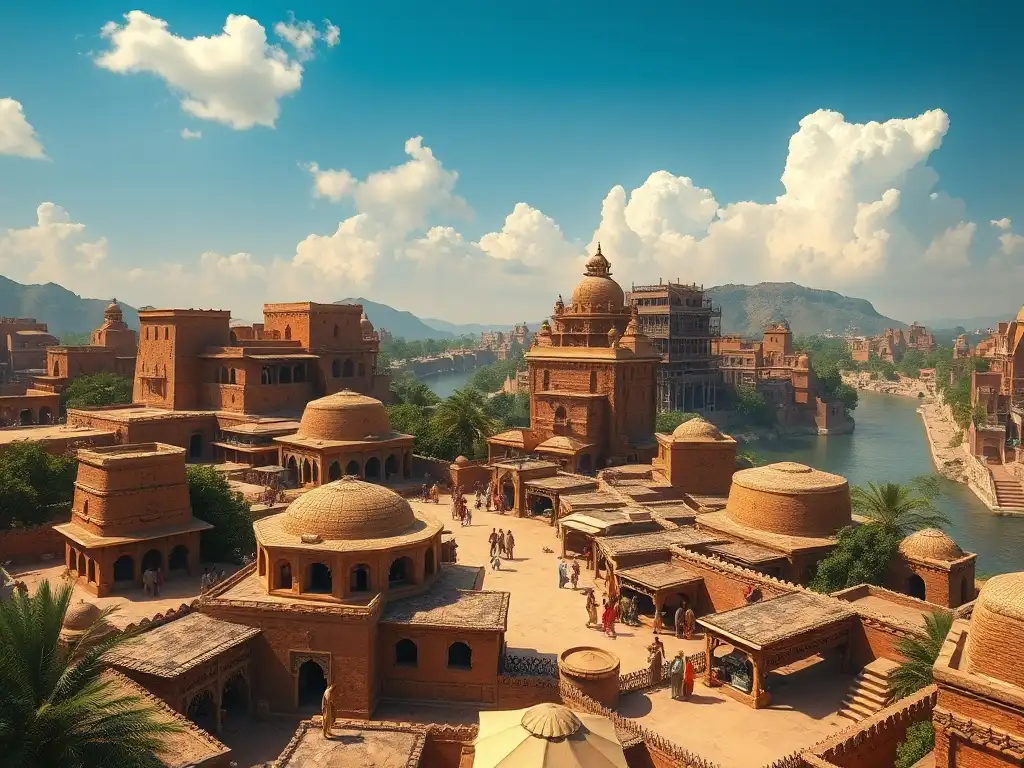
Welcome to Ancient India History, where we delve into the rich tapestry of India's past! In our featured article, "The Social Hierarchy Reflected in Indus Valley Architecture," we uncover the fascinating interplay between architectural marvels and the intricate social structures of one of the world's earliest civilizations. What secrets do the ruins of the Indus Valley hold about their society?
Join us on this journey through time, and discover how the grandeur of ancient architecture not only tells stories of aesthetic brilliance but also reveals the very essence of social order. Explore further to unlock the mysteries of ancient Indian civilizations!
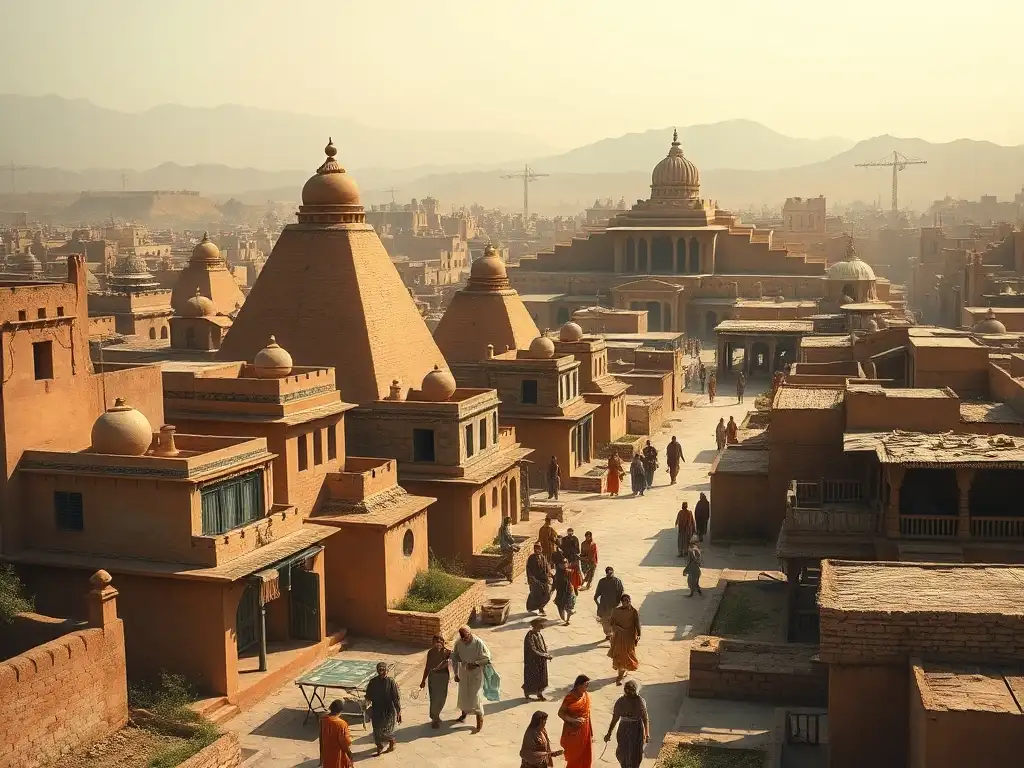
The Indus Valley Civilization, one of the world's earliest urban cultures, flourished between approximately 3300 and 1300 BCE in what is now Pakistan and northwest India. This remarkable civilization is renowned not only for its advanced urban planning and engineering but also for the intricate social hierarchy that underscored its societal structure. Indus Valley architecture serves as a tangible testament to the complex social stratifications of this ancient society, highlighting how physical spaces were designed to reflect and reinforce social order.
Understanding how architecture embodies social hierarchy in the Indus Valley provides insights into the cultural and political dynamics of the time. The layout of cities such as Harappa and Mohenjo-Daro, alongside the variety of residential and public buildings, reveals much about the lives of their inhabitants and the distinctions that governed their interactions. This article will delve into the features of Indus Valley architecture that signify social status, the implications of urban planning on social hierarchy, and the overall significance of these structures in understanding ancient Indian civilization.
Overview of the Indus Valley Civilization
The Indus Valley Civilization (IVC) was characterized by its sophisticated urban centers, extensive trade networks, and a unique system of writing that remains undeciphered. Covering major cities like Harappa and Mohenjo-Daro, the IVC showcased an unparalleled level of organizational skill, as evidenced by its standardized weights and measures, advanced drainage systems, and grid-patterned streets. The civilization's decline around 1900 BCE remains a subject of scholarly debate, with theories ranging from climate change to invasions.
Significance of Architecture in Reflecting Social Structure
Architecture serves as a mirror to the societal values and hierarchies of a civilization. In the context of the Indus Valley, buildings were not merely functional; they were expressions of social order. The strategic placement of public buildings, the design of residential areas, and the use of materials all contribute to our understanding of how power, status, and community were structured. For example, large, well-built structures likely served as administrative or religious centers, suggesting a stratified society where authority was both recognized and institutionalized.
Main Thesis: How Indus Valley Architecture Illustrates Social Hierarchy
This article posits that Indus Valley architecture is a crucial lens through which we can analyze the social hierarchy of the civilization. By examining the distinctive features of urban planning, residential structures, and public buildings, we can gain insights into the roles and statuses of different social classes. The architectural choices made by the inhabitants reveal a complex interplay between power, social organization, and cultural identity that defined the Indus Valley Civilization.
Characteristics of Indus Valley Architecture
The architecture of the Indus Valley is distinguished by its remarkable urban planning, use of baked bricks, and sophisticated drainage systems. These characteristics not only reflect the technological prowess of the civilization but also offer clues about its social stratification.
Urban Planning and Its Implications for Social Hierarchy
The meticulous urban planning of cities like Harappa and Mohenjo-Daro showcases a highly organized approach to city life. Streets were laid out in a grid pattern, with residential and public spaces carefully delineated. This arrangement suggests a well-regulated society, where different classes of individuals had designated areas within the urban landscape. The presence of larger, more elaborate buildings in certain districts indicates that those areas were reserved for the elite, further emphasizing the social hierarchies at play.
Residential Structures: Indicators of Social Status
Residential architecture in the Indus Valley varied significantly, with larger homes often indicating higher social status. The size and complexity of a dwelling can reveal much about the wealth and influence of its occupants. For instance, houses belonging to wealthier families featured multiple rooms, courtyards, and advanced amenities such as bathrooms, while simpler dwellings were more modest. This division in residential architecture underscores the clear social stratification that existed within the civilization.
Public Buildings and Their Role in Society
Public buildings in the Indus Valley, such as granaries and assembly halls, played a crucial role in the community and served to reinforce social hierarchy. These structures were typically larger and more centrally located than residential buildings, highlighting their importance in the daily lives of the inhabitants. They served not only as centers for administration and trade but also as spaces for communal gatherings, further illustrating the interconnectedness of social roles within the Indus Valley Civilization.
Materials and Construction Techniques
The architecture of the Indus Valley Civilization (IVC) provides a fascinating glimpse into the social hierarchy of one of the world's earliest urban societies. The materials and construction techniques employed in their architectural designs not only reflect the technological capabilities of the period but also serve as indicators of social stratification within the society. The choice of materials, along with the methods of construction, played a vital role in shaping the urban landscape and the social dynamics of the IVC.
Common Materials Used in Indus Valley Architecture
The primary materials used in the construction of Indus Valley architecture were brick, mud, and stone. The standardized baked brick, often measuring 7.5 x 3.75 x 2.5 inches, was a hallmark of IVC construction, allowing for durability and uniformity in building. These bricks were made from river clay and baked in kilns, showcasing advanced pottery techniques.
In addition to bricks, mud and mud mortar were prevalent, especially in the construction of walls and smaller structures. Mud construction was more common in rural areas, reflecting a different socio-economic status compared to the urban centers where baked bricks dominated. Wood and stone were also employed, though less frequently, primarily for specific structural elements or decorative purposes.
Construction Techniques and Their Societal Implications
Indus Valley architects employed various construction techniques that reveal much about their societal structure. The use of grid planning in cities like Mohenjo-Daro and Harappa indicates a high level of organization and the existence of centralized authority. This urban planning reflects the skills of a specialized workforce, implying a division of labor that correlates with social stratification.
Notably, the technique of drainage and sanitation found in the streets and homes of the IVC demonstrates an advanced understanding of engineering and public health. The presence of sophisticated drainage systems suggests that certain classes, likely the ruling and merchant classes, had the resources to invest in urban infrastructure, further emphasizing social inequalities.
The Role of Craftsmanship in Social Stratification
Craftsmanship in the Indus Valley was not merely about the creation of functional objects but was deeply intertwined with social status. Skilled artisans produced finely crafted items, such as beads, pottery, and terracotta figurines, which were often used in trade. The existence of specialized craftsmen indicates a hierarchy where artisans could attain a certain level of prestige based on their skills.
Moreover, the quality and intricacy of architectural details, such as decorative motifs and the layout of structures, often varied significantly between different buildings. Public structures like granaries and baths showcased superior craftsmanship and were often situated in prominent areas, reflecting their importance in society. In contrast, simpler residential buildings indicated the lower social status of their inhabitants, illustrating how craftsmanship not only served aesthetic purposes but also reinforced social distinctions.
Case Studies of Notable Structures
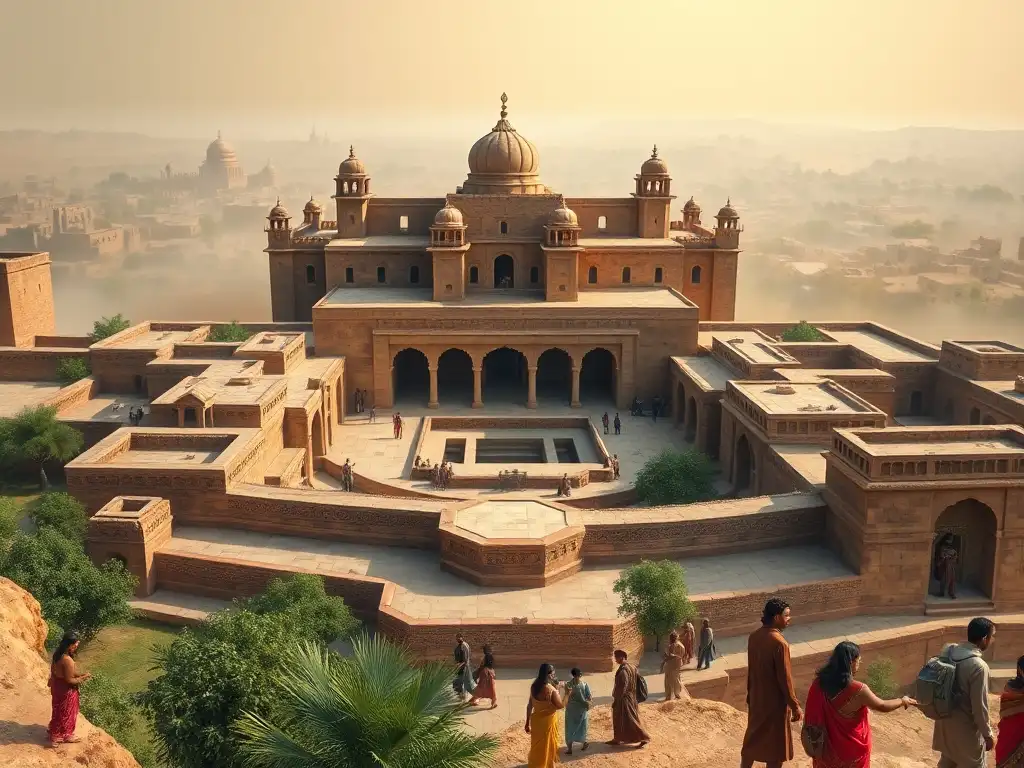
The architectural landscape of the Indus Valley is punctuated by several notable structures, each reflecting aspects of social hierarchy and urban organization. These structures serve as case studies that illustrate how architecture can embody social dynamics.
The Great Bath: A Symbol of Social Cohesion
One of the most iconic structures of the Indus Valley Civilization is the Great Bath located in Mohenjo-Daro. This large, public bathing facility suggests a communal aspect of life and possibly holds religious significance. Its sophisticated design, featuring a waterproof layer made from bitumen, highlights advanced engineering capabilities.
The Great Bath also reflects social cohesion, as it likely served as a gathering place for rituals and communal activities. Its prominence in urban planning indicates that it was accessible to a broad demographic, suggesting that the values of cleanliness and ritual bathing were important to various social classes within the IVC.
The Citadel: Power and Control in Urban Design
The Citadel is another significant architectural feature of the Indus Valley, serving as a symbol of power and authority. Elevated above the surrounding city, the Citadel housed important public buildings and possibly the residences of the elite. Its strategic location suggests a defensive purpose, indicating the ruling class's desire to maintain control over the urban populace.
The architecture of the Citadel, characterized by larger, more complex structures, reflects the resources and labor allocated to the elite. This clear distinction between the Citadel and the lower parts of the city exemplifies the hierarchical nature of Indus Valley society, where the ruling class exerted significant influence over urban development.
Residential Areas: Differentiation in Living Standards
The residential areas of the Indus Valley Civilization provide critical insights into social stratification. Archaeological evidence indicates that there was a marked difference in the size and quality of homes between various neighborhoods. Wealthier residents likely occupied larger, multi-room houses equipped with private bathrooms and drainage systems, signifying higher living standards.
In contrast, smaller homes with fewer amenities were typical of lower socio-economic classes. This differentiation in living conditions illustrates the socio-economic divide within the IVC, where access to resources and public services was unevenly distributed among the population. The layout and design of residential areas thus reflect the broader social hierarchy, demonstrating how architecture can encapsulate the complexities of ancient societal structures.
Comparison of Indus Valley Architecture with Contemporary Civilizations
The architectural accomplishments of the Indus Valley Civilization (IVC) are remarkable when juxtaposed with those of contemporary civilizations such as Mesopotamia and Ancient Egypt. While these societies shared certain architectural principles, the IVC's unique urban planning and construction techniques reveal a distinct social hierarchy and cultural sophistication. The advanced drainage systems, standardized fired bricks, and meticulous grid layouts of cities like Harappa and Mohenjo-Daro highlight the civilization's commitment to civic order and public health, differentiating it from the more monumental, religiously driven architecture of its contemporaries.
Architectural Features of Indus Valley vs. Mesopotamia
When comparing architectural features, the IVC displayed a focus on urban planning that was notably systematic. Cities were constructed with an organized grid system, featuring wide streets and a sophisticated drainage system that is still admired today. In contrast, Mesopotamian architecture emphasized monumental structures, such as ziggurats, that served religious purposes and showcased the power of the ruling classes.
| Feature | Indus Valley Architecture | Mesopotamian Architecture |
|---|---|---|
| Urban Planning | Grid layout with drainage systems | Irregular layouts with ziggurats |
| Building Material | Fired bricks, mud, and stone | Mud bricks and stone |
| Public Facilities | Granaries, baths, and wells | Temples and palaces |
| Social Function | Civic and communal | Religious and political |
The emphasis on civic amenities in the IVC reflects an egalitarian social structure, whereas Mesopotamian architecture often reinforced the hierarchy of priests and kings through grandiose religious edifices.
Social Hierarchies in Architecture: Indus Valley vs. Ancient Egypt
The social hierarchy in architecture can also be examined through the lens of Ancient Egypt, where monumental structures such as the pyramids and temples served to demonstrate the divine authority of pharaohs and the power of the priestly class. In contrast, the Indus Valley's architecture, while sophisticated, does not display the same level of monumentalism. Instead, it emphasizes the importance of communal spaces and public welfare, suggesting a society that valued collective well-being over individual power.
The lack of grand temples or palatial structures in the Indus Valley indicates a distinct approach to social organization, one that may have been more decentralized compared to the hierarchical structure of Ancient Egypt. This can be inferred from the uniformity of housing and public facilities found across IVC cities, which suggests a more egalitarian society, where social status was possibly less pronounced than in Egypt.
Lessons from Indus Valley Architecture for Modern Societies
Indus Valley architecture provides valuable lessons for modern societies, particularly regarding sustainable urban planning and community-focused design. The effective drainage systems and strategic layout of IVC cities can inspire contemporary urban planning to prioritize public health and environmental sustainability. Furthermore, the emphasis on communal spaces encourages modern architects and city planners to consider the social implications of design, fostering inclusive environments where community interaction can thrive.
By studying the architectural ethos of the Indus Valley, modern societies can glean insights into the importance of integrating functionality with social consciousness, ultimately leading to healthier and more cohesive urban environments.
The architectural legacy of the Indus Valley Civilization offers profound insights into the social hierarchy of its time. The sophistication of urban planning and public amenities reflects a society that prioritized civic responsibility and communal living over rigid social stratification. This legacy not only enriches our understanding of ancient Indian civilization but also serves as a reminder of the potential for architecture to reflect and shape social values.
Reflection on the Importance of Architecture in Understanding Social Hierarchy
Architecture plays a pivotal role in understanding social hierarchies within any civilization. The structures and urban layouts provide tangible evidence of societal values, power dynamics, and social organization. In the case of the Indus Valley, the lack of monumental architecture in favor of communal facilities indicates a more egalitarian society, suggesting that architecture is a mirror reflecting the underlying social fabric of its creators.
Future Research Directions in Indus Valley Architecture Studies
Future research in Indus Valley architecture should focus on interdisciplinary approaches that combine archaeology, anthropology, and urban studies to delve deeper into the social implications of architectural designs. Further excavation and study of lesser-known sites could yield new insights into regional variations and the evolution of urban planning practices. Additionally, exploring the connections between Indus Valley architecture and contemporary urban challenges will help bridge the past with present-day societal needs.
Final Thoughts on the Intersection of Architecture and Society in Ancient India
The intersection of architecture and society in ancient India, particularly within the Indus Valley, underscores the significance of built environments in shaping social structures. By examining the architectural elements and urban planning of this civilization, we gain valuable insights into the collective identity and values of its people. As we continue to explore the rich tapestry of ancient Indian history, the lessons learned from the Indus Valley architecture will resonate, reminding us of the enduring impact of design on social organization and community life.
- Introduction to Indus Valley Architecture and Social Hierarchy
- Characteristics of Indus Valley Architecture
- Materials and Construction Techniques
- Case Studies of Notable Structures
- Comparison of Indus Valley Architecture with Contemporary Civilizations
- Conclusion: The Legacy of Indus Valley Architecture and Its Social Implications
- What is the significance of Indus Valley architecture in understanding social hierarchy?
- How did the design of urban centers in the Indus Valley reflect social stratification?
- What materials were primarily used in Indus Valley architecture, and how do they relate to social status?
- How did the presence of public baths and drainage systems in cities indicate social organization?
- In what ways did Indus Valley architecture influence later Indian civilizations?
Frequently Asked Questions
Indus Valley architecture provides insight into social structures by showcasing the layout of cities, public buildings, and residential areas, indicating a well-organized society.
The design of urban centers featured distinct areas for different classes, with larger homes and public spaces suggesting the presence of a wealthier elite, contrasting with simpler dwellings for lower classes.
Brick and stone were the primary materials used, with the quality and size of buildings often reflecting the wealth and status of their inhabitants, emphasizing social hierarchies.
The existence of public baths and advanced drainage systems illustrates a high level of urban planning and suggests a collective effort by the society, hinting at a shared social responsibility.
In what ways did Indus Valley architecture influence later Indian civilizations?
The architectural innovations and urban planning techniques of the Indus Valley laid the groundwork for subsequent Indian civilizations, influencing their social structures and urban layouts for centuries to come.
The intricate relationship between architecture and social hierarchy in the Indus Valley civilization remains profoundly relevant today. As we explore the remnants of this ancient society, we uncover not just the physical structures but also the social dynamics that shaped their world. The architectural choices made by the Indus Valley people serve as a mirror reflecting their values, priorities, and social stratification. This connection between built environments and social order invites us to consider how our own architectural landscapes convey similar narratives.
The study of Indus Valley architecture offers a unique lens through which we can examine the ongoing influence of social structures in contemporary society. The spatial organization of cities, the prominence of public buildings, and the layout of residential areas all speak volumes about the social hierarchies that existed then—and continue to exist now. Architecture is the will of an epoch translated into space.
This quote encapsulates the idea that our built environments are not merely functional; they are a testament to the values and hierarchies that define our cultures. Recognizing this connection allows us to appreciate how architecture shapes, and is shaped by, the social fabric of our communities.
As we reflect on the lessons learned from the Indus Valley civilization, let us challenge ourselves to consider how our own environments reflect our values and social structures. What stories do our buildings tell? I invite you to engage with your surroundings—observe the spaces you inhabit and contemplate the social hierarchies they may represent.
By fostering awareness of these connections, we can strive to create more inclusive and equitable spaces that reflect the diverse narratives of our society. The legacy of the Indus Valley architecture is not just a relic of the past; it is a call to action for the future.
Unveil the Secrets of Indus Valley Architecture!
Thank you for diving into the fascinating world of Indus Valley architecture! You've explored how this ancient civilization's structures reflect its intricate social hierarchy. Now, it’s time to take that knowledge further and connect with the legacy of this remarkable era.
Here are some powerful actions you can take right now:
- Discover more: Visit local museums or online exhibits that showcase artifacts and replicas from the Indus Valley civilization. Immerse yourself in the craftsmanship!
- Join the conversation: Share your thoughts about the social dynamics of ancient cultures in our comments section. What architectural features intrigue you the most?
- Explore further: Research a related civilization, such as Mesopotamia or Ancient Egypt, and compare their architectural styles and societal structures.
What aspect of Indus Valley architecture surprised you the most, and how do you think it reflects the values of the society that created it?