
Ashoka the Great: The Transformative Journey from Warrior to Peaceful Ruler

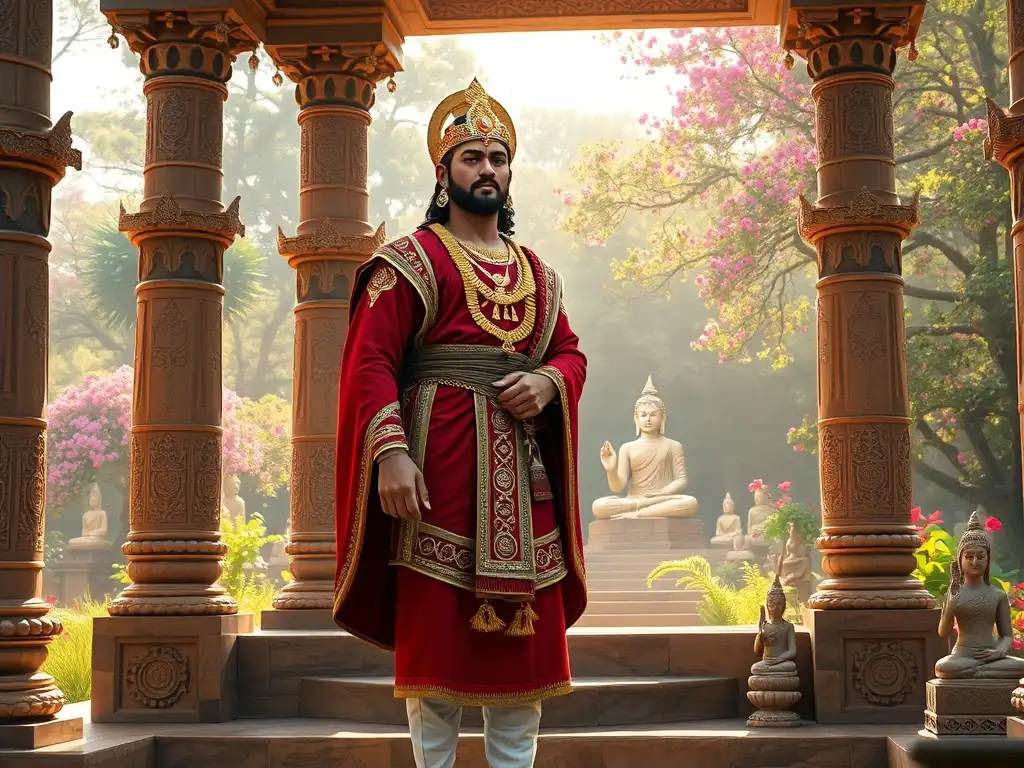
Welcome to Ancient India History! Here, we delve into the rich tapestry of ancient Indian civilizations, illuminating their remarkable contributions and enduring legacies. In this journey, we invite you to uncover the story of Ashoka the Great, a ruler whose transformative journey from a fierce warrior to a proponent of peace reshaped the very fabric of India. What drove this monumental change, and how did his contributions influence not just his empire but also the world? Prepare to explore the profound impact of Ashoka's reign as you dive deeper into our immersive articles that bring history to life!

Introduction to Ashoka the Great
Ashoka the Great stands as one of the most influential figures in ancient Indian history, renowned for his remarkable transition from a fierce warrior to an advocate of peace and moral governance. His reign during the Maurya Empire, approximately from 268 to 232 BCE, marked a significant turning point in the historical narrative of India, characterized by extensive territorial expansion, cultural flourishing, and notable contributions to Buddhist philosophy.
This article delves into Ashoka's life, exploring his transformative journey and examining the profound impact of his contributions on Indian civilization and beyond. By examining his policies, achievements, and moral imperative, we gain insight into how Ashoka shaped the socio-political landscape of ancient India and left a legacy that continues to resonate in modern times.
Overview of Ashoka’s Early Life and Ascension
Ashoka’s early life laid the groundwork for his later achievements as a ruler. Understanding his background helps contextualize the remarkable evolution of his character and governance style.
The Birth and Background of Ashoka
Ashoka was born around 304 BCE into the Maurya dynasty, the son of Emperor Bindusara and a queen named Dharma. His upbringing in the royal court exposed him to the complexities of leadership and governance. The Maurya Empire, founded by Chandragupta Maurya, was already a powerful entity, and Ashoka was well-positioned to inherit a kingdom rich in potential and challenges. His early education included martial training, philosophy, and statecraft, which would later influence his approach to rulership.
The Path to the Throne of the Maurya Empire
Ashoka's ascension to the throne was marked by both ambition and rivalry. After the death of his father Bindusara, Ashoka faced competition from his brothers, leading him on a tumultuous path filled with intrigue and conflict. According to historical accounts, he emerged victorious after a series of power struggles, ultimately securing his position as the third emperor of the Maurya Empire around 268 BCE.
Initially, Ashoka's reign was characterized by military conquests, with notable campaigns in Kalinga. However, the aftermath of the Kalinga War would catalyze a profound change in his outlook, setting the stage for his eventual embrace of peace and moral leadership.
This exploration of Ashoka’s early life and path to power lays the foundation for understanding the significant contributions he made as a ruler, particularly in promoting peace, tolerance, and the spread of Buddhism across the Indian subcontinent and beyond.
The Warrior King: Ashoka's Early Military Campaigns
Ashoka the Great began his reign as a formidable warrior king, demonstrating remarkable military prowess that solidified the Maurya Empire's dominance in ancient India. His early military campaigns were characterized by aggressive expansionism and strategic conquests that aimed to extend the boundaries of his empire. Ashoka's ambition to expand the Maurya Empire was not only driven by the desire for power but also by the need to unify the diverse regions of the Indian subcontinent under a single rule.
Key Battles and Victories
One of the most notable early victories of Ashoka was the conquest of Kalinga. This region, known for its fierce independence and strategic importance, represented a significant challenge for Ashoka. The battle for Kalinga was marked by intense conflict and high casualties. Ashoka's forces ultimately emerged victorious, securing Kalinga and expanding the empire's territory. The victory not only showcased Ashoka's military capabilities but also allowed the Maurya Empire to control vital trade routes along the eastern coast of India.
Other key battles during Ashoka's early reign included campaigns against the neighboring kingdoms of the Deccan and parts of present-day Afghanistan. Through these military endeavors, Ashoka demonstrated his tactical skills and the effective organization of his army, which included war elephants and chariots, creating a fearsome fighting force. These victories laid the groundwork for the Maurya Empire as one of the most powerful empires in ancient India.
The Expansion of the Maurya Empire
Ashoka's military campaigns significantly contributed to the expansion of the Maurya Empire, which reached its zenith under his leadership. Following the conquest of Kalinga, Ashoka implemented a policy of administrative consolidation, allowing for better governance over the newly acquired territories. This expansion was not limited to military conquests; Ashoka also established trade relations and cultural exchanges with various regions, enhancing the economic and cultural landscape of the empire.
The expansion strategy was complemented by Ashoka's efforts to promote Buddhism, which he adopted after his transformation into a peaceful ruler. This shift not only helped in unifying the diverse populations within the empire but also facilitated the spread of Buddhist teachings across regions beyond India. Ashoka's reign is a testament to how military expansion can lead to cultural and spiritual growth, setting a precedent for future rulers.
The Turning Point: Transformation from Warrior to Peaceful Ruler
The transformation of Ashoka from a warrior king to a peaceful ruler is a pivotal moment in his life and reign. This shift was primarily influenced by the profound impact of the Kalinga War, which served as a catalyst for his introspection and eventual embrace of non-violence. The brutality of the war and its devastating consequences led Ashoka to reconsider his approach to governance and the use of force.
The Kalinga War: A Catalyst for Change
The Kalinga War, fought around 261 BCE, marked a significant turning point in Ashoka's life. The battle resulted in staggering losses, with estimates suggesting that over 100,000 soldiers and civilians perished. Witnessing the suffering and destruction caused by his military campaign deeply affected Ashoka. It is said that he experienced a profound sense of remorse and sorrow, which prompted him to abandon the path of violence.
In the aftermath of the Kalinga War, Ashoka embraced Buddhism and its teachings on compassion, non-violence, and coexistence. He began advocating for peace and harmony, both within his empire and beyond. This transformation not only changed his personal beliefs but also influenced his policies as a ruler.
Reflections on Violence and its Consequences
Ashoka's reflections on violence led him to promote a new vision for the Maurya Empire, one rooted in ethical governance and social welfare. He recognized that true strength lies in compassion and understanding rather than in military might. This philosophical shift was reflected in his edicts, which emphasized the importance of moral conduct, non-violence, and respect for all living beings.
To communicate his new ideals, Ashoka used inscriptions and pillars placed throughout the empire. These edicts served as reminders of his commitment to peace and justice, encouraging his subjects to adopt similar values. Ashoka's legacy as a peaceful ruler continues to resonate, illustrating how a leader can evolve and prioritize the well-being of their people over conquest and power.
Ashoka the Great's Contributions to Society and Governance
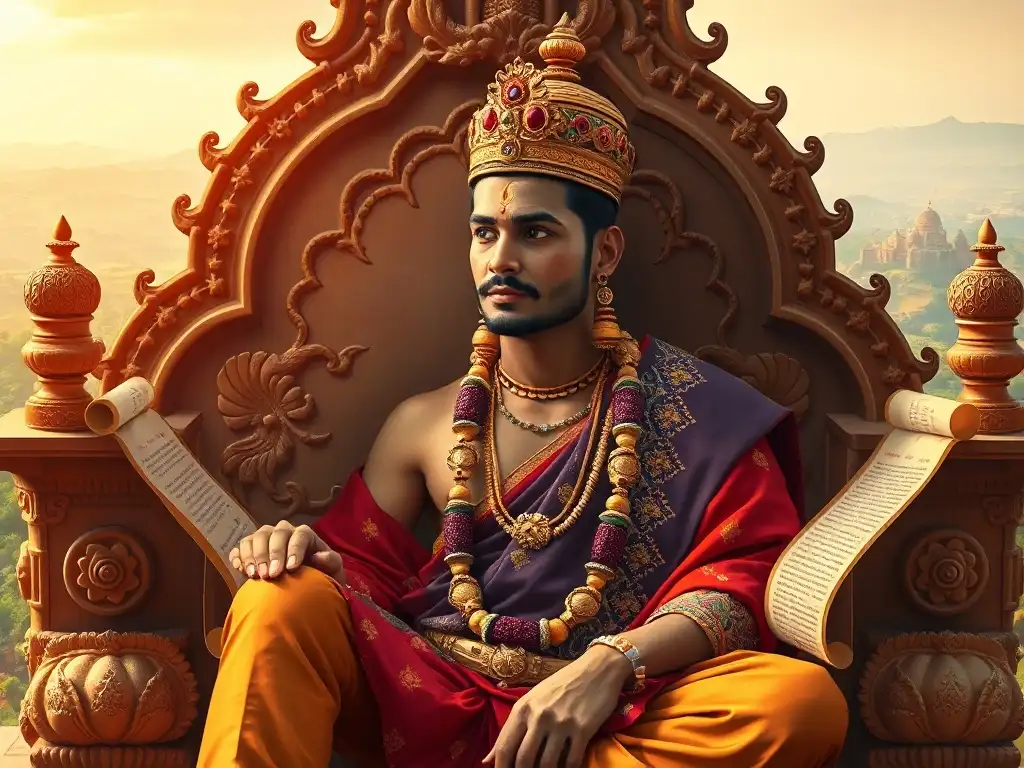
Ashoka the Great, one of the most illustrious rulers of the Maurya Empire, made profound contributions to society and governance that have shaped Indian history. His reign, which lasted from 268 BCE to 232 BCE, is often marked by a significant transformation from a war-driven leader to a proponent of peace and non-violence. This transformation is one of the pivotal aspects of his legacy, influencing not only the governance of his empire but also the social fabric of ancient India.
Ashoka implemented a centralized bureaucracy that allowed for more effective governance across his vast empire. He introduced policies that emphasized welfare and the well-being of his subjects, which included the establishment of hospitals for humans and animals, as well as the promotion of agriculture and trade. His administration was characterized by a sense of justice and fairness, ensuring that all citizens had access to resources and support. The principles of Dharma (moral law) guided his policies, which aimed to create a harmonious society.
Moreover, Ashoka's contributions were not limited to governance alone; they extended to the cultural and spiritual realms. His embrace of Buddhism led to the integration of its principles into the very fabric of societal governance. By promoting ethical conduct, compassion, and tolerance, Ashoka set a precedent for future rulers, making his contributions enduring and influential throughout the ages.
Promotion of Buddhism and Its Philosophies
One of Ashoka's most significant contributions was his promotion of Buddhism as a state religion. Following his conversion after the Kalinga War, Ashoka dedicated himself to spreading the teachings of Buddha, emphasizing the importance of non-violence (Ahimsa), compassion, and ethical living. He viewed Buddhism not only as a spiritual path but as a guiding philosophy for governance and societal conduct.
Ashoka established numerous stupas and monasteries, which served as centers for Buddhist learning and practice. His patronage enabled the spread of Buddhism beyond the borders of India, influencing regions such as Sri Lanka, Southeast Asia, and beyond. The support for Buddhist missionaries, notably the sending of his son Mahinda to Sri Lanka, exemplified his commitment to the teachings of the Buddha and his desire for peace and harmony among different peoples.
Furthermore, Ashoka's edicts often reflected Buddhist values, advocating for kindness towards all living beings and the importance of ethical governance. By intertwining Buddhist principles with his rule, Ashoka left a lasting impact on the spiritual and cultural landscape of India, which continues to resonate in modern times.
Edicts of Ashoka: Spreading Messages of Peace and Tolerance
The Edicts of Ashoka are a collection of inscriptions on pillars and rocks that communicate his policies and philosophies. These edicts are among the earliest written records in Indian history and serve as vital evidence of Ashoka's commitment to peace and tolerance. Through these inscriptions, Ashoka sought to disseminate his ideas on ethical governance and the importance of moral conduct.
The edicts emphasize the values of tolerance and respect for all religions, urging his subjects to live harmoniously despite their diverse beliefs. Ashoka’s famous edict, “All religions should reside everywhere,” highlights his advocacy for interfaith dialogue and understanding. This approach not only fostered a sense of unity within his empire but also established a framework for religious coexistence that was remarkable for its time.
Additionally, the edicts addressed social issues such as the treatment of prisoners, animal welfare, and the necessity of compassion in governance. By inscribing his messages in public spaces, Ashoka ensured that his ideals reached a broad audience, thereby promoting a culture of peace and ethical responsibility.
Infrastructure Development: Roads, Hospitals, and Water Systems
Ashoka's reign was marked by significant advancements in infrastructure that facilitated trade, communication, and public health. Recognizing the importance of connectivity, he commissioned the construction of extensive road networks that linked various parts of his empire. These roads not only facilitated commerce but also enabled the movement of Buddhist missionaries, thereby enhancing the spread of Buddhism.
In addition to roads, Ashoka prioritized the establishment of hospitals, a pioneering initiative for his time. These hospitals provided care for both humans and animals, reflecting his commitment to health and welfare. The emphasis on public health was revolutionary, setting a standard for future governance in India.
Water systems were another critical aspect of Ashoka's infrastructure development. He implemented irrigation projects to support agriculture, ensuring that his subjects had access to essential resources. This focus on improving living conditions through infrastructure demonstrated Ashoka’s understanding of the vital relationship between governance and the well-being of the populace.
The Role of Ashoka in Promoting Religious Tolerance
Ashoka the Great's reign is often celebrated for its promotion of religious tolerance, a significant aspect of his governance that has had lasting implications in Indian history. By advocating for peaceful coexistence among diverse religious communities, Ashoka established a model of governance based on respect and understanding.
Interfaith Dialogue and Practices in Ancient India
Ashoka's commitment to interfaith dialogue is evident in his edicts, which stress the importance of respecting all religious beliefs. He encouraged his subjects to engage in respectful conversations with individuals from different faiths, fostering a spirit of inquiry and understanding. This initiative aimed to reduce sectarian conflicts and promote a sense of unity within his empire.
The promotion of interfaith practices during Ashoka’s rule also included the protection of various religious sites and the financial support for different religious communities. This approach not only legitimized diverse beliefs but also created a cultural milieu where multiple faiths could coexist peacefully.
Ashoka's Influence on Later Religious Leaders
Ashoka’s legacy of religious tolerance and ethical governance has inspired countless leaders and thinkers throughout history. His model of compassionate leadership influenced subsequent rulers, both in India and beyond, who sought to emulate the principles of justice and moral responsibility.
Later religious leaders, including figures like Emperor Harsha and even modern leaders such as Mahatma Gandhi, drew inspiration from Ashoka's commitment to non-violence and peace. His teachings continue to resonate in contemporary discussions on religious tolerance and coexistence, demonstrating the enduring relevance of Ashoka's contributions to society and governance.
Ashoka the Great's transformative journey from a warrior to a peaceful ruler not only redefined his empire but also left an indelible mark on the history of ancient India, exemplifying the profound impact of enlightened leadership.
Legacy of Ashoka the Great
Ashoka the Great, the third emperor of the Maurya Dynasty, left an indelible mark on Indian history and culture through his transformative approach to governance and his unwavering commitment to the principles of Buddhism. His legacy is characterized by a shift from militaristic expansion to the promotion of peace, non-violence, and compassion. This monumental change not only reshaped the Maurya Empire but also influenced subsequent generations, establishing a moral framework that continues to resonate in modern society.
His edicts, inscribed on rocks and pillars across the subcontinent, serve as a testament to his principles and aspirations. They emphasize ethical governance, welfare of the populace, and respect for all living beings. Ashoka's legacy transcends mere political achievements; it embodies a philosophical approach that advocates for a harmonious coexistence among diverse communities.
Impact on Indian History and Culture
Ashoka’s contributions significantly shaped the cultural and historical landscape of India. By adopting Buddhism as a guiding principle, he promoted religious tolerance and cultural exchange across the empire. Under his reign, Buddhism flourished and spread beyond India, influencing neighboring regions such as Central Asia and Southeast Asia. This cultural diffusion is evident in the establishment of monasteries and stupas, which became centers of learning and pilgrimage.
Moreover, Ashoka’s edicts articulate his vision for a just society, emphasizing moral values over military conquests. His declaration of ‘Dharma’ as a guiding principle laid the foundation for ethical governance, influencing political thought in India for centuries. The moral imperatives he championed resonate with contemporary discussions on governance, ethics, and social justice, highlighting his enduring influence on Indian culture.
Ashoka's Model of Governance in Contemporary Context
Ashoka’s model of governance, characterized by the principles of Dharma and Ahimsa (non-violence), presents a relevant framework for contemporary leaders. His emphasis on ethical administration, public welfare, and inclusivity can inform modern governance practices. By prioritizing the well-being of citizens, Ashoka established a government that was responsive and accountable.
In today’s global landscape, where conflicts and disparities persist, Ashoka’s teachings on peace and tolerance offer valuable lessons. His approach encourages leaders to foster dialogue and understanding, rather than division and hostility. The implementation of policies that promote social harmony and environmental sustainability can draw inspiration from Ashoka’s commitment to the welfare of all living beings.
Conclusion: Ashoka the Great's Enduring Influence
The legacy of Ashoka the Great extends far beyond his reign, influencing various aspects of Indian society and governance. His transformative journey from a warrior seeking conquest to a ruler advocating for peace illustrates a remarkable evolution in leadership philosophy. The principles he espoused continue to guide discussions on ethics and governance in the modern world.
Summary of Ashoka's Contributions to Ancient India
Ashoka’s contributions to ancient India are multifaceted, encompassing political, cultural, and ethical dimensions. His promotion of Buddhism facilitated the spread of its teachings, fostering cultural interactions across regions. The establishment of a welfare state, underscored by his edicts, laid the groundwork for a governance model focused on the welfare of the populace. Ashoka’s commitment to non-violence and moral governance remains a hallmark of his reign, influencing both historical narratives and contemporary practices.
The Relevance of Ashoka's Principles Today
The principles championed by Ashoka the Great—non-violence, compassion, and ethical governance—are profoundly relevant in today’s world. As societies grapple with issues of conflict, inequality, and environmental degradation, Ashoka's vision serves as a guiding light. His emphasis on dialogue, tolerance, and social responsibility encourages contemporary leaders and citizens alike to pursue paths of peace and understanding. The enduring nature of his contributions reaffirms the notion that the ideals of governance rooted in compassion and ethical conduct can lead to a more harmonious world.
- Introduction to Ashoka the Great
- Overview of Ashoka’s Early Life and Ascension
- The Warrior King: Ashoka's Early Military Campaigns
- The Turning Point: Transformation from Warrior to Peaceful Ruler
- Ashoka the Great's Contributions to Society and Governance
- The Role of Ashoka in Promoting Religious Tolerance
- Legacy of Ashoka the Great
- Conclusion: Ashoka the Great's Enduring Influence
- What were Ashoka the Great's major contributions to society?
- How did Ashoka's reign influence Buddhism?
- What was the significance of Ashoka's Edicts?
- How did Ashoka's transformation from a warrior to a peaceful ruler impact his empire?
- In what ways did Ashoka contribute to the cultural heritage of India?
Frequently Asked Questions
What were Ashoka the Great's major contributions to society?
Ashoka the Great is known for his transformative policies, which emphasized non-violence, Buddhism, and the welfare of his subjects. His edicts promoted moral governance and social harmony.
How did Ashoka's reign influence Buddhism?
Ashoka played a crucial role in spreading Buddhism beyond India. He supported the Buddhist monastic community and sent missionaries to various regions, significantly increasing the religion's global reach.
What was the significance of Ashoka's Edicts?
The Edicts of Ashoka were inscribed on pillars and rocks throughout his empire, conveying his moral principles and administrative reforms. They emphasized ethical conduct, tolerance, and the importance of compassion.
How did Ashoka's transformation from a warrior to a peaceful ruler impact his empire?
Ashoka's shift from militarism to peace led to a more stable and prosperous empire. His focus on diplomacy and cultural development fostered a sense of unity and identity among diverse populations.
In what ways did Ashoka contribute to the cultural heritage of India?
Ashoka's reign is marked by advancements in art, architecture, and literature. He commissioned the construction of stupas and monuments, which remain significant symbols of India's cultural heritage.
Final Reflection: The Enduring Legacy of Ashoka the Great
The transformative journey of Ashoka the Great from a fierce warrior to a proponent of peace is not only a historical narrative but a profound lesson for our contemporary world. In an era marked by conflict and division, Ashoka's contributions remind us of the power of compassion and the importance of ethical governance. His shift towards non-violence and social welfare is a striking testament to the potential for change within us all, urging us to reconsider our own paths in the face of adversity.
Culture and society today are deeply influenced by the principles that Ashoka championed, such as tolerance, respect for all living beings, and the pursuit of justice. His edicts, inscribed on pillars throughout his empire, resonate with the ideals of modern human rights and peaceful coexistence. As Mahatma Gandhi once said, “The greatness of a nation and its moral progress can be judged by the way its animals are treated.” This sentiment echoes Ashoka’s legacy, emphasizing that our treatment of others—human and non-human alike—reflects our true character as a society.
As we reflect on Ashoka's remarkable journey, I invite you to consider how his lessons can be applied in your own life. What steps can you take to embody the principles of peace, tolerance, and compassion in your daily interactions? Let Ashoka’s story inspire you to be a catalyst for positive change, not only within your community but also within yourself. Embrace the opportunity to transform your own narrative and contribute to a more harmonious world.
Embrace the Legacy of Ashoka: Transform Your Perspective!
Thank you for taking the time to explore the inspiring journey of Ashoka the Great with us! We hope this article has illuminated the profound impact of his transformation from a fierce warrior to a compassionate ruler. Now, it’s time to take action and reflect on the values he championed.
Here are a few ways to embody Ashoka’s legacy:
- Embrace Peace: Commit to a personal practice of peace—whether through mindfulness, conflict resolution skills, or simply spreading kindness in your daily interactions.
- Share Your Insights: Discuss Ashoka's principles with friends or on social media to inspire others to consider the importance of compassion and non-violence.
- Dive Deeper: Explore further by reading additional resources about the Mauryan Empire, or visit historical sites to truly understand the impact of Ashoka’s reign.
As you reflect on Ashoka's journey, what steps will you take to foster peace in your own life and community? Share your thoughts with us in the comments below!