
The Language of Daily Life: Communication and Script in the Indus Valley Civilization

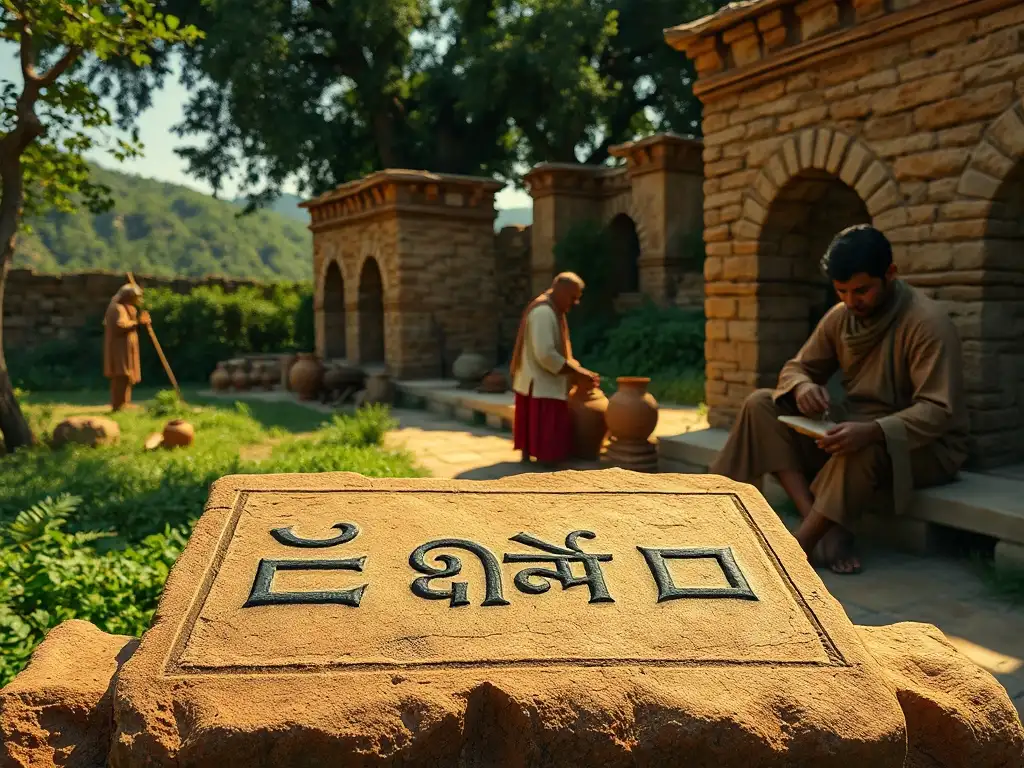
Welcome to Ancient India History, where we embark on a fascinating journey through the rich tapestry of ancient Indian civilizations. Here, we delve into the remarkable contributions and vibrant cultures that shaped history from the Indus Valley to the Gupta Empire. In our featured article, “ The Language of Daily Life: Communication and Script in the Indus Valley Civilization,” we unravel the mysteries of how one of the earliest urban societies communicated and documented their daily lives.
What secrets lie within the symbols of the Indus script? Prepare to be captivated and inspired as you explore the profound legacy of ancient India that continues to resonate today.
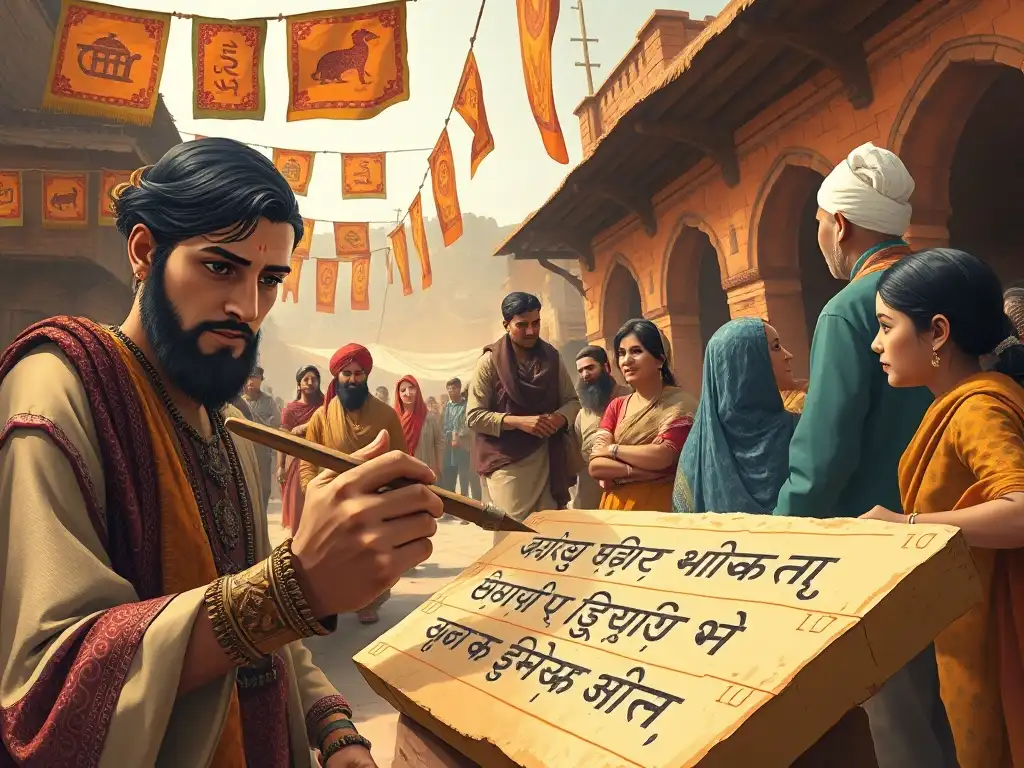
Introduction to Indus Valley Civilization
The Indus Valley Civilization, one of the world's earliest urban cultures, thrived between 3300 BCE and 1300 BCE in what is now modern-day Pakistan and northwest India. This remarkable civilization is renowned not only for its sophisticated city planning and advanced drainage systems but also for its complex social structures and modes of communication.
Understanding how the people of the Indus Valley communicated is essential to grasping the nuances of their daily life, trade, and cultural exchanges. The study of Indus Valley communication and script reveals the integral role that language and written symbols played in fostering connections within their society, as well as with neighboring cultures.
Overview of the Indus Valley Civilization
The Indus Valley Civilization encompassed a vast area, featuring major urban centers such as Harappa and Mohenjo-Daro. Archaeological excavations have uncovered a wealth of artifacts, including seals, pottery, and tools, that provide insights into the lives of its inhabitants. Unique features of this civilization include:
- Urban Planning: Cities were laid out in a grid pattern with advanced drainage systems.
- Trade Networks: The civilization engaged in extensive trade with neighboring regions, including Mesopotamia.
- Cultural Artifacts: Numerous seals and inscriptions have been discovered, suggesting a complex system of communication.
Despite its advancements, much about the language and script of the Indus Valley Civilization remains a mystery, as scholars continue to decipher their symbols and meanings.
Importance of Communication in Ancient Societies
Effective communication is fundamental to any society, serving as a bridge for sharing ideas, traditions, and commerce. In ancient civilizations, including the Indus Valley, communication facilitated:
- Cultural Exchange: Language allowed for the transfer of knowledge, customs, and artistic expressions.
- Economic Transactions: Clear communication was essential for trade, negotiation, and the establishment of economic relationships.
- Social Cohesion: Shared languages and scripts fostered a sense of community and identity among the people.
As we delve deeper into the specifics of communication in the Indus Valley, we can appreciate its multifaceted role in daily life and societal structures.
The Role of Communication in Daily Life
Forms of Communication in the Indus Valley
In the Indus Valley Civilization, communication took various forms, including:
- Verbal Language: Spoken language in daily interactions among the populace.
- Written Script: The use of seals and inscriptions to convey messages, likely used for administrative and trade purposes.
- Symbolic Representation: Artifacts such as pottery and seals often contained symbolic motifs that communicated cultural values or ownership.
The exact nature of their spoken language remains unknown, but the existence of a script suggests a level of complexity in communication that supported their sophisticated society.
Social Interactions and Language Use
Social interactions in the Indus Valley were likely characterized by a rich tapestry of language and expression. Key elements included:
- Community Gatherings: Festivals and markets facilitated social bonding through spoken language and shared experiences.
- Trade Relations: Merchants would have relied on both verbal and written communication to conduct business with local and foreign traders.
- Cultural Rituals: Religious ceremonies may have involved specific language or chants that held significant cultural meaning.
Language served not only as a tool for commerce but also as a critical element in maintaining social structures and relationships.
Importance of Trade and Economic Communication
Trade was a cornerstone of the Indus Valley Civilization, and effective communication was vital in this arena. The civilization's interactions with distant cultures, such as Mesopotamia, depended heavily on:
- Trade Seals: These stamped symbols were essential in indicating ownership and authenticity in trade transactions.
- Negotiation Skills: The ability to communicate effectively with diverse groups facilitated smoother trade relations.
- Economic Records: While much of the script remains undeciphered, it is believed that some inscriptions were used for record-keeping, essential for managing resources and trade agreements.
The communication methods employed by the Indus Valley Civilization were crucial in shaping their daily lives, enhancing social interactions, and facilitating trade, thereby contributing to the civilization's longevity and success.
Indus Valley Script: An Overview
The Indus Valley Civilization, which flourished between approximately 3300 BCE and 1300 BCE, is renowned for its sophisticated urban planning, advanced drainage systems, and notably, its unique system of communication. The Indus Valley Script, as it is commonly referred to, remains one of the most enigmatic aspects of this ancient civilization. Despite extensive archaeological research, the script has not yet been definitively deciphered, leading to numerous theories and debates among linguists and historians.
What is the Indus Valley Script?
The Indus Valley Script comprises a collection of symbols found primarily on seals, pottery, and other artifacts excavated from key archaeological sites such as Harappa and Mohenjo-Daro. This script is believed to represent a form of writing used by the inhabitants of the Indus Valley for various purposes, including trade, administrative functions, and religious practices. The symbols appear in short inscriptions, often ranging from 5 to 26 characters, indicating that they were likely used for specific, concise messages rather than lengthy text.
The exact nature of the language represented by the script remains uncertain. It is theorized that it could either be a logographic system, where symbols represent words or phrases, or a syllabic system, where symbols correspond to sounds. Despite the challenges in deciphering these inscriptions, they provide invaluable insights into the daily life and societal structure of the Indus Valley Civilization.
Characteristics of the Indus Valley Script
The Indus Valley Script is characterized by several distinctive features:
- Pictorial Symbols: The script includes a variety of pictorial symbols, many of which are stylized representations of animals, objects, and human forms. Approximately 400 unique symbols have been identified, but many remain undeciphered.
- Bipartite Structure: Many inscriptions exhibit a bipartite structure, where symbols are arranged in two horizontal lines. This layout suggests that the script was organized and possibly followed specific grammatical rules.
- Lack of Bilingual Texts: Unlike other ancient scripts, such as cuneiform or hieroglyphics, no known bilingual texts exist that could aid in deciphering the Indus Valley Script. This absence complicates the understanding of its syntax and semantics.
- Material Diversity: Inscriptions have been found on a variety of materials, including stone seals, pottery, and metal objects, indicating that the script was used in diverse contexts, from commercial transactions to ritualistic practices.
Theories on the Language Behind the Script
Numerous theories exist regarding the language that the Indus Valley Script may represent. Some of the prominent hypotheses include:
- Dravidian Language Hypothesis: Some scholars suggest that the script may represent a Dravidian language, which is still spoken in southern India today. This theory is based on linguistic similarities observed in place names and cultural elements.
- Sino-Tibetan Connection: Another theory posits a connection between the Indus Valley Script and Sino-Tibetan languages. Proponents of this idea argue that certain symbols exhibit similarities to characters found in modern Chinese writing.
- Indo-Aryan Influence: A contrasting theory suggests that the script may have links to Indo-Aryan languages, reflecting the linguistic diversity that existed in ancient India.
Despite these theories, the lack of a clear understanding of the script's structure and syntax means that definitive conclusions remain elusive.
Analyzing Indus Valley Communication Methods
The communication methods in the Indus Valley were not limited to written script; they encompassed a variety of non-verbal and symbolic practices essential for daily interactions and societal function.
Non-Verbal Communication in the Indus Valley
Non-verbal communication played a significant role in the Indus Valley Civilization. Archaeological findings suggest that gestures, body language, and the arrangement of physical space were vital in conveying messages. For instance, the layout of urban centers, with their organized streets and public spaces, may have communicated social order and community values. Additionally, ceremonial practices and rituals likely included non-verbal cues that facilitated understanding among participants.
Symbolism and Iconography in Daily Life
Symbolism was deeply embedded in the daily life of the Indus Valley people. Various symbols, drawn from nature and religious beliefs, were used in art, pottery, and architecture. The frequent depictions of animals, such as the unicorn and various cattle species, suggest their significance in cultural narratives or spiritual beliefs. Iconography on seals and pottery not only served aesthetic purposes but also acted as communicative tools that conveyed social status, trade relationships, or divine protection.
Use of Seals and Inscriptions in Trade and Governance
Seals and inscriptions were essential components of communication in trade and governance in the Indus Valley. Seals, often made of steatite, featured intricate designs, including the Indus Valley Script, and were used to authenticate goods and indicate ownership. These seals played a crucial role in trade, facilitating exchanges between different regions and ensuring the legitimacy of transactions.
Moreover, inscriptions on seals likely served administrative purposes, conveying information about trade agreements, inventory, or taxation. The standardized use of seals indicates a complex economic system and suggests that written communication was integral to governance in the Indus Valley Civilization.
The communication methods of the Indus Valley Civilization reflect a rich tapestry of interactions, blending written, non-verbal, and symbolic forms to create a dynamic framework for societal engagement. Understanding these methods enhances our appreciation of their sophisticated culture and enduring legacy.
The Significance of Indus Valley Communication and Script
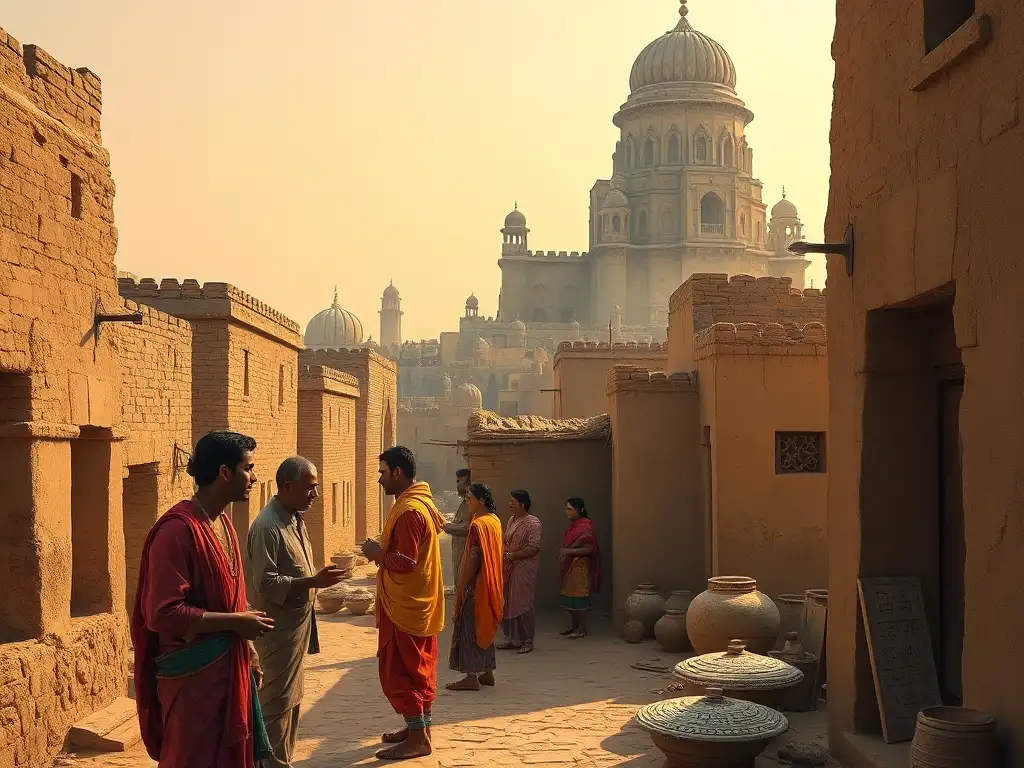
The communication and script of the Indus Valley Civilization hold great significance as they represent one of the earliest forms of written expression in human history. This ancient civilization, which thrived around 2500 BCE to 1900 BCE in what is now modern-day Pakistan and northwest India, utilized a script that is still a mystery to scholars today. The existence of this script indicates that the people of the Indus Valley had developed a complex society with the need for record-keeping, trade, and communication.
The script itself, often referred to as the Indus script, appears on various artifacts, including seals, pottery, and tablets. These inscriptions are typically composed of a series of symbols, which may represent language, administrative records, or religious texts. The significance of this script extends beyond mere communication; it reflects the social, economic, and cultural complexities of the civilization. It is believed that the ability to communicate through writing facilitated trade, governance, and cultural exchange, thereby enhancing the overall cohesion and functionality of Indus Valley society.
Influence on Subsequent Indian Civilizations
The influence of Indus Valley communication and script on subsequent Indian civilizations is profound and multifaceted. Although the Indus script itself has not been deciphered, it is considered a precursor to later writing systems in the Indian subcontinent. Scholars suggest that the traditions of record-keeping and symbolism established by the Indus Valley may have laid the groundwork for the development of Brahmi and Kharosthi scripts, which emerged in the early centuries of the Common Era.
Additionally, the cultural practices and administrative systems initiated during the Indus Valley period influenced later Indian societies. The emphasis on trade and urban planning observed in the Indus Valley can be seen echoed in later civilizations, such as the Maurya and Gupta Empires. These civilizations inherited not only the skills of communication through writing but also the administrative practices that relied on documentation, which were crucial for governance and economic management.
Preservation of Cultural Identity through Script
The script of the Indus Valley Civilization played a vital role in the preservation of cultural identity. In a society characterized by urban centers such as Harappa and Mohenjo-Daro, the use of a common script would have fostered a sense of unity and shared identity among its inhabitants. The inscriptions found on seals and pottery suggest that these artifacts were not merely functional but also served as markers of cultural identity, reflecting social status, trade affiliations, and religious beliefs.
Moreover, the potential religious or ceremonial significance of the script indicates that it may have contributed to the community's spiritual and cultural narratives. By embedding their symbols and messages into everyday objects, the people of the Indus Valley were able to communicate their values, beliefs, and social structures, thereby ensuring the continuity of their cultural identity through generations.
Challenges in Deciphering the Indus Valley Script
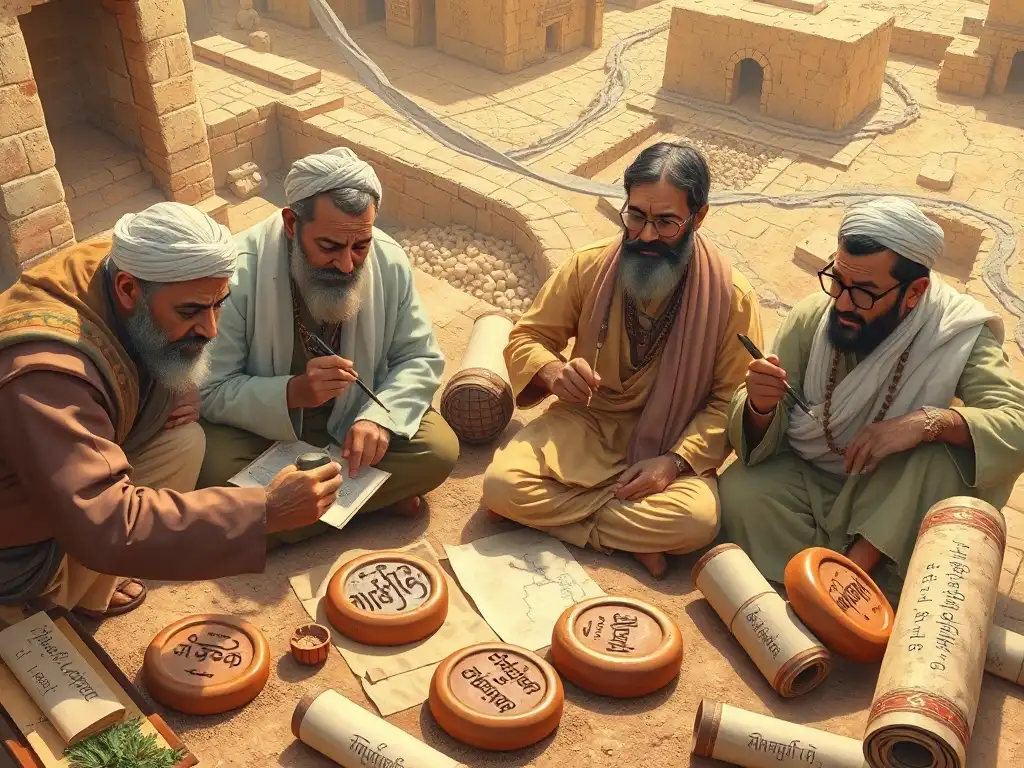
Despite its importance, the Indus Valley script presents numerous challenges for scholars attempting to decipher its meaning. One of the main difficulties lies in the limited number of inscriptions available for study. Unlike contemporaneous scripts from Mesopotamia or Egypt, which have extensive collections of texts, the Indus script is found on a relatively small number of artifacts, making it challenging to establish a comprehensive understanding of its syntax and semantics.
Additionally, the lack of bilingual inscriptions, such as those found in other ancient civilizations, complicates the process of translation. Without a Rosetta Stone-like artifact to provide contextual clues, researchers must rely on comparative analysis with later scripts, which can be speculative. Various theories have been proposed regarding the nature of the script—ranging from pictographic to syllabic—but a consensus has yet to be reached, leaving the true meaning of the Indus Valley script shrouded in mystery.
Conclusion
Recap of Indus Valley Communication and Script
The communication and script of the Indus Valley Civilization are vital elements that highlight the complexity of this ancient society. The existence of a written script suggests advanced social organization and the importance of trade, governance, and cultural identity. Although it remains undeciphered, the significance of the script is evident in its influence on later Indian civilizations and its role in preserving cultural narratives.
The Legacy of the Indus Valley Civilization in Modern Times
The legacy of the Indus Valley Civilization continues to resonate in modern times, particularly in the fields of archaeology, anthropology, and linguistics. The ongoing research into the Indus script not only sheds light on the past but also inspires contemporary discussions about the evolution of communication and writing systems. As scholars strive to unlock the secrets of this ancient script, the Indus Valley Civilization remains a testament to the ingenuity and creativity of early human societies, reminding us of the profound connections between our history and present-day cultural identity.
Further Reading and Resources
To delve deeper into the fascinating world of the Indus Valley Civilization, particularly its communication and script, a variety of resources are available. These include scholarly books, articles, and online platforms that provide rich insights into the daily life, social structures, and linguistic elements of this ancient society.
Recommended Books on Indus Valley Civilization
-
"The Indus Civilization: A Contemporary Perspective" by Gregory L. Possehl
This book offers a modern analysis of the Indus Valley Civilization, exploring archaeological discoveries and their implications for understanding the social and economic systems of the time.
-
"Indus Valley Civilization: A Comprehensive Study" by R. S. Sharma
A detailed examination of the Indus Valley Civilization, this book covers various aspects, including urban planning, trade, and communication, providing a holistic view of this ancient culture.
-
"The Harappan Civilization: A New Perspective" by Shereen Ratnagar
Ratnagar's work focuses on the Harappan phase of the Indus Valley, discussing the intricacies of trade, crafts, and the significance of script in daily life.
-
"Reading the Indus Script" by Asko Parpola
In this scholarly text, Parpola presents his research on deciphering the Indus script, offering insights into the language and communication methods used by the civilization.
-
"Indus Valley Civilization: The Harappan Language" by Iravatham Mahadevan
This book provides an overview of the scripts and symbols used in the Harappan culture, exploring their potential meanings and functions in society.
Online Resources for Exploring Indus Valley Communication
-
Indus Valley Civilization Project
A dedicated website that aggregates research, findings, and articles related to the Indus Valley Civilization, including sections focused on communication and script.
-
Digital Archaeological Archive of Comparative Slavery (DAACS)
This online resource includes comparative studies that cover aspects of ancient civilizations, including the Indus Valley, with a focus on their communication methods.
-
The British Museum's Indus Valley Collection
The British Museum provides an extensive online catalog of artifacts from the Indus Valley Civilization, including inscriptions and seals that highlight their communicative practices.
-
Harappa.com
A comprehensive site dedicated to the Indus Valley Civilization, featuring articles, maps, and images that detail the script and communication systems of this ancient society.
-
YouTube Documentaries and Lectures
Various educational channels on YouTube offer documentaries and lectures on the Indus Valley Civilization, including discussions on its script and communication methods.
These resources offer a blend of academic rigor and accessible information for anyone interested in understanding the complexities of Indus Valley communication and script.
- Introduction to Indus Valley Civilization
- The Role of Communication in Daily Life
- Indus Valley Script: An Overview
- Analyzing Indus Valley Communication Methods
- The Significance of Indus Valley Communication and Script
- Influence on Subsequent Indian Civilizations
- Preservation of Cultural Identity through Script
- Challenges in Deciphering the Indus Valley Script
- Conclusion
- Further Reading and Resources
- What was the primary form of communication in the Indus Valley Civilization?
- How did the Indus Valley script differ from other ancient scripts?
- What materials did the Indus Valley people use for writing?
- How did communication impact trade in the Indus Valley Civilization?
- Are there any known translations of the Indus Valley script?
Frequently Asked Questions
What was the primary form of communication in the Indus Valley Civilization?
The Indus Valley Civilization primarily used a script that remains largely undeciphered, making their communication methods a subject of ongoing research.
How did the Indus Valley script differ from other ancient scripts?
The Indus Valley script is unique due to its pictographic nature and the absence of a clear link to other known ancient scripts, which sets it apart in the study of ancient communication.
What materials did the Indus Valley people use for writing?
The Indus Valley people commonly wrote on seals, pottery, and tablets, using materials like clay and stone, which facilitated their record-keeping and trade.
How did communication impact trade in the Indus Valley Civilization?
Effective communication through their script likely played a crucial role in trade and interactions with neighboring cultures, allowing for economic and cultural exchanges.
Are there any known translations of the Indus Valley script?
Currently, there are no definitive translations of the Indus Valley script, as scholars continue to debate its meaning and usage, making it one of the great mysteries of ancient history.
Final Reflection: The Enduring Legacy of Indus Valley Communication
In exploring the Indus Valley communication and script, we uncover not just a historical narrative but a profound connection to our present-day understanding of language and interaction. The complexities of this ancient civilization's methods of communication remind us that the foundations of human connection are timeless. As we navigate our own intricate web of communication in the modern world, we can draw parallels that highlight the significance of how we express ideas, emotions, and culture.
The influence of the Indus Valley's communication practices resonates in our cultural and social landscapes today. As we engage in our daily conversations, we are, in essence, continuing a legacy that began thousands of years ago. The symbols and scripts of the Indus Valley may remain undeciphered, yet their existence speaks volumes about the importance of communication in shaping societies. Language is the road map of a culture. It tells you where its people come from and where they are going.
– Rita Mae Brown. This quote encapsulates the essence of how the Indus Valley civilization laid the groundwork for the diverse languages and scripts we utilize today, emphasizing the role of communication in cultural identity.
As we reflect on the lessons from the Indus Valley, I invite you to consider your own communication practices. How can you enhance your interactions to foster deeper connections within your community? Embrace the power of language, not just as a tool for conveying information, but as a means of building bridges and understanding. Let the legacy of the Indus Valley inspire you to communicate with intention and empathy, ensuring that the art of connection remains vibrant in our ever-evolving world.
Unveil the Mysteries of Indus Valley Communication!
Thank you for diving into the fascinating world of the Indus Valley Civilization with us! You've uncovered the rich tapestry of communication and script that shaped daily life in this ancient society. Now, it's time to take the next steps and explore even deeper!
Here are some engaging actions you can take:
- Immerse yourself in history: Visit a local museum or library to discover artifacts and literature related to the Indus Valley Civilization.
- Start a discussion: Join online forums or social media groups focused on ancient civilizations to share your insights and learn from others.
- Explore further: Research a specific aspect of their communication methods and document your findings—your perspective could inspire others!
What aspect of Indus Valley communication intrigues you the most, and how do you believe it influences modern communication?