
The Role of Trade in the Daily Lives of Indus Valley Civilization: A Thriving Economy

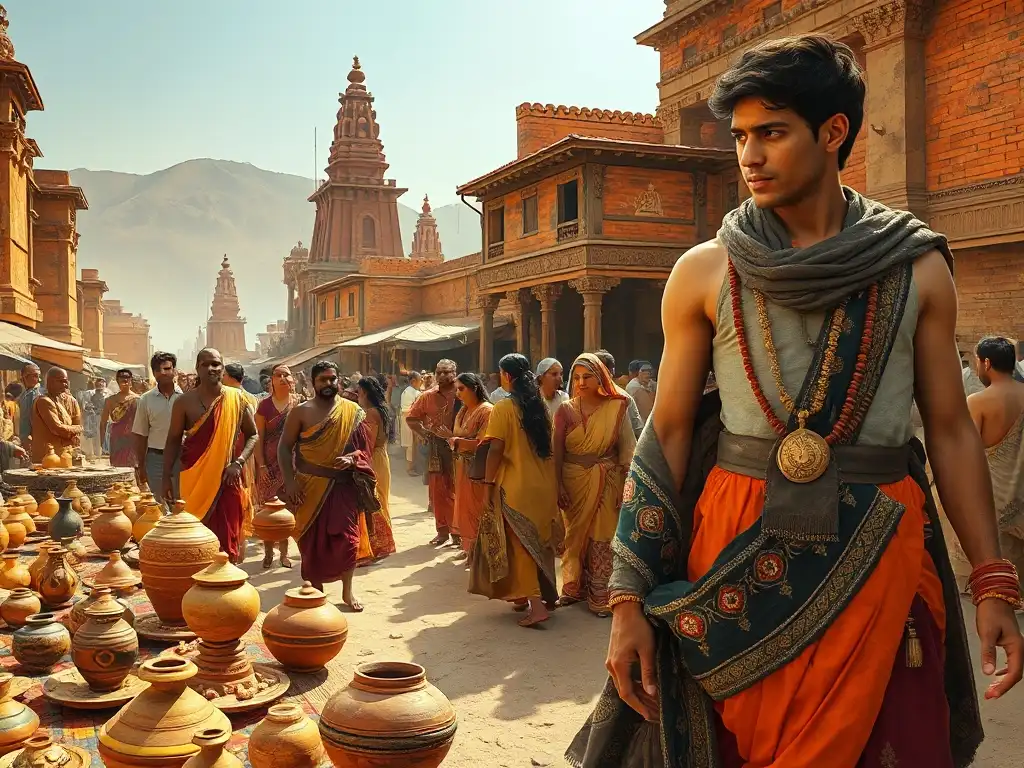
Welcome to Ancient India History, where we take you on an extraordinary journey through the rich tapestry of ancient Indian civilizations. In our featured article, "The Role of Trade in the Daily Lives of Indus Valley Civilization: A Thriving Economy," we delve deep into the fascinating world of the Indus Valley trade economy. Discover how trade shaped not only the livelihoods of its people but also the intricate networks that connected cultures across vast distances.
Join us as we unravel the stories behind the bustling markets and innovative practices that defined an era, sparking your curiosity to learn more about this remarkable civilization. Get ready to explore a world where commerce and culture thrived hand in hand!
Introduction to Indus Valley Trade Economy
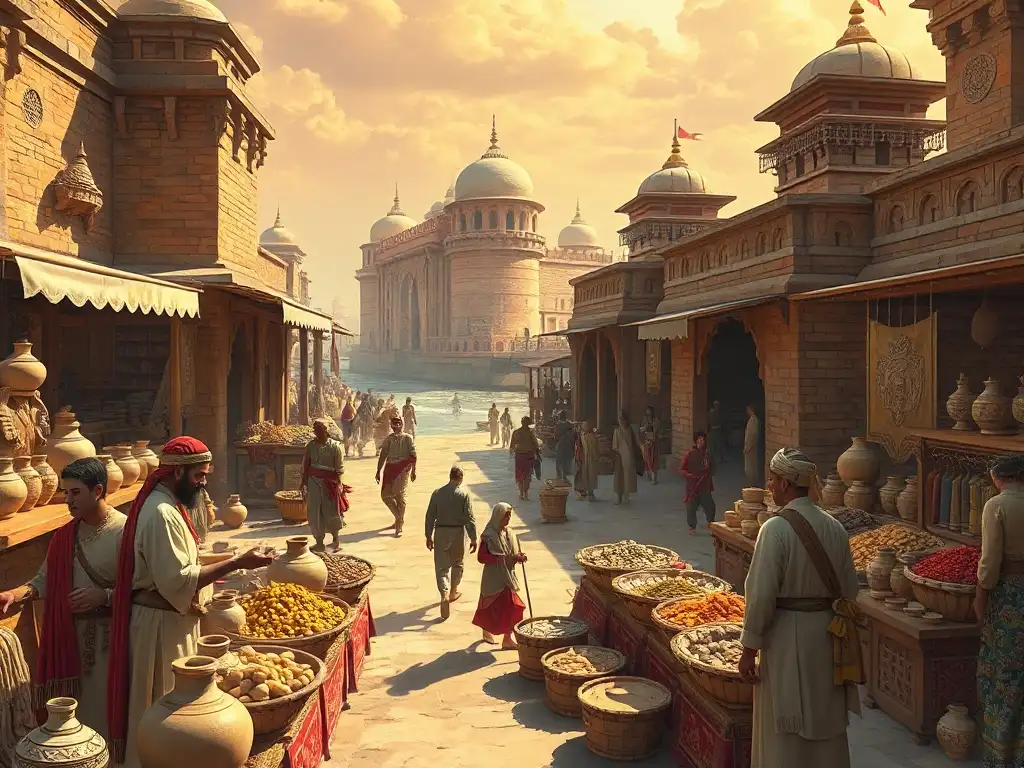
The Indus Valley Civilization, flourishing between approximately 3300 to 1300 BCE, stands as one of the most remarkable ancient societies, notable for its advanced urban planning, sophisticated architecture, and intricate social structures. At the heart of its prosperity lay a thriving trade economy that not only facilitated economic exchanges but also fostered cultural interactions, technological advancements, and the overall well-being of its people.
The Indus Valley trade economy was characterized by a network of trade routes that connected various regions, enabling the exchange of goods, ideas, and innovations that shaped the daily lives of its inhabitants. Understanding this trade economy is crucial for comprehending how the Indus Valley Civilization developed and sustained itself over centuries.
Overview of the Indus Valley Civilization
The Indus Valley Civilization, primarily located in present-day Pakistan and northwest India, was one of the world's earliest urban cultures, contemporary with ancient Egypt and Mesopotamia. It featured well-planned cities such as Harappa and Mohenjo-Daro, which showcased remarkable achievements in engineering and organization. The civilization was characterized by:
- Urban Planning: Grid-pattern streets and advanced drainage systems.
- Trade and Economy: A robust economy based on agriculture, handicrafts, and trade.
- Writing System: An undeciphered script that hints at a complex administrative structure.
Trade played a pivotal role in the prosperity of this civilization, enabling it to thrive amidst the challenges of the environment and competition from neighboring cultures.
Importance of Trade in Ancient Societies
Trade has always been a vital component of human societies, serving not only as a means of economic sustenance but also as a catalyst for cultural exchange and innovation. In ancient civilizations, including the Indus Valley, trade facilitated:
- Resource Acquisition: Access to essential raw materials and goods not available locally.
- Cultural Exchange: Interaction between diverse cultures leading to shared knowledge and practices.
- Economic Stability: Creation of wealth and job opportunities, contributing to the overall prosperity of the civilization.
The Indus Valley trade economy exemplifies how trade networks can shape social structures and influence daily life, laying the groundwork for subsequent civilizations.
Historical Context of Indus Valley Trade
Understanding the historical context of trade in the Indus Valley requires an examination of its development and the intricate networks that emerged over time. The evolution of trade activities highlights the civilization's adaptability and resourcefulness.
Timeline of Trade Development in the Indus Valley
- 3300 BCE: Emergence of trade practices alongside the establishment of urban centers.
- 2600 - 1900 BCE: Peak of trade activity with significant exchanges of goods such as beads, textiles, and metals.
- 1900 BCE: Decline in trade due to environmental changes and socio-political factors.
This timeline illustrates how trade evolved alongside the civilization, reflecting its dynamic nature and the influences that led to its eventual decline.
Key Trade Routes and Networks
The trade networks of the Indus Valley Civilization were extensive and well-organized, allowing for the exchange of goods across vast distances. Key features included:
- Land Routes: Connecting the Indus Valley with the Arabian Sea and regions like Mesopotamia and Persia.
- Maritime Trade: Utilization of coastal routes for trading with civilizations along the Persian Gulf.
- Regional Exchanges: Local trade among neighboring cultures, enhancing the diversity of goods available.
These trade routes were essential for the flow of commodities, including agricultural products, textiles, and crafted goods, which were instrumental in sustaining the Indus Valley trade economy and contributing to the daily lives of its people.
Key Features of the Indus Valley Trade Economy
The Indus Valley trade economy was characterized by its advanced and sophisticated systems, which facilitated commerce both locally and internationally. One of the defining features was the use of standardized weights and measures, which allowed for fair trading practices and helped establish trust among merchants. This standardization is evidenced by the discovery of uniform weights made from stone and metal, suggesting a regulated approach to trade.
Additionally, the Indus Valley Civilization employed a complex network of trade routes. These routes connected various settlements within the region, as well as extending to distant lands, including Mesopotamia and the Arabian Peninsula. The presence of well-planned cities such as Harappa and Mohenjo-Daro played a crucial role in this trade network, as they served as hubs for commerce and cultural exchange.
Another key aspect was the diversification of trade goods. The Indus people traded not only in raw materials but also in finished products, showcasing their craftsmanship. This included pottery, textiles, jewelry, and tools, which were highly sought after in various markets. The thriving trade economy significantly contributed to the prosperity of the civilization, indicating the importance of economic activities in their daily lives.
Major Goods Traded in the Indus Valley
The Indus Valley trade economy was notable for its wide range of goods that were exchanged both within the region and beyond. Major items traded included:
- Cotton Textiles: The Indus Valley is often credited with the early cultivation of cotton, and its textiles were highly prized in both domestic and foreign markets.
- Pottery: Distinctive painted pottery, crafted with intricate designs, was a significant trade item and reflected the artistic skills of the civilization.
- Metals: The Indus people traded in various metals, including copper, bronze, and gold, which were used for tools, weapons, and ornaments.
- Semi-Precious Stones: Craftsmen utilized semi-precious stones like lapis lazuli, carnelian, and agate to create beads and jewelry, which were popular trade items.
- Agricultural Products: Grains such as wheat, barley, and pulses were also traded, highlighting the agricultural foundation of the economy.
These goods were not only valuable for their practical uses but also represented cultural exchange and influenced trade practices across regions.
Trading Partners: Who Did They Trade With?
The Indus Valley Civilization engaged in trade with several notable partners, both within and outside the Indian subcontinent. Key trading partners included:
- Mesopotamia: The civilization had extensive trade links with ancient Mesopotamia, exchanging goods like textiles for goods such as silver and wool.
- Persian Gulf: The port of Lothal is believed to have been a significant trading center, facilitating maritime trade with the Persian Gulf region.
- Central Asia: Goods from the Indus Valley reached Central Asian territories, indicating connections with nomadic tribes and other civilizations.
- The Arabian Peninsula: Trade with the Arabian Peninsula involved the exchange of commodities like copper and pearls for luxury items.
These relationships played a crucial role in shaping the economic landscape of the Indus Valley and contributed to the flow of goods and cultural influences.
The Impact of Trade on Daily Life in Indus Valley
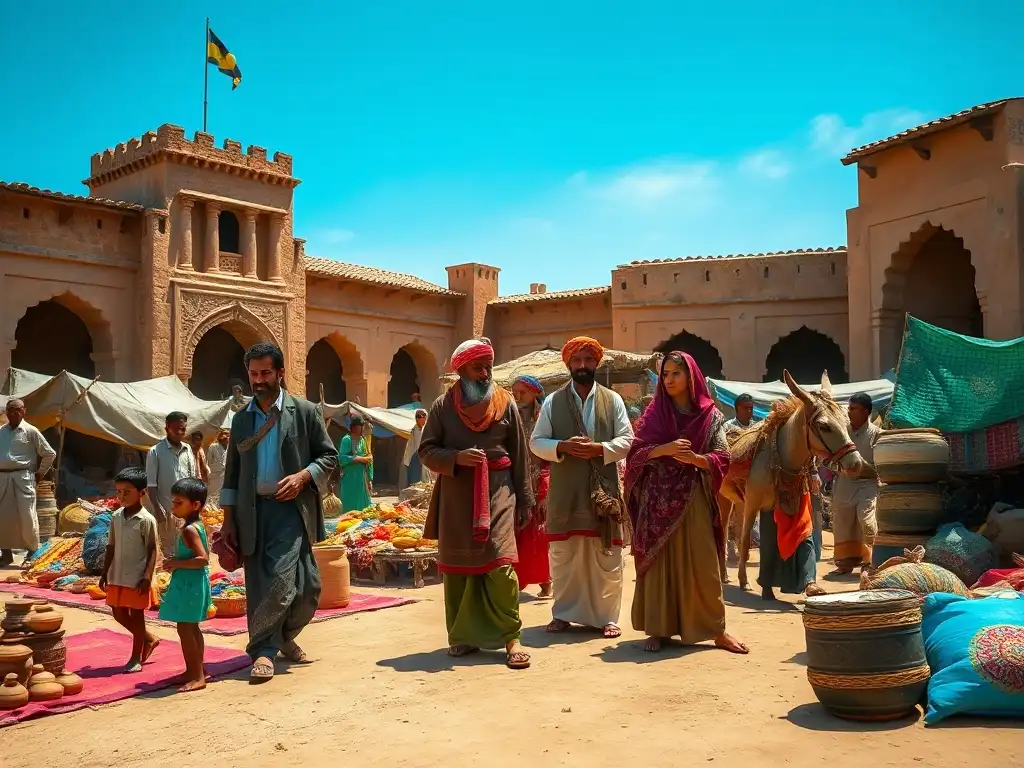
The trade activities of the Indus Valley Civilization profoundly impacted the daily lives of its inhabitants. The economy was closely tied to trade, influencing not only wealth distribution but also social interactions and cultural practices.
The availability of diverse goods enriched the lifestyle of the people, making them more reliant on trade for everyday needs and luxuries. This reliance fostered a sense of community, as trade routes often facilitated interactions among different cultural groups. Moreover, the economic prosperity stemming from trade likely contributed to the development of more complex societal structures.
Trade and Urban Development
Trade was a significant driver of urban development in the Indus Valley Civilization. The establishment of major urban centers like Harappa and Mohenjo-Daro was closely linked to their strategic locations along trade routes. These cities featured advanced infrastructure, including well-planned streets, drainage systems, and public baths, which facilitated commerce and attracted traders from various regions.
As trade flourished, these urban centers became melting pots of culture and innovation, leading to advancements in various fields such as art, architecture, and technology. The wealth generated from trade investments enabled the construction of monumental structures and enhanced public services, contributing to a higher quality of life for their inhabitants.
Social Structure and Trade
The trade economy also had a profound influence on the social structure of the Indus Valley Civilization. The emergence of merchant classes indicated a stratified society where individuals could attain wealth and status through trade. This led to a more complex social hierarchy, with traders and craftsmen occupying prominent positions within the community.
Additionally, trade fostered social interactions among diverse groups, promoting cultural exchange and influencing social customs. The blending of different cultural practices, evident in artifacts and architectural styles, reflects the interconnectedness brought about by trade. This dynamic social environment contributed to the civilization's richness, making it a vibrant tapestry of traditions and lifestyles shaped by economic activities.
Trade Practices and Techniques in the Indus Valley
The Indus Valley Civilization, known for its advanced urban planning and societal organization, also showcased a complex and dynamic trade economy. Trade practices during this period were not just limited to local exchanges; they extended across regions and involved diverse goods. The civilization's strategic geographic location, situated between key trade routes, facilitated extensive interactions with neighboring cultures, including Mesopotamia and Persia. This interconnectedness allowed for the exchange of not only goods but also cultural ideas and technologies.
The craftsmanship of the Indus Valley people played a crucial role in their trade economy. They produced high-quality goods, such as finely woven textiles, pottery, and intricate jewelry, which were highly sought after in both local and international markets. The use of standardized weights and measures further streamlined trading practices and contributed to a thriving commercial environment. Merchants were often organized into guilds, ensuring that trade was conducted fairly and efficiently.
Methods of Bartering and Currency
In the absence of a formal currency system, the Indus Valley Civilization primarily relied on bartering as a means of trade. Bartering involved the direct exchange of goods and services, which necessitated a mutual understanding of value between the trading parties. Common goods traded included agricultural produce, textiles, pottery, and metalwork, reflecting the diverse skills and resources of the region.
While there is no definitive evidence of a standardized currency, the use of weights made from materials like stone or metal suggests that some form of measurement was applied to facilitate fair exchanges. These weights, often found in marketplaces, indicate that traders likely developed a system that allowed them to assess the value of goods accurately, thus enhancing the efficiency of trade.
Trade Regulations and Standardization
The Indus Valley Civilization exhibited remarkable regulatory practices that contributed to the smooth functioning of trade. Archaeological findings indicate the presence of standardized weights and measures, which were crucial for ensuring fair trade. These weights, often made of stone or metal and calibrated to specific units, allowed merchants to conduct transactions with a sense of equality and trust.
Moreover, regulations governing trade practices may have been enforced by local authorities or merchant guilds, which likely helped maintain order and resolve disputes. The uniformity found in seals used for trade transactions—often inscribed with unique symbols—suggests that there was a systematic approach to documenting and authenticating goods. This standardization not only facilitated local trade but also enhanced the Indus Valley's reputation as a reliable trade partner to neighboring civilizations.
Archaeological Evidence of Trade in the Indus Valley
Archaeological excavations have unveiled a wealth of evidence that underscores the significance of trade in the Indus Valley Civilization. Key sites such as Harappa and Mohenjo-Daro have provided insights into the intricate networks that facilitated commerce and cultural exchange. The artifacts and structures discovered in these locations reveal a sophisticated understanding of trade practices and the importance of economic activities in daily life.
Key Discoveries and Excavations
Significant archaeological discoveries have illuminated the trade dynamics of the Indus Valley Civilization. Excavations at Harappa and Mohenjo-Daro unveiled a range of artifacts, including trade seals, weights, and pottery, that point to a well-established trade system. The presence of seals, often made from steatite and engraved with unique motifs, suggests that these items were used to mark goods for trade, serving as identifiers for merchants.
Additionally, findings of dockyards and warehouses indicate that the Indus Valley people engaged in maritime trade, further expanding their trading reach. Evidence of trade routes connecting the Indus Valley to regions like Mesopotamia has been substantiated through the discovery of similar artifacts in both areas, highlighting the far-reaching influence of Indus Valley trade practices.
Artifacts That Highlight Trade Practices
Artifacts from the Indus Valley Civilization provide a window into the sophisticated trade practices of this ancient society. Among the most significant are the seals, which often featured animals, script, and symbols thought to represent the identity of traders or the goods being transported. These seals not only served a practical purpose in trade but also reflect the artistic and cultural values of the civilization.
Additionally, weights made from stone have been discovered in various sites, indicating a standardized system for measuring goods. The discovery of pottery with distinct designs used for storage and transport also underscores the importance of trade in daily life. Each artifact tells a story about the economy, social structure, and cultural exchanges that defined the Indus Valley Civilization, revealing a thriving economy that was integral to its societal development.
Conclusion: The Legacy of Indus Valley Trade Economy
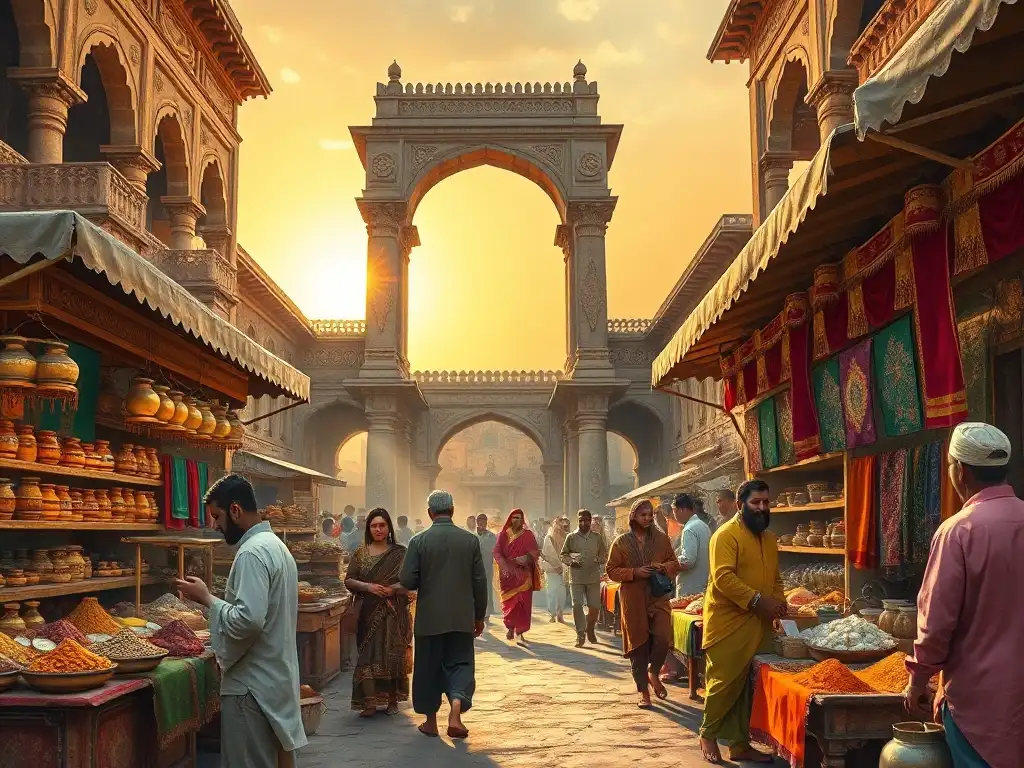
The trade economy of the Indus Valley Civilization was not merely an economic system; it was a complex network that influenced various aspects of life in the region. From the exchange of goods to cultural interactions, the legacy of this trade economy continues to resonate through history. The efficient urban planning of cities like Harappa and Mohenjo-Daro, integrated with advanced trade practices, showcases the civilization's profound understanding of commerce and market dynamics.
Moreover, the artifacts and seals discovered at archaeological sites reveal not just the goods traded, such as cotton textiles, beads, and pottery, but also the sophisticated methods employed in trade, including standardized weights and measures. This level of organization suggests a thriving economy that laid the groundwork for future civilizations in South Asia, allowing them to build on these early practices.
Lasting Effects on Subsequent Civilizations
The Indus Valley trade economy had a significant influence on subsequent civilizations in the Indian subcontinent and beyond. The system of trade established by the Indus Valley people served as a model for later cultures, such as the Maurya and Gupta Empires. The integration of trade networks facilitated not just economic prosperity but also cultural exchanges that enriched societies.
For instance, the trade routes established during the Indus period evolved to include new partners, extending to regions such as Mesopotamia and Persia. This interaction fostered a blend of goods, ideas, and technologies that shaped the cultural fabric of later Indian societies. The emphasis on trade and commerce persisted, highlighting the importance of economic relationships in maintaining societal stability and growth.
Reflection on the Importance of Trade in Ancient India
Trade was a cornerstone of ancient Indian civilization, particularly within the context of the Indus Valley Civilization. It played a pivotal role in shaping social structures, economic prosperity, and cultural interactions. The prosperity derived from trade allowed the civilization to flourish, with urban centers becoming hubs of economic activity and cultural exchange.
Furthermore, the significance of trade in ancient India extended beyond mere economic transactions. It facilitated the exchange of ideas, art, and technology, which contributed to the rich tapestry of Indian culture. The legacy of the Indus Valley trade economy can still be seen today, as modern India continues to be a vital player in global trade networks, reflecting the enduring spirit of its ancient ancestors. The understanding and appreciation of this historical trade economy provide vital insights into the social and economic foundations of ancient Indian society, illustrating the indispensable role of trade in shaping civilizations.
- Introduction to Indus Valley Trade Economy
- Historical Context of Indus Valley Trade
- Key Features of the Indus Valley Trade Economy
- The Impact of Trade on Daily Life in Indus Valley
- Trade Practices and Techniques in the Indus Valley
- Archaeological Evidence of Trade in the Indus Valley
- Conclusion: The Legacy of Indus Valley Trade Economy
- Lasting Effects on Subsequent Civilizations
- Reflection on the Importance of Trade in Ancient India
- What was the Indus Valley trade economy like?
- How did trade impact the daily lives of Indus Valley people?
- What goods were commonly traded in the Indus Valley?
- Which regions were key trading partners for the Indus Valley Civilization?
- What evidence supports the significance of trade in the Indus Valley?
Frequently Asked Questions
What was the Indus Valley trade economy like?
The Indus Valley trade economy was characterized by a sophisticated network of trade routes, both domestic and international, facilitating the exchange of goods like textiles, beads, and pottery.
How did trade impact the daily lives of Indus Valley people?
Trade played a crucial role in the daily lives of the Indus Valley civilization, as it allowed for the acquisition of resources, fostering social connections and cultural exchange among different regions.
What goods were commonly traded in the Indus Valley?
The Indus Valley traded a variety of goods, including cotton textiles, metal tools, and jewelry, which were highly sought after in markets across Mesopotamia and beyond.
Which regions were key trading partners for the Indus Valley Civilization?
The Indus Valley Civilization had key trading partners in regions such as Mesopotamia, Persia, and the Arabian Peninsula, facilitating a rich exchange of goods and cultural influences.
What evidence supports the significance of trade in the Indus Valley?
Archaeological findings, such as seal inscriptions, weights, and trade goods found in other regions, provide compelling evidence of the significance of trade in the economic structure of the Indus Valley Civilization.
Final Reflection: The Enduring Legacy of the Indus Valley Trade Economy
The intricate web of trade that flourished in the Indus Valley Civilization serves as a powerful reminder of how interconnected economies can shape societies. Today, as we navigate a globalized world where trade plays a pivotal role in our daily lives, understanding the foundations laid by ancient civilizations like the Indus Valley becomes increasingly relevant. The sophistication of their trade practices not only highlights their economic prowess but also emphasizes the importance of collaboration and exchange in fostering cultural and technological advancements.
The influence of the Indus Valley trade economy continues to resonate in our cultural and social landscapes. The principles of trade established thousands of years ago have evolved but remain central to our interactions and relationships today. As we witness the rise of global trade networks, it is essential to recognize that these connections are rooted in the past. Trade is the lifeblood of civilization; it connects us across time and space.
This quote encapsulates the essence of how trade has historically united diverse cultures, and it serves as a reminder of the shared human experience that transcends borders.
As we reflect on the lessons from the Indus Valley trade economy, let us consider how we can apply these insights to our lives today. I invite you to explore the ways in which trade and collaboration can enrich your community and personal interactions. Whether it's through supporting local businesses, engaging in cultural exchanges, or fostering international connections, each action contributes to a thriving economy and a more interconnected world. Embrace the spirit of trade as a means to build bridges, share knowledge, and celebrate the diversity that enhances our shared human experience.
Uncover the Riches of Trade in Ancient Times!
Thank you for diving into the fascinating world of the Indus Valley Civilization! You've just uncovered how trade shaped their thriving economy and daily lives. Now, it's time to take your newfound knowledge and explore further!
Here are some engaging actions you can take:
- Explore local museums or online exhibits that showcase artifacts from the Indus Valley Civilization. Discover the profound influence of trade on their craftsmanship!
- Join history discussion forums to share your insights and learn from fellow enthusiasts who share your passion.
- Test your knowledge: Create a fun quiz for friends and family about trade in ancient civilizations; you might uncover fascinating facts together!
What aspect of ancient trade intrigues you the most—its impact on culture, technology, or daily life? We invite you to share your thoughts!